


Toronto Outdoor Art Fair 2018,
Nathan Phillips Square
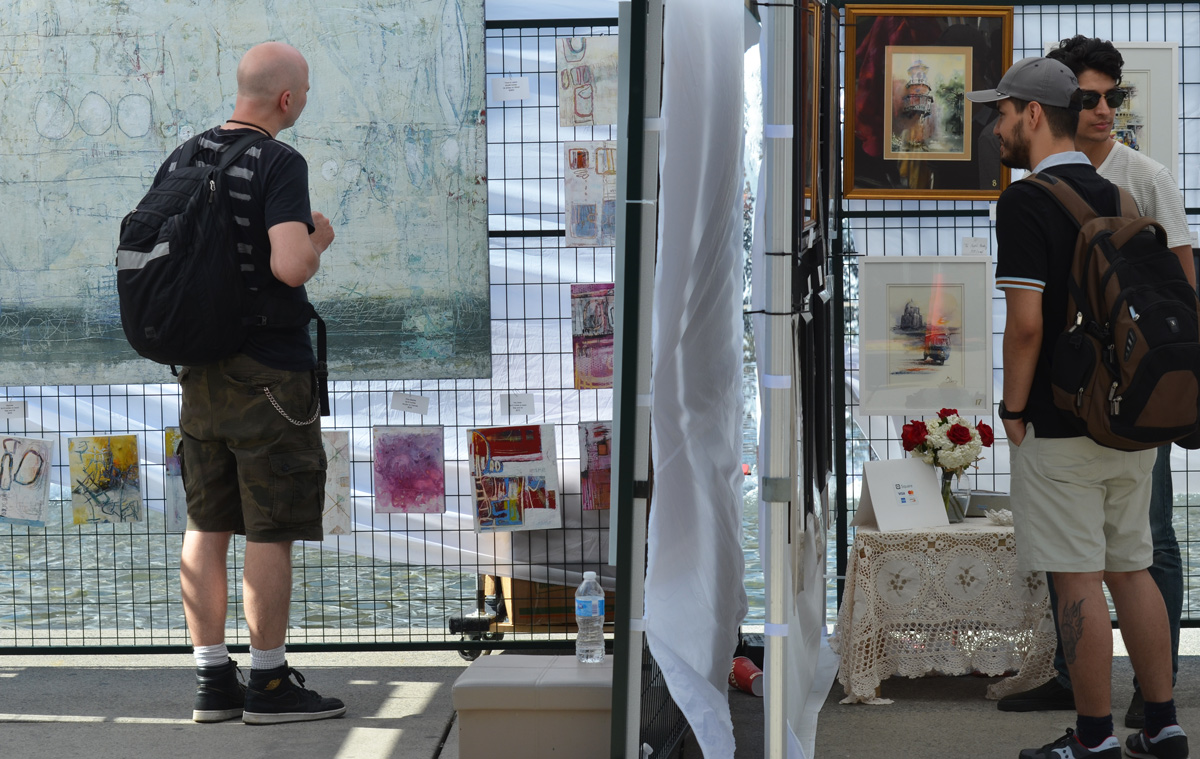
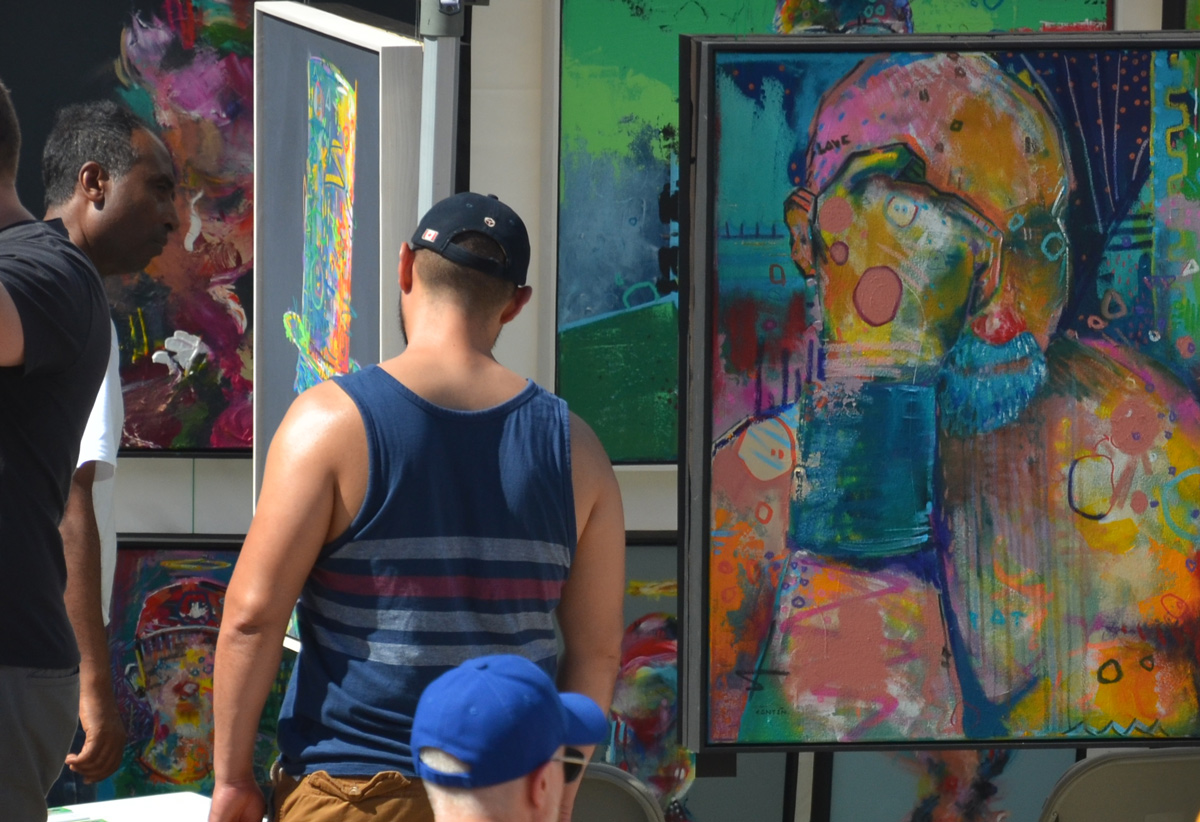
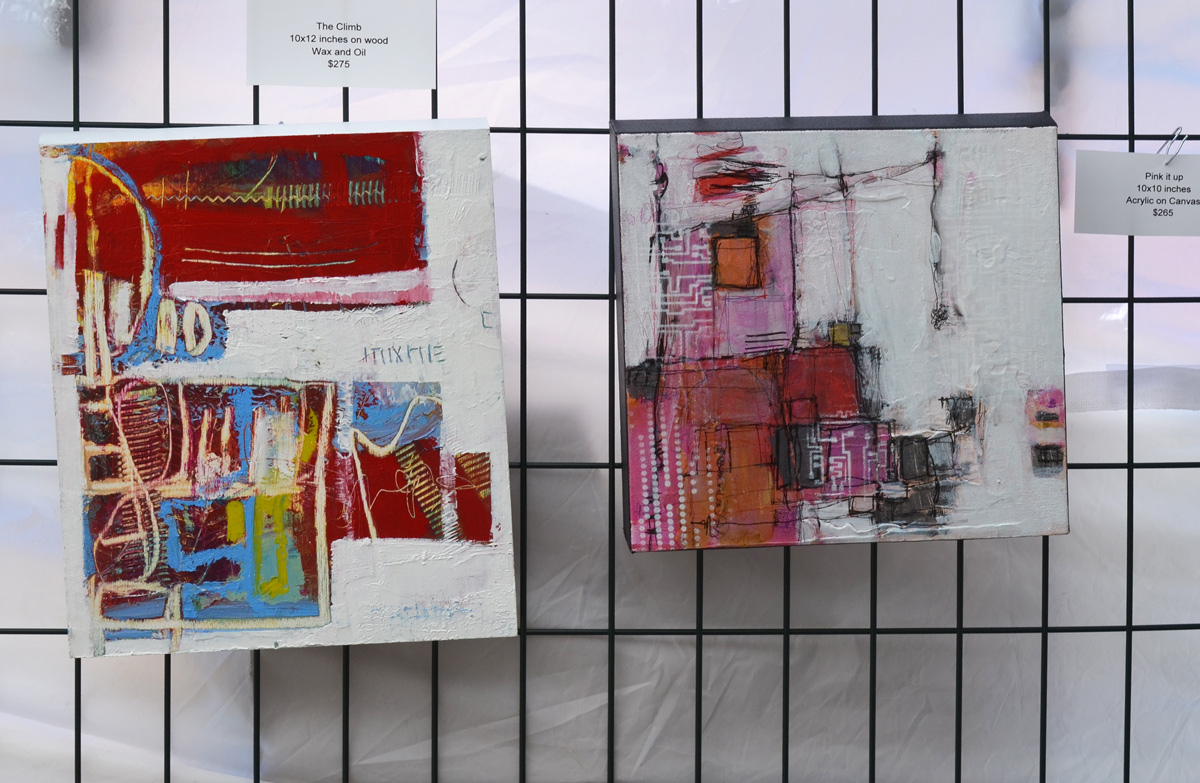
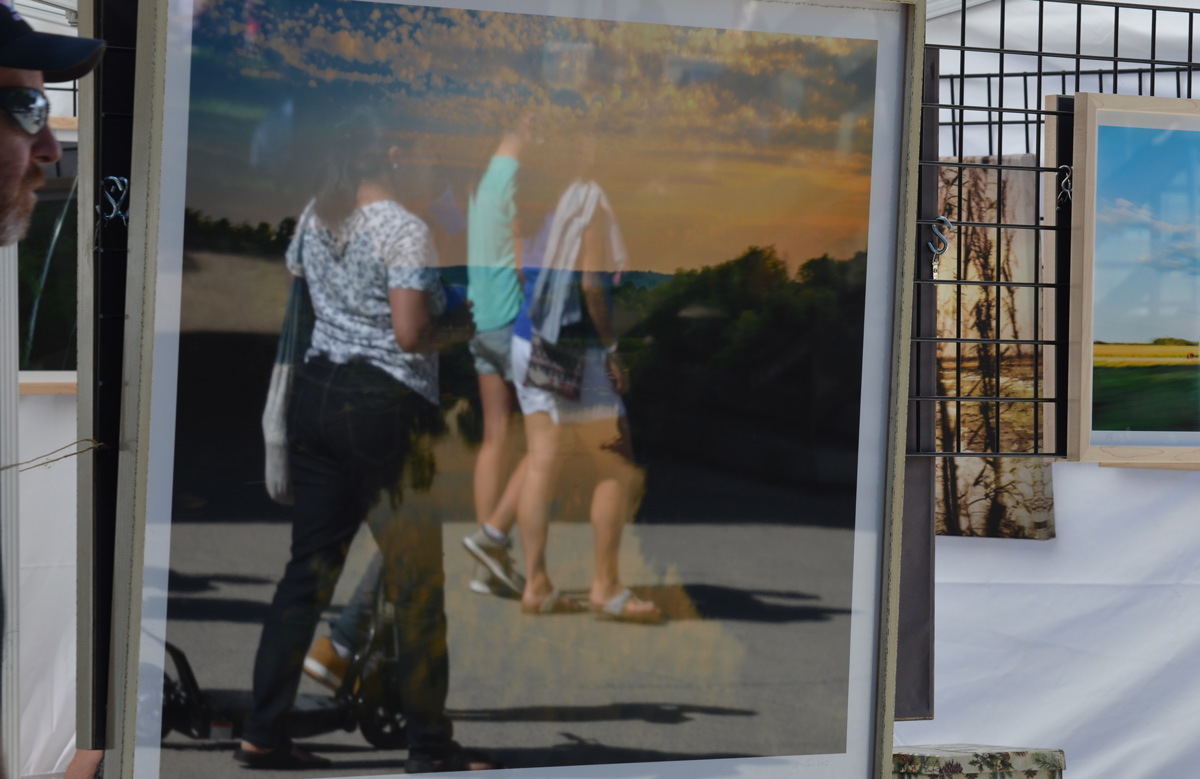

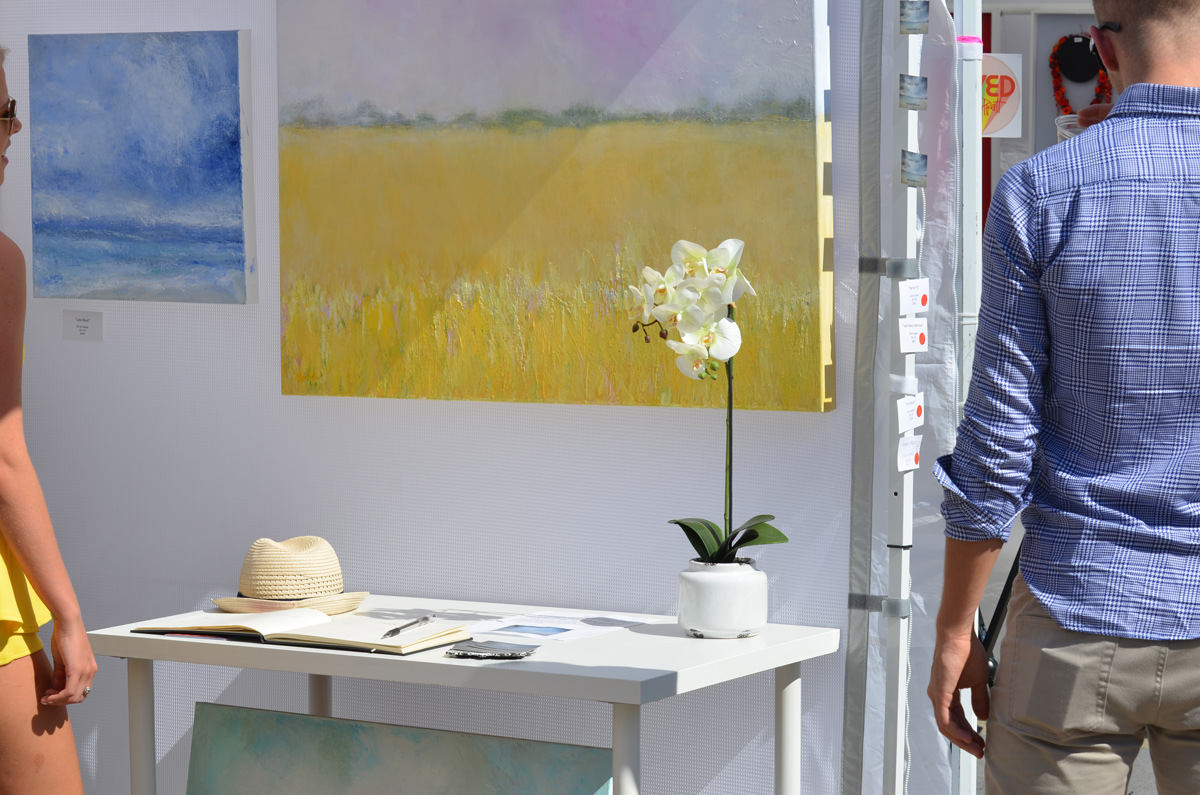


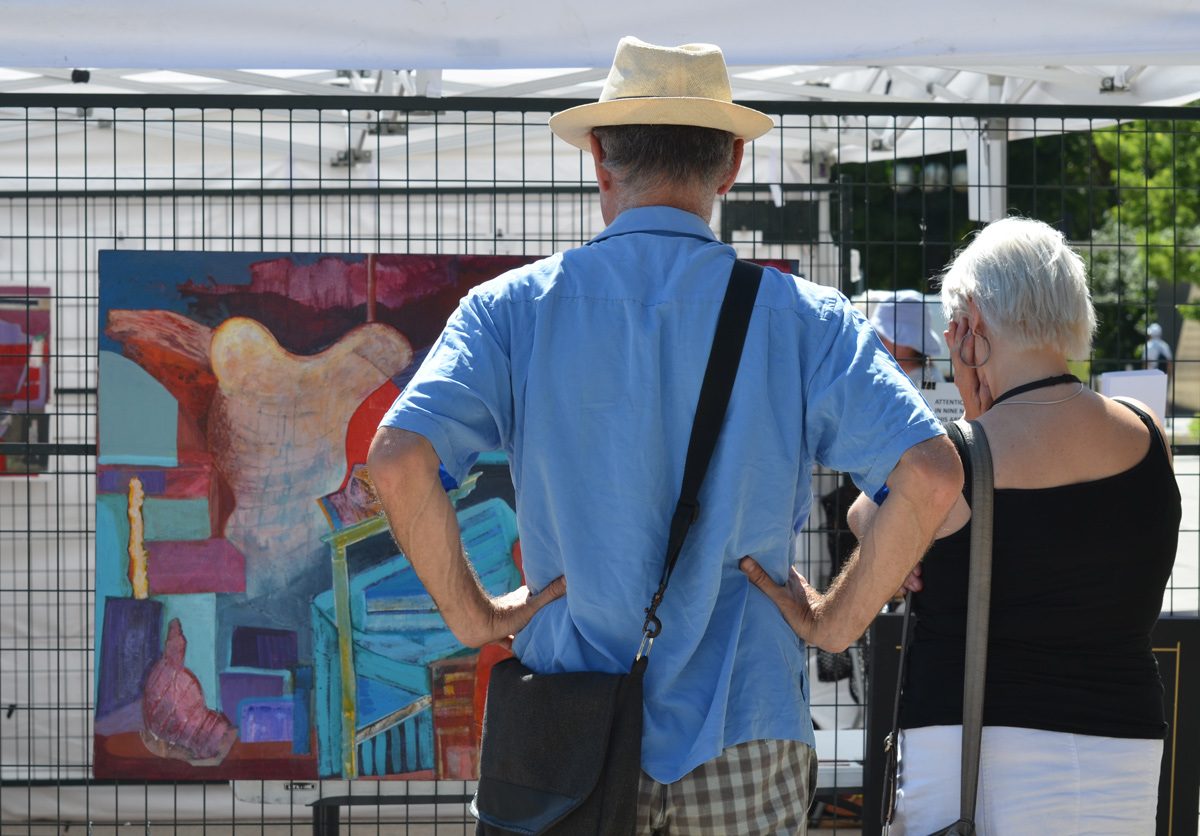
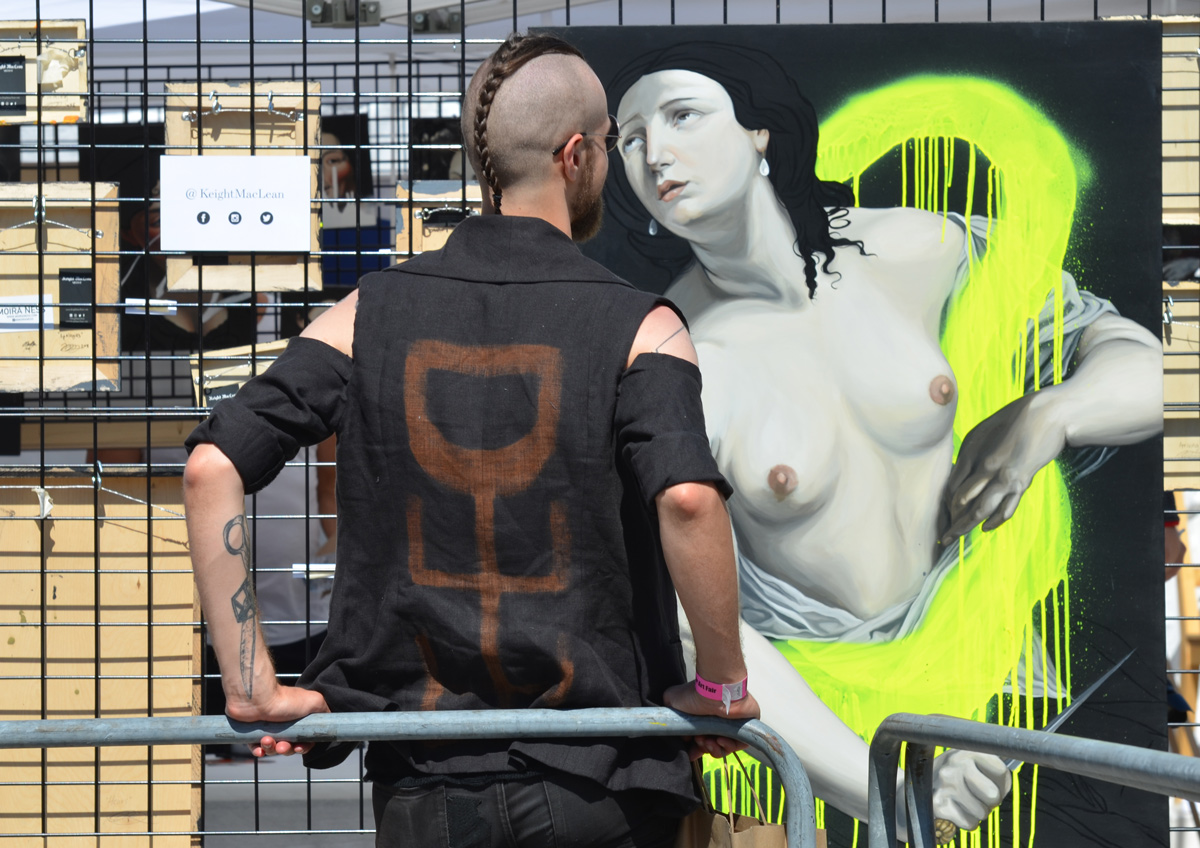
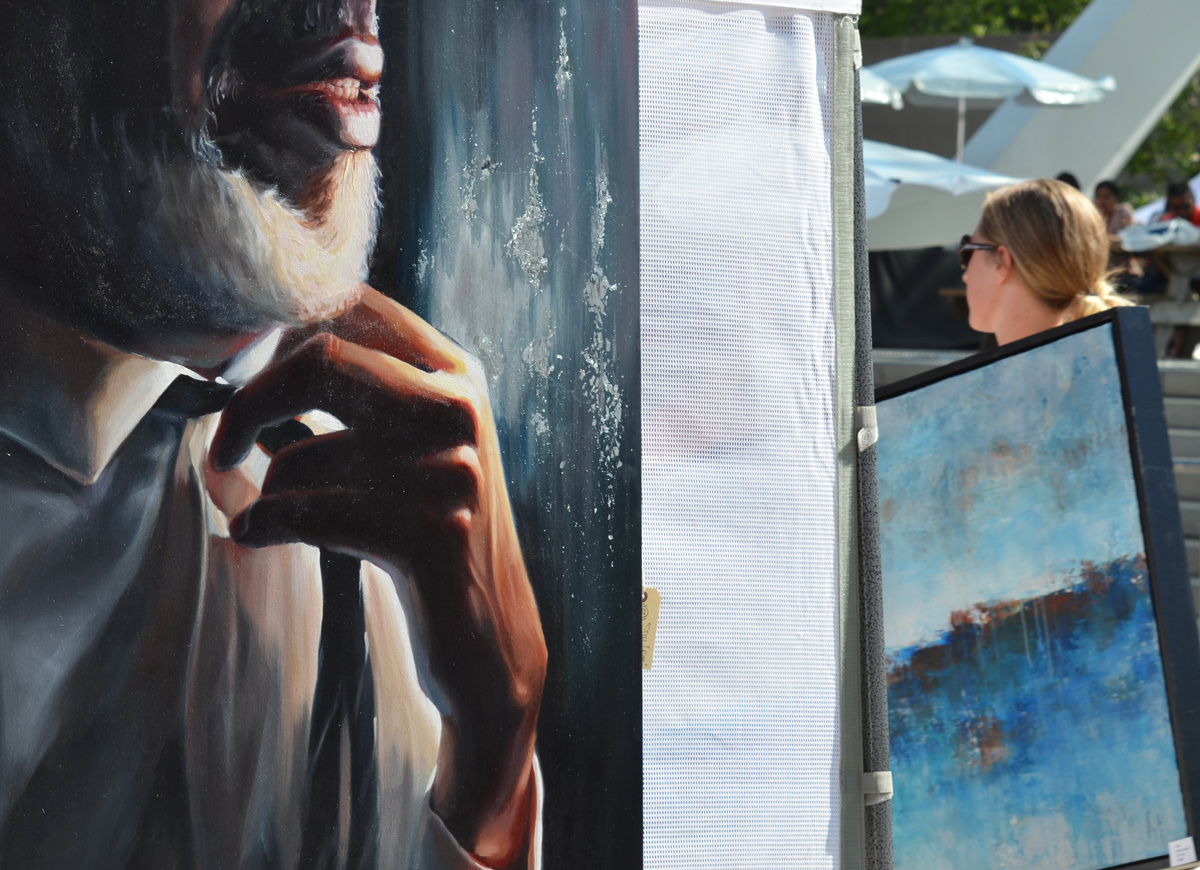


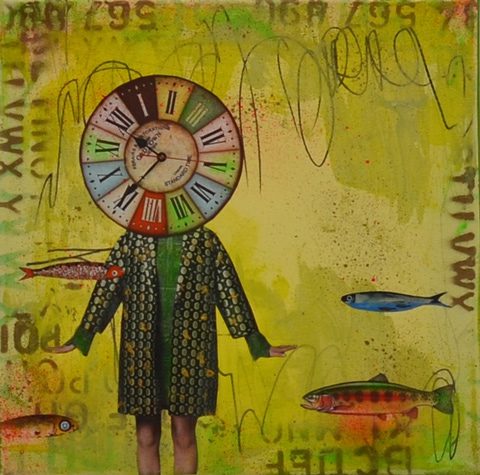
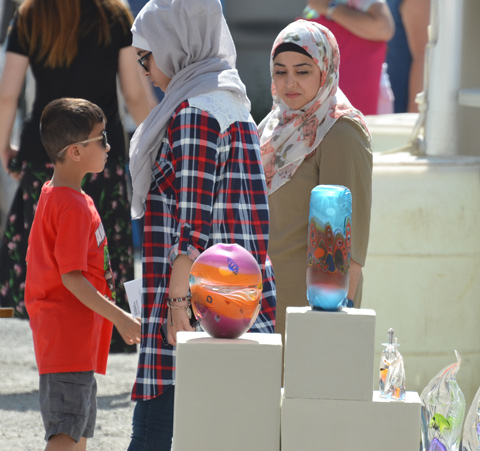
Toronto Outdoor Art Fair 2018,
Nathan Phillips Square

Happy Canada Day weekend!

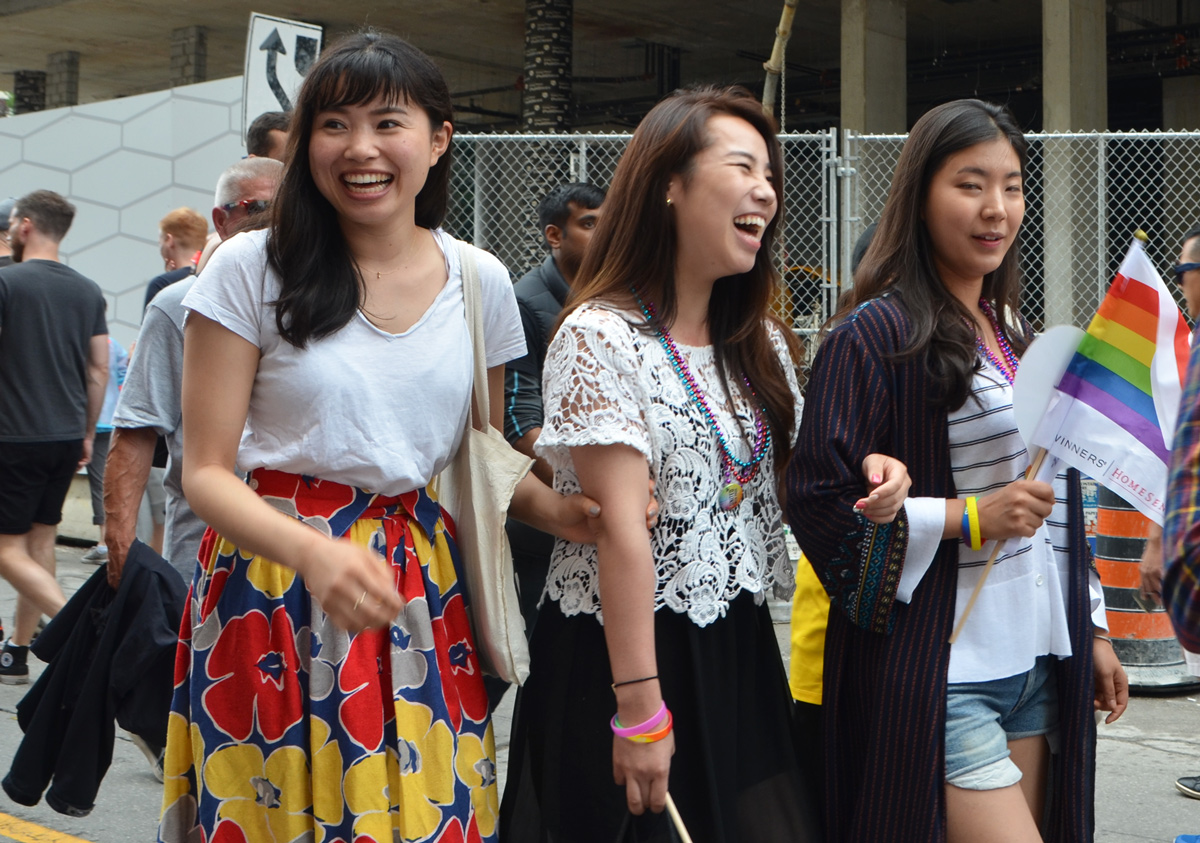
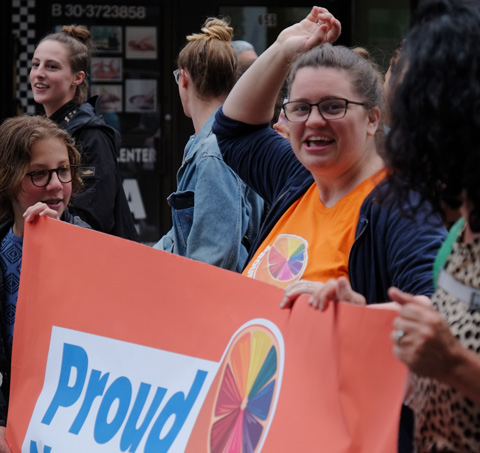
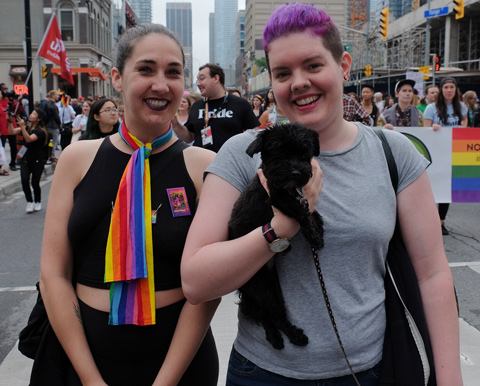
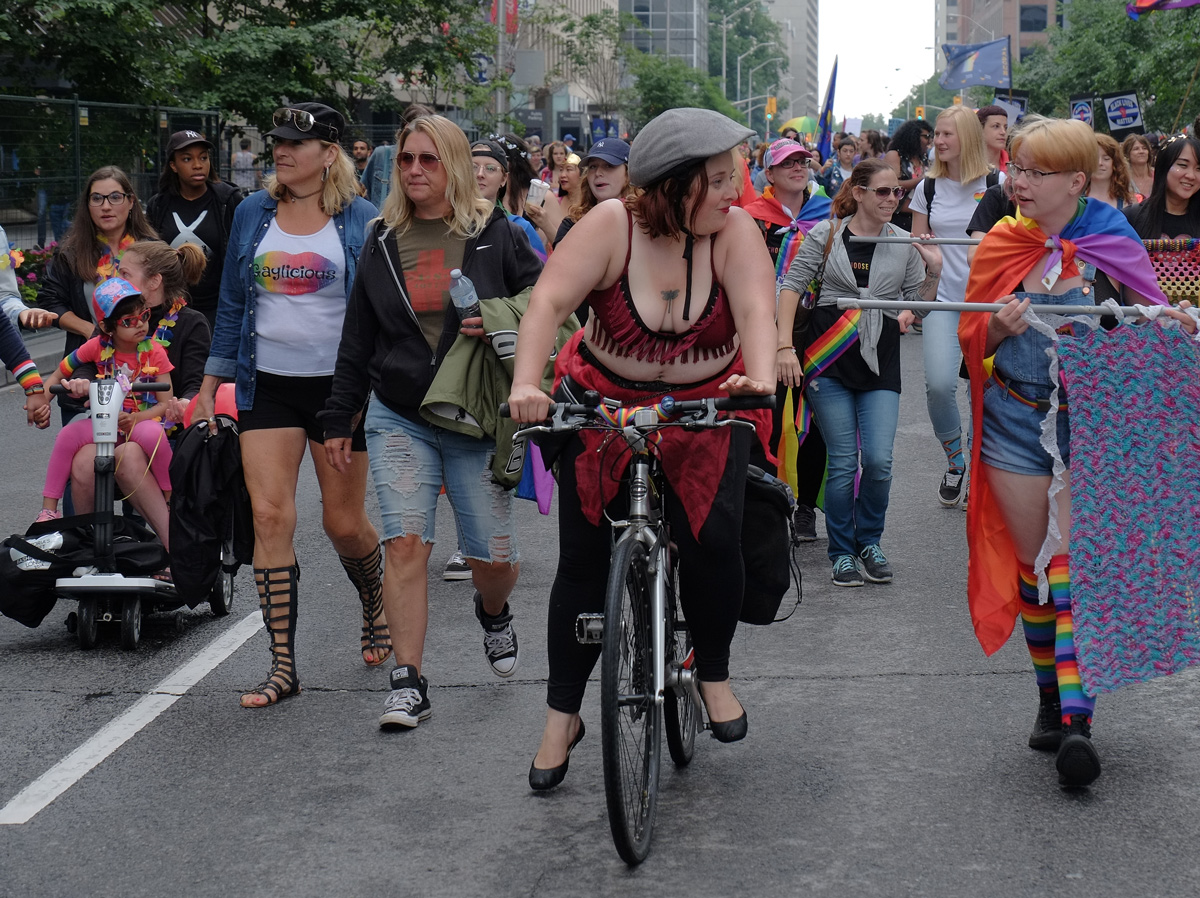
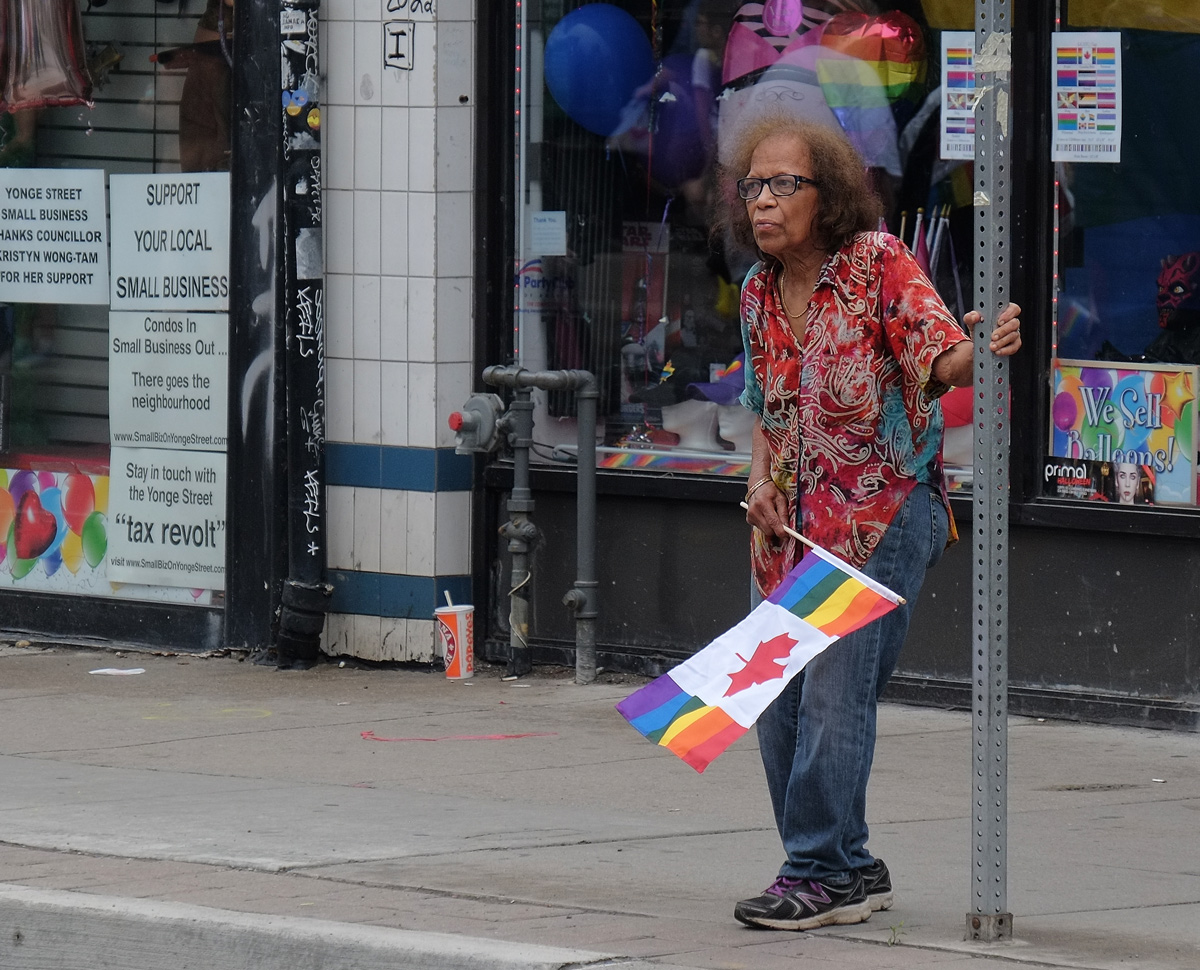
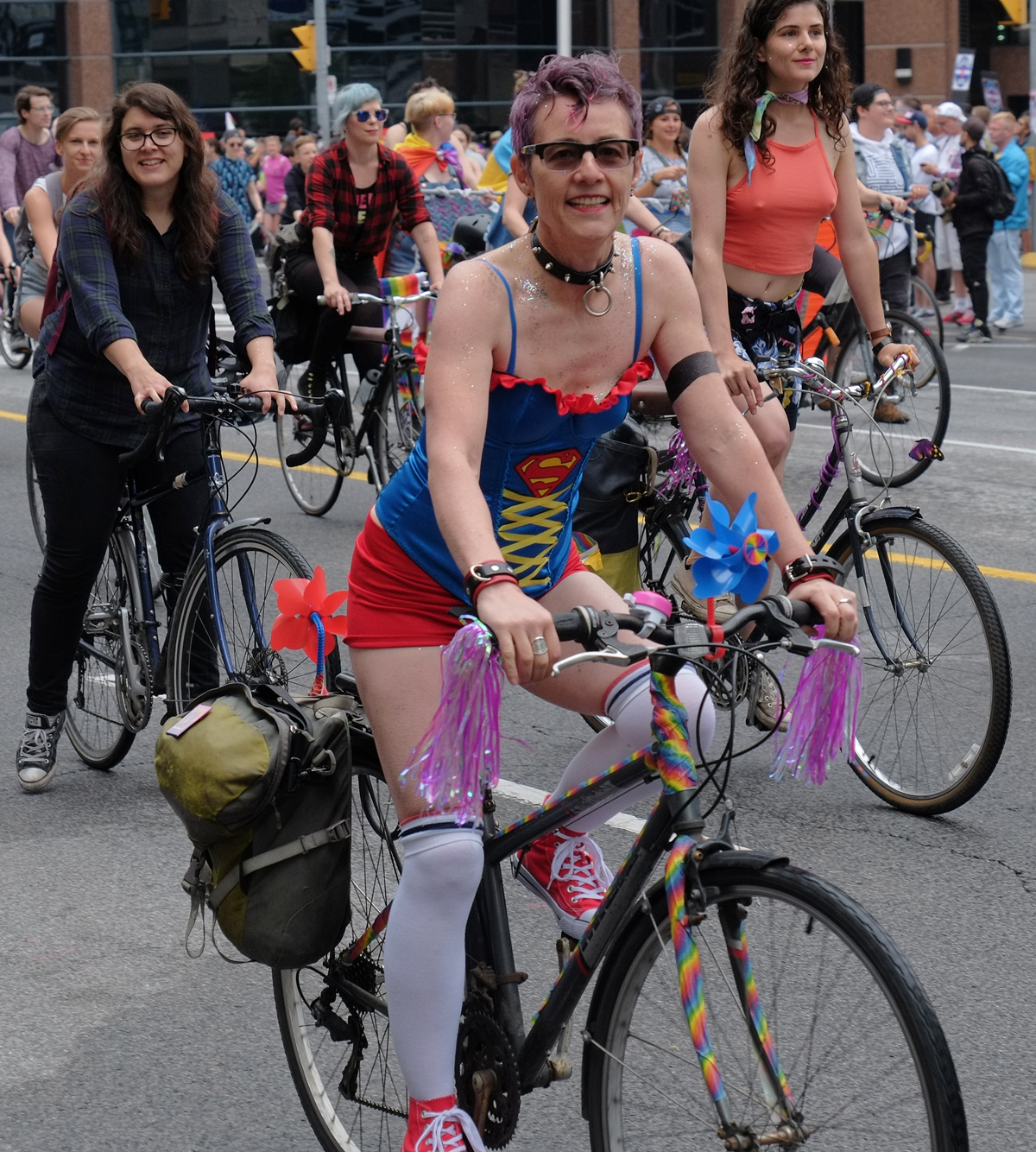
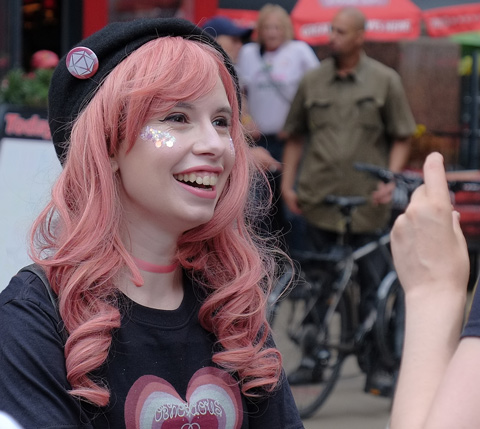
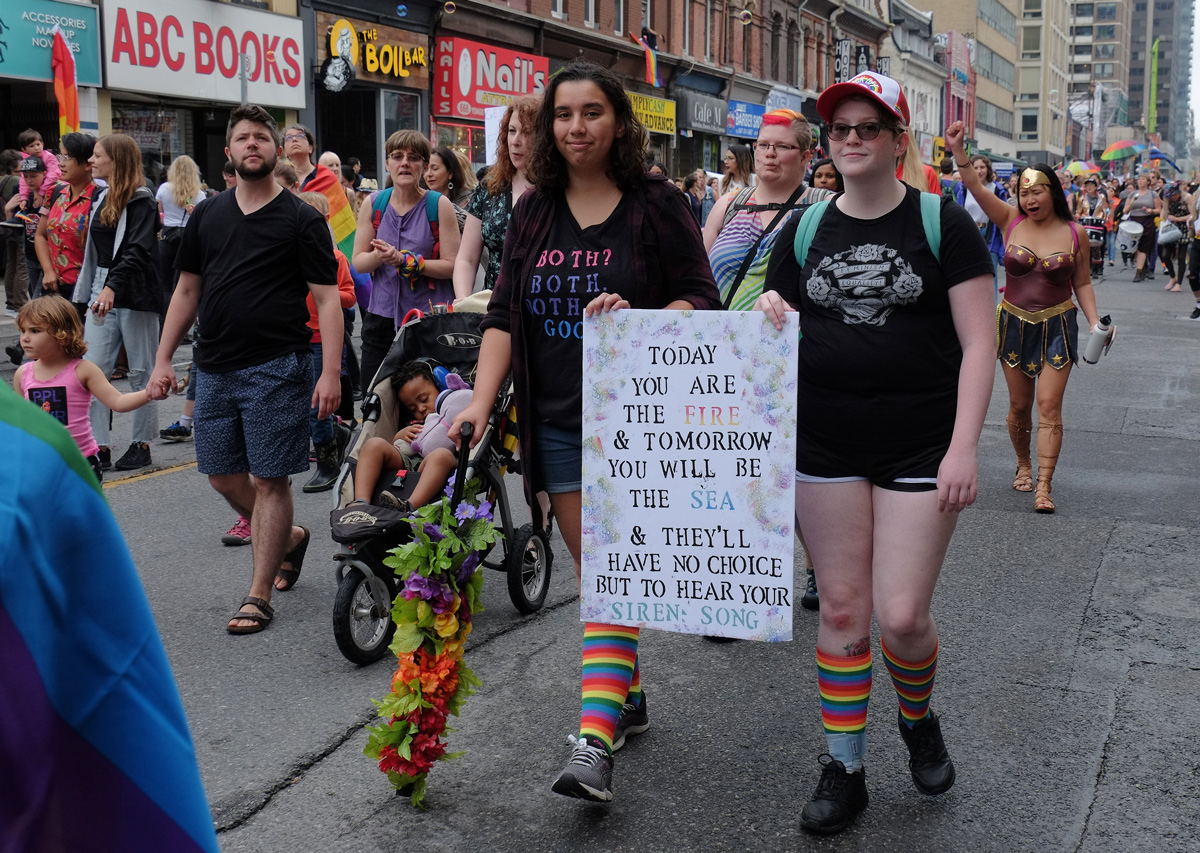
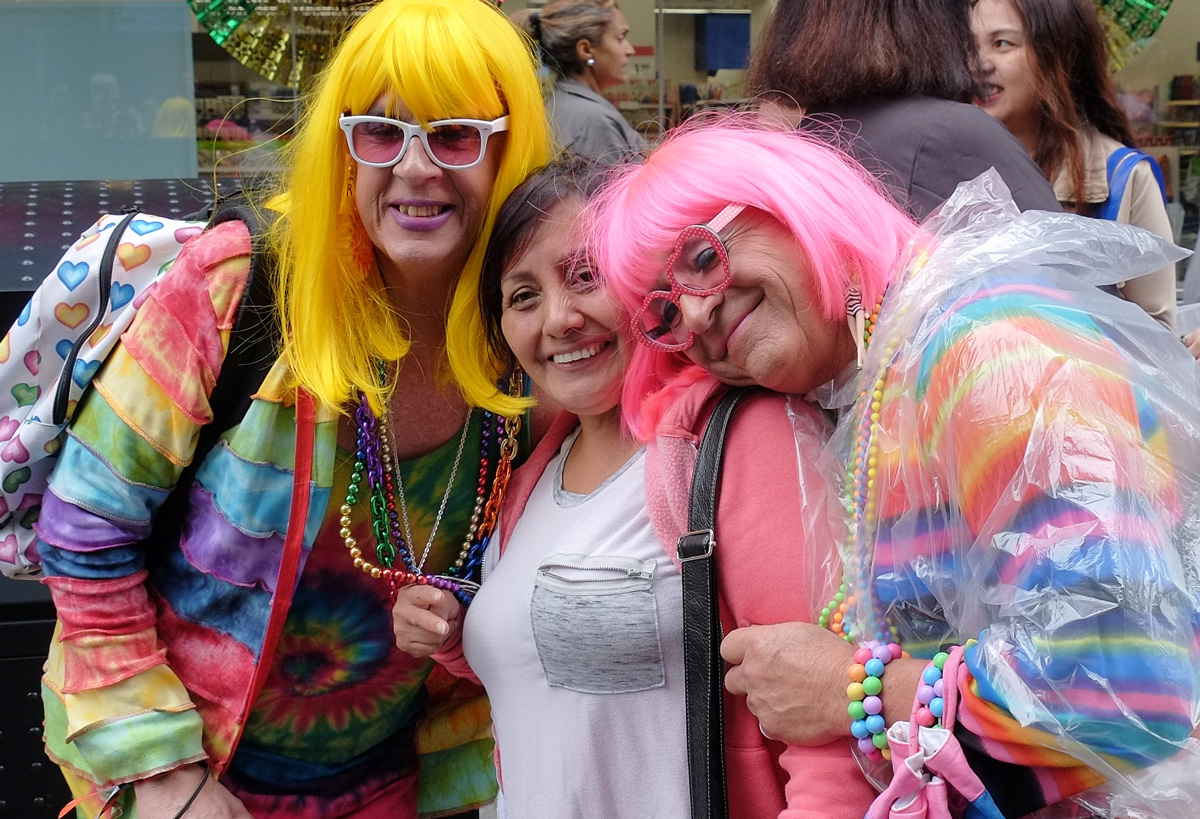
Pictures from the annual Pride Parade down Yonge Street – my apologies for the large number but everyone is just so photogenic and engaging!


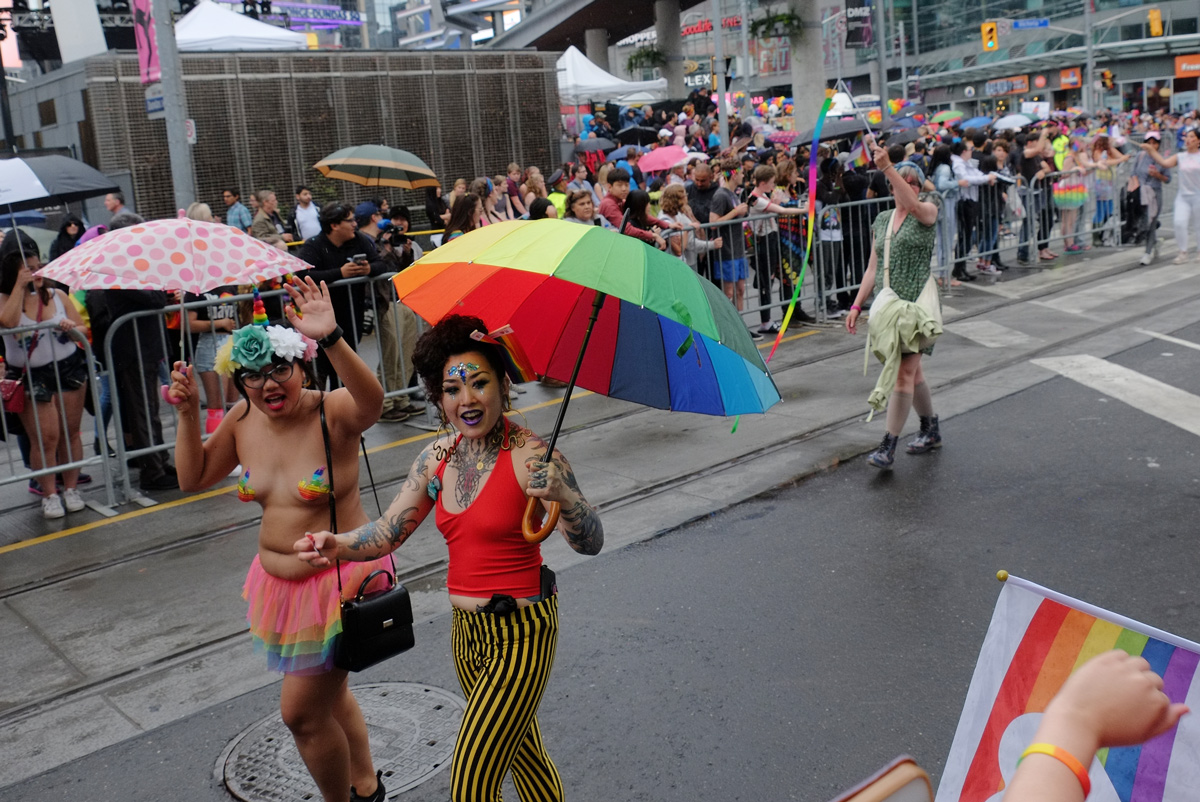
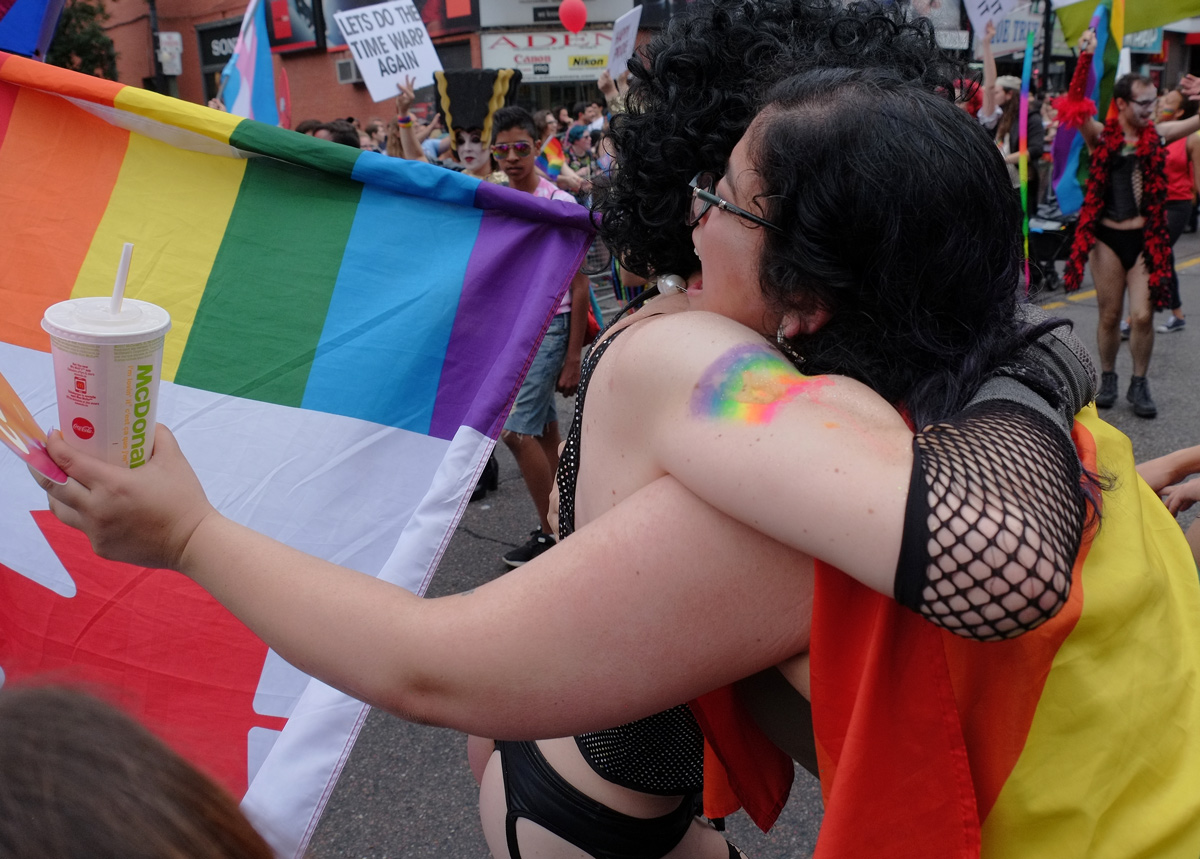


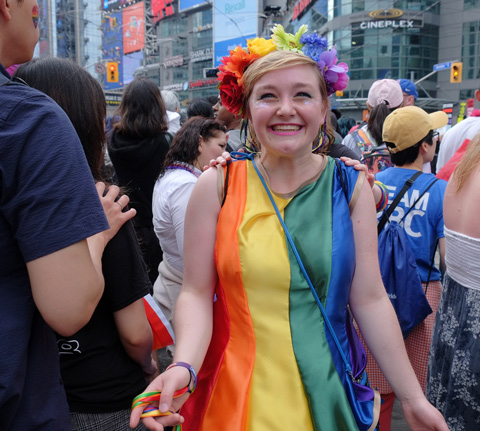
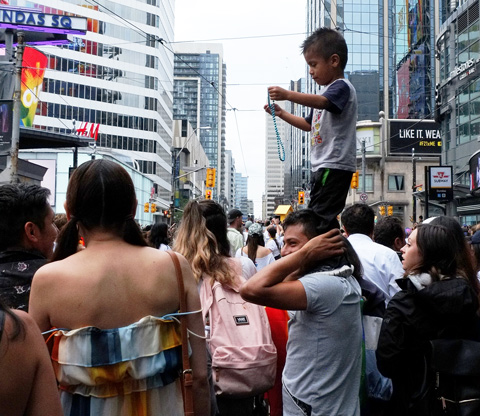
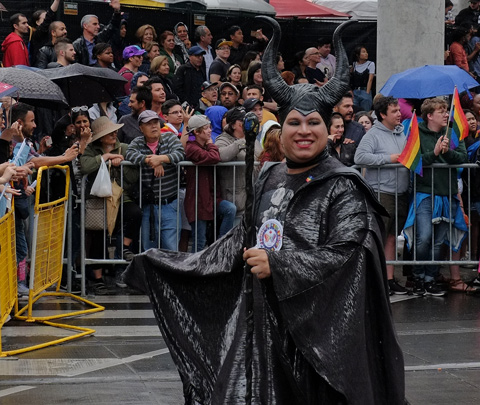
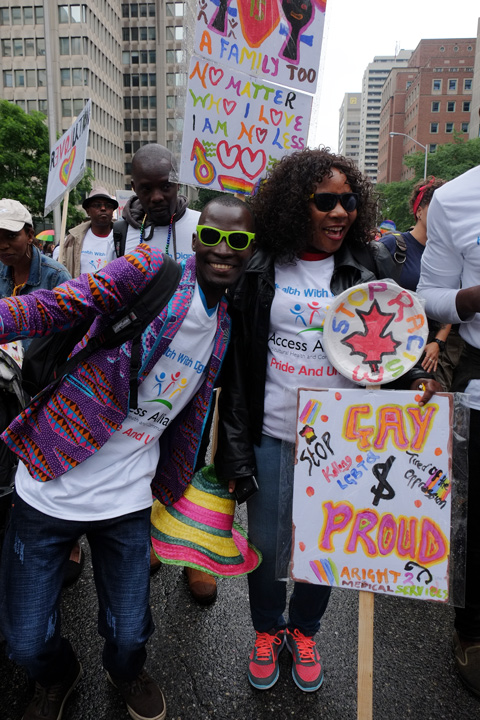
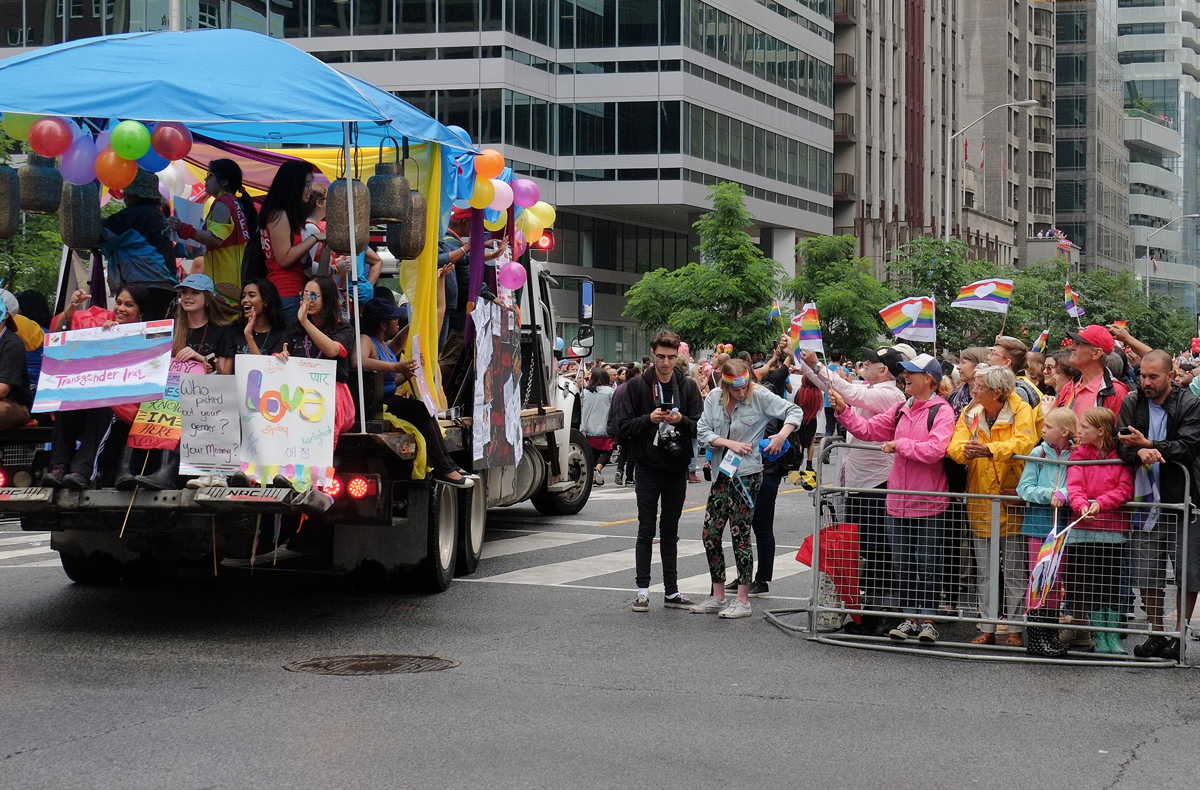
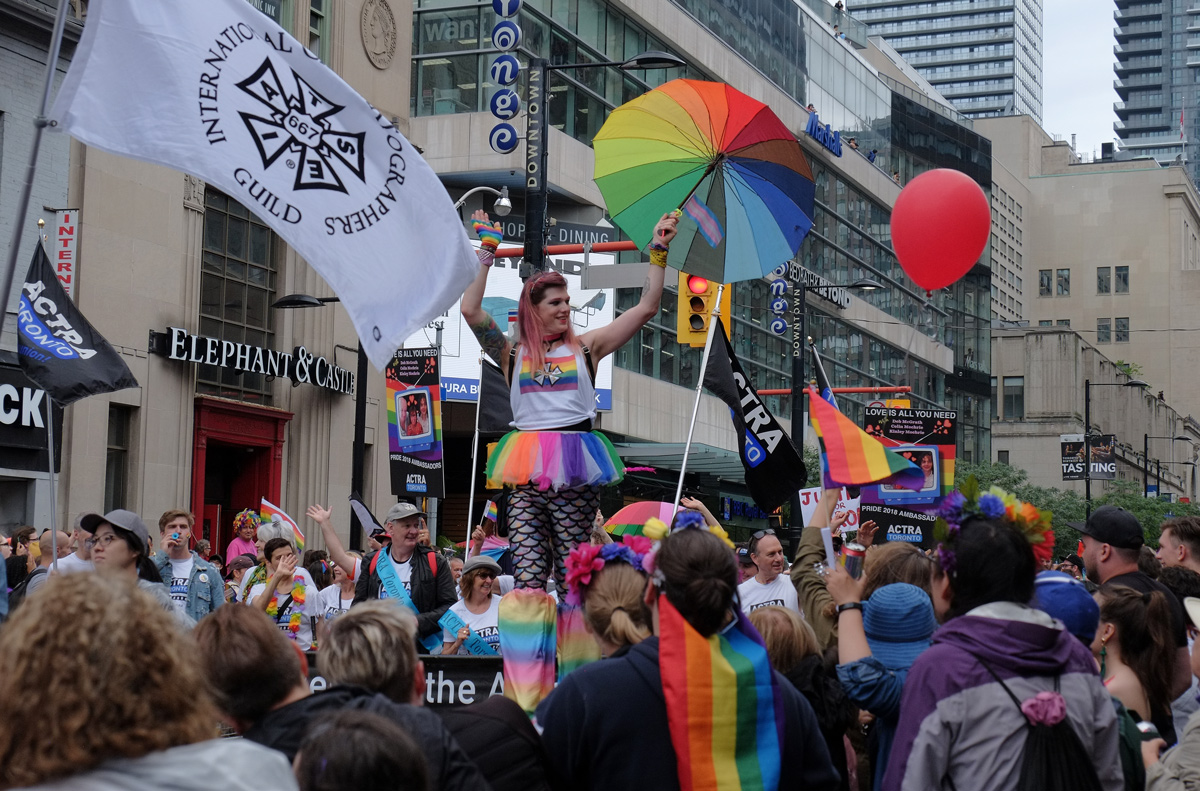

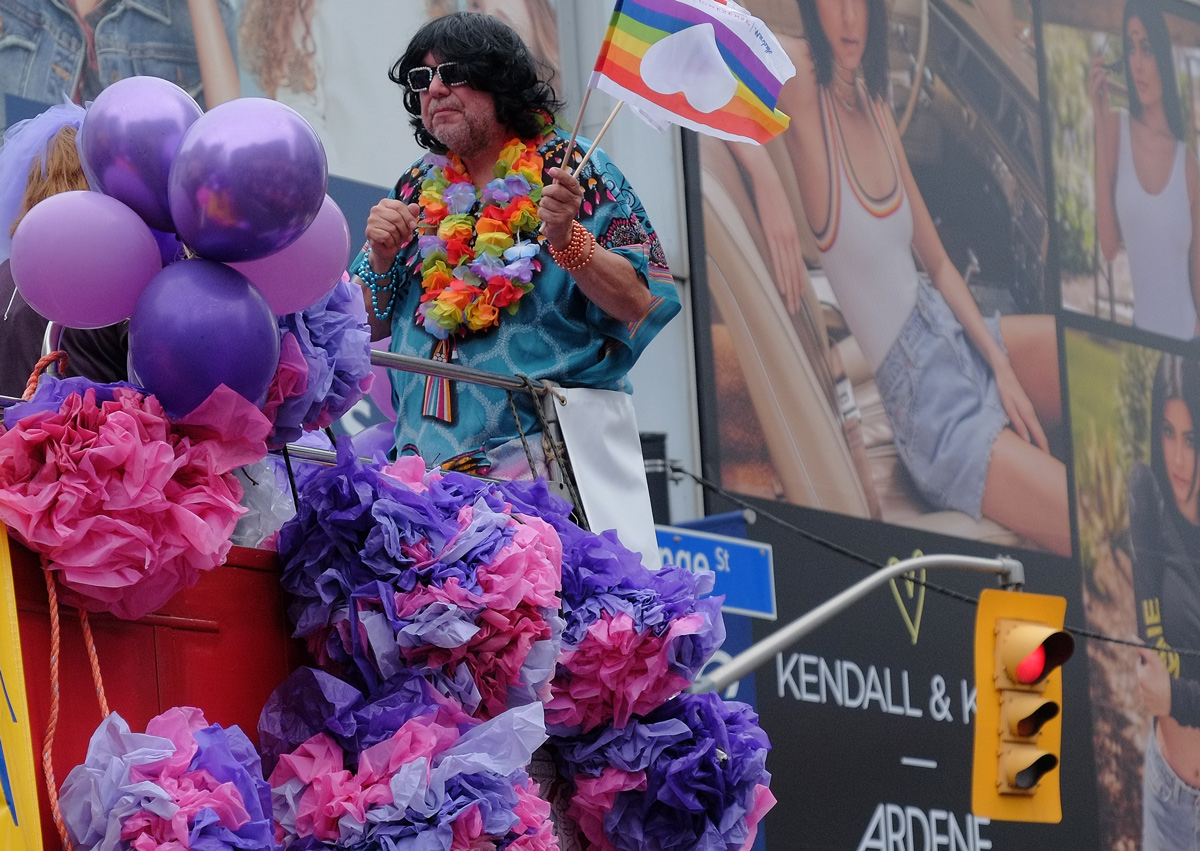


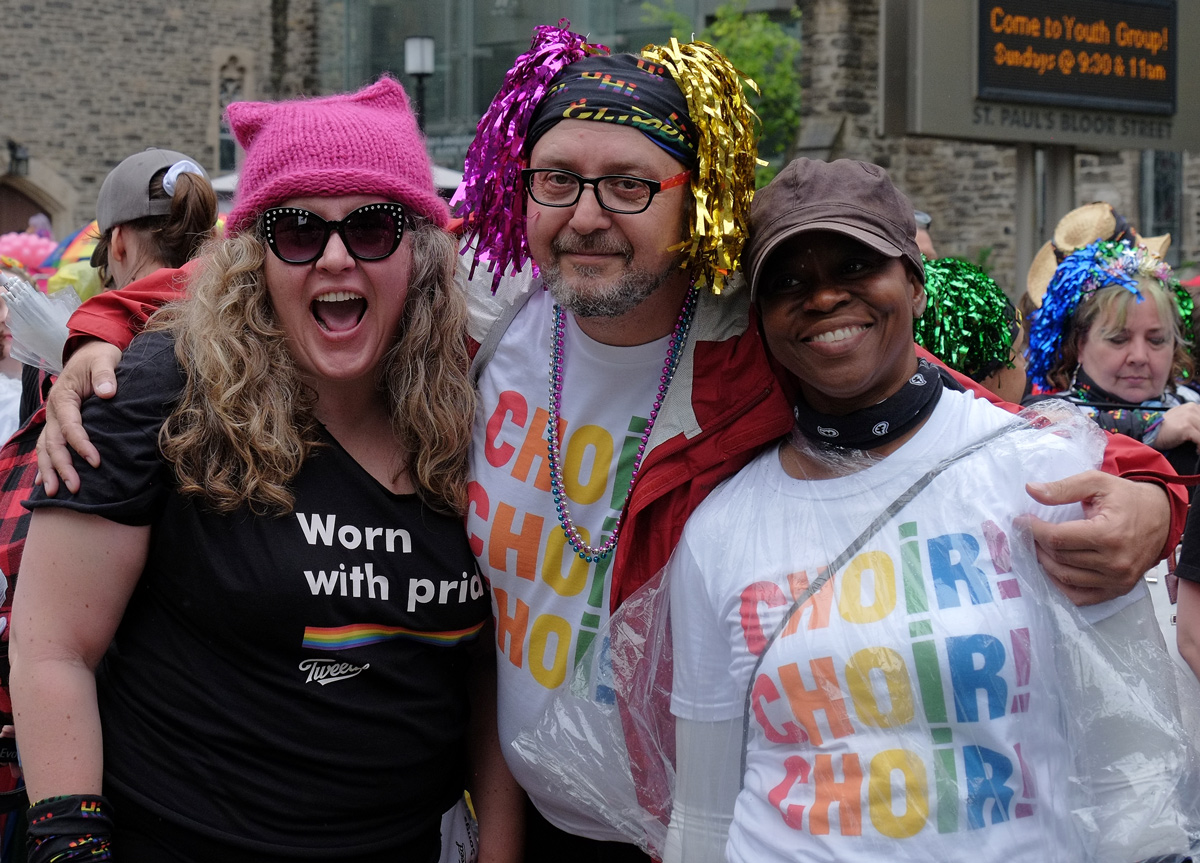
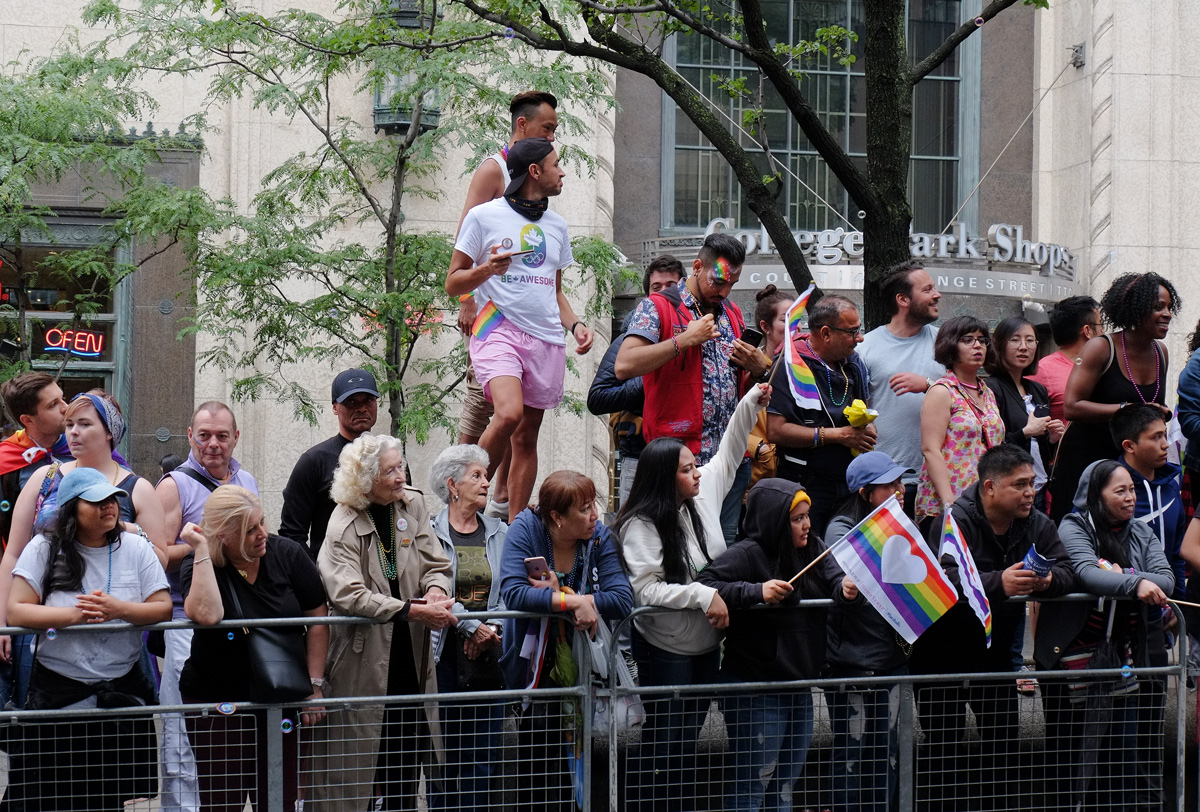


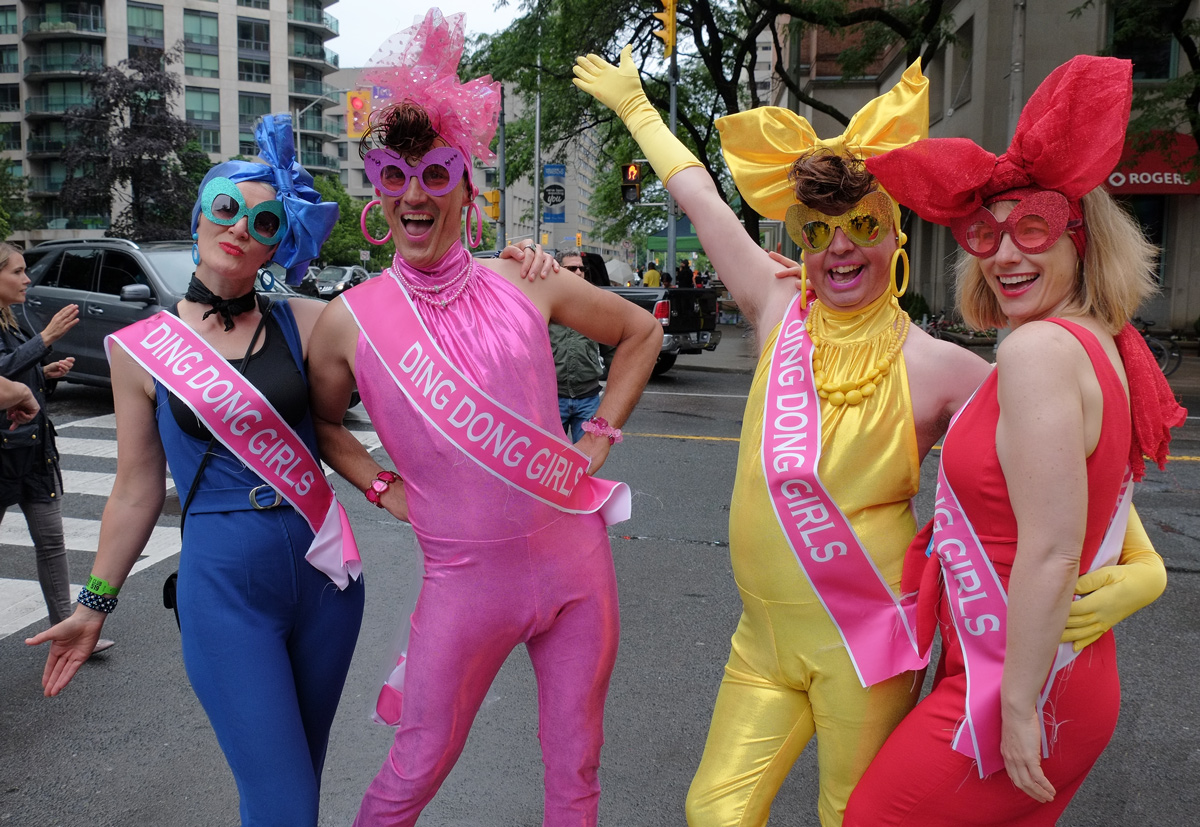
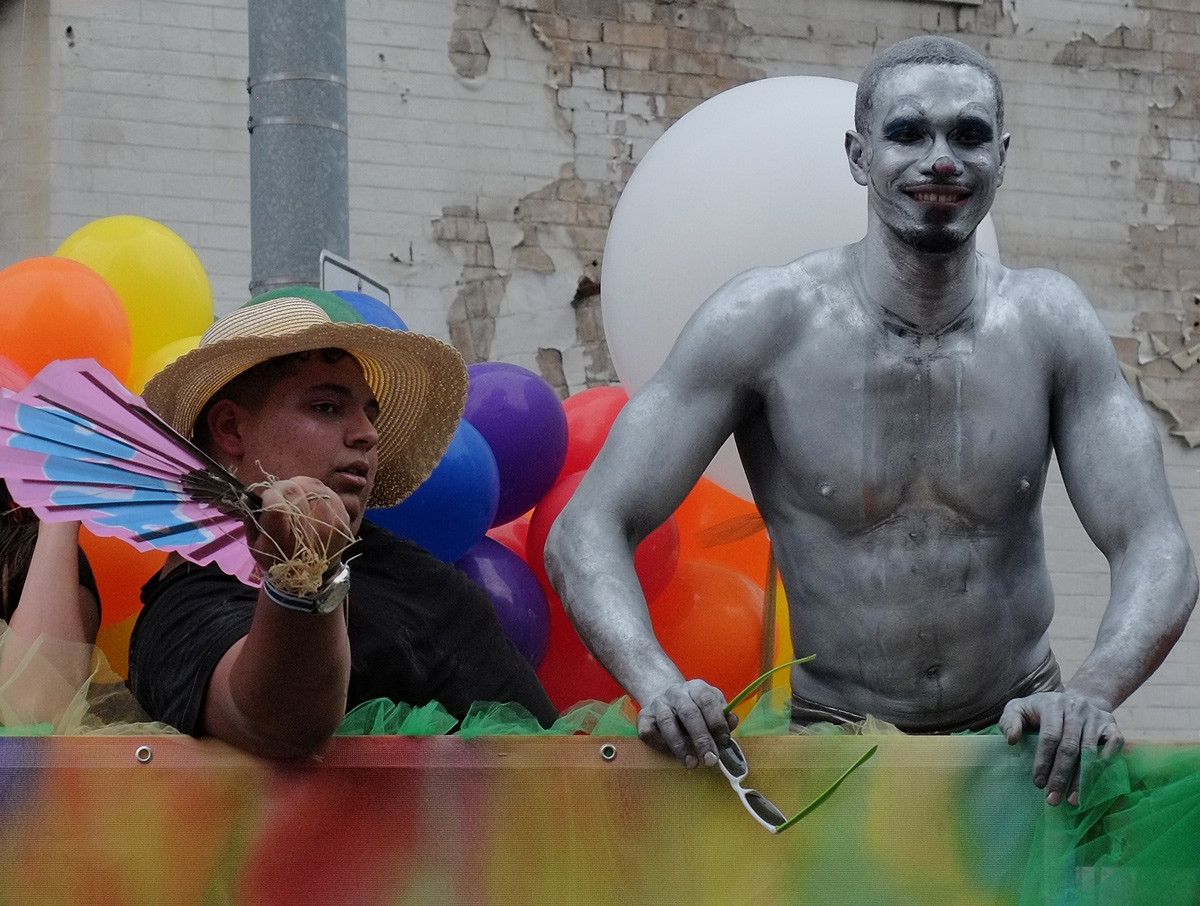
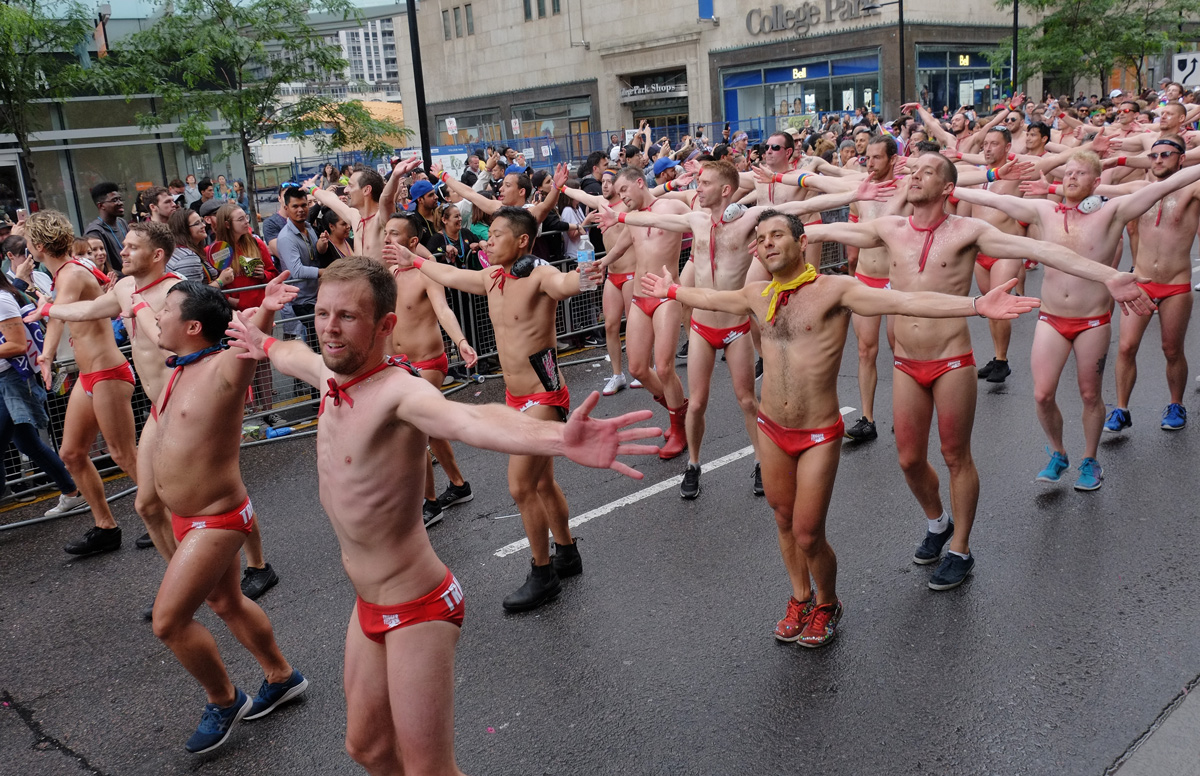


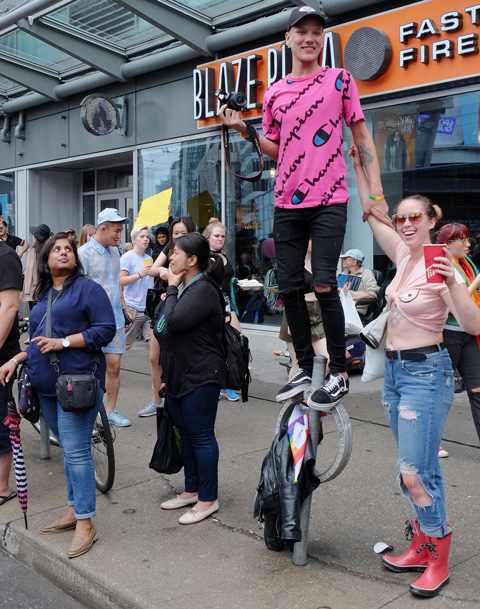


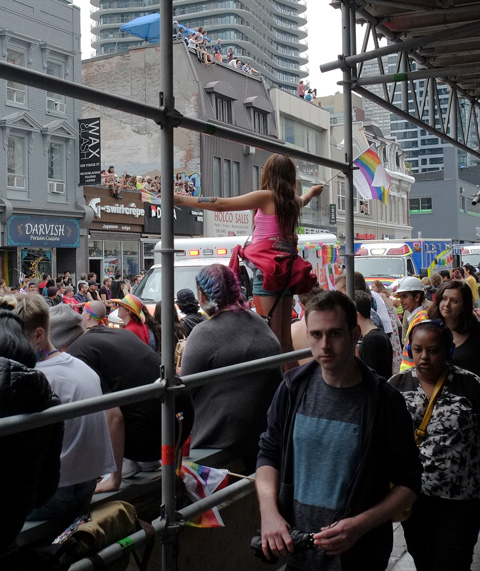
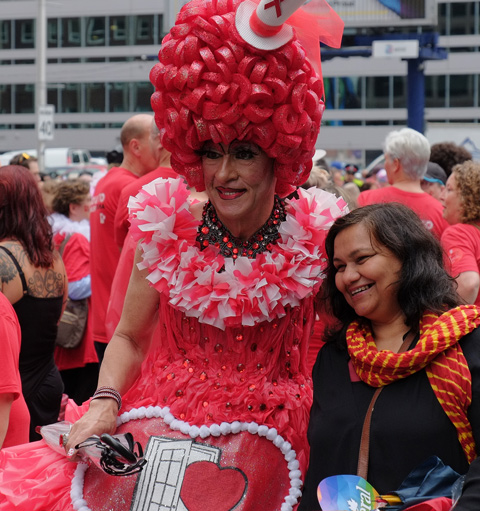
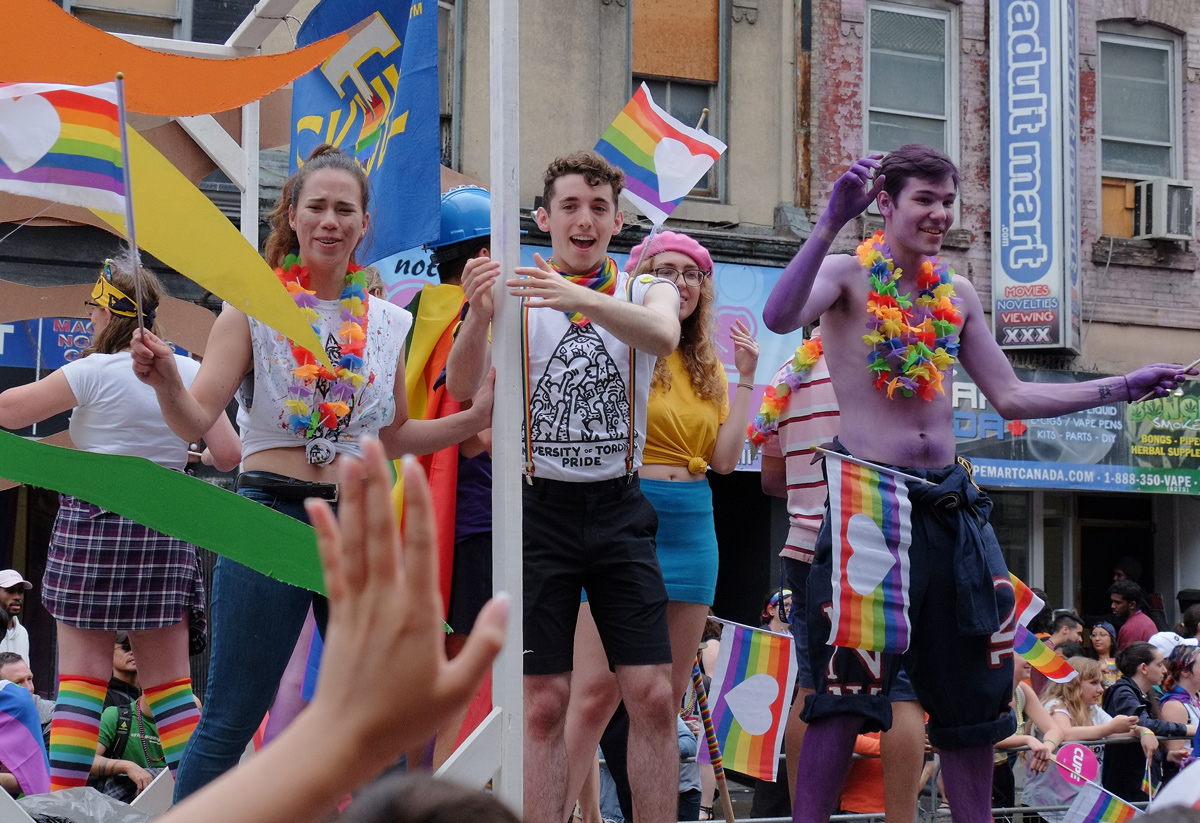


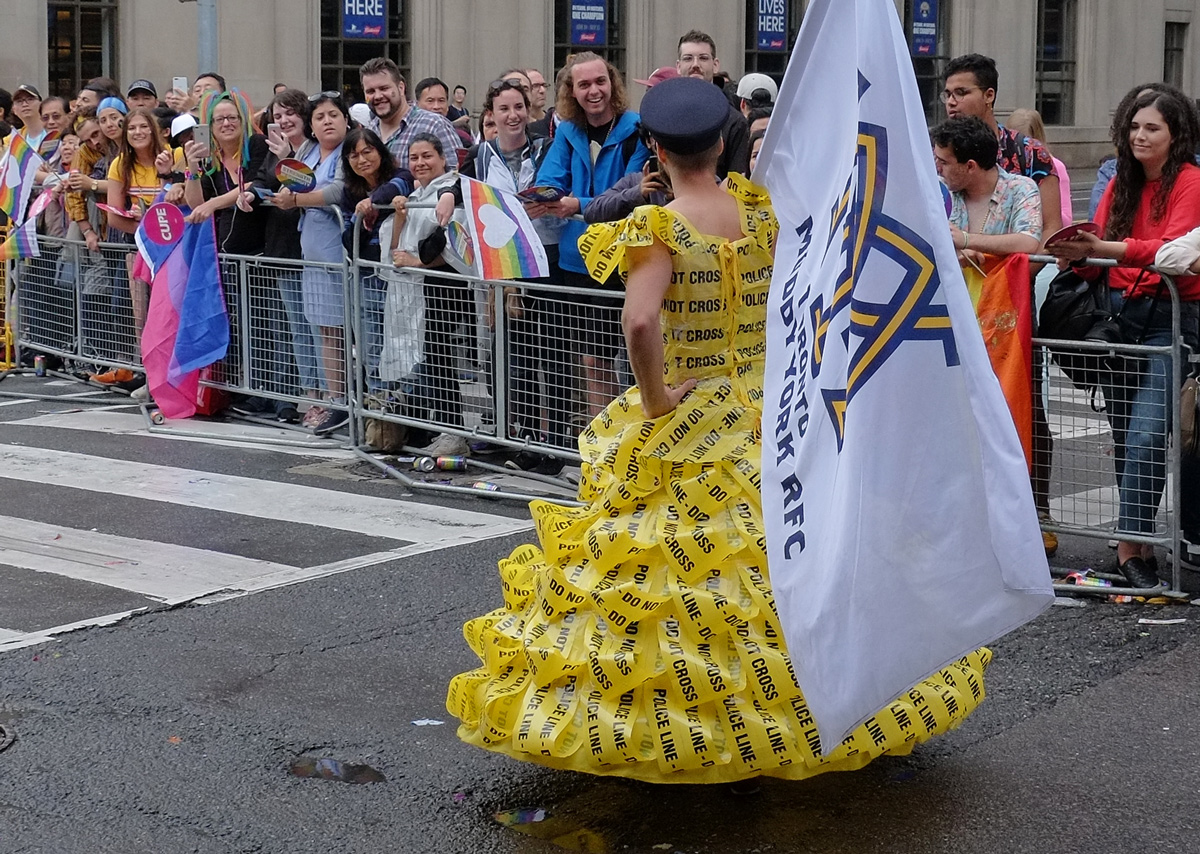
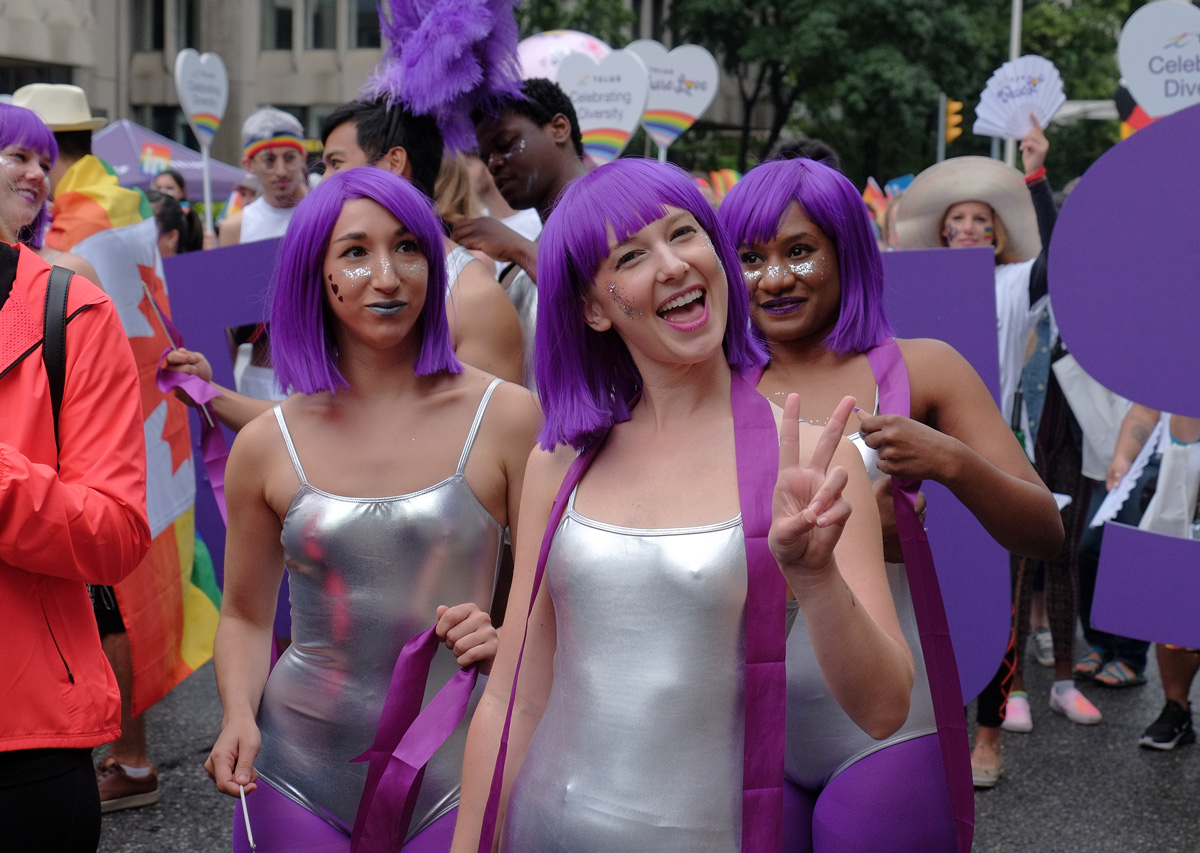






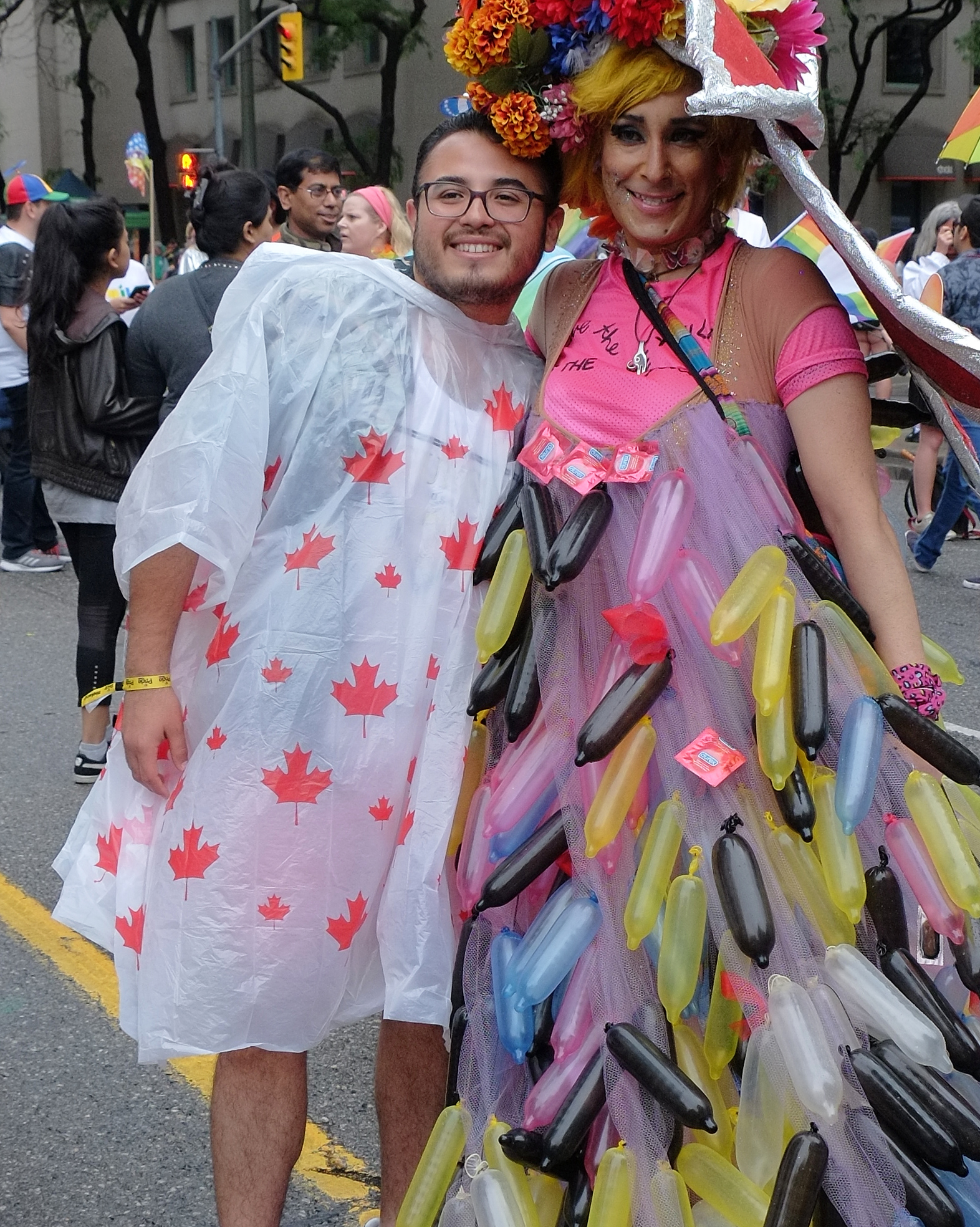


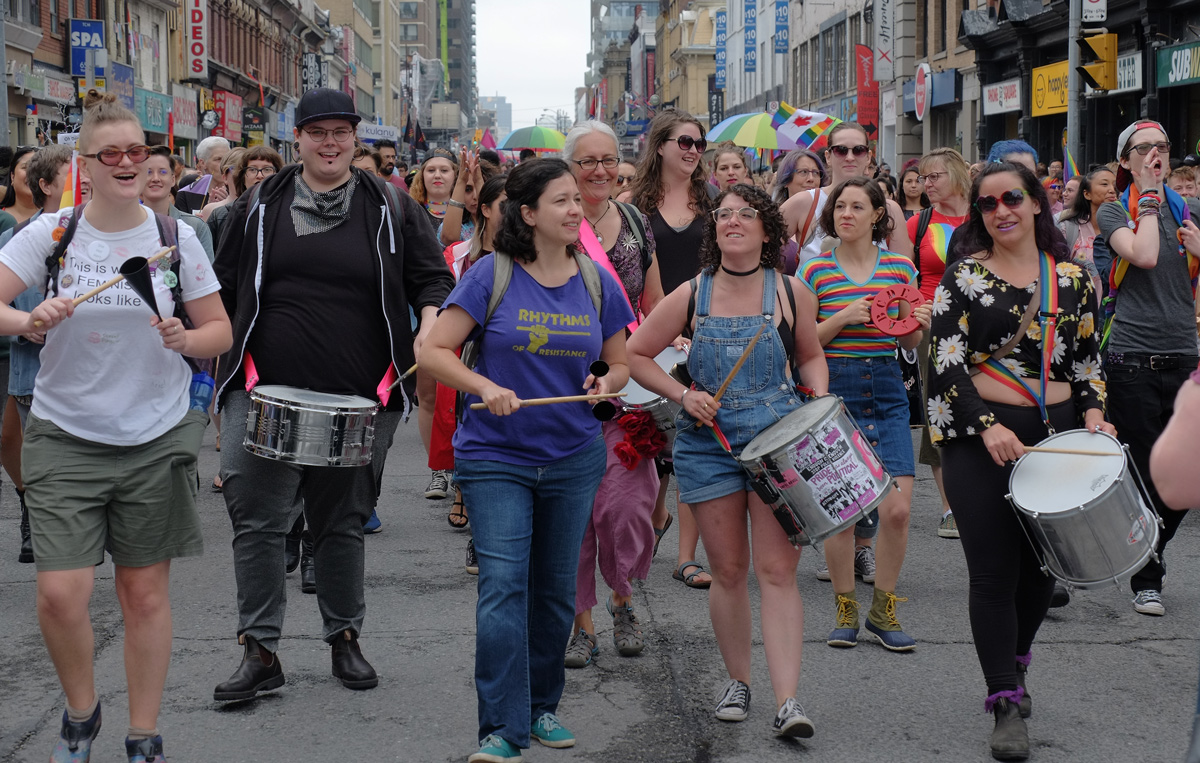
Walking with the revelers on Church Street on Sunday afternoon as the Pride Parade was winding down.

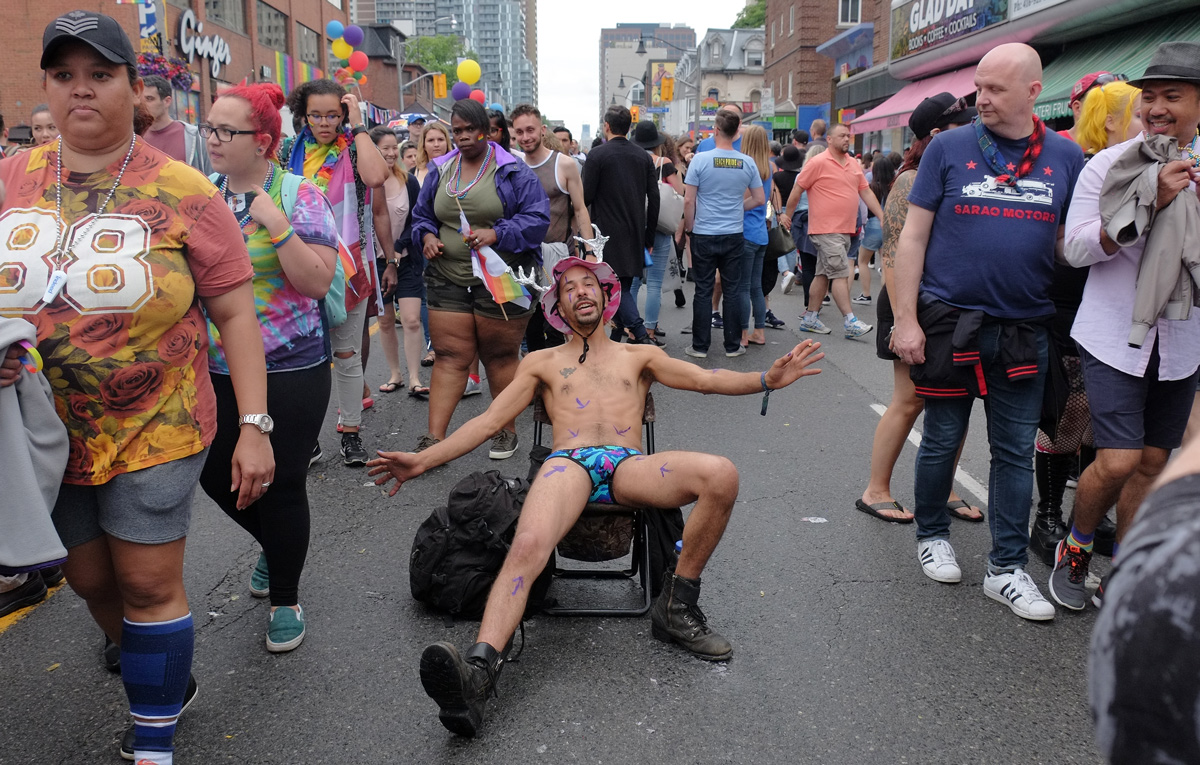


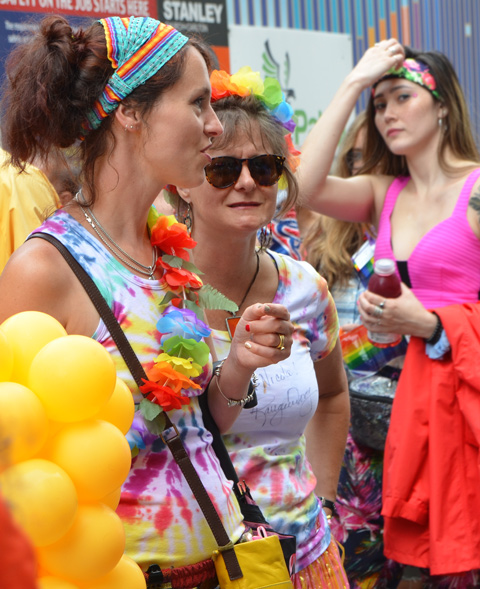

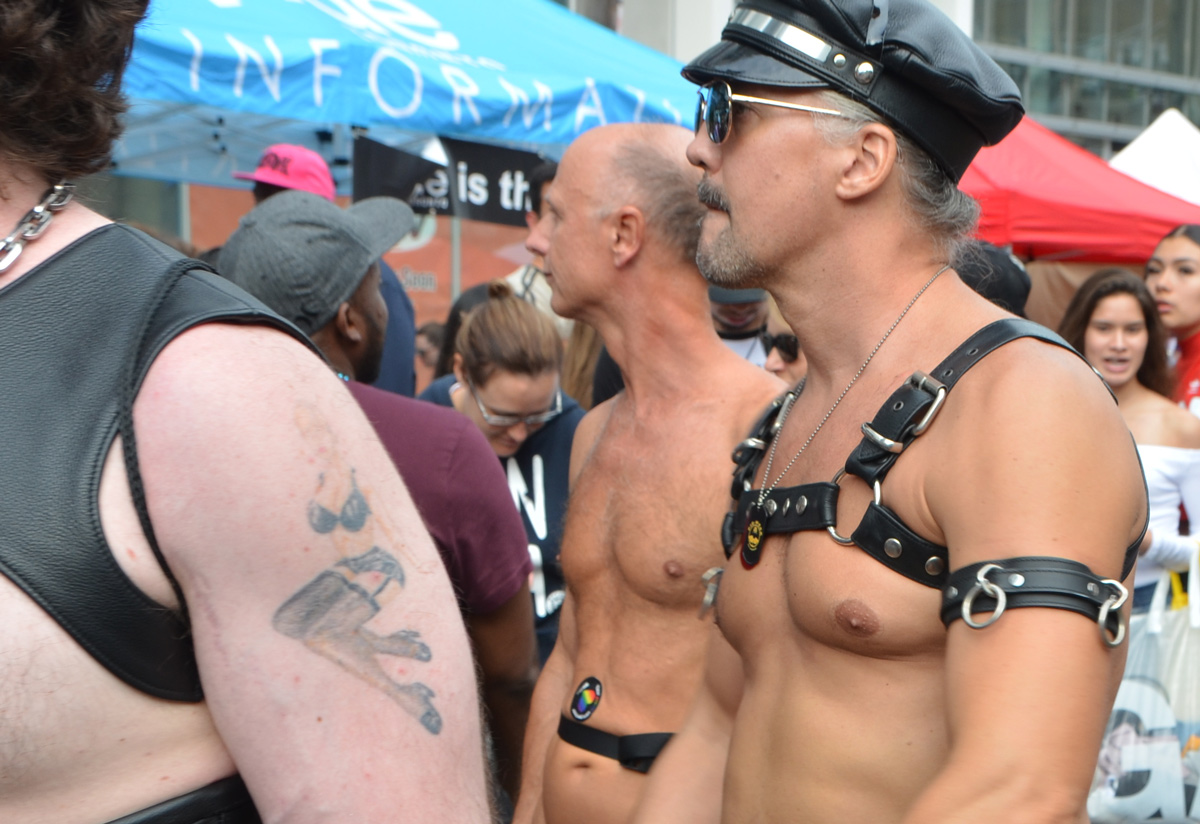
below: A slow time at the ice cream truck

below: It was the man behind that made me laugh.

below: Matching butterflies.


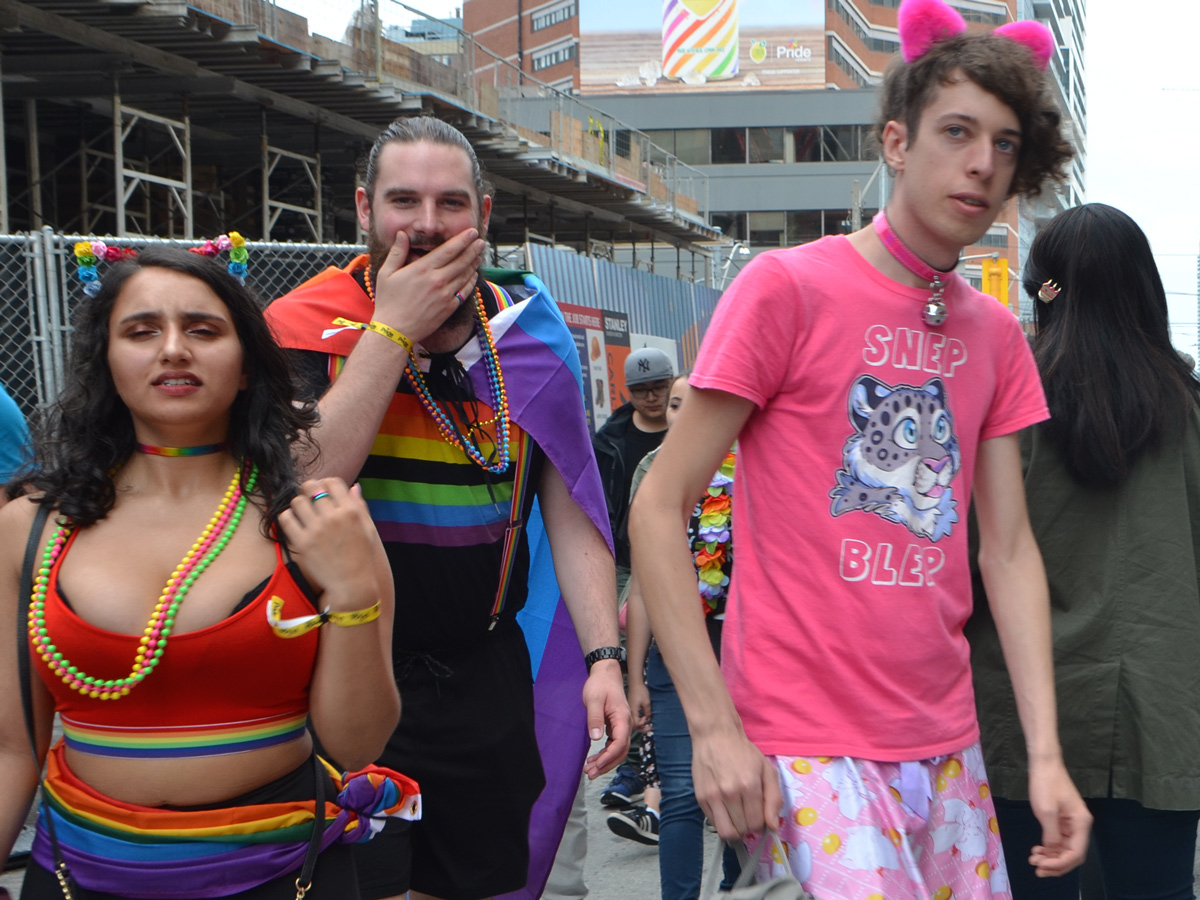
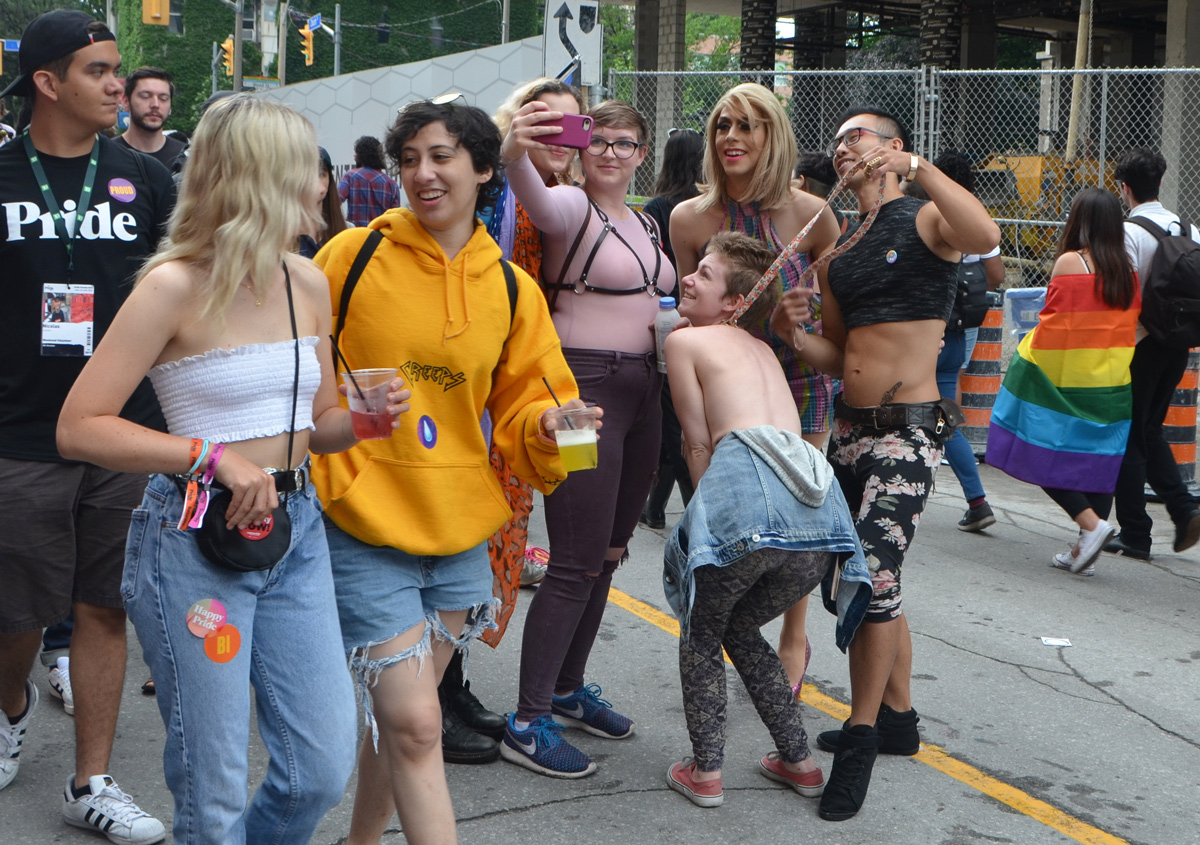
below: Daddy hunter

below: Another daddy sticker

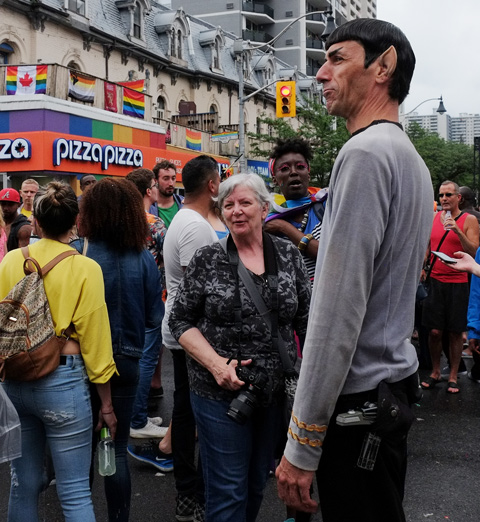
below: Spock makes an appearance
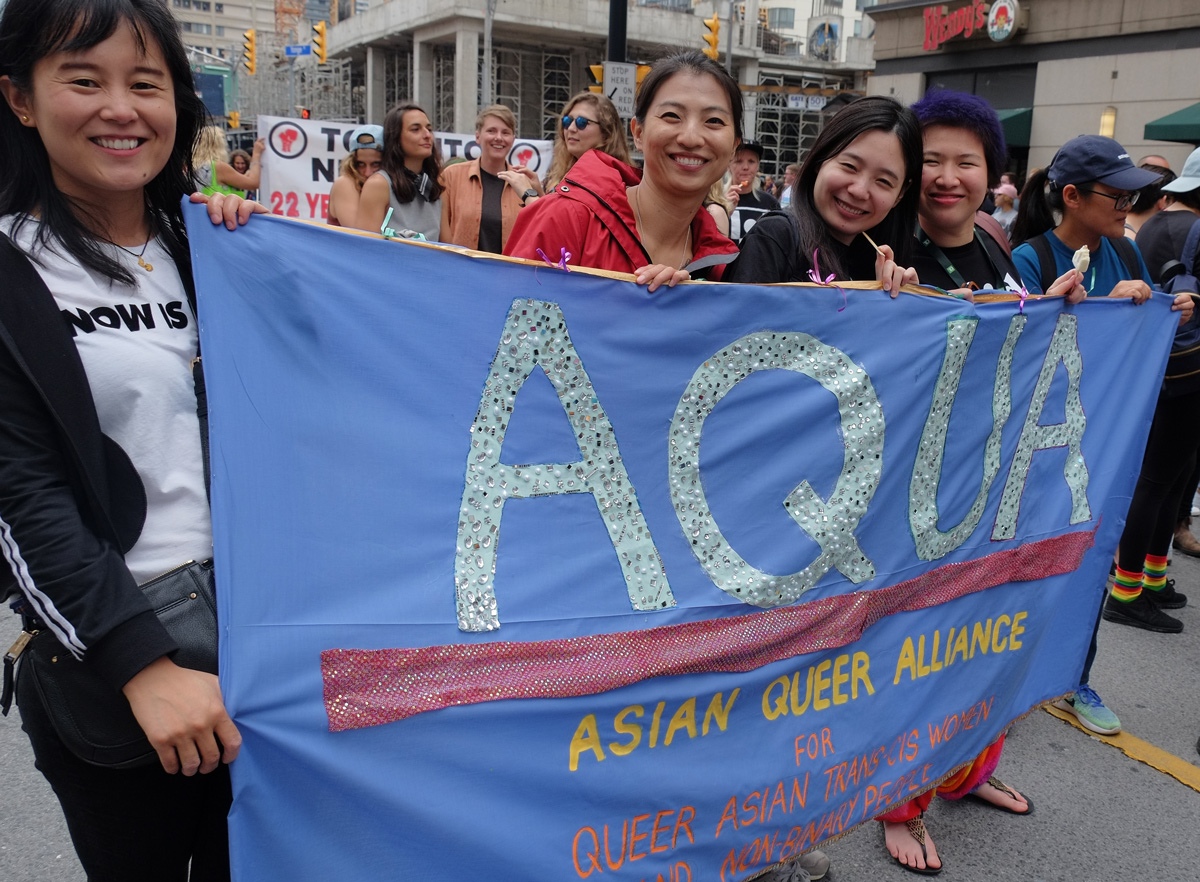
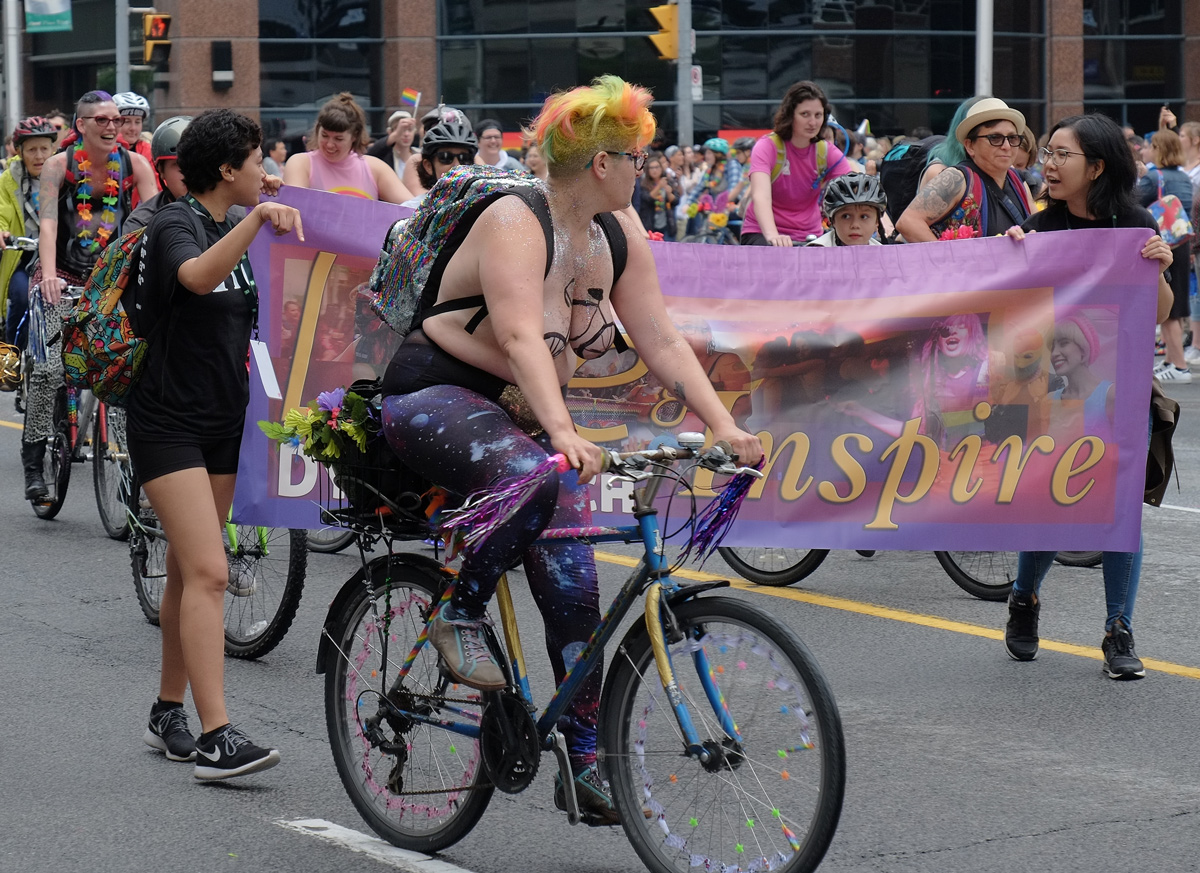
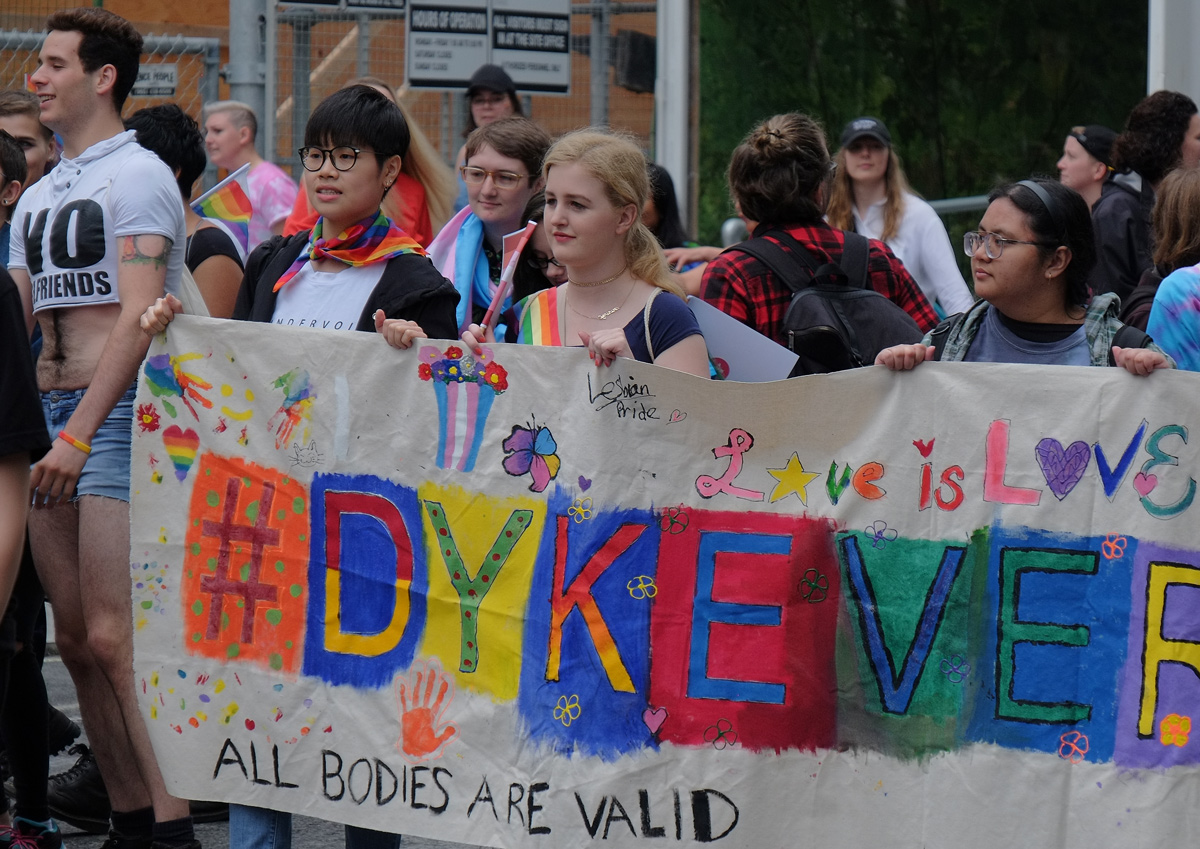
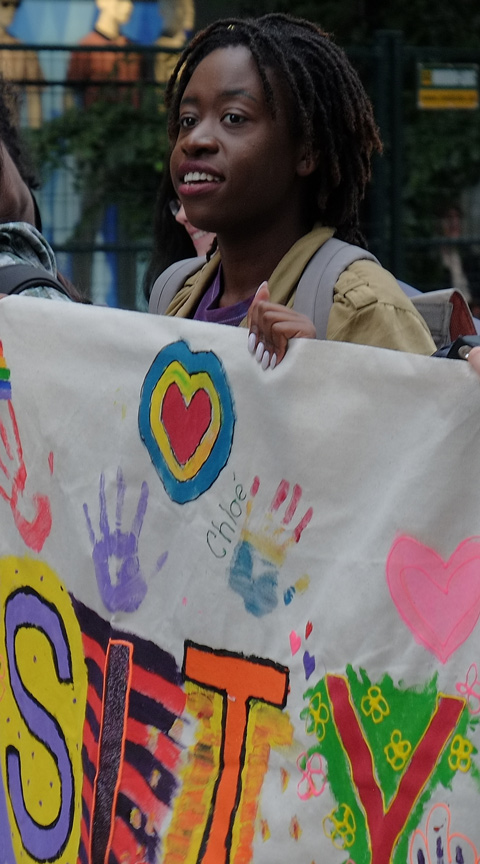
The rain let up long enough for the Dyke March to parade across Bloor and down Yonge without everyone getting wet. Lots of colour and sparkle was on display along with lots of enthusiasm and fun! This year’s theme was Resist as seen on this crocheted banner.



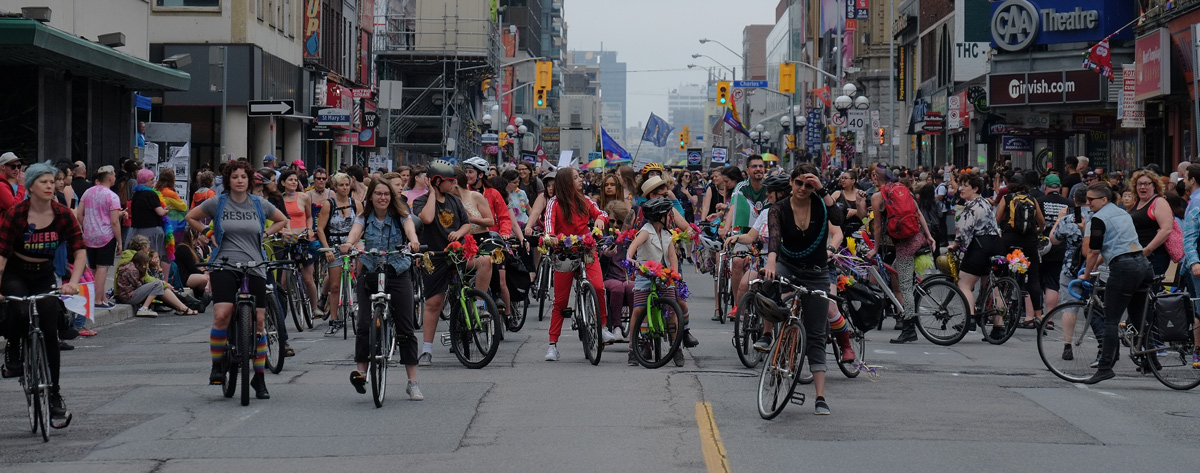














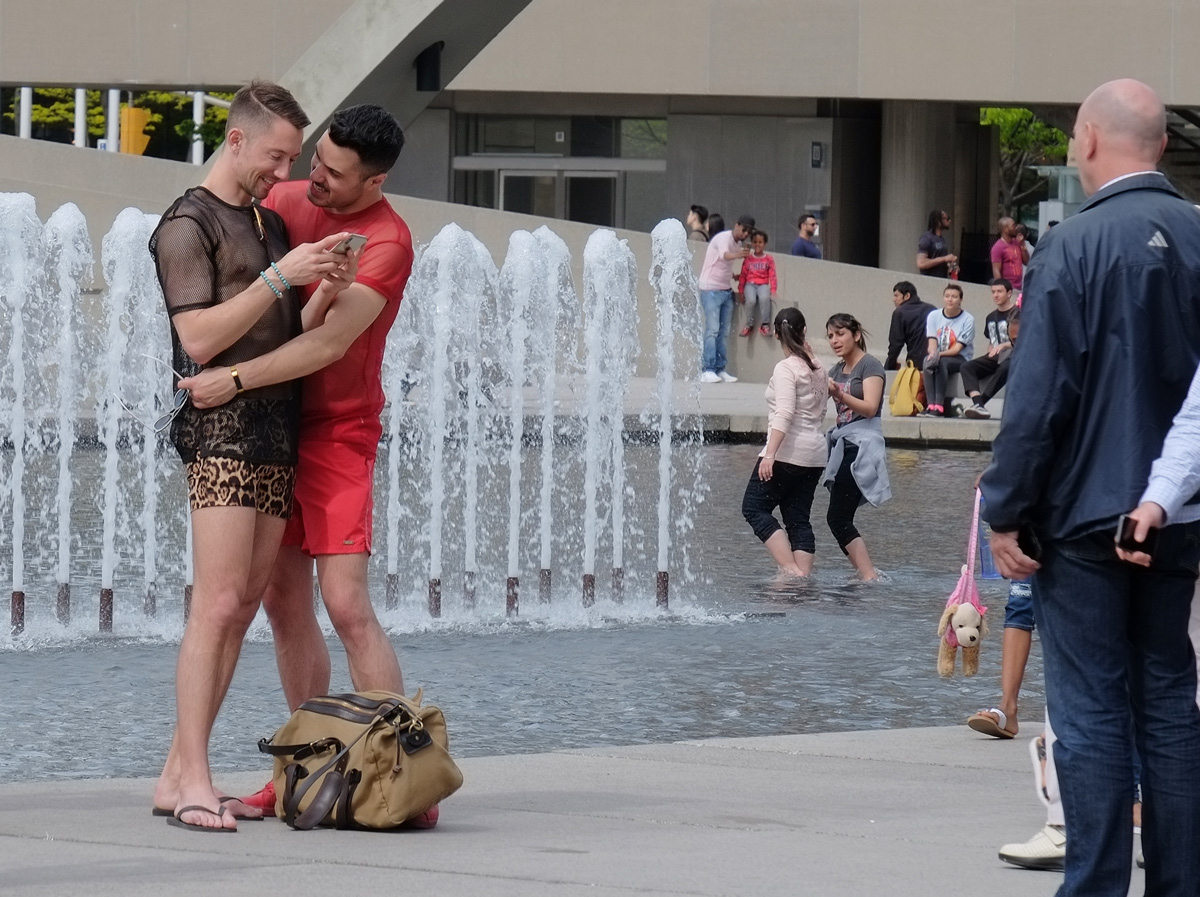
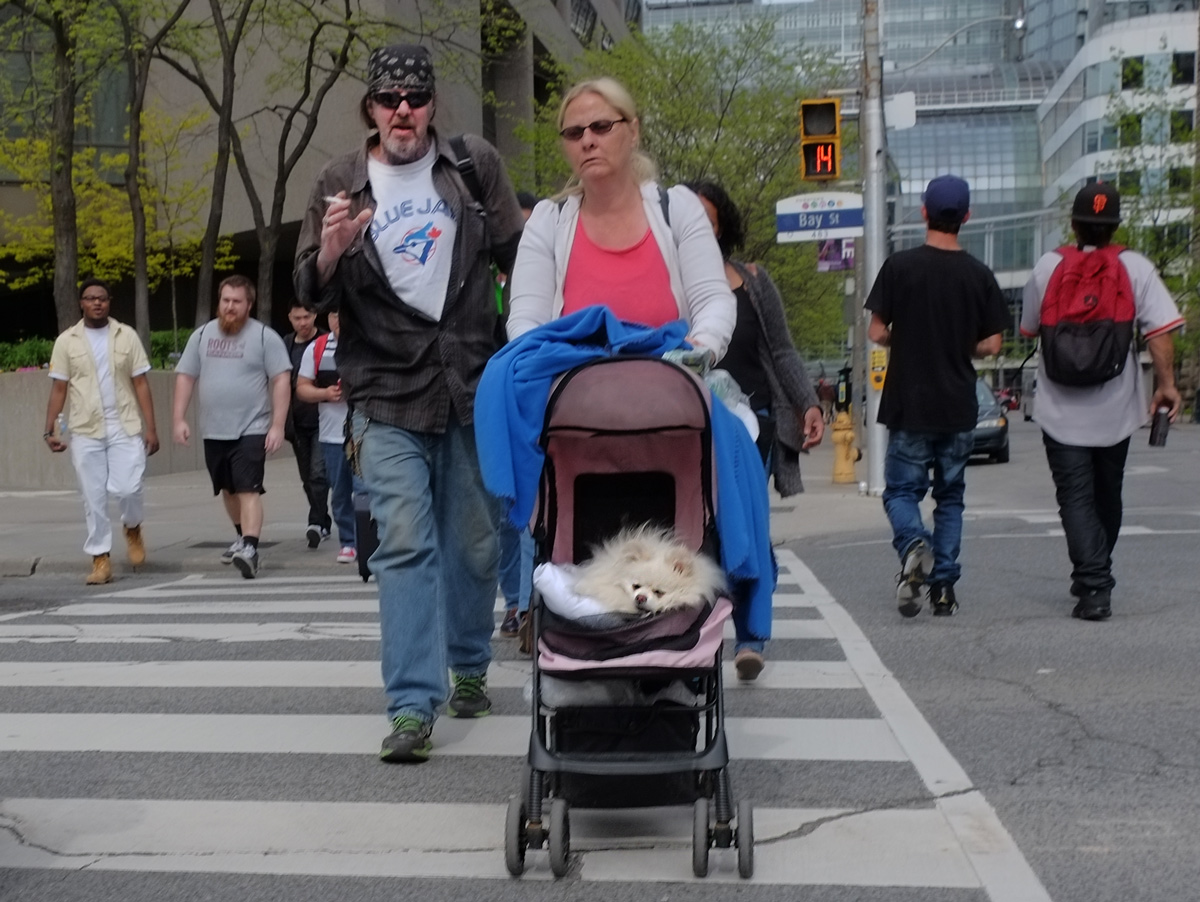
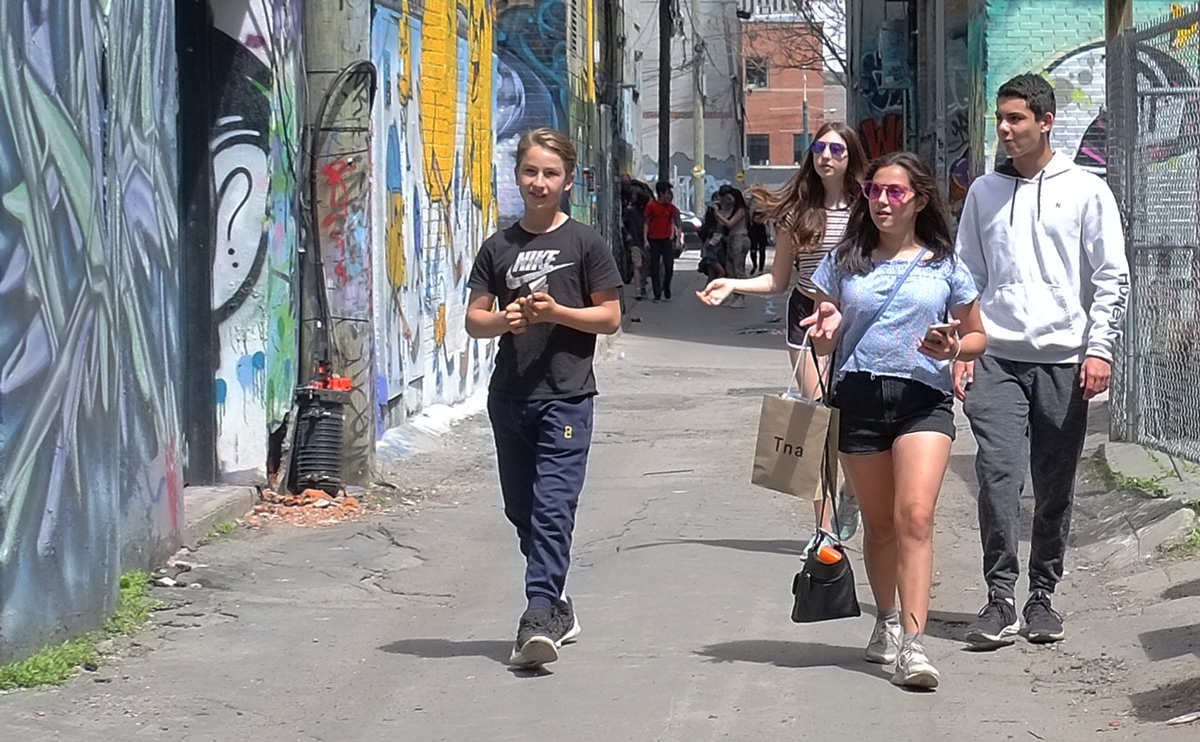
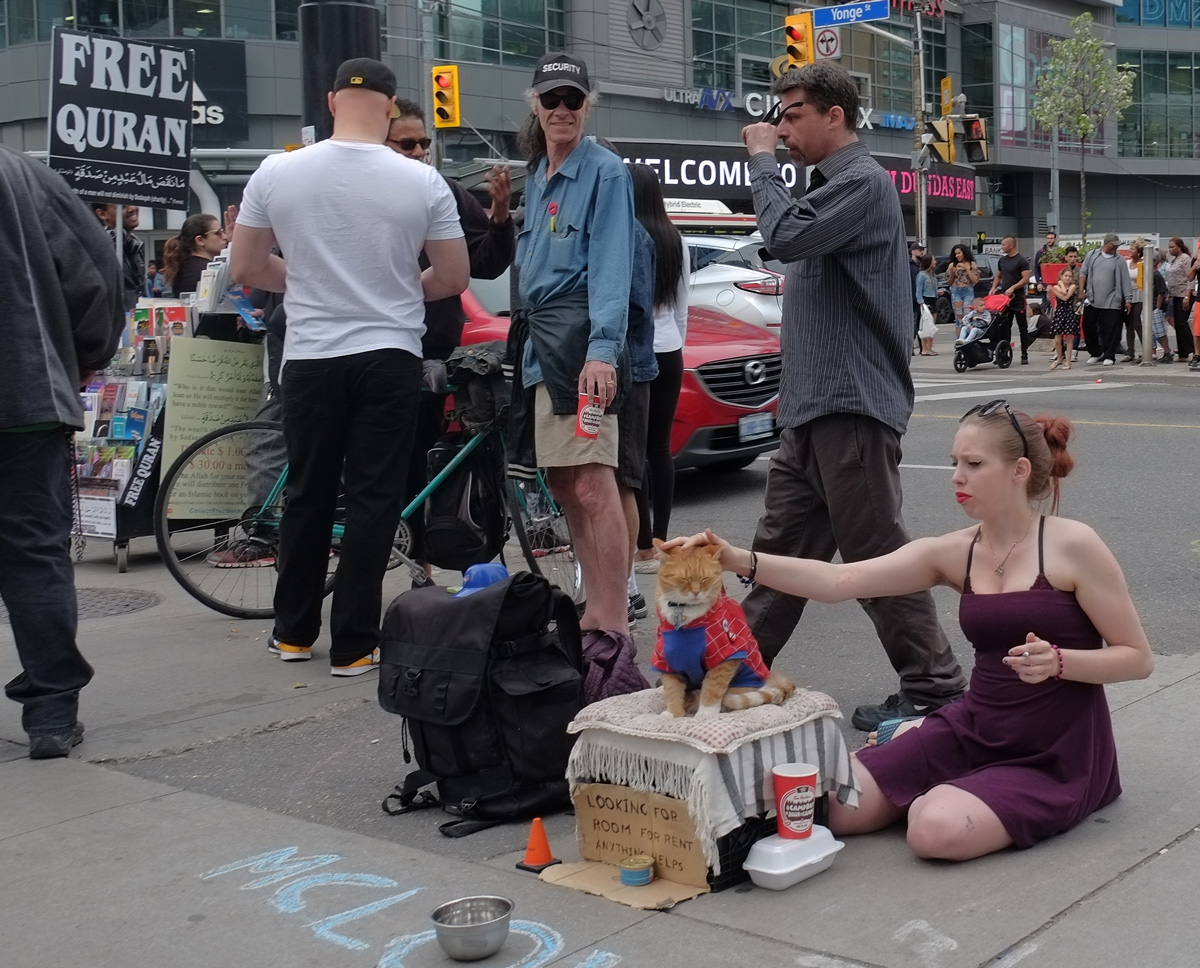
The weather’s been all over the place, warm, cold, hot, cold again, back and forth…. like May weather usually is. We were fortunate to have great weather this past holiday Monday and a lot of people took advantage of the day! As I walked around, this is some of what I saw.





A trip to Toronto Islands on a sunny spring day.
Photos and stories – an eclectic mix of history and nature that resulted from wandering around the eastern portion of the islands.
below: From the ferry, looking toward the glass and steel of the city.

Toronto Islands is a collection of at least 12 small islands. In the early years the island archipelago was really a peninsula of sandbars and ponds; it was connected to the mainland by a narrow strip of sandy shoreline. This landform was created over centuries by the action of waves, winds and lake currents – washing away portions of the Scarborough Bluffs and depositing this material to the west in a five-mile-long hooked shape. This process of natural “landscaping” continued until the spring of 1858, when a particularly powerful hurricane created a channel four to five feet deep through the peninsula. By June of that year, the Eastern Gap was a waterway, and the Toronto Islands came into being.
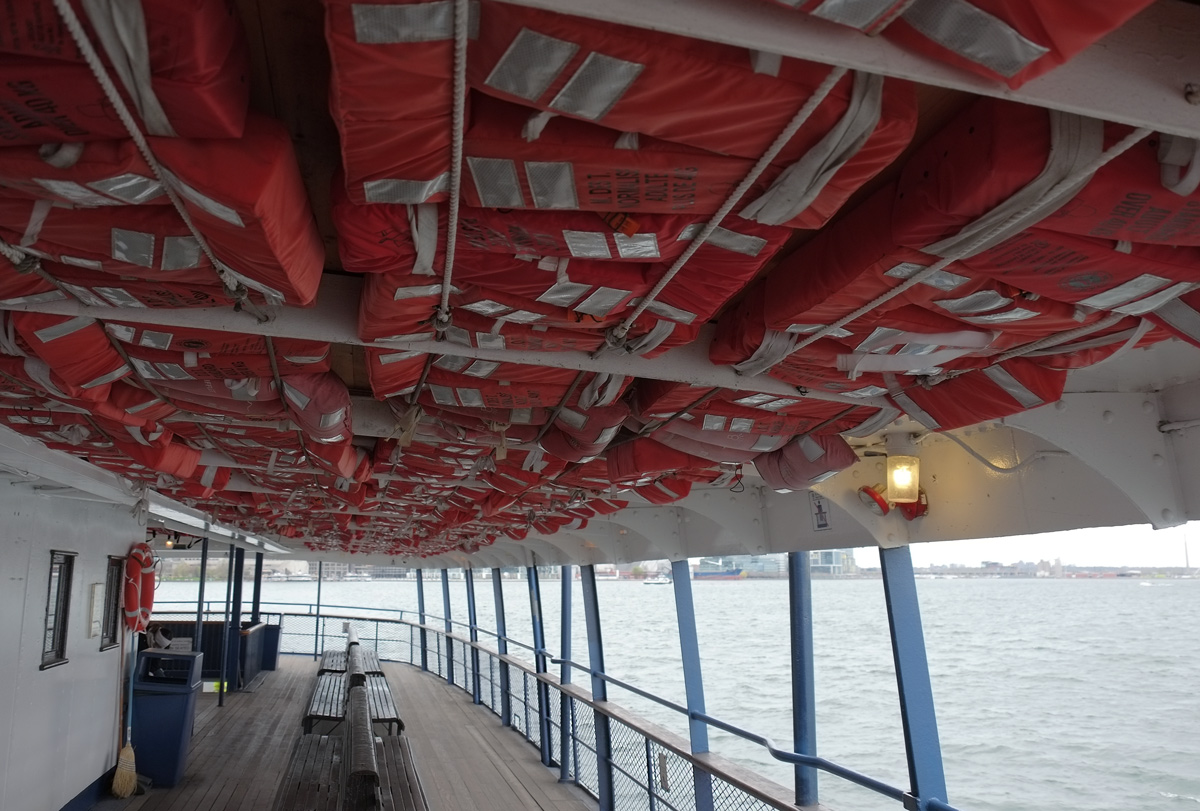
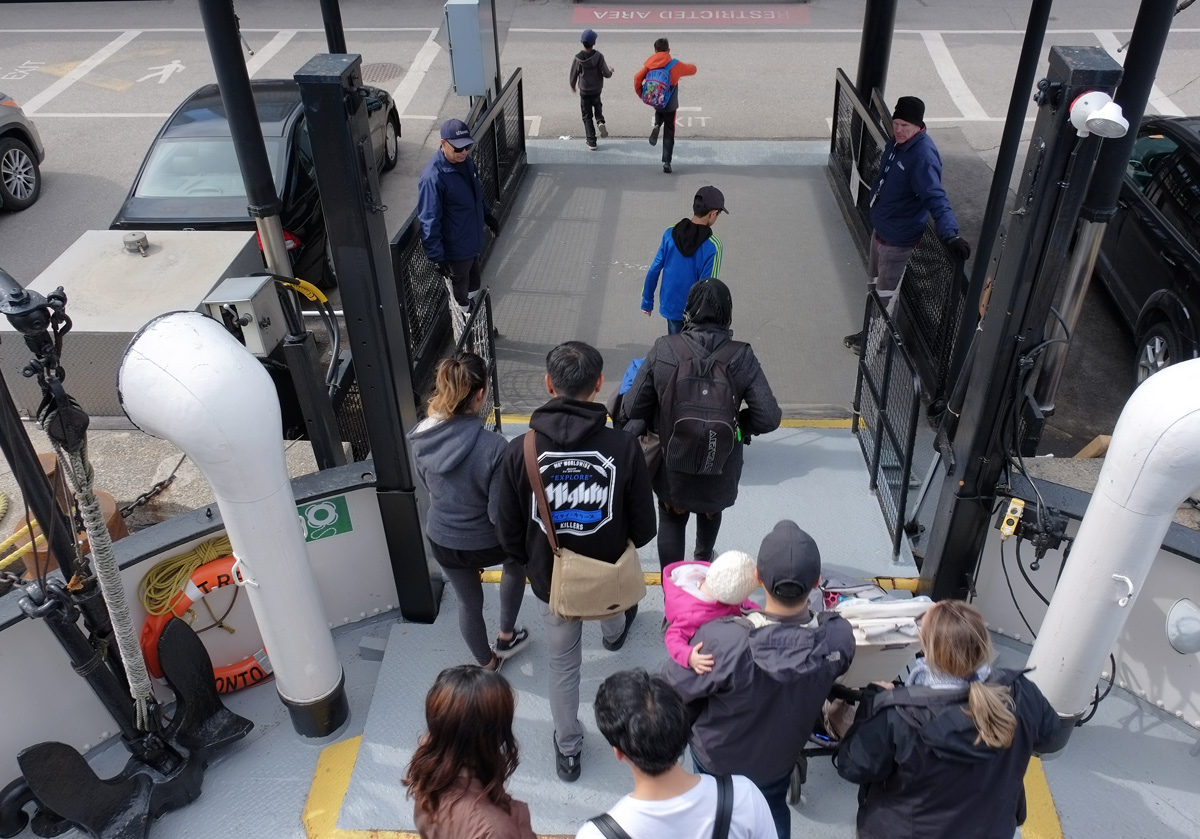
below: On the ferry between the city and Centre Island.

The first buildings on the islands were the Blockhouse Bay garrison built in the 1794 by the British at Gibraltar Point – it included a blockhouse and storage structures. A second blockhouse and a guard house were built soon after, only to be destroyed by the Americans in the Battle of York in April 1813. The lighthouse at Gibraltar Point built in 1809 still stands (sorry, no photo).
In 1833 Michael O’Connor built a hotel on one the islands. He used a horse-drawn boat to ferry customers across from the mainland to his hotel. At that time, there was still access by road but it was a toll road. In 1836 it cost sixpence for every four-wheeled carriage drawn by two horses. Smaller ‘vehicles’ paid less. In 1858 the hotel (now Quinns Hotel) was destroyed during the same hurricane that turned the peninsula into an island. The hotels were destroyed but the islands remained popular. With no road access, ferries were needed and many people ran private ferry services until they were bought out or amalgamated into the Toronto Ferry Company in 1892. It was privately owned until 1926 when it was purchased by the City of Toronto for $337,500.

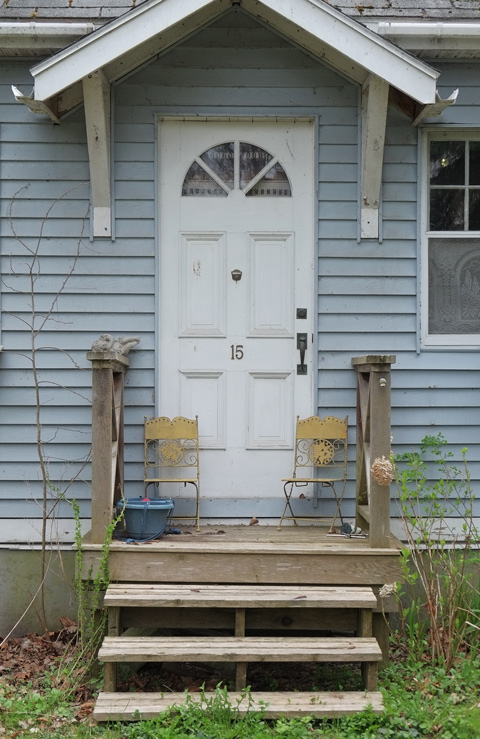
Many houses and businesses, (hotels, restaurants, bowling alley, laundry, theatre etc) were established over the years from Hanlon’s Point in the west to Wards Island in the east. Today, residences are only in the eastern section of Wards Island and on Algonquin Island.
The Ward’s Island community began in the 1880s as a settlement of tents. Up until then, that eastern end of the islands was mostly wetlands. The first summer colony on Ward’s in 1899 consisted of just eight tenants, each of whom had paid a fee of $10 rent for the season. The number of tents grew each year. In 1913, the city felt it necessary to organize the community into streets. The evolution from tents to cottage structures progressed in stages with the building of floors, the addition of kitchens and then porches, resulting in the creation of the homes.

In 1953 the municipal government changed their policy toward the Toronto Islands landscape and its residents. Businesses were removed and the systematic demolition and burning of homes began. More of the islands became parkland. There are 262 houses on Wards and Algonquin Islands today, down from about 630 residences on all the islands. The last of the Lakeshore houses was removed in 1968 but traces of them still remain.


below: The pier on the Lake Ontario side.

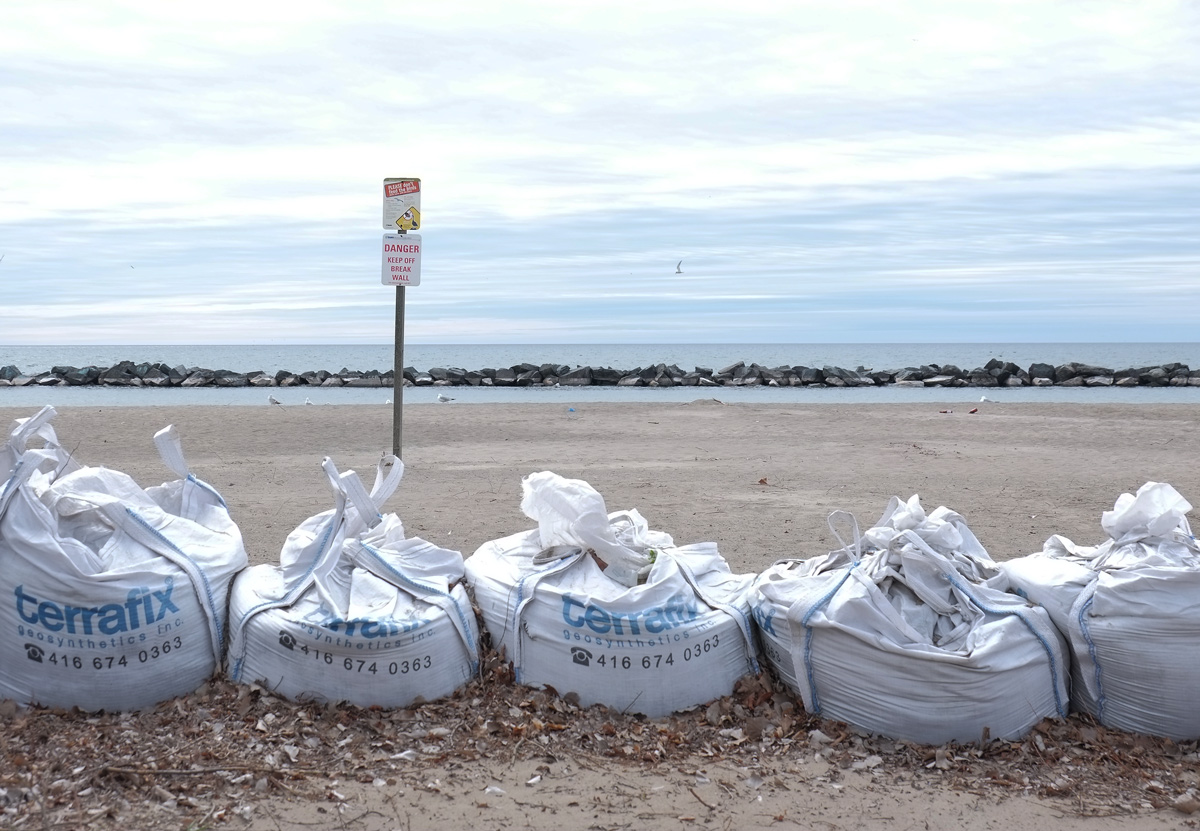
below: Sandbags along the shore. Last spring there was a lot of flooding here and the island was closed to visitors – sort of. Ferries didn’t run and the park facilities were closed. The islands are very flat and low so it doesn’t take much extra water to flood.

below: There is a small amusement park, Centreville, on Centre Island.
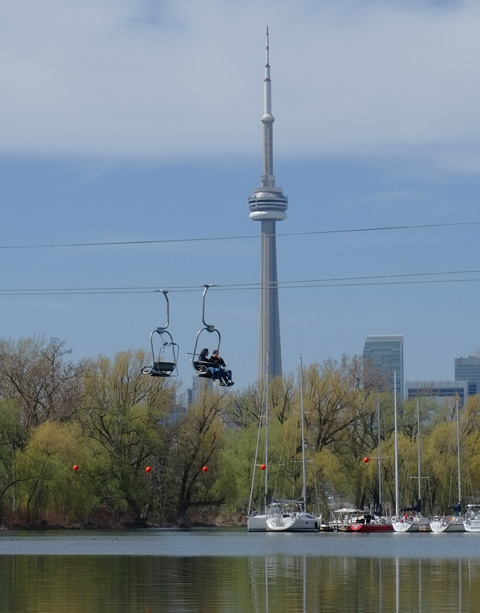
below: Island transport that can be rented if you don’t want to walk.

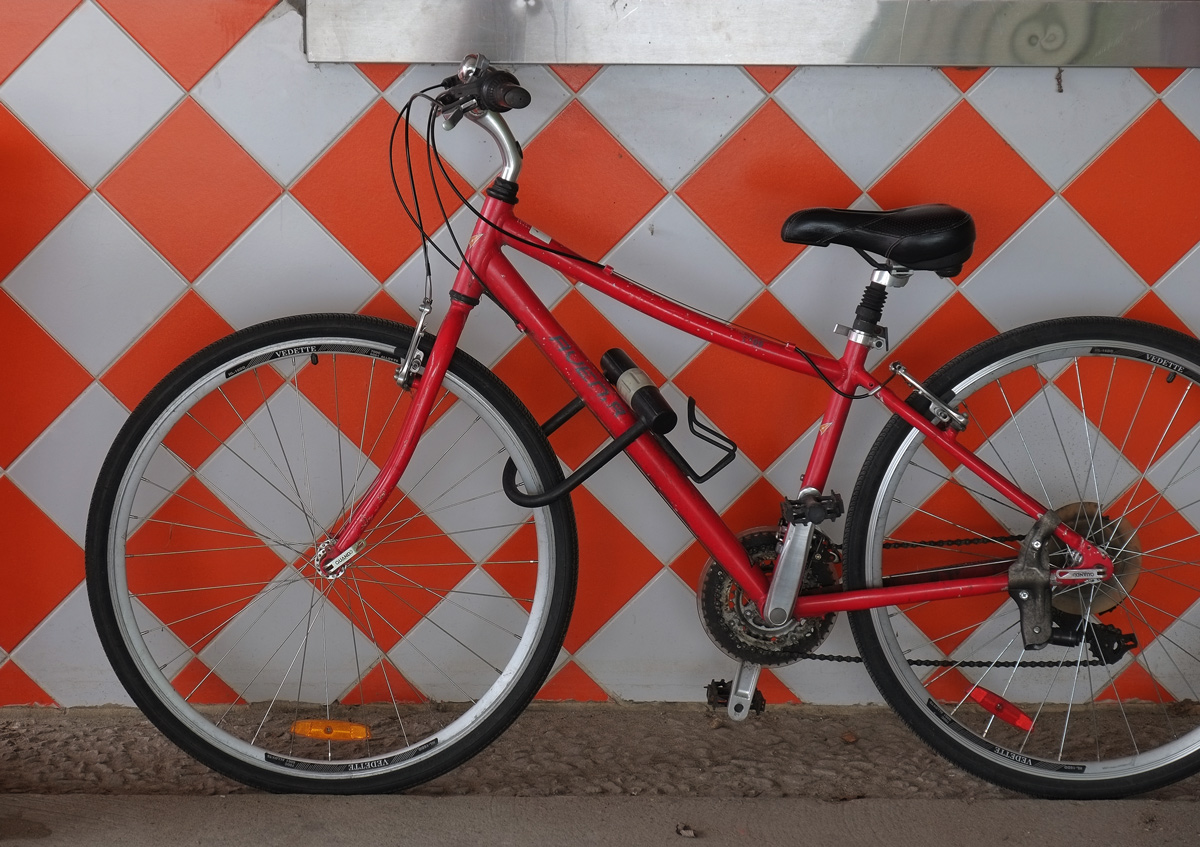
below: Boats moored QCYC (Queen City Yacht Club), one of the three yacht clubs on the islands.

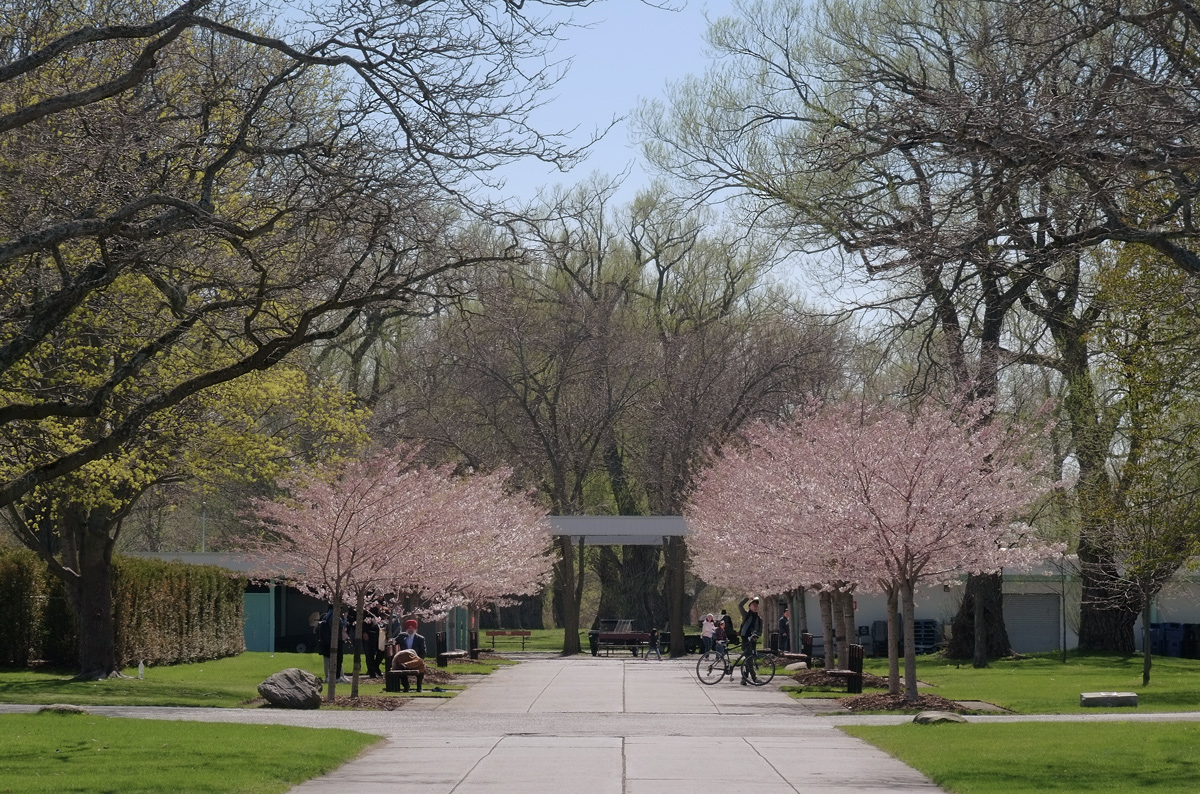
below: Sakura trees in bloom. The trees were donated by the Sakura Project. The aim of this project was to strengthen Japanese Canadian relations by planting cherry trees in visible locations across Ontario. Between 2000 and 2012, 3,082 trees were planted at 58 locations. The trees on Centre Island were planted in 2011.
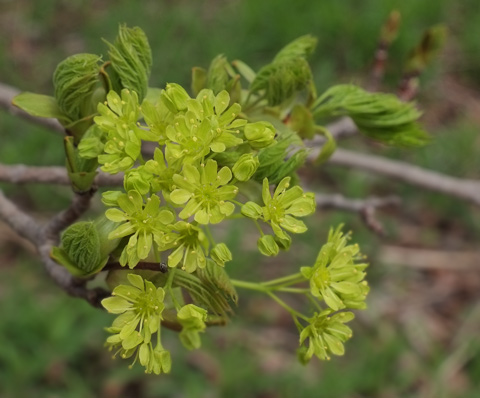
below: Catkins from a red alder tree. They almost look like raspberries packed tight together.

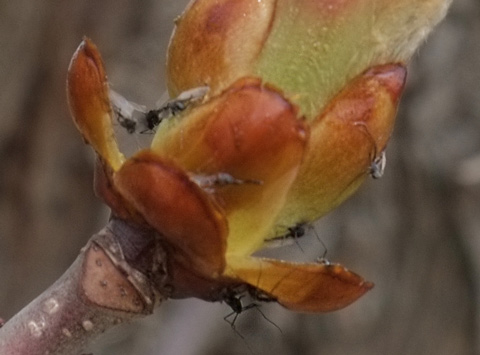
below: An early family of Canada geese.

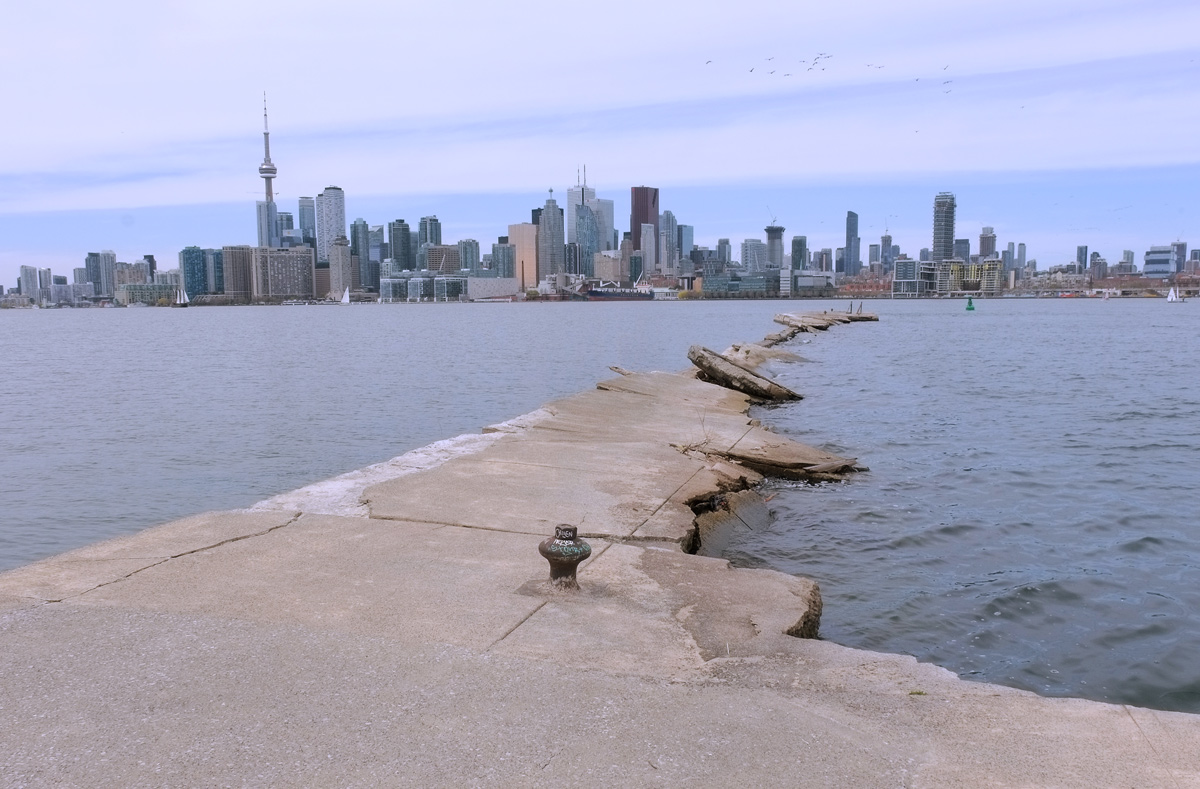
below: The pier at the eastern end of Wards Island is bad need of repair. To the right is the entry into the Eastern Channel (or Eastern Gap).
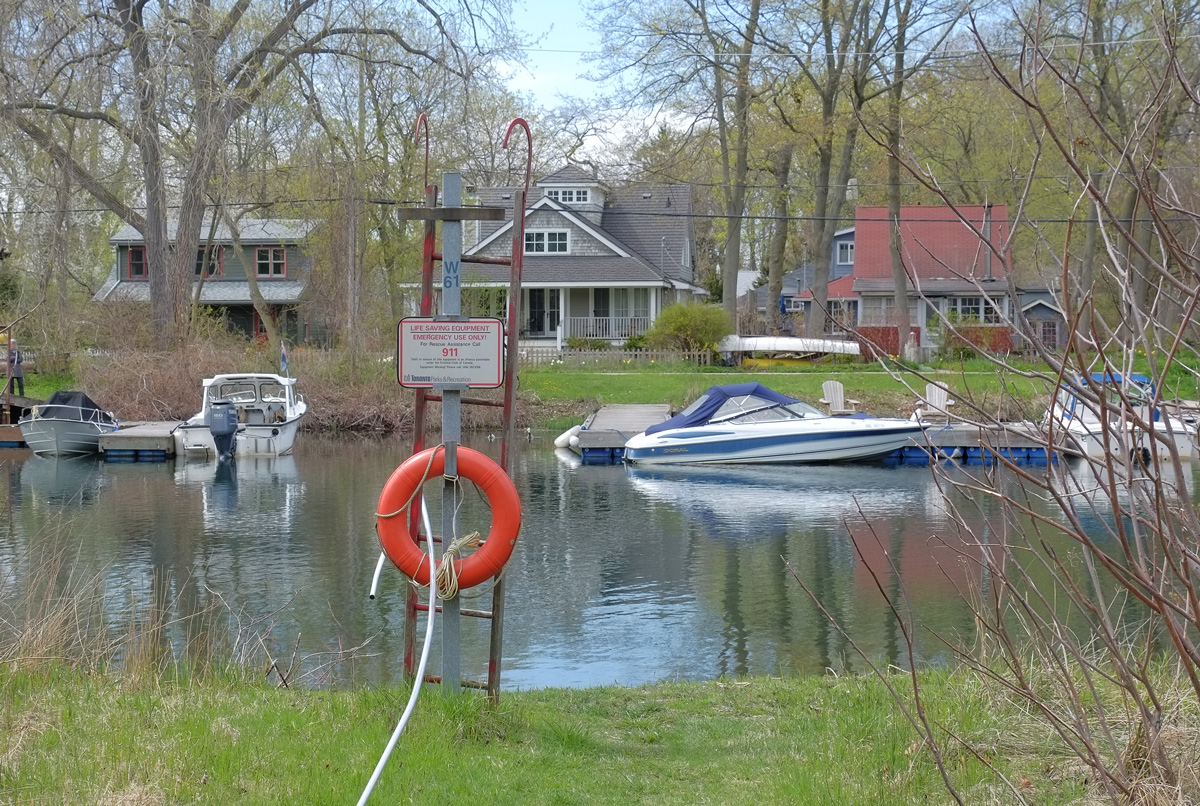
below: Looking over to Algonquin Island. Once upon a time this island was just a sandbar.
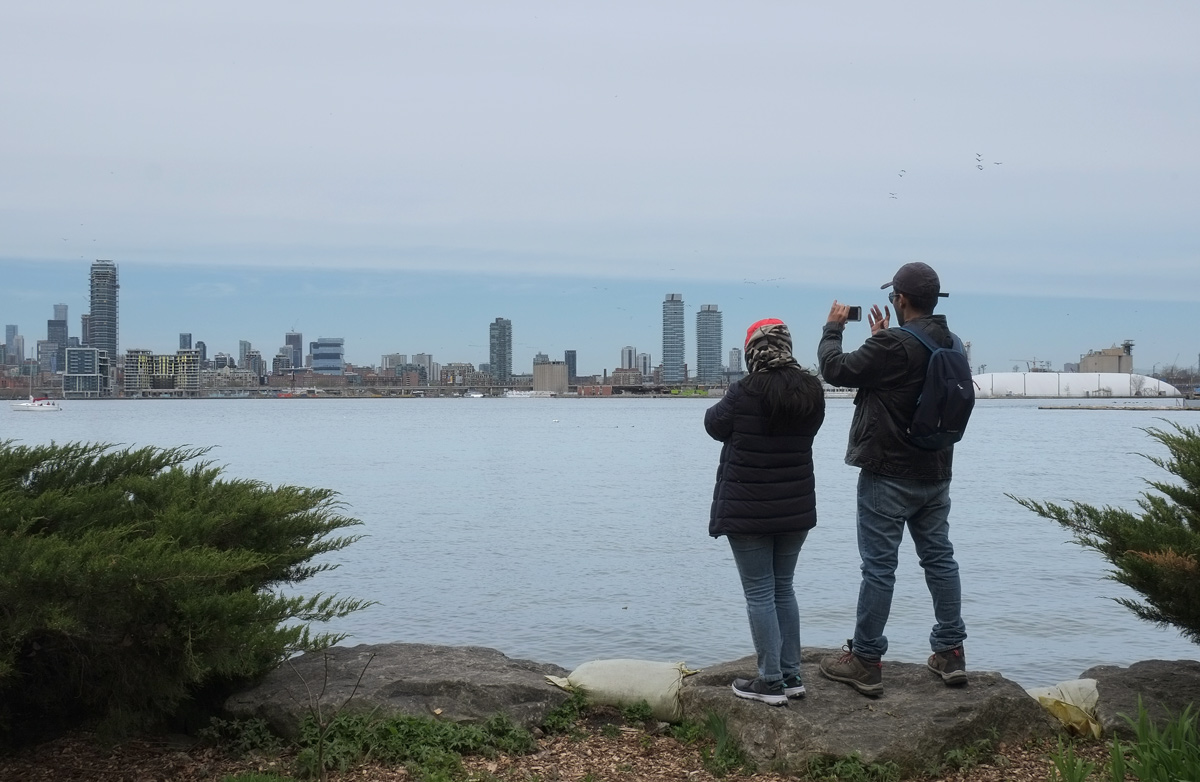
and back to the mainland.
Today. Wonderful

and Shiny.
I am not usually a morning person but how could I resist not getting up and moving on this gorgeous spring day? With my metropass in my back pocket….

… and my walking sandals on (Yes! Sandals!) I headed out to explore the day.

(early enough to beat the crowds!)

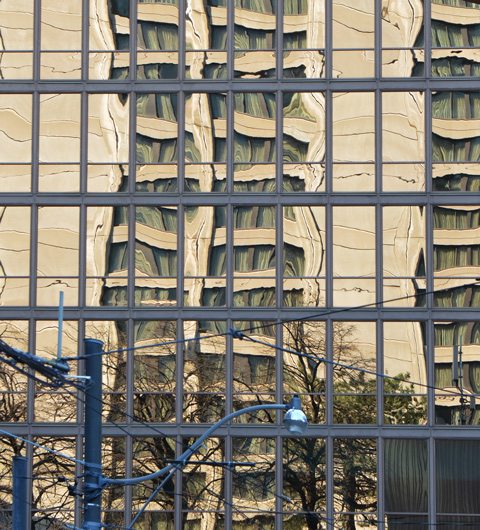
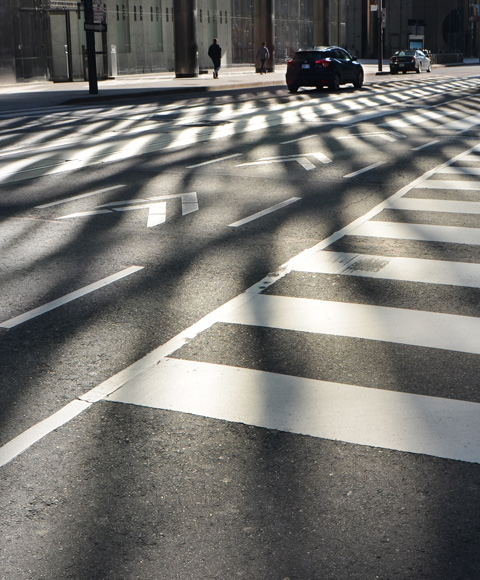
The early morning criss cross shadows and reflections.
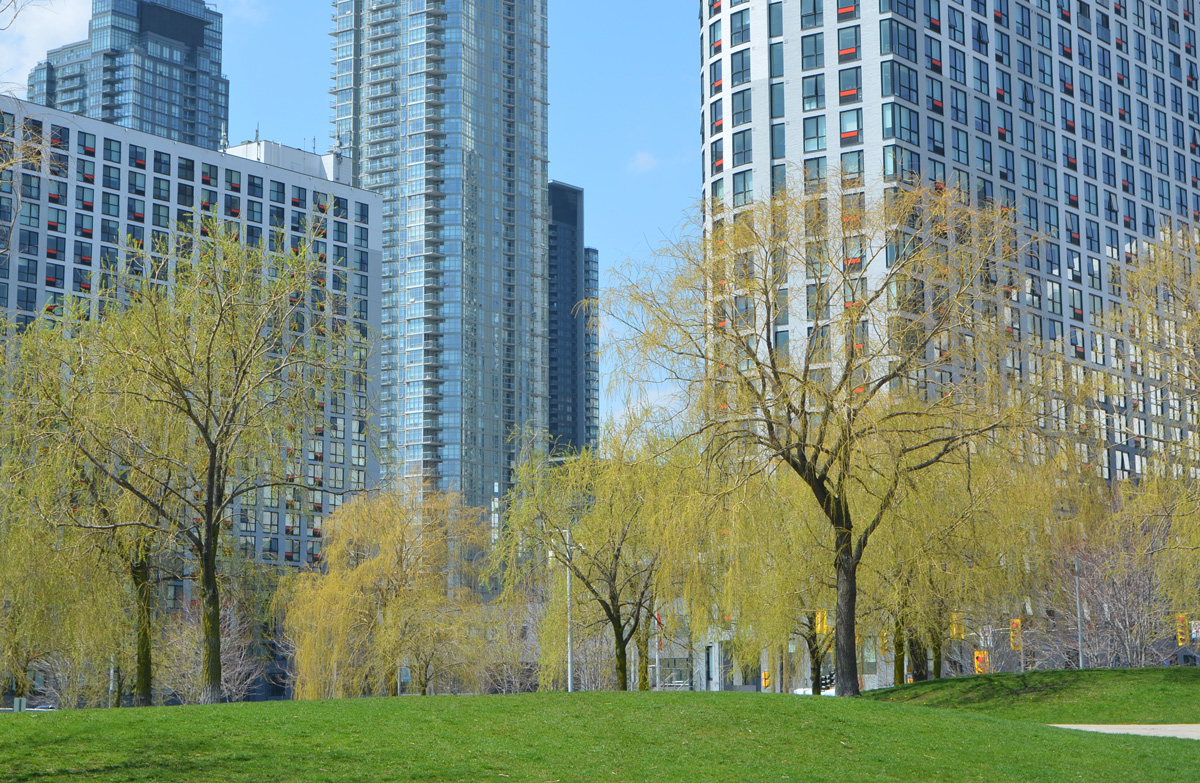
The soft greens, and almost yellows, of new leaves.
The flowers – tulips, daffodils and hyacinths – that have spring up in planters around the city.

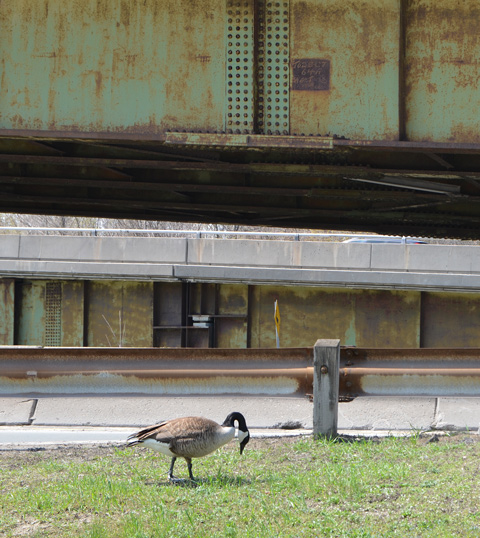
Oh no. The geese are back (or did they never leave?).
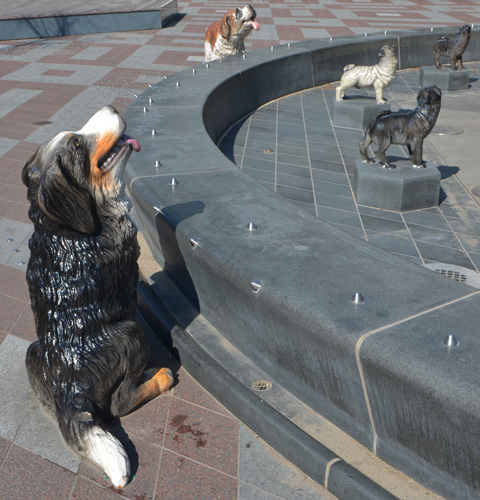
The dogs are still waiting for the water to be turned on.
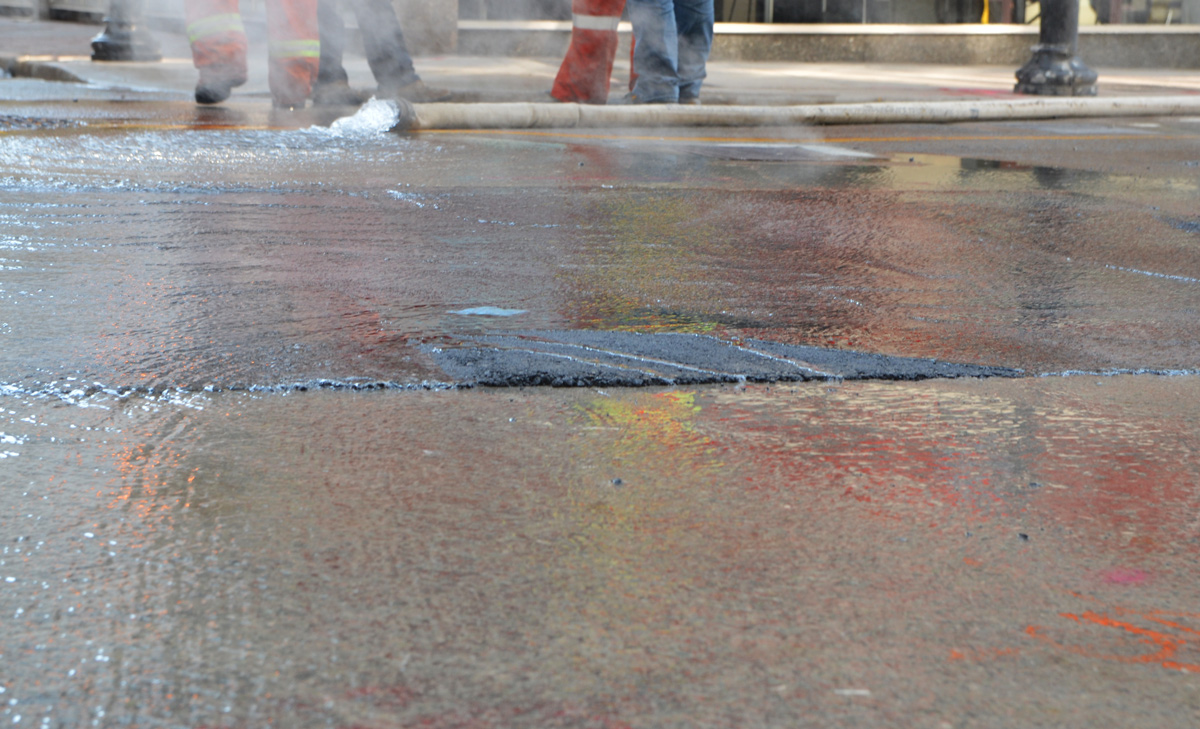
On Yonge Street (near Wellington), there has been too much water. The street has been closed while water main issues are straightened out (it has since been opened).

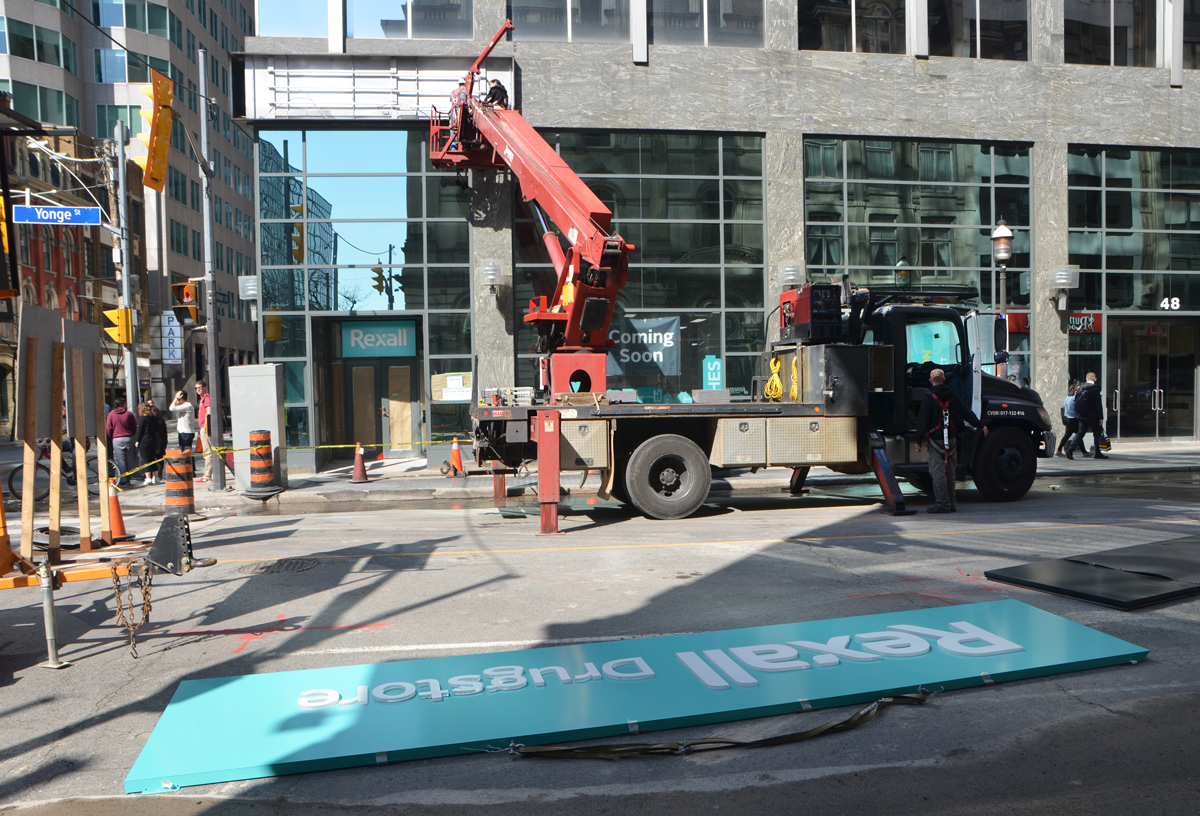
While Yonge was closed anyhow, workmen install a new sign at the corner of Yonge & Wellington.
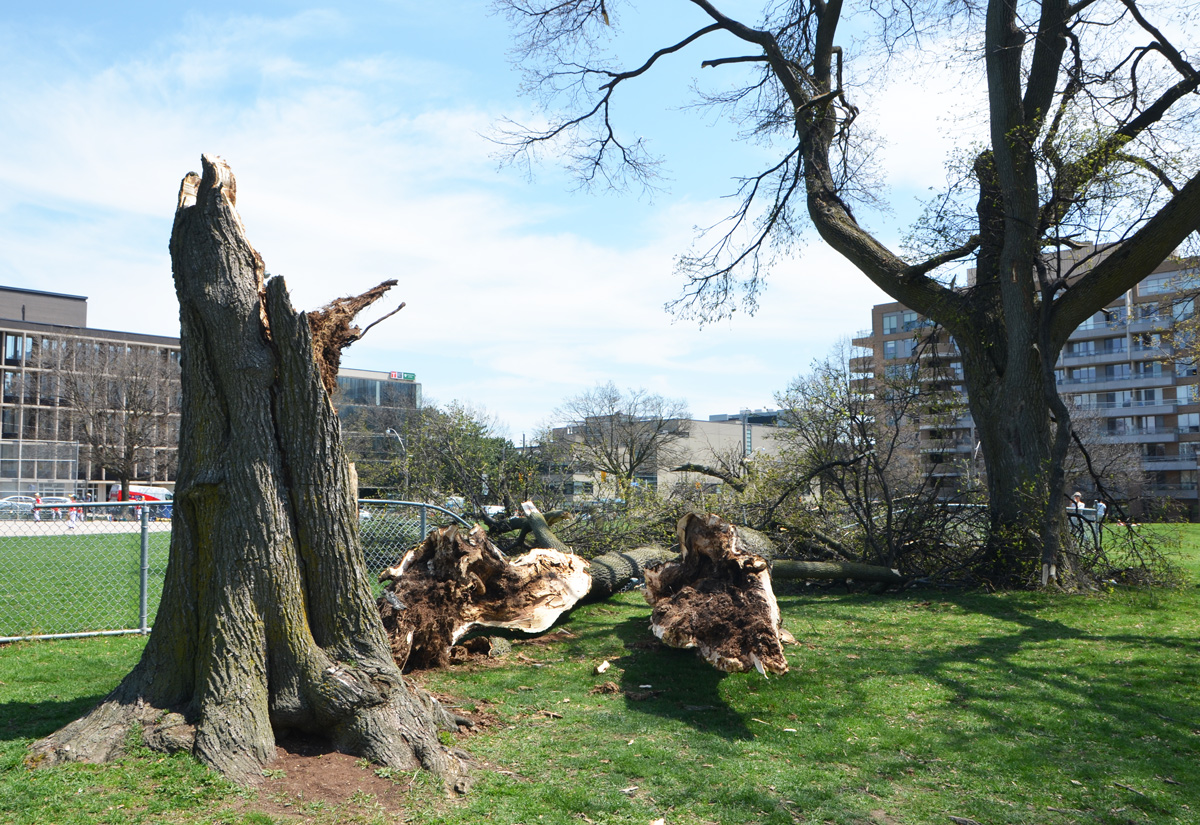
Also needing fixing – yesterday’s wind storm left a lot of damage around the city including this very large tree that lost a very large branch. Actually the whole tree has come down.
Lots of wires were down too.

Not everybody was up with the sun this morning.

I hope that your day was shiny and bright too!
I can’t wait to see what tomorrow brings!
below: The reigning champ and I!

This little walk starts with the artwork of Marleen Sleeuwits and her ‘Not the Actual Site’ exhibit at Brookfield Place (Allan Lambert Galleria).


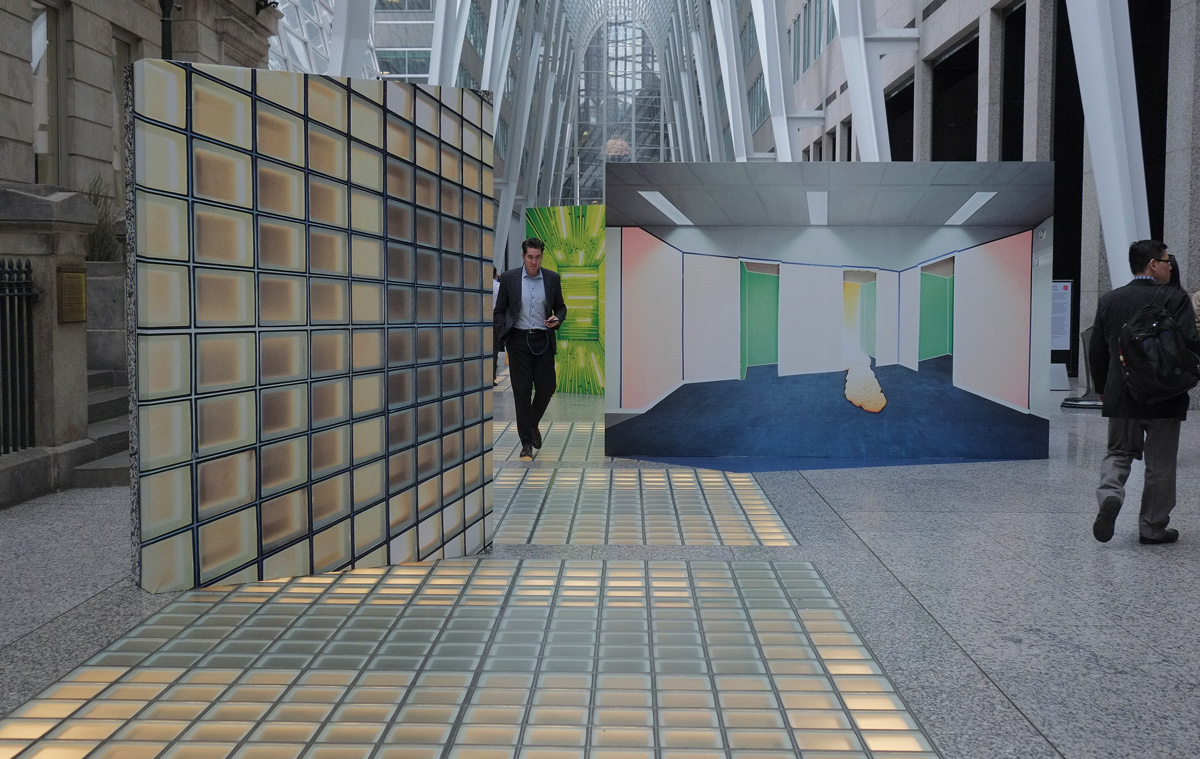
A short walk from Brookfield Place westward along King street towards Metro Hall….
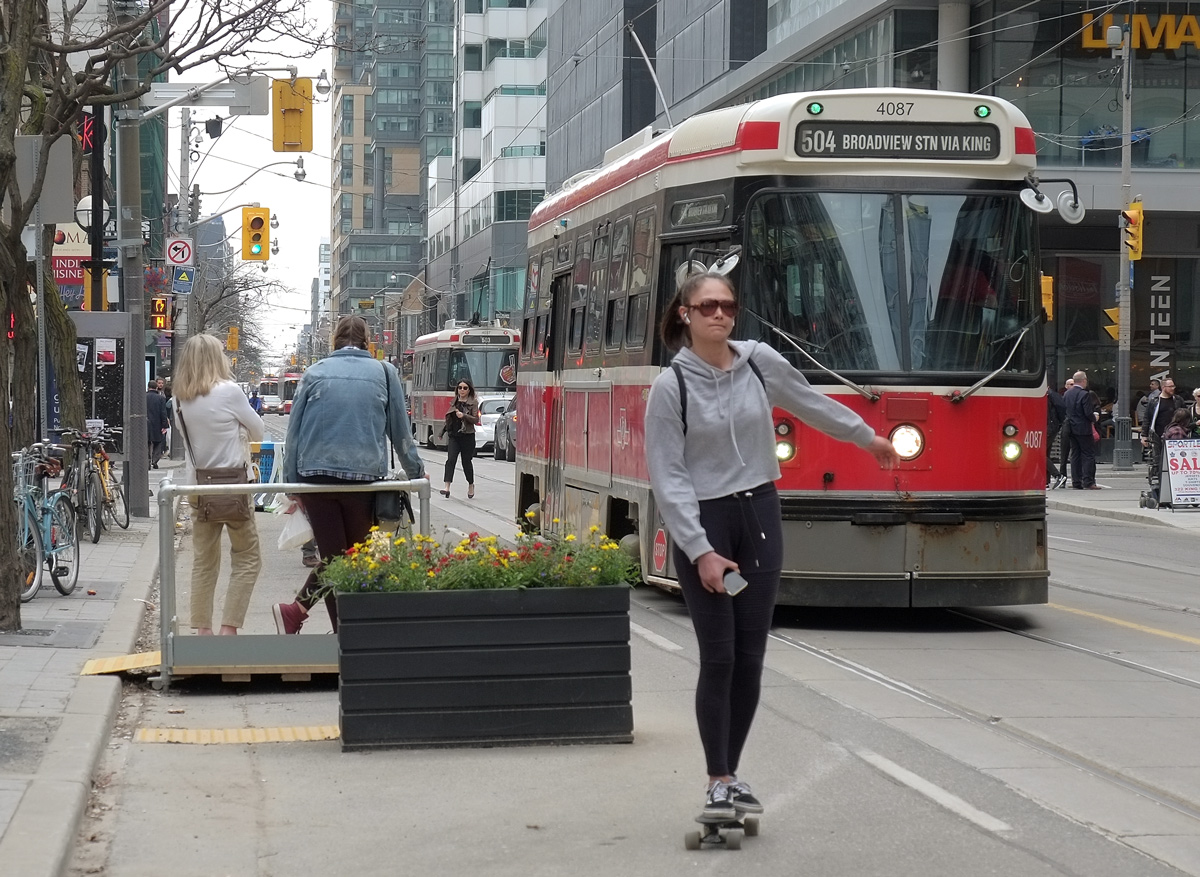
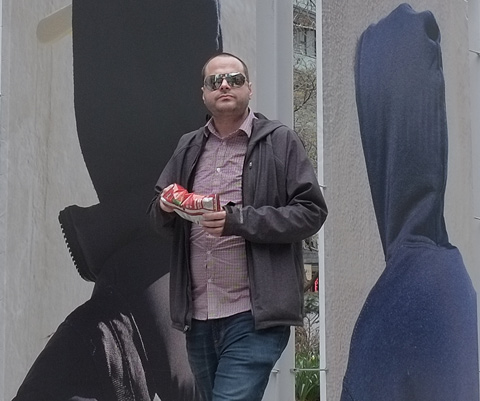
where pictures from John Edmonds ‘Hoods’ series are on display (as are the people who walk past!).

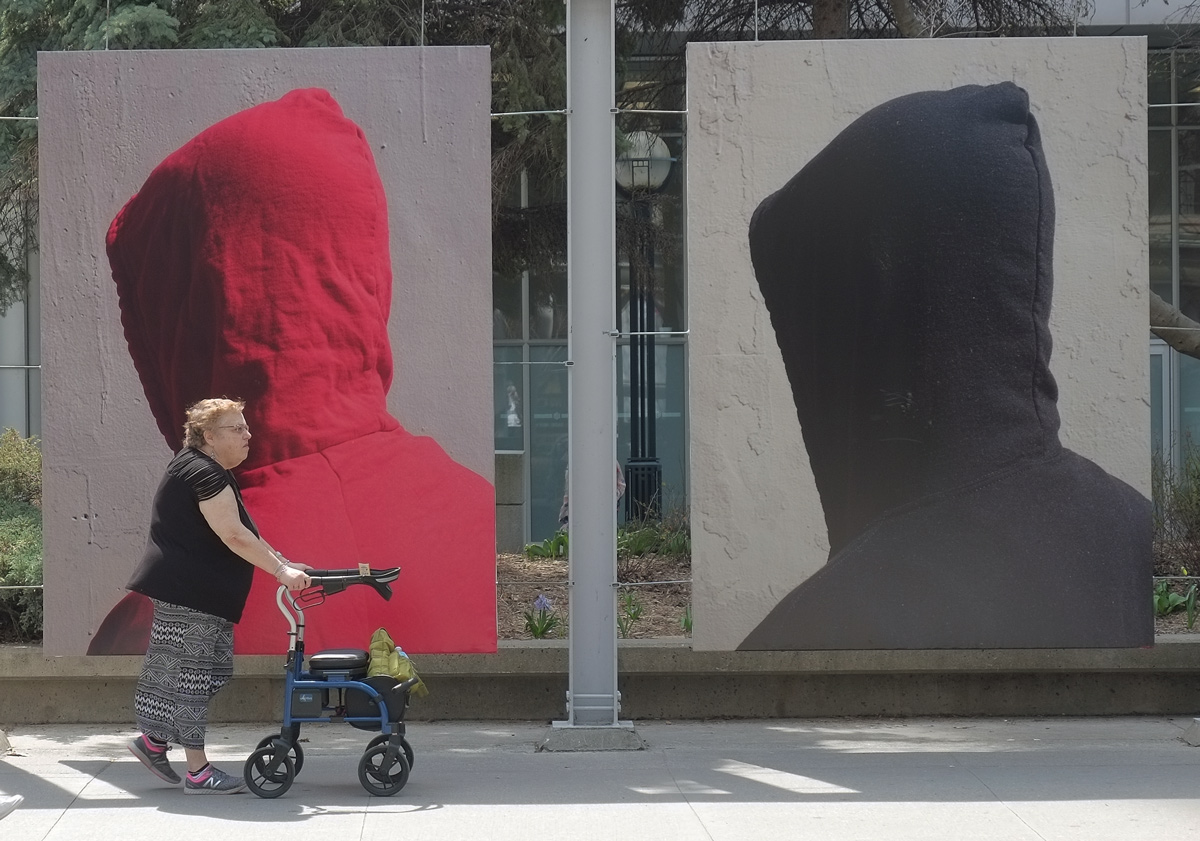

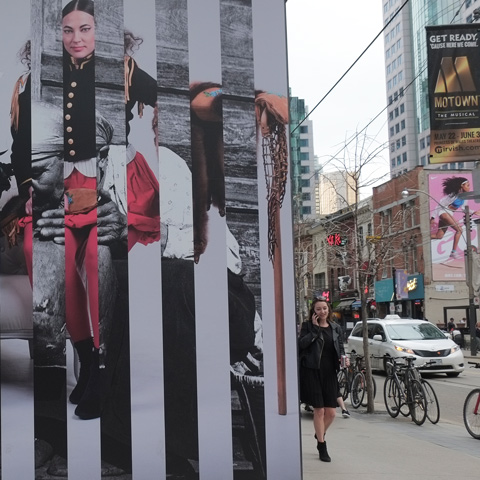
Across the street from ‘Hoods’ is Caroline Monnet’s, ‘History shall speak for itself’. These photos are the south and west wall of TIFF.


Just a bit farther west (at Spadina) you can find a large purple hued image by Felicity Hammond on the north wall of 460 King St. West.
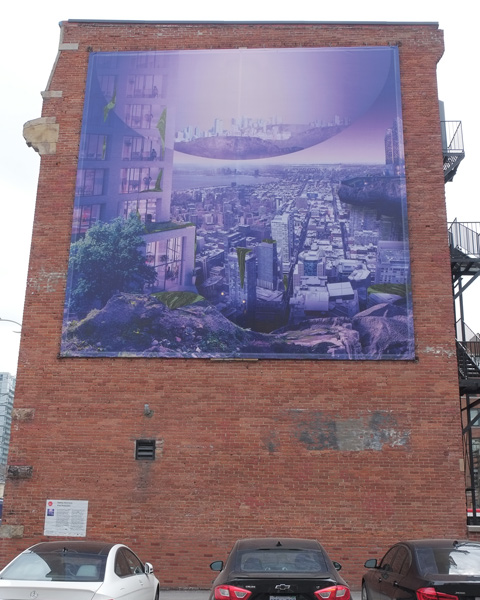
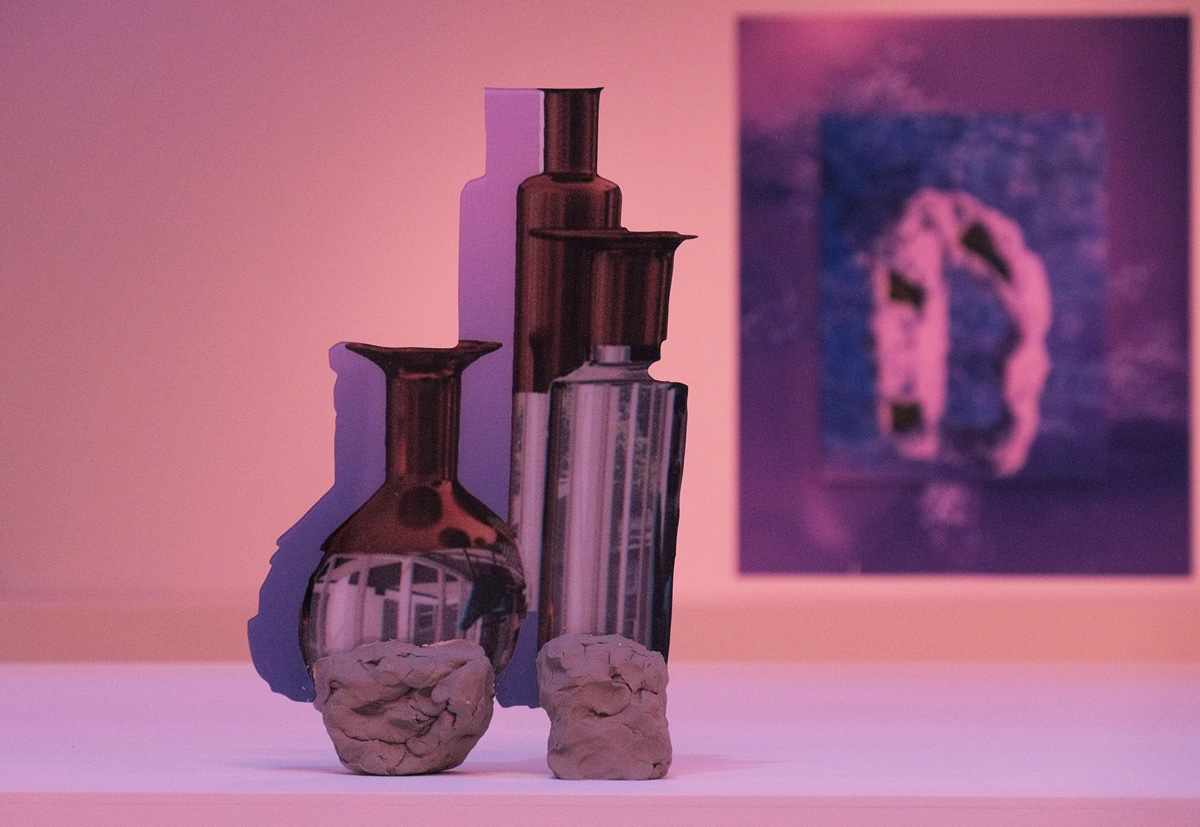
A few more smaller works by Felicity Hammond are in the Contact Gallery at 80 Spadina – the building immediately north of the parking lot where you can find the image above. The gallery glowed in pink and purple light.
below: Object shapes are cut outs from a thin sheet of acrylic on which photos were printed. These shapes are held up by clay blobs.
And that’s our tour for today!
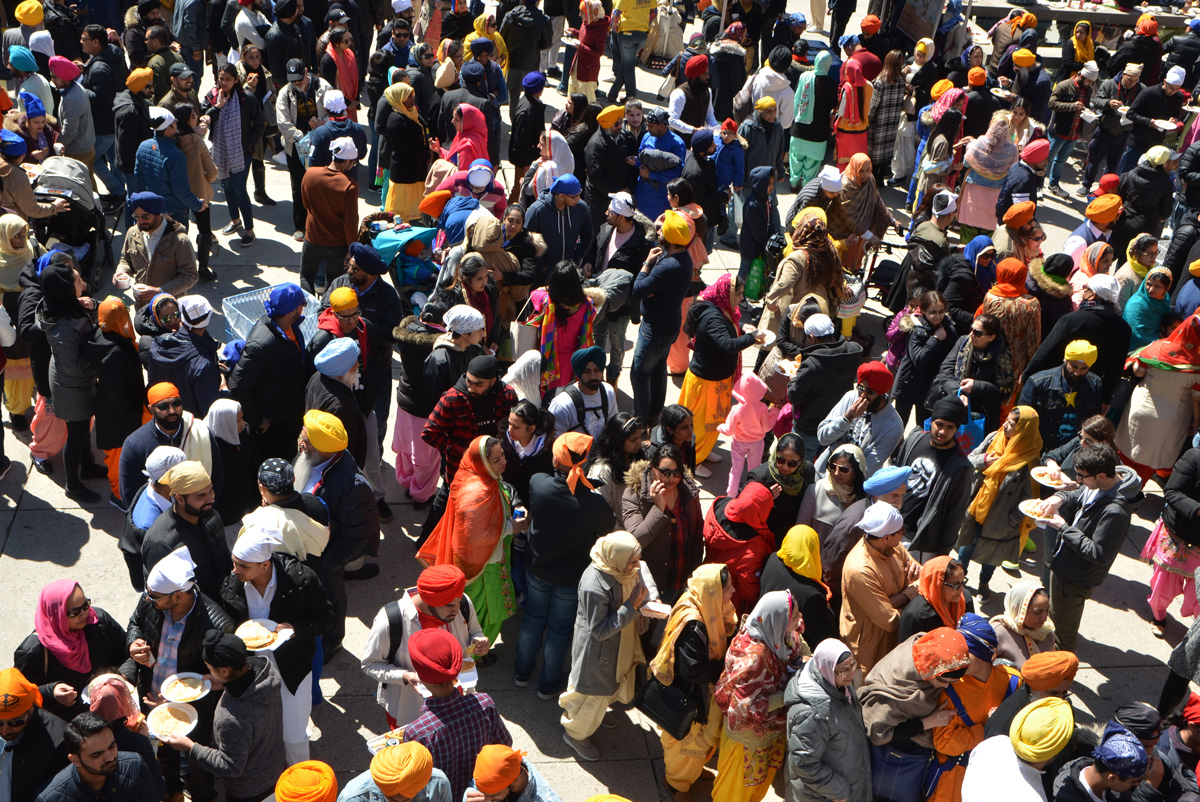
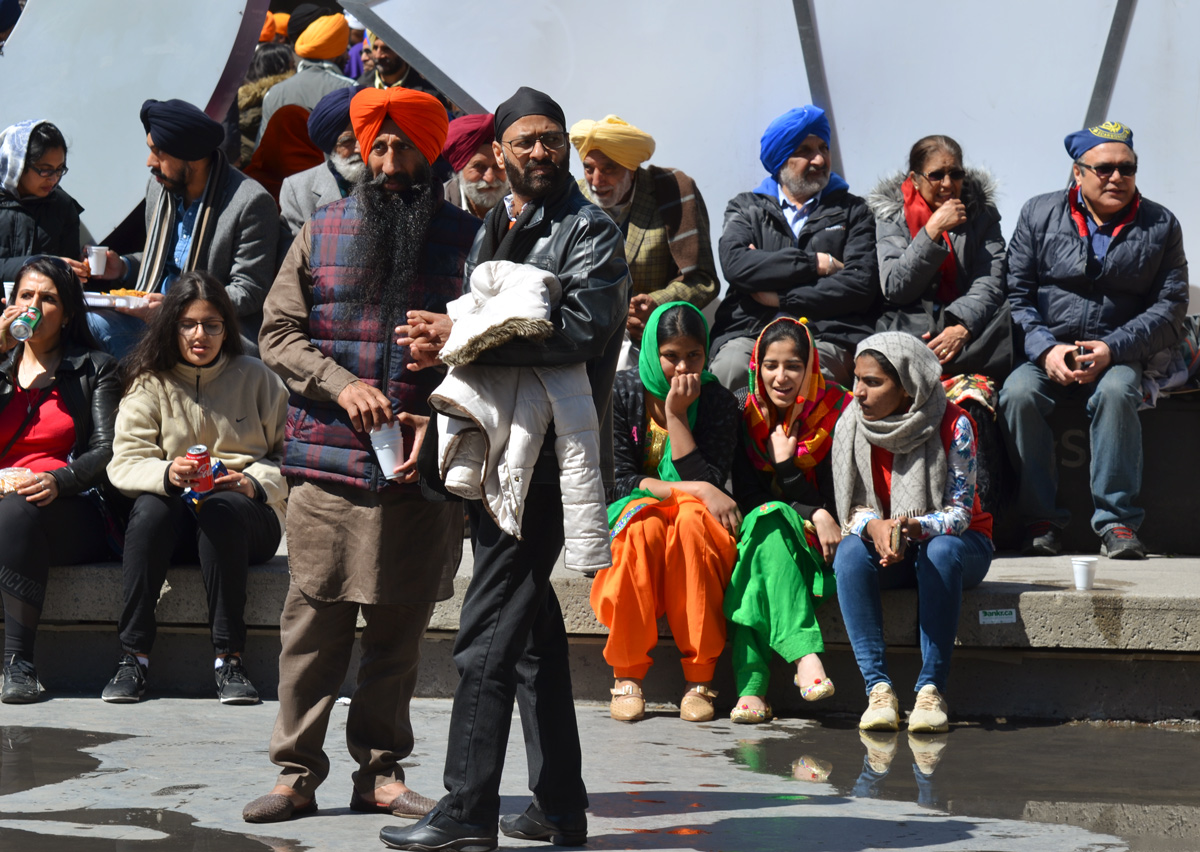
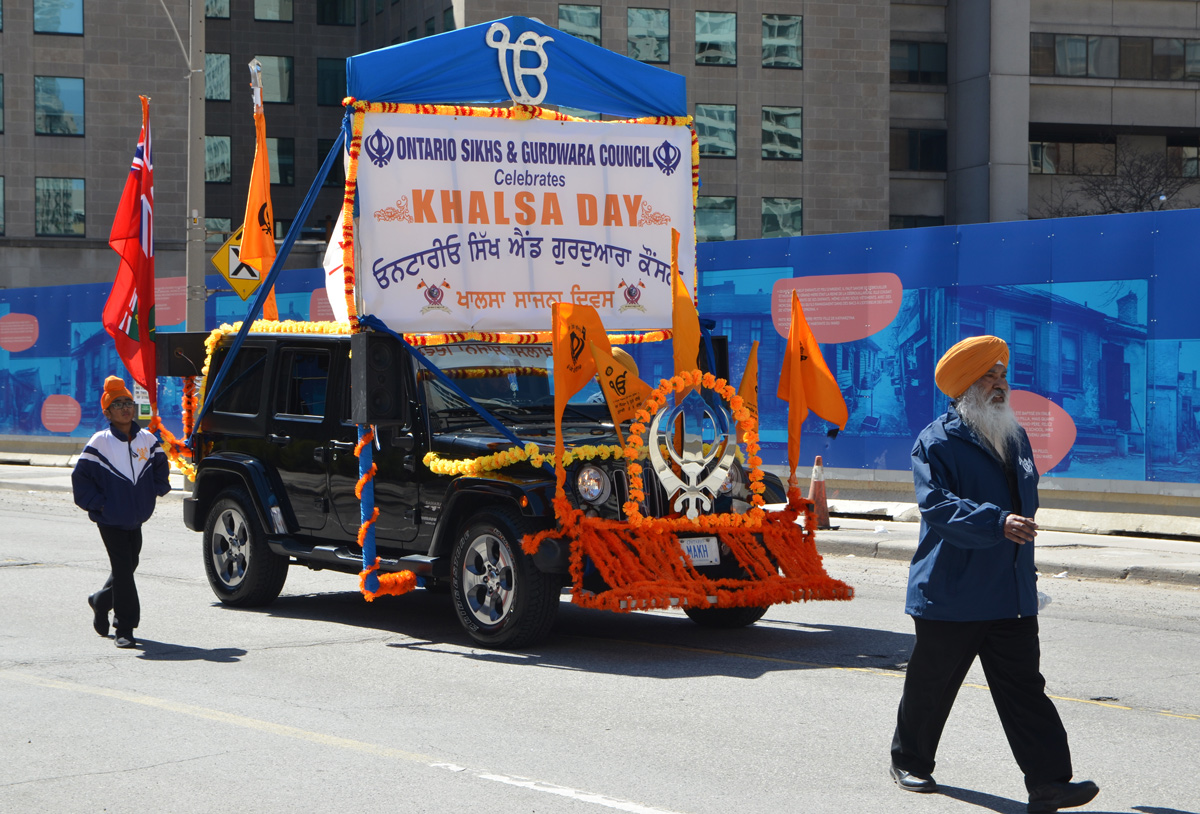
Revelation Day of Khalsa celebration at Nathan Phillips Square.
Fabulous colours and smells.
And LOTS of people! The people came from around Ontario as well as some from New York state.



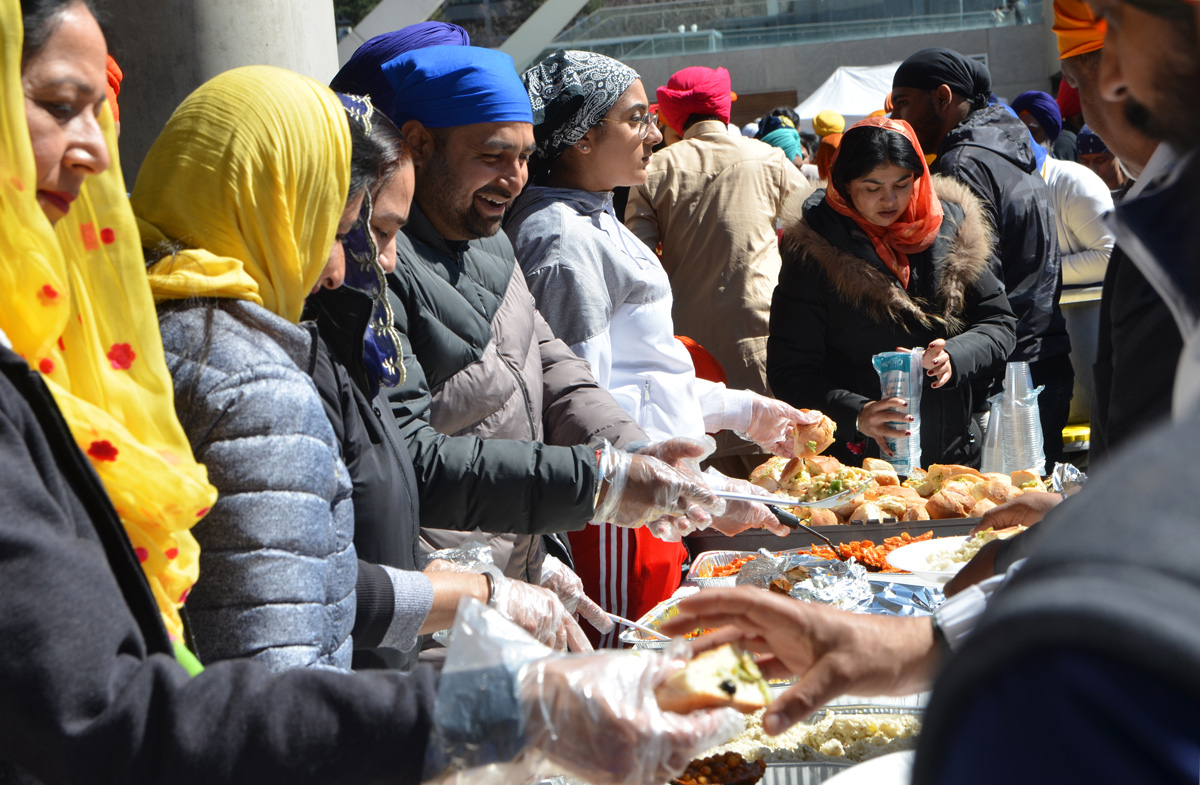
below: There was free food for everyone.


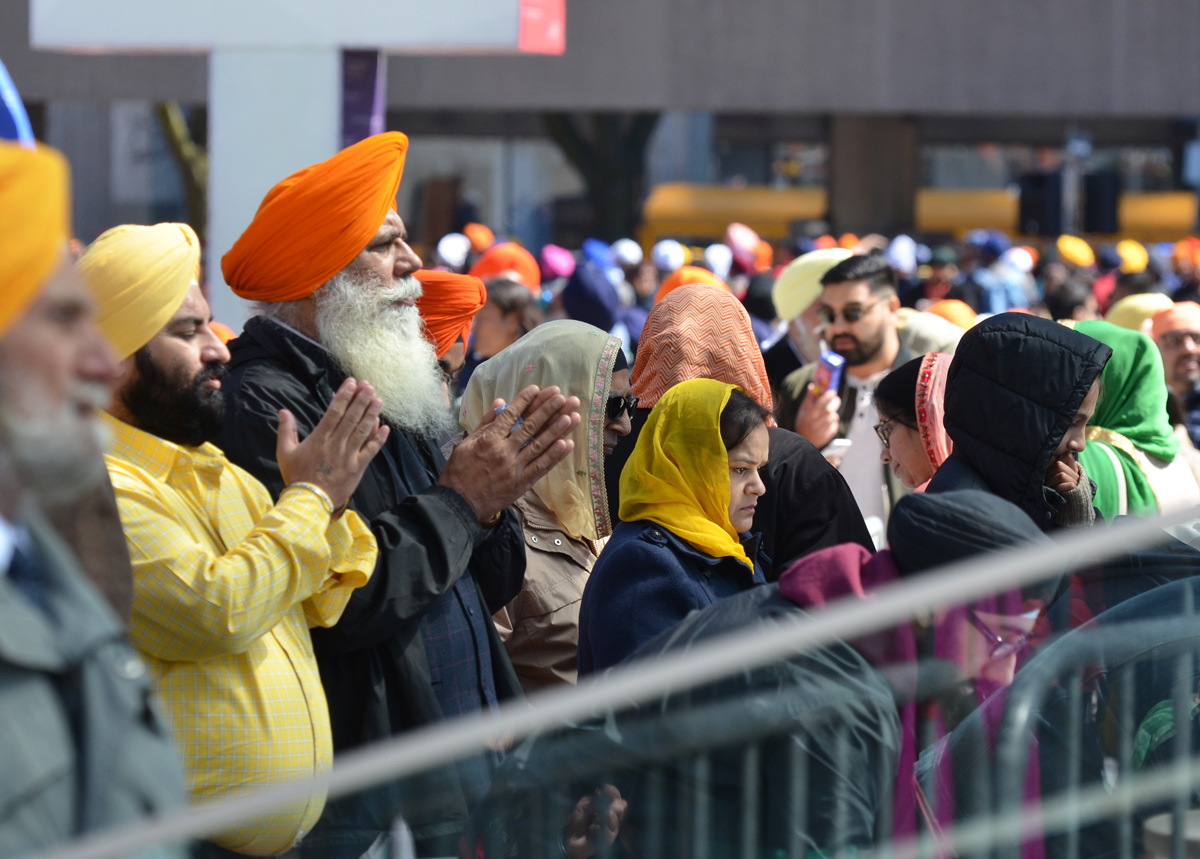
below: There was a place for prayer


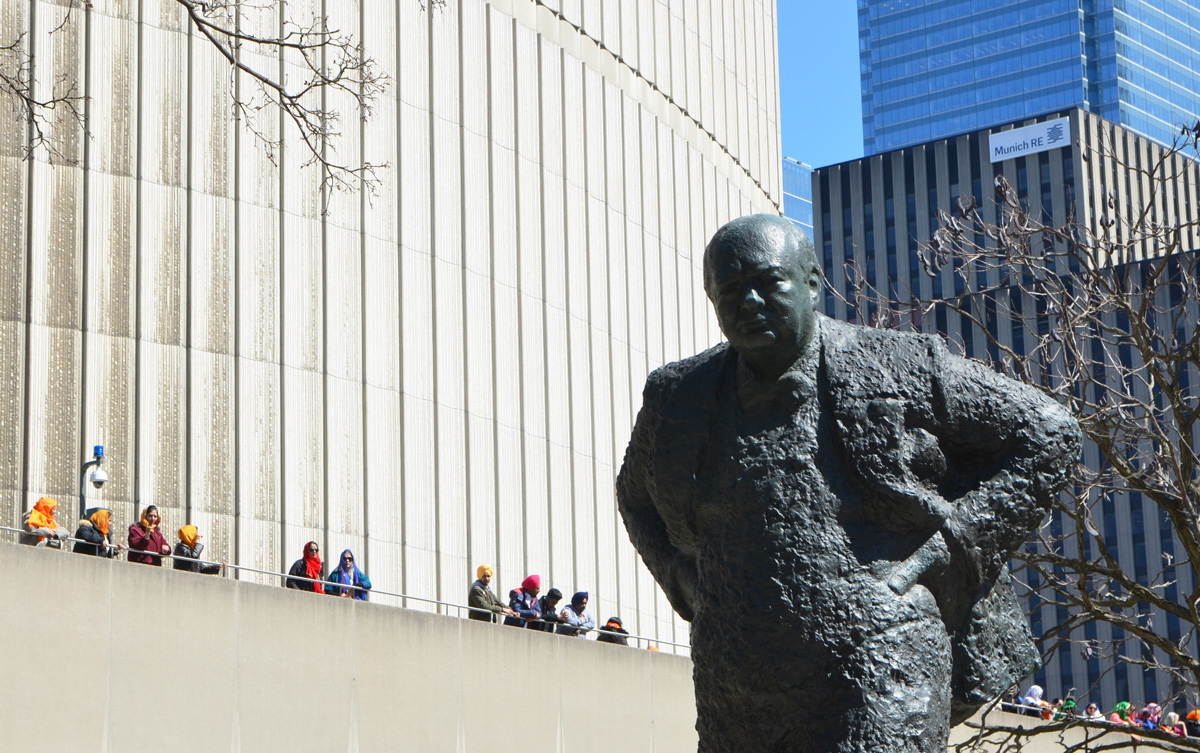



 as I walk Toronto