


Open Streets,
Yonge and Bloor Streets,
Sunday 16th August 2015


below: Slow bike race

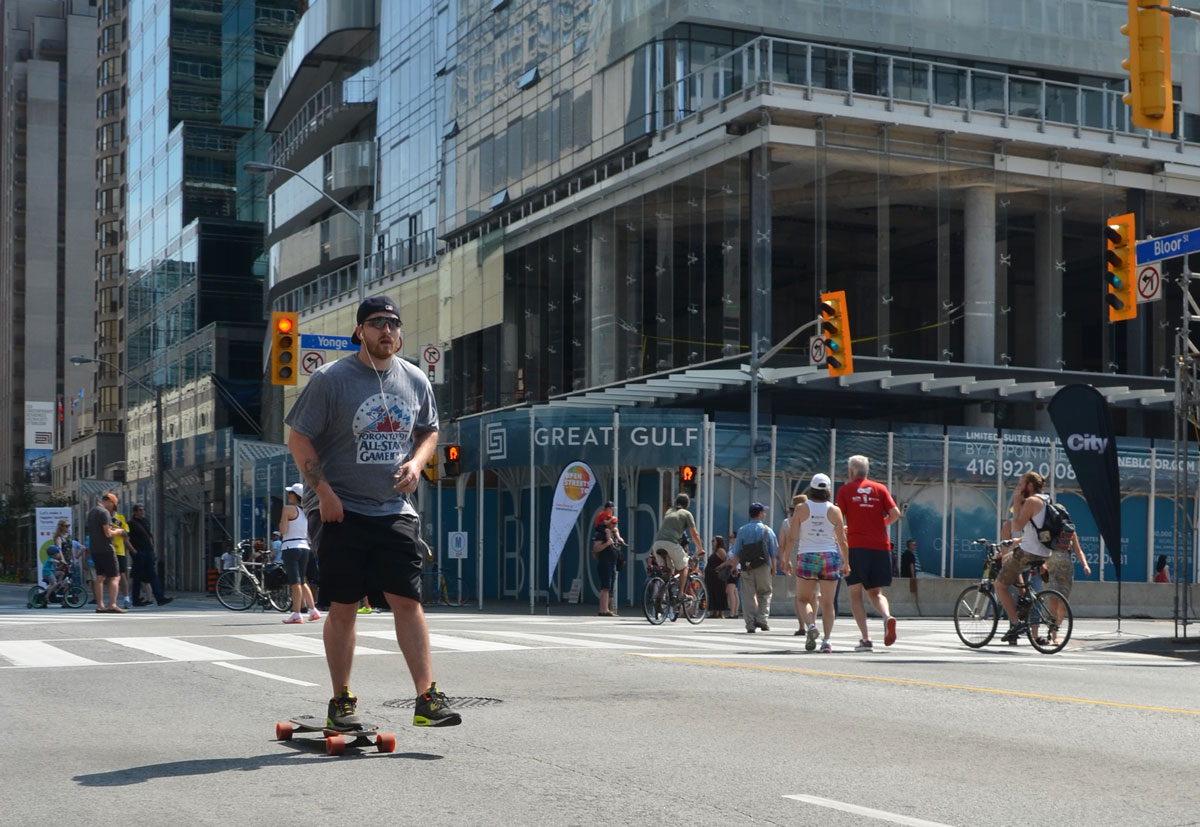

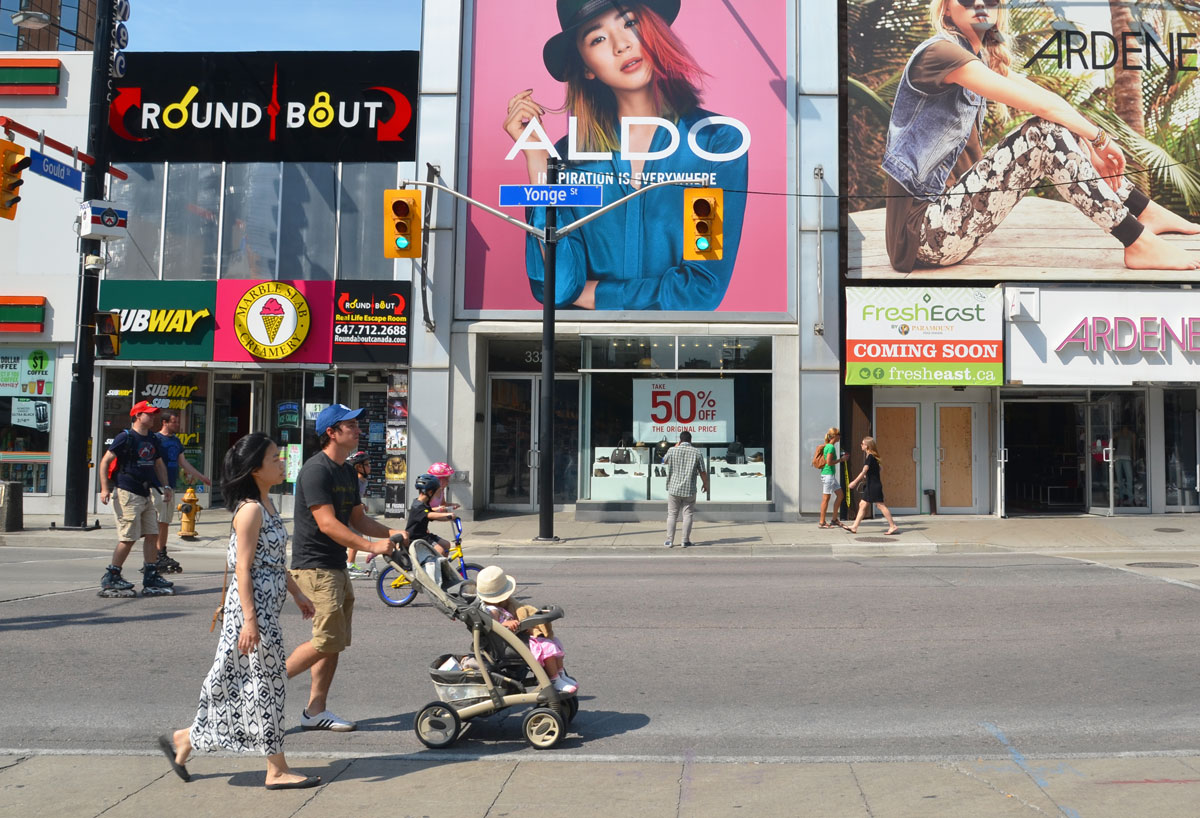

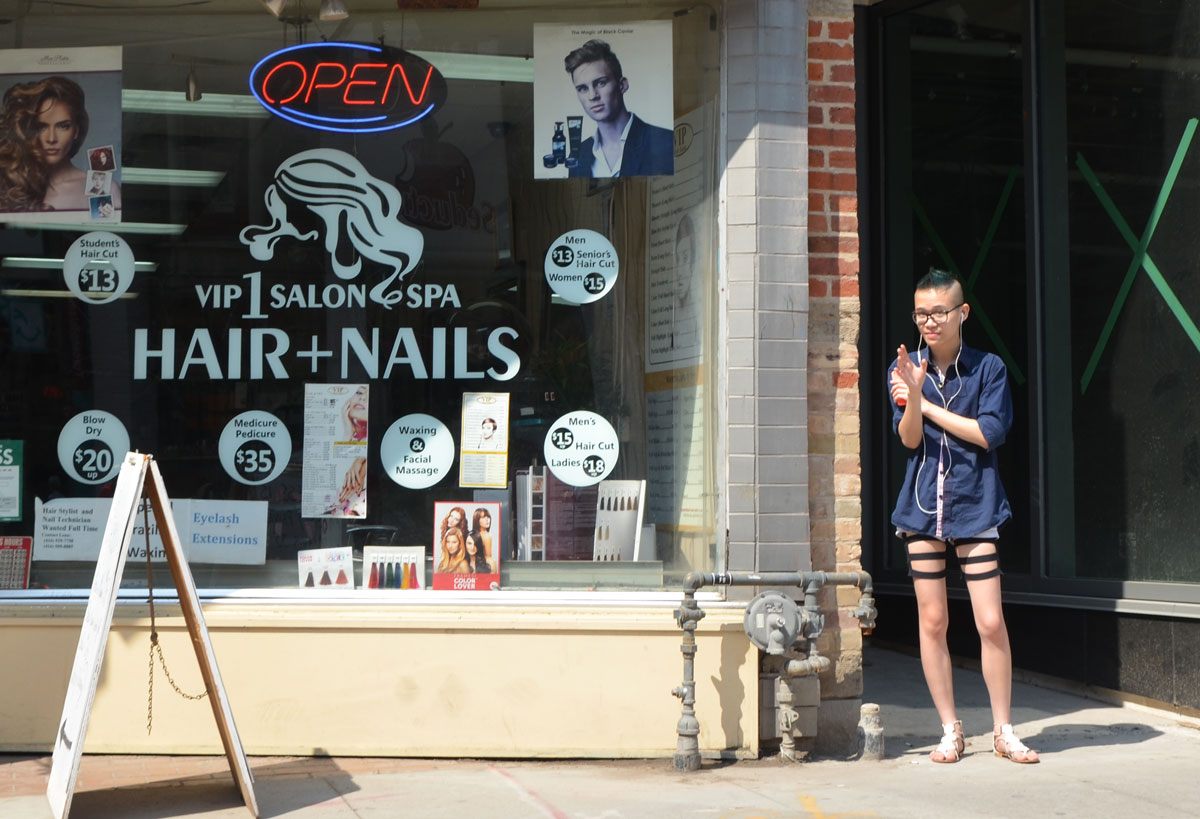

#OpenStreetsTO
Open Streets,
Yonge and Bloor Streets,
Sunday 16th August 2015
below: Slow bike race
#OpenStreetsTO
FORTY ONE the Esplanadian Connection,
an exhibit inspired by the book ‘FORTY ONE Neighbours’
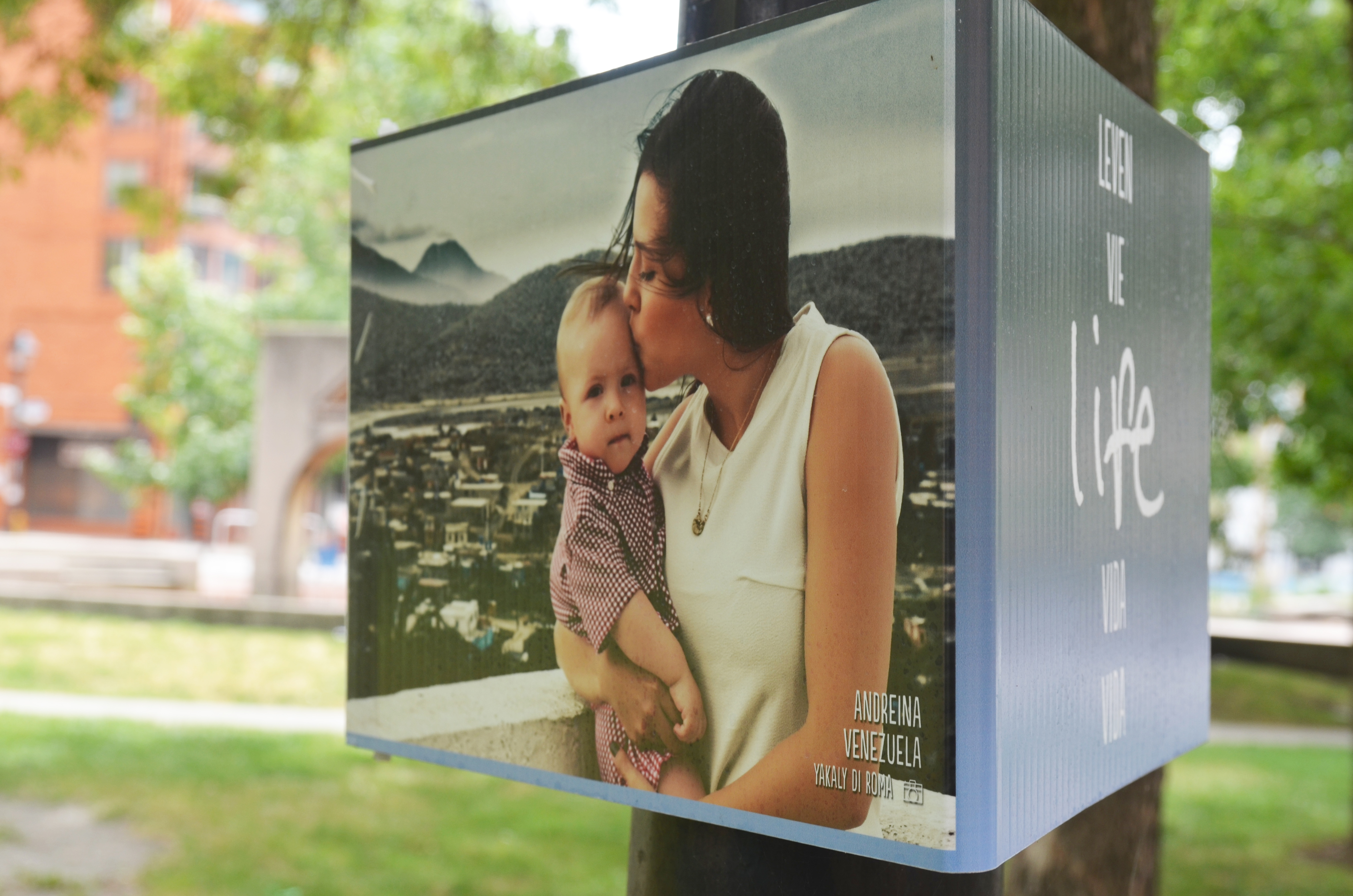
The book was published earlier this year and there was a book launch at St. Lawrence Hall back in April. The book is a collection of 41 portraits, one person from each country participating in the Pan Am and Parapan Games. Each portrait is also of a person with a connection to the Esplanade community. Fifty three students/authors from The Esplanade neighbourhood wrote the stories.
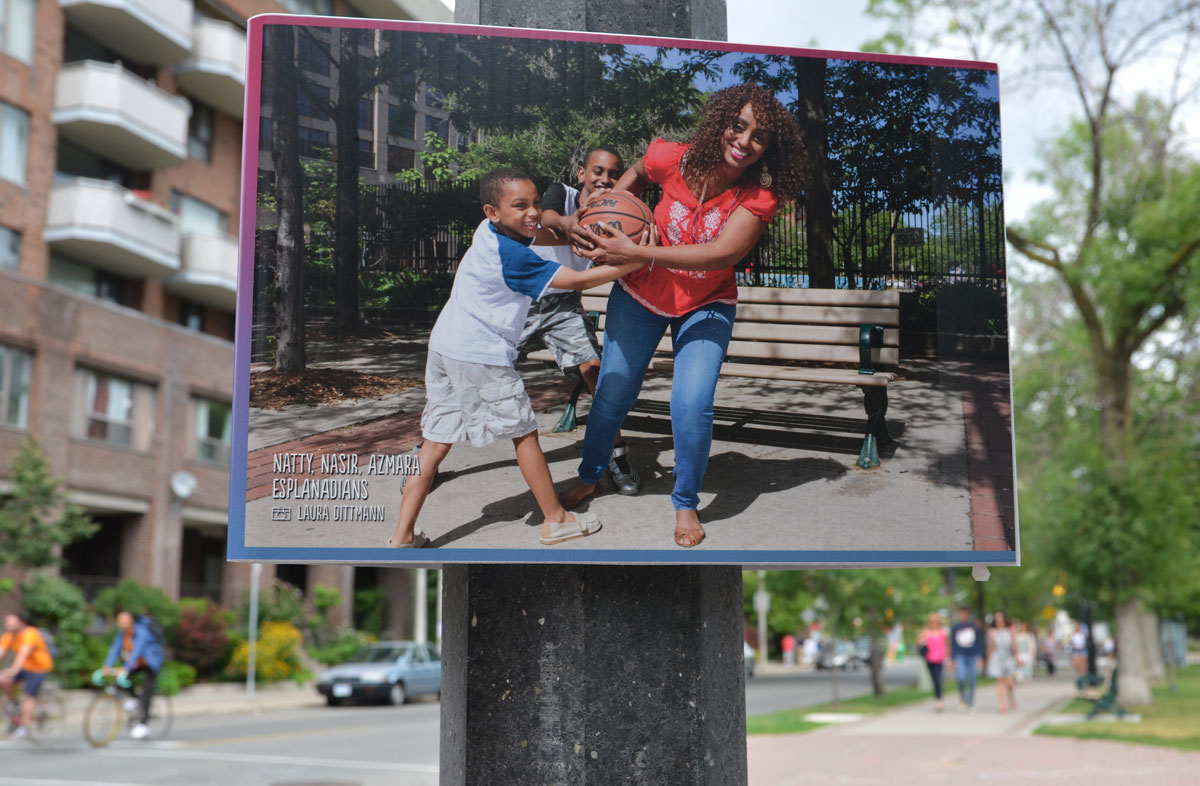
For the exhibit, the portraits were re-enacted by local residents.
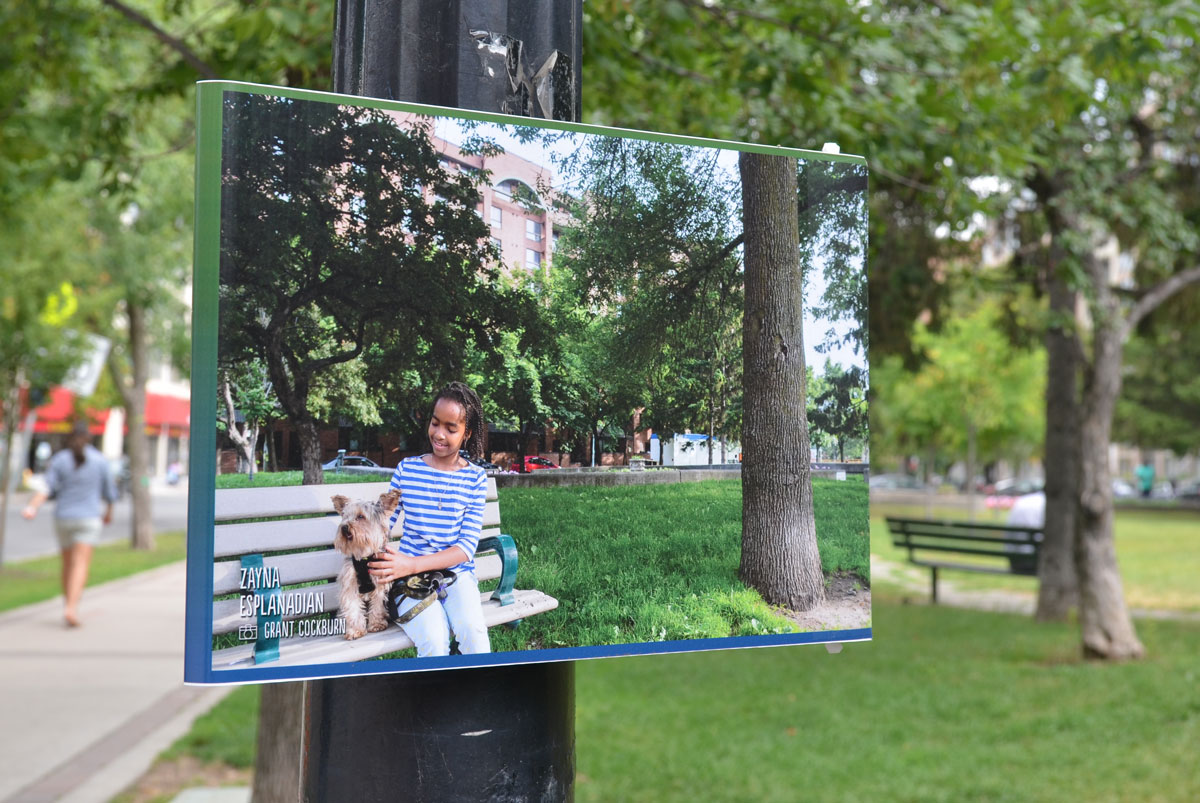
Each portrait consists of three sides. Two sides have photographs on them – one side with a Esplanadian person or family and the other side with a PanAmerican resident.

The third side has one word written in five languages.
From top to bottom – Dutch, French, English, Spanish and Portuguese.
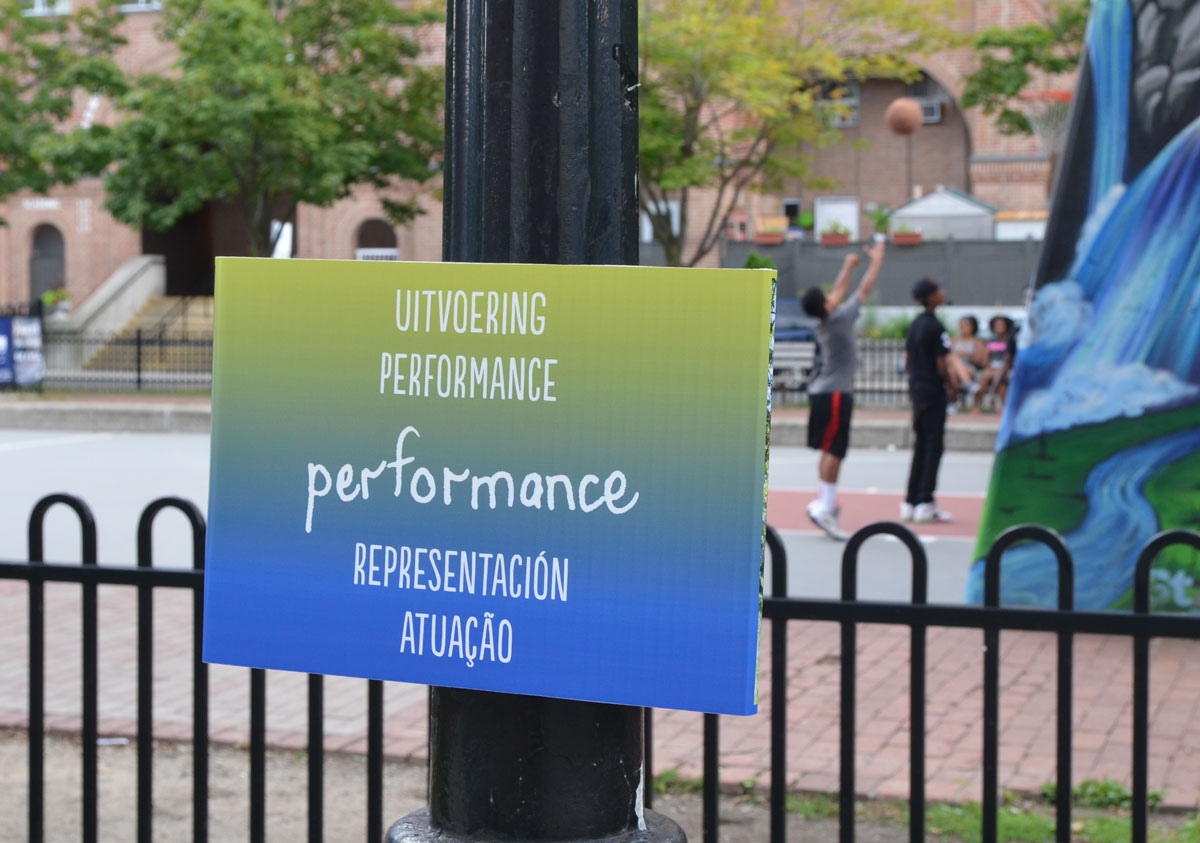
The words were chosen from the stories in the book, one symbolic word from each portrait.
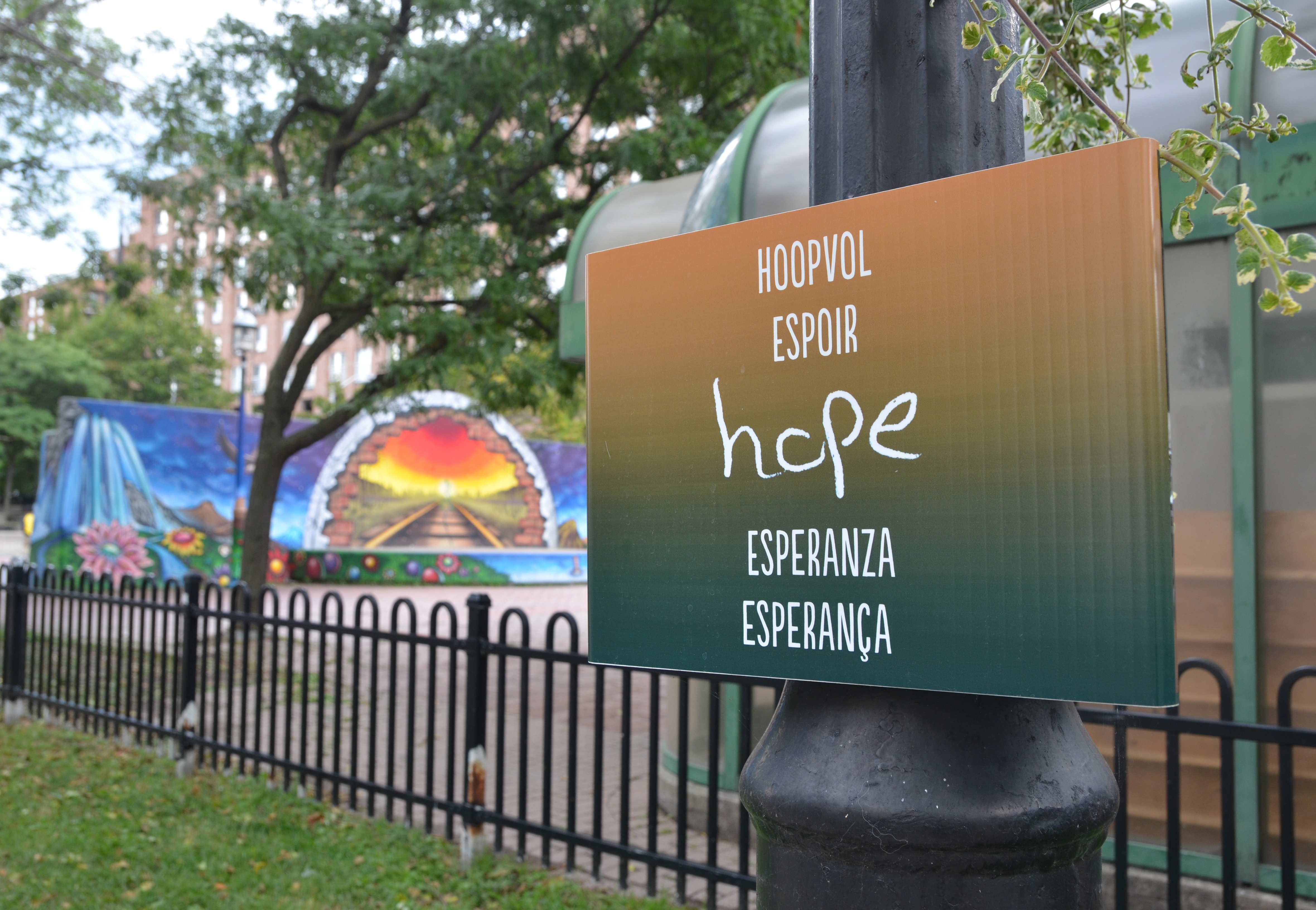
The signs are mounted on lamp posts along the Esplanade.
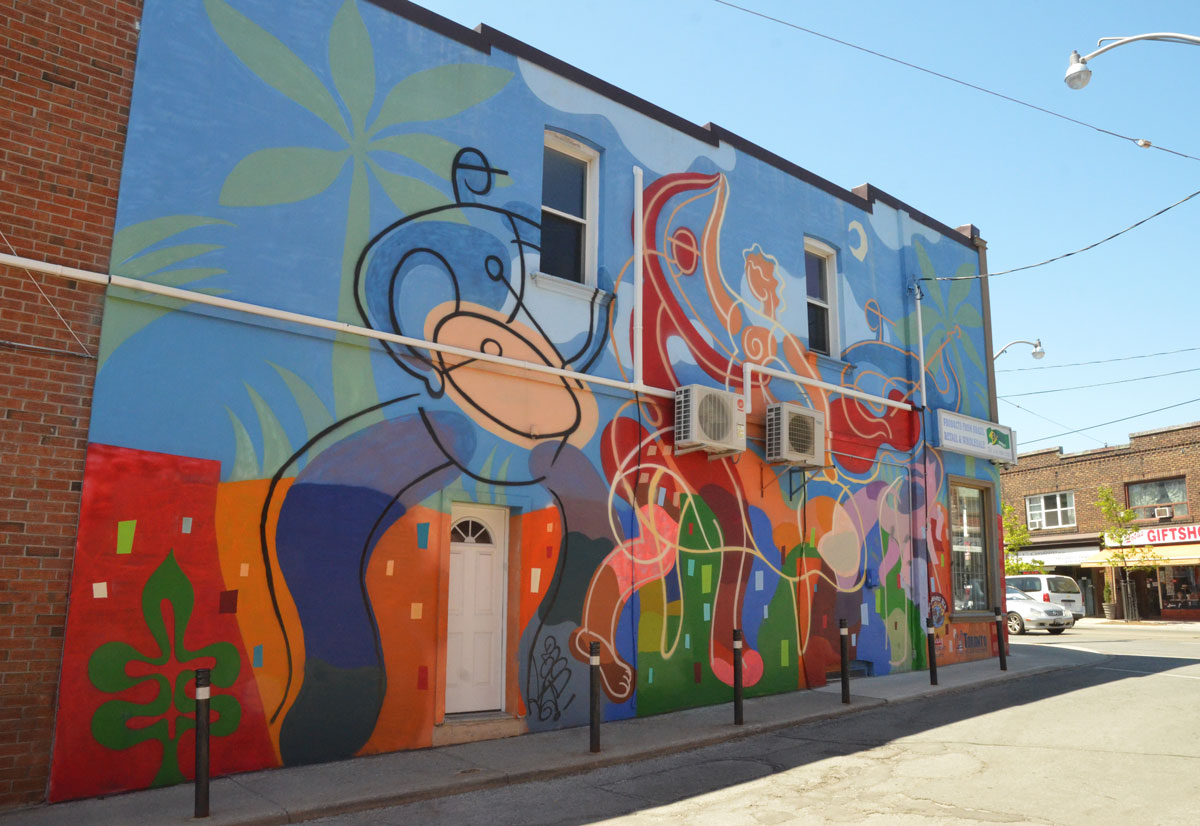
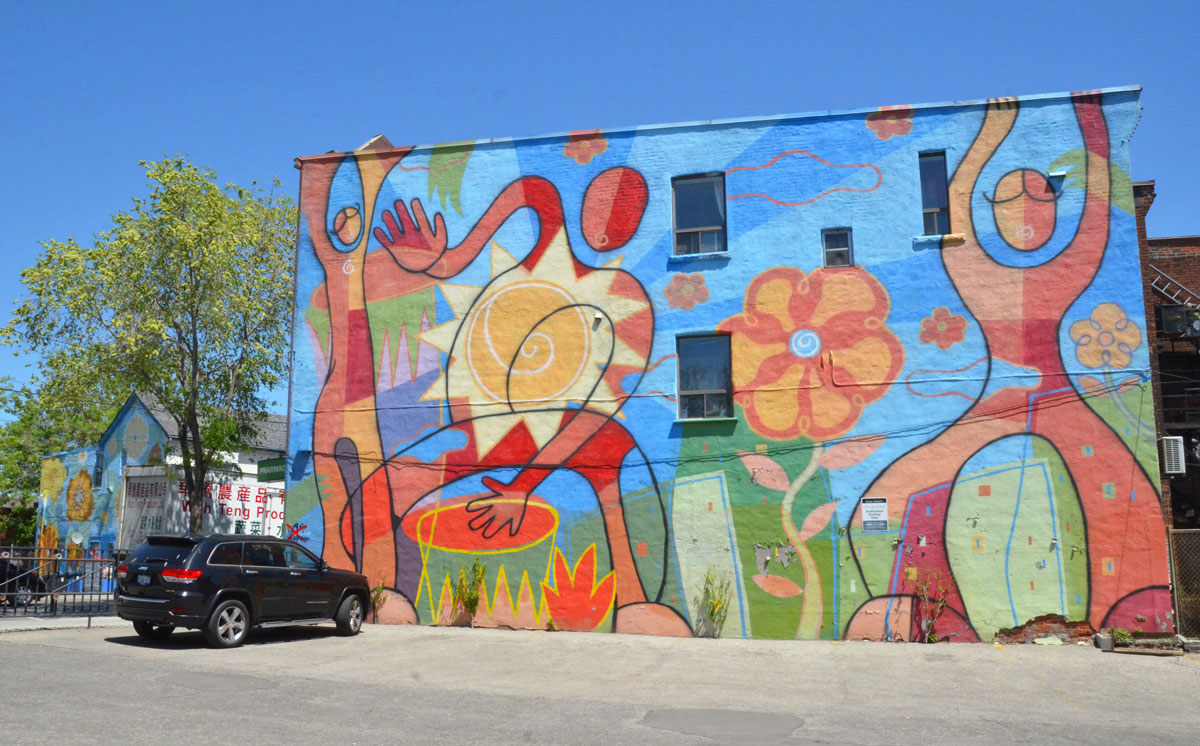
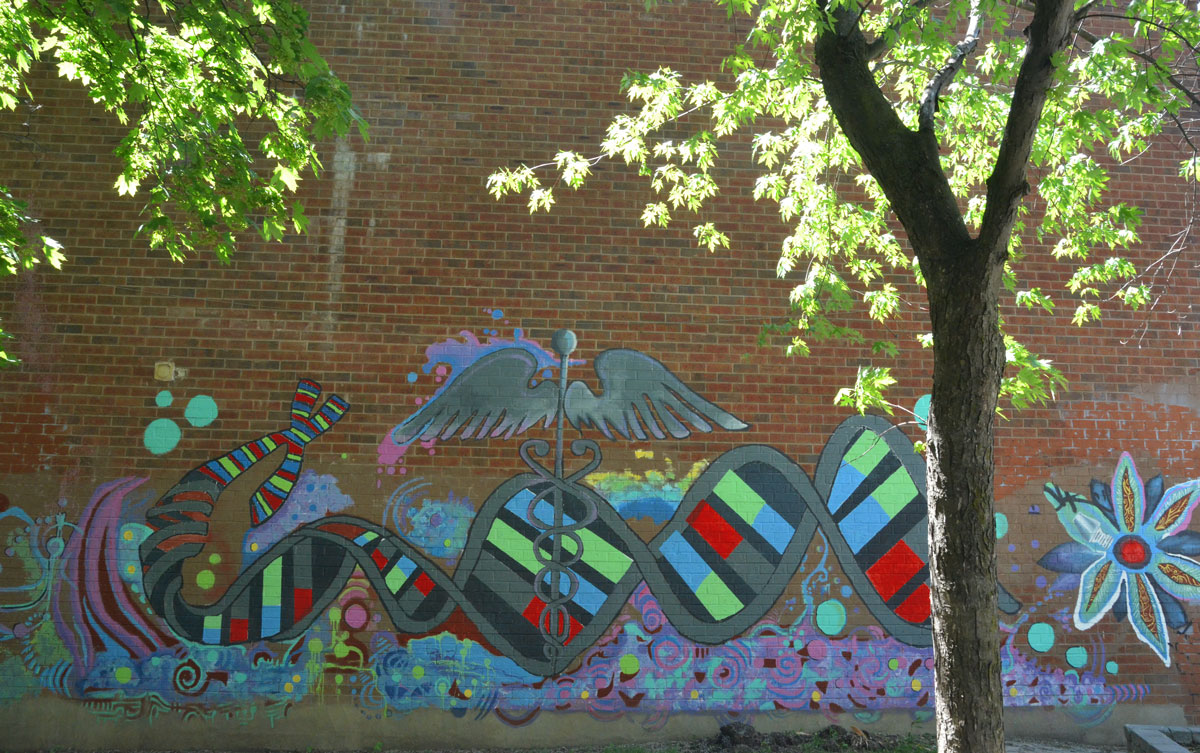
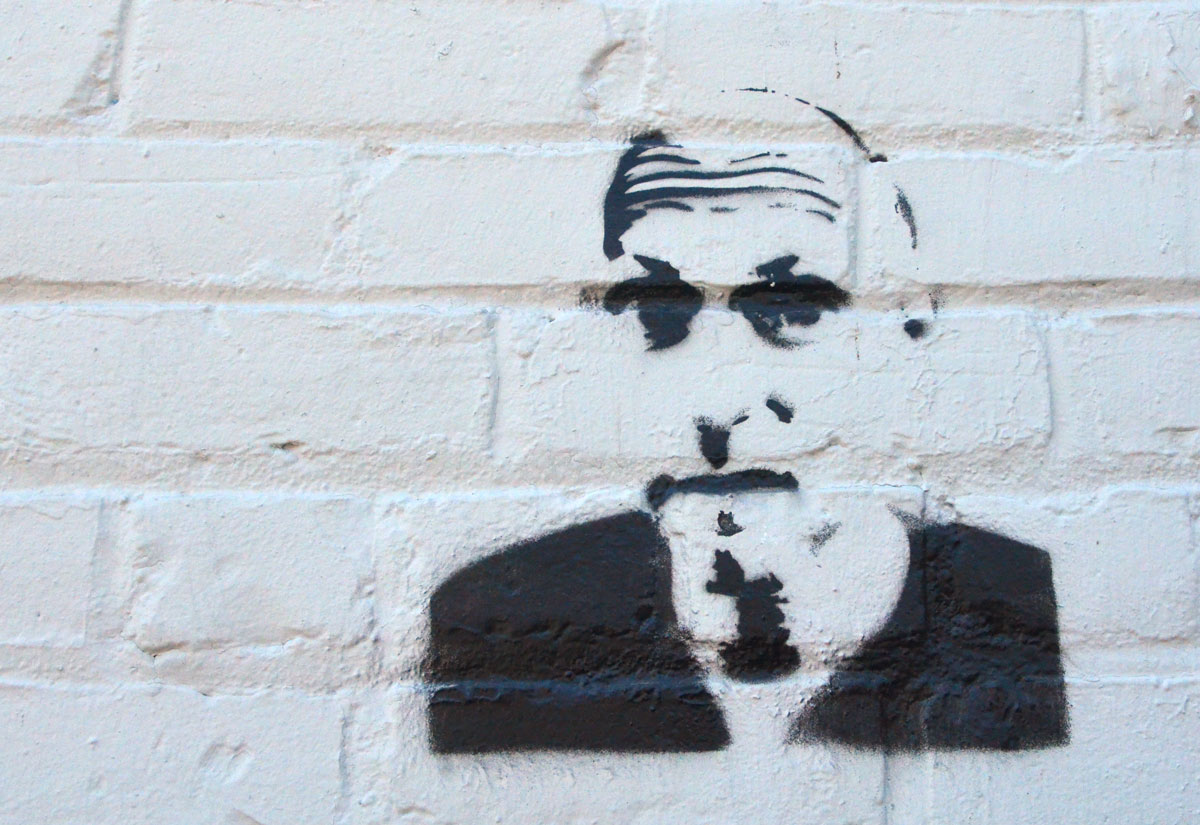
A few things seen while walking Dundas West (and the alleys behind it) near Dufferin Street.
below: Dundas Street West, looking east from Dufferin Street, March 2015

below: At the corner of Sheridan Ave and Dundas West.
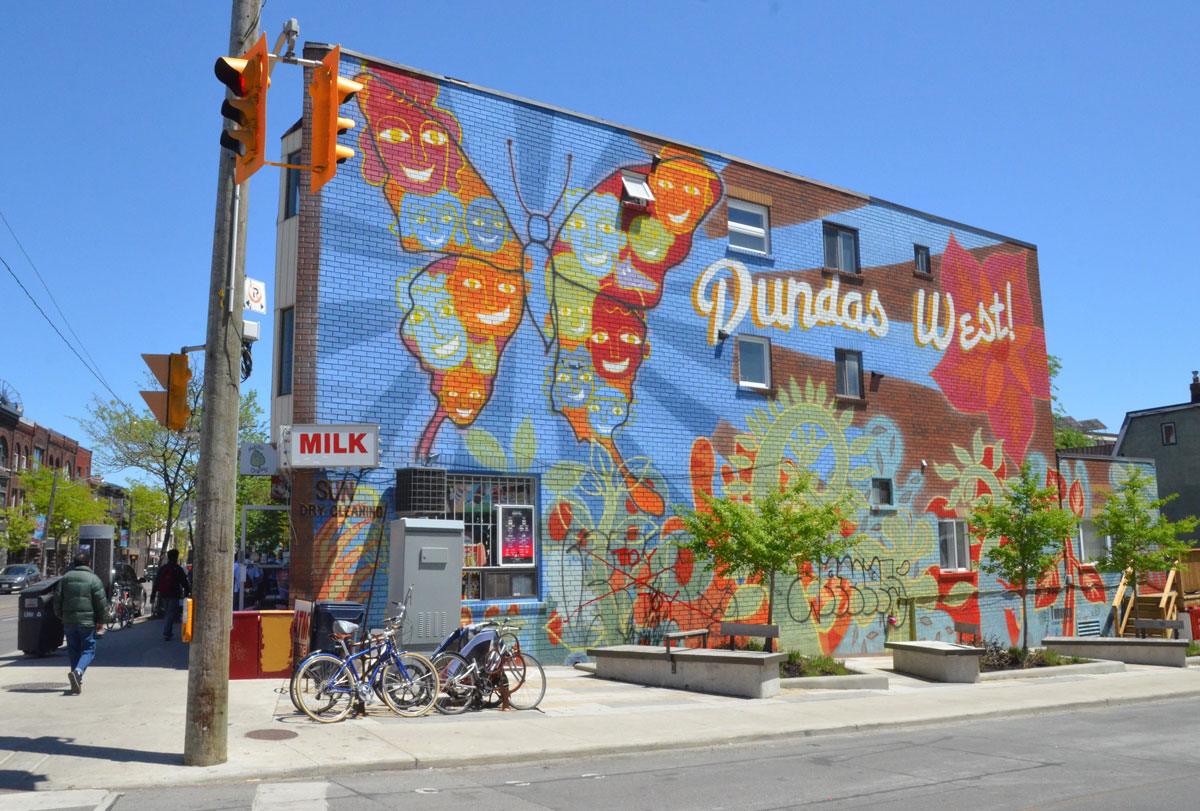
below: A mural by Jarus


below: Solicitors will be fed to the chihuahua



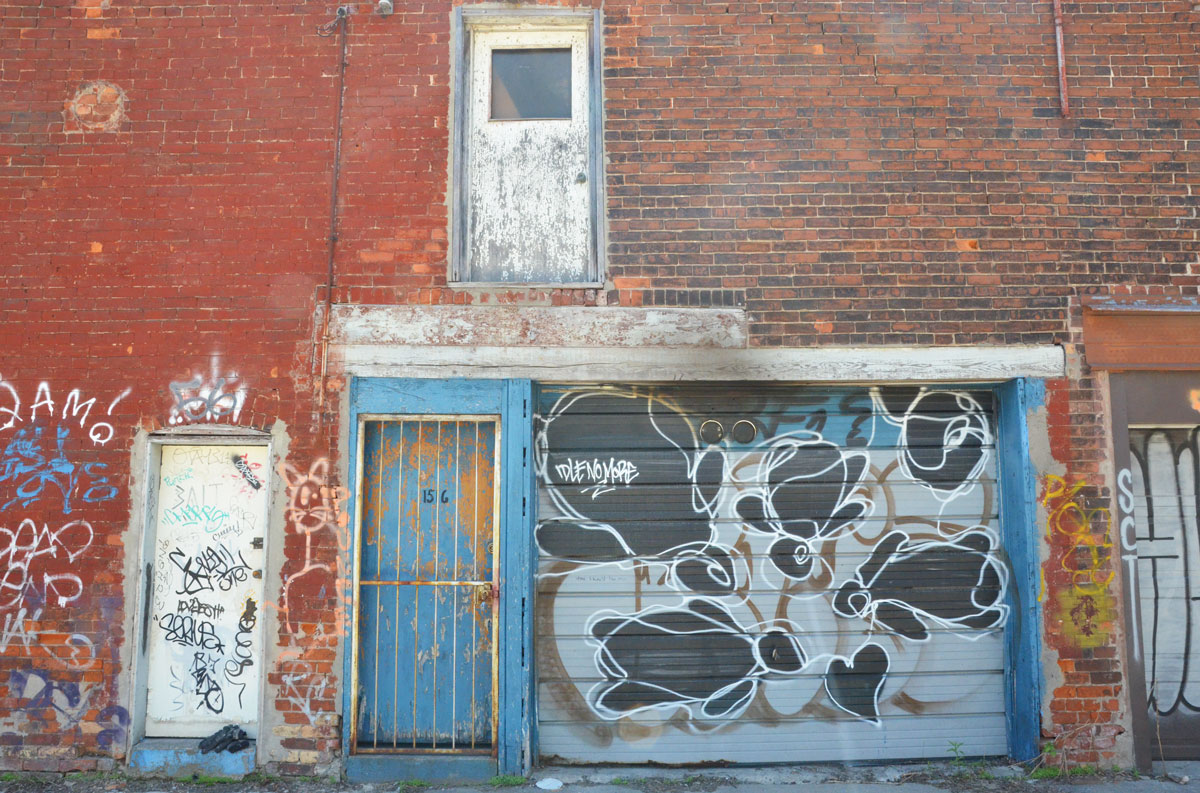

below: Kick out the jams

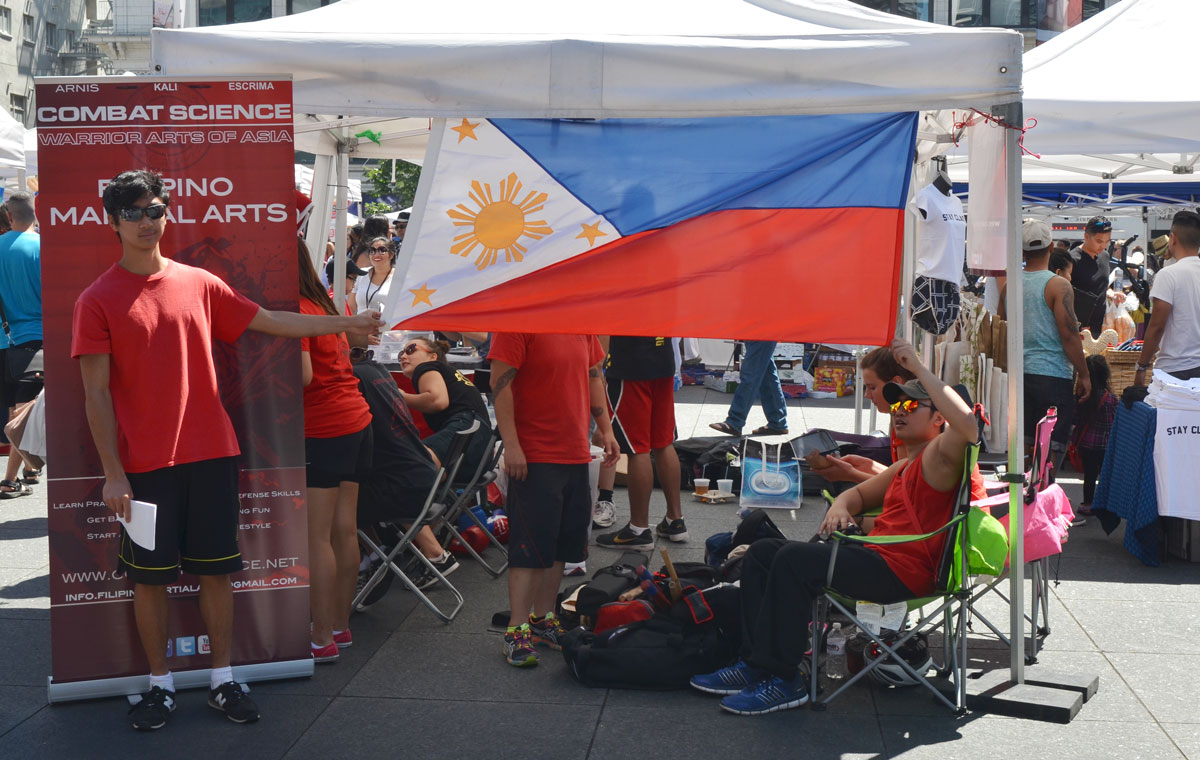
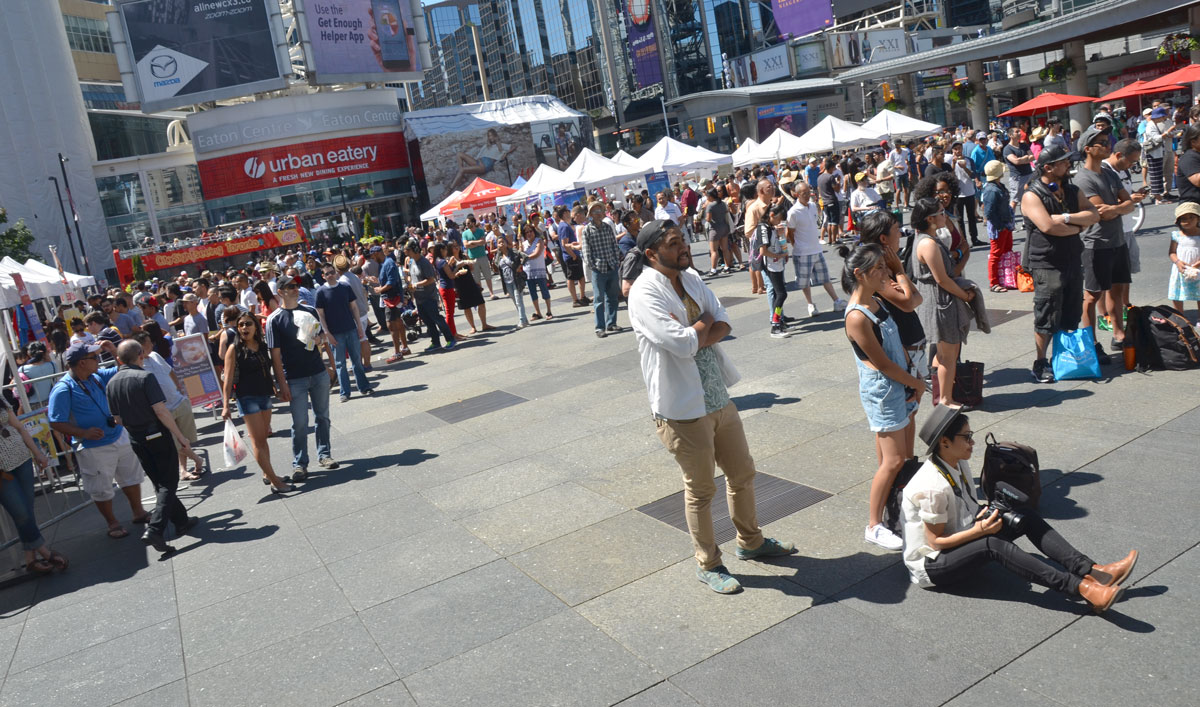
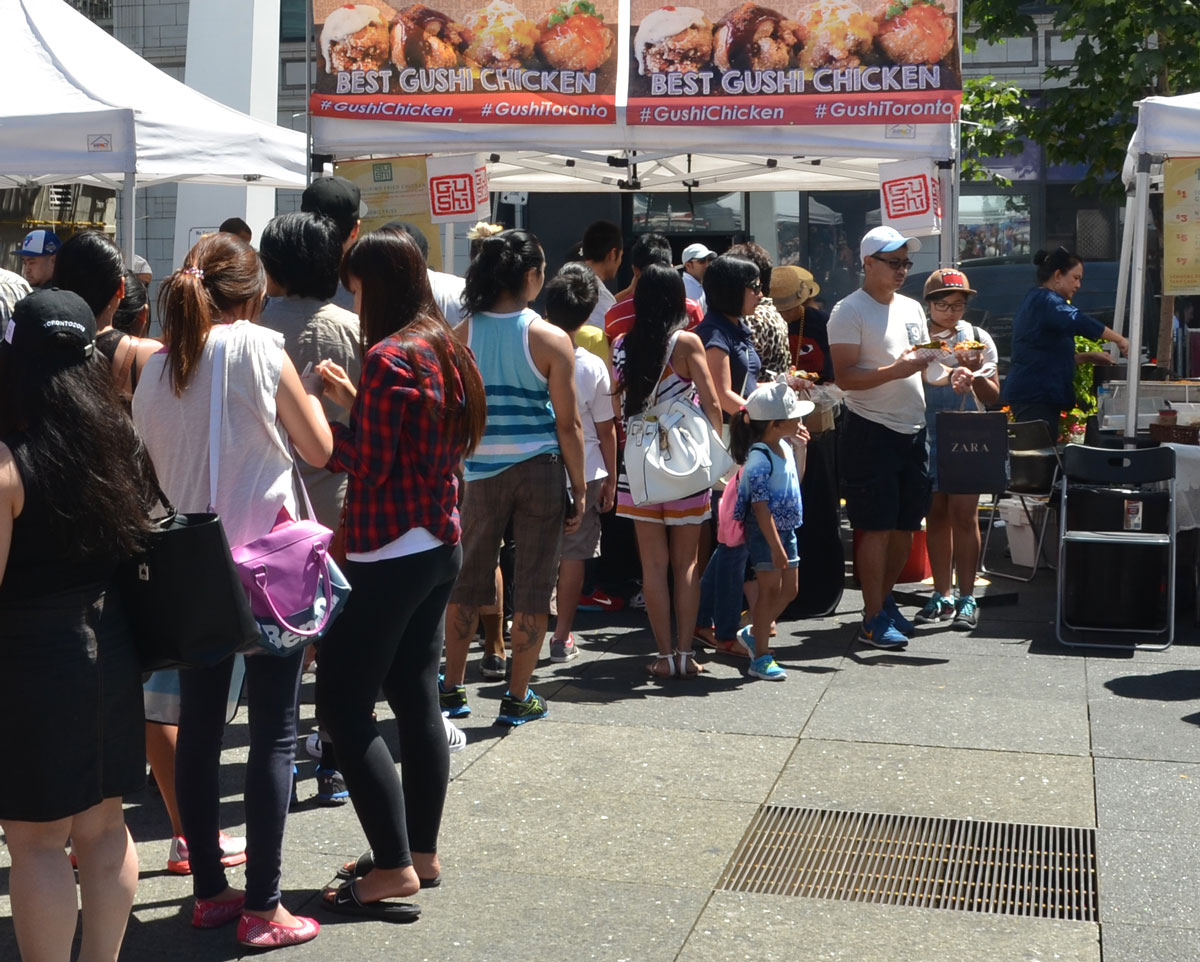
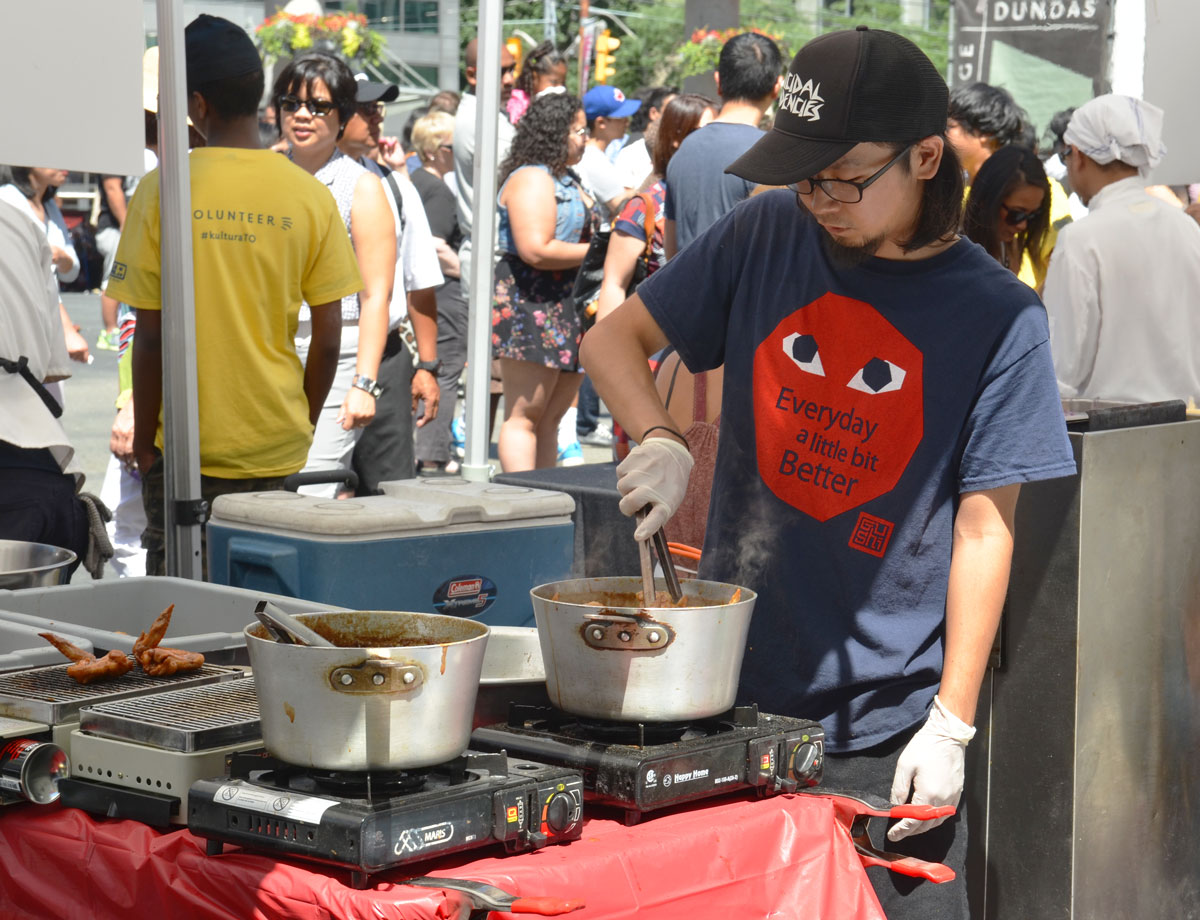
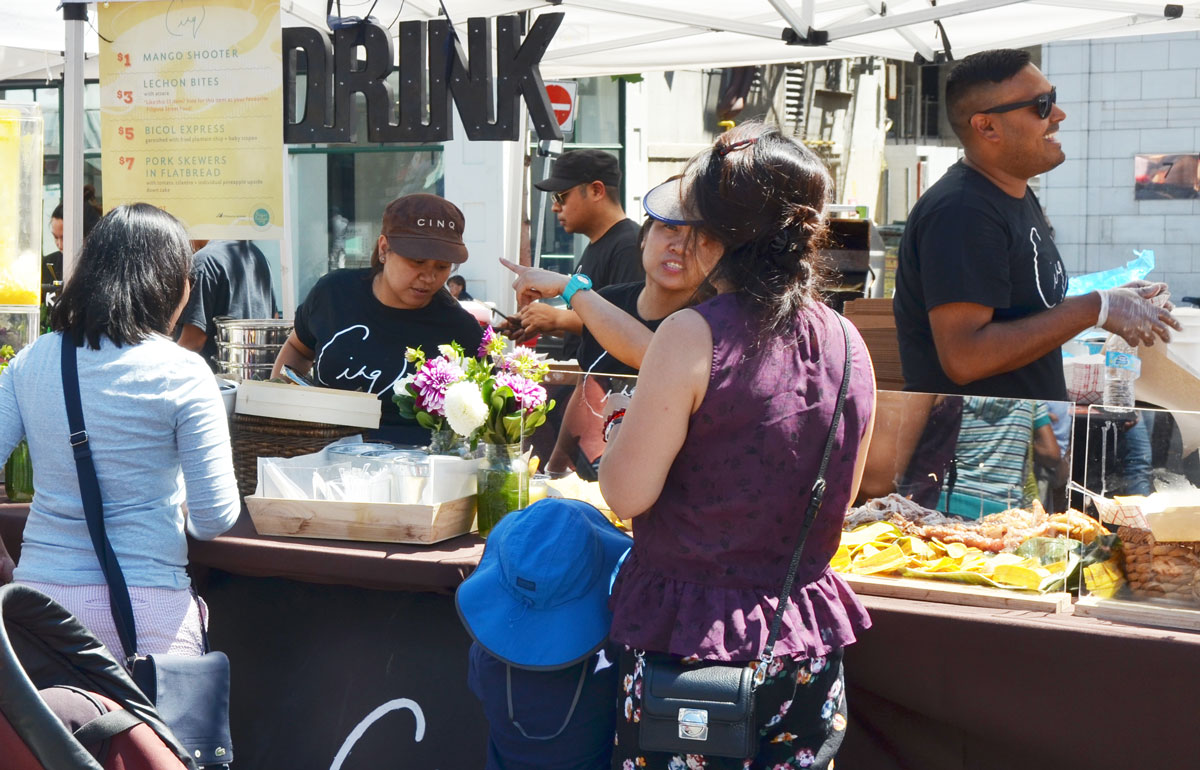
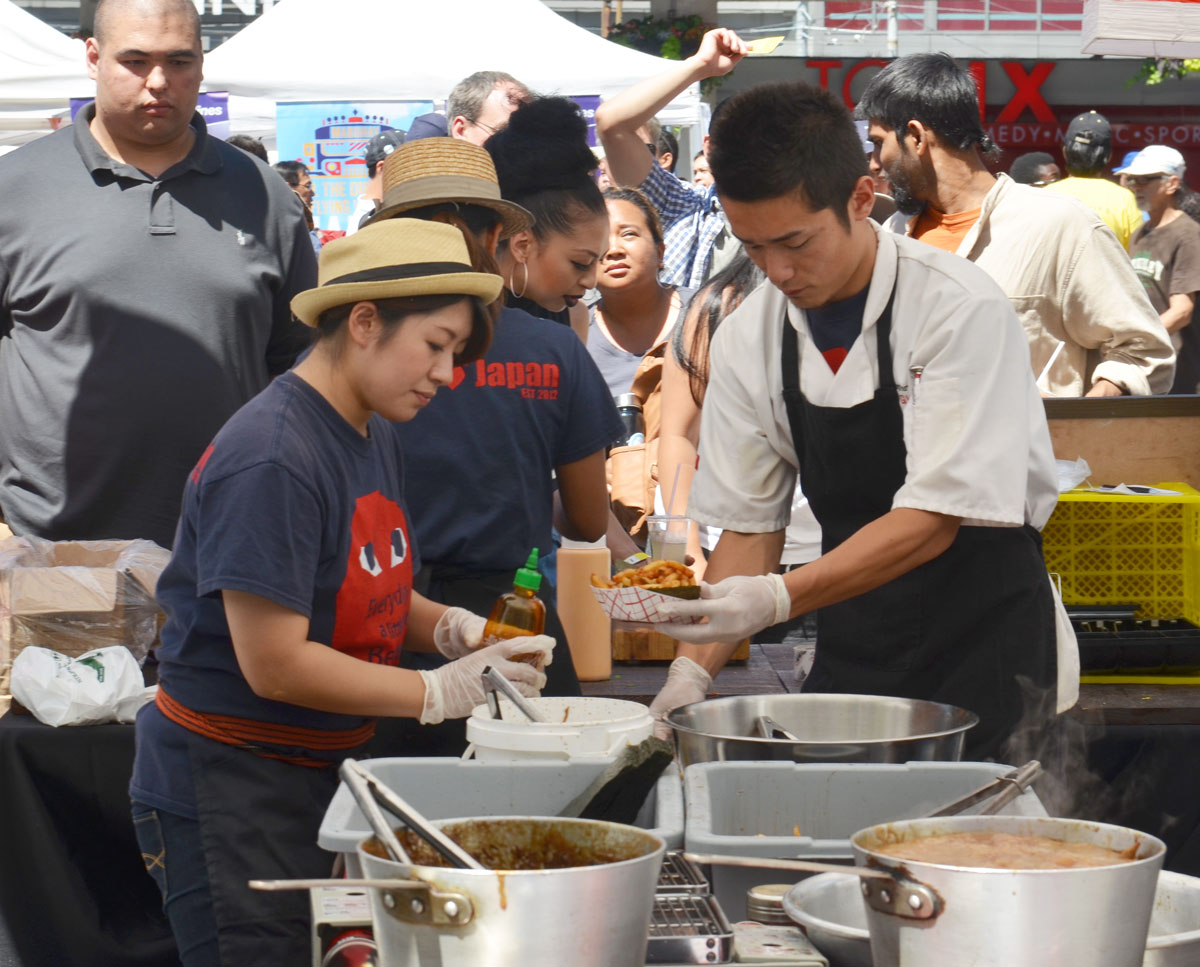
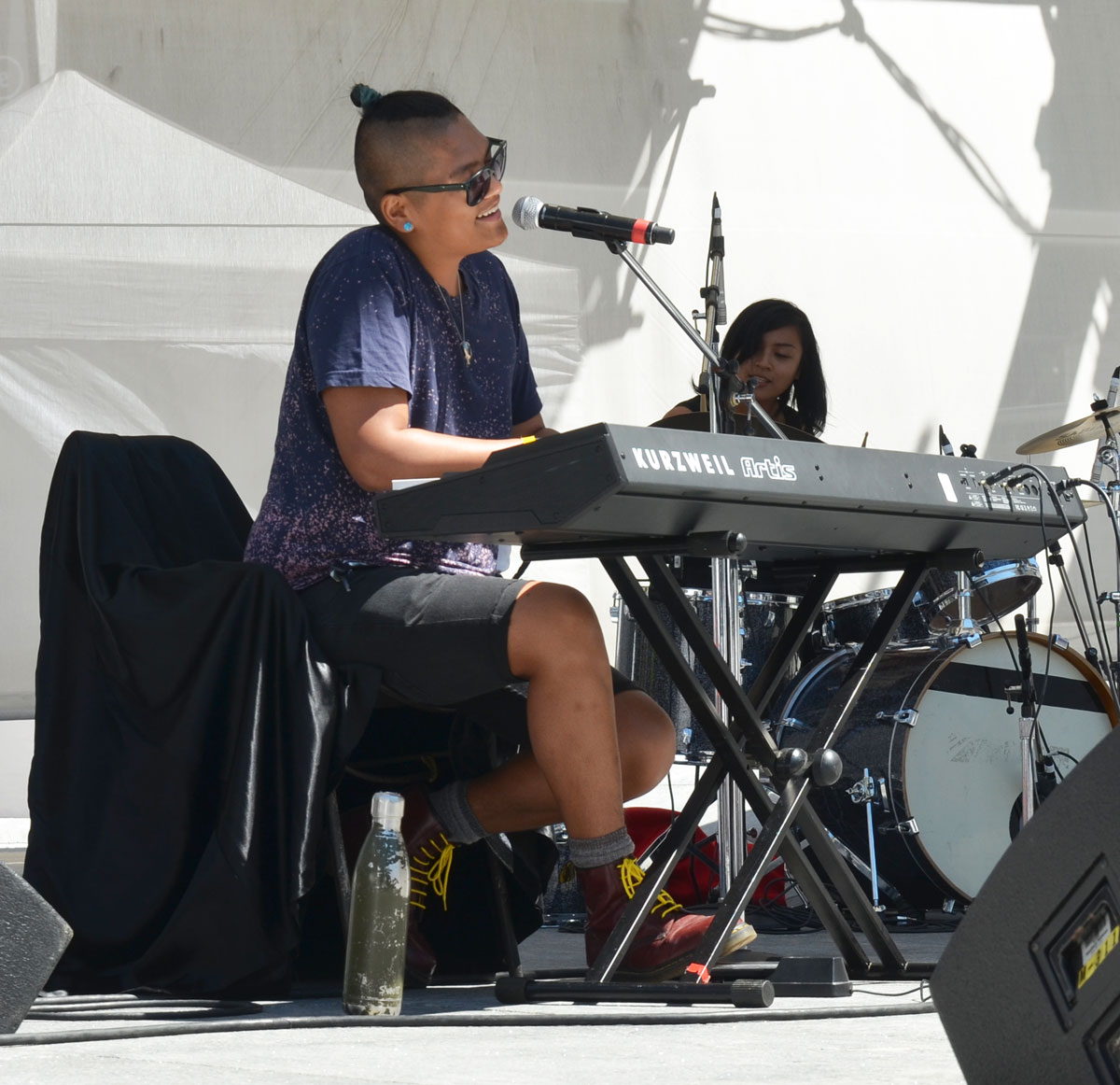
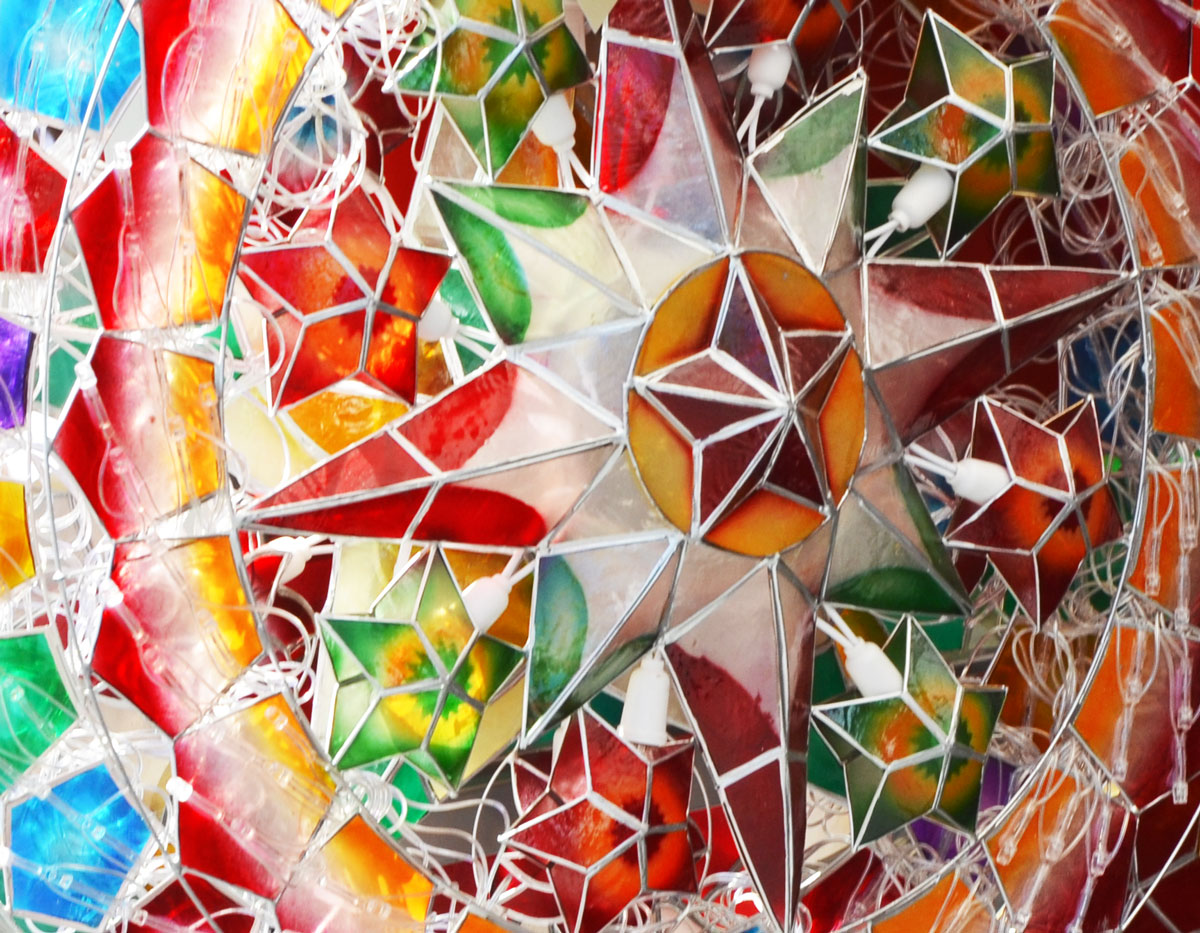
10th Annual Kultura Festival
This Filipino arts festival was 4 days long;
I caught some of it on its last day, 9th August, at Yonge Dundas Square.


The Lonsdales from Vancouver
Sean Kua
Overheard at Nathan Phillips Square on Saturday:
“There must be 10,000 photographs being taken here as we speak”.
I suspect that he was right!
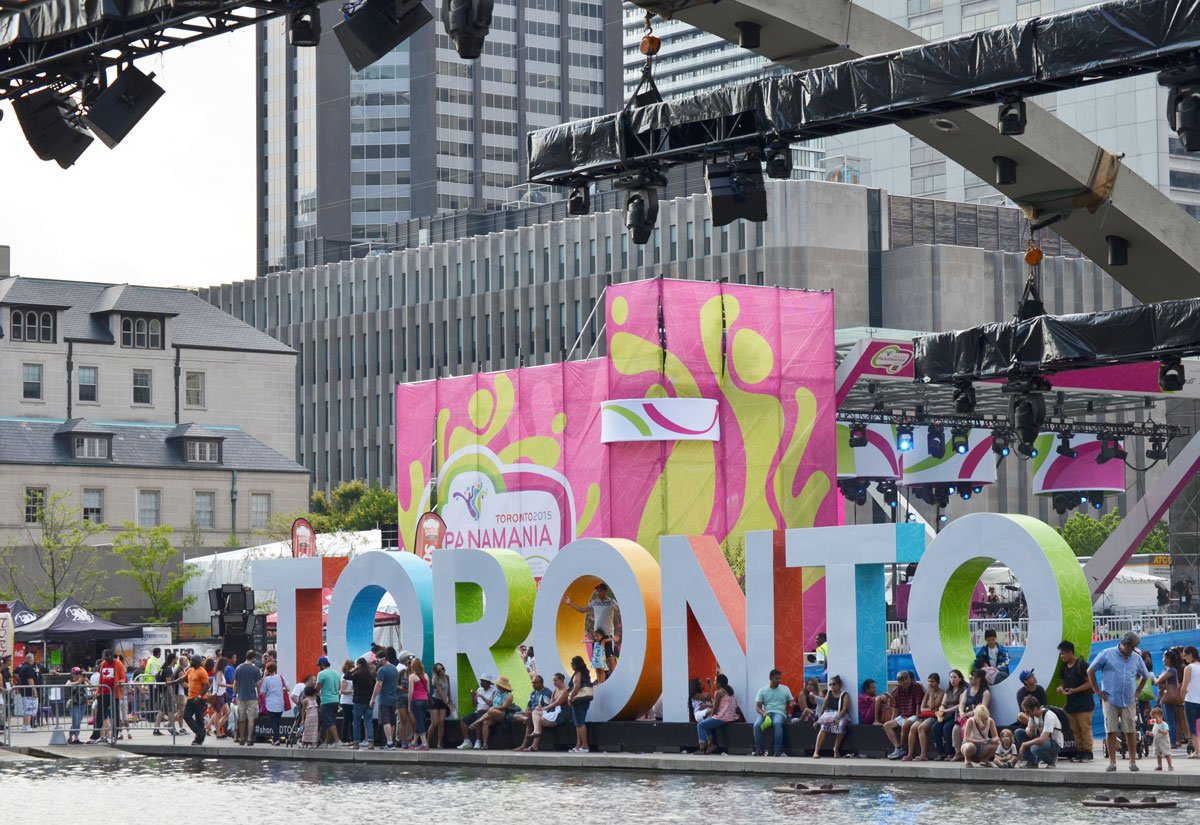
I think that there is something intriguing about what people will do when there is a camera in front of them, how some people are comfortable while others are not. The photos that I took by the 3D Toronto sign at Nathan Phillips square on Saturday were of people taking selfies or posing for pictures. None of them were posing for me, but for their friends or families.

There is also something intriguing about how people behave when they have a camera in their hand.
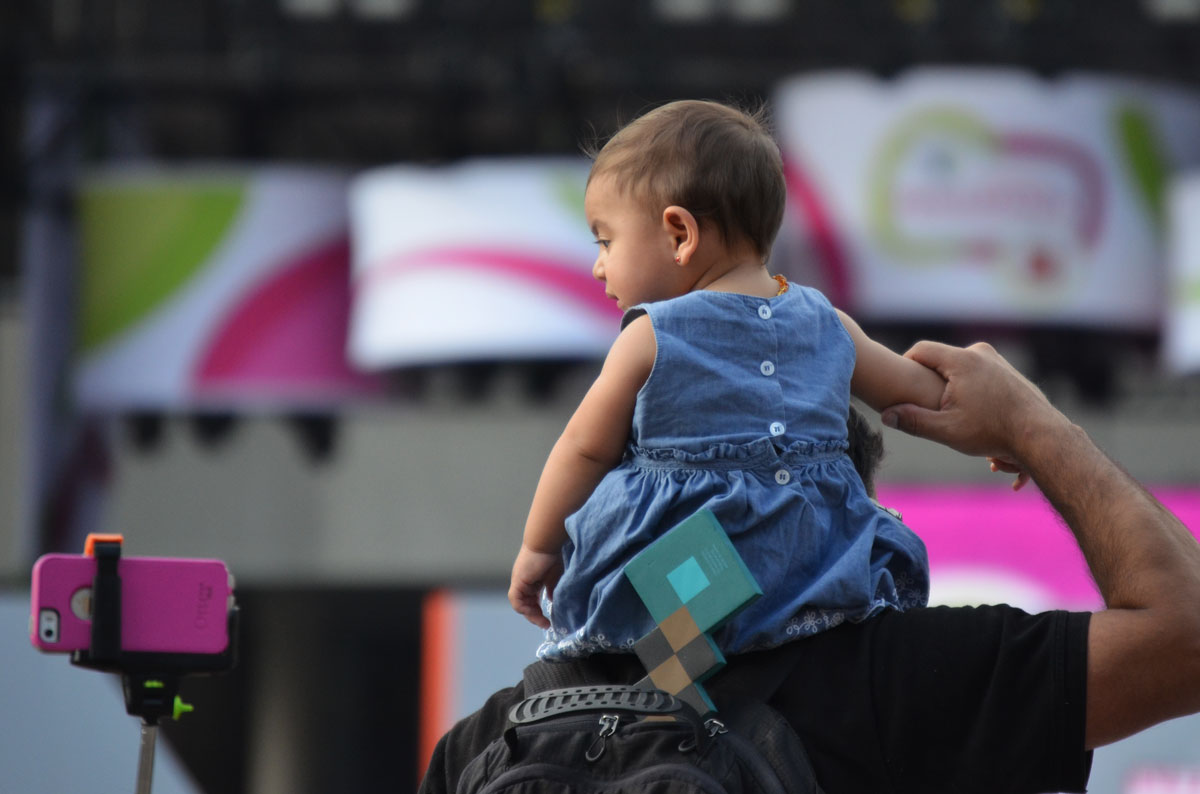
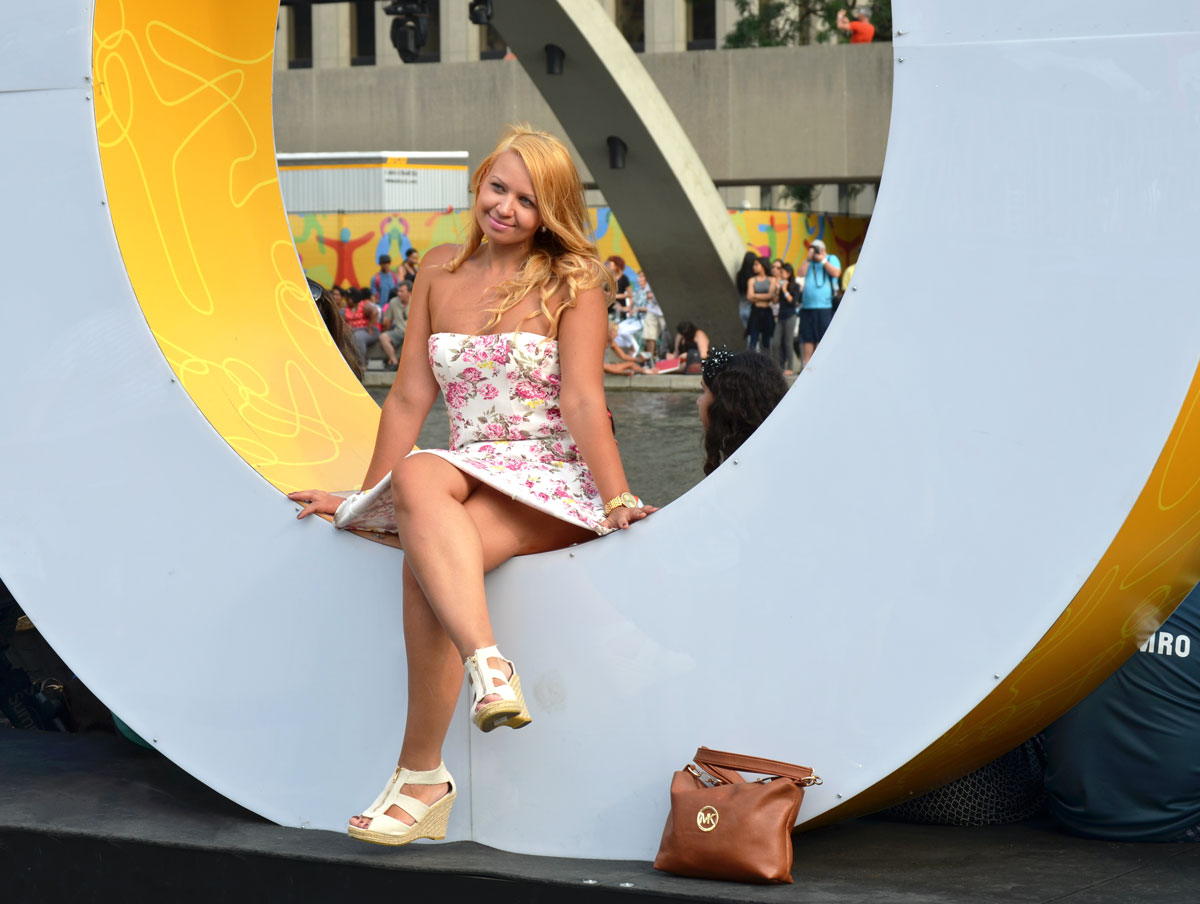
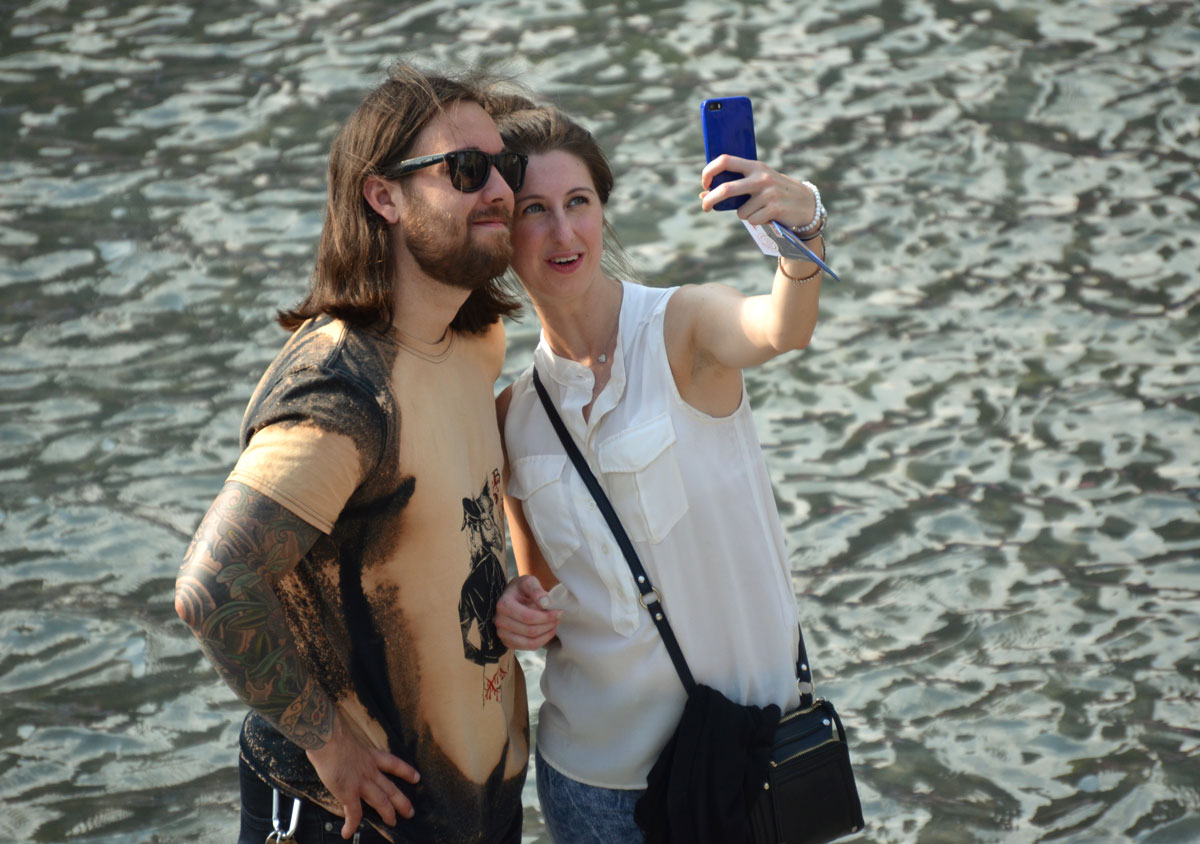


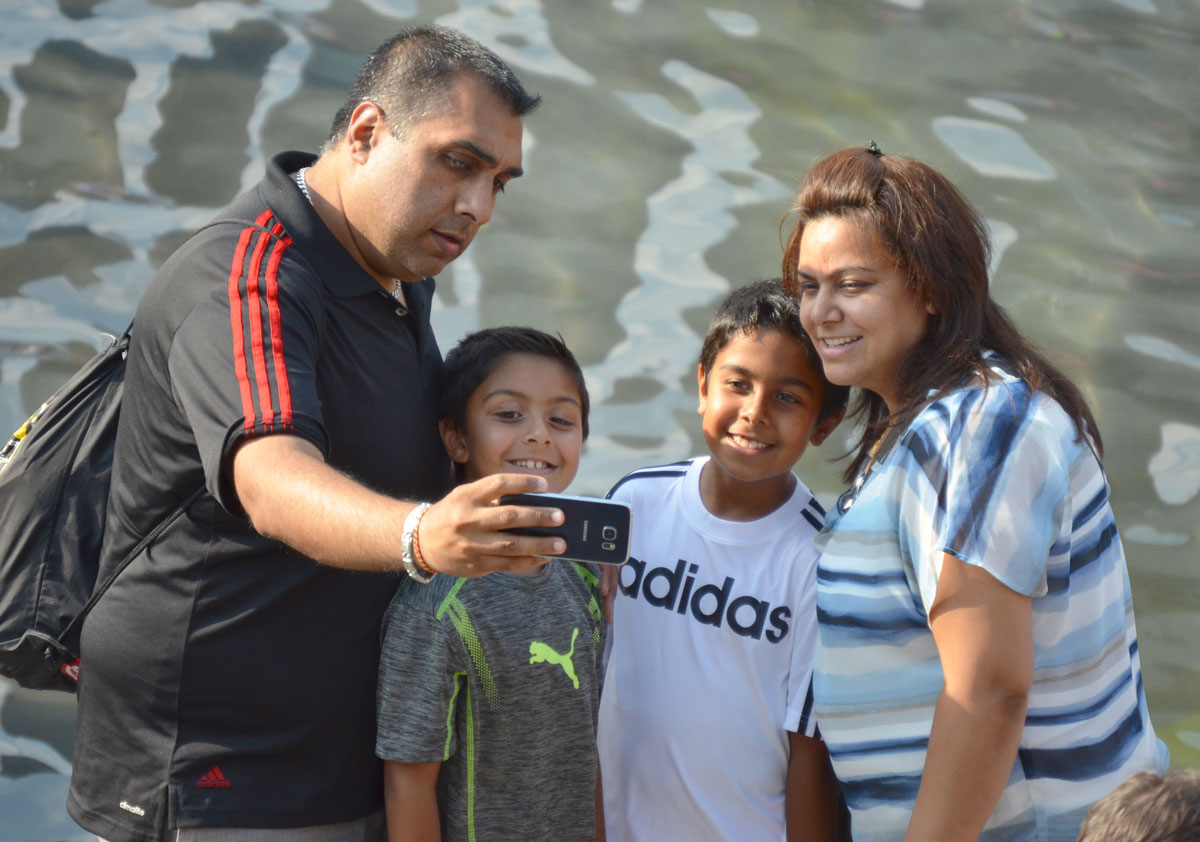


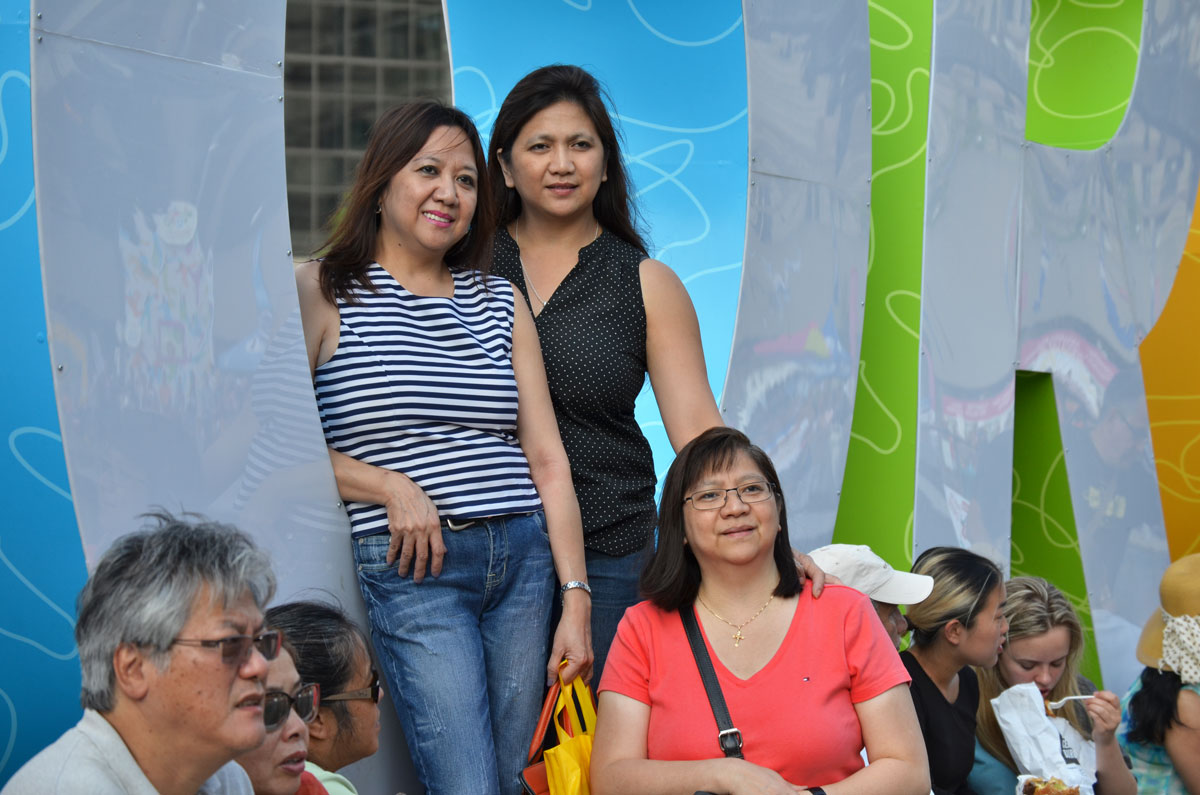


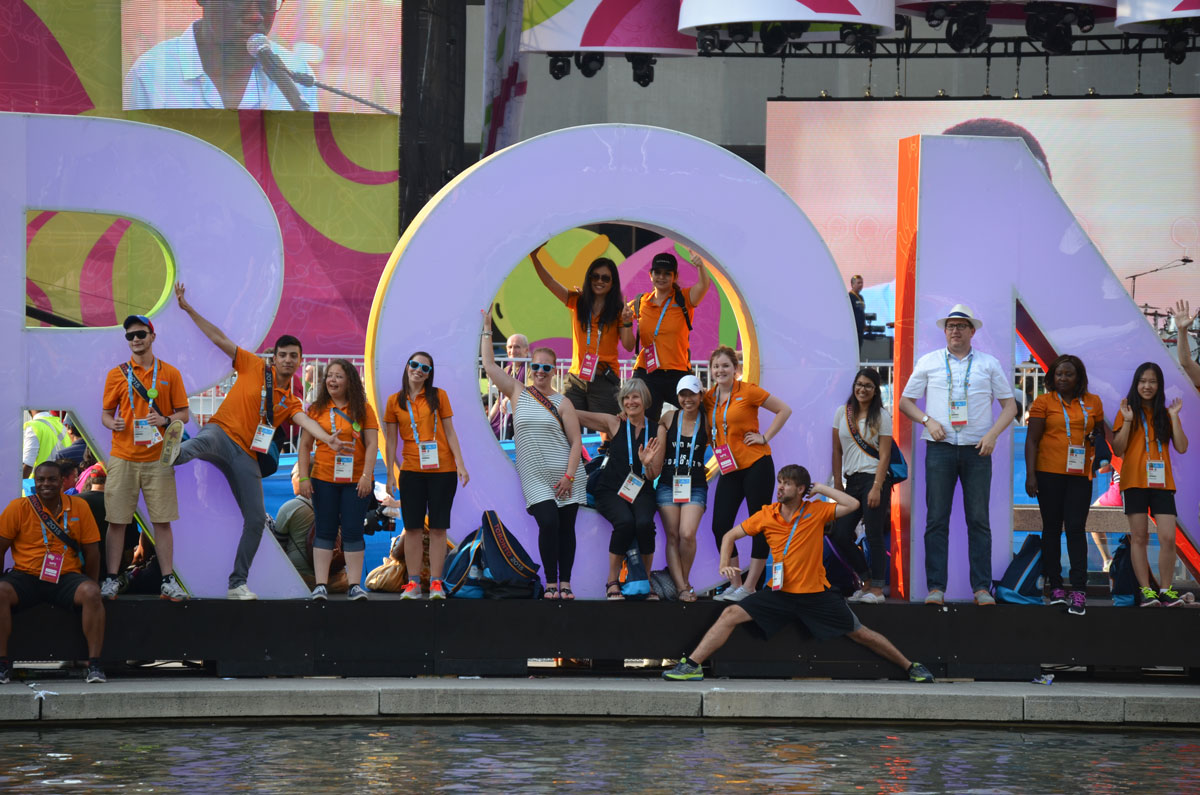


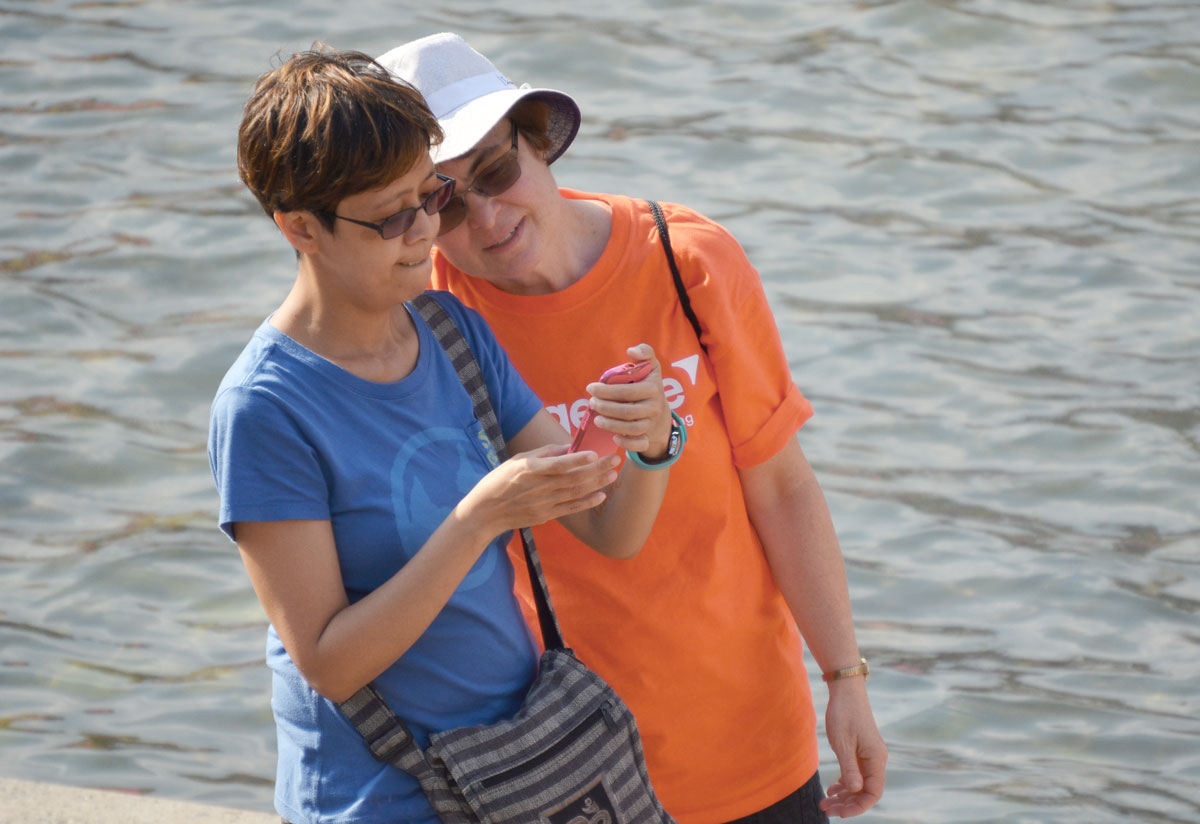
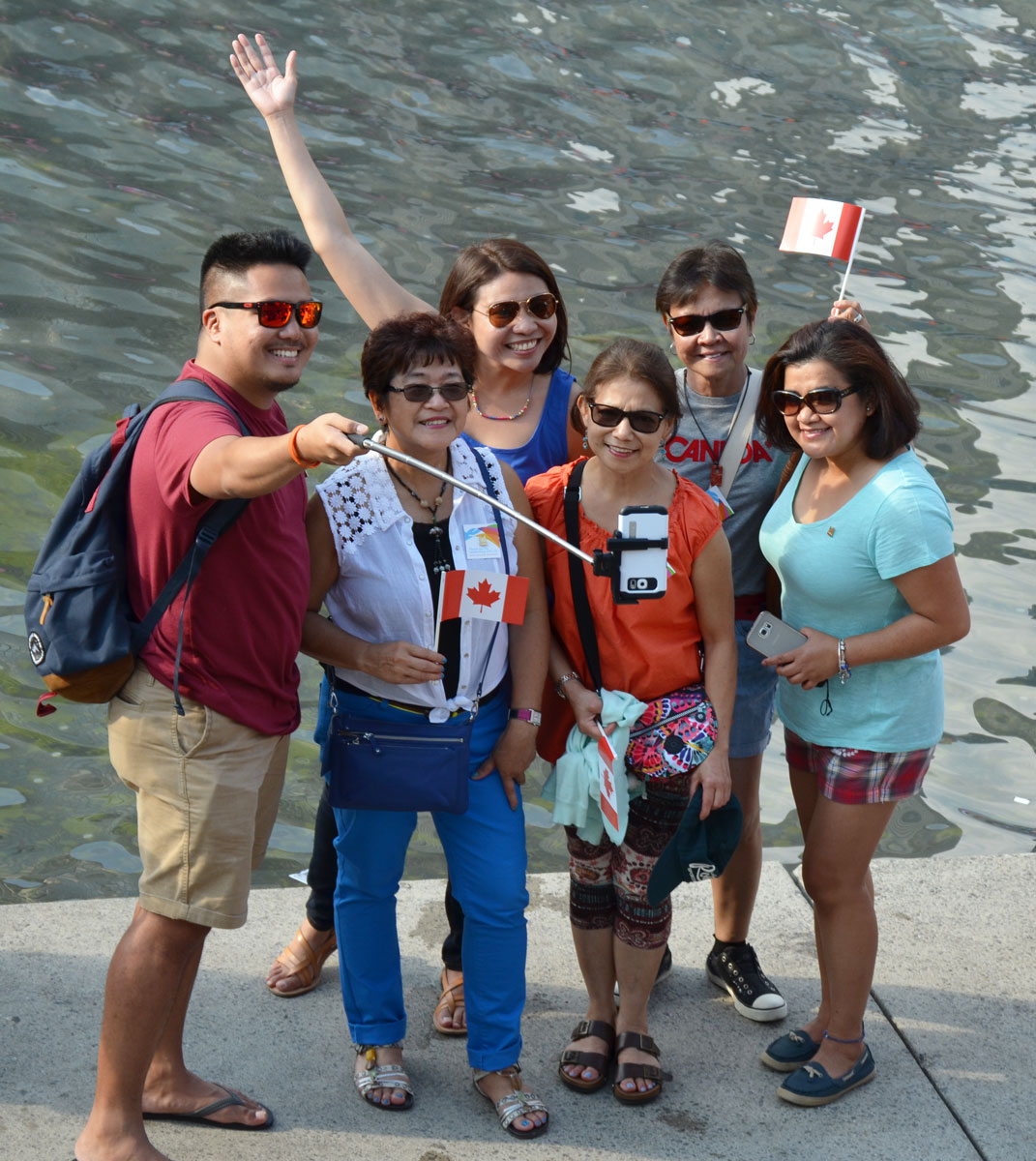
#share3DTO #hostcity2015
The annual Streetfest on the Beach,
on Queen St. East between Woodbine and Beech,
23rd, 24th, and 25th July
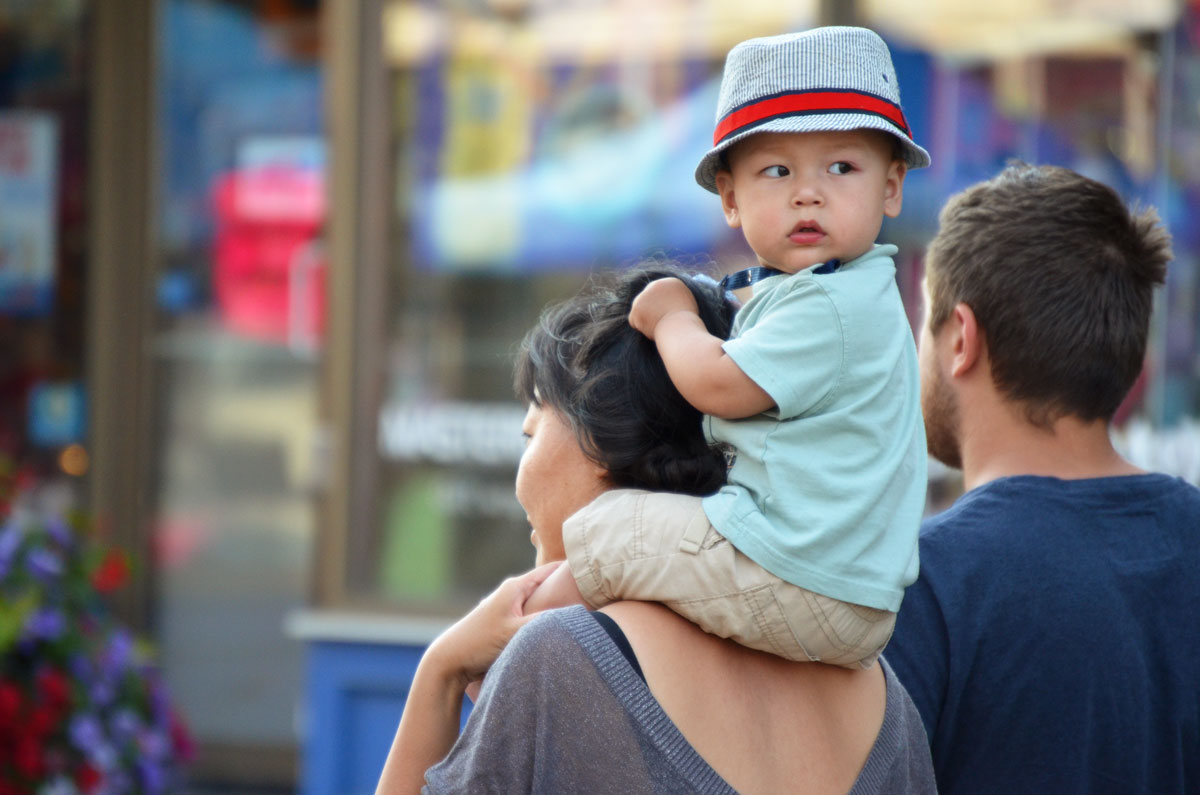
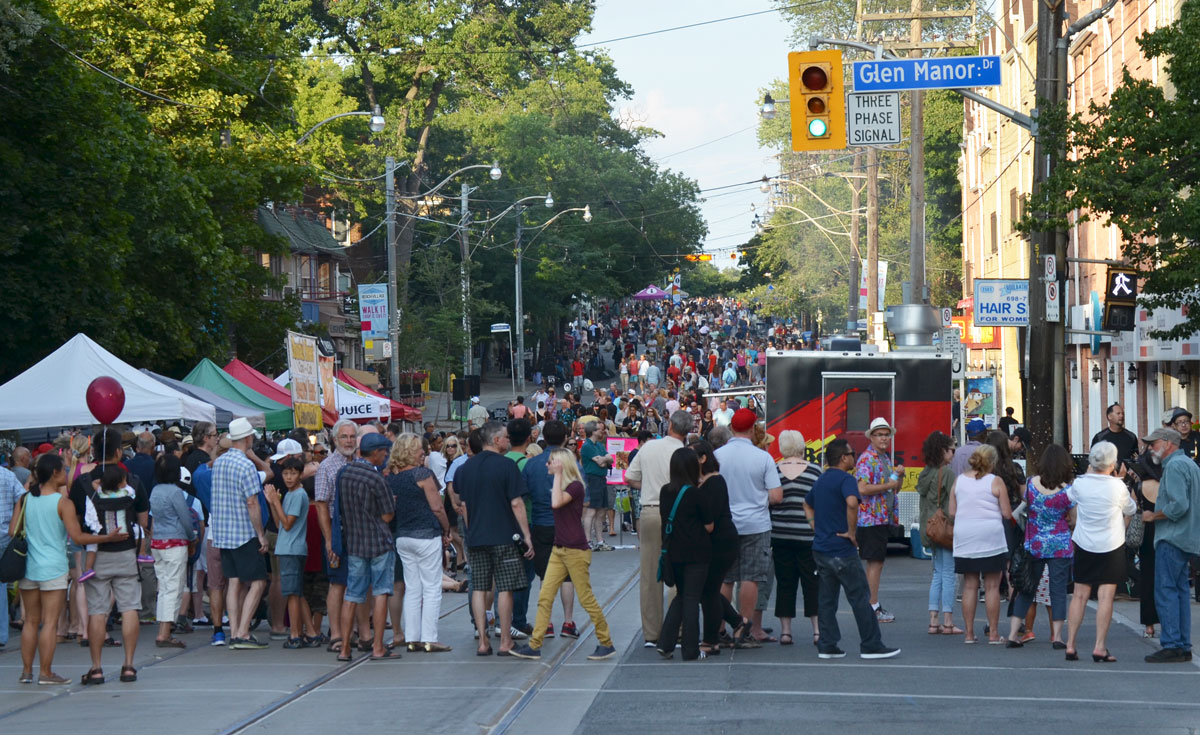
looking east, Friday evening
.


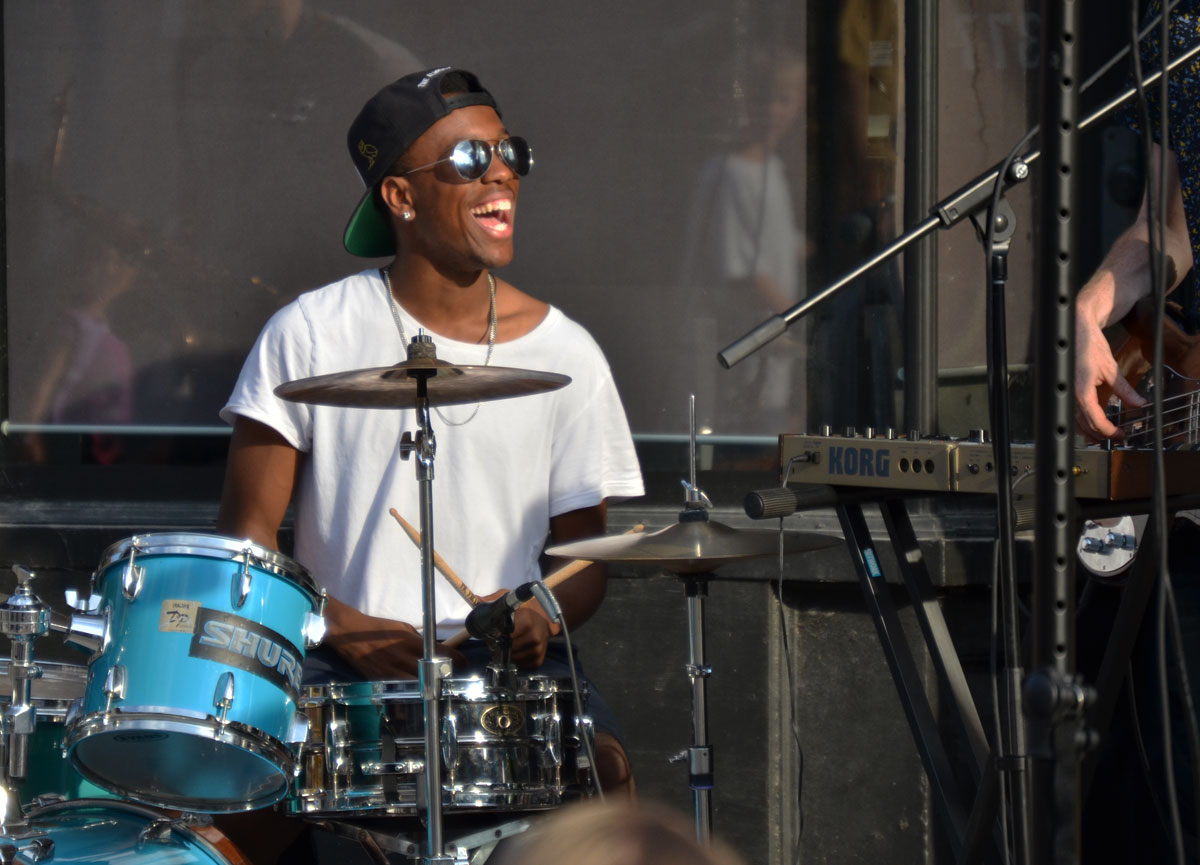
Isaiah Gibbons, drummer, Saishubi
.
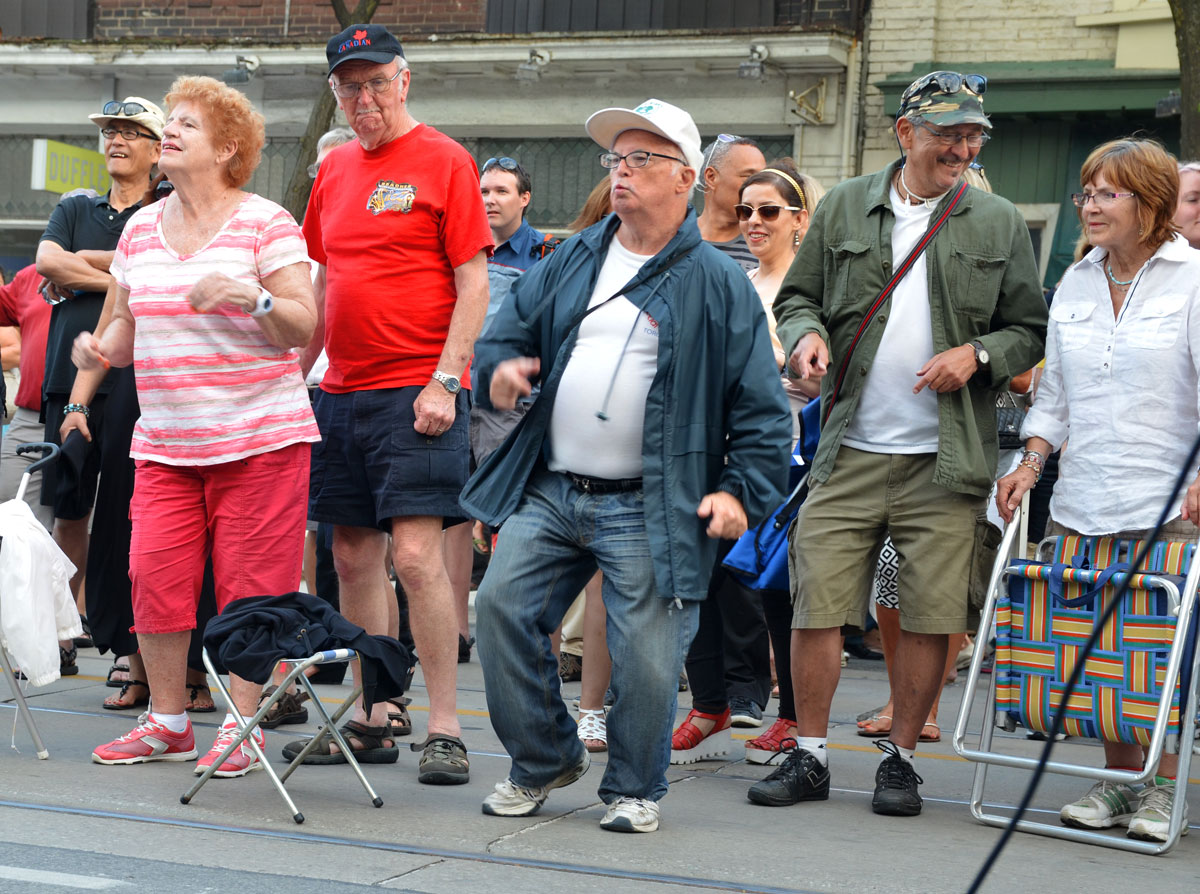
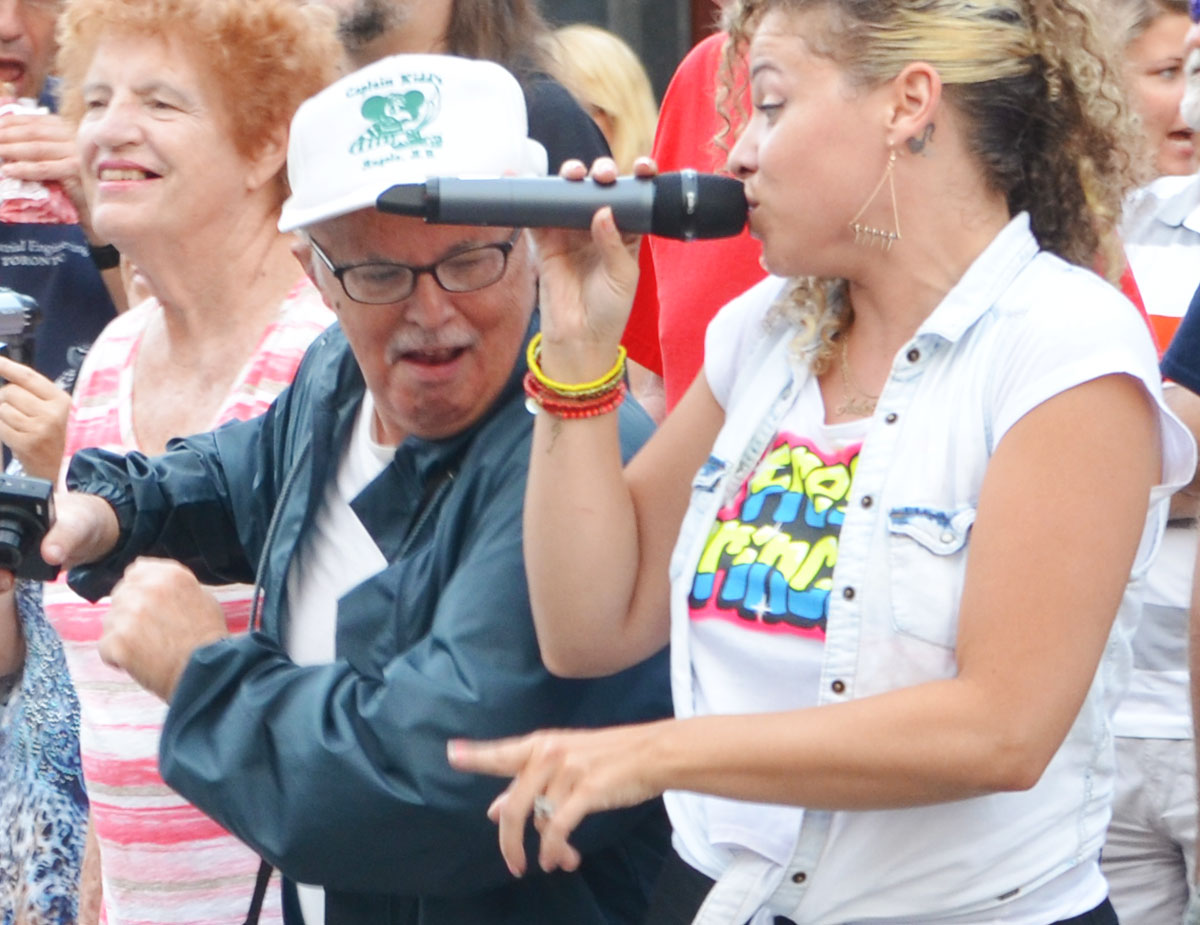
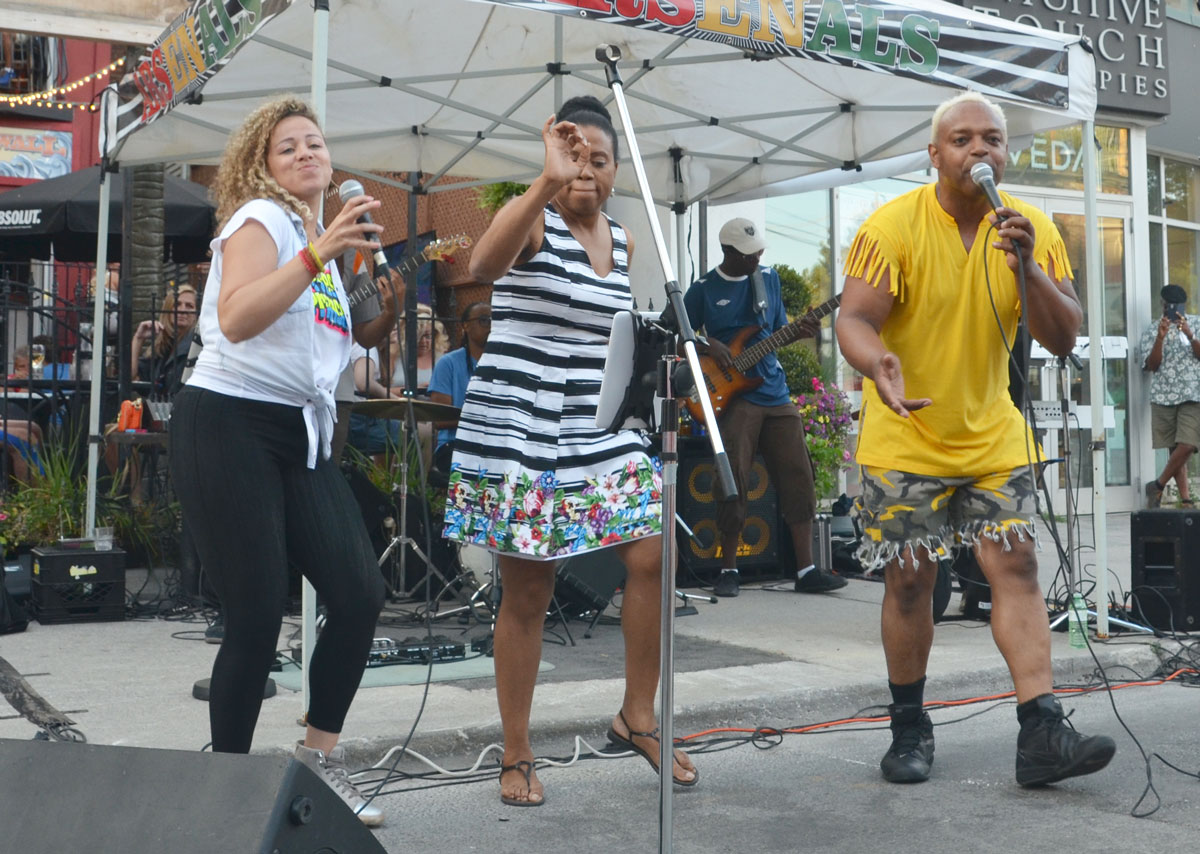
the Arsenals
.
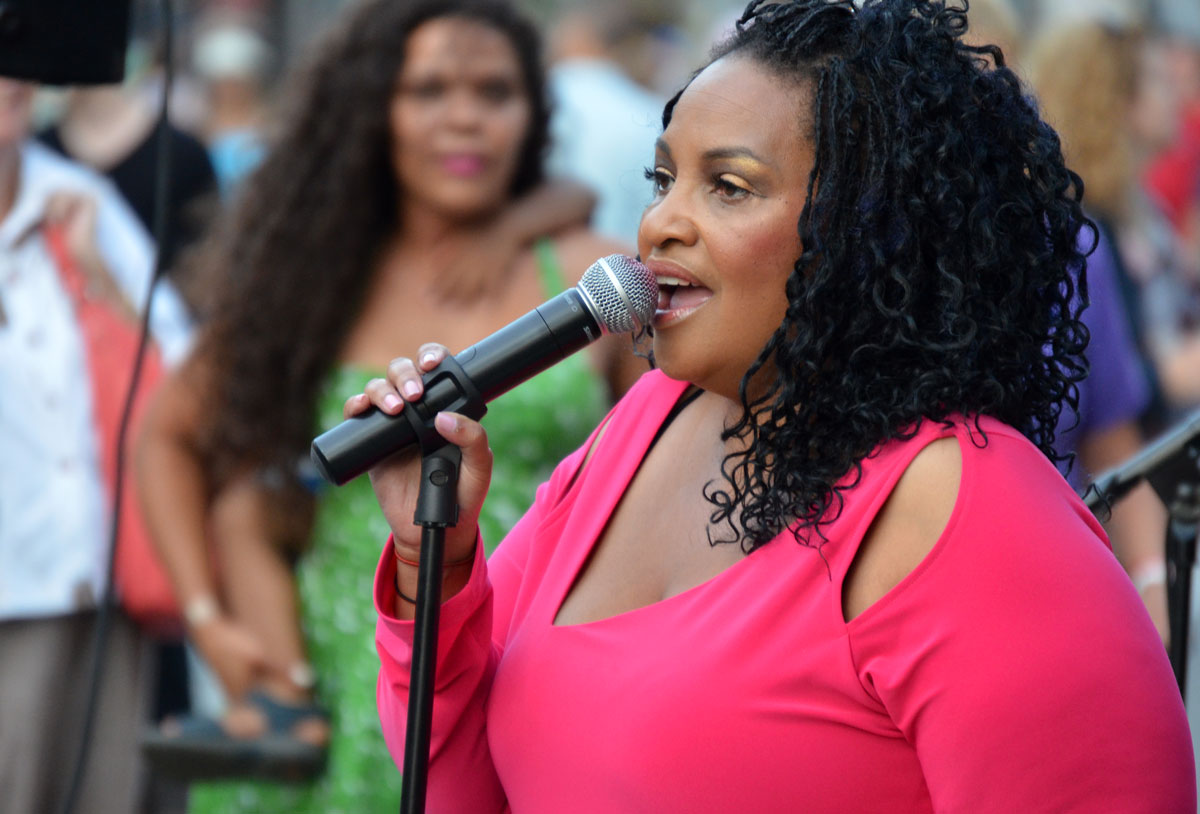
Mae, singer in Grace, Toronto’s all female funk & soul band
.



Paul James band
.
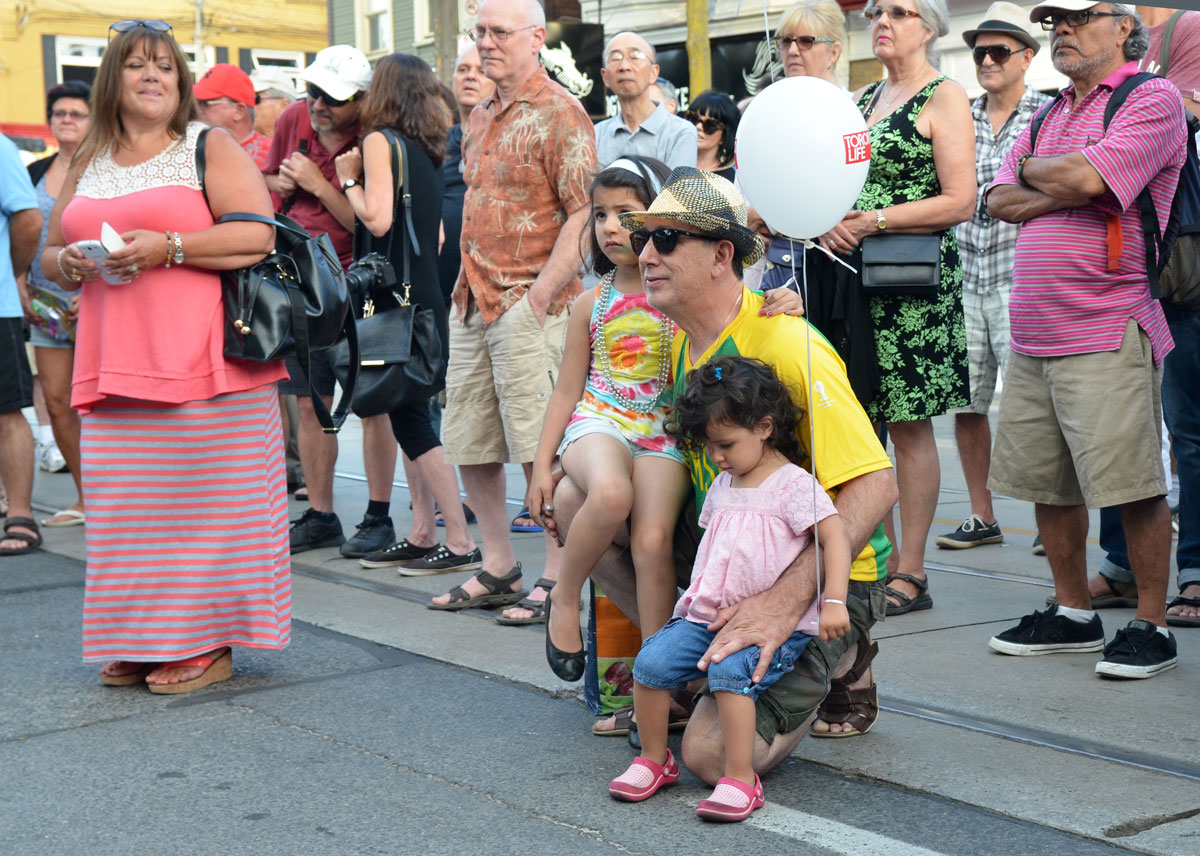

saxophone, Blue Room
.

Brian Neller, lead singer, Blue Room
.
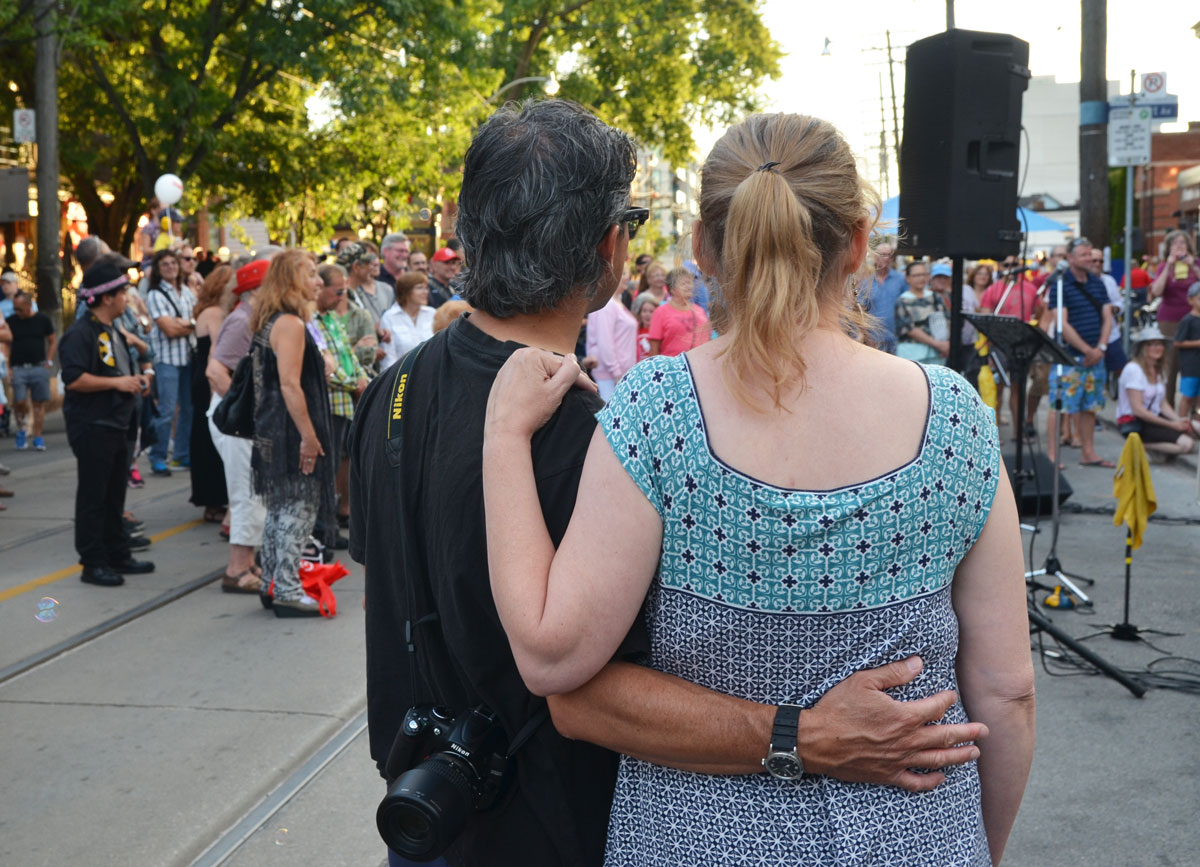
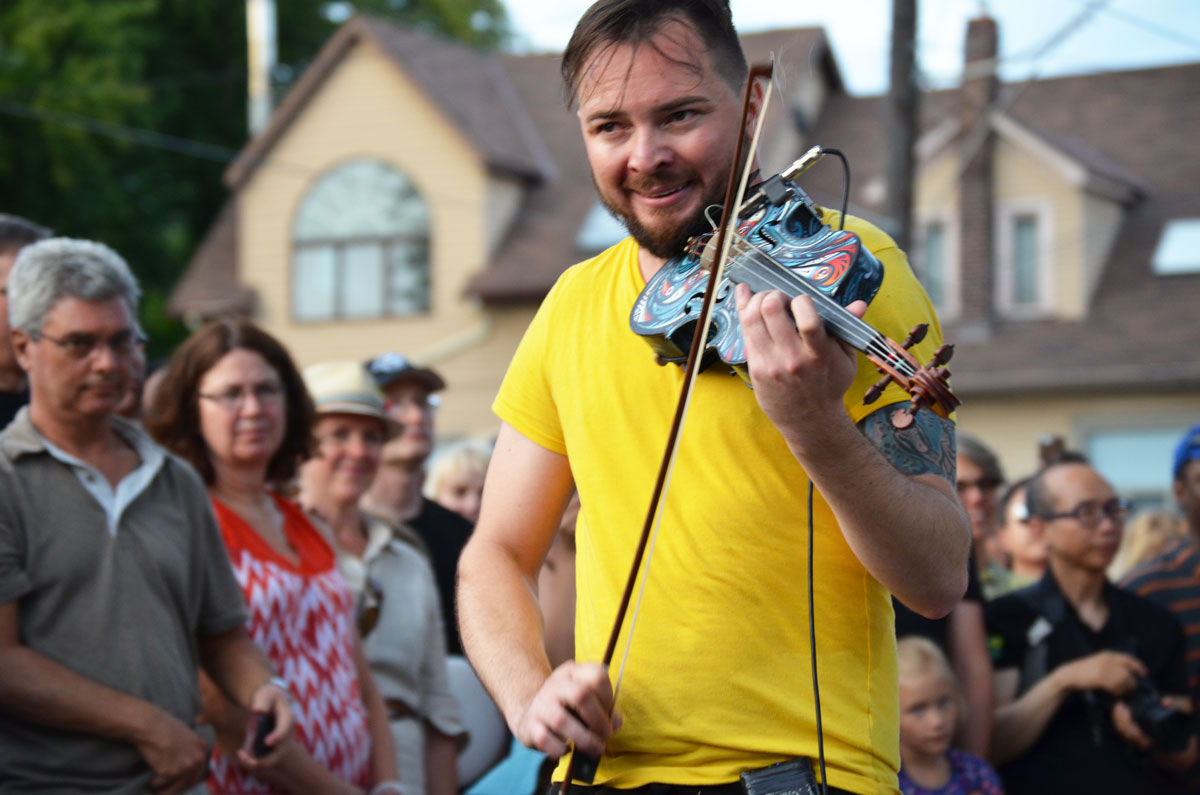
Dr. Draw
.

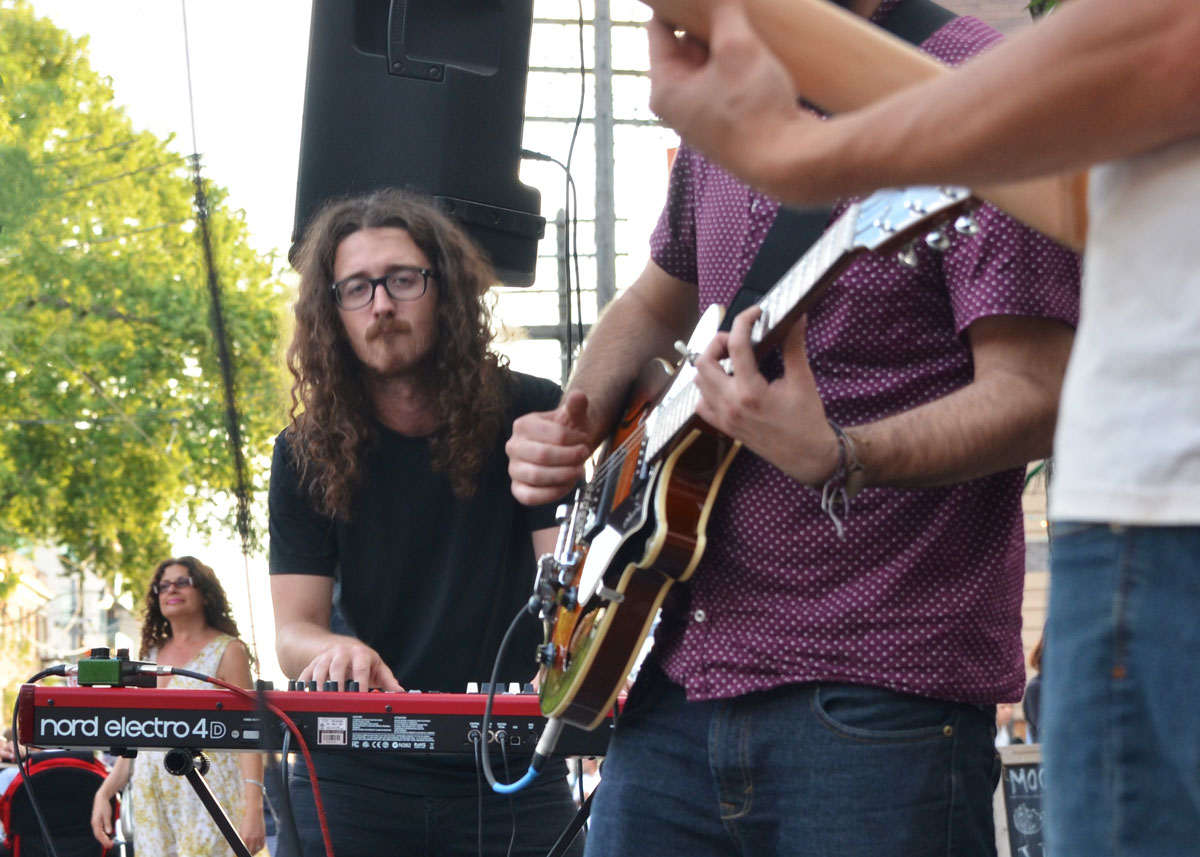
Conor Gains Band
.

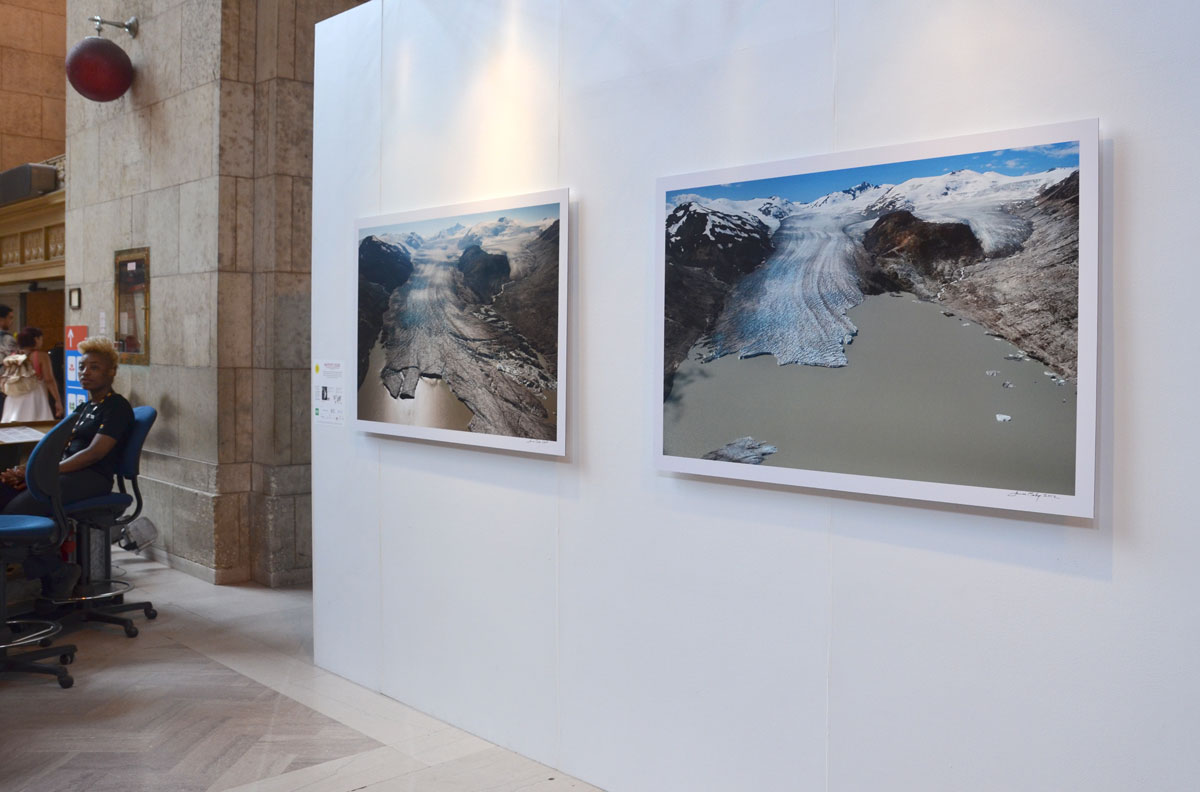
Water’s Edge
A Pan-American photography exhibit
produced by No.9: Contemporary Art & the Environment.
Two venues are involved, Union Station and Pearson Airport. The photos below represent a sample of the photos on show at Union Station.
below: Bridge Glacier, British Columbia 2012, by James Balog, part of his study of vanishing glaciers.
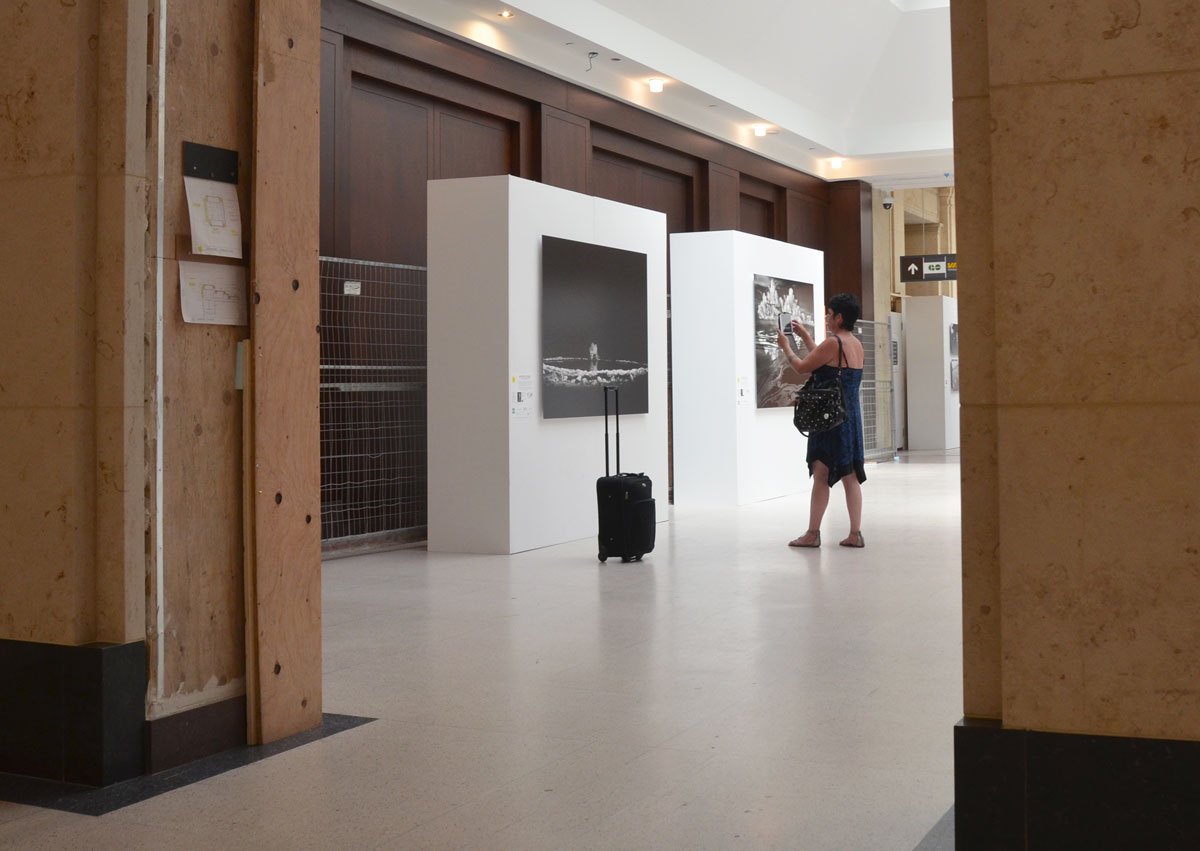
below: Two black and white photographs by Sebastiao Salgado,
part of a photographic project titled ‘Genesis’.
One aim of ‘Genesis’ was to examine “the fragile beauty and grandeur of nature”.
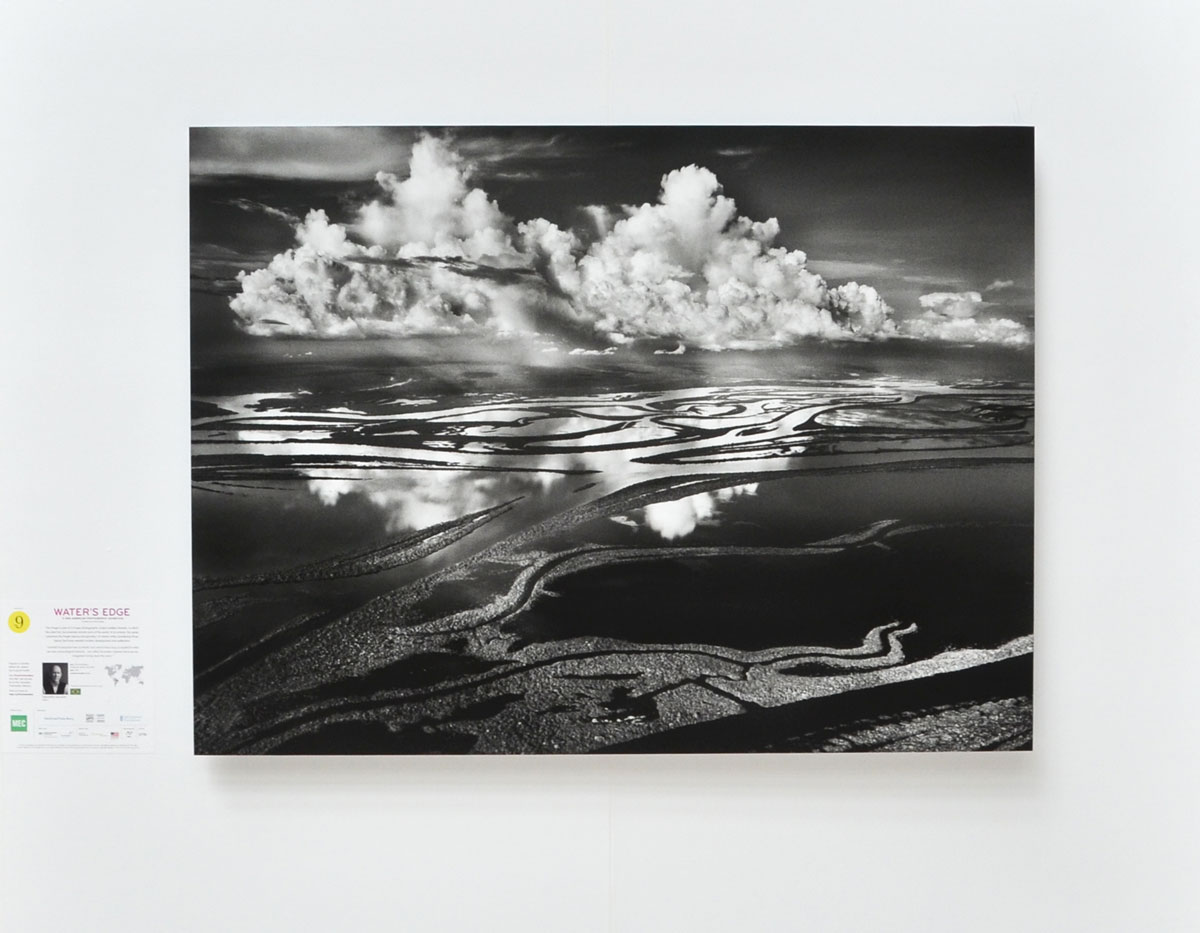
below: ‘The Anavilhanas’ taken in Amazonas Brazil, 2009 by Sebastiao Salgado.
Located on the Rio Negro, the Anivilhanas Archipelago is the world’s largest fresh water archipelago. It is an unique ecosystem with over 400 river islands spread over 90 km. The Rio Negro is 27 km at its widest point. During the rainy season (November to April) many of these islands are underwater.
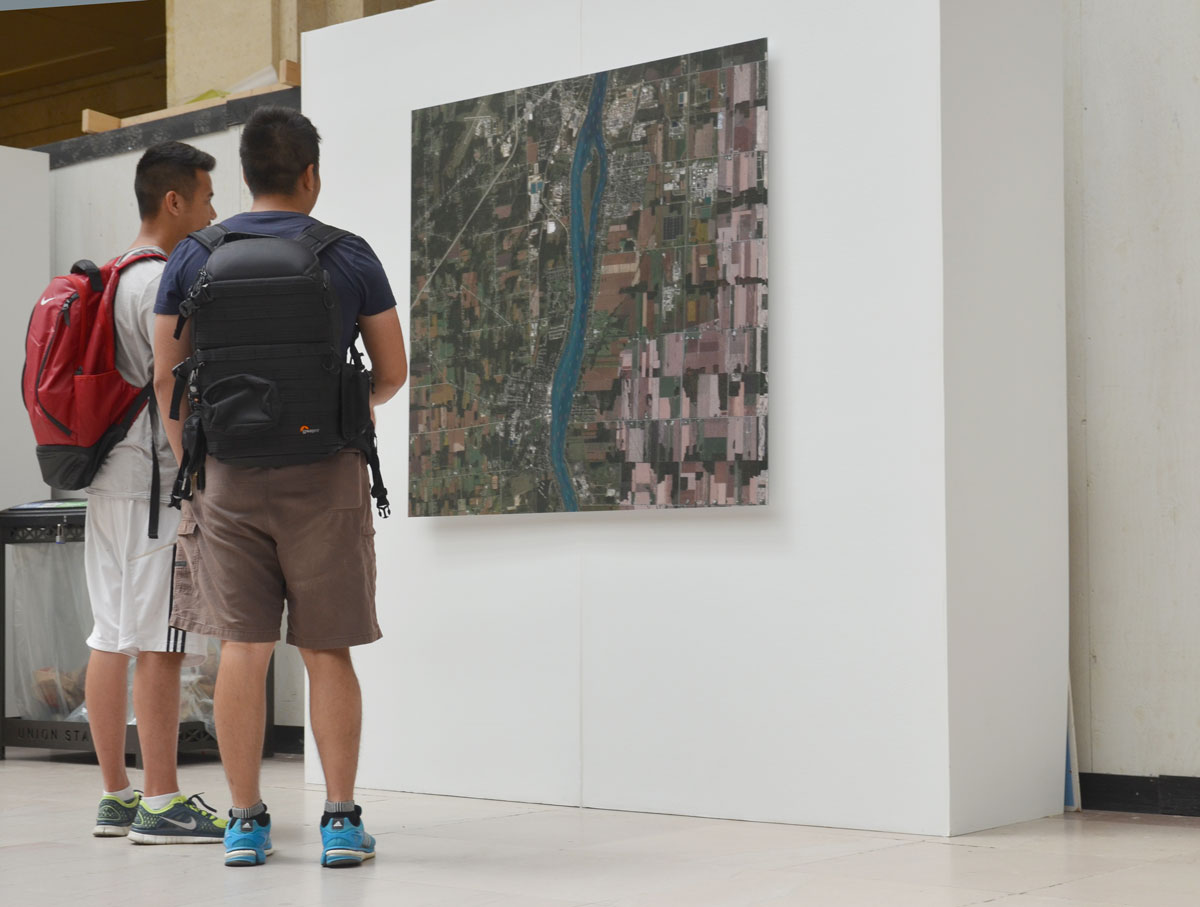
below: ‘Sarnia’ by Gustavo Jononovich, taken in Sarnia, from his “Free Shipping” series.
below: ‘Georgian Bay #1, Four Winds’, Point-au-Baril, Ontario 2009, by Edward Burtynsky.
This picture is part of his Water Series, a series that looks at changing water systems around the world as well as the relationship that we have with these water systems.
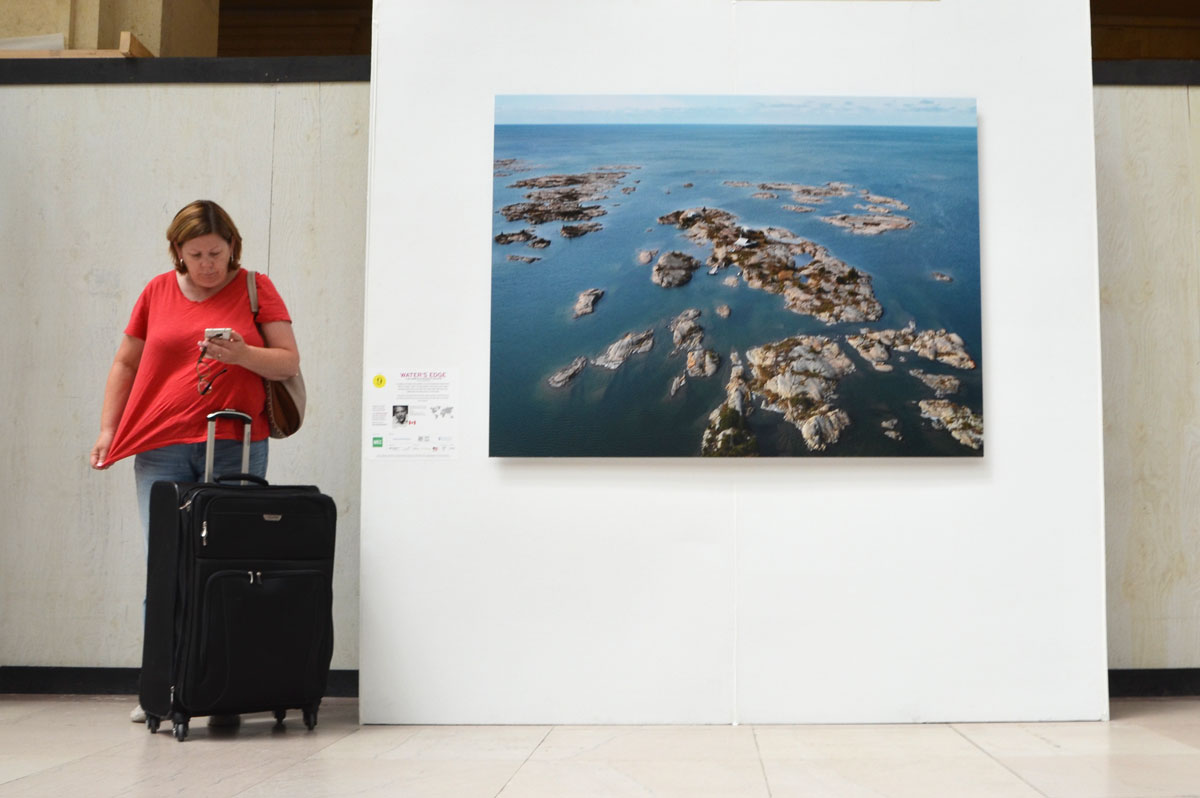
The exhibit ends on the 15th of August.
#myhomewaters
Lower River Street passes through it; Eastern Avenue passes over it.
And now the support pillars on the eastern side of the park have been painted by various street artists.
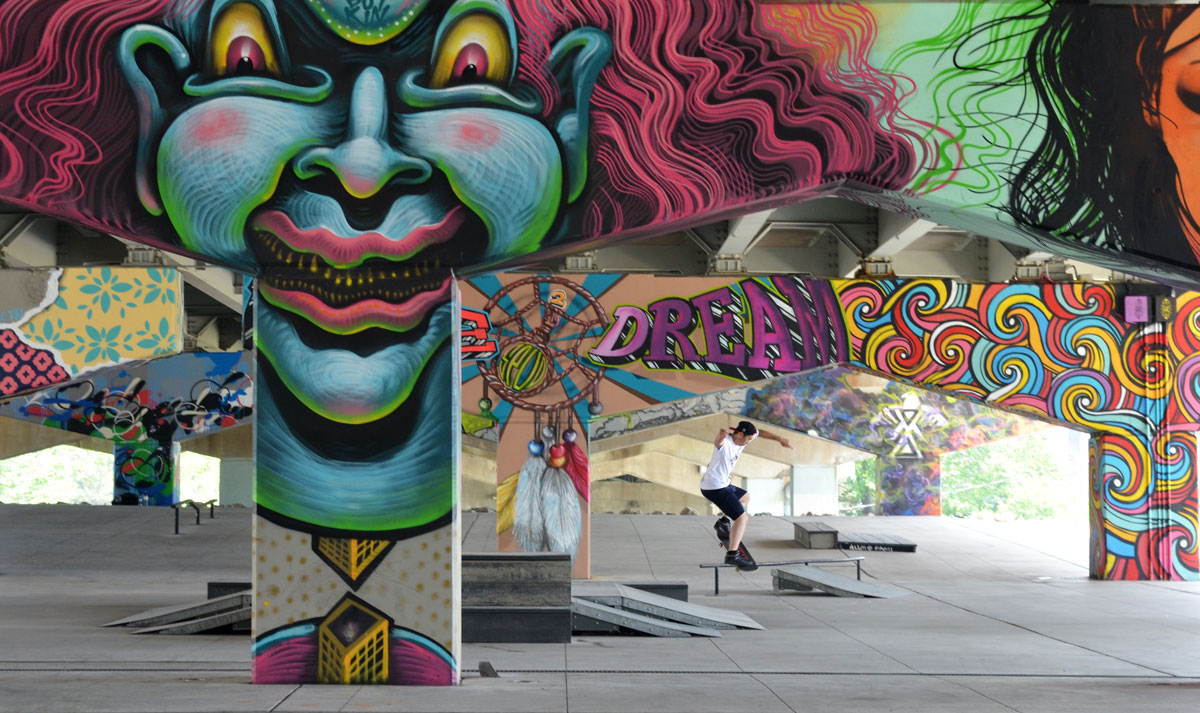


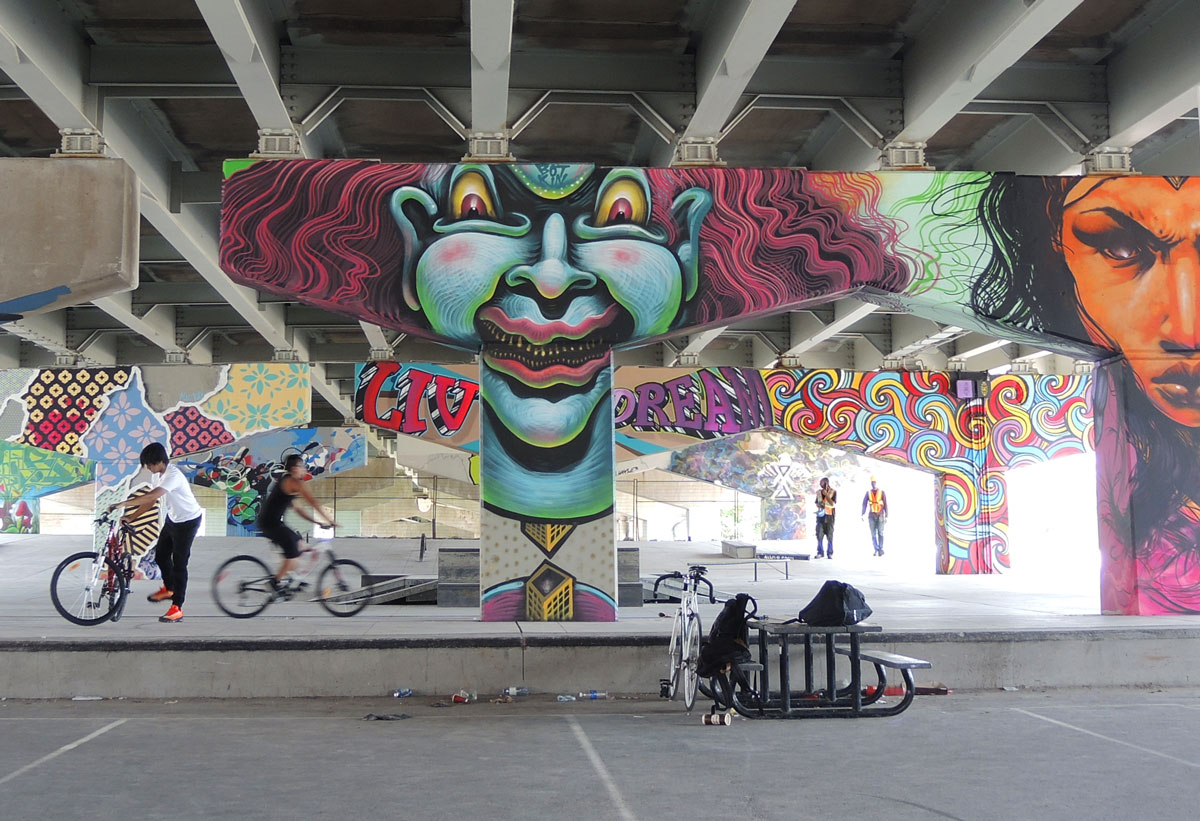


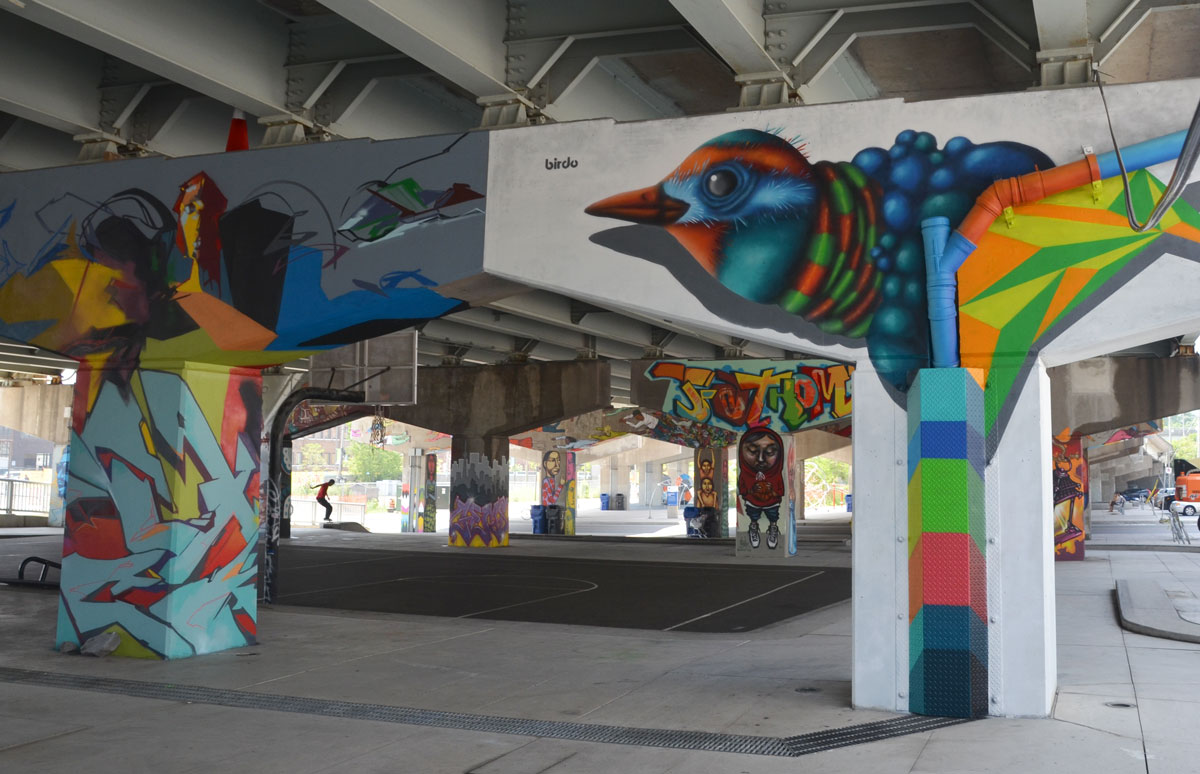

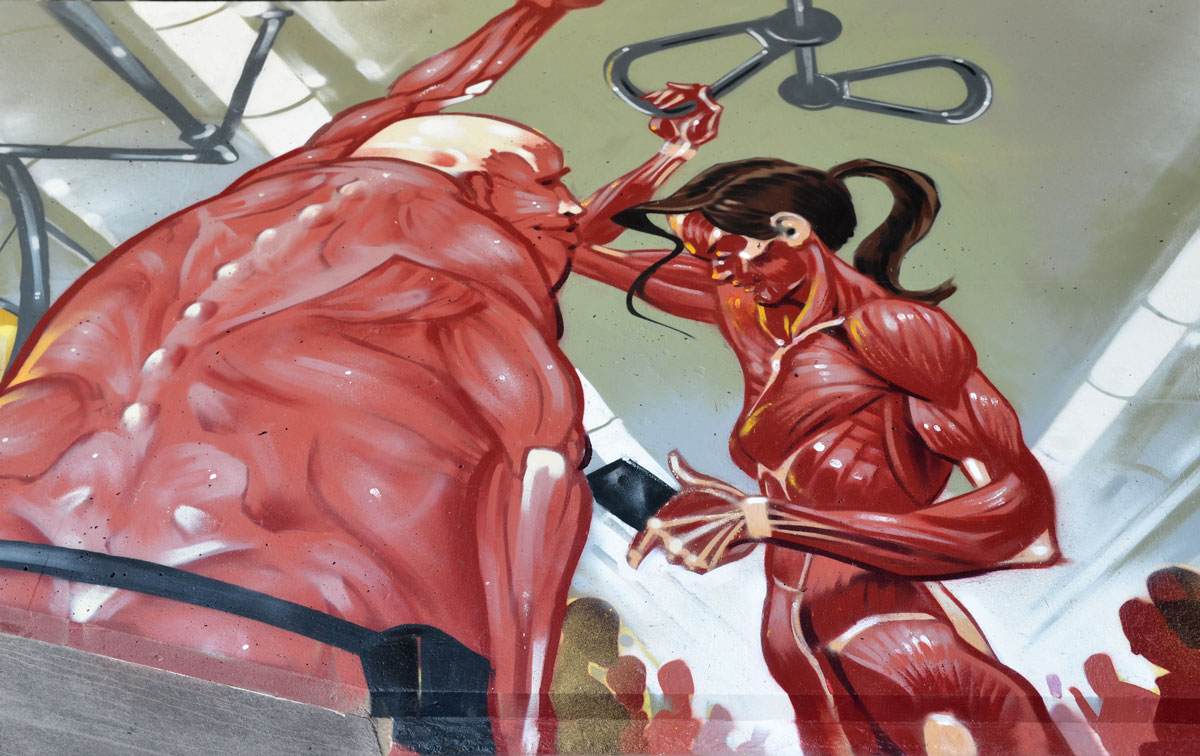
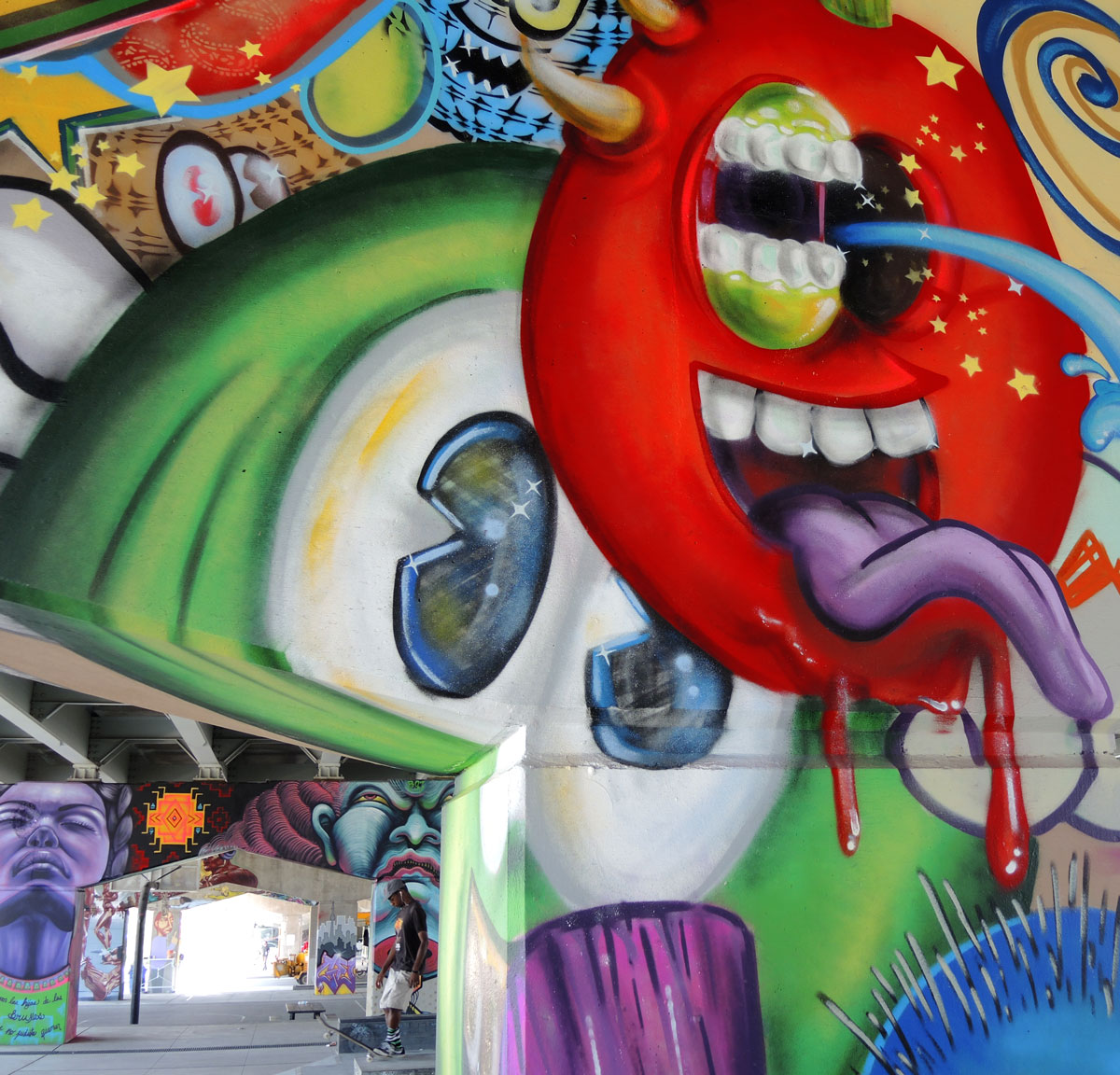

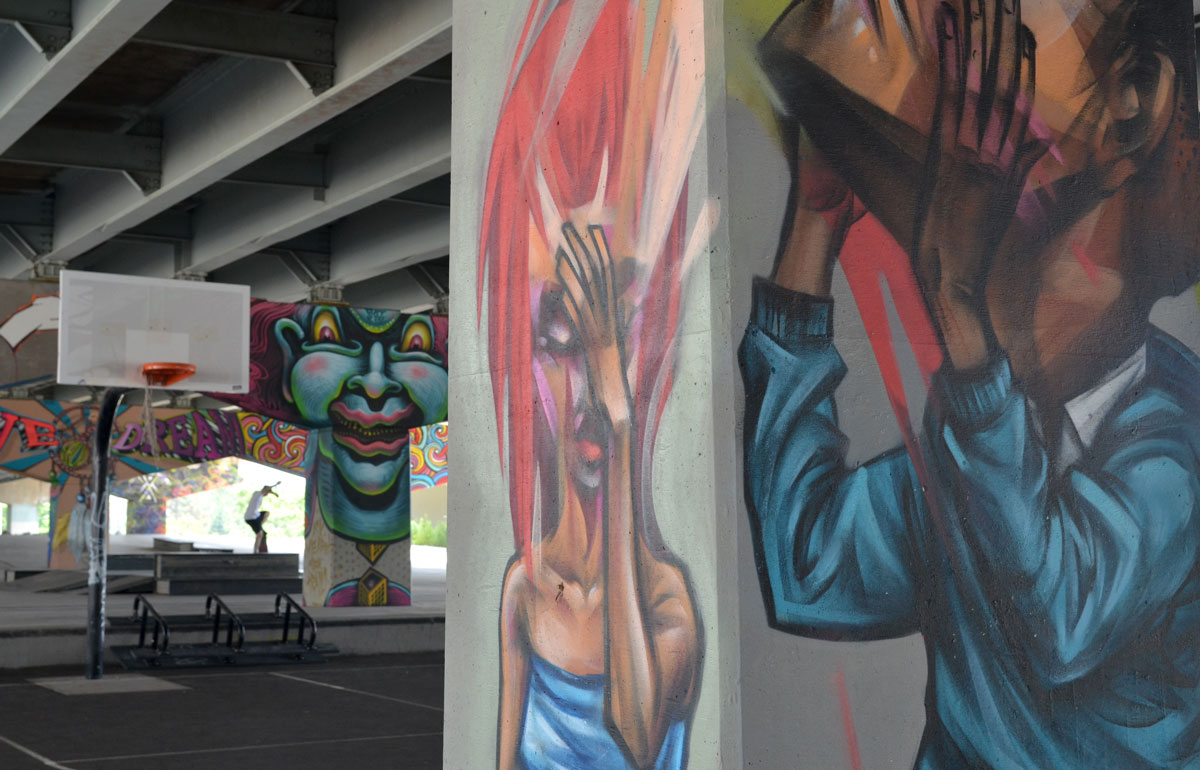


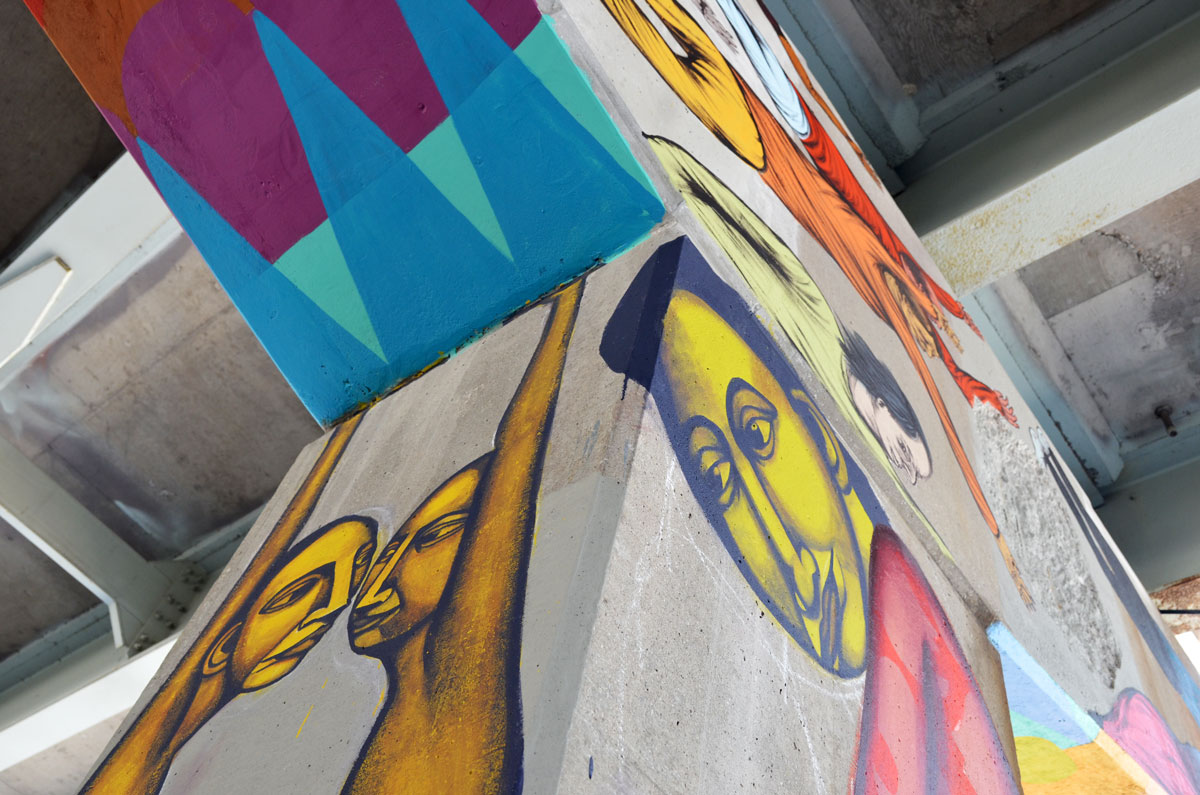


You’ll find more photos of the park in the post below too
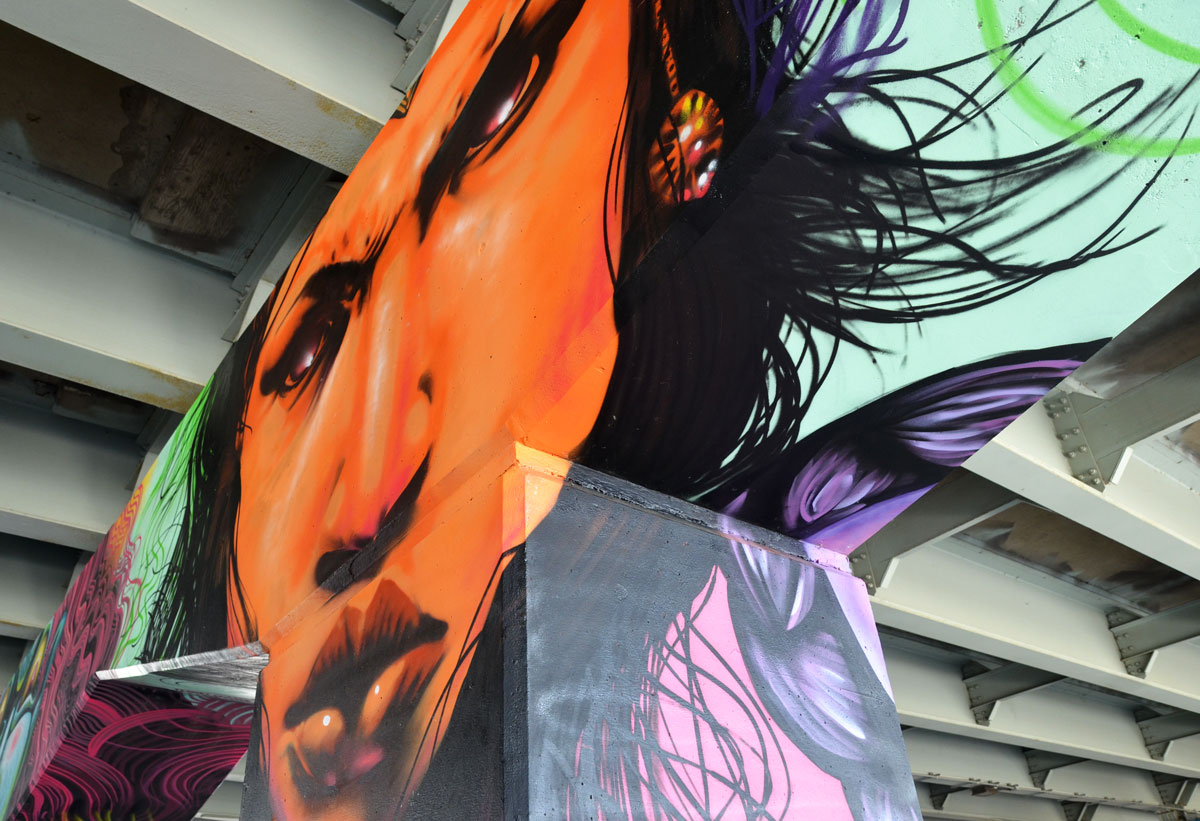
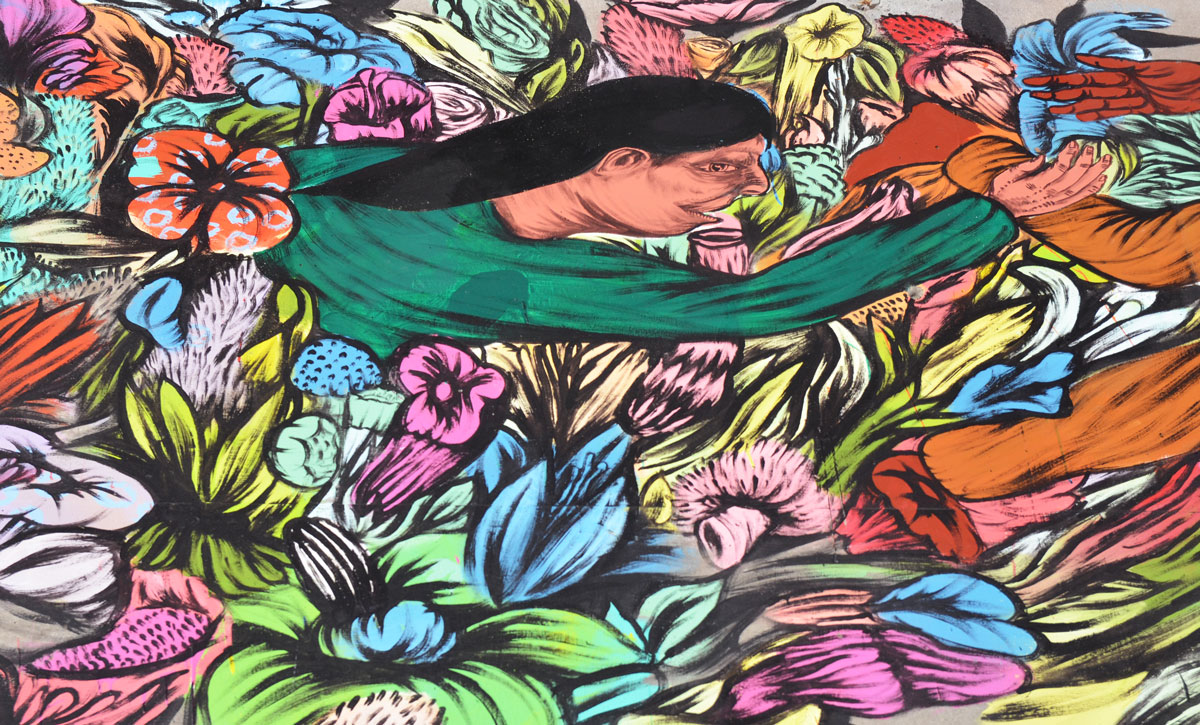
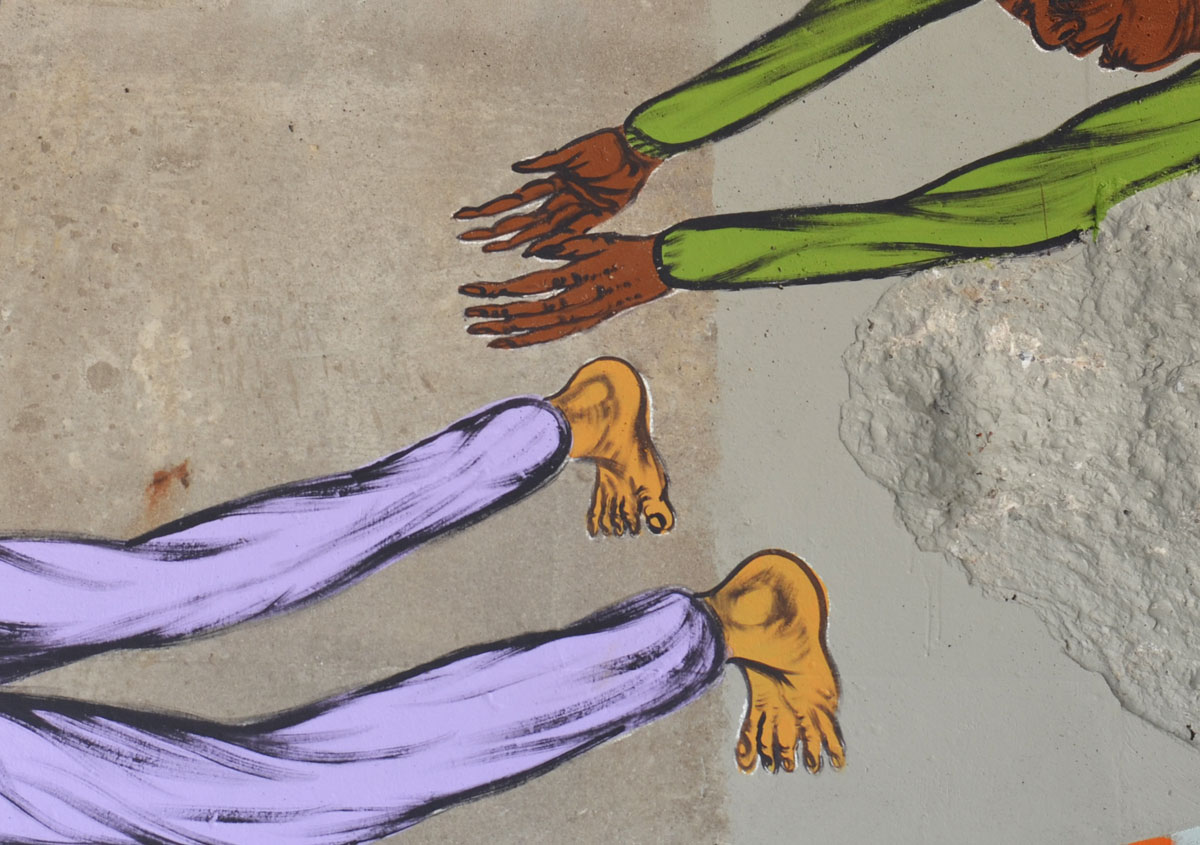
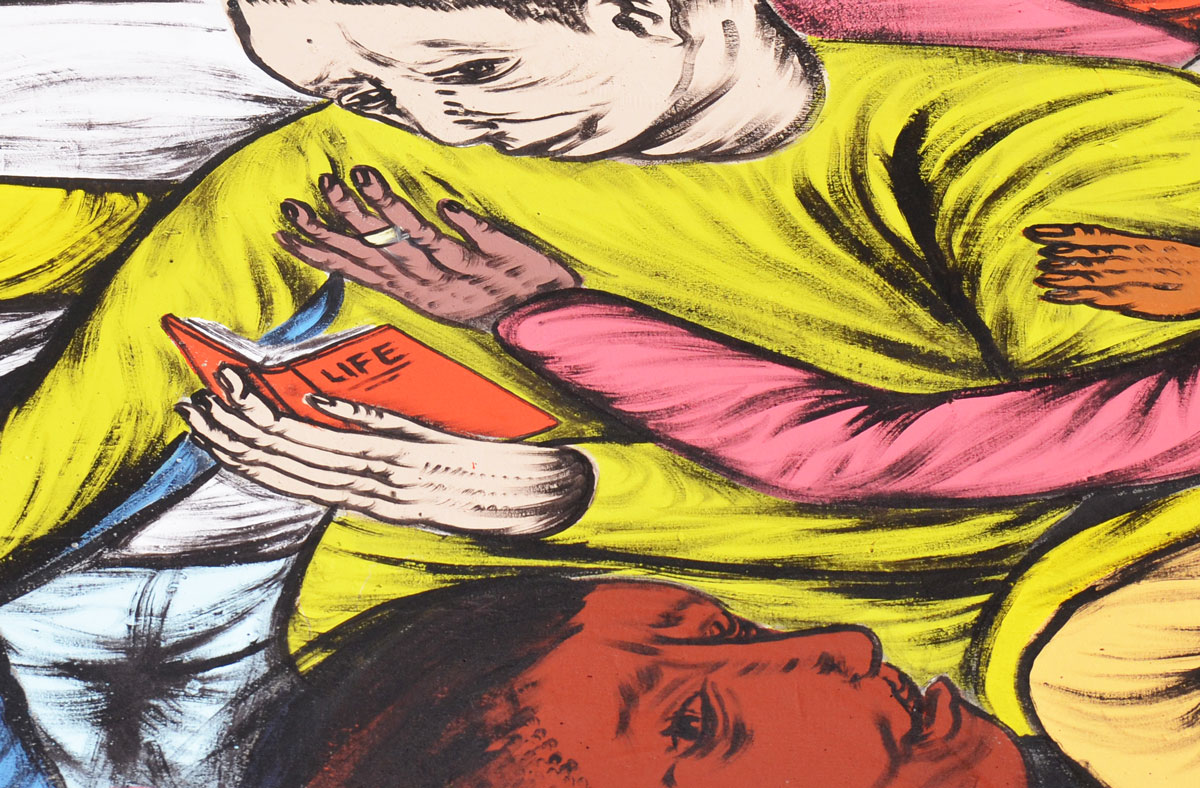
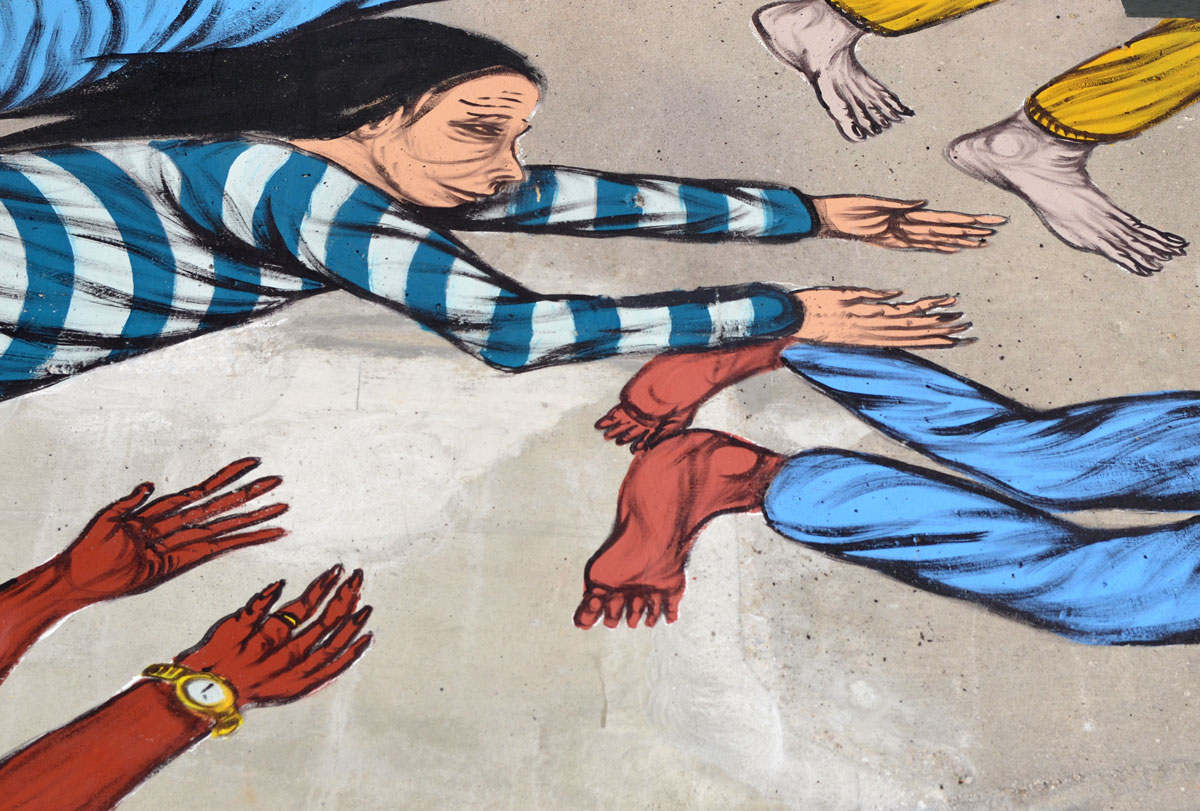
In Underpass park, some of the concrete supports holding up Eastern Ave have been painted by various street artists. The pillars that are closest to Lower River Street feature people of all races, genders, ages, and colours entangled together.
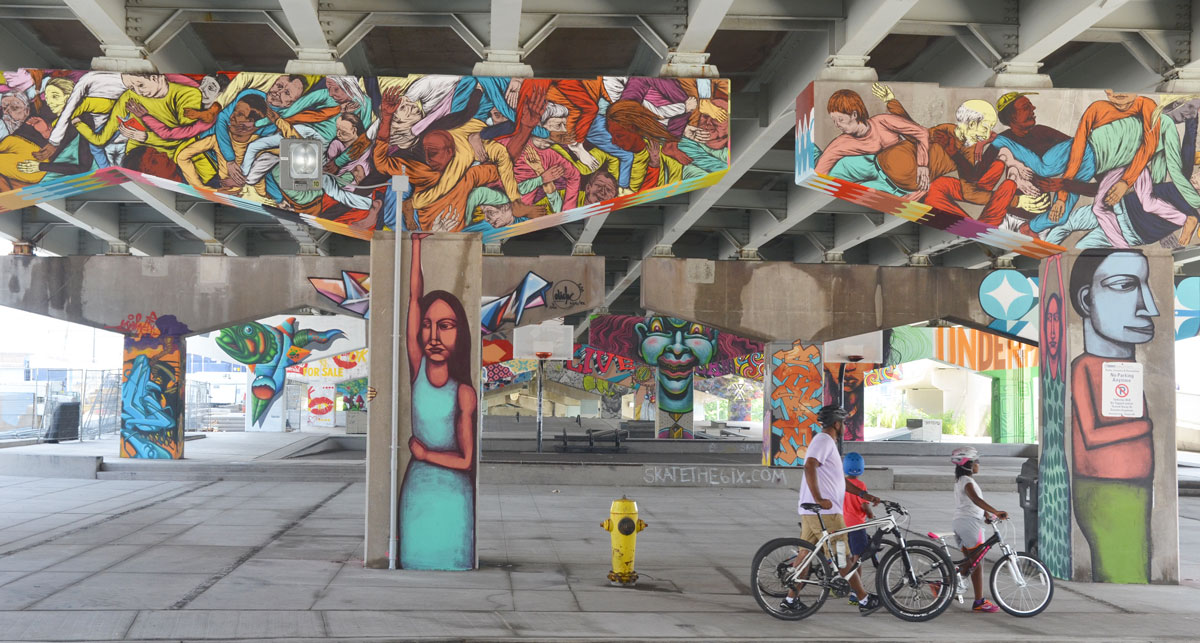
Details of some of the people:


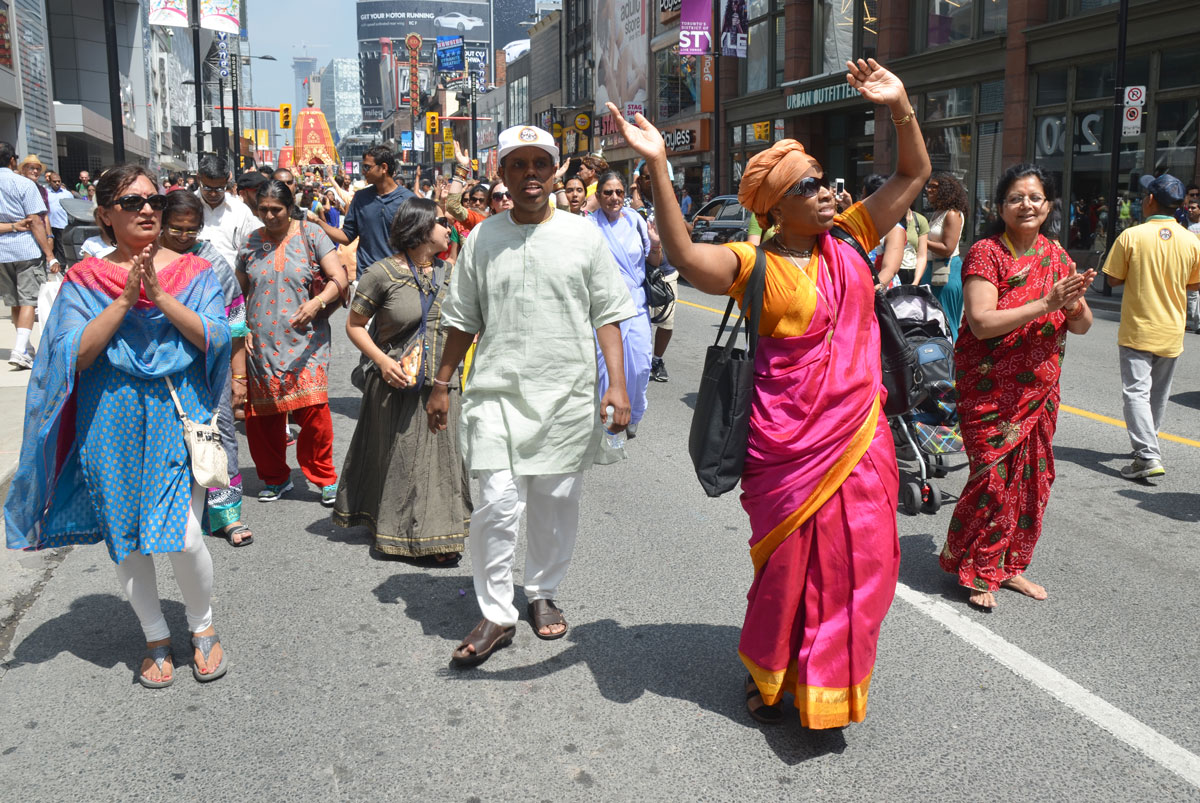
The 43rd Annual Festival of India started with a parade down Yonge Street from Bloor to Queens Quay on Saturday afternoon.
The parade is similar to an annual procession that has occurred for centuries in the city of Puri, India as part of a Hindu festival associated with the god Jagannath. Here in Toronto, as in Puri, three chariots constructed to look like temples are pulled through the streets in a procession from one temple to another. Each chariot carries a richly decorated representation of a god, first is Jagannatha (another name for Krishna or God) and then his brother Baladeva and his sister Subhadra. The chariots are pulled by people and the procession symbolizes the pulling of the Lord into our hearts.
In Puri, this Ratha-Yatra procession continues to attract over a million people every year.
In Toronto, the numbers aren’t quite that high!
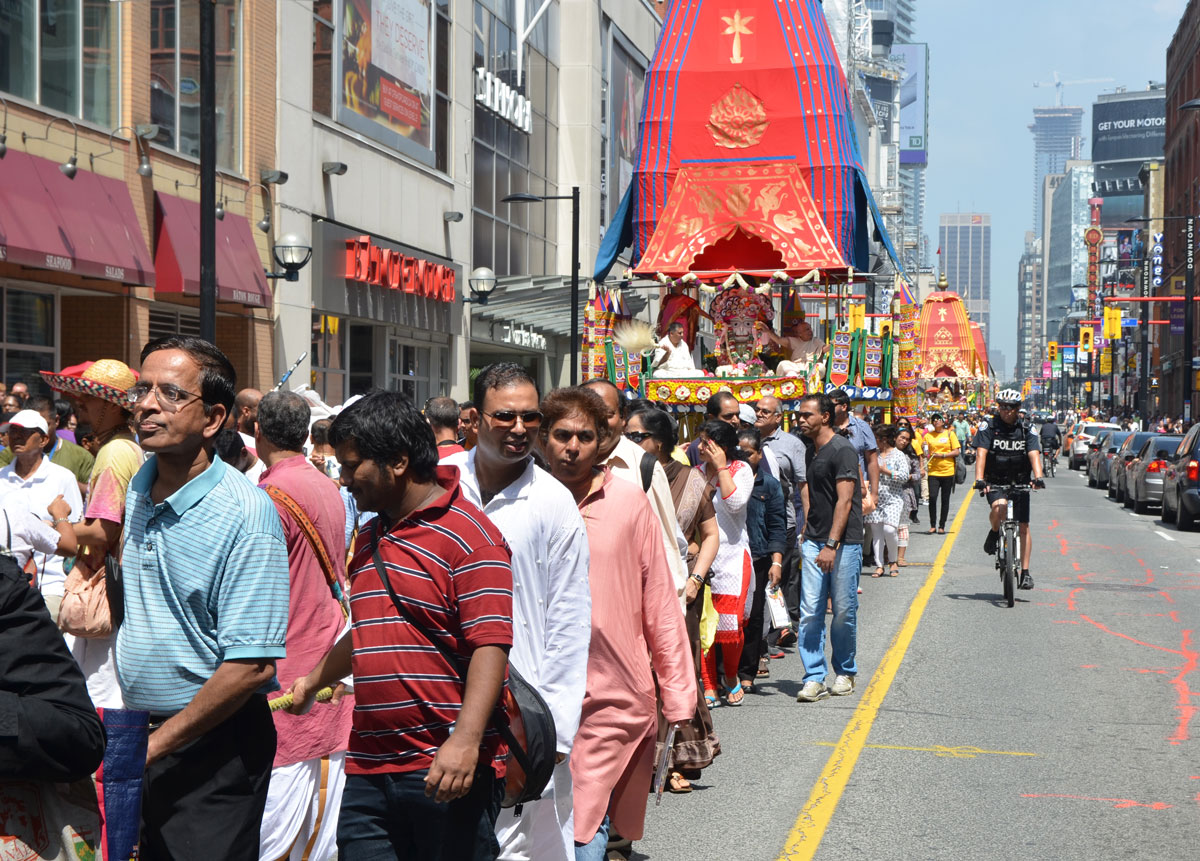

below: Many people used ropes to pull the floats down Yonge Street.
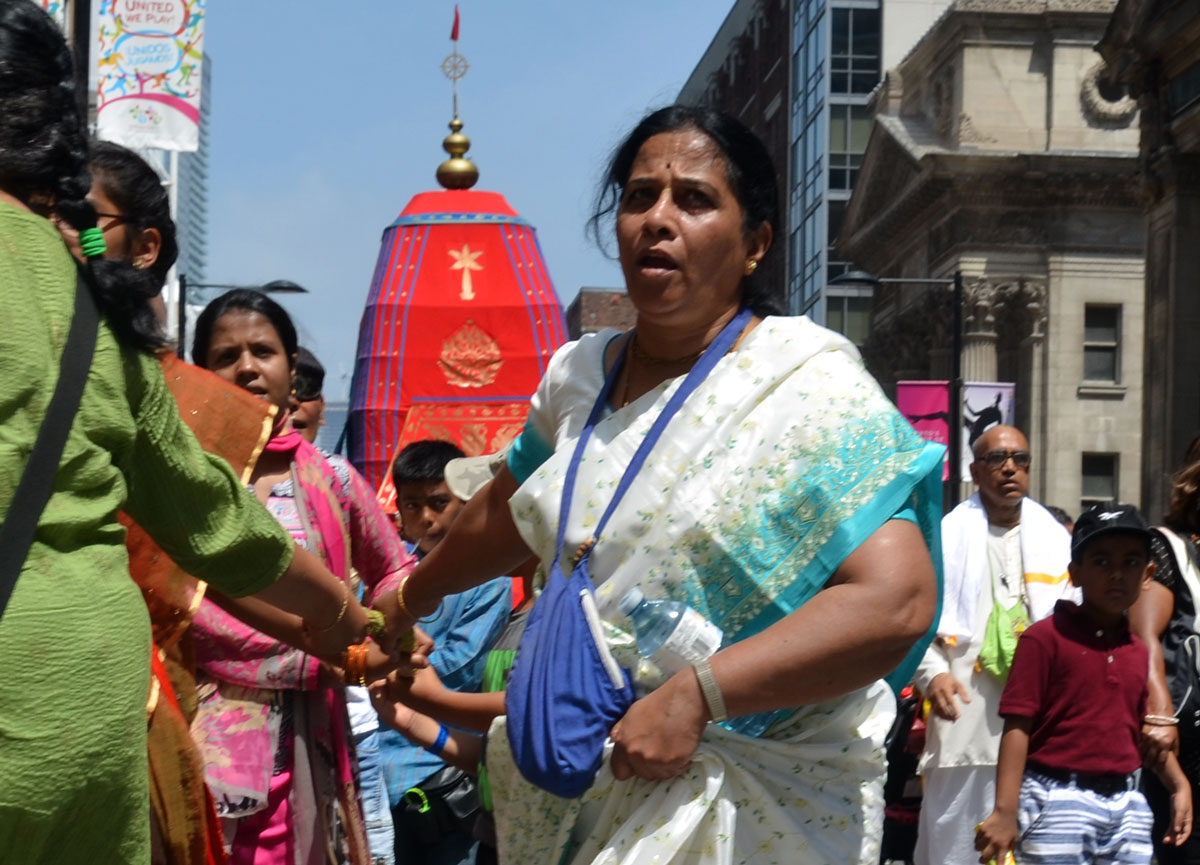
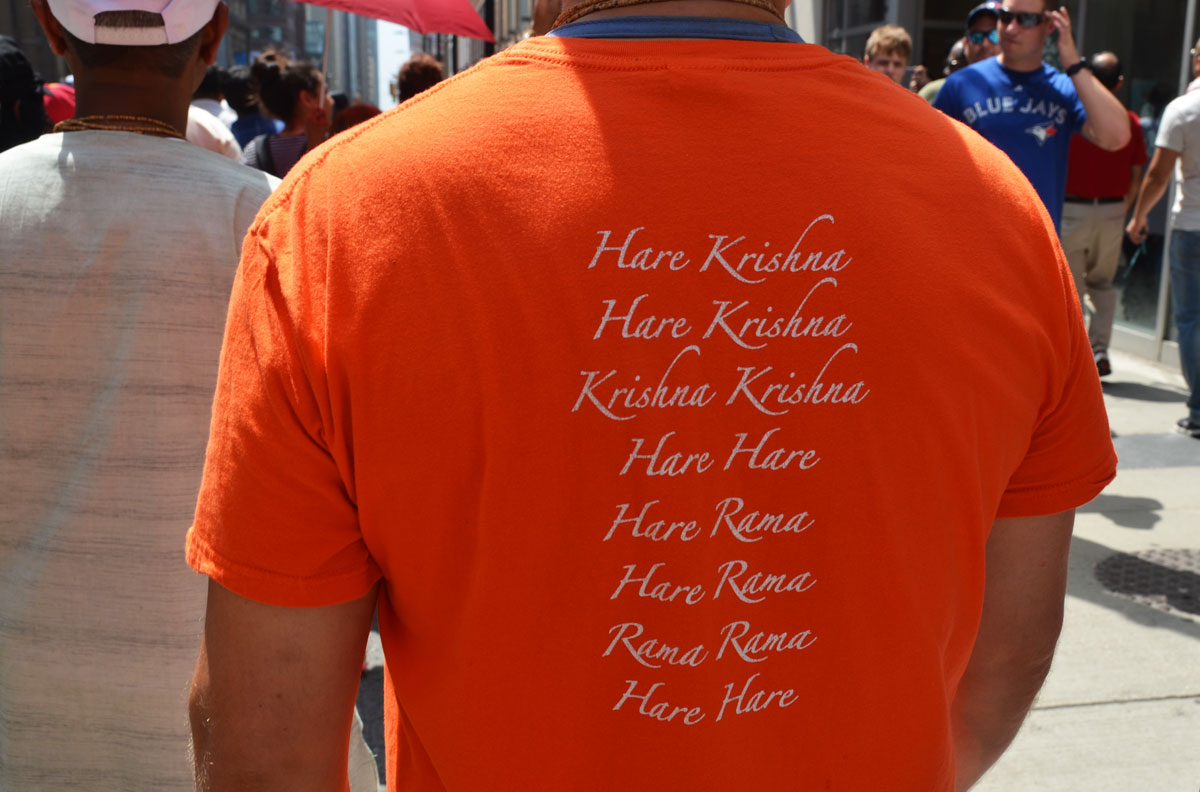
below: Other people danced, walked, sang and chanted Hare Krishna mantras.

The festivities continued on Centre Island for the remainder of the weekend.

