


St. Patricks Day Parade, 19 March 2017
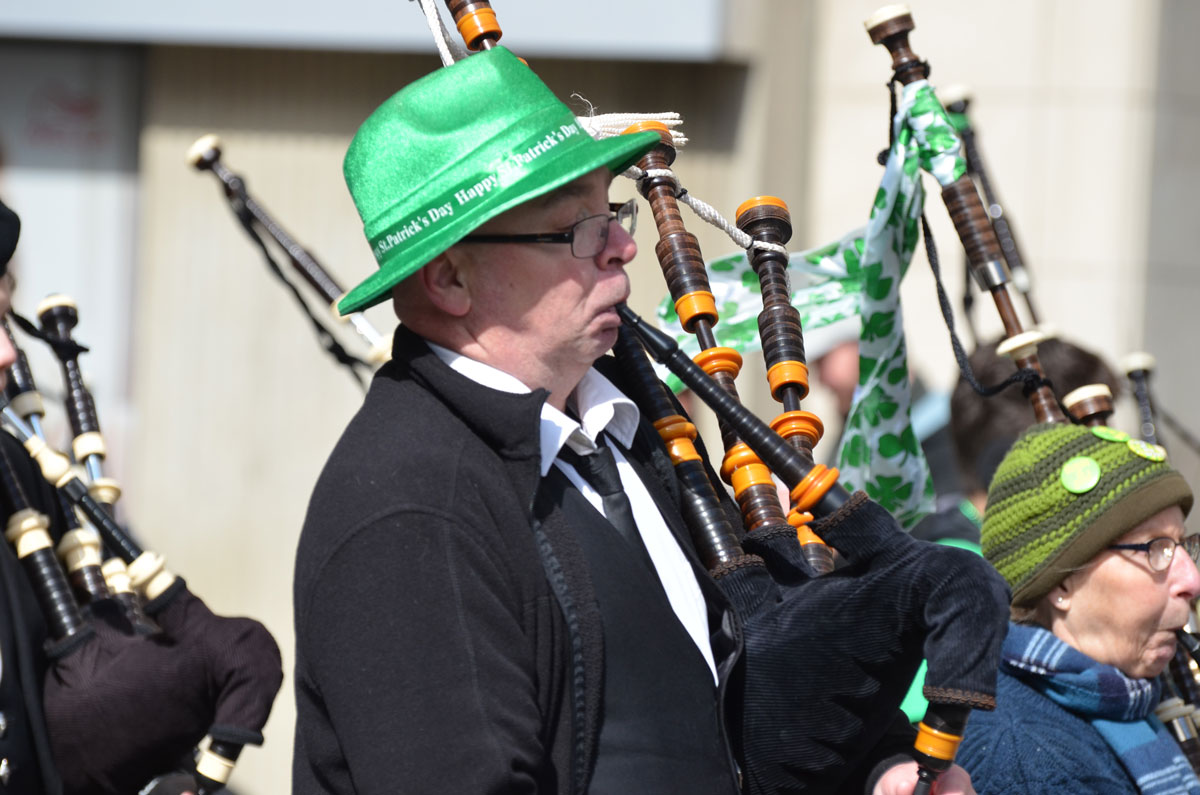
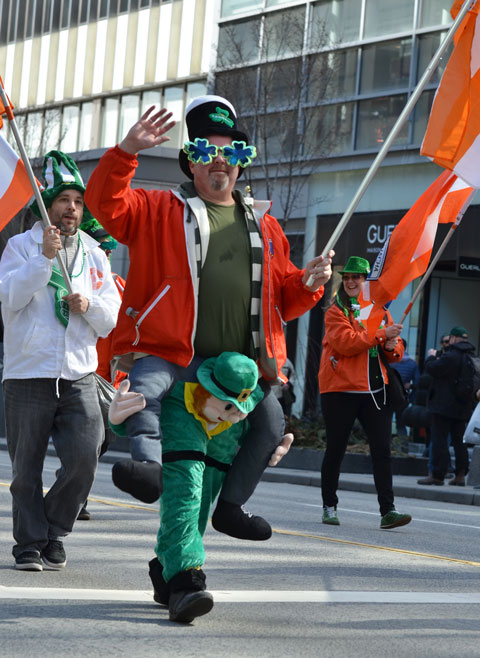
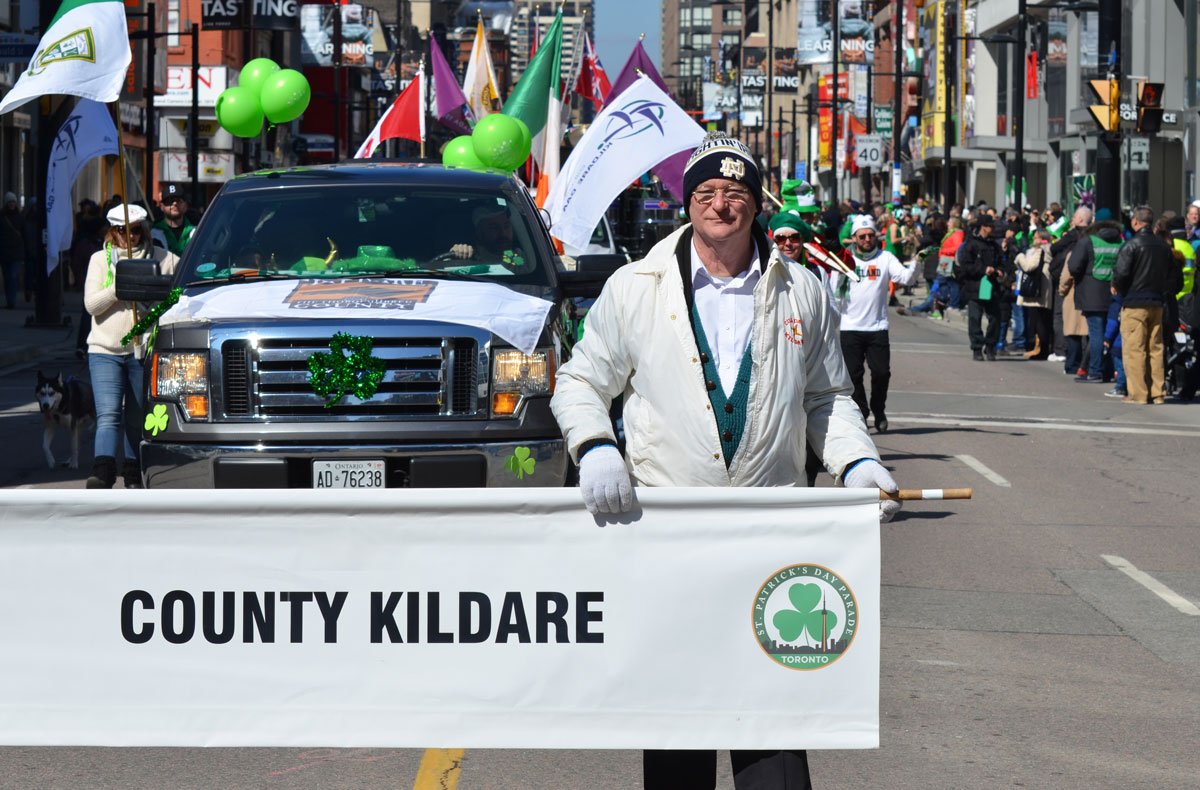
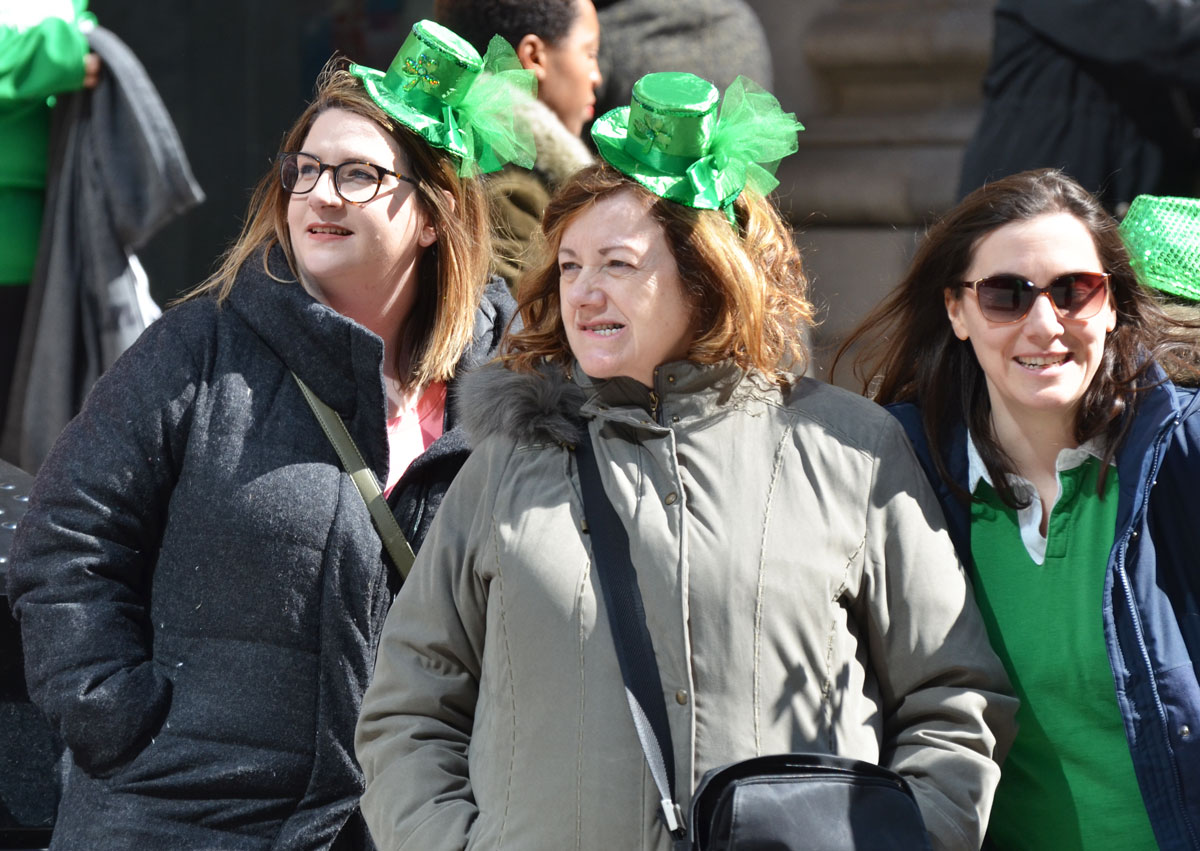
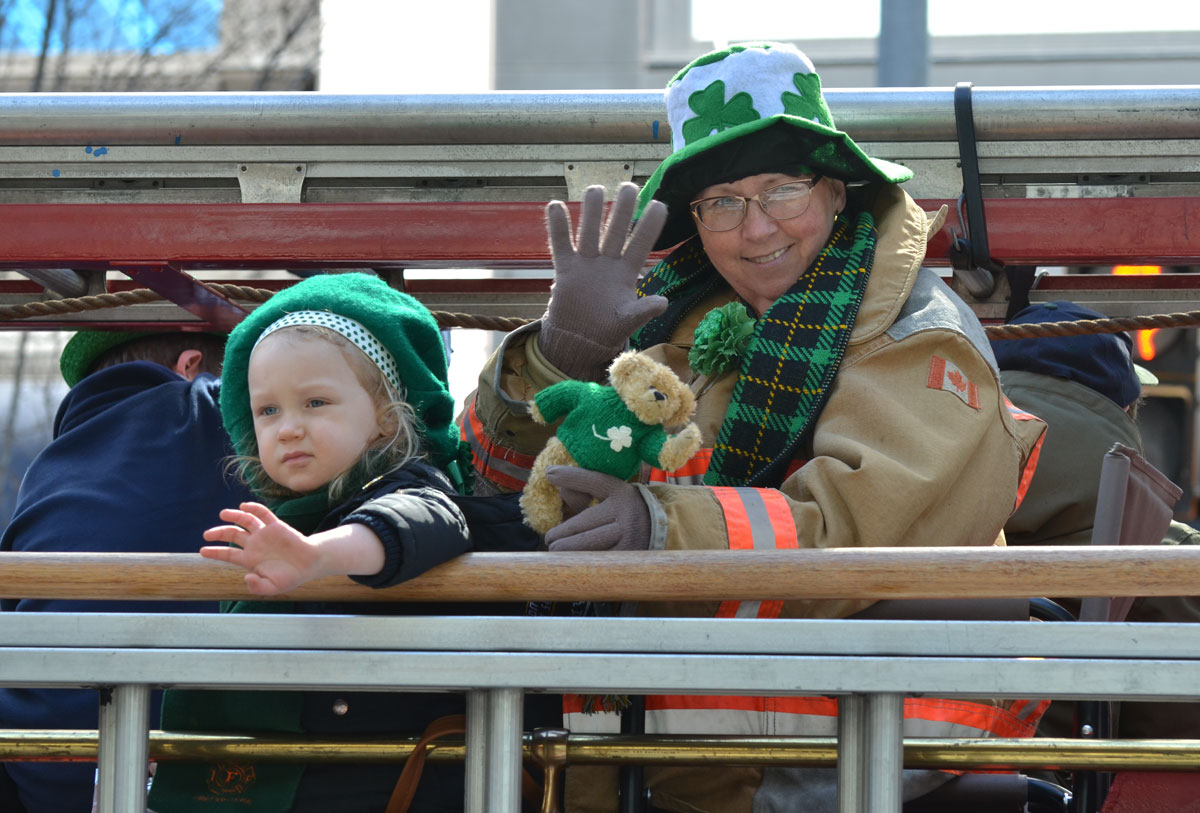
Watching floats, bands, banners, flags, leprechauns, bagpipes, drums, dancers, hurlers, soccer players, dragons, shamrocks, leprechauns, crazy hats, green hats, green everything, but most of all, people.
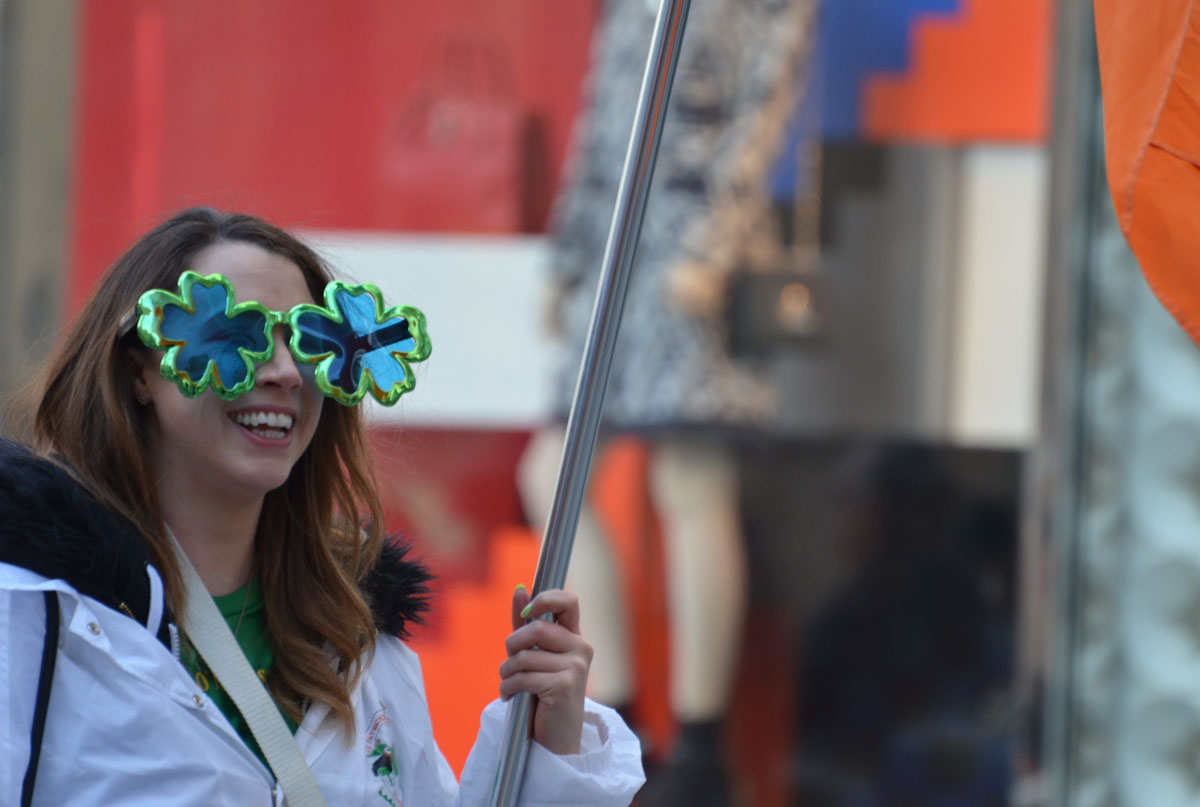
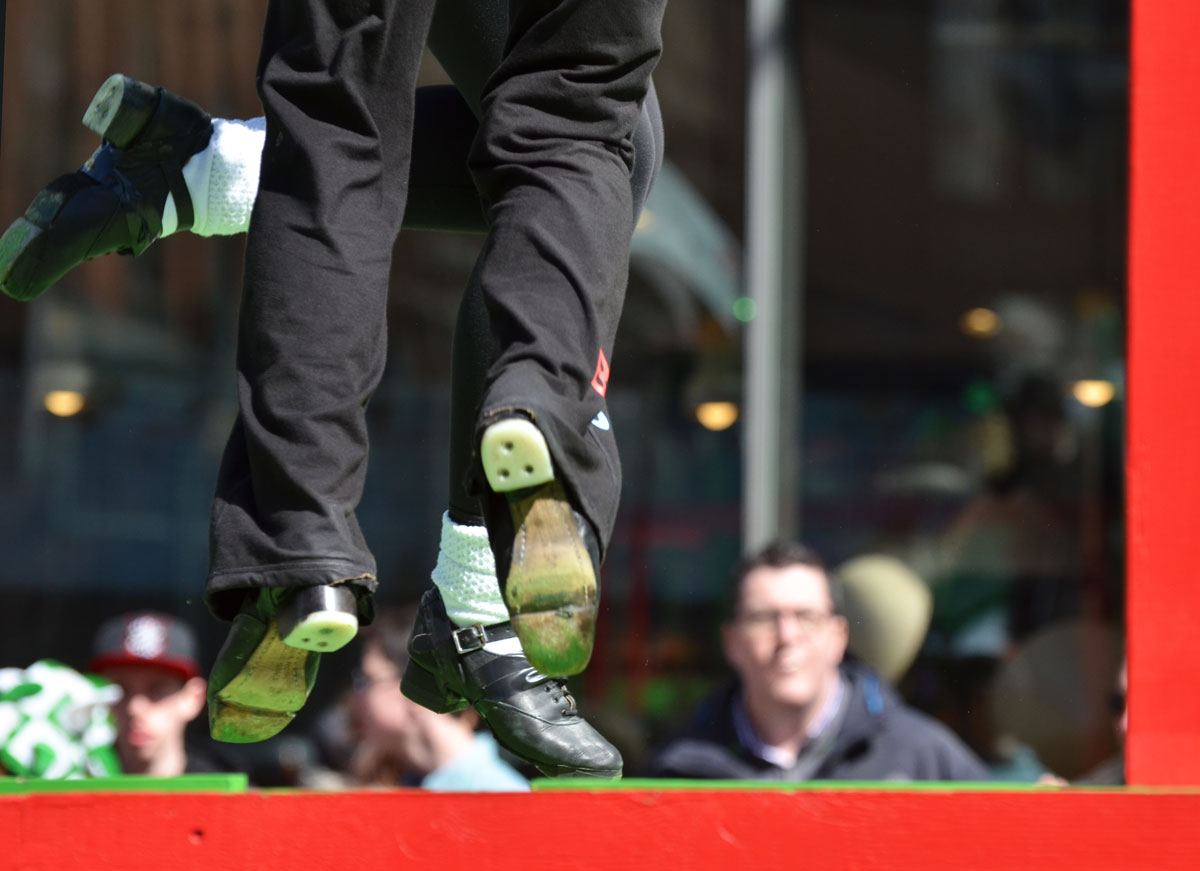

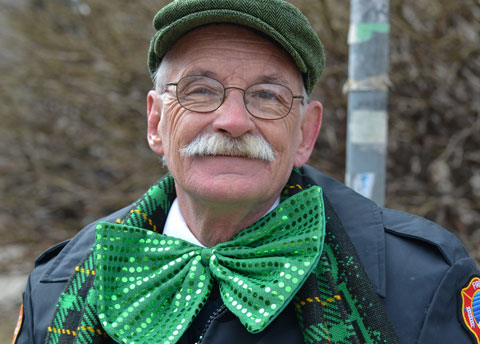






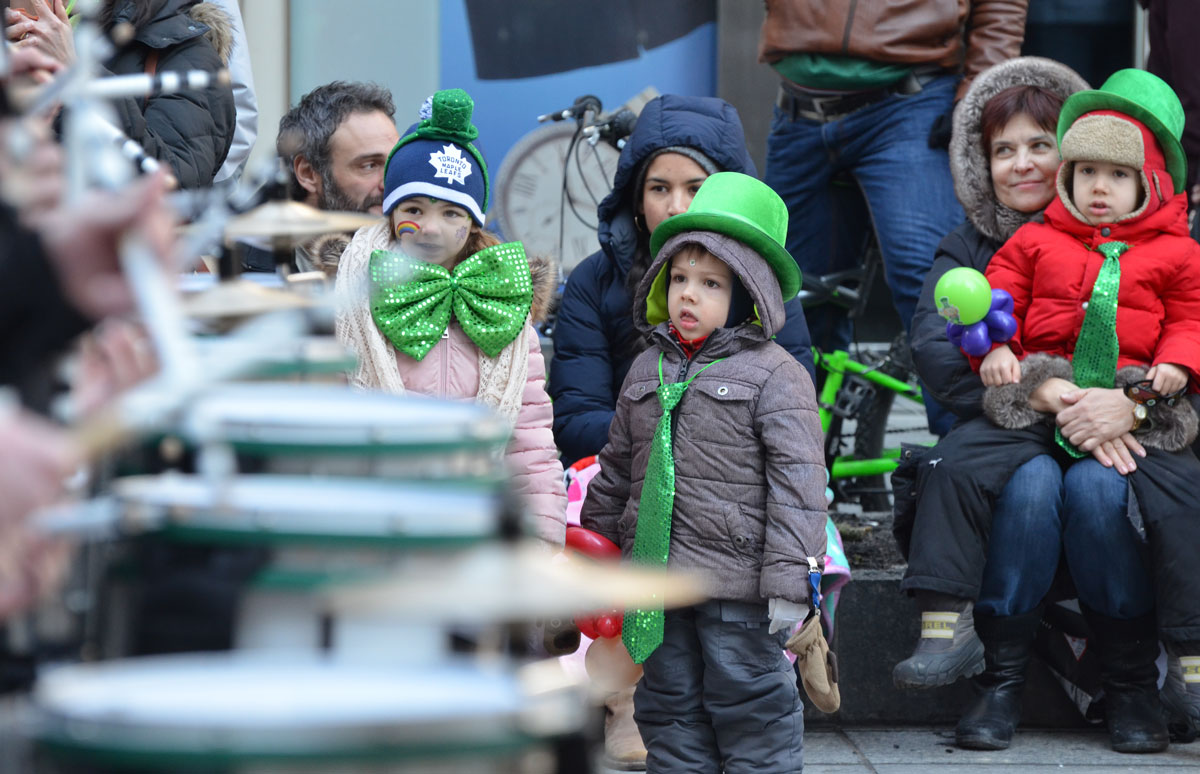


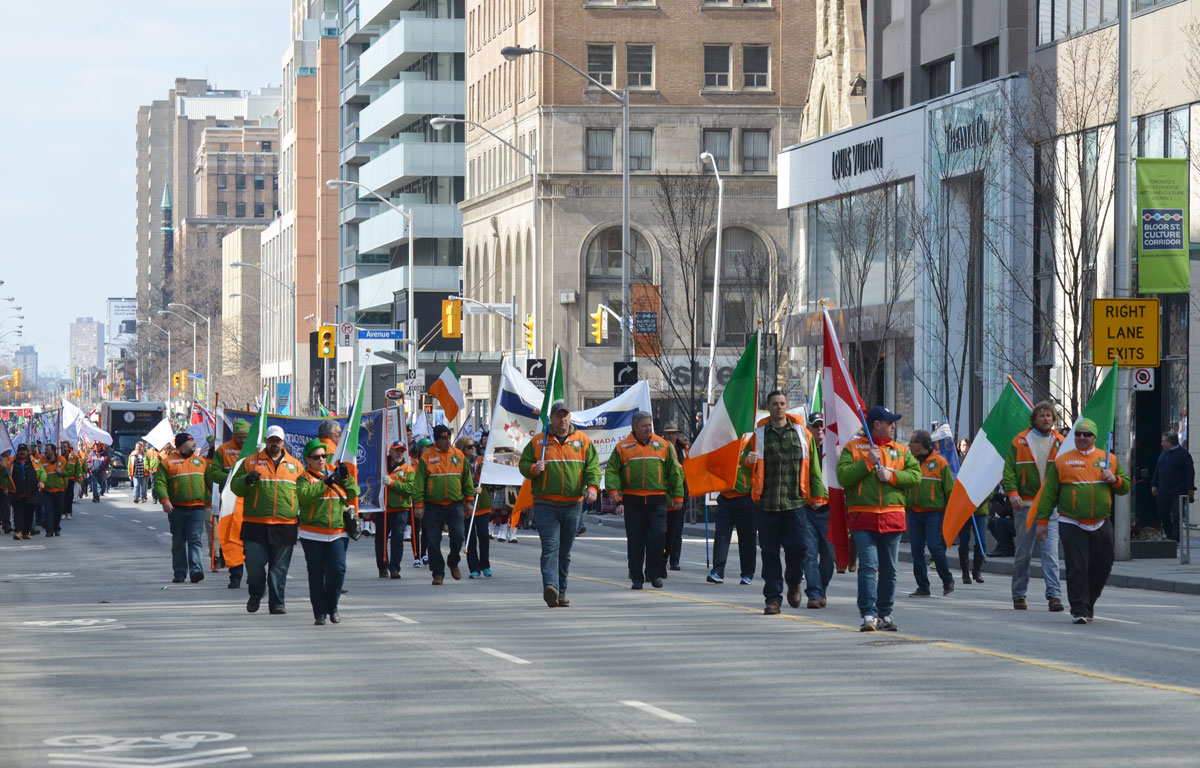

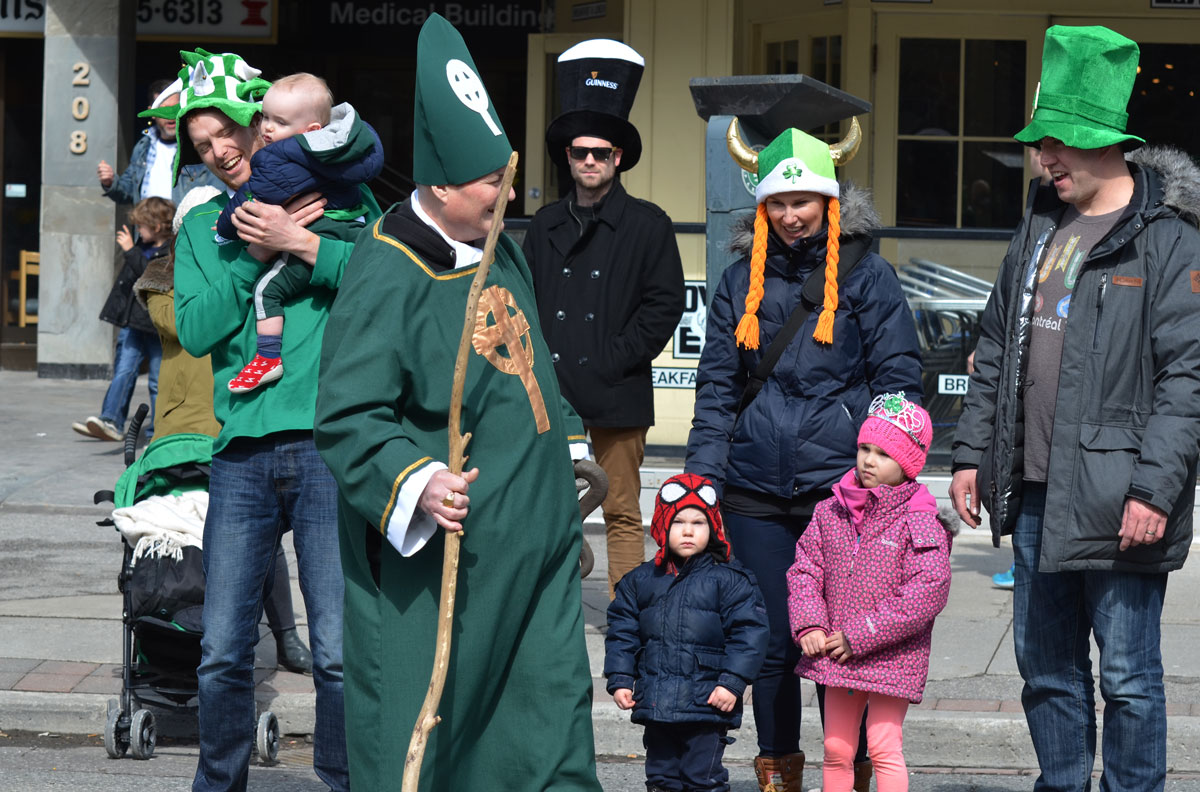

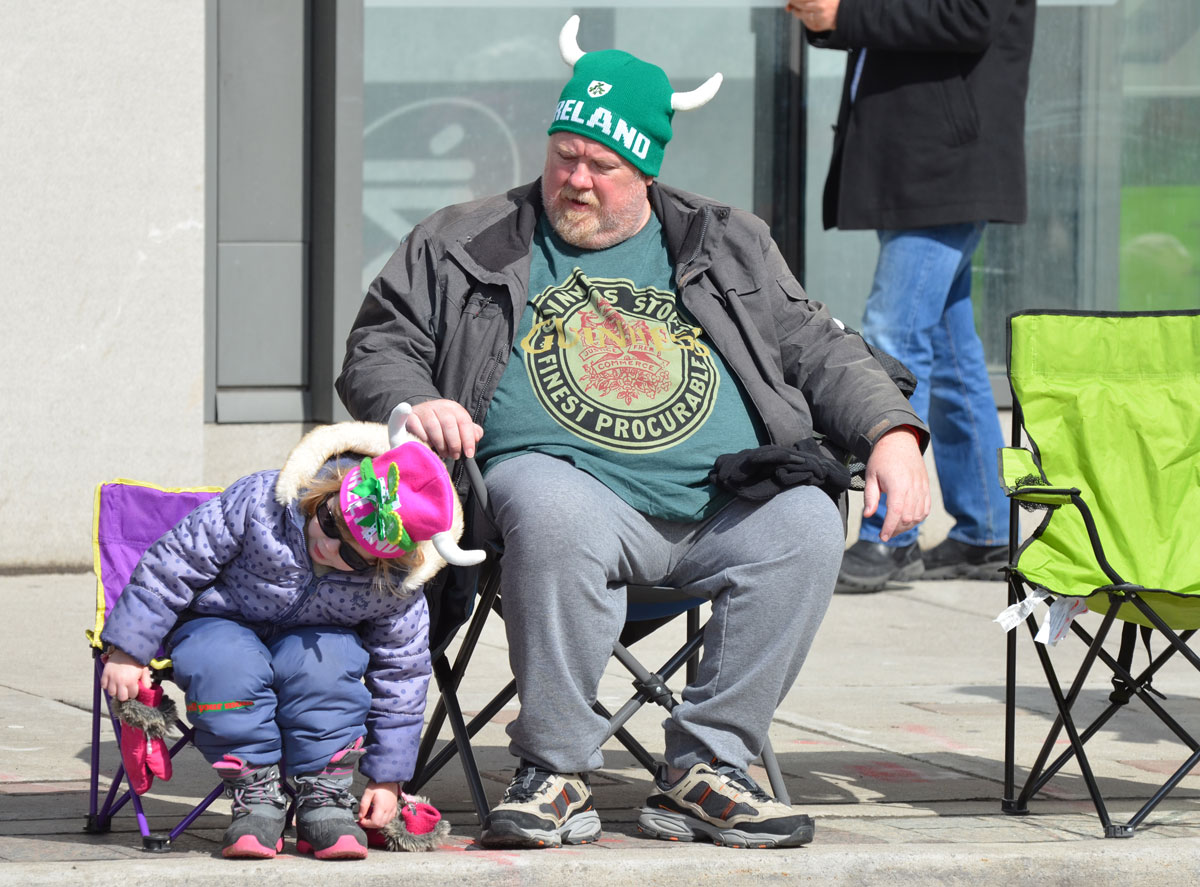
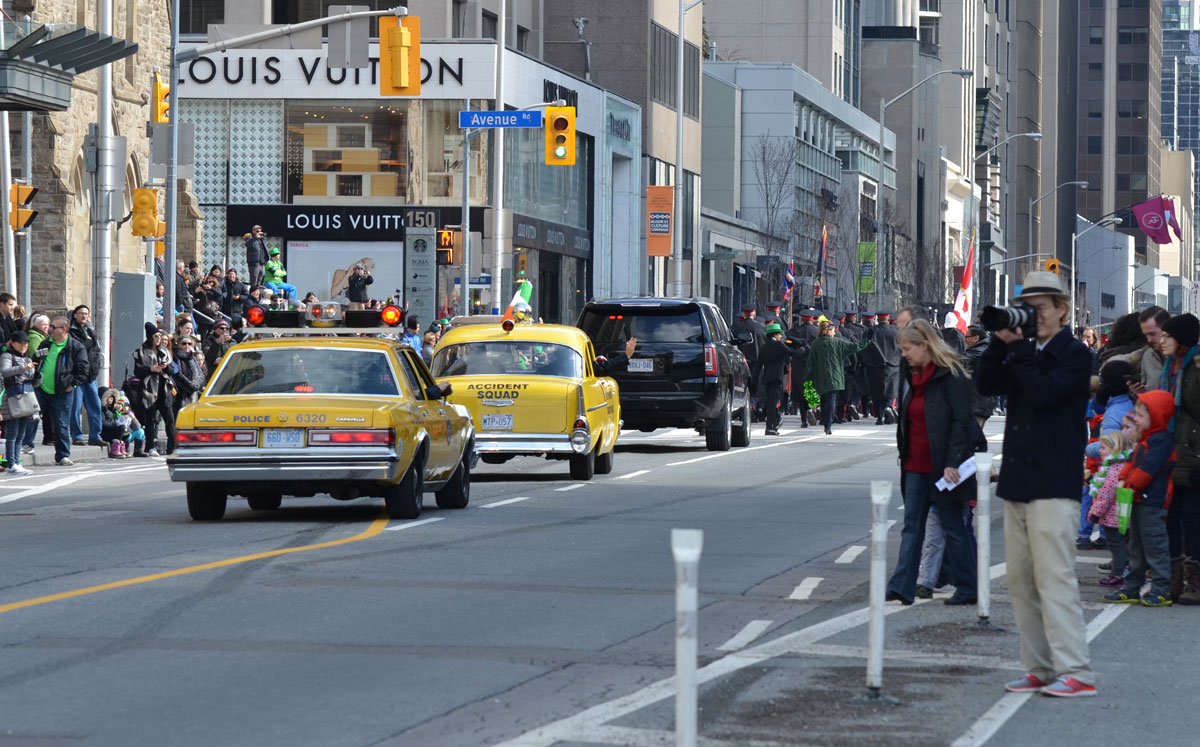
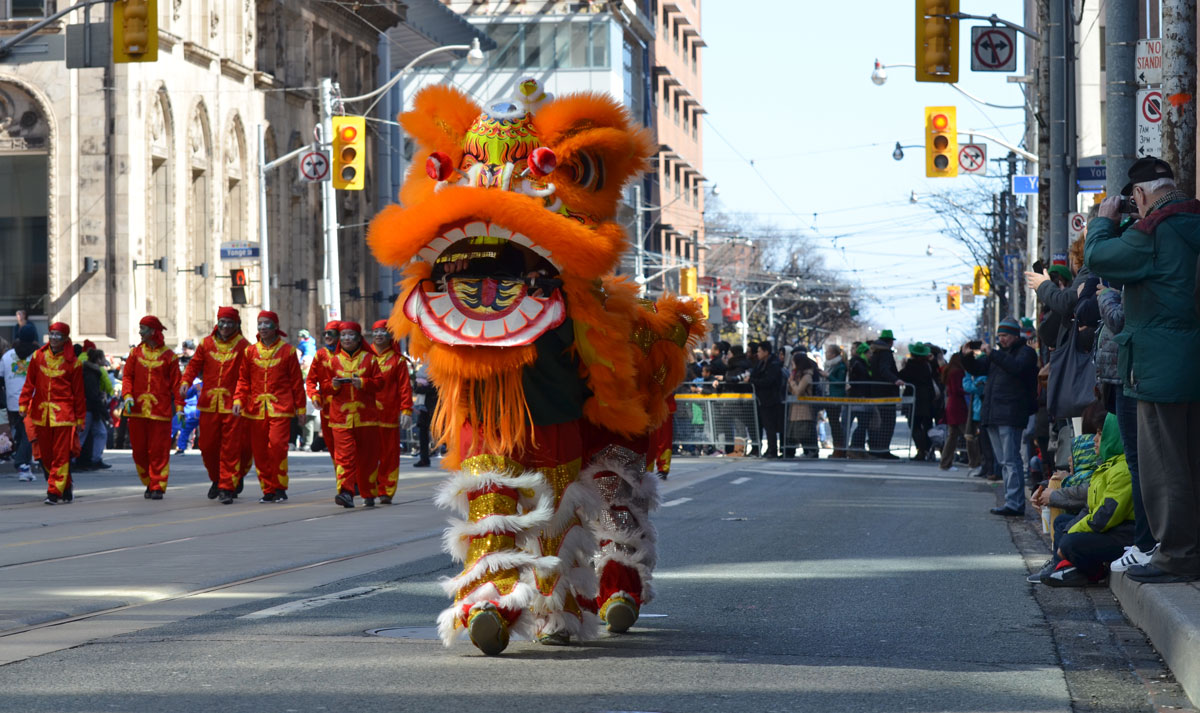
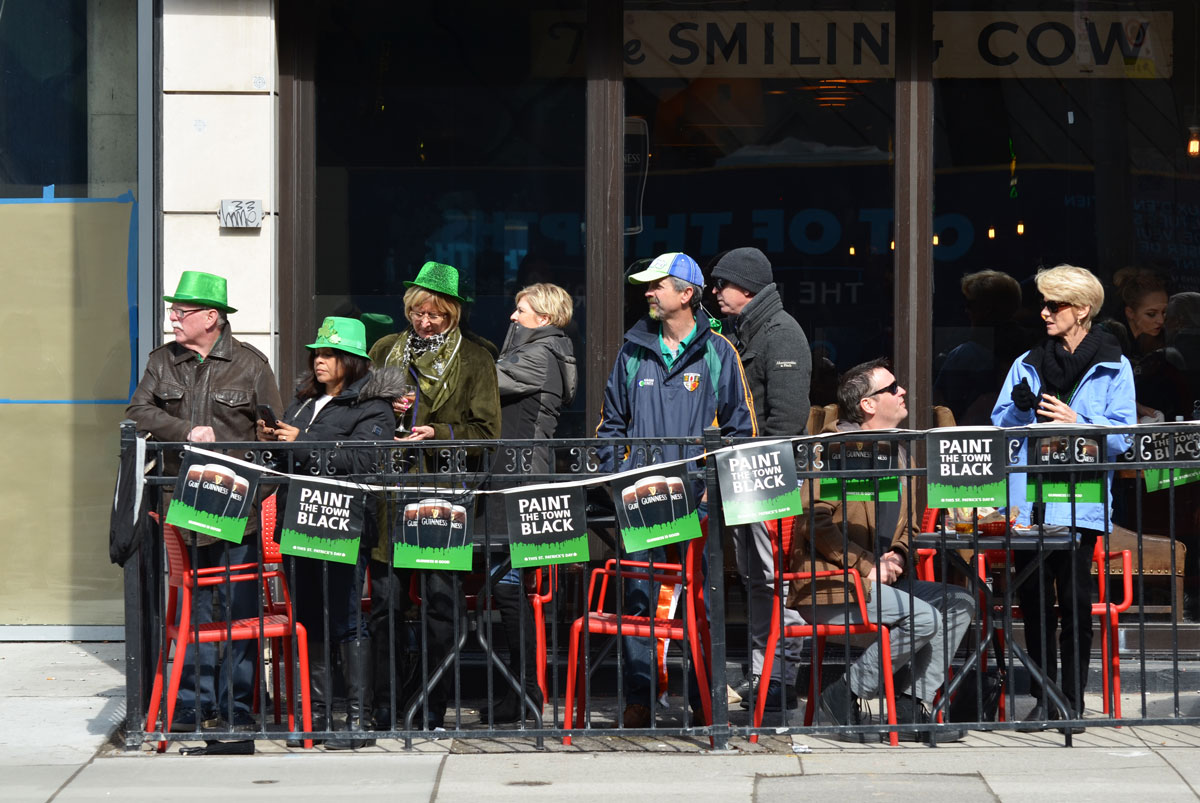
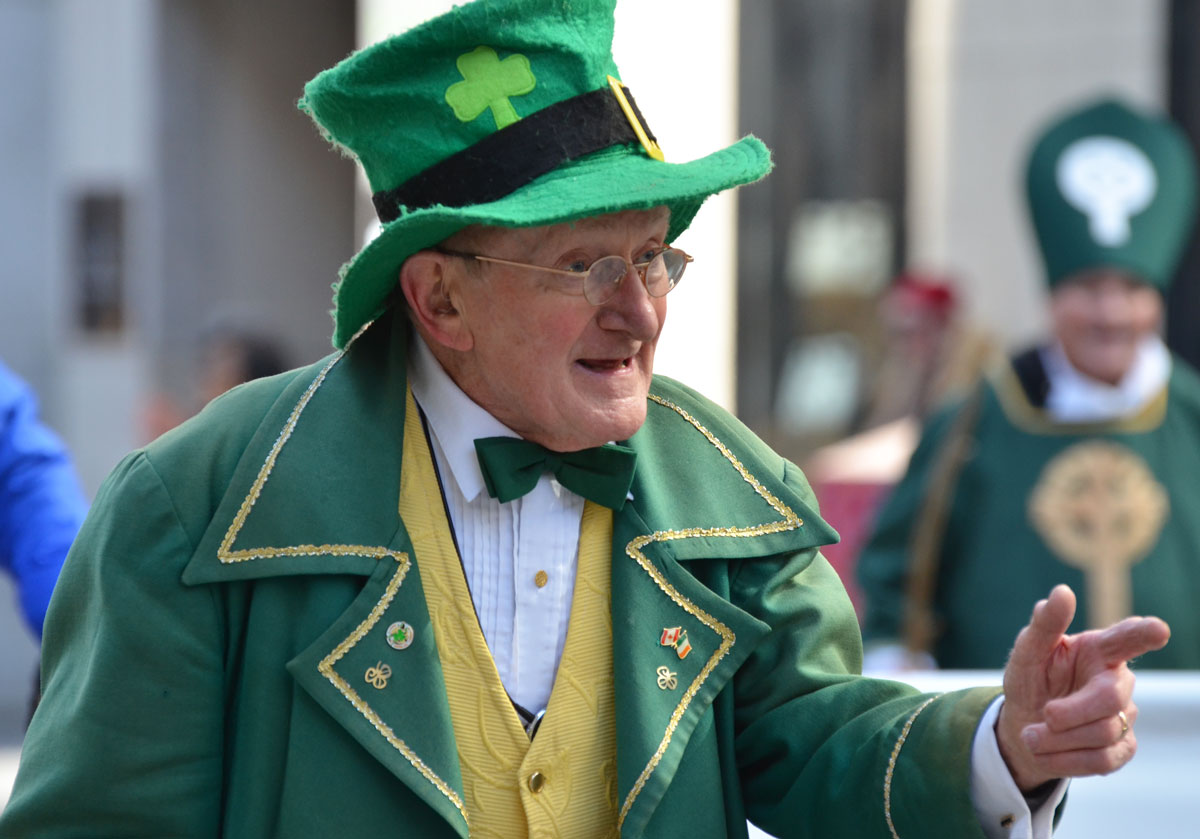
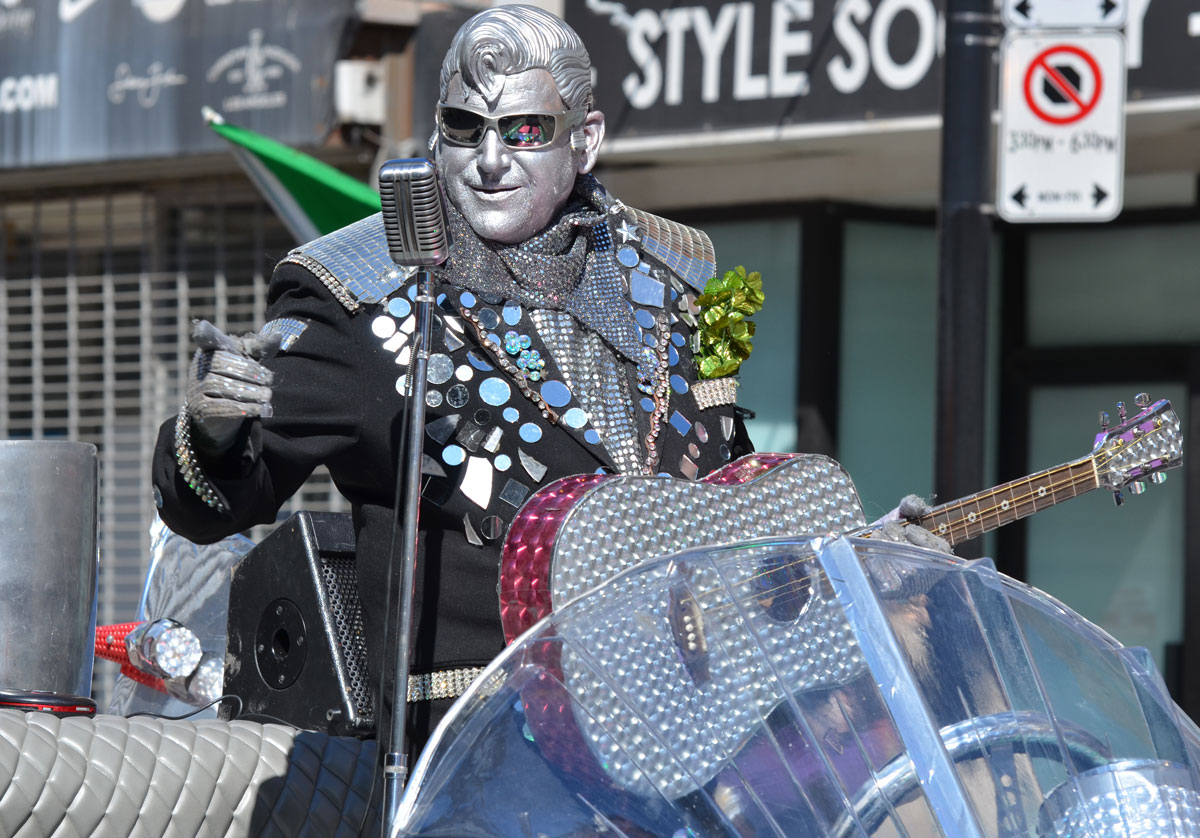

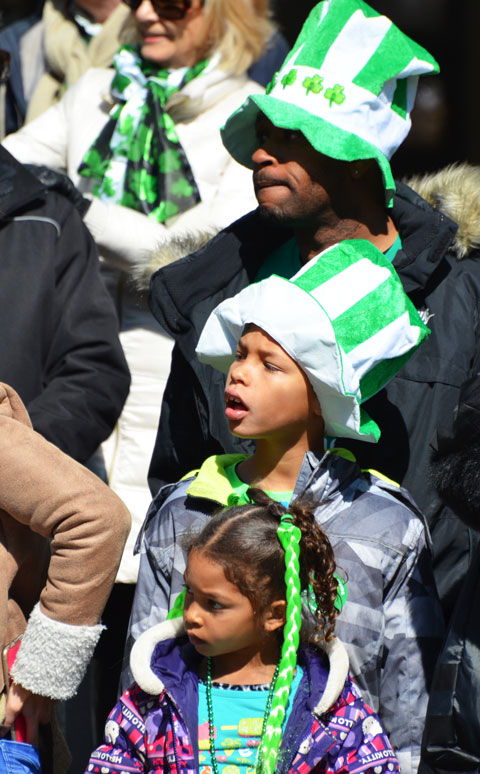

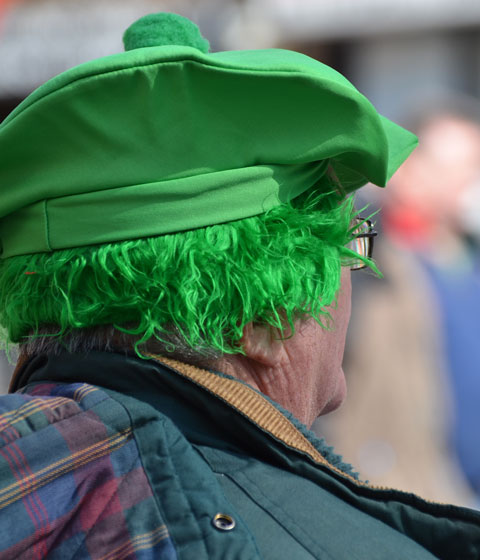

St. Patricks Day Parade, 19 March 2017
Watching floats, bands, banners, flags, leprechauns, bagpipes, drums, dancers, hurlers, soccer players, dragons, shamrocks, leprechauns, crazy hats, green hats, green everything, but most of all, people.
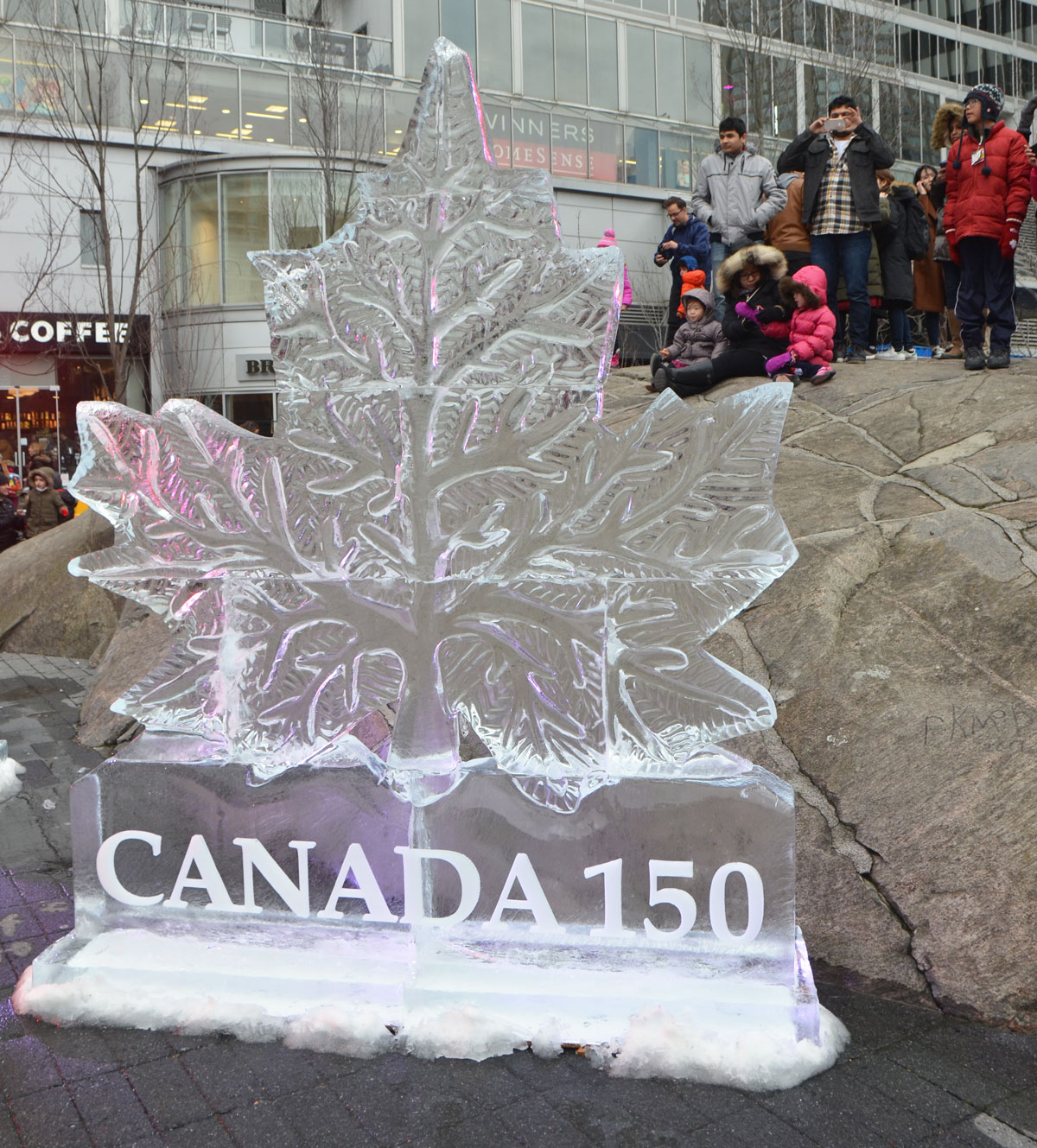
This past weekend was the 5th annual Bloor Yorkville Icefest.
It’s an event that features ice sculptures in the park at Cumberland and Bellair.
The theme this year was Canada 150, as 2017 is Canada’s 150th birthday.
below: Sculptures in an enclosure (i.e. no one gets close enough to touch). The Parliament building in Ottawa is on the left with a very tall RCMP Mountie standing beside it. I’m not sure who the sculpture in the middle is supposed to represent. On the right, a large 1867, the year of Confederation, on top of a large 2017.

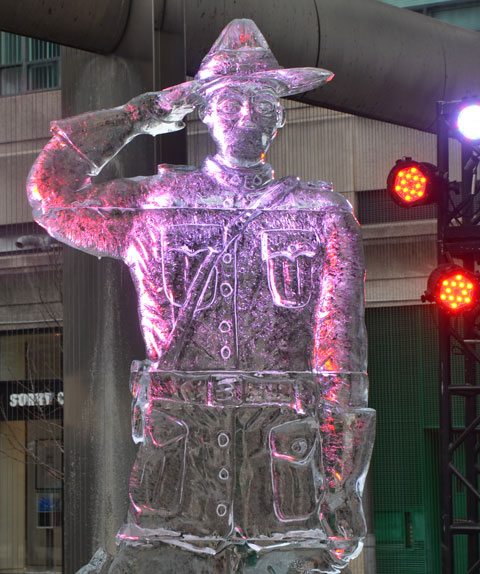
below: A number of artists worked on their sculptures as part of the festival. This mountie and beaver had just been completed before I arrived.

below: A large chunk of ice gets cut into smaller cubes. Each cube contains a small toy that had been frozen in the ice. For $2 you could buy an ice cube and smash it to liberate the toy.
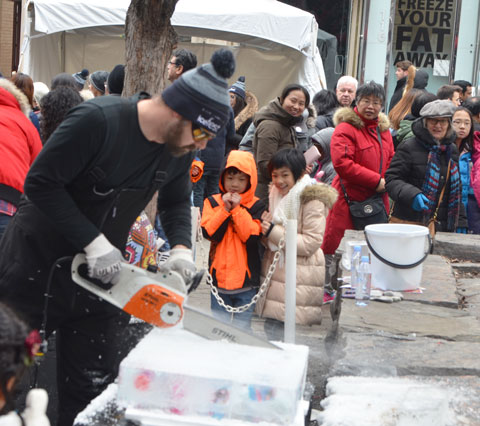
Don’t miss the sign in the background!
below: Complete with spelling mistake. Charlottetown is spelled wrong.
Also, the term Newfie is included? Apparently it’s no longer an insult to call someone a Newfie.

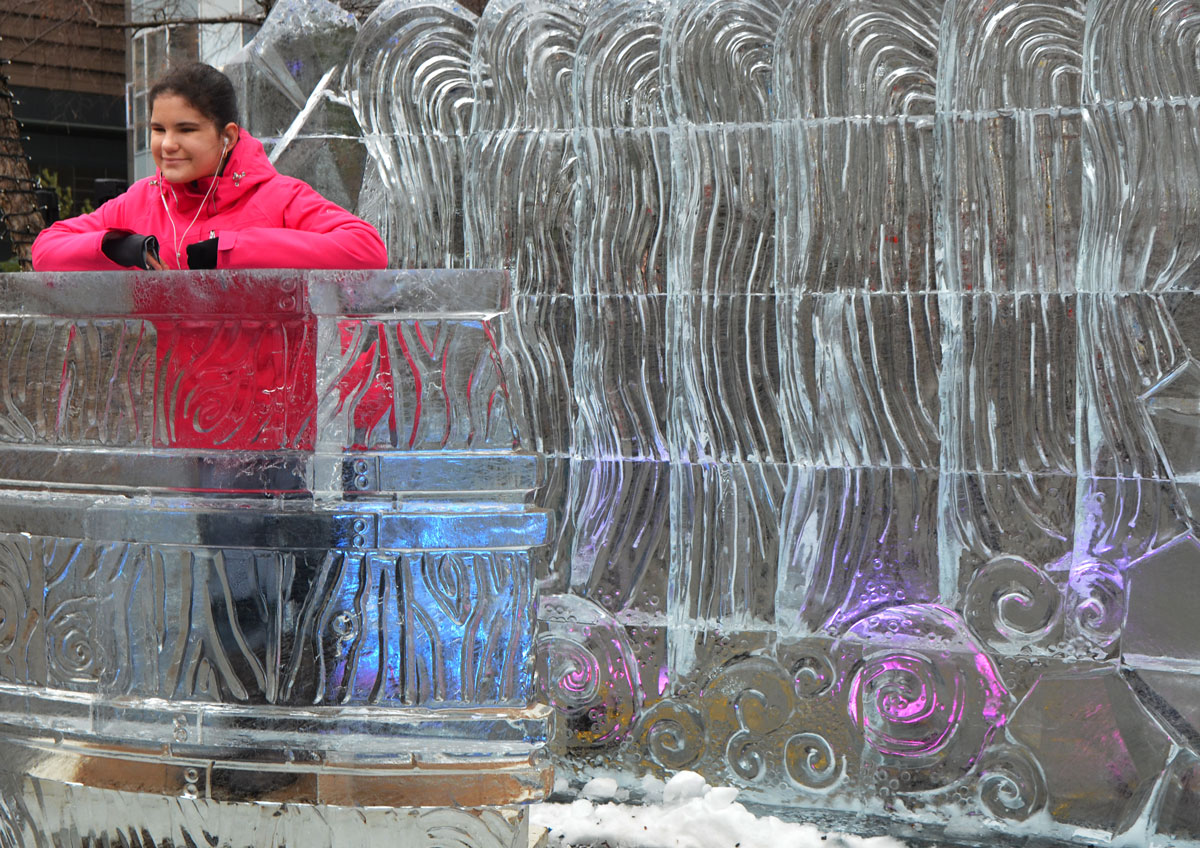
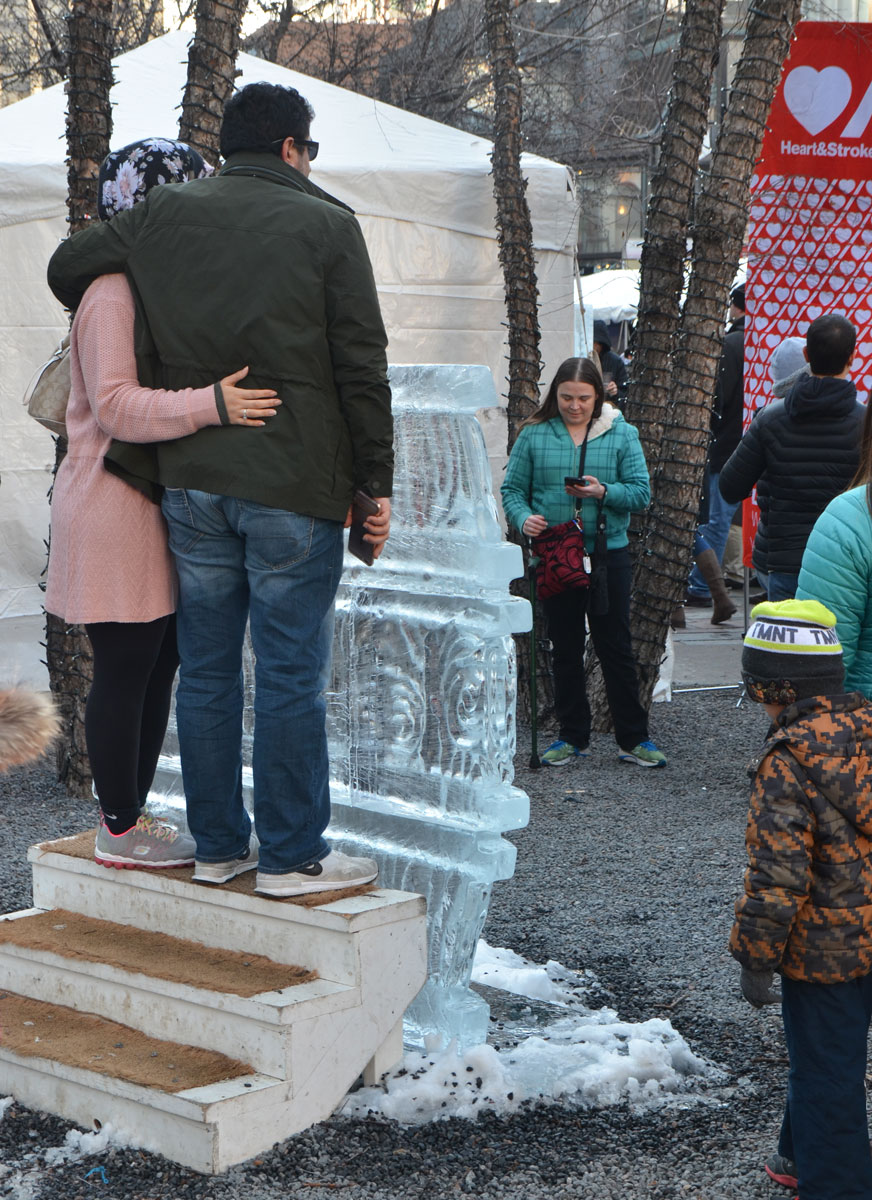
below: The warm temperatures were making some of the thinner pieces more fragile than usual. The little ‘knobs’ on this replica of the Taj Mahal were barely hanging on. Luckily the temperatures dropped enough that most of the sculptures survived.




#blooryorkville | #icefest17
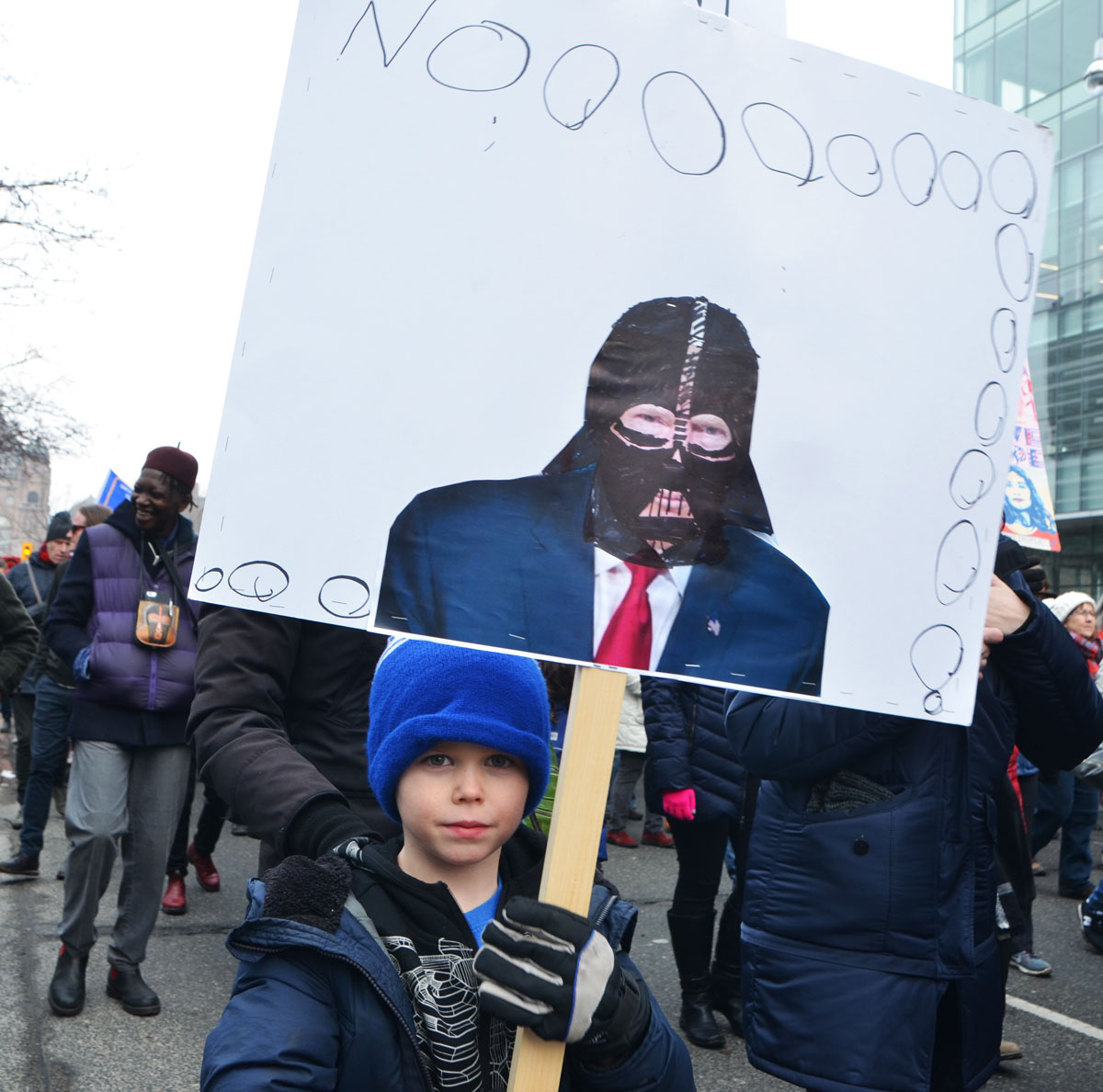
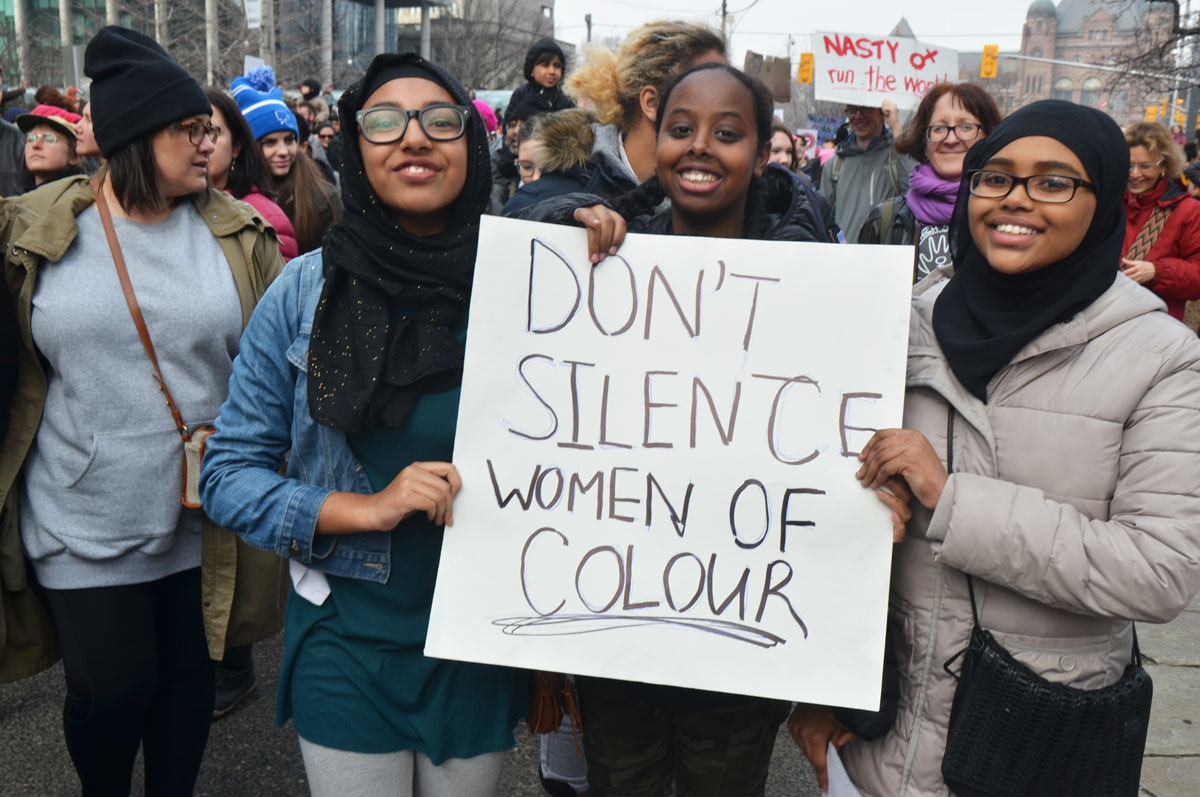
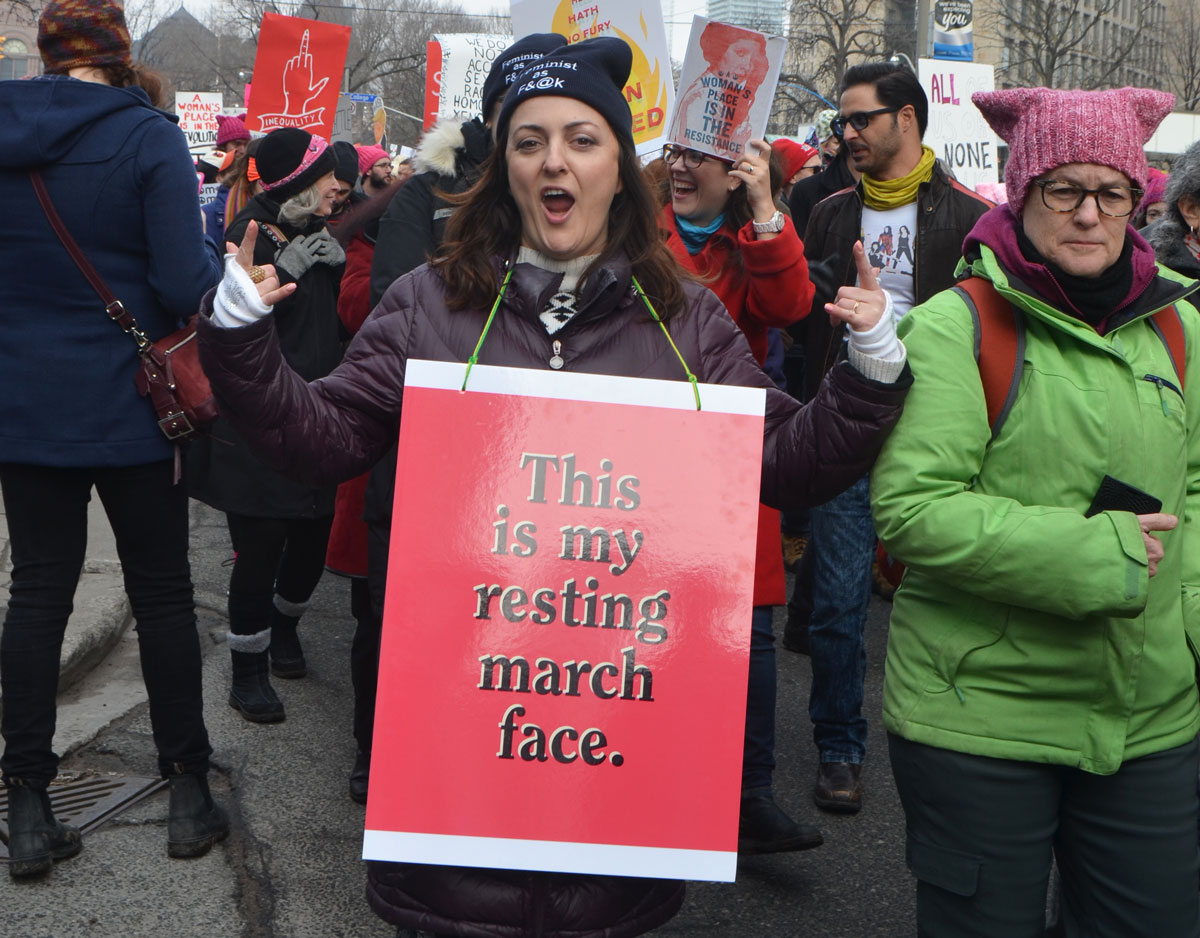
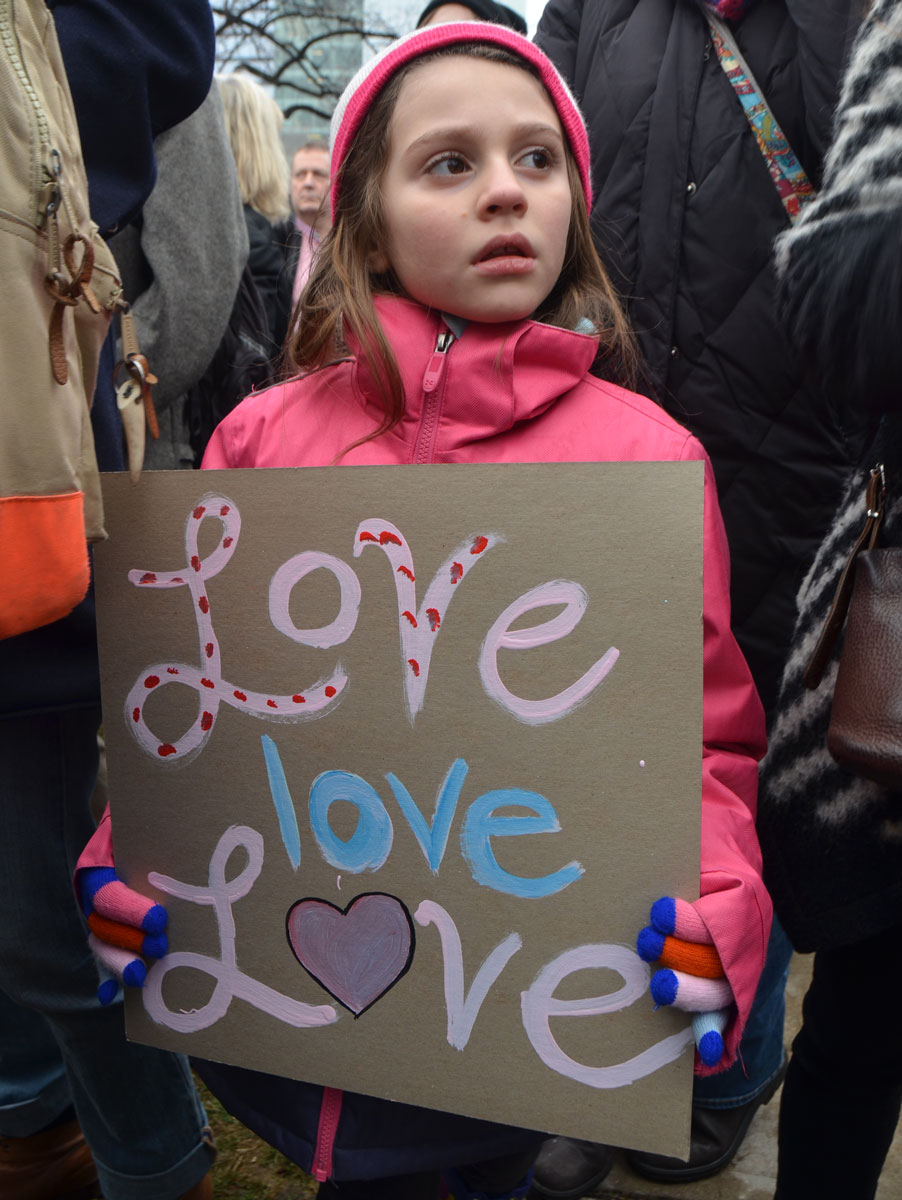
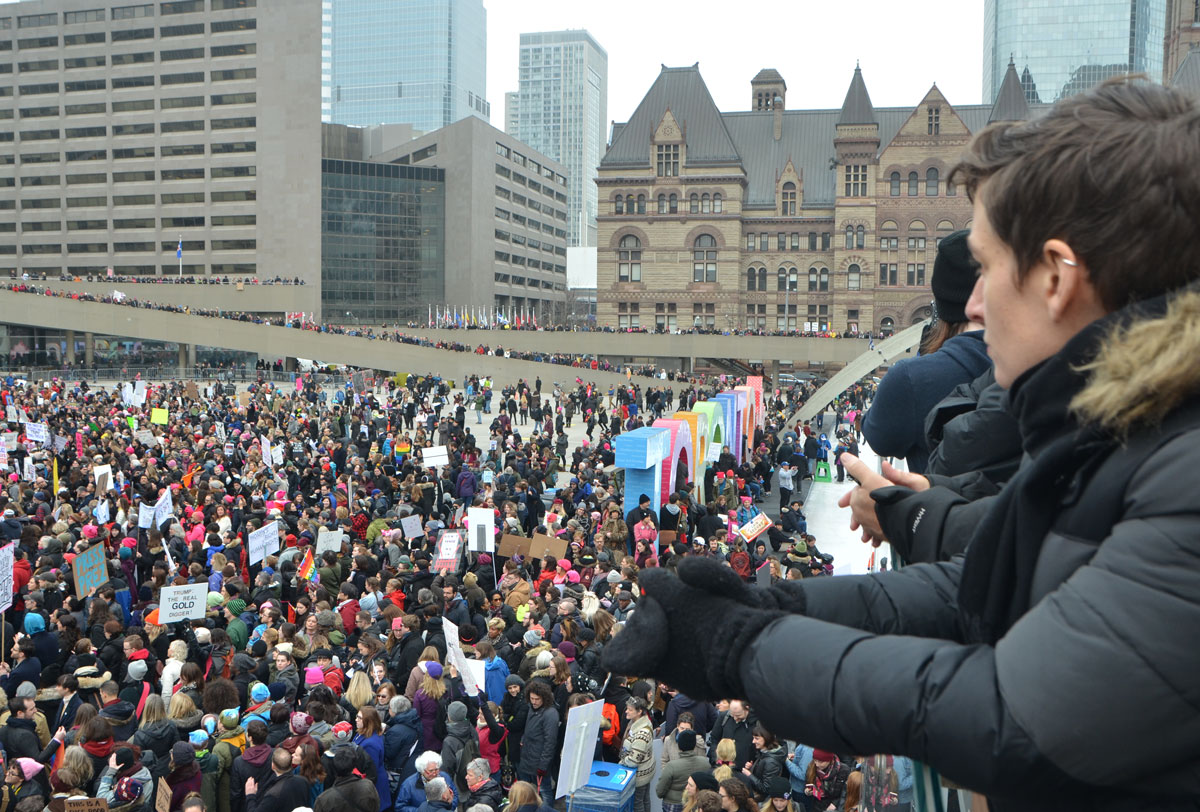
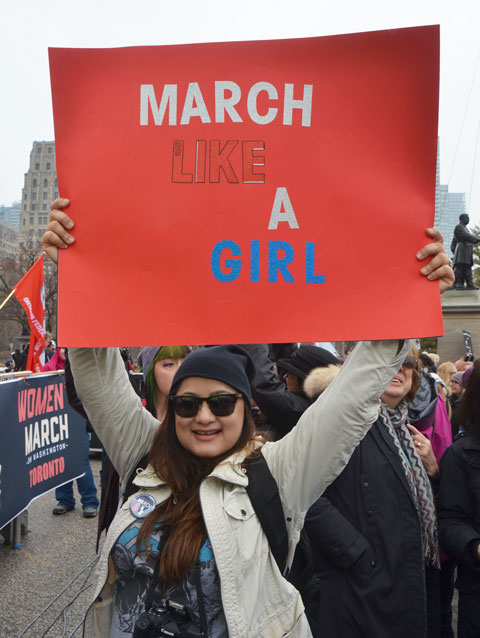
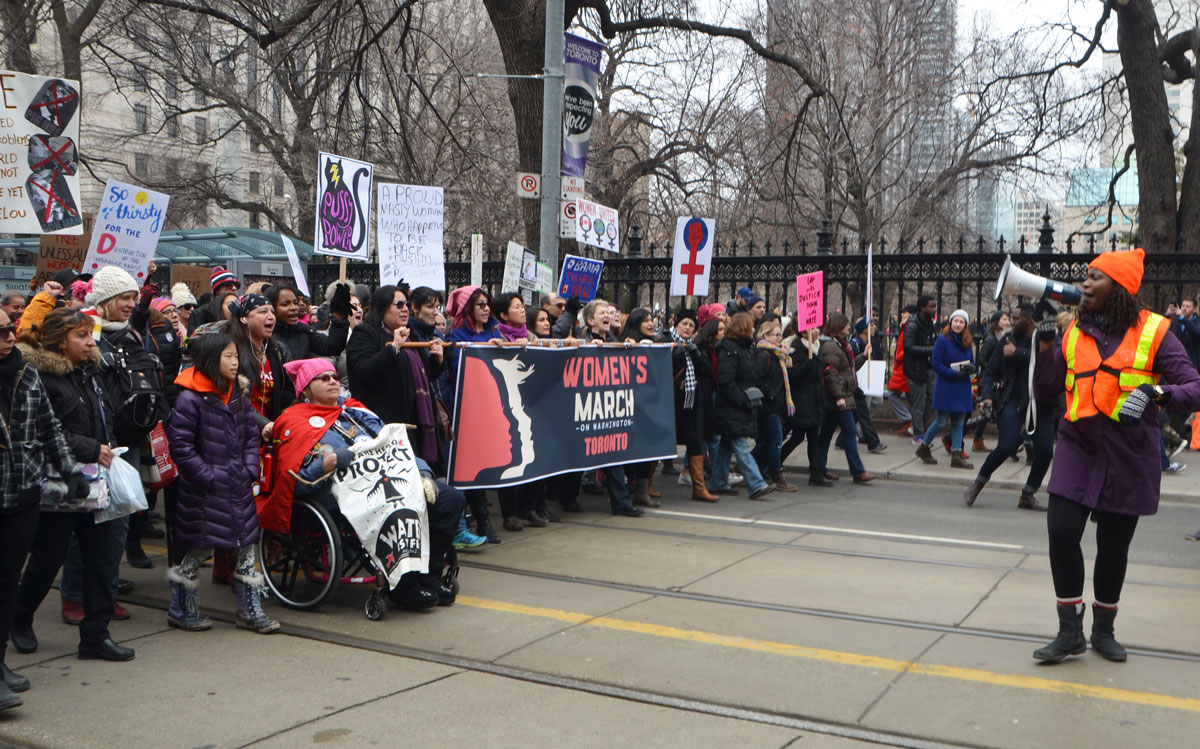
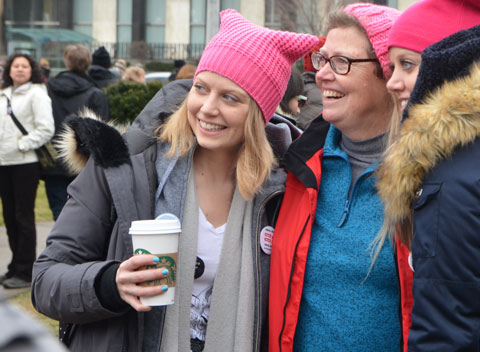
Thousands of people (50,000?), men, women and children, rallied at Queens Park and then marched down University Avenue past the American Embassy this afternoon. This was the Womens March in Toronto, a march in response to Donald Trump’s inauguration as President of the United States. It coincided with similar events in Washington, most major cities in North America, and other cities around the world. The Toronto marchers ended their walk at Nathan Phillips Square. It was a peaceful, positive event.
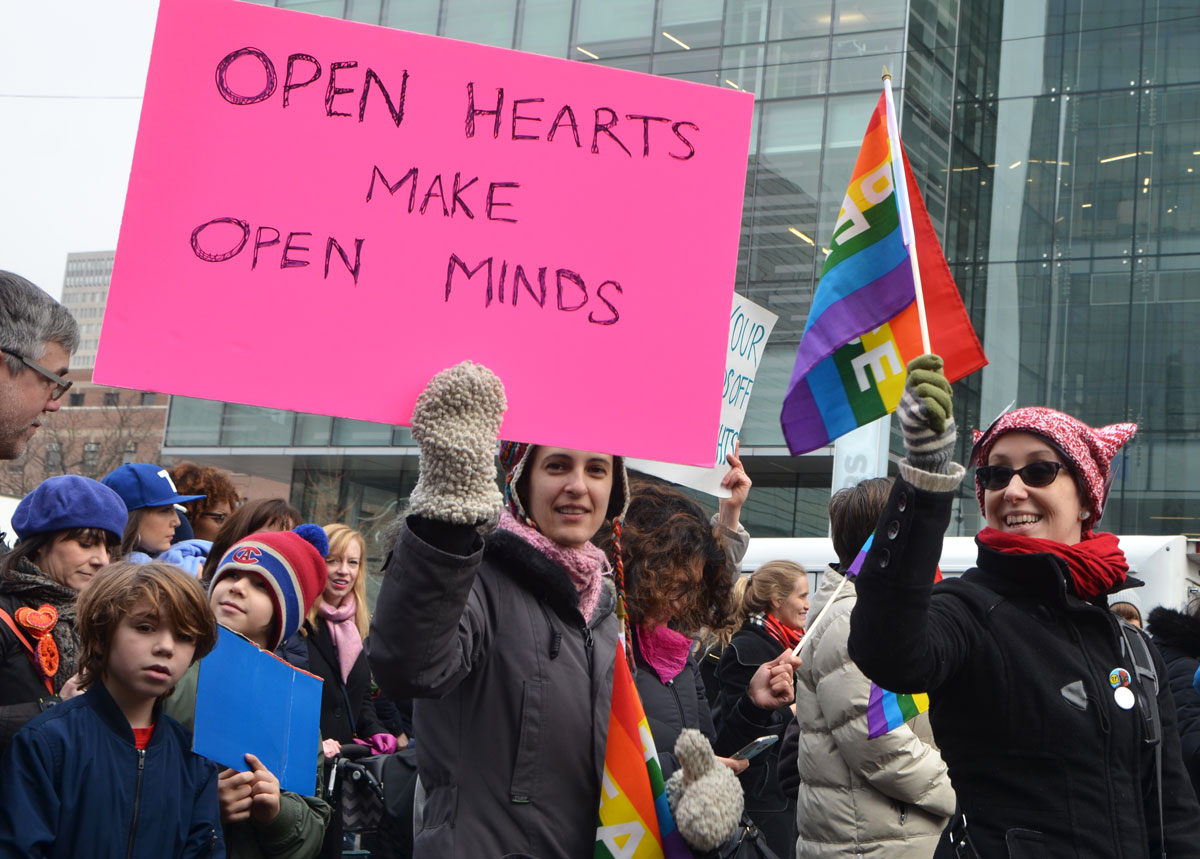

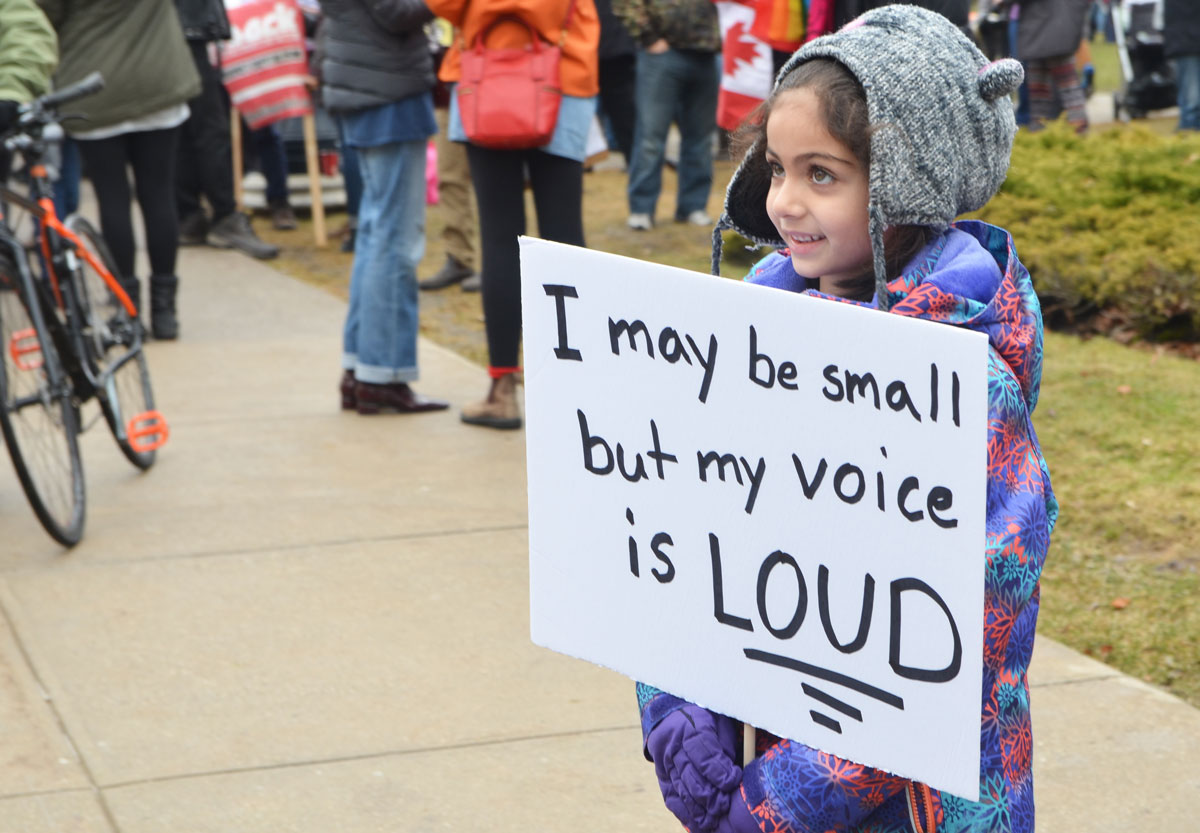
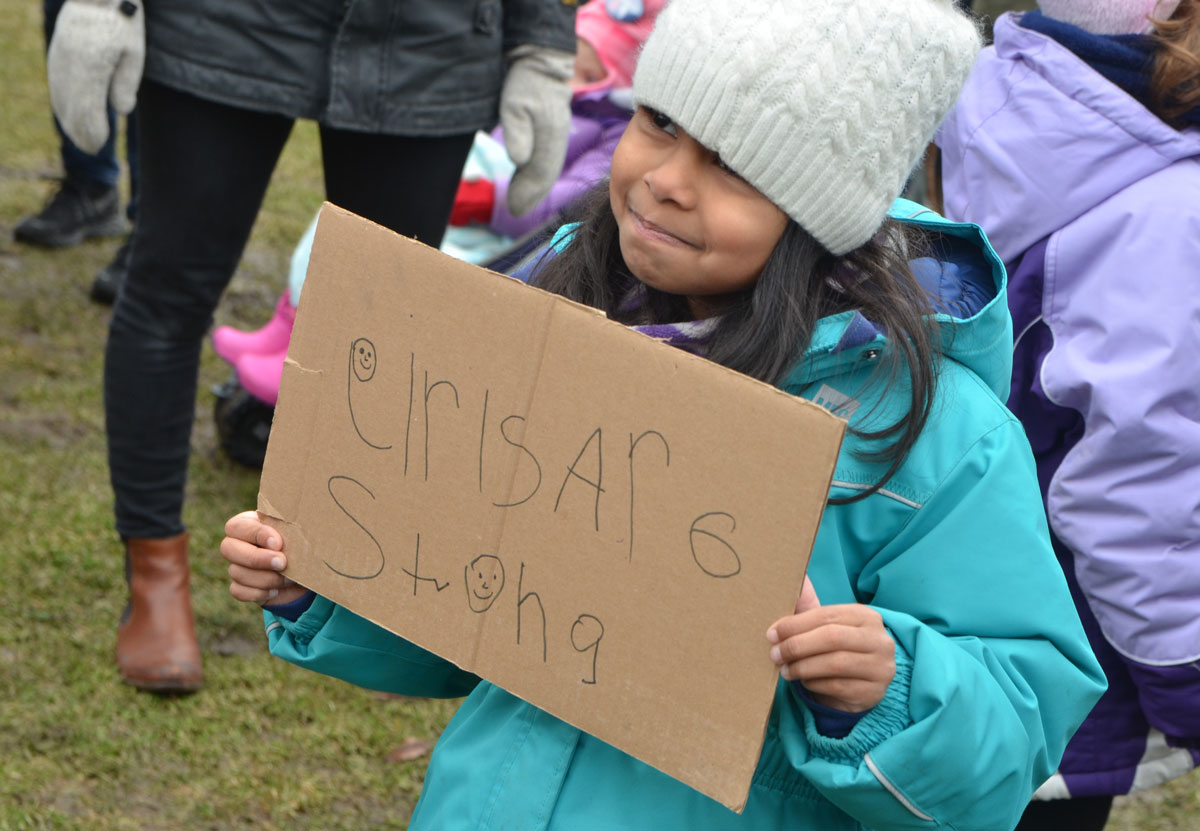
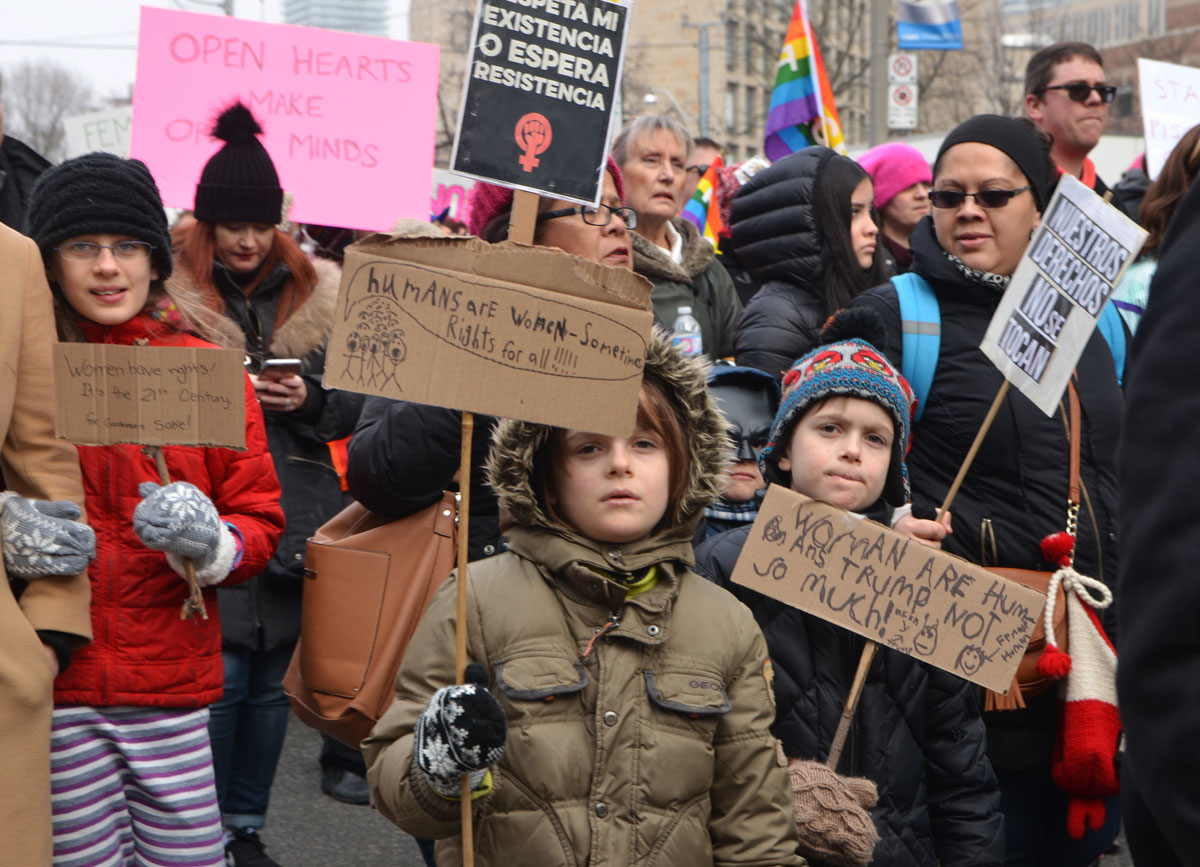
It was also a family event. There were a lot of kids walking with their parents (or being pushed in strollers). Many of the kids had made their own signs to carry.
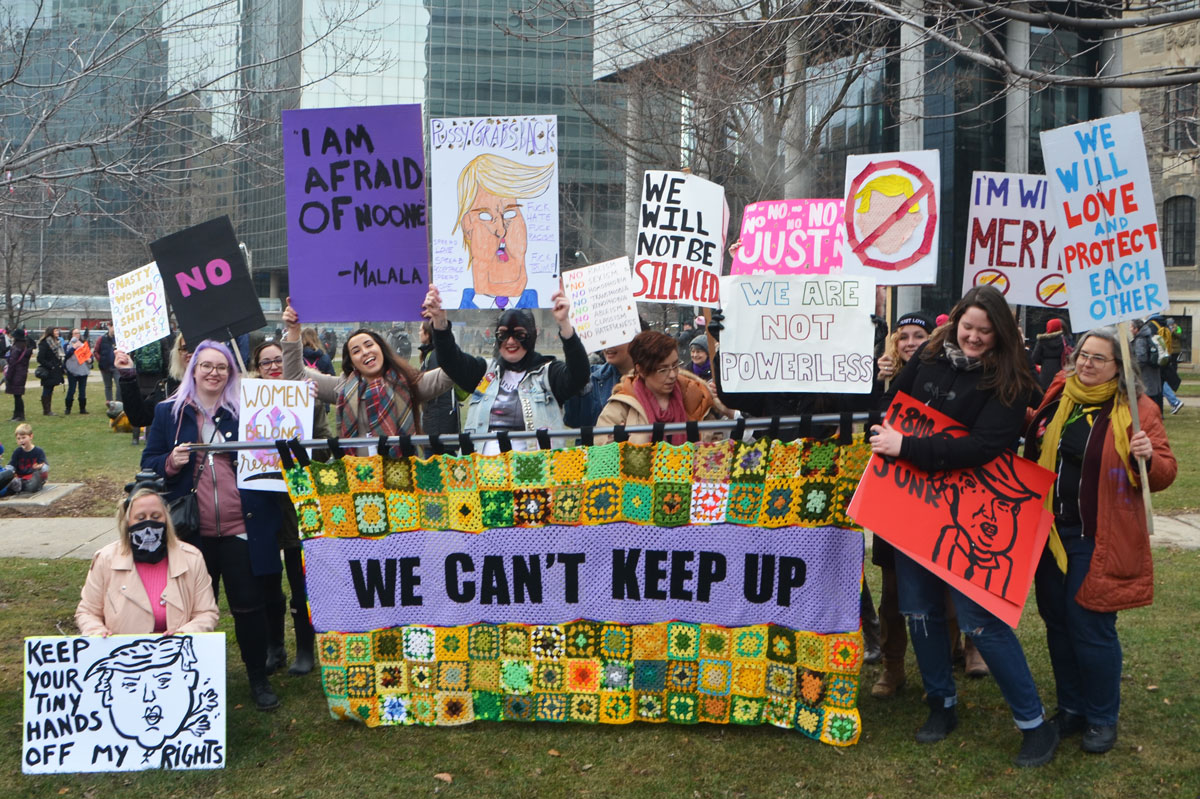
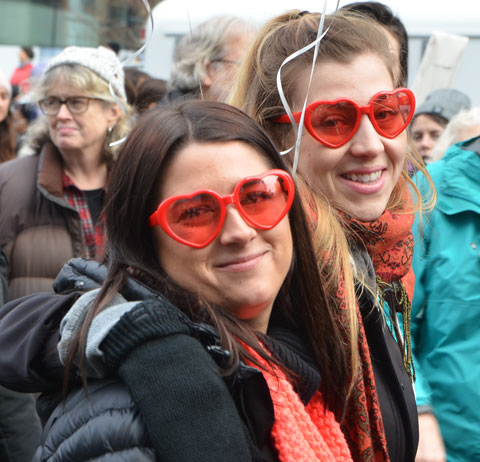
There were also many people that came as groups, whether as groups of friends or groups united in a cause.
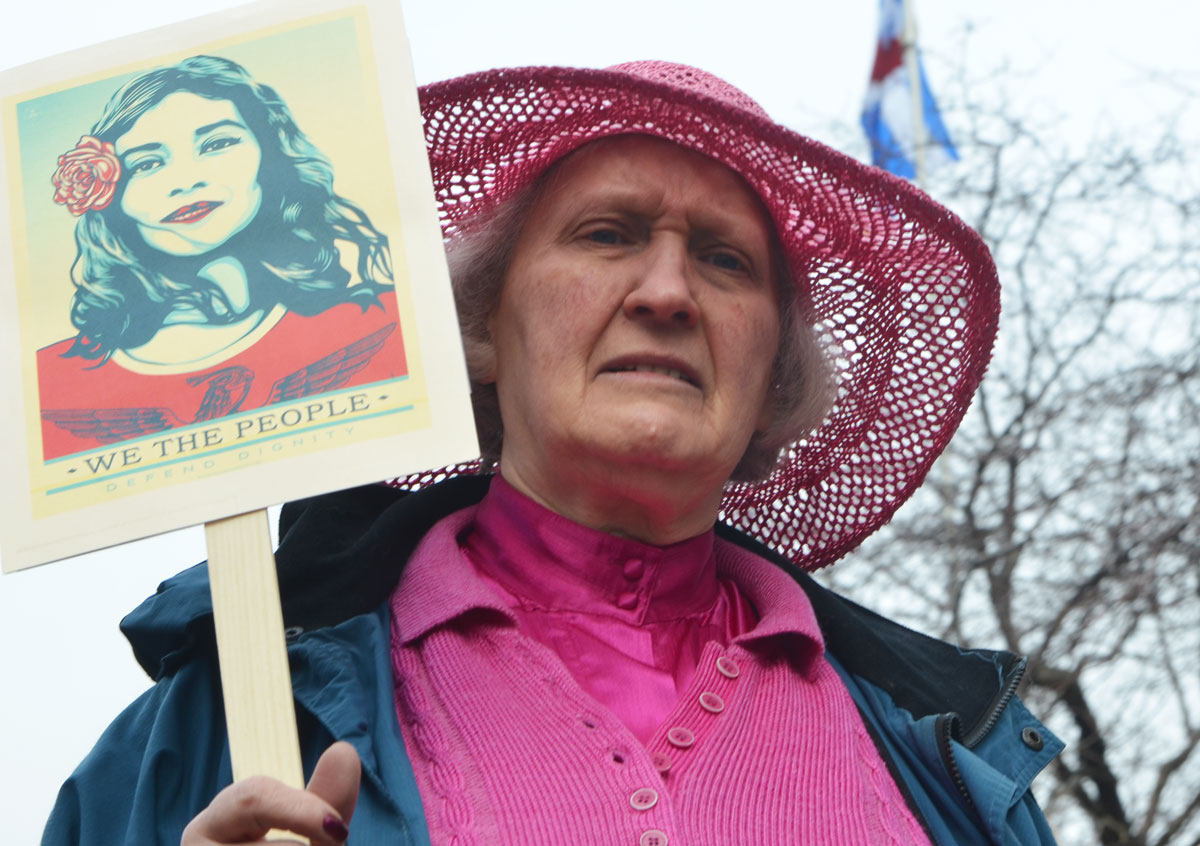
There were a few signs using the “We The People” designs by Shepard Fairey.


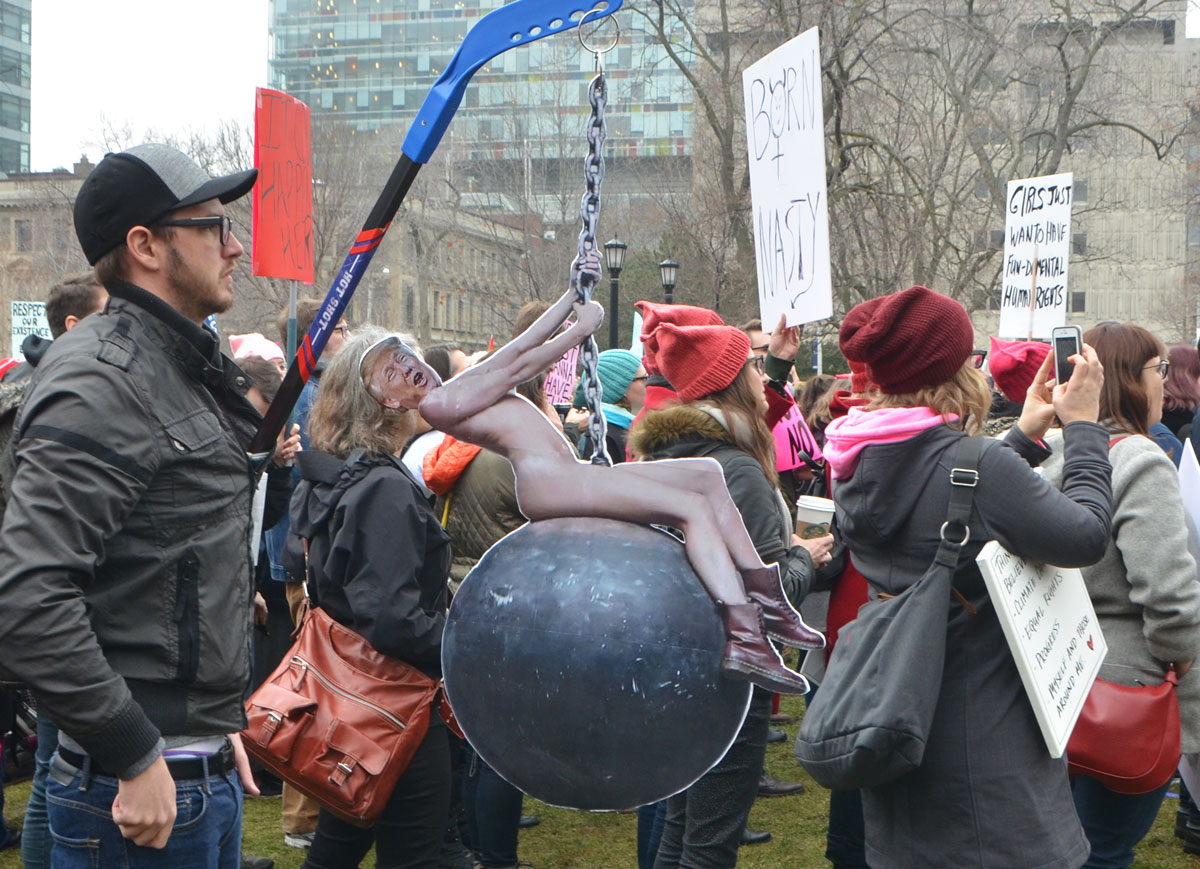
Donald Trump swings happily on a wrecking ball.
I march for equality and peace.
I’d rather have a queen than a trump.

There were lots of references to nasty women!

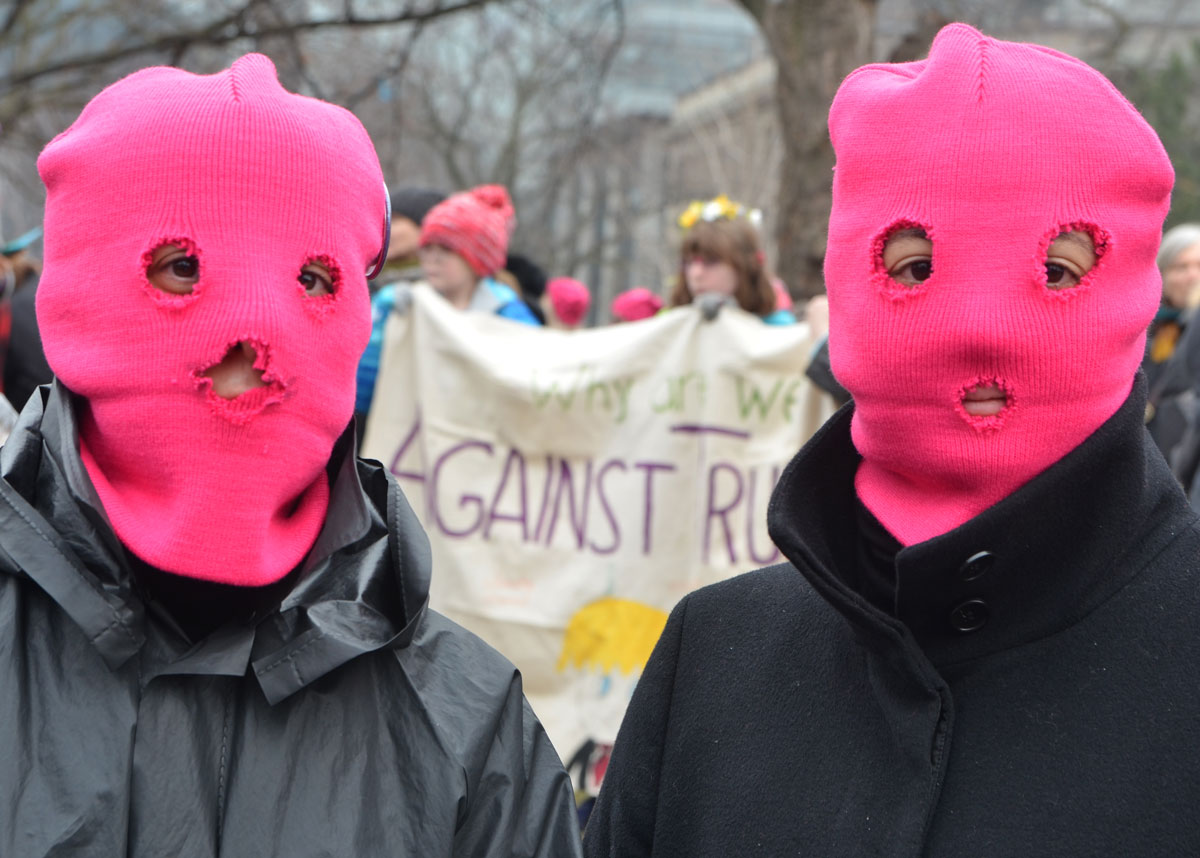
Many people wore pink hats. These mysterious two took it a step further, pink balaclavas.
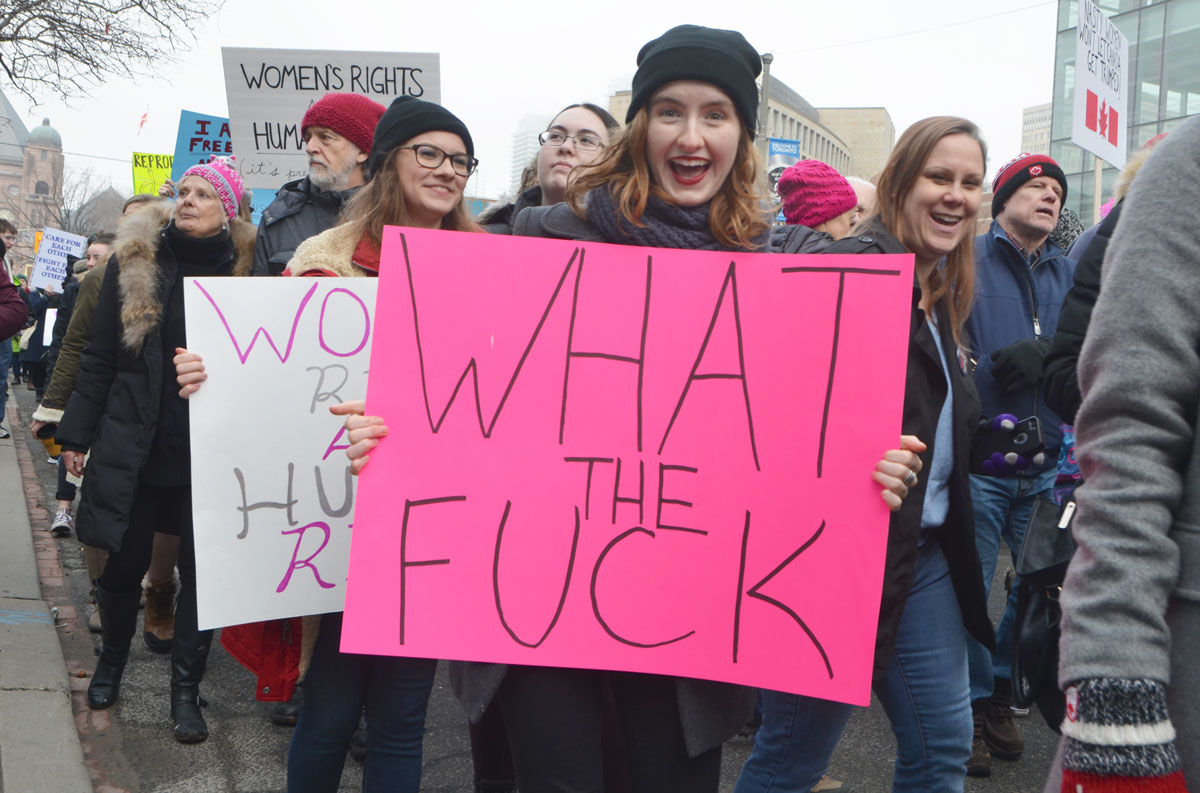


Love not fear, and a pink hard hat too!




Free Melania | #freemelania


girls are strong
Women have rights and we’re gonna use them! … with rainbows.

A loud hear us roar!


Donald Trump was at the march too, even if only in effigy.

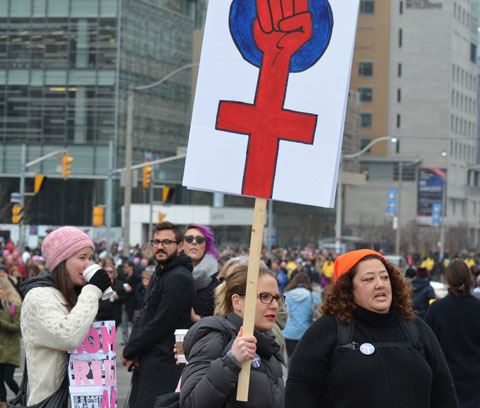


The march stopped for a few minutes when it reached Queen Street. There was much traffic confusion and chaos (and honking of horns) at the intersection of Queen and University until the police closed all traffic on Queen Street.

Orange? No. I’m peach. Great play on words.

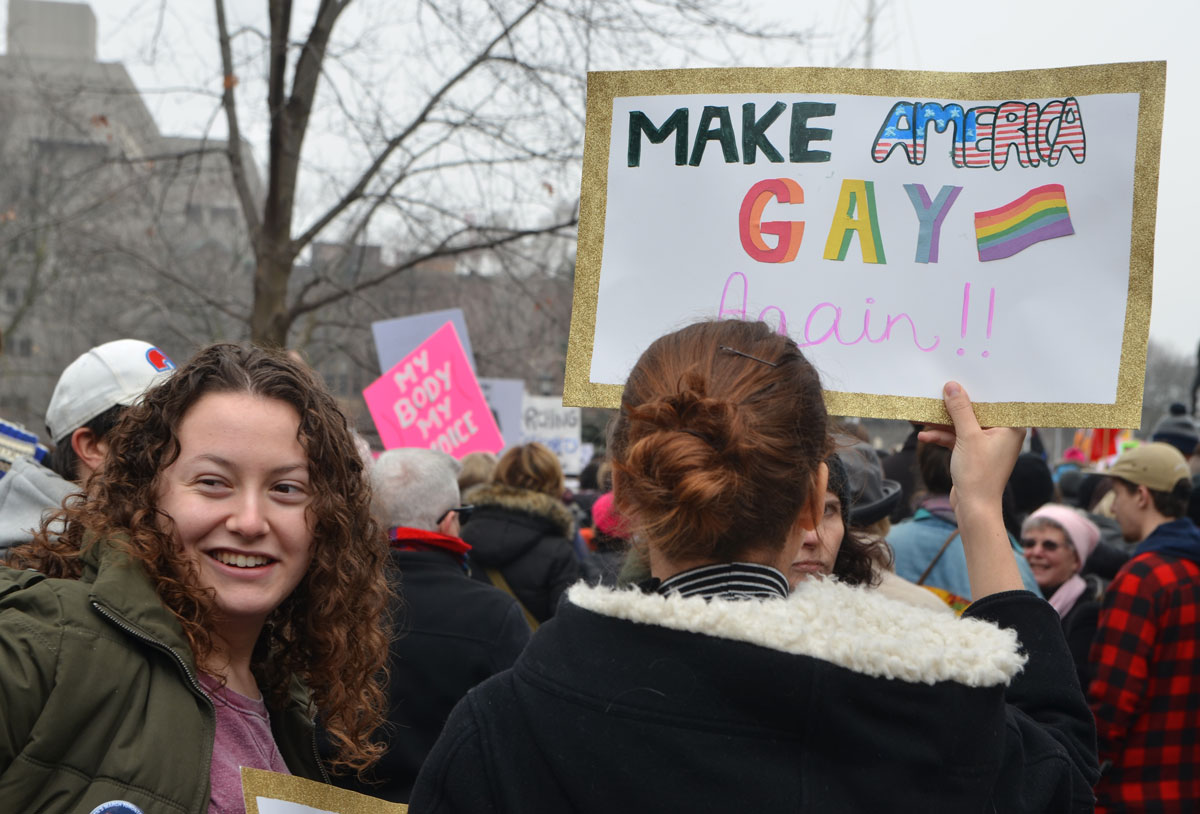
Make America gay again!!
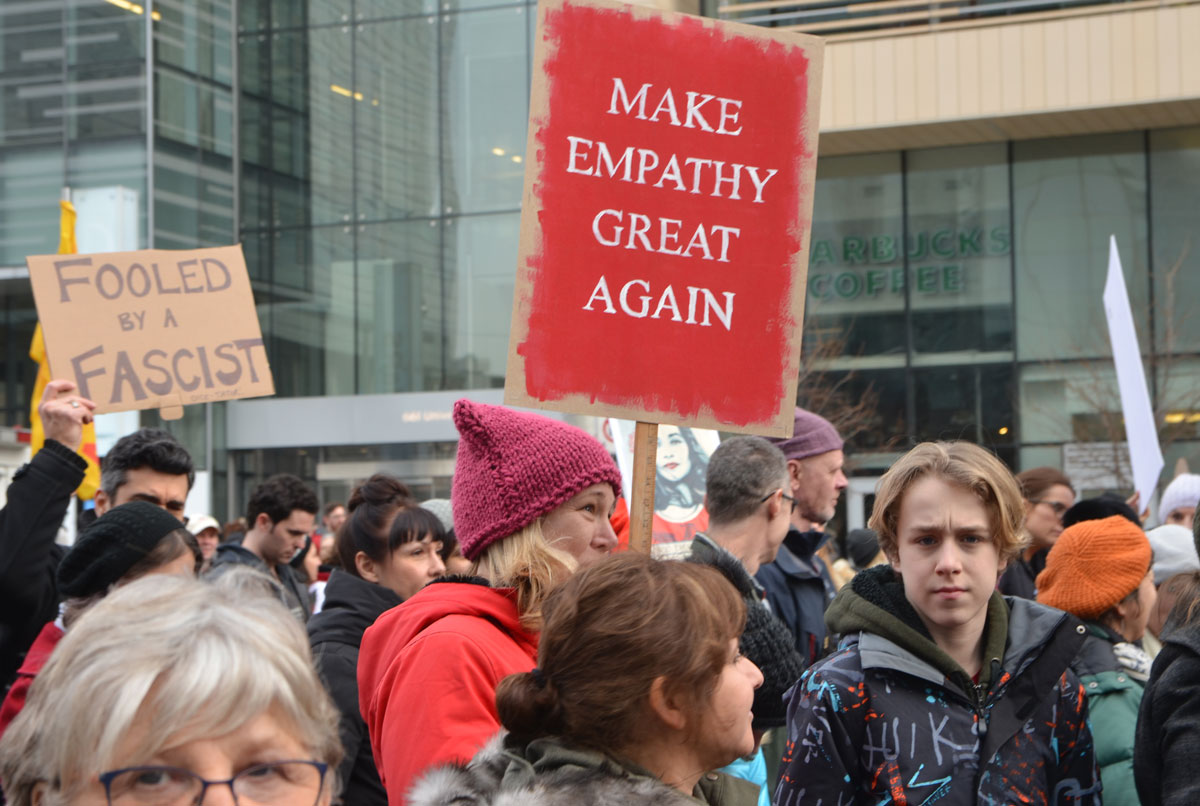
And that’s only part of the crowd at Nathan Phillips Square!


“Babies against Trump. We don’t like it when people call Trump a baby – we act better than him.”


Women’s rights are human rights.

#whyImarch | #womensmarch | #nastywoman | #lovetrumpshate | #noh8
You better watch out, you better not cry
Better not pout, I’m telling you why
Santa Claus is comin’ to town
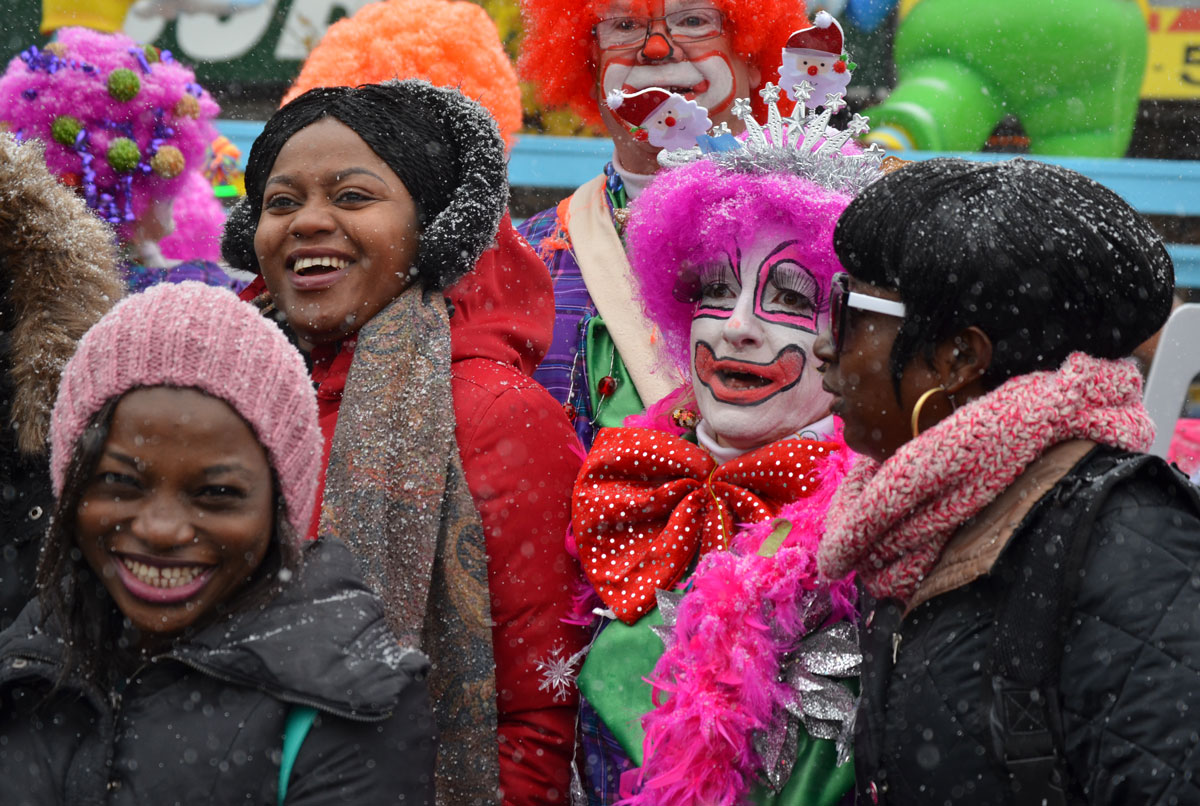
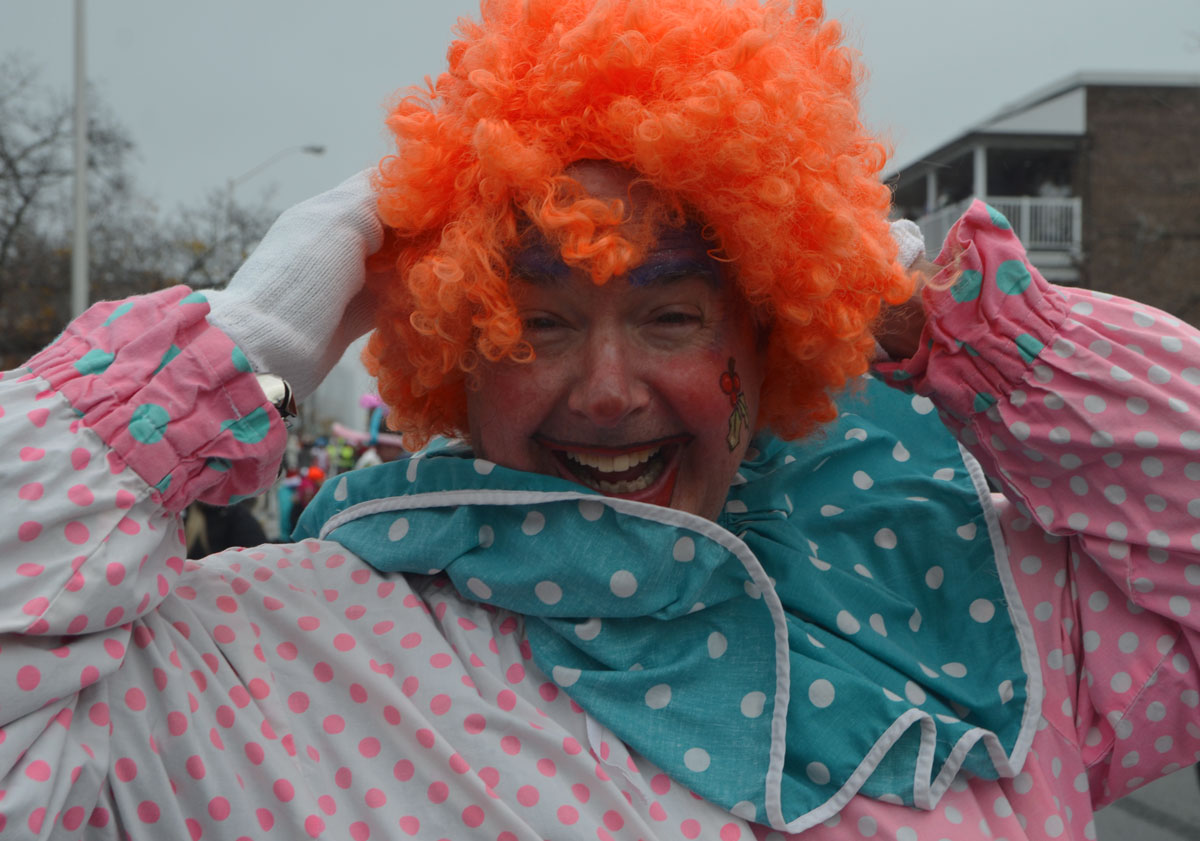
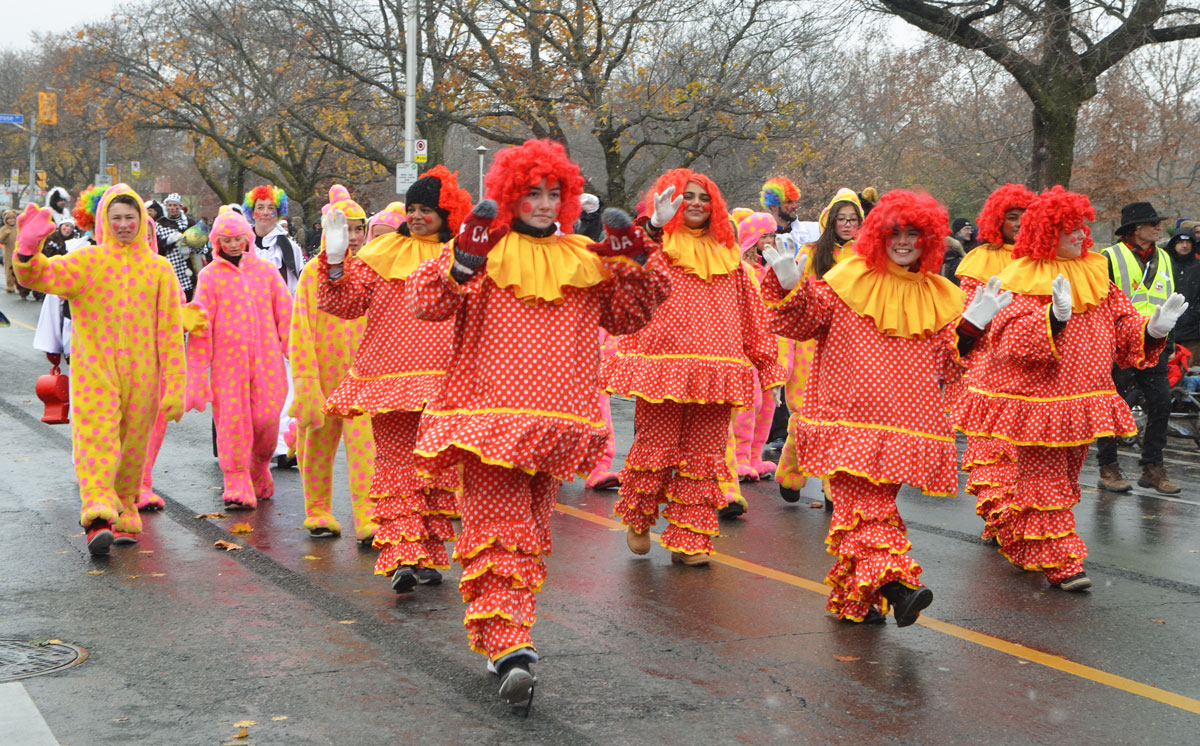
… and he arrived on Saturday amidst the gusty winds and light snow. Winter arrived on the same day!
Before the parade there was the Holly Jolly Fun Race, a 5 km race along the Santa Claus parade route.








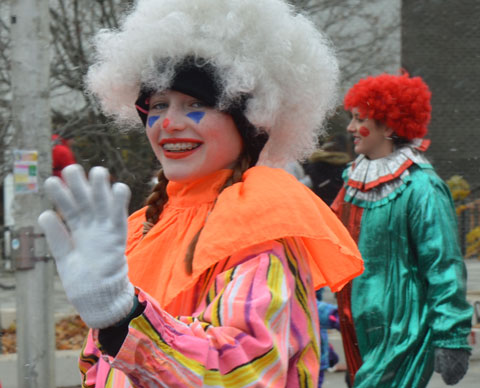
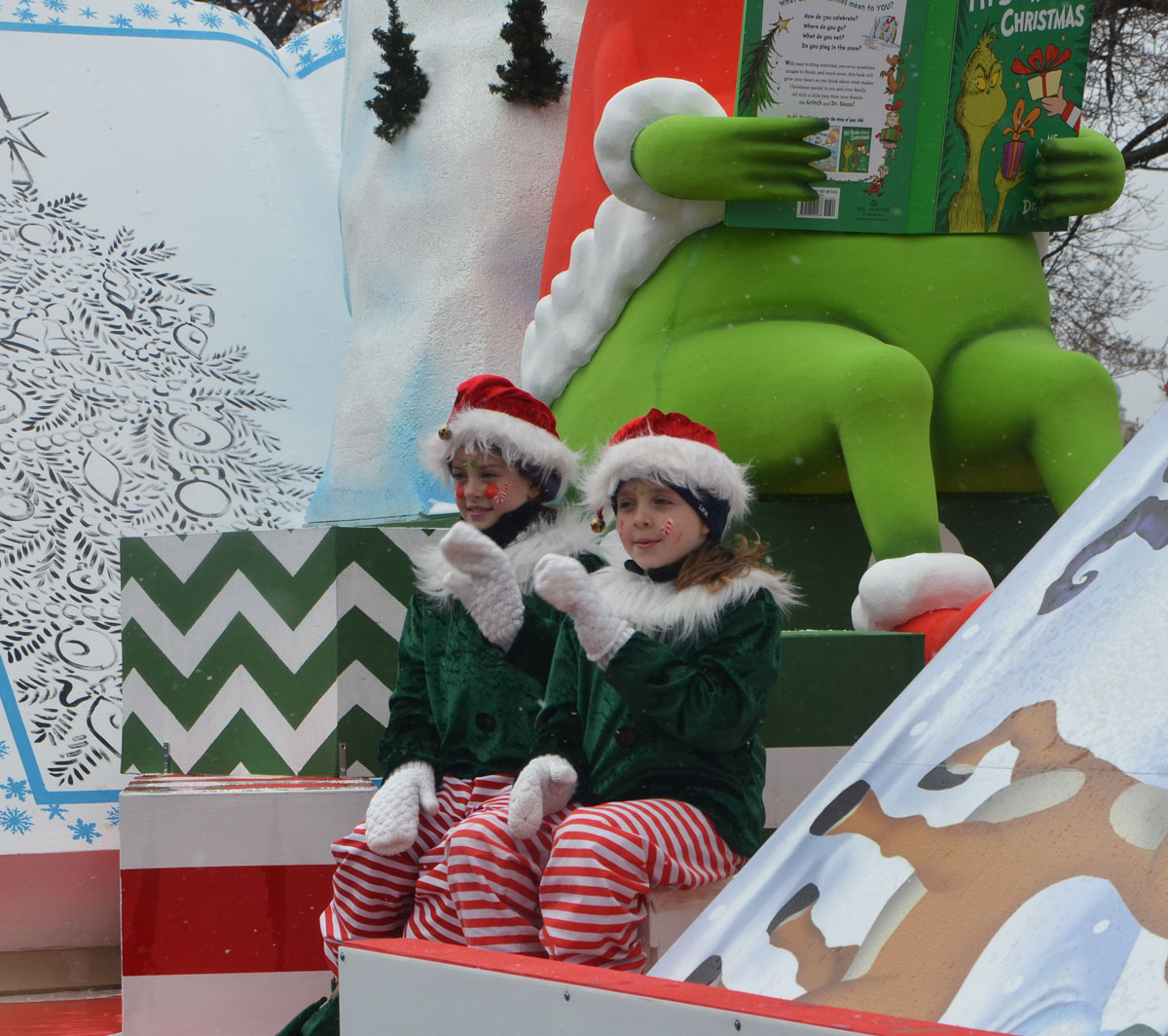

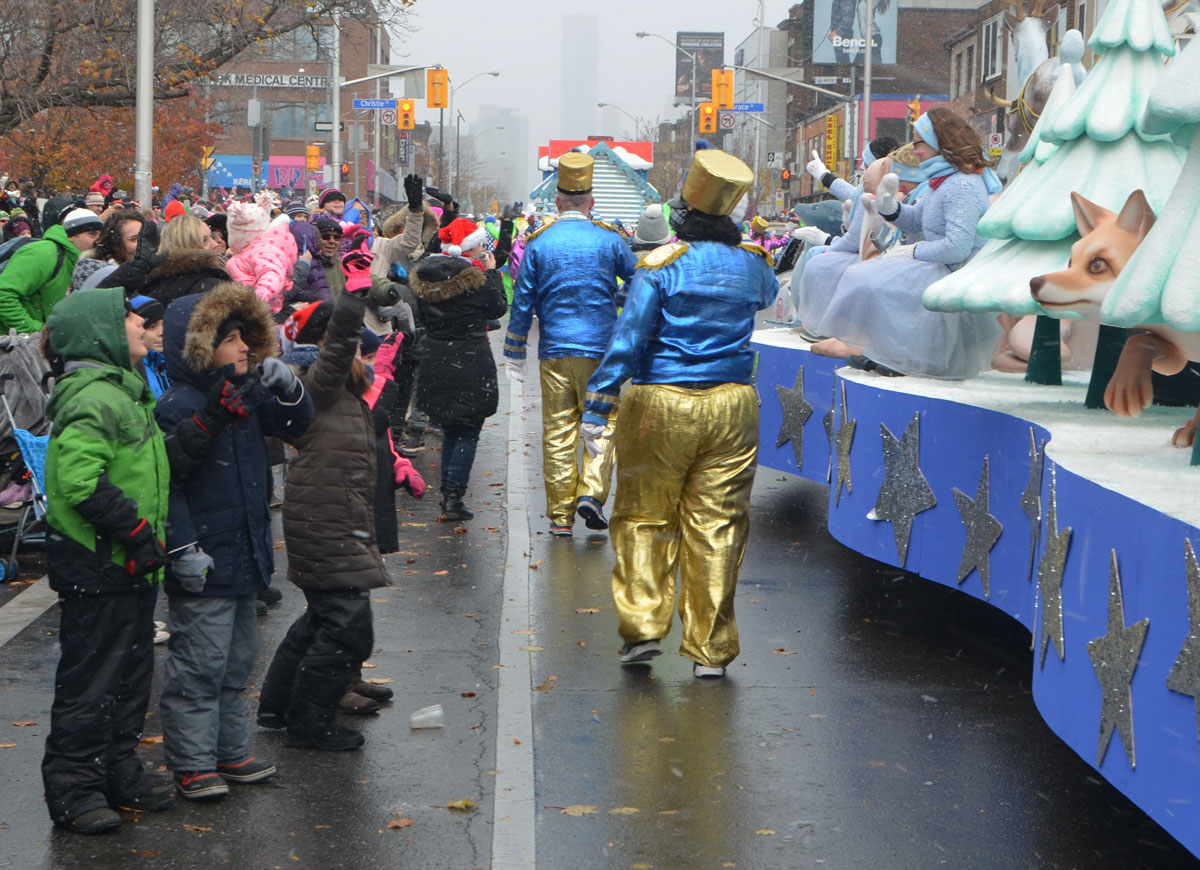

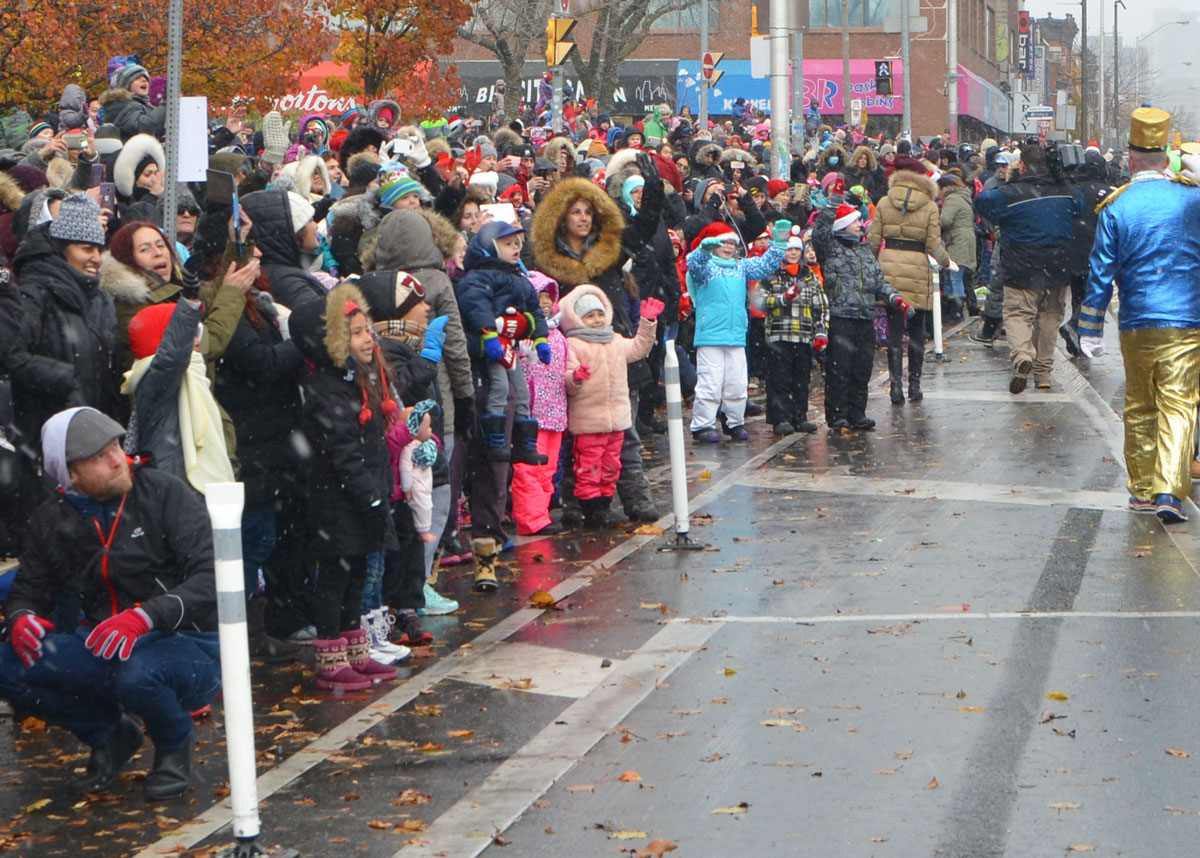

#TOsanta | #TOsantaparade
I first blogged about the murals and street art in Underpass Park last summer after the pillars and bents on the east side of Lower River Street (at the skate park) were painted. The newest paintings are on the west side of the street.
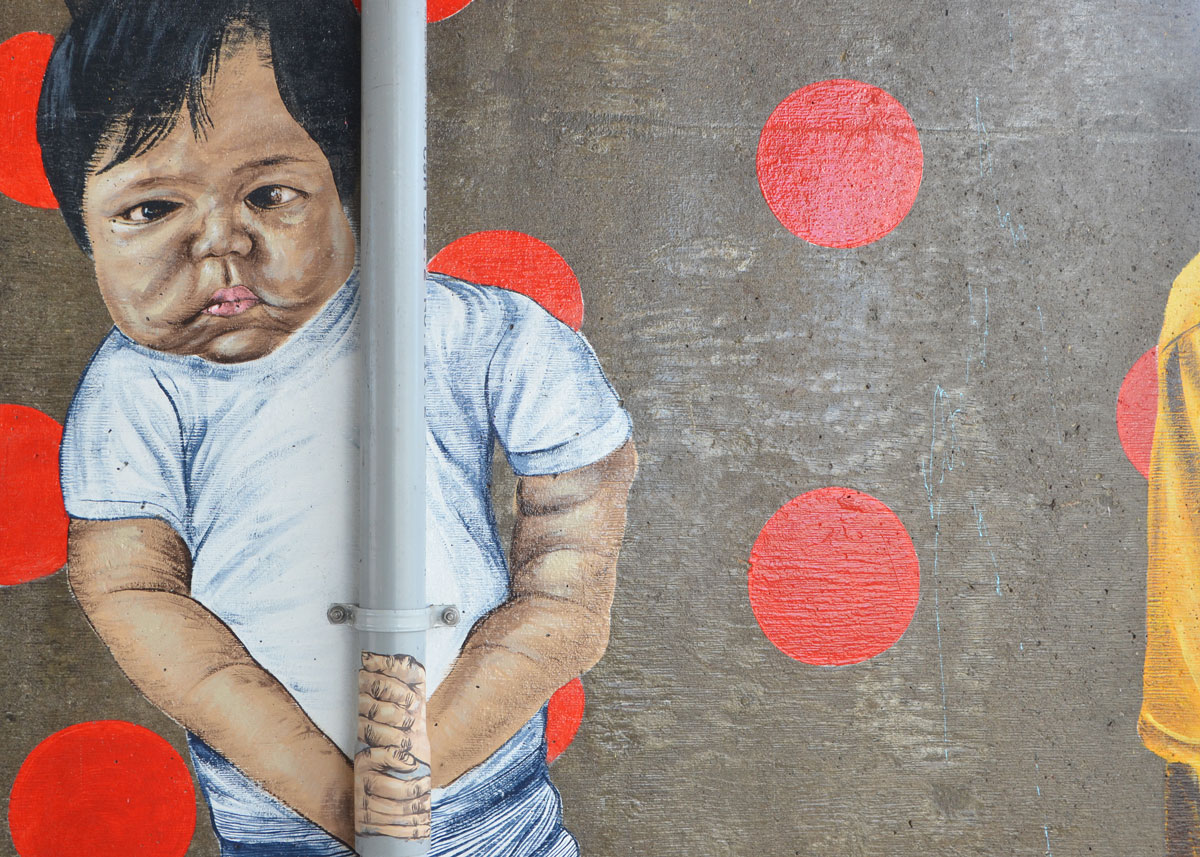
Street artists Troy Lovegates and Labrona are in the midst of painting 16 portraits of 16 east end residents – one on each face of four pillars that help support the Eastern/Adelaide/Richmond overpass.
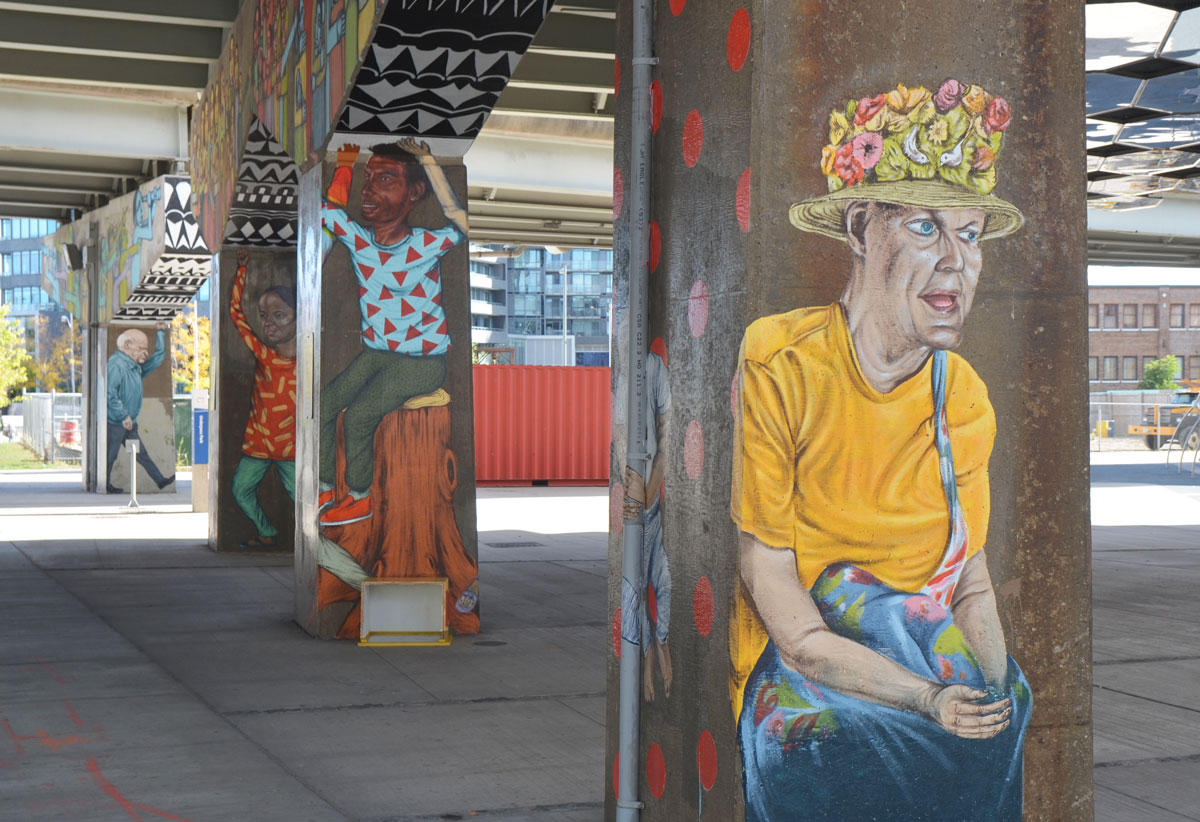

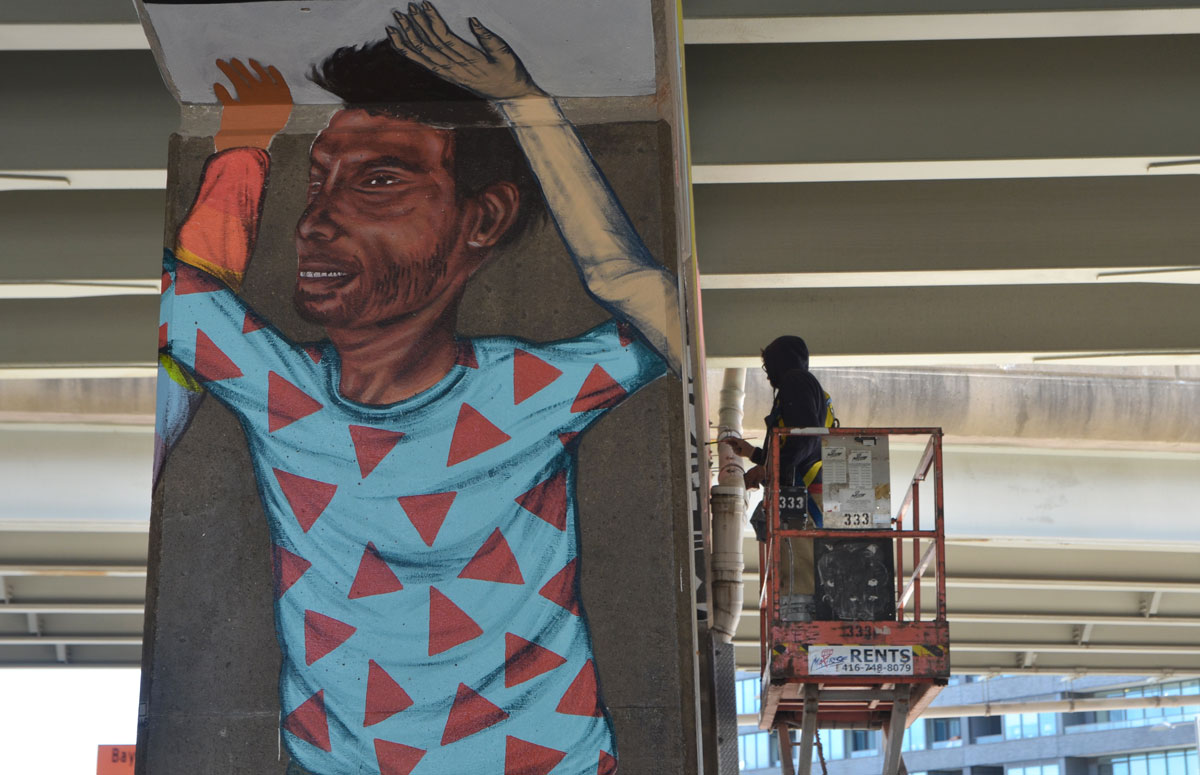

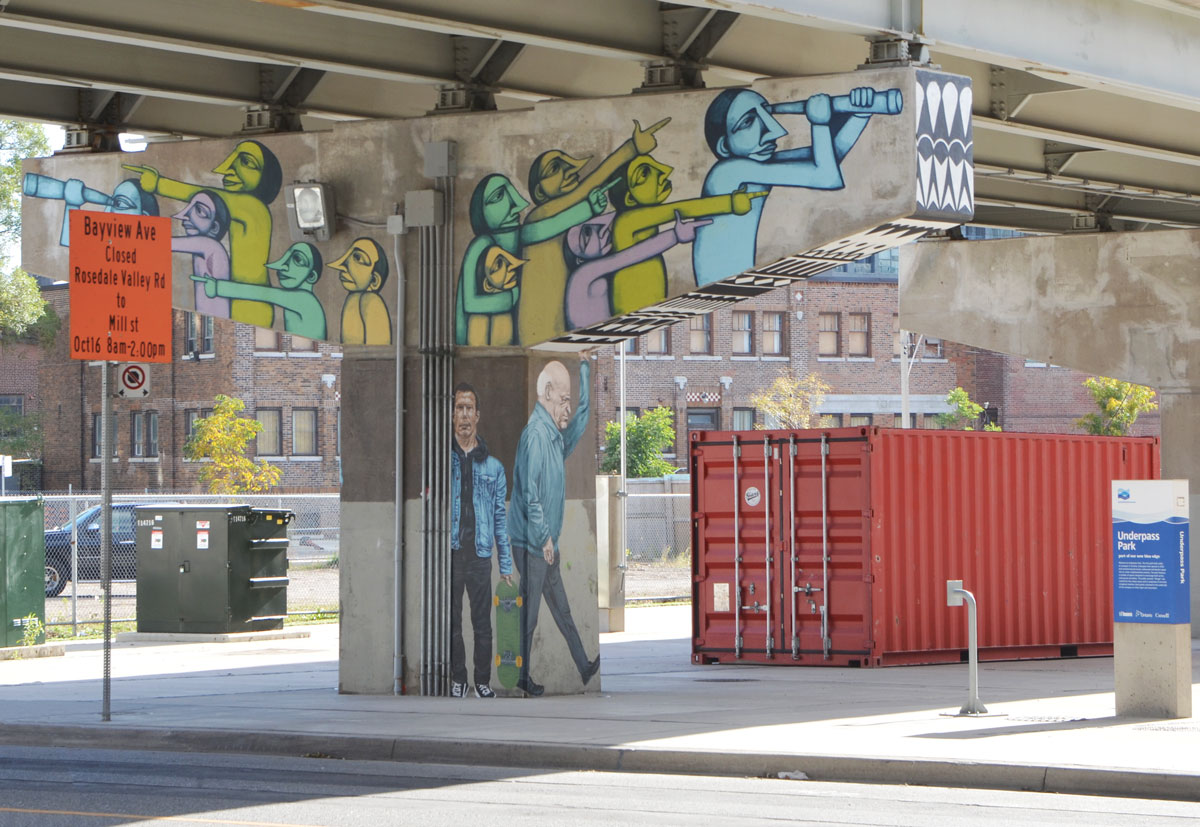
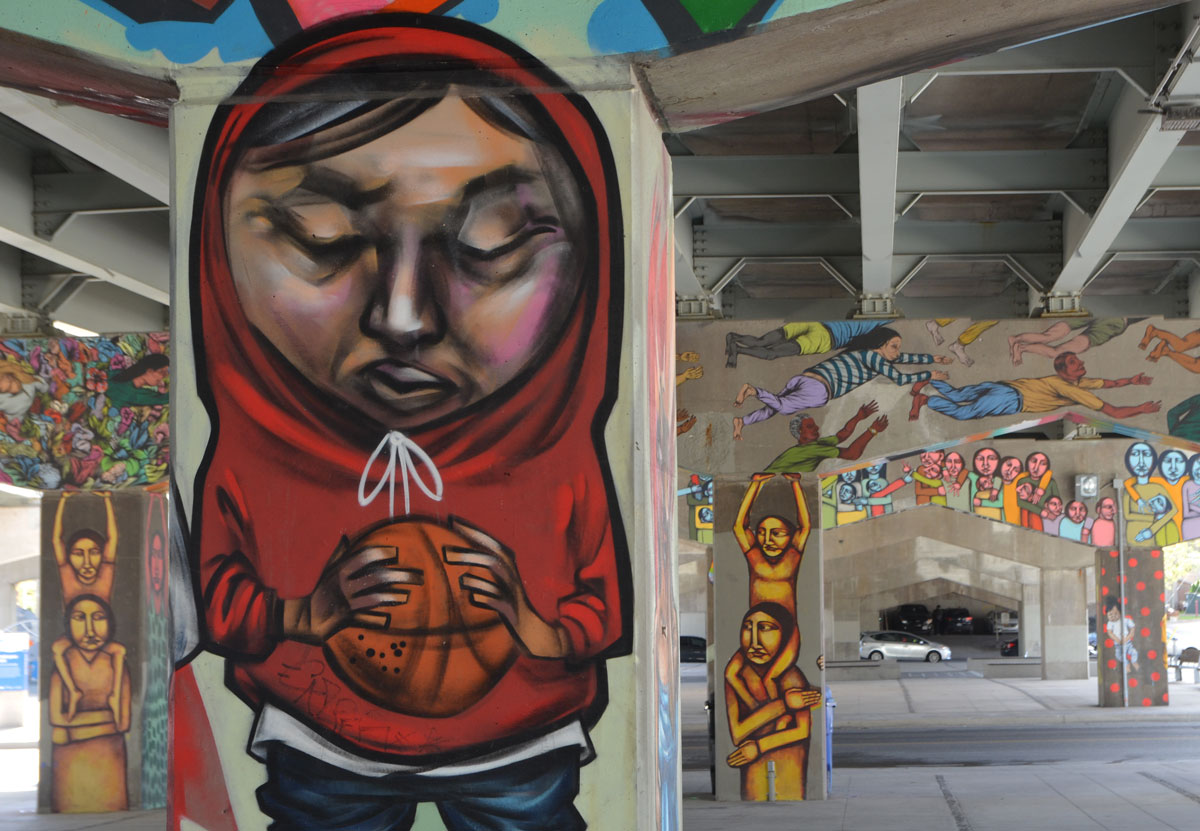
The pillars on the east side of Lower River street were painted as part of the Pan Am Path and were completed before the Pan Am Games started last summer.
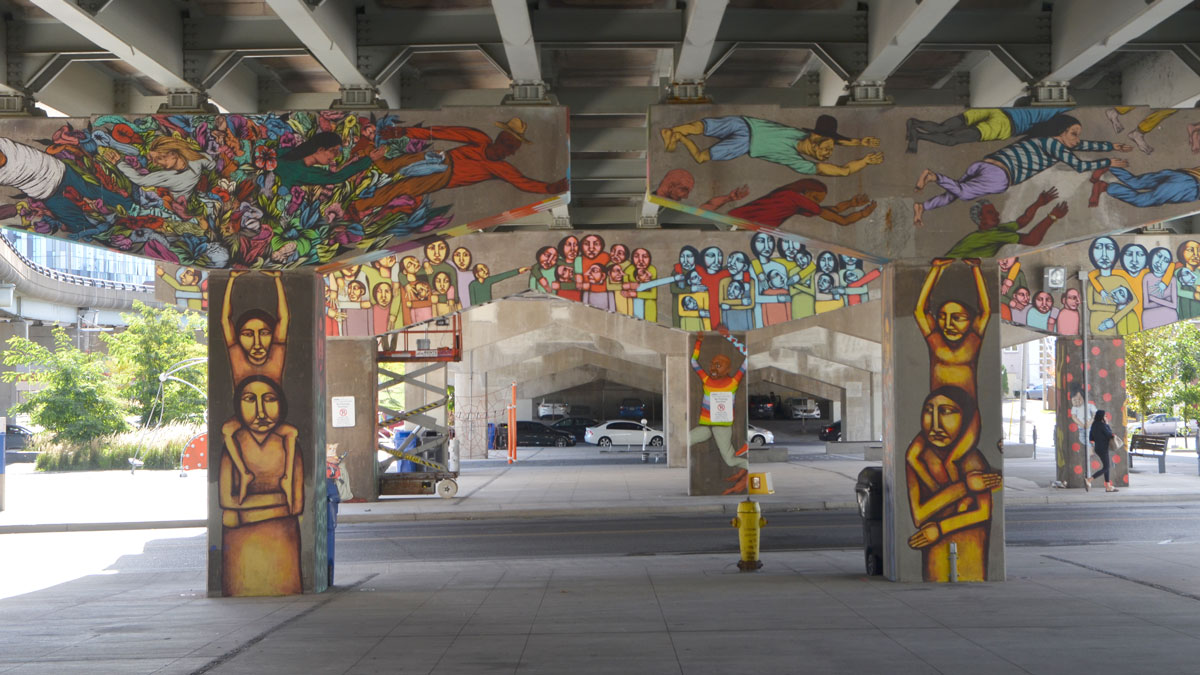
below: From inside the skate park, looking westward. Lots of people!
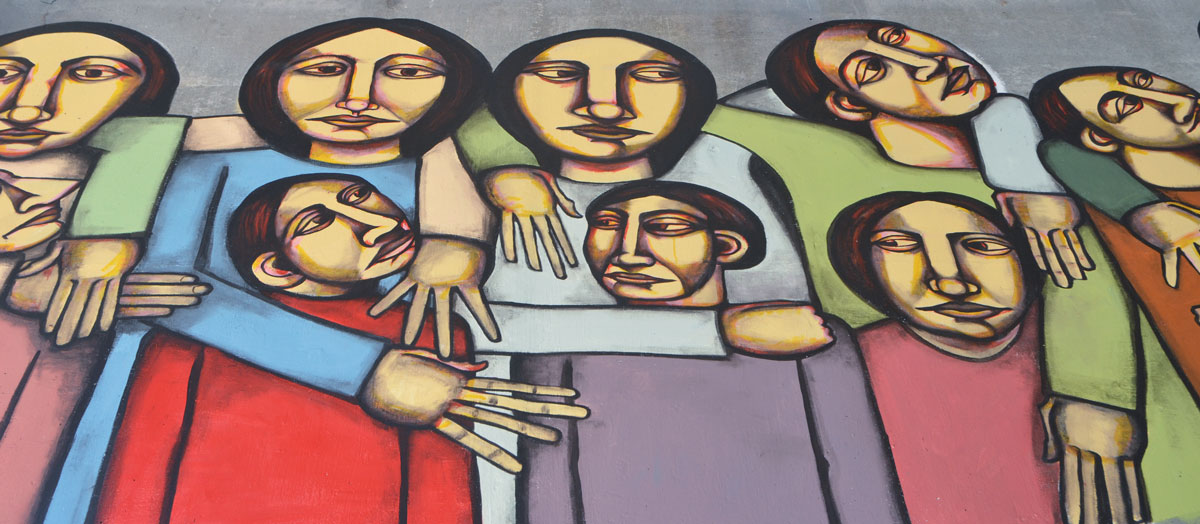
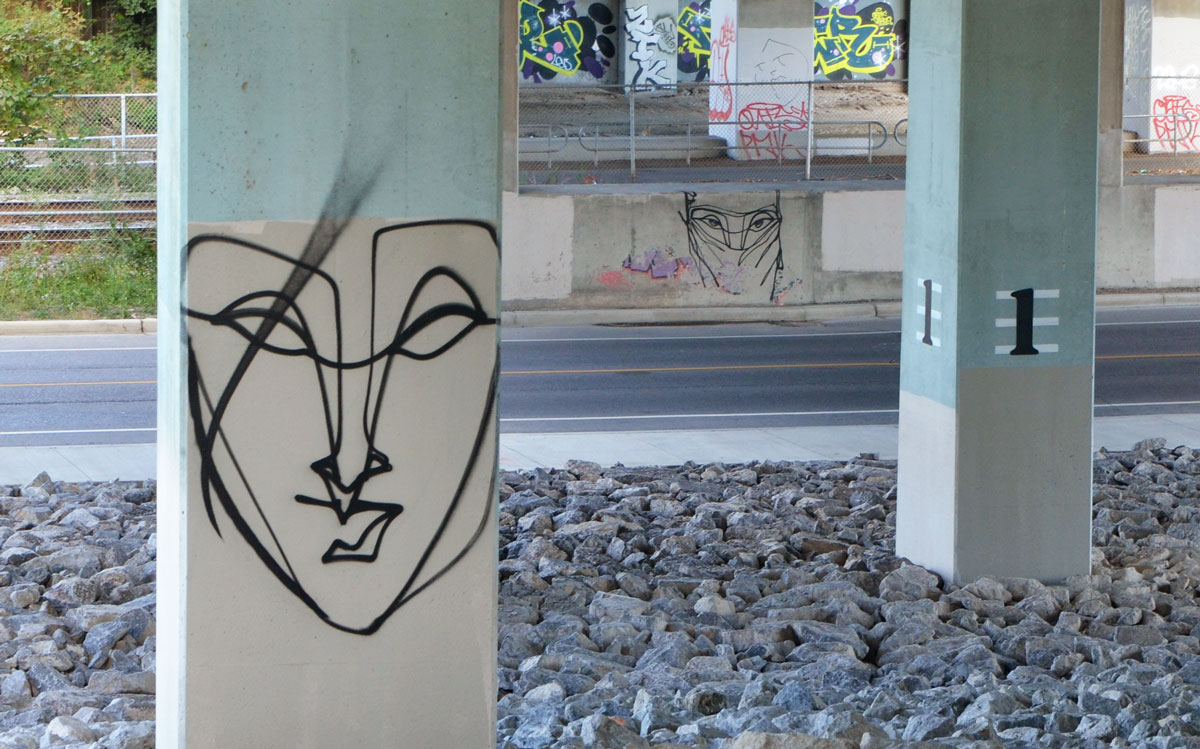
below: Looking beyond the park and out over Bayview Avenue, train tracks, and the Don River. Two faces by anser.
The murals on the pillars in the park are part of the StreetARToronto initiative.
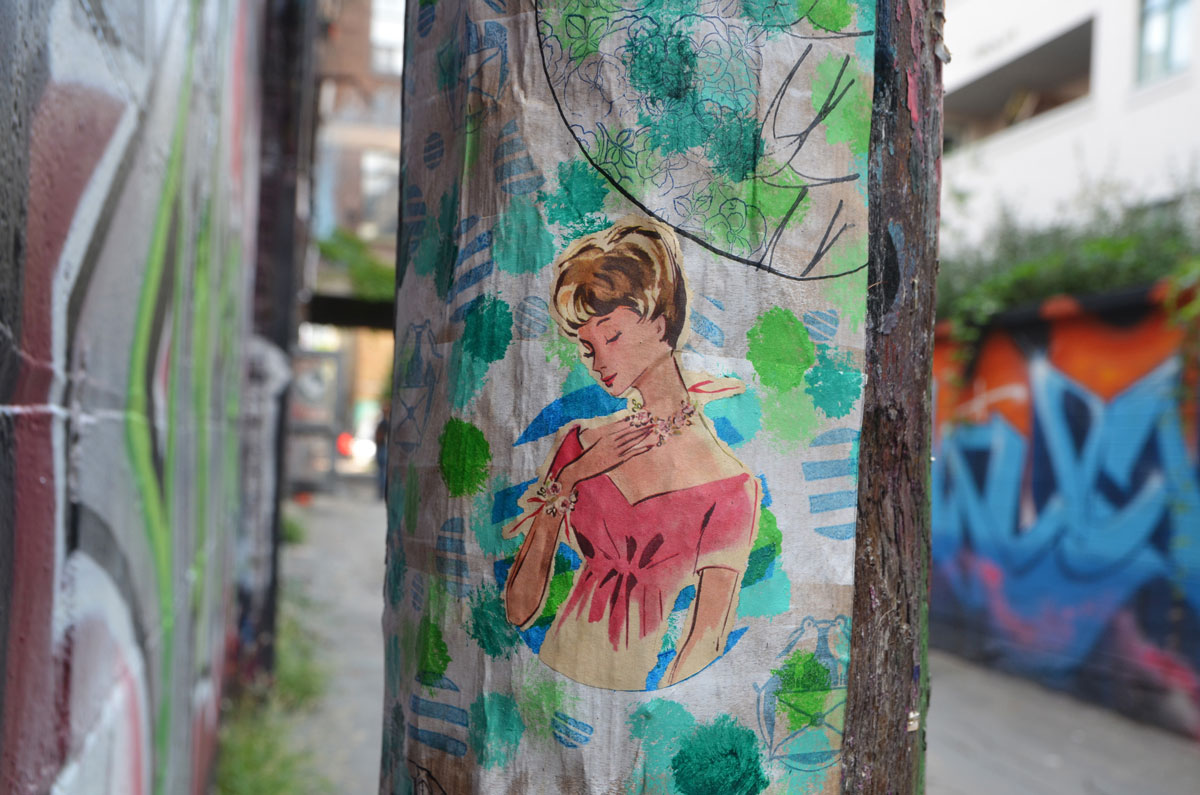
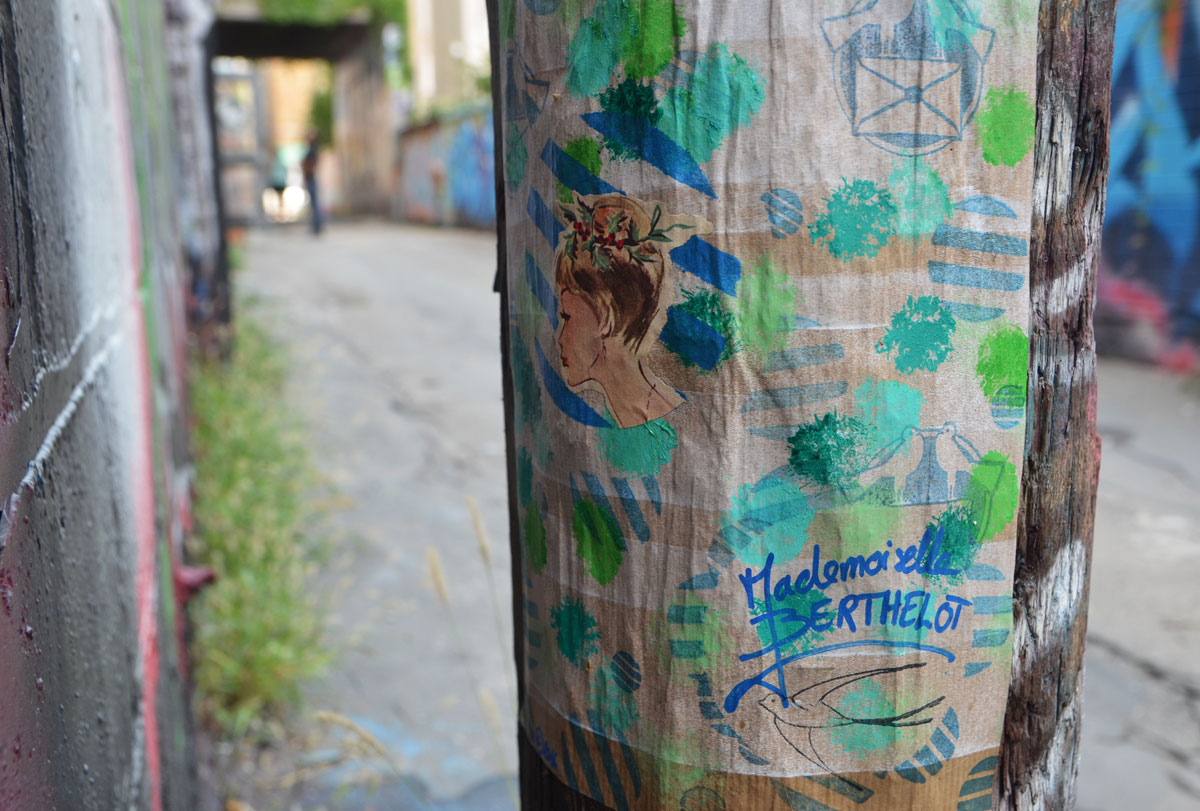
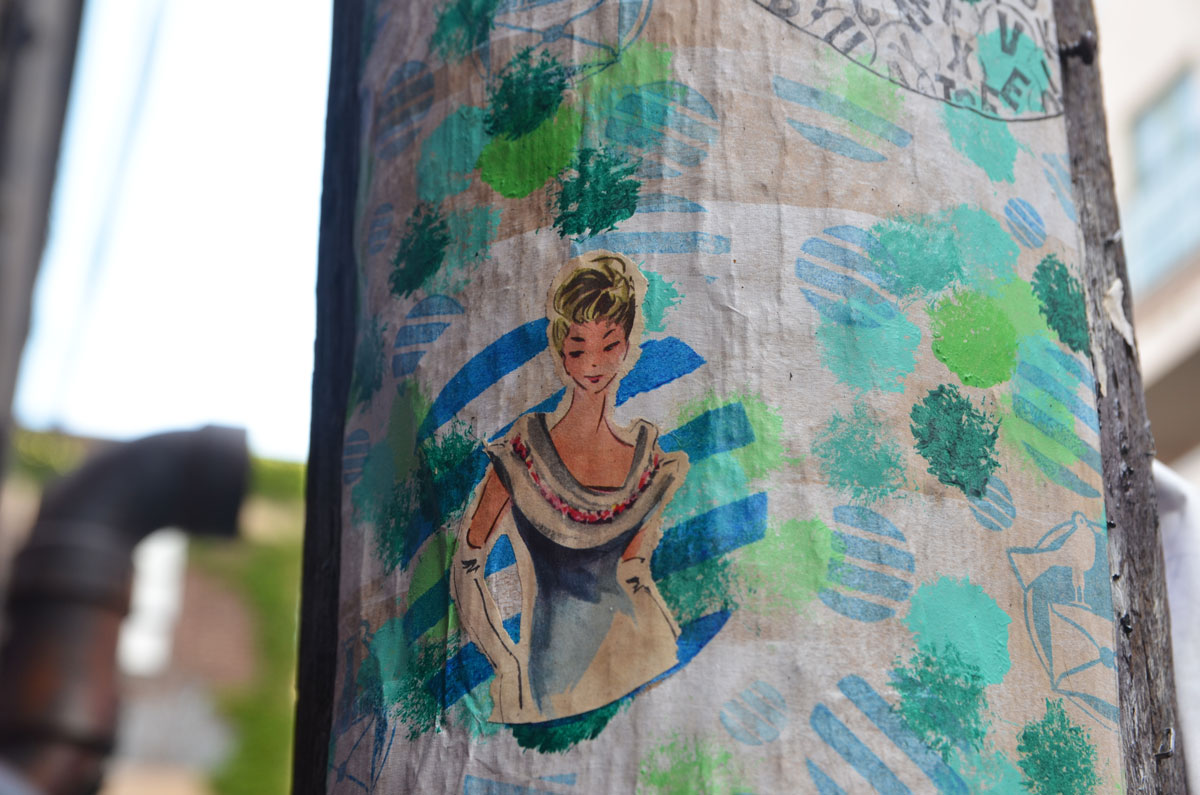
On a hydro pole in Graffiti Alley, facing more to the nearest wall than to the alley, I discovered an intriguing collage. It was made of a series of pictures, old-style coloured pictures of women who look like they’d be more comfortable in the 1940’s and 1950’s….they’re straight out of vintage magazines.
below: A signature on the bottom of the artwork, Mademoiselle Berthelot. She’s a street artist from Paris who recently left her mark in Toronto.
Stylish women, like this one with long white gloves, surrounded by circles (bubbles?). Circles made with splotches of paint and blue striped circles made with rubber stamps.
If you look closely, there are pairs of birds sitting together on top of sealed envelopes.
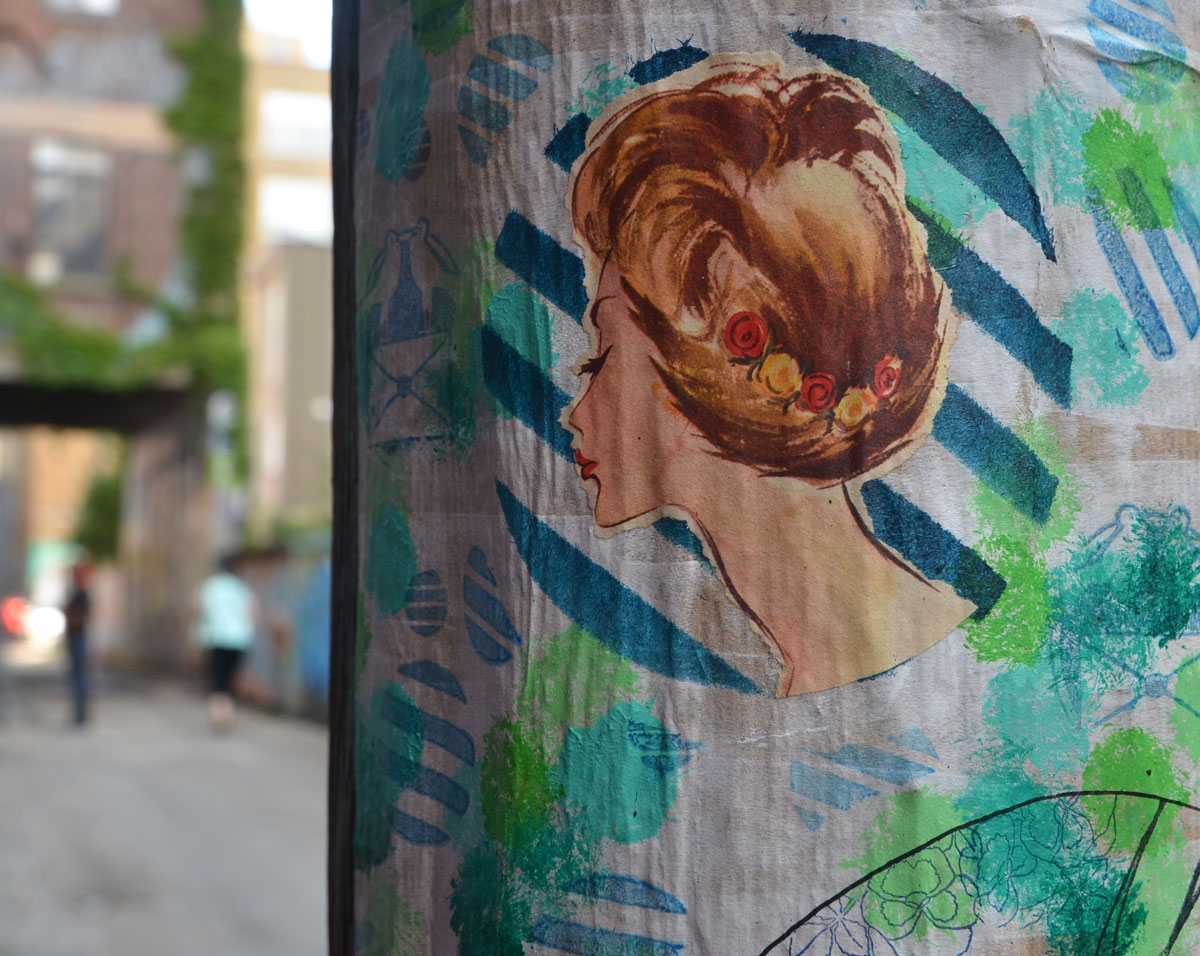

So far, this is the only piece I’ve seen by Mademoiselle Berthelot. Are there more in Toronto?
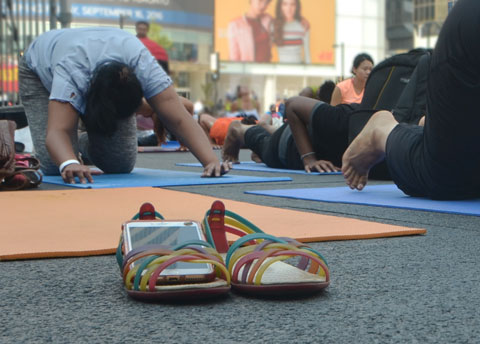
5th annual yogathon at Yonge Dundas Square
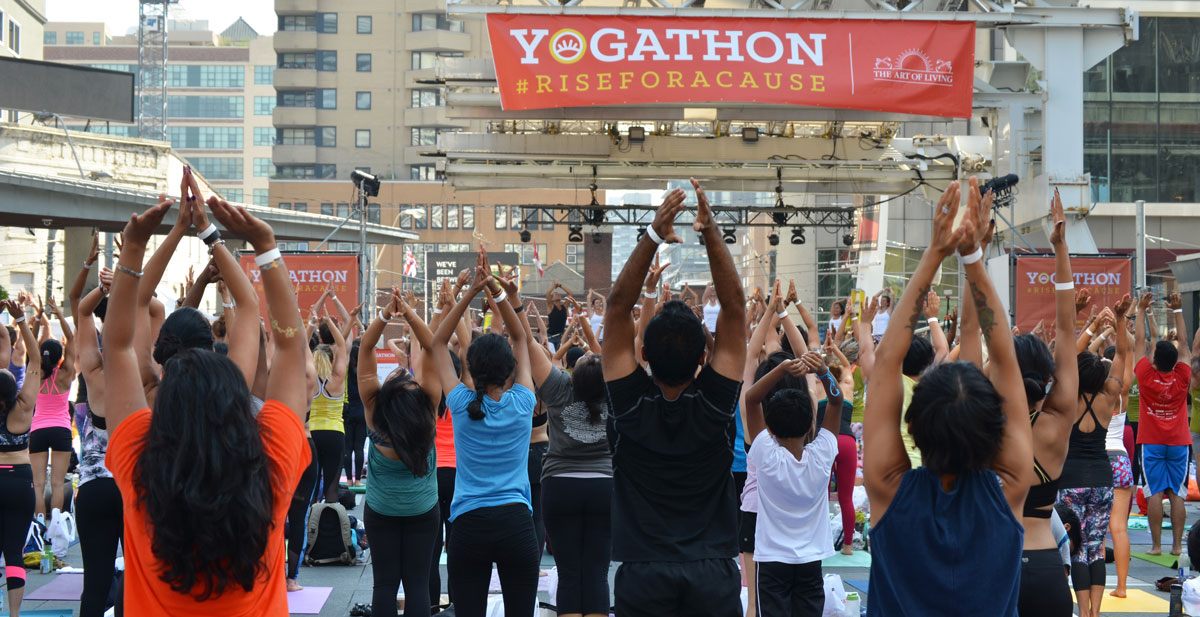
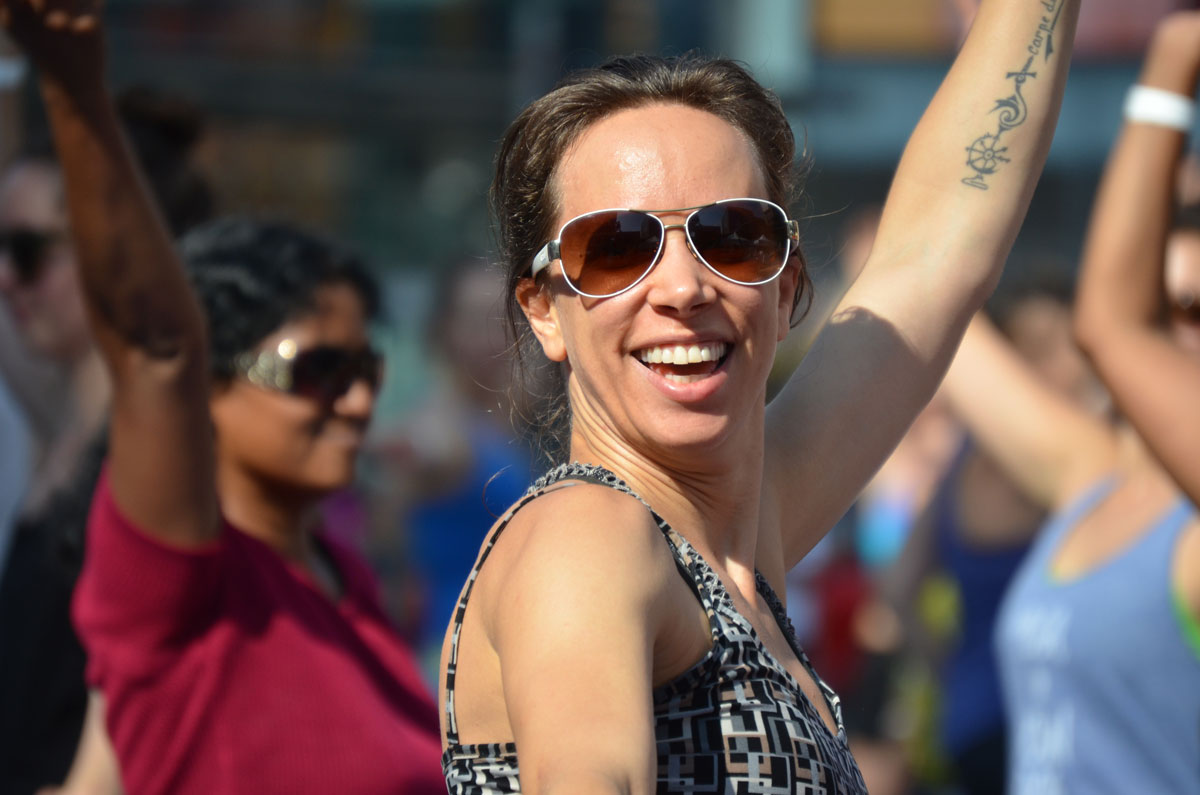
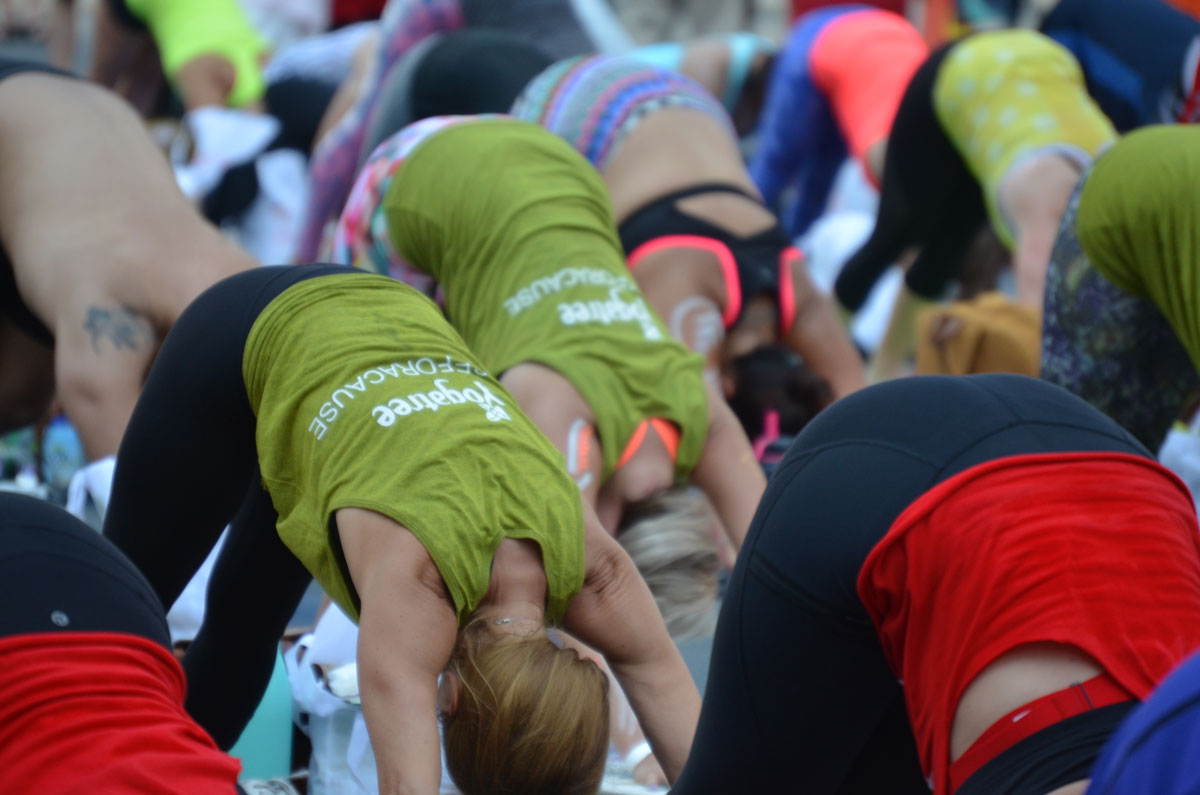


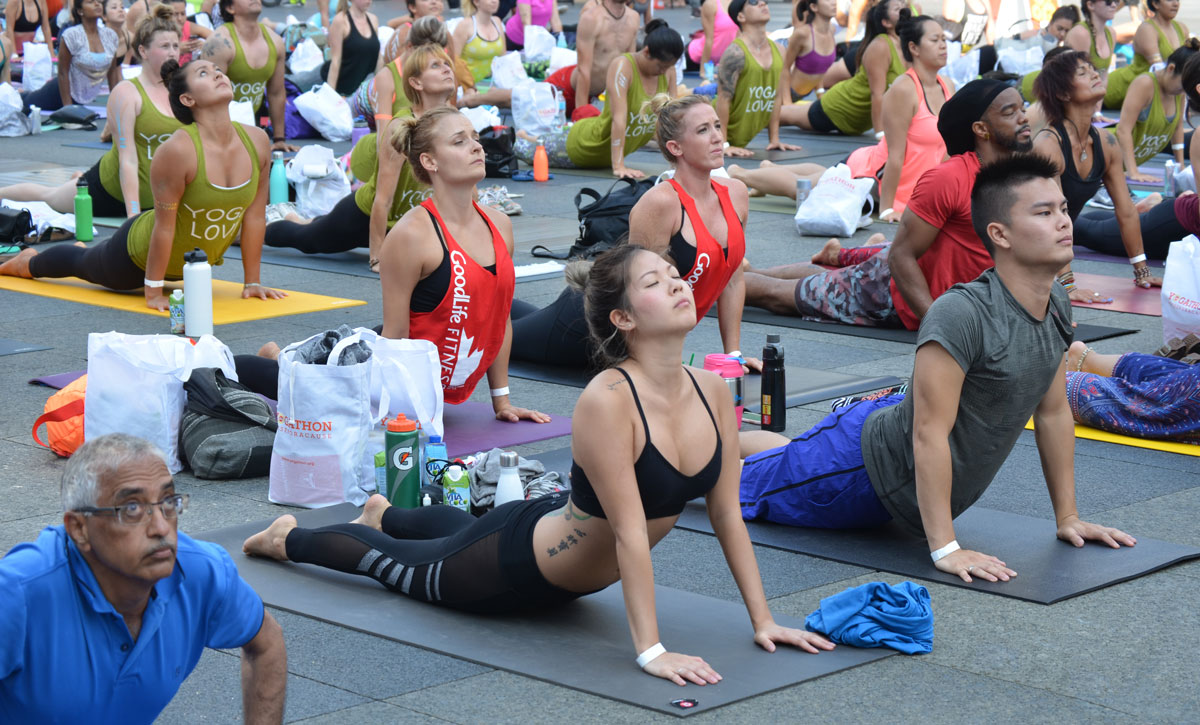
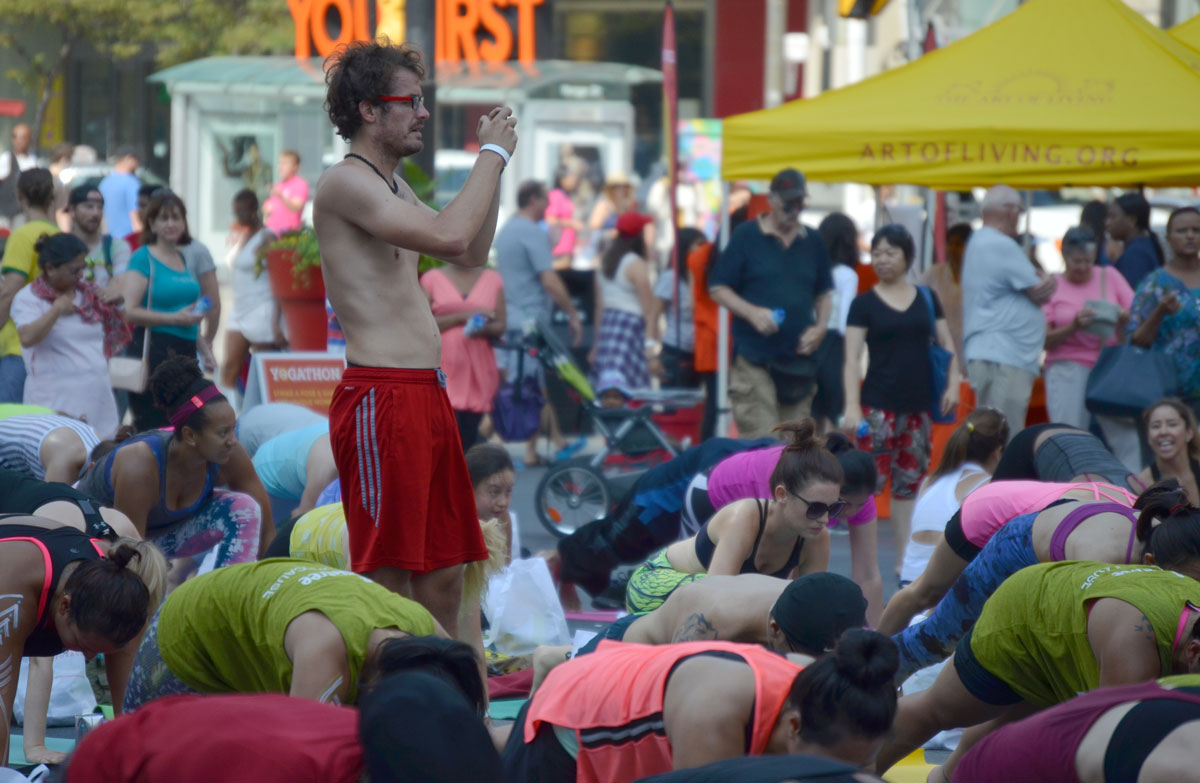

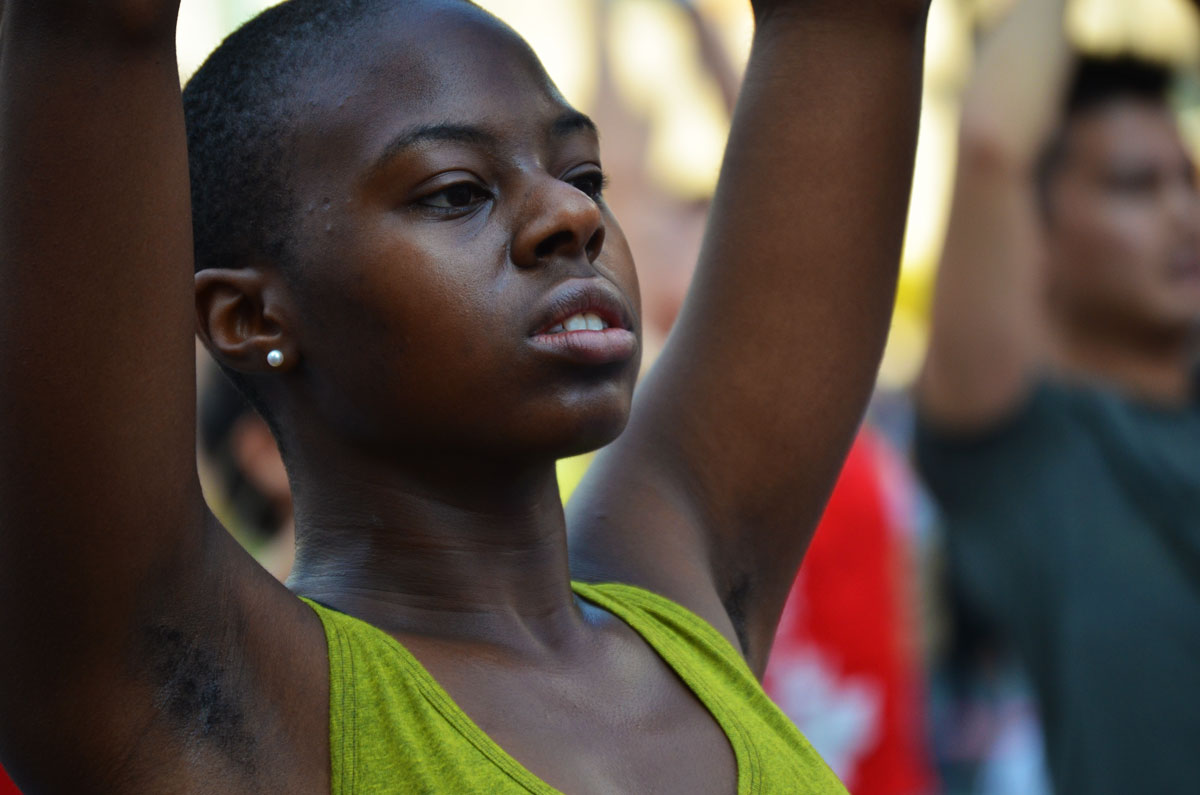
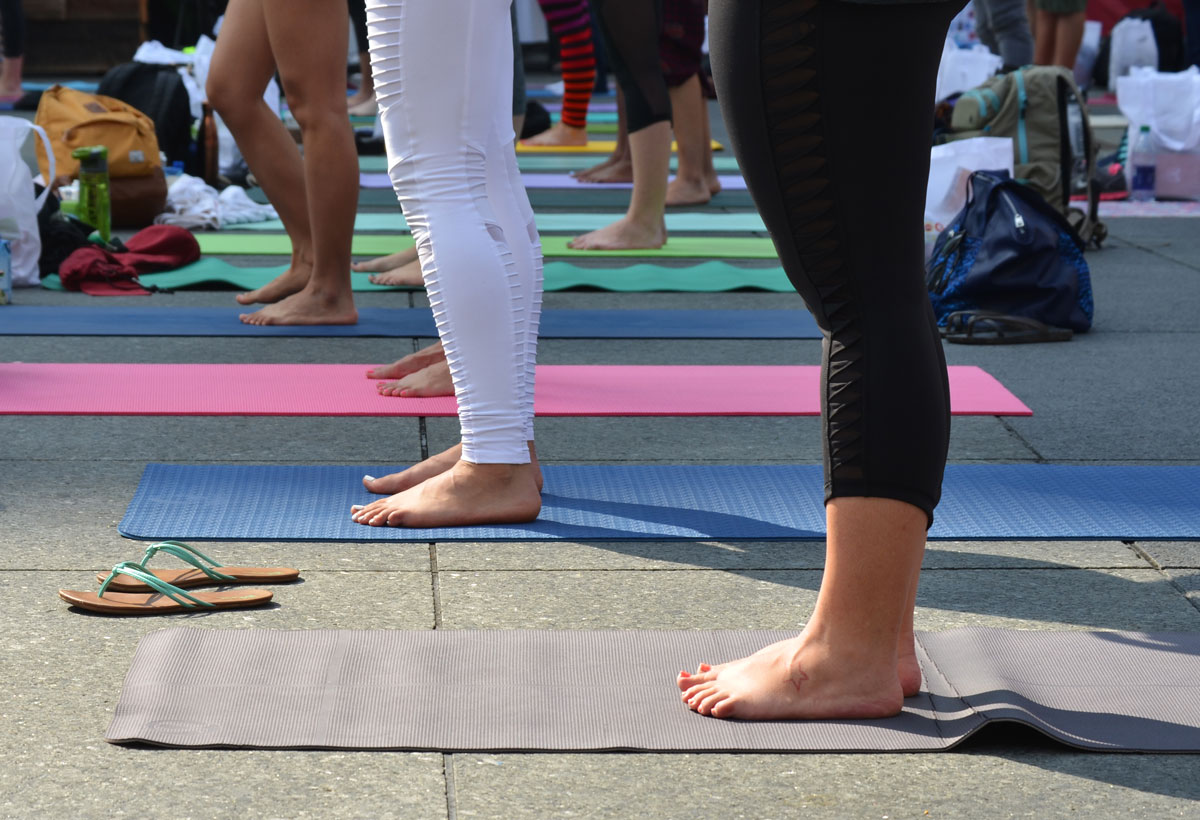
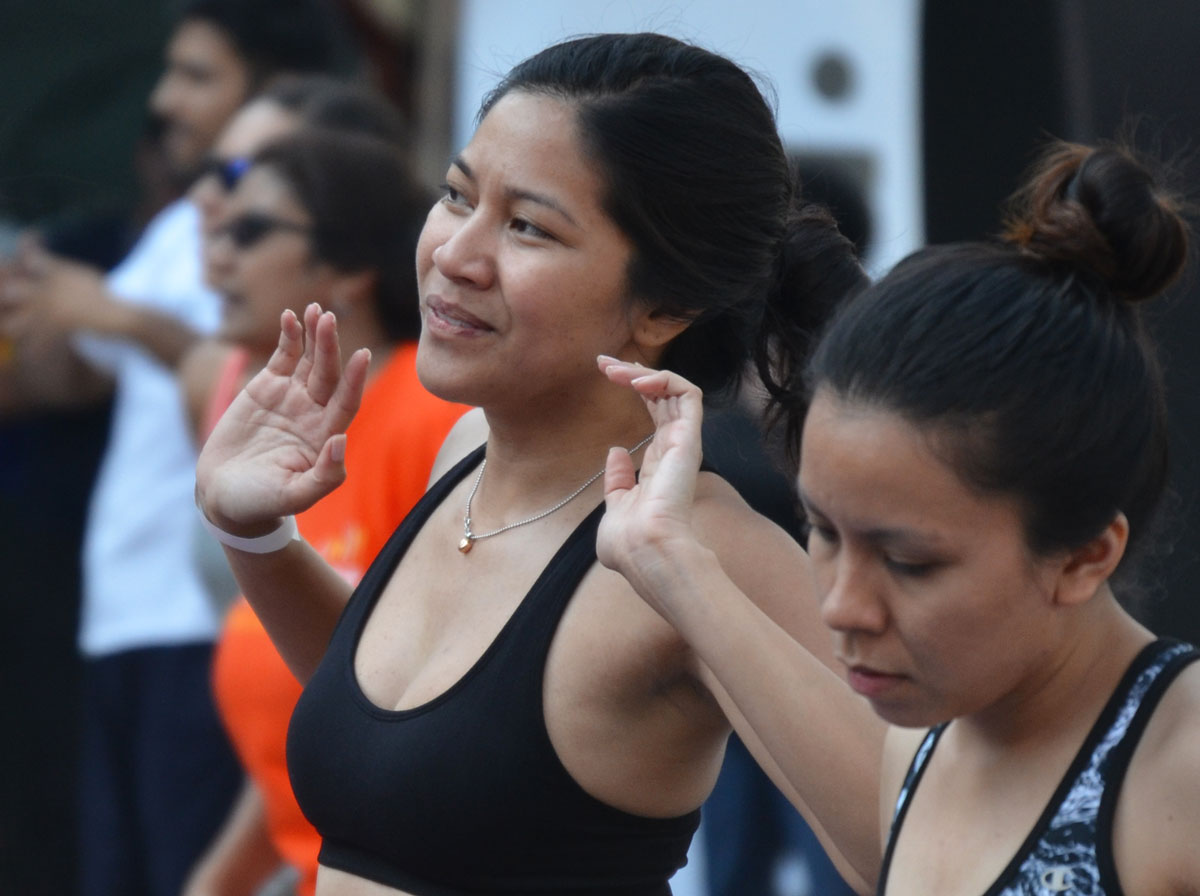


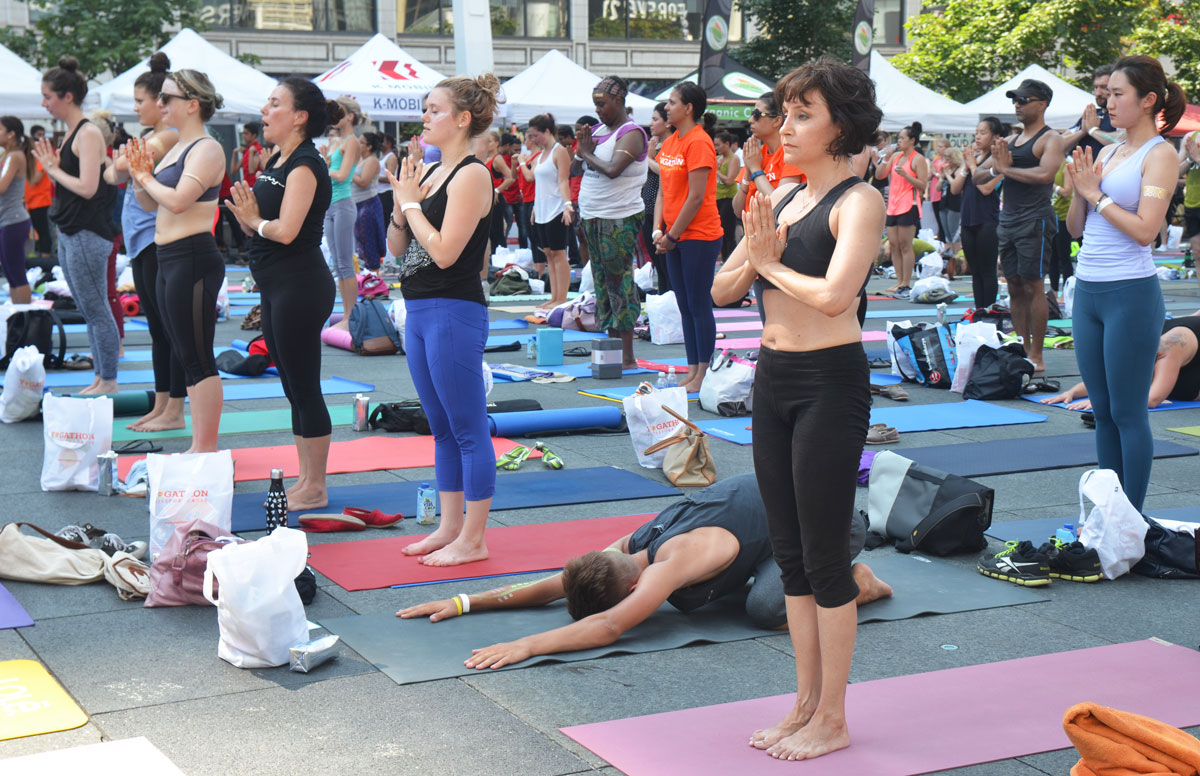
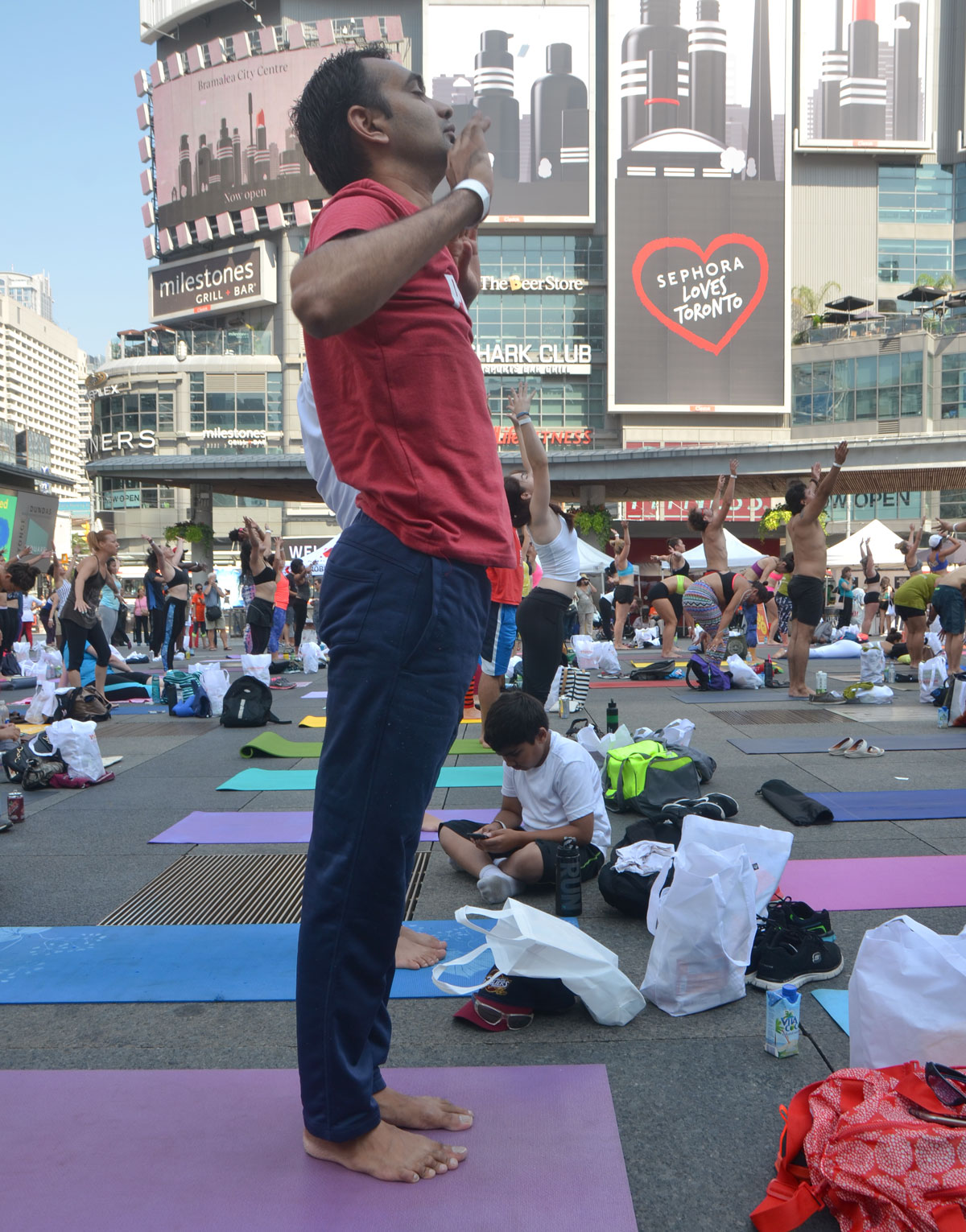
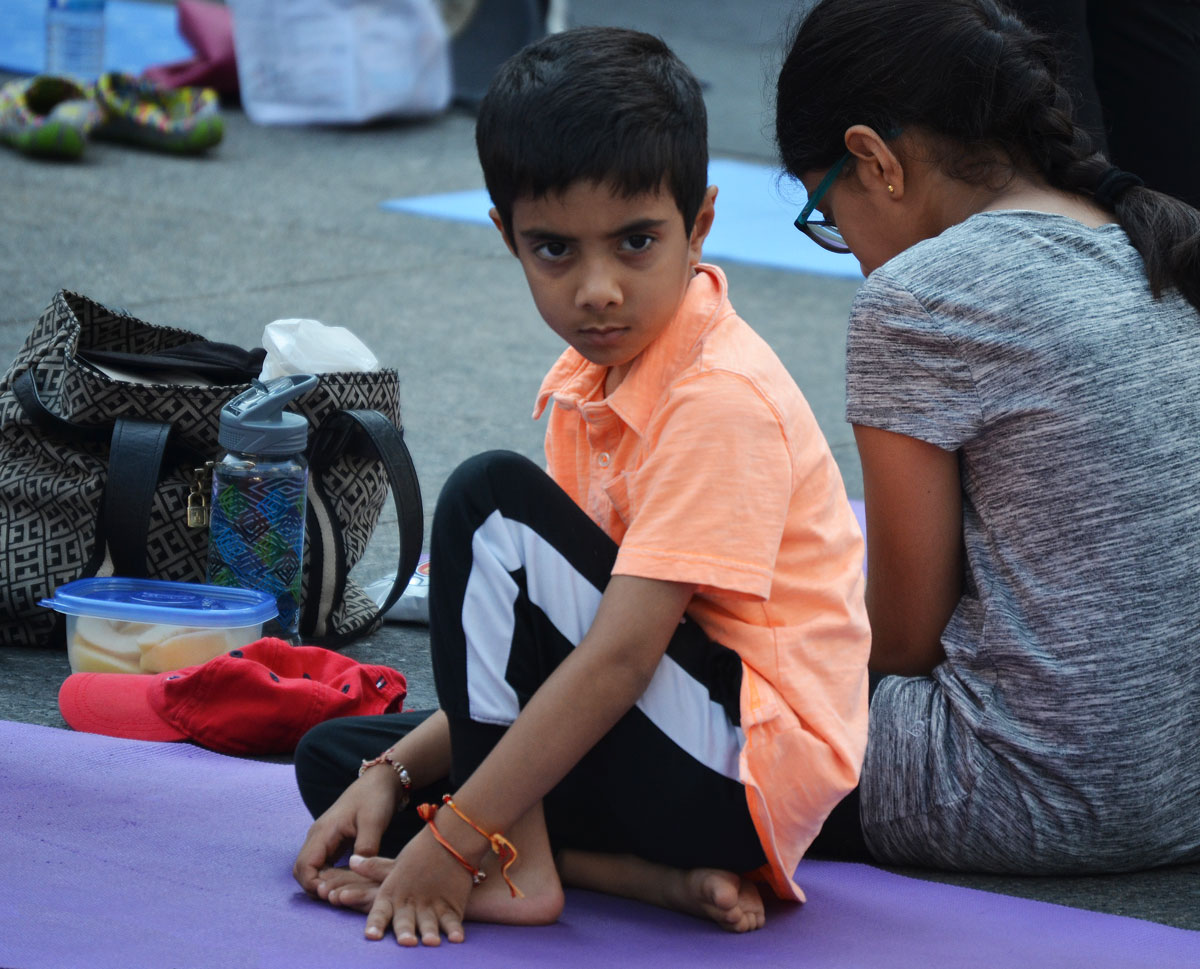
#riseforacause | #yogathontoronto | #riseforacausetoronto
July is almost over – yes, summer is flying by.
So far, it’s been a good one!
below: Staying cool and having fun in the Yonge Dundas square fountains

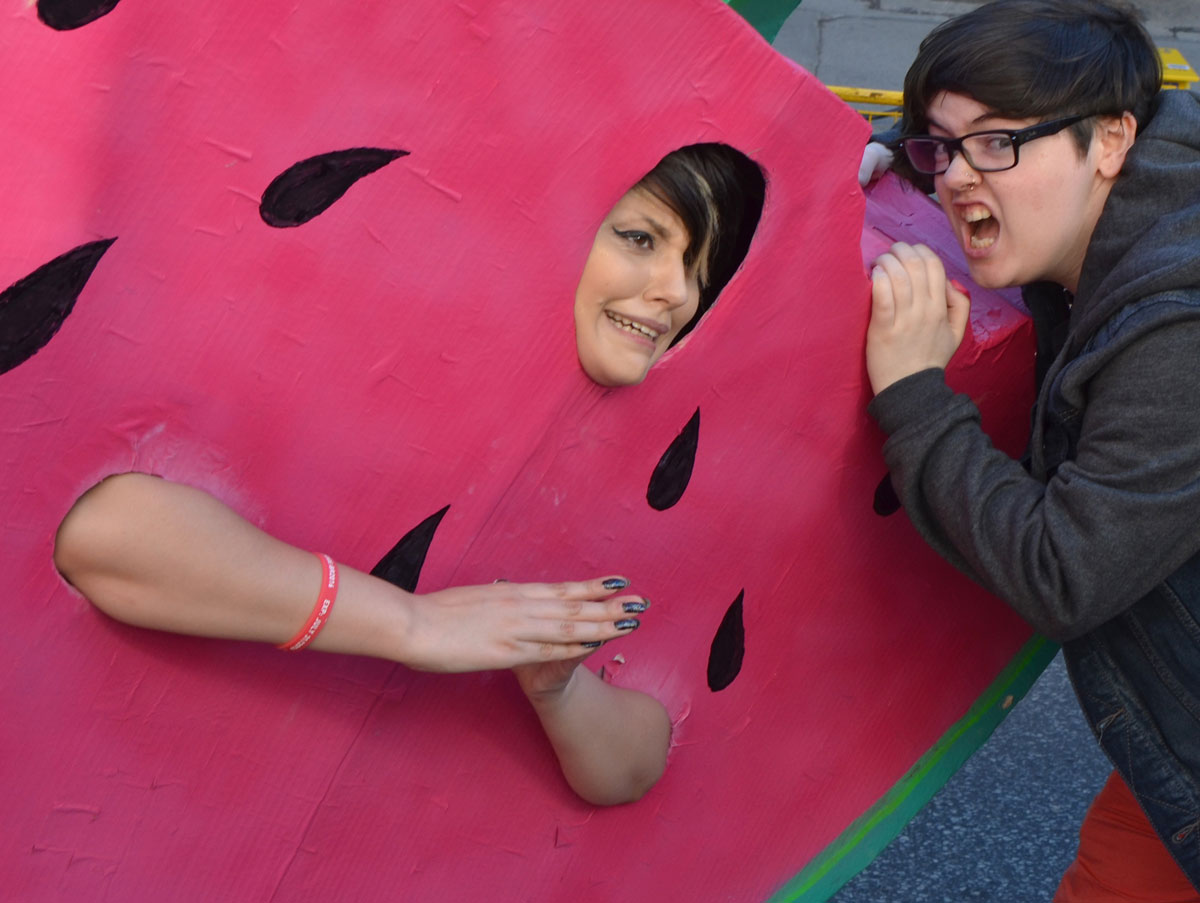
below: A giant bite from a giant watermelon slice
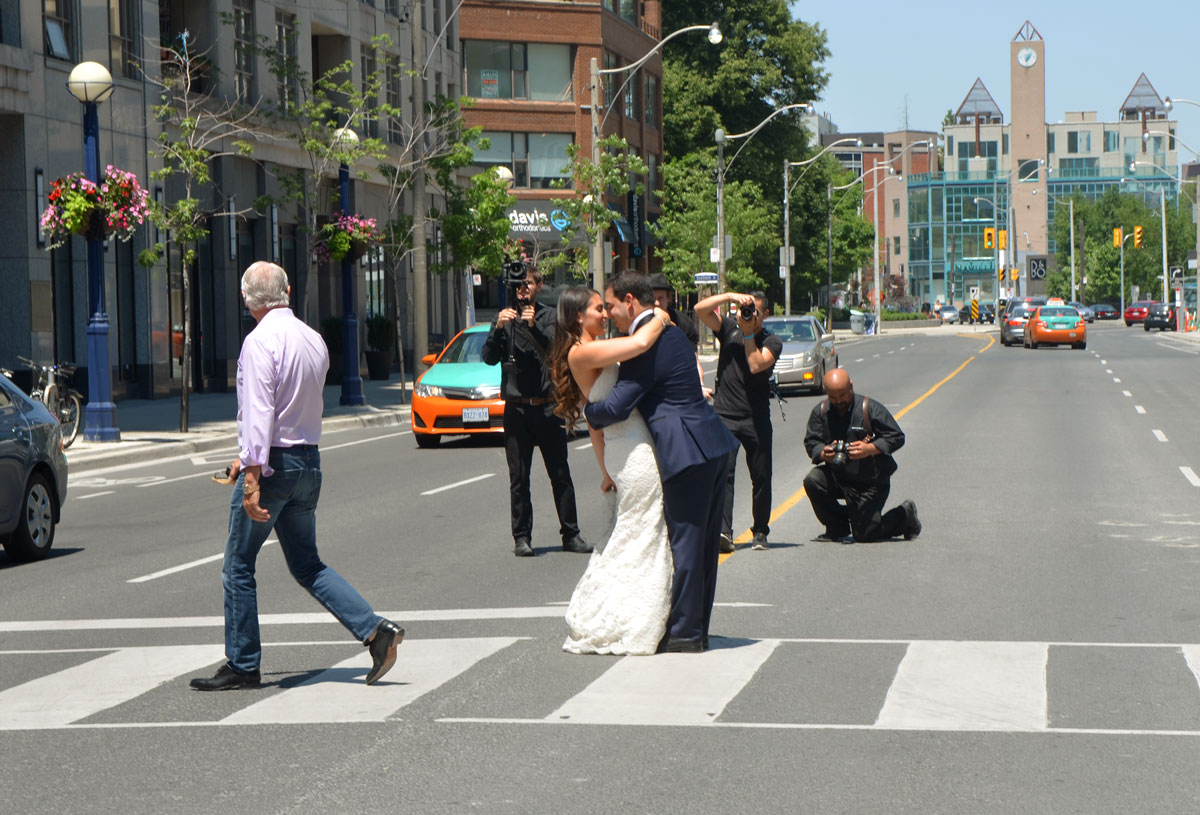
below: A Bay Street hug and kiss.
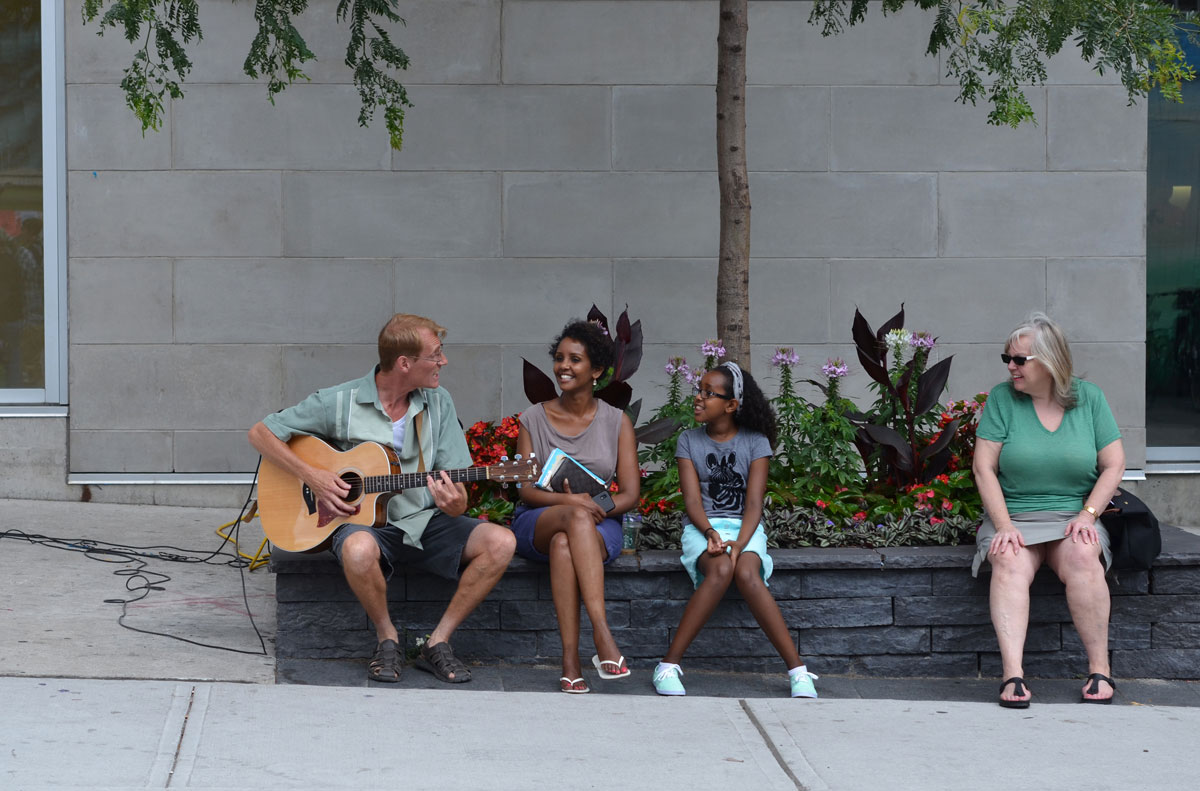
below: An impromptu serenade
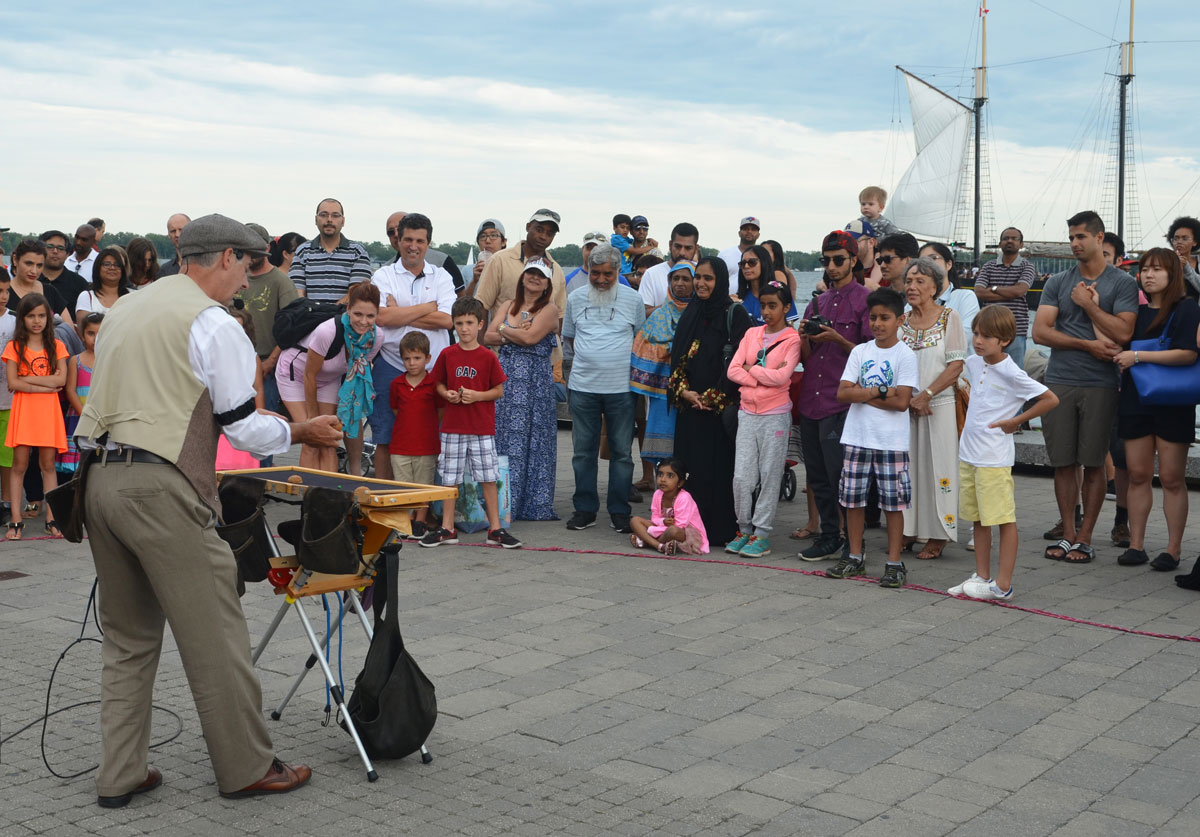
below: Watching the entertainment at the waterfront – it’s magical
below: Making comfort at Afrofest, Woodbine Park

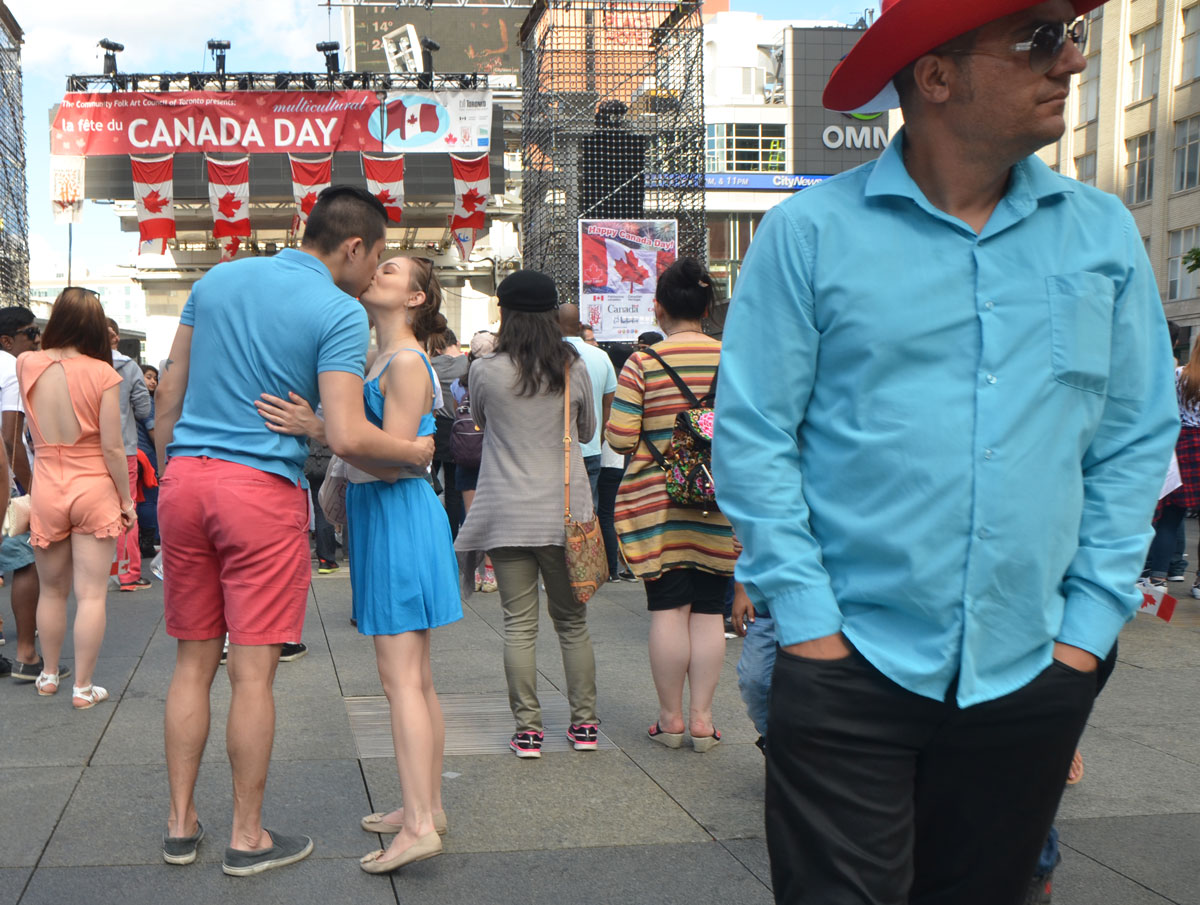
below: A Canada Day kiss.
below: Leave your message by the outdoor facilities!

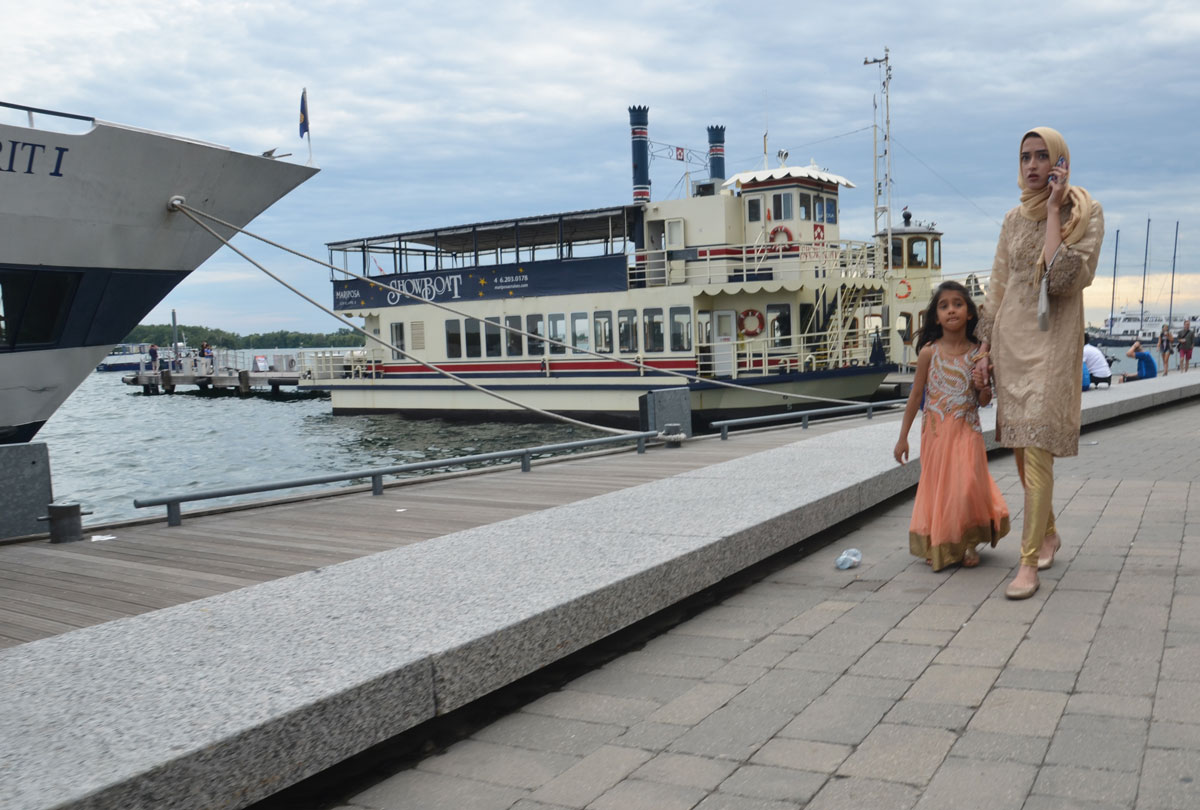
below: A mother and daughter stroll on the waterfront
below: Posing, Pride fun

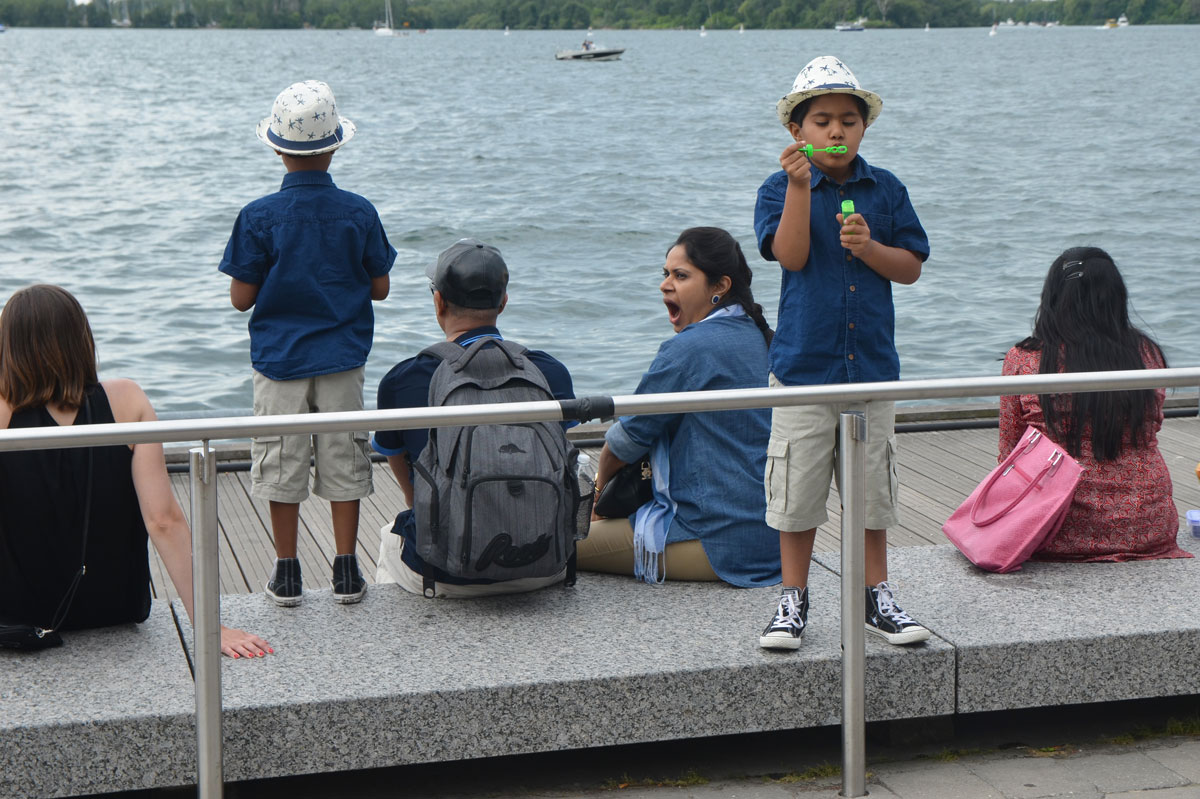
below: Blowing bubbles by the lake.
Happy August everyone!

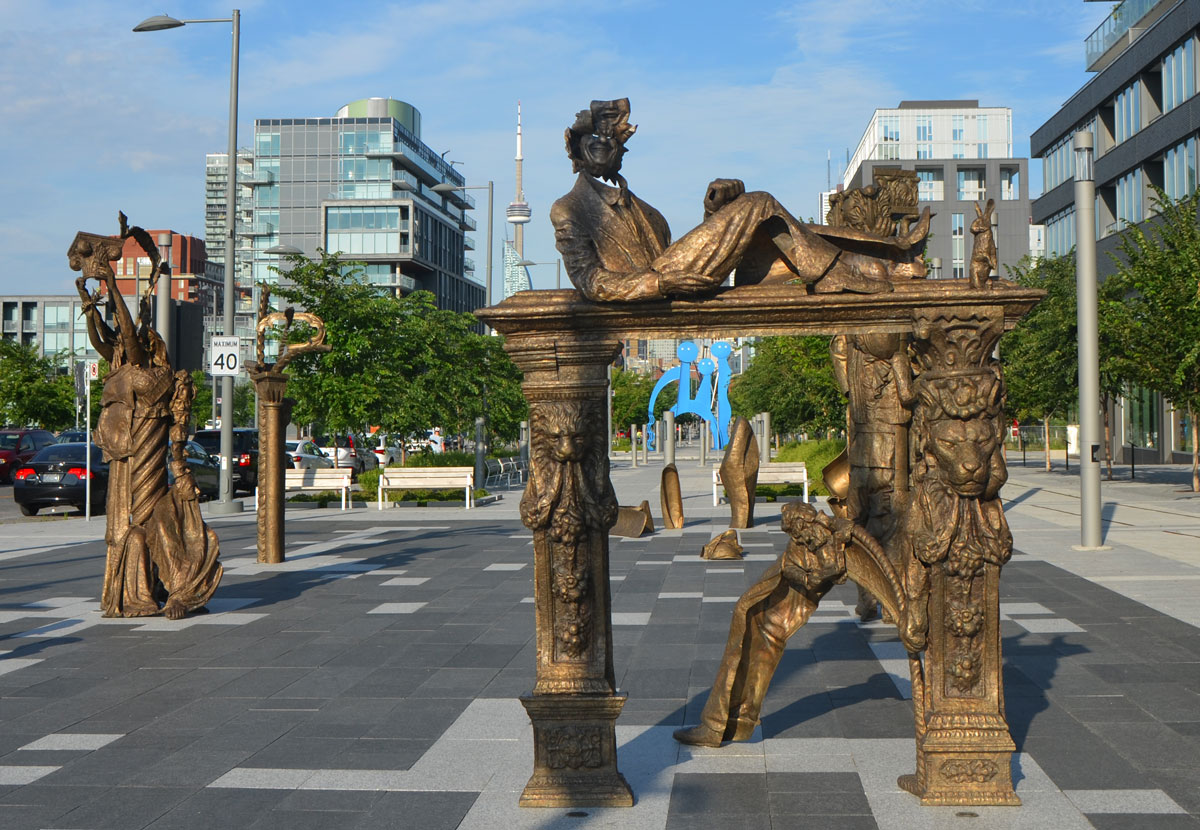
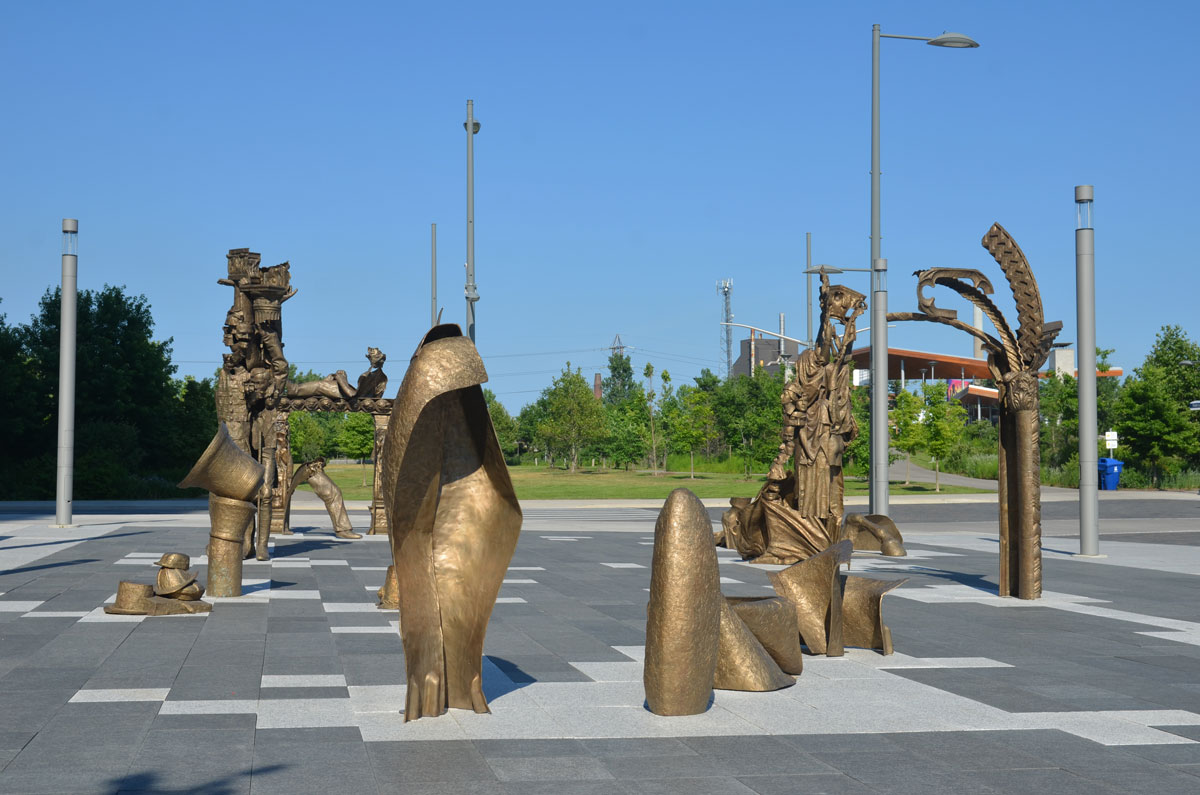
The first time I saw the latest art installation in the Canary District I was in a car and only got a quick look at it. I couldn’t figure out what the mess was all about. It wasn’t until I went back on foot to take a closer look that I could appreciate what the artists were trying to do.
Located at Front and Bayview is the ‘Garden of Future Follies’ by Hadley Howes and Maxwell Stephens (Hadley & Maxwell and the Studio of Received Ideas). It is a sculpture garden and there are 7 sculptures in this garden. Each sculpture is a mashup of pieces from different sculptures around Toronto. Aluminum foil ‘molds’ were used to replicate portions of over 80 different monuments and architectural features. These portions were then put together in a whole new way.
From an interview with the artists:
“Sir John A. Macdonald’s nose is assembled along with the eyes of artists Frances Loring and Florence Wyle, the chin of Dr. Sun Yat-Sen, and Northrop Frye’s hair; Jack Layton’s smile is one of seven that grace a figure lounging atop a reconstituted mantel from the library at Osgoode Hall; a bell from St. James Cathedral’s famous collection is perched on a cannon from Fort York; while nearby a suitcase from the Memorial to Italian Immigrants acts as a plinth for a collection of hats from various bronze heads.”
Now you can play spot the pieces! But you won’t find any hockey sticks.
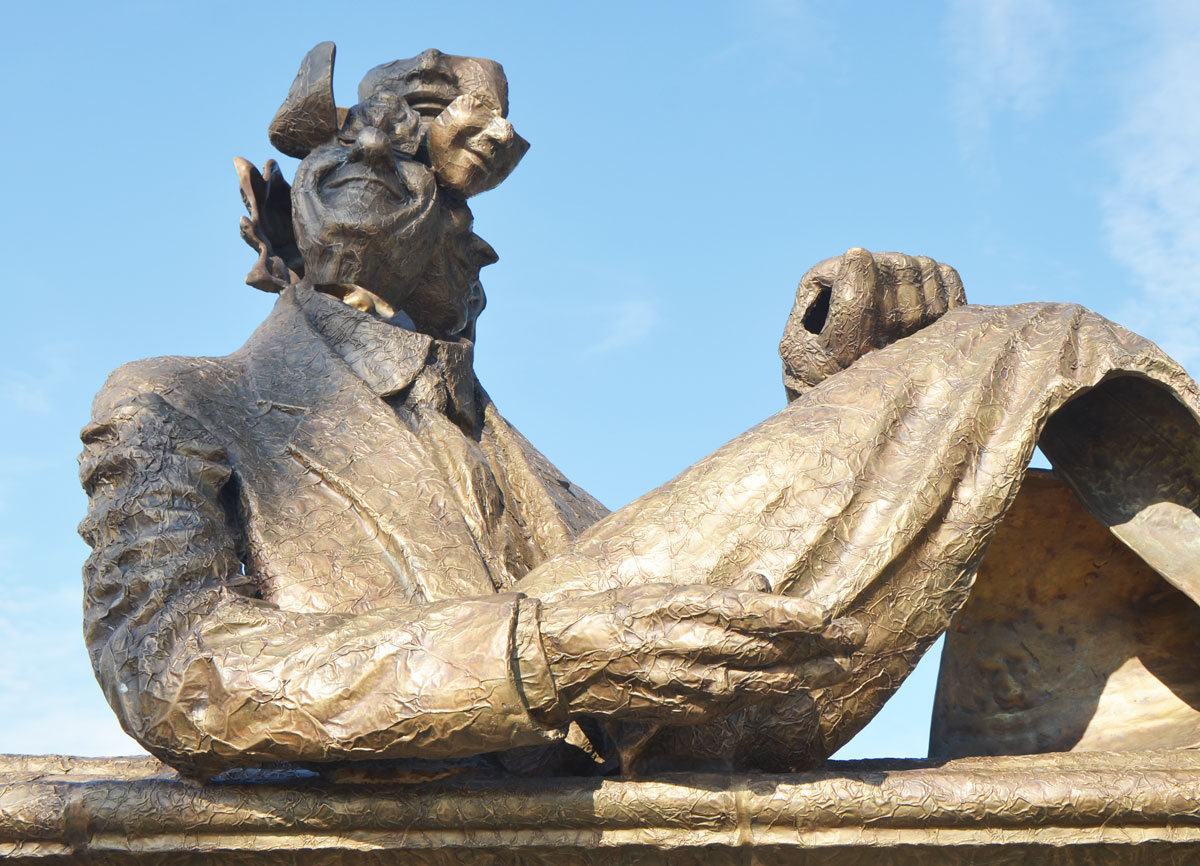
So far I haven’t seen anyone taking selfies here but I think it would be a great spot for them!
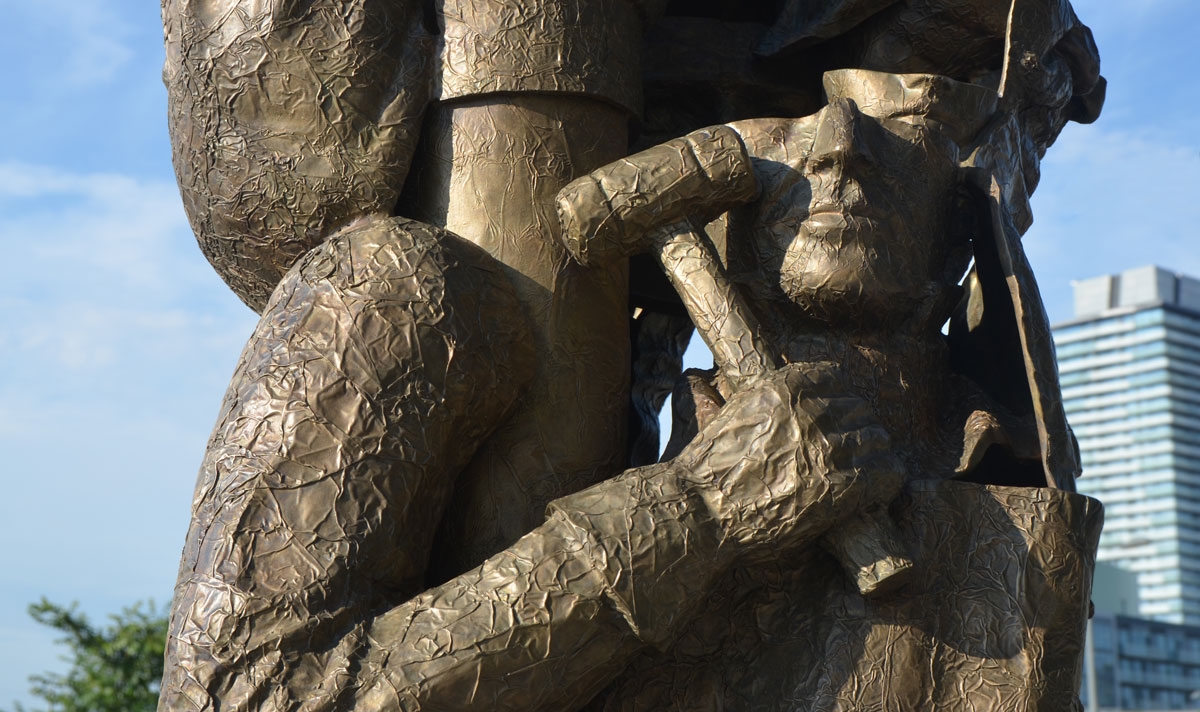
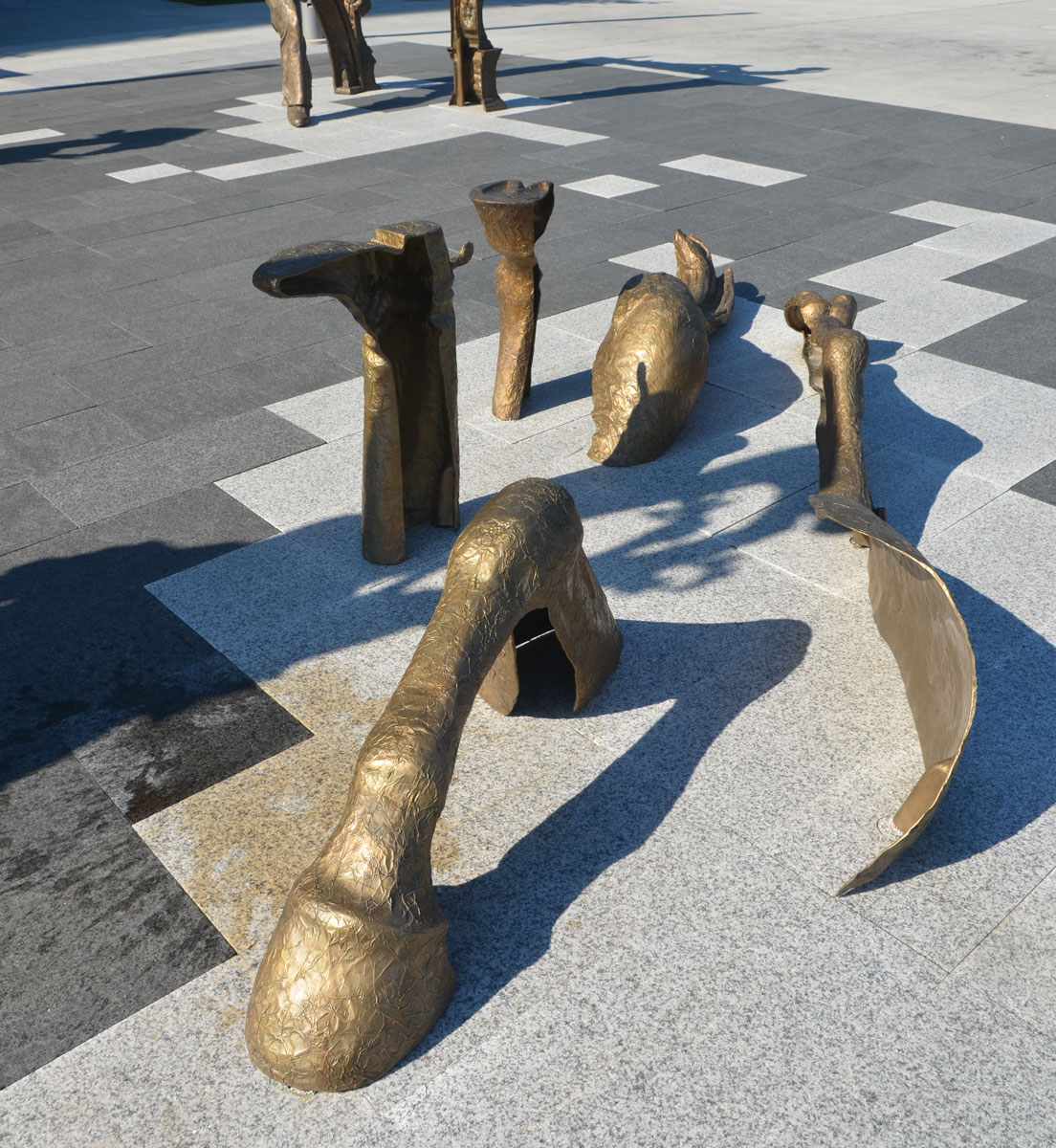
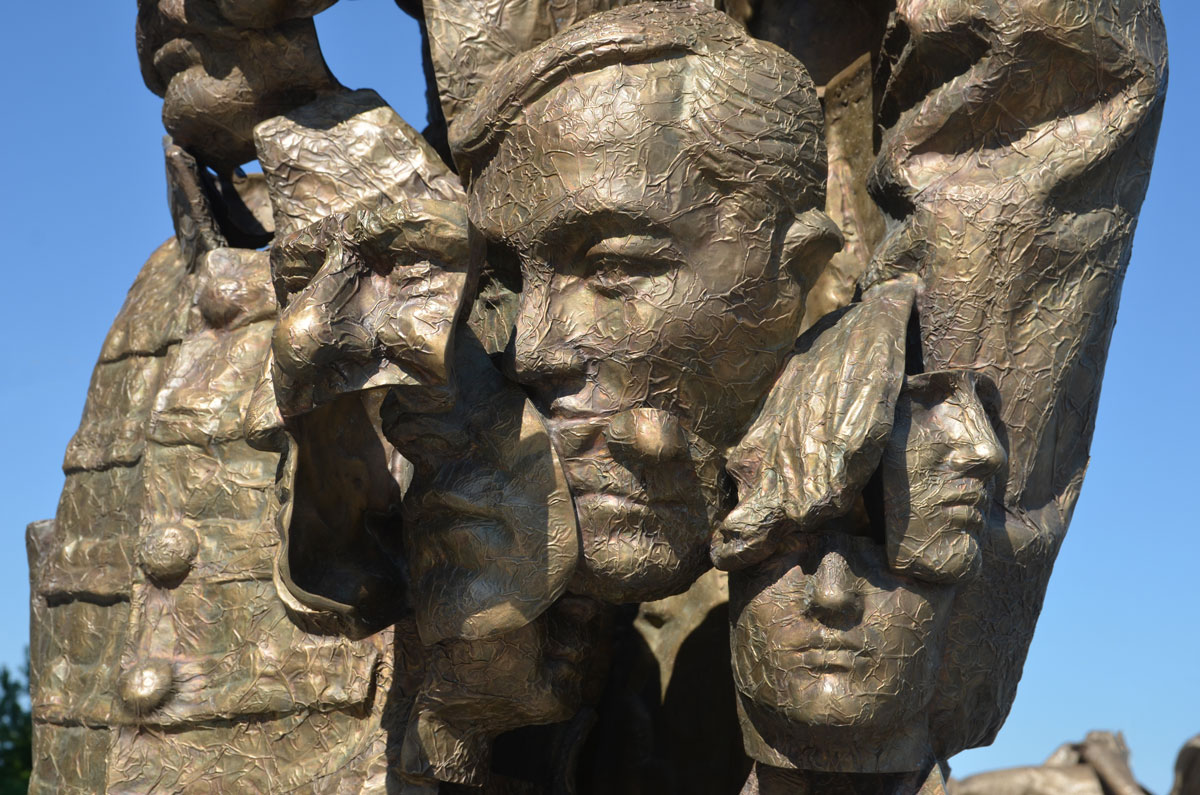
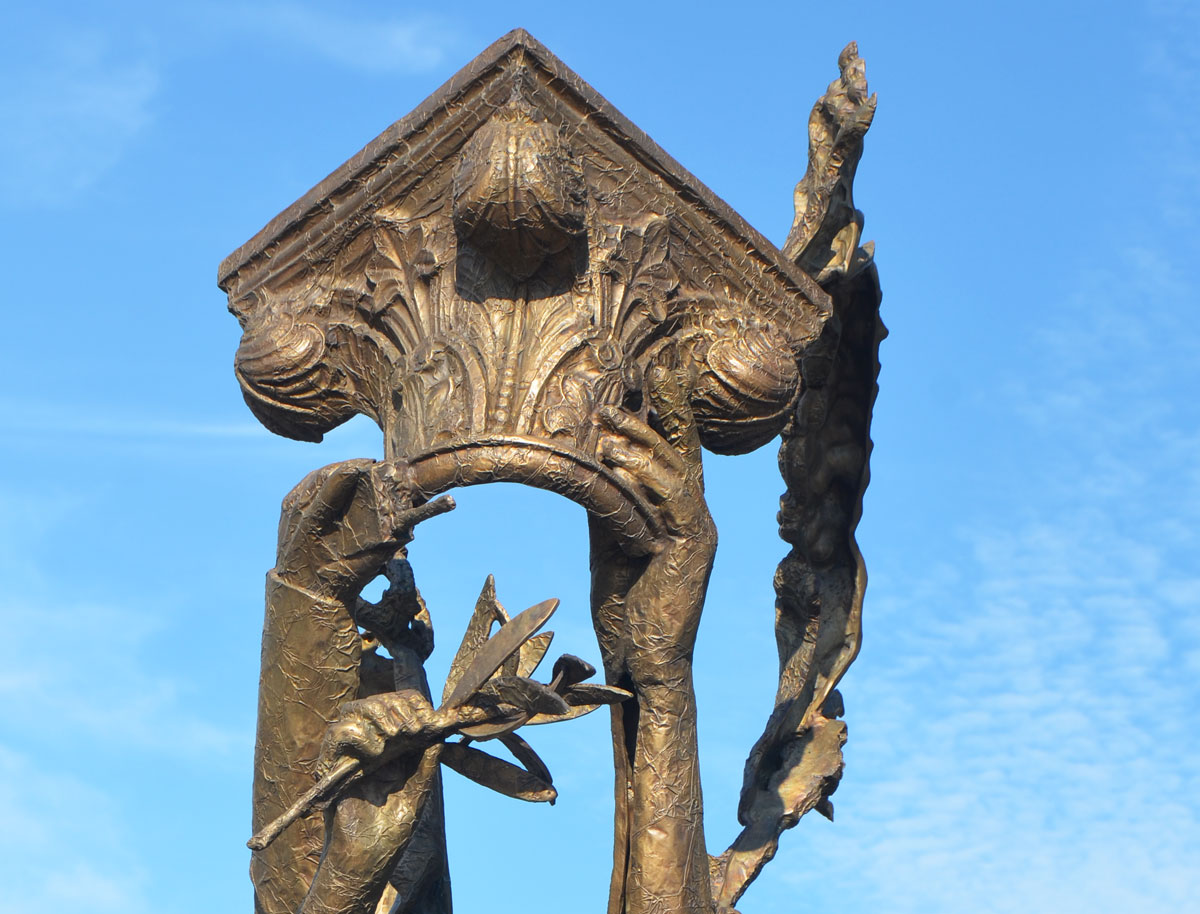


below: No one will ever call it beautiful, playful yes, but not pretty.

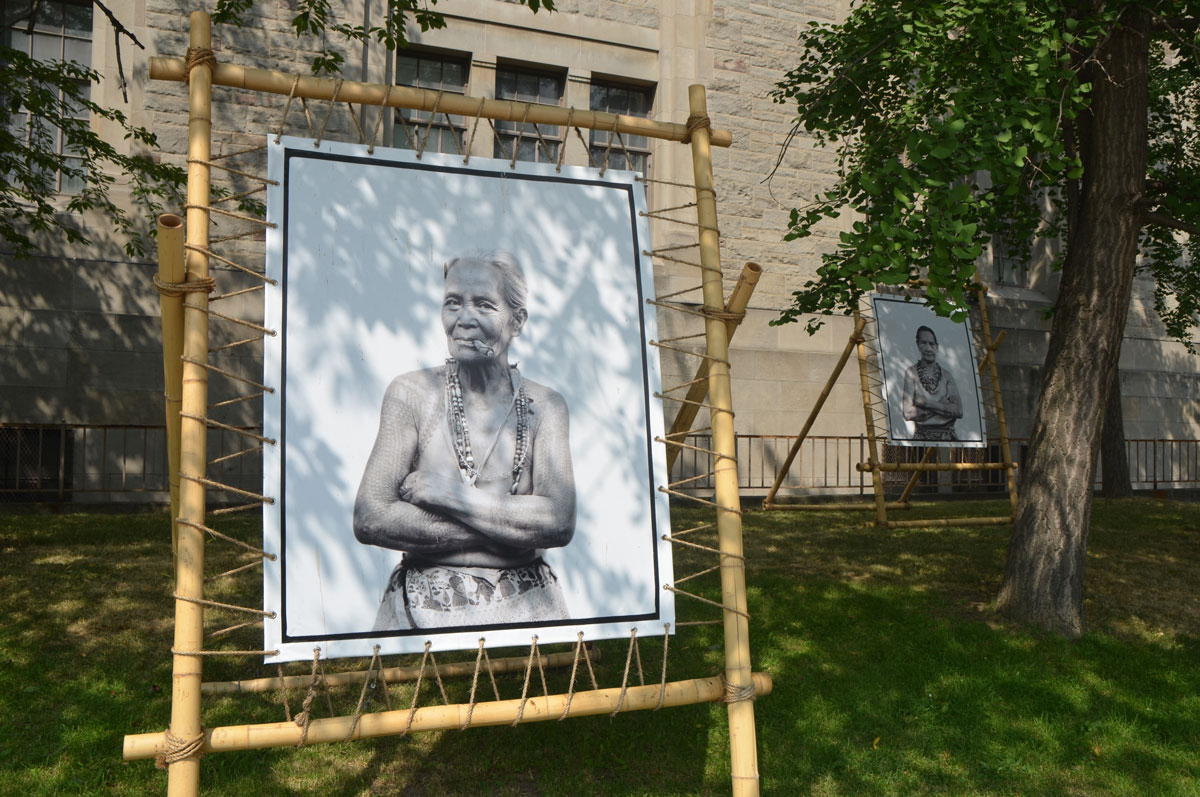
There are seven or eight large photographs, portraits of older women, on University Avenue. They were actually part of the CONTACT Photography Festival and they have been on display outside the Royal Ontario Museum since early May. The photos are the ‘The Last Tattooed Women of Kalinga”, portraits by Jake Verzosa.

In the villages of the Cordillera mountains of northern Philippines the women have been tattooed with lace-like patterns for centuries. The tattoos are symbols of stature, beauty, wealth and fortitude and are traditionally applied during rituals. The tradition is dying out as standards of beauty change and as the old ways are replaced with more modern methods.
Each village once had their own tattooist, or mambabatok, but today only one remains. Born in 1918, Whang-od (or Fhang-od), is the last person to practice the centuries old technique called batok. The ink is made of charcoal and water and it is applied by tapping the skin with a thorn.

Once the men were also tattooed. The Kalinga tattoo has evolved from their ancient tradition as warriors and headhunters. Heads were taken from fights and battles as a trophy; each time a man brought home a head he would receive another tattoo as a reward. Tattoos were a mark of social status.
Indigenous groups throughout the Philippines practiced tattooing for centuries. When the Spanish arrived in the 1500’s they called the people ‘pintados’ or ‘painted people’ as it was not uncommon for people to have tattoos covering their whole body. While some tribes used tattoos to mark status, other tribes believed that tattoos possessed special spiritual or magical powers which gave the individuals strength and protection. The use of tattoos as protective symbols is an idea that occurs in many cultures.
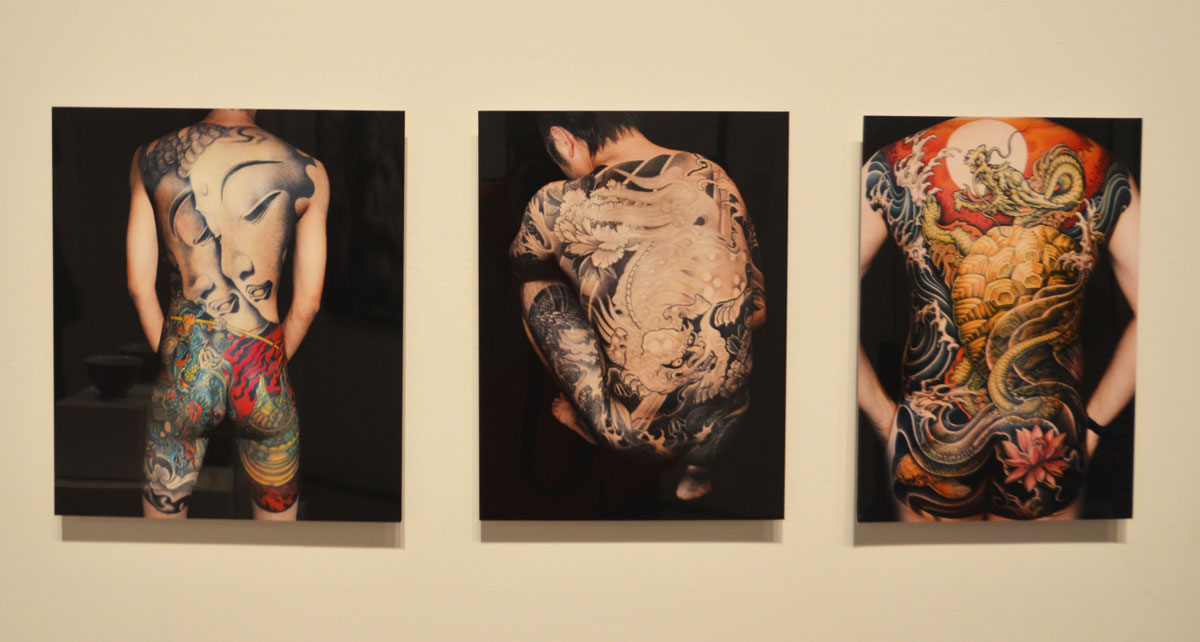
In conjunction with the Kalinga portraits, the ROM is featuring an exhibit that examines the beliefs surrounding tattoos, and the role that they and other forms of body art play in different cultures over the years. “Tattoos: Ritual, Identity, Obsession, Art” is on view until September 5th. It is a global tour of tattoos past and present.
One of the cultures that is featured is the Chinese. For centuries, tattoos were forbidden, or at least taboo, in China. To be tattooed was to be discriminated against as they were associated with prisoners or vagrants. Recently that has begun to change.
below: Three large modern picture tattoos by Taiwanese tattoo artist Gao Bin featuring traditional Chinese images, Buddha, lion and dragon. Tattoos as a cultural expression. In some countries such as Sri Lanka and Thailand images of Buddha are considered sacred objects of worship. While it’s not illegal to have such a tattoo, wearing one could get you into trouble.
below: Here is another example of why people get the tattoos that they do. This is a picture of one photograph in a series by Isabel Munoz. Munoz spent three weeks inside several prisons in El Salvador and photographed mara gangs. Gang members wear offensive tattoos to assert their antisocial behaviour and express their loyalty to the gangs. Tattoos as statement; tattoos as a mark of membership and belonging. Tribal.

below: A silicone arm with a tattoo by Montreal artist Yann Black on display. This is one of 13 commissioned tattoos on silicone body parts – arms, legs and torsos both male and female that are part of the exhibit. Tattoos as artwork. Individuality.

The oldest known tattoos were found on Otzi the Iceman, a natural mummy who was found in the Otzal alps near the Austria – Italy border in 1991. His tattoos were 61 lines ranging in length between 7 and 40 mm. The lines were arranged in groups. Most of his tattoos were on his legs where there were 12 groups of lines. Otzi is estimated to have died between 3239 BC and 3105 BC.
Tattooed mummies have also been found in other places – Greenland, Alaska, Siberia, Mongolia, western China, Egypt, Sudan, the Philippines, and the Andes in South America. We will probably never know what significance the tattoos had. Theories abound of course and they often involve reasons like protection, spiritual, status, tribal, or just for decoration. Reasons that probably ring true today too. The methods have changed and some of the images have changed, but human nature remains just that, human nature.
 as I walk Toronto