Posts Tagged ‘trees’

A bench at Edwards Gardens… late February.  It’s been a warmer than usual winter without much snow.  February ended on a warm streak that has continued into March.  These photos were taken at Edwards Gardens before I realized just how early spring might be this year.

a couple, man and woman, site on a bench beside the path at Edwards Gardens, with trees in the background, winter but no snow, no leave on the trees

The giant willow tree has hardly begun to turn yellow like it does every spring.

large willow tree in Edwards Gardens in February winter but no snow, no leaves on tree, person walking on the path towards the willow tree

two people on the path beside the Wilket Creek, some small tree between them and the camera

A little bit of snow and ice linger in the shadier parts along the path.

rocks along the shore of Wilket Creek at Edwards Gardens, grass, and then red stems of dogwood shrubs before a path and then the forest beyond, some snow under the trees

two Canada geese in the shallow waters of Wilket Creek by one of the bridges at Edwards Gardens, sand on the shore of the river, winter, no snow,

a tree branch overhanging the Wilket Creek, people walking on the path in the background

brown dead maple leaves slightly curled at the edges, lying on the dirt on the ground, some small twigs too

a path through the woods at Edwards Gardens, dead leaves cover the ground, no leaves on the trees, winter, but no snow

ivy growing up the trunk of a larger tree with rough bark

dead hydrangea blossoms on branch with spruce tree in the background along with dead leaves on the ground

red window box on a white building, winter greenery in the box, cedar, pine,

old house building and newer greenhouse at Edwards Gardens, crab apple tree in the foreground with lots of small crab apples on it, no leaves, February, winter but no snow

A monkey – a light-hearted touch in the greenhouse where it’s warm all year round.

a stuffed toy monkey on a small palm tree in a green house

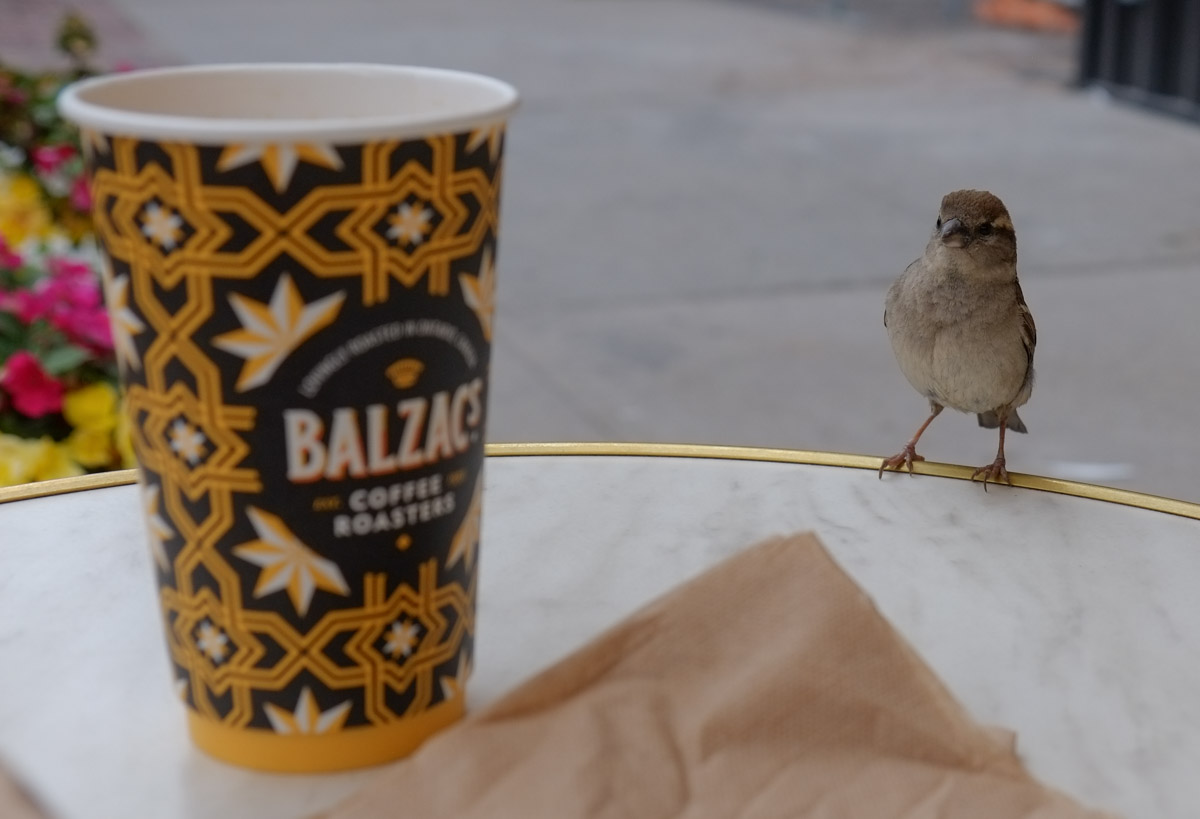
below: The sparrows around Balzacs Coffee shop are as brazen as ever.  If you decide to lure them away by throwing crumbs elsewhere, the pigeons will join in the fun.

small sparrow at edge of round table, outside, balzacs coffee

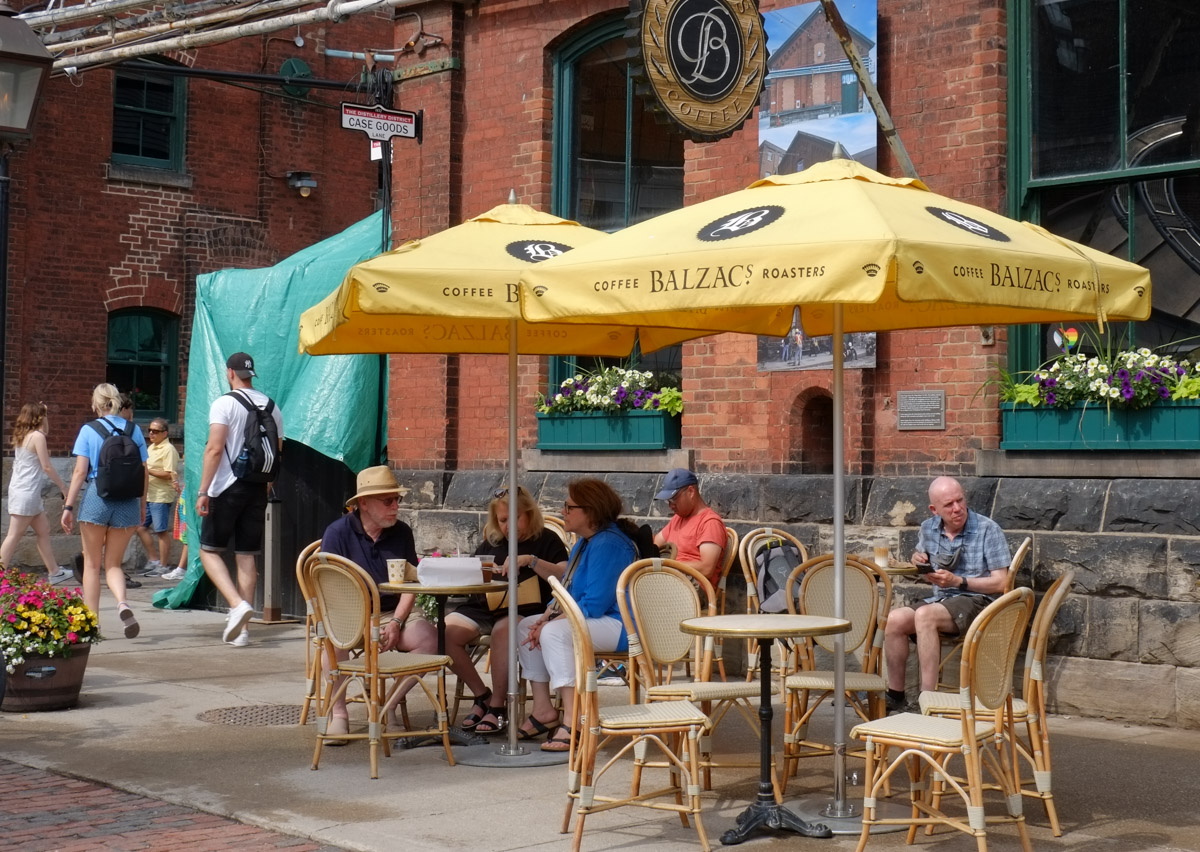
people sitting outside at balzacs coffee at distillery district, yellow umbrellas,

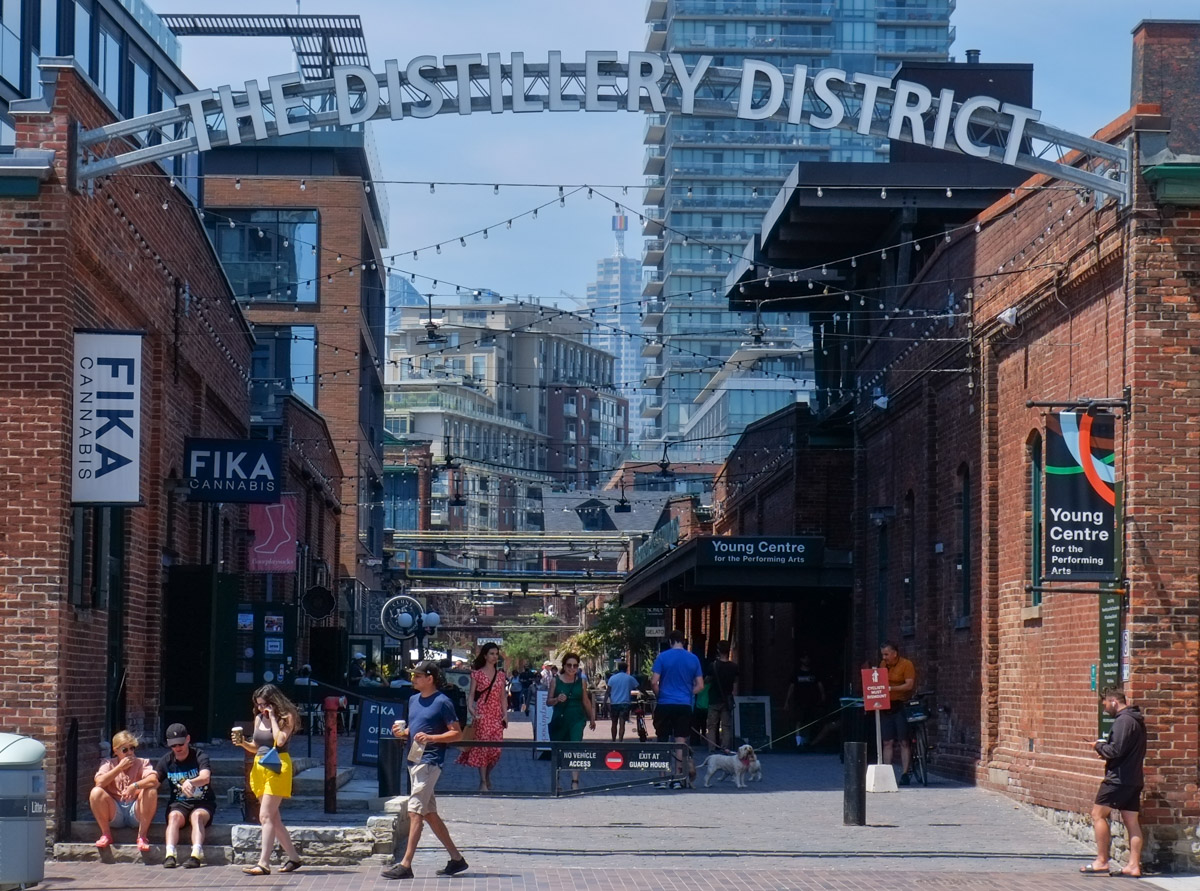
below: East entrance to the Distillery, on Cherry Street.  I suspect that everyone who visits the Distillery takes this photo.

east entrance to Distillery District at Cherry street, with large Distillery District sign overhead

below: Part of a display of some of the products produce by the Gooderham and Worts distillery over the years.  The distillery complex built by Gooderham and Worts started producing spirits in 1862.  At one time it was the largest employer in Toronto.  It also once produce half the spirits made in Canada.

part of a display of liquor bottles, some of the gooderham and worts distillery products over the years, Ballentines, and Hiram Walker products, Government House rum,

below: There are now many old photos of the Gooderham and Worts distillery from years past scattered around the Distillery District.   This one is ” The Office Entrance”.  The door is still there, as are many other features seen in the photo.

little green metal door in brick wall at Distillery, with a copy of an old black and white photo of a distillery building

woman in pink head scarf and dark sunglasses, sitting outside brick building at distillery district, smoking a cigaretts


pride flag in a window box in the distillery

below: Approaching Parliament, with the large heart painted in rainbow colours for Pride month (June).


rainbow heart in distillery

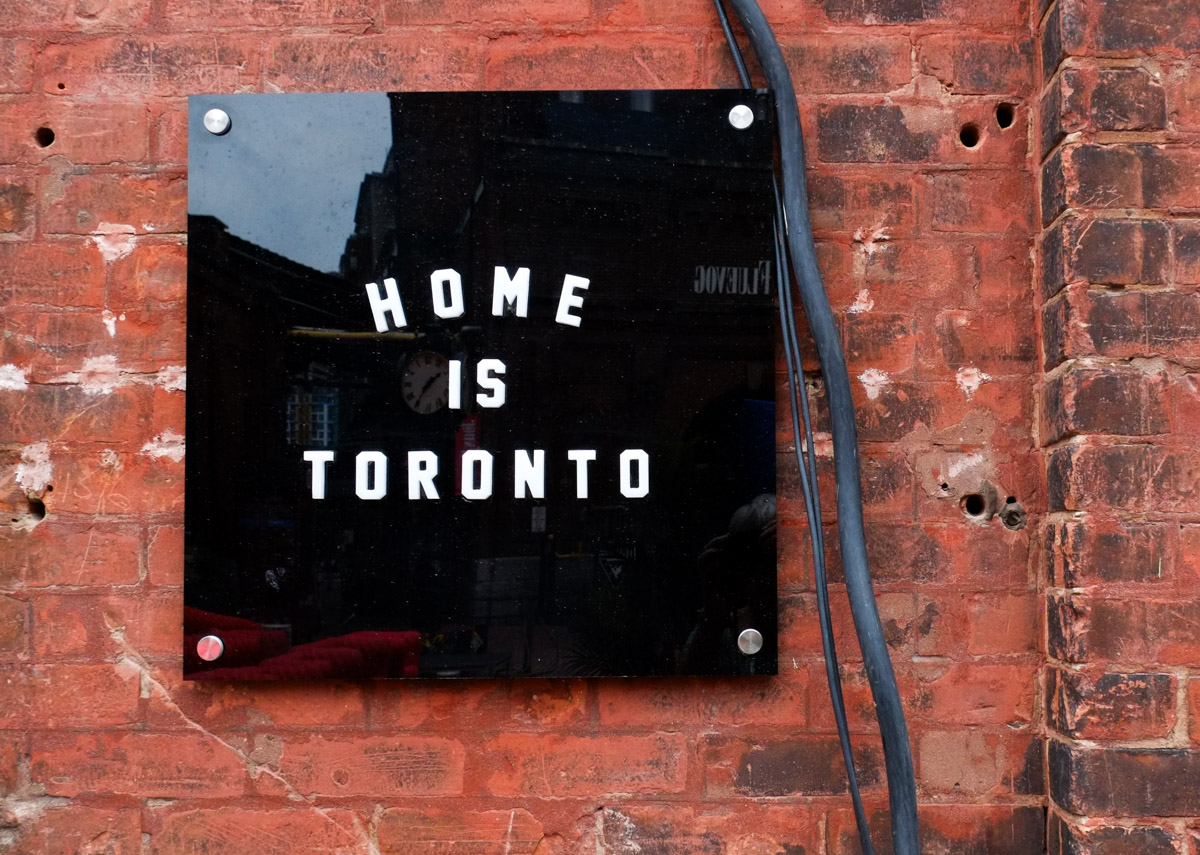
below: Home is Toronto

black and white sign on brick wall that says home is toronto

below: Old millstone from the windmill that pre-dates the dsitillery.

large stone, round with hole in middle, plaque attached, old millstone from the distillery, made in 1832

“This millstone brought from England on the schooner ‘Kingston’ to the town of York 1832 was used for grinding grain in the historic windmill of Gooderham & Worts. The windmill stood 52 feet southwest by south of this point. It was the eastern limit of the famous ‘Old Windmill Line” on which the original plan of the city of Toronto was based.”

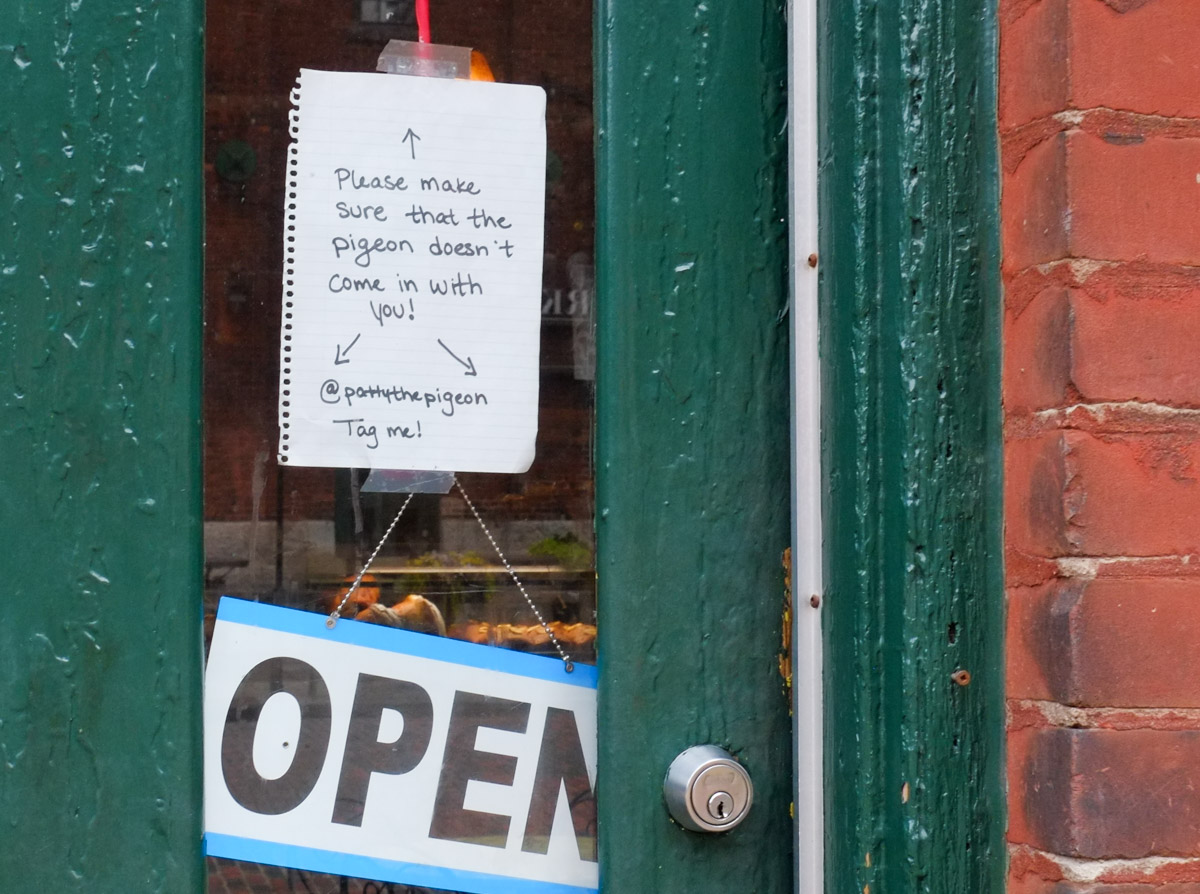
below: Note on the bakery door – Please make sure that the pigeon doesn’t come in with you! Patty the pigeon wasn’t there the time that I went in.

sign in a window of a door that says don't let the pigeon in when you open the door

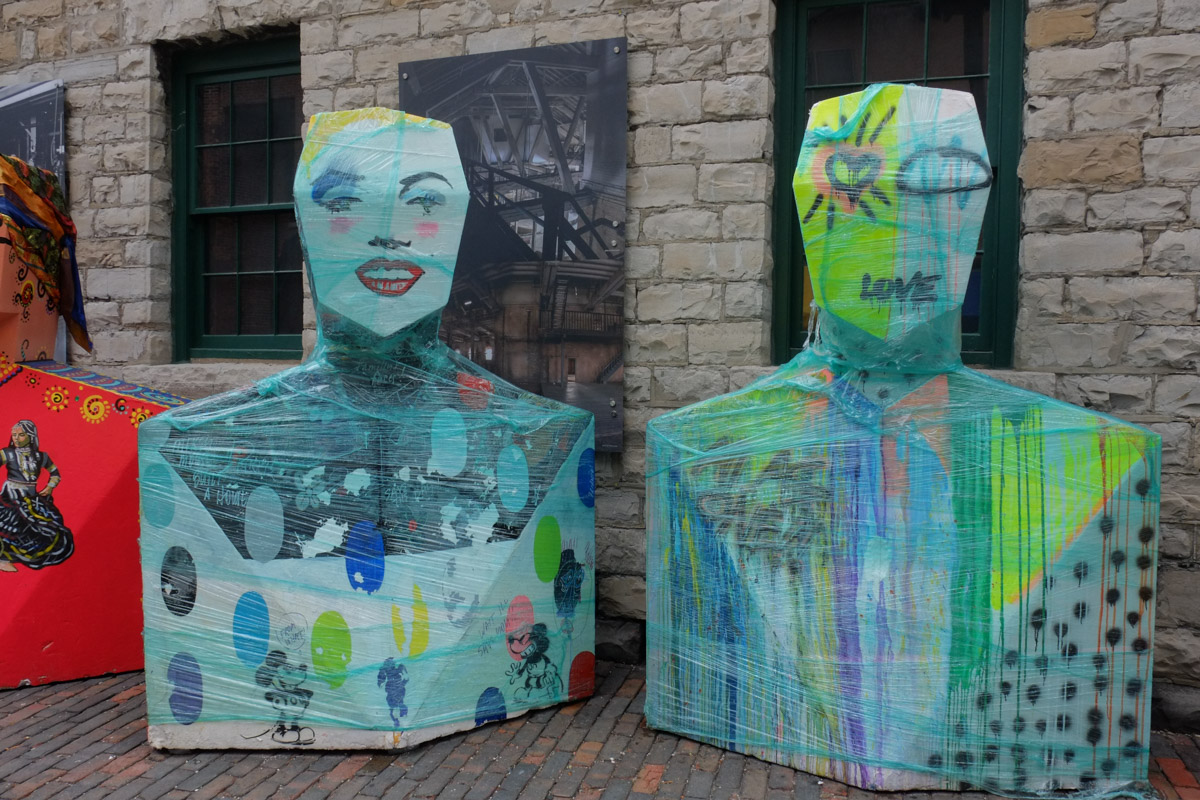
below: The line of painted head and torsos is back.  The shapes are all the same but each has bee painted by a different artist.  They are part of the  ‘6ix Art Outdoor’ exhibit.

a woman sits on a stool in the distillery district, with a small white dog,

below: Two of the sculptures still under wraps. This is at 6least the second time that they have been on display.  They were lined up in same place last August.  If you want more information about them, I blogged about the 6ix Art Outdoor last year.  (follow link).

two painted human torso and head forms

banner of pennant shaped flags in rainbow colours, over two sculptures with human forms, torso and head

barrel of flowers on a rock wall in front of a line of sculptures

large spider sculpture in the distillery

a woman in a white dress and cowboy hat poses beside an old rusty truck

distillery district roofine

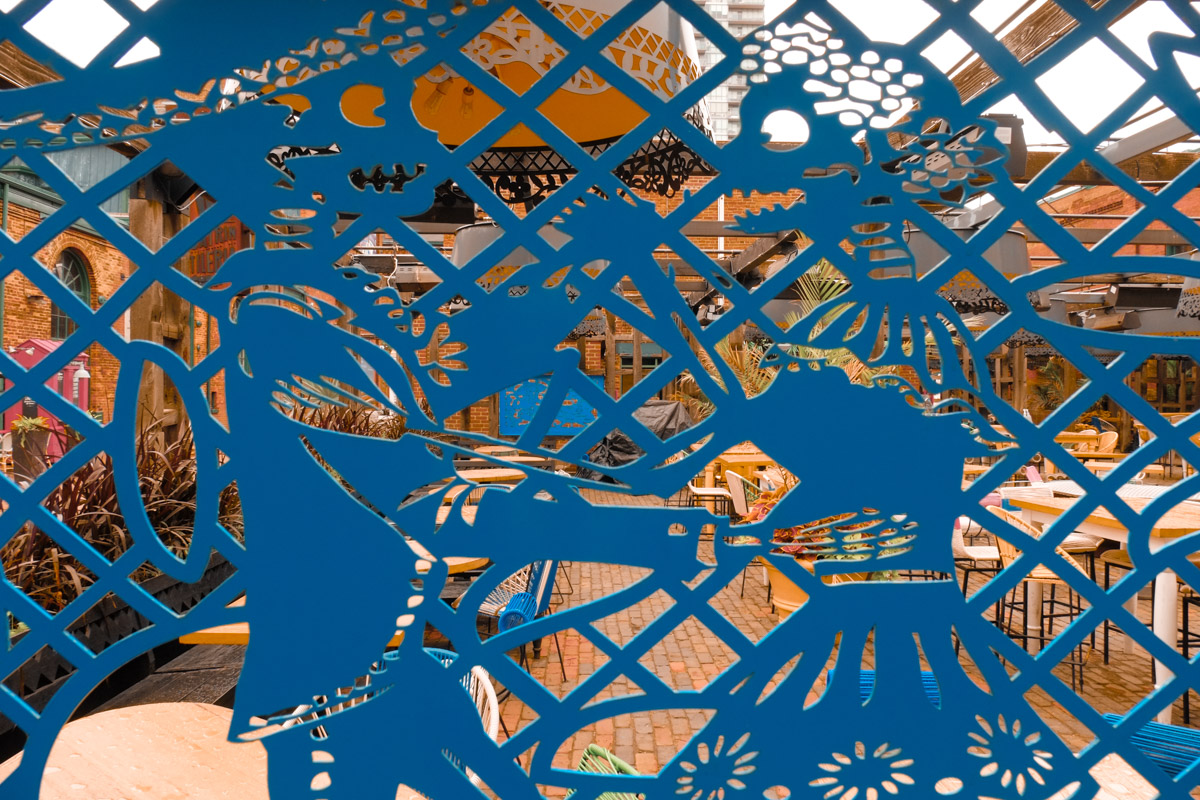
looking through a blue metal cutout of a mexican day of the dead couple, to a restaurant on the other side

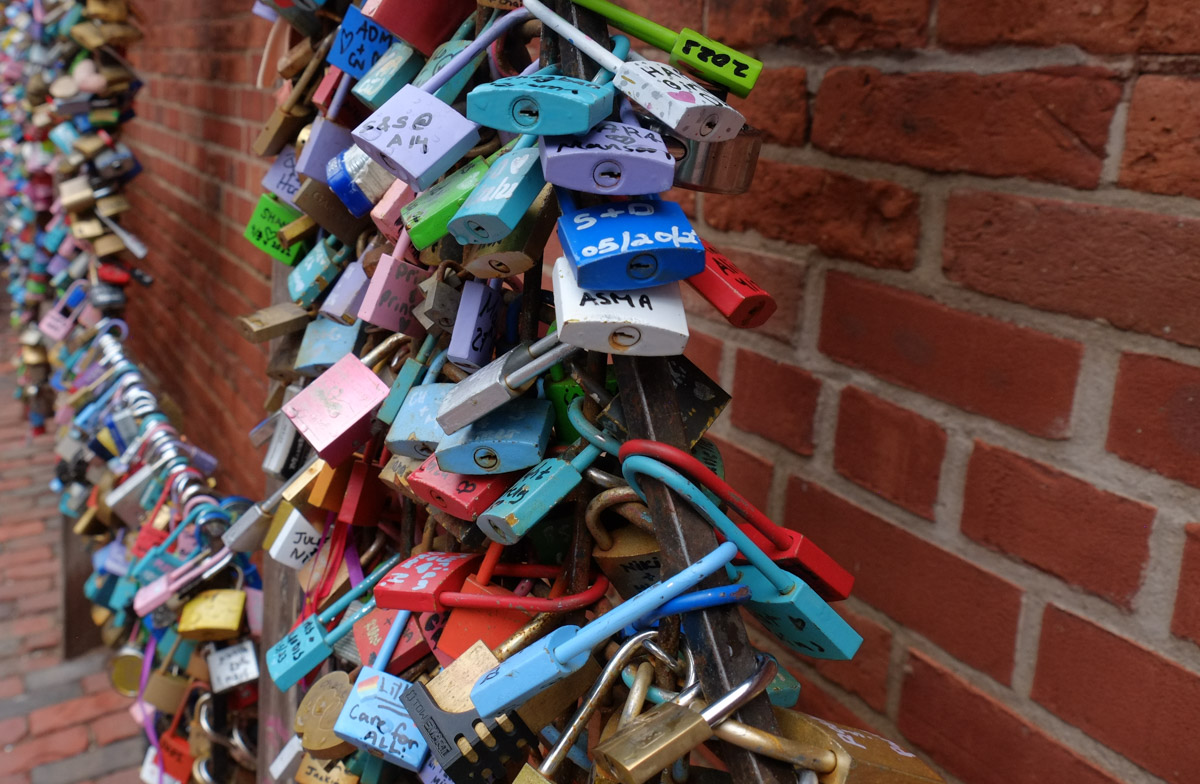
locks attached to a metal structure on a brick wall, love sign in distillery

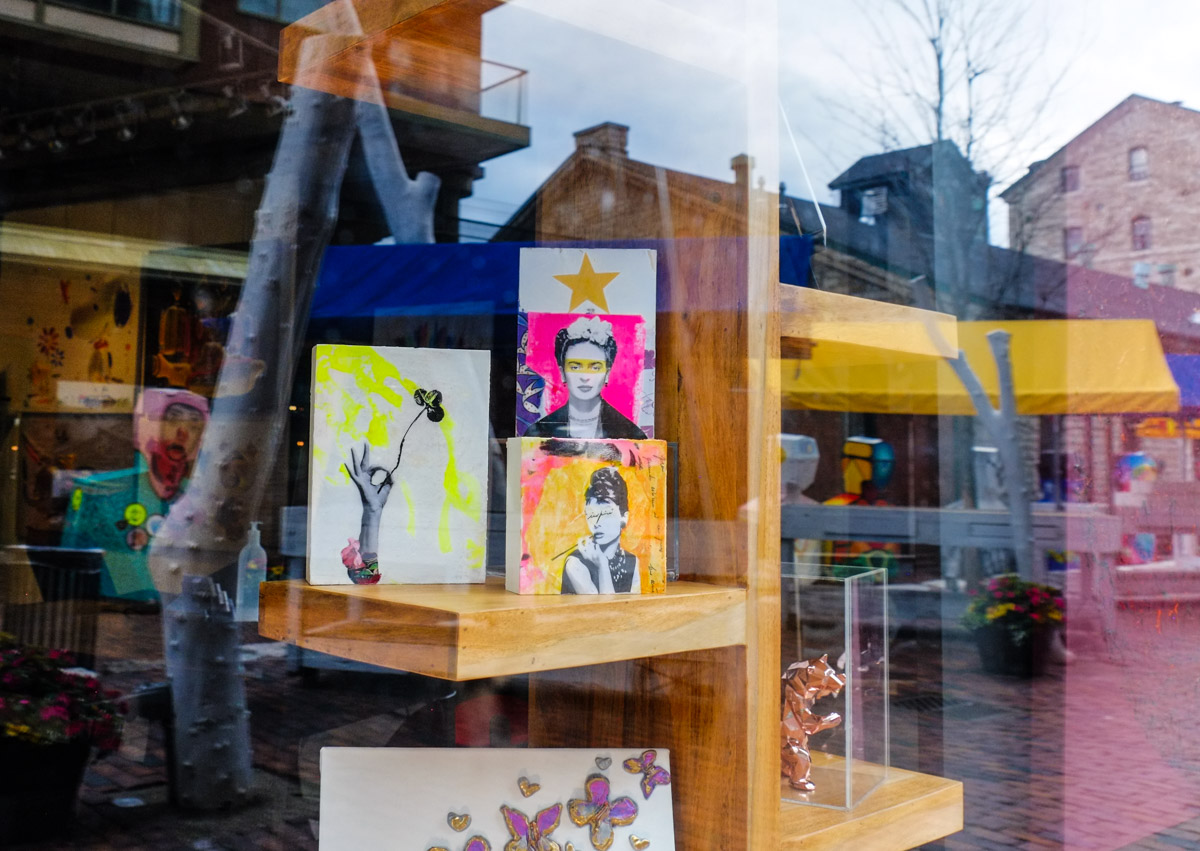
reflections in a small gallery window

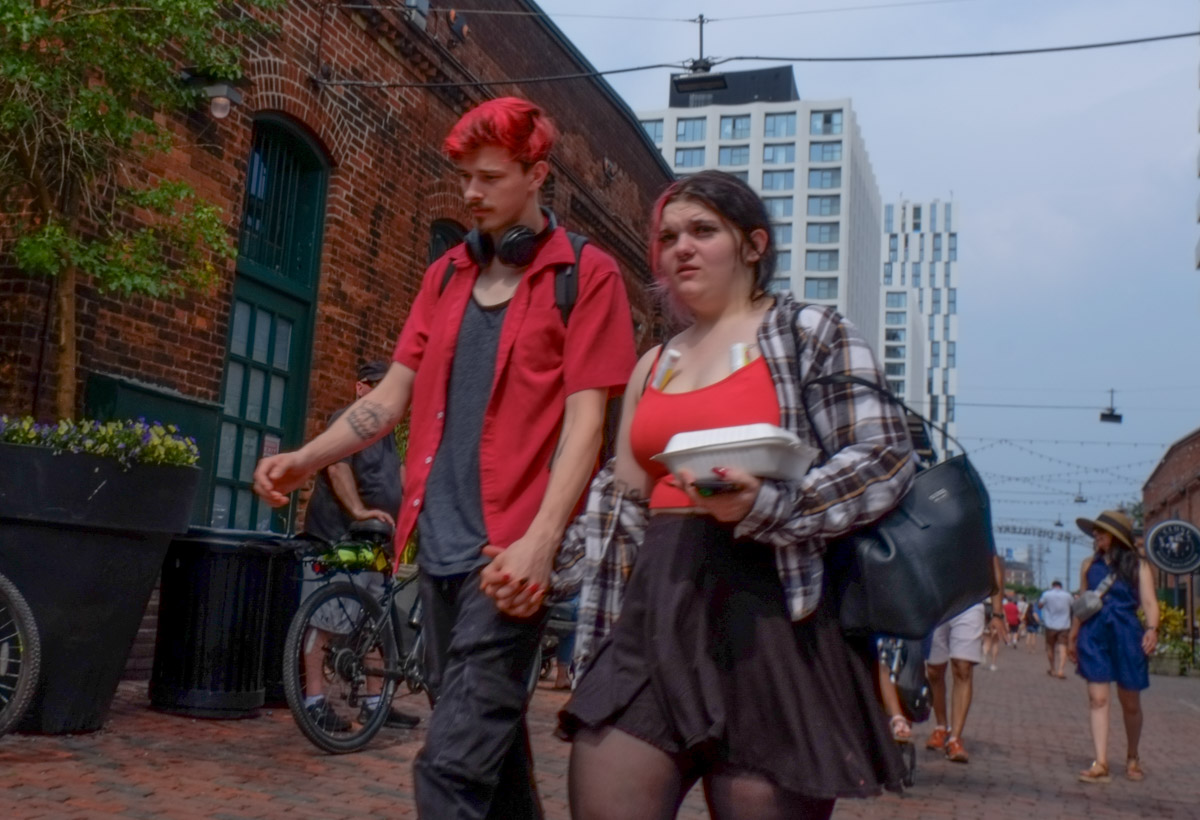
a couple walking in the distillery, he has bright red dyed hair

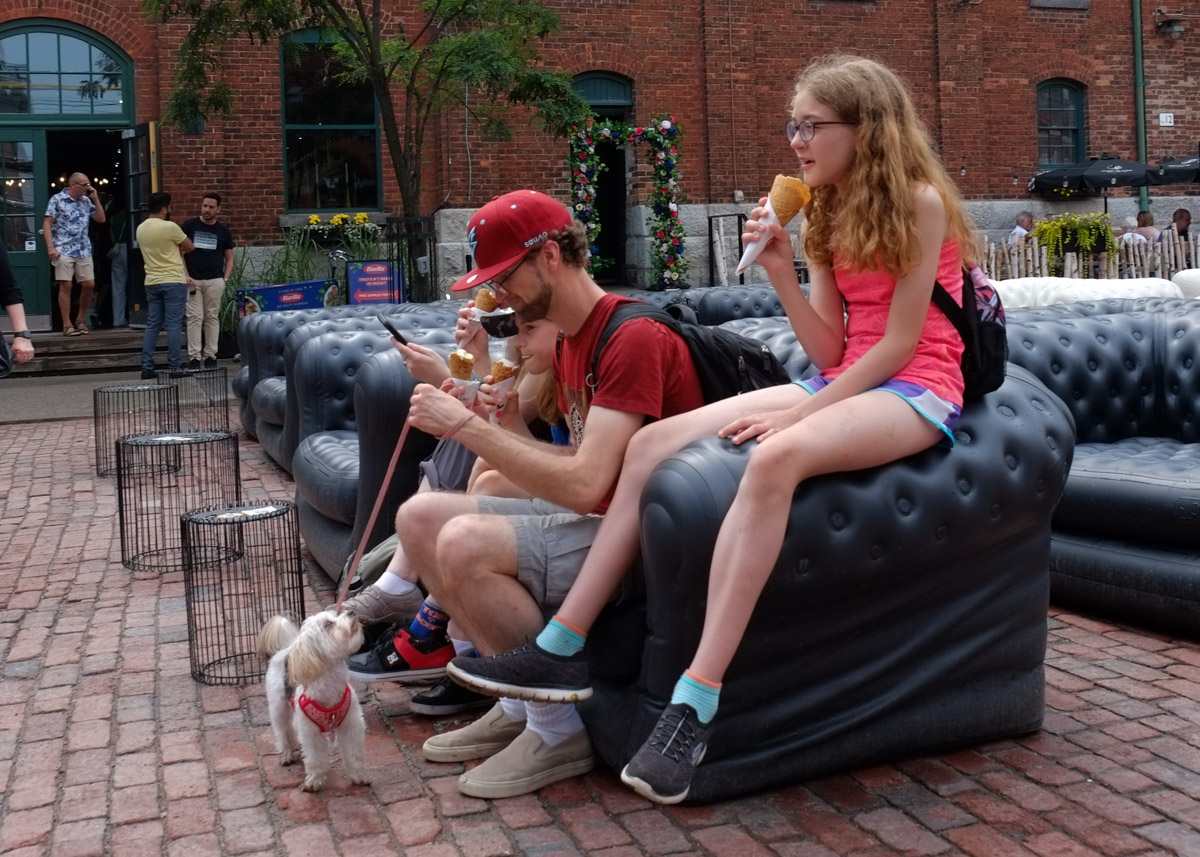
below: The inflatable couches are there because through July there are night time showings of various movies, Italian movies for the most part I think.

a family eating ice cream while seated in the distillery district

below: Painting by Terran McNeely for Pride 2023.

painting by Terren McNeely, pride 2023, man with inverted rainbow pyramid in his hand

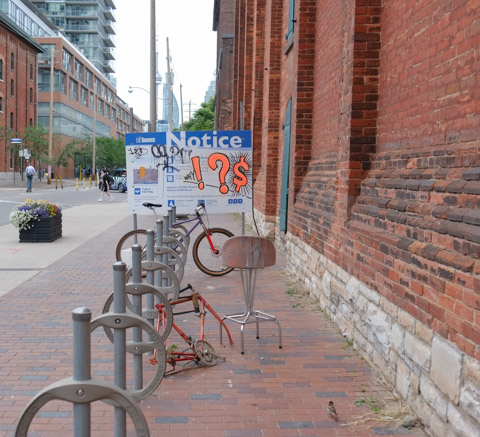
below: Development notice sign on Mill Street.

broken bike at bike stand on Mill Street, by blue and white development notice sign beside brick building

below: One of the buildings on Distillery Lane is being refurbished.  Yellow crane is for new development on Parliament.

view at south end of Distillery, just north of Gardiner, looking west towards CN Tower, many cranes, large billboard

below: There is now a hole on Parliament!

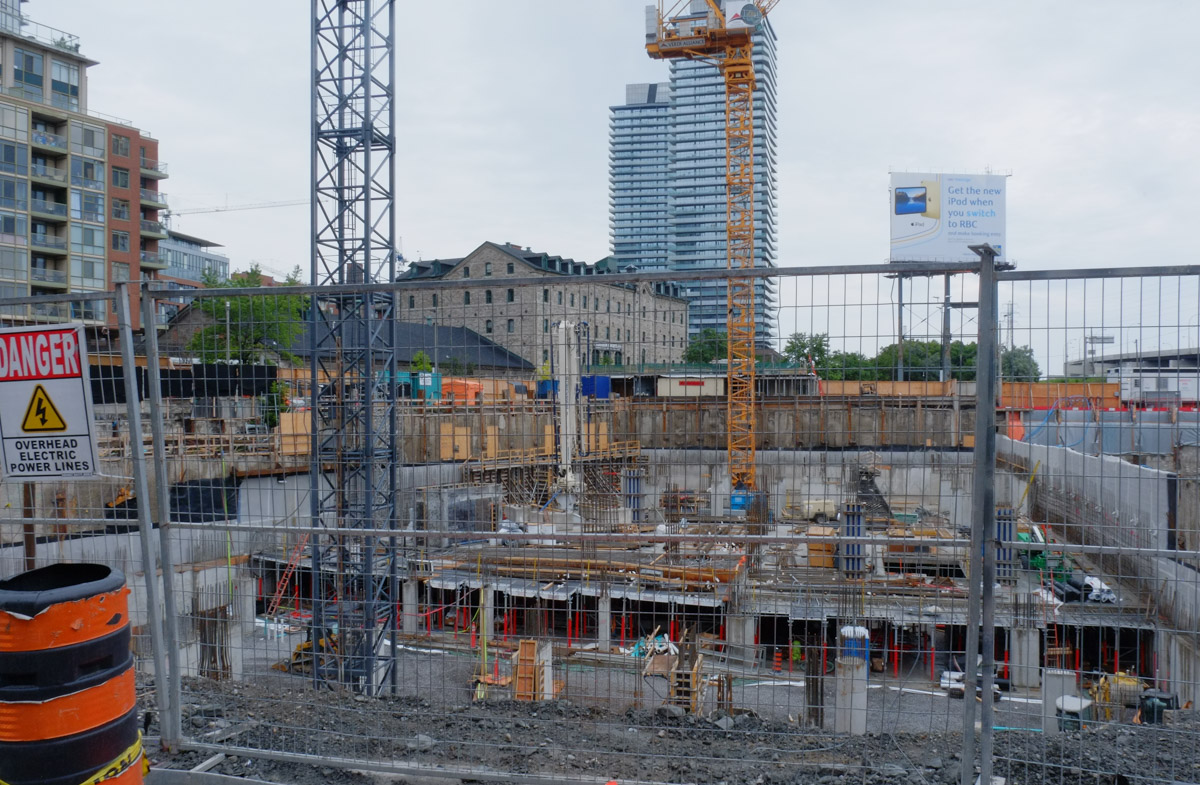
construction site on parliament, large hole in the ground with distillery district in the background, cranes

below: … a very big hole!

construction site on parliament, large hole in the ground

below: And I’ll end this post with a sigh…. some people

trash, used coffee cups and an empty bowl and plastic spoon, left on a window sill, flower box in front of it

… with touches of pinks and other colours.  Spring time!

Here are a few photos of spring in the city that I collected as I walked in the past few weeks.

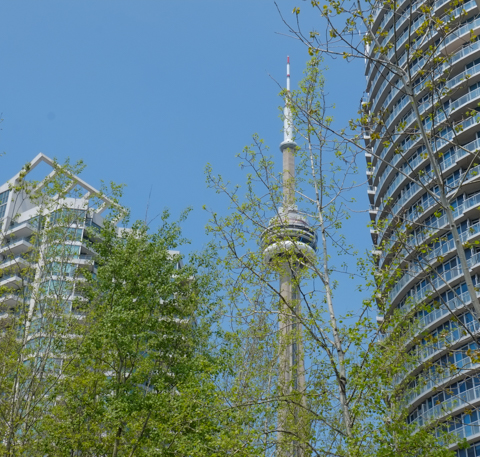
CN tower behind spring buds and new growth on trees

below: Spring time … when all the bugs and insects come out!

a large stuffed caterpillar on a deck of a house

below: As do the trees….  including this massive pink magnolia in full bloom.

a large pink magnolia tree in a front yard

a house with a large white blossom tree in the front yard

below: Flowers on a grave

York cemetery, tombstones in foreground, tall buildings of North York in the background

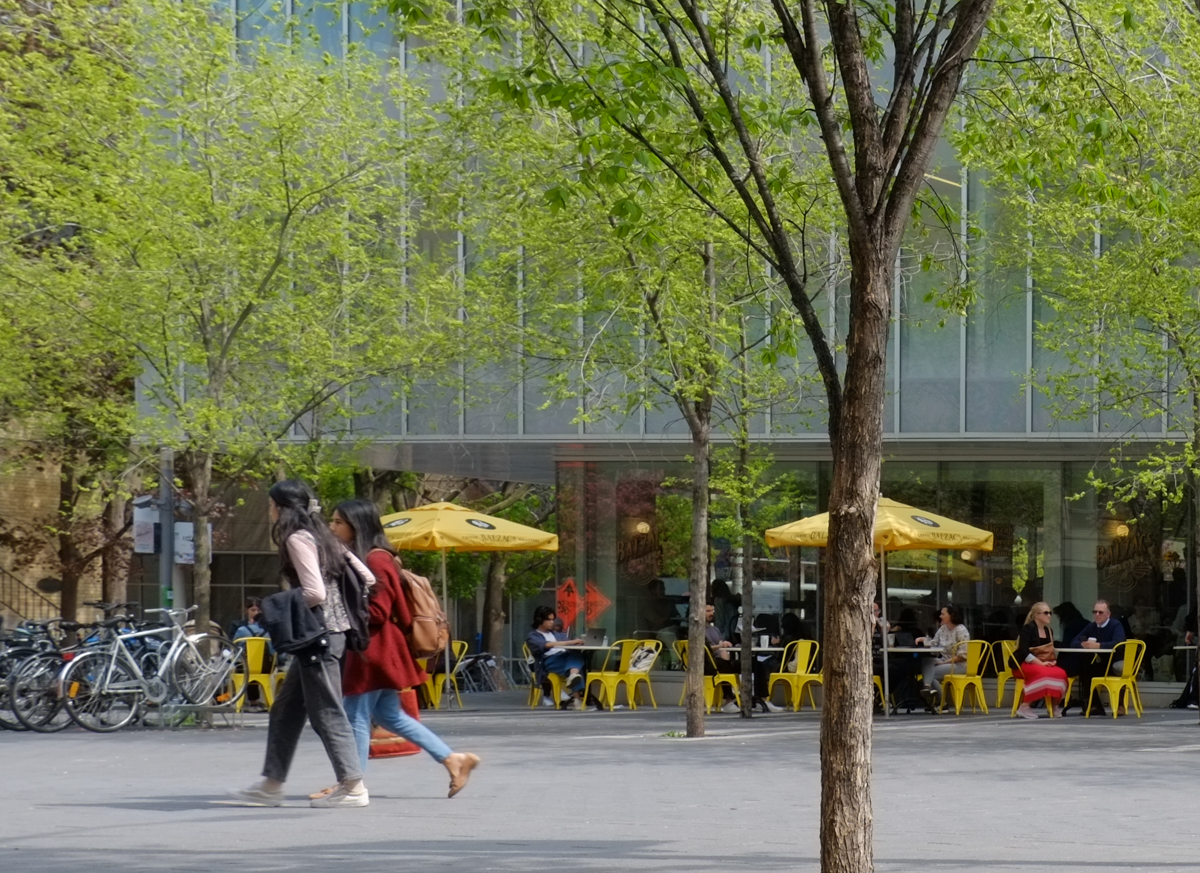
Ryerson university, Balzacs coffee, yellow umbrellas outside on spring day, people sitting outside, some people walking past

a man sits on a red bench on Pape Ave., East York

Pinehills cemetery, stones in the oreground, blossom trees in spring in the middle, and apartment building with blue features in the background

two houses on a street, with condo in background, spring, double car garages, white brick, black roofs, large tree in front

front yard, black metal trellis, blossom trees, one yellow tulip, fake stone front of house, stone walkway, brown wood fence, single white door for front door

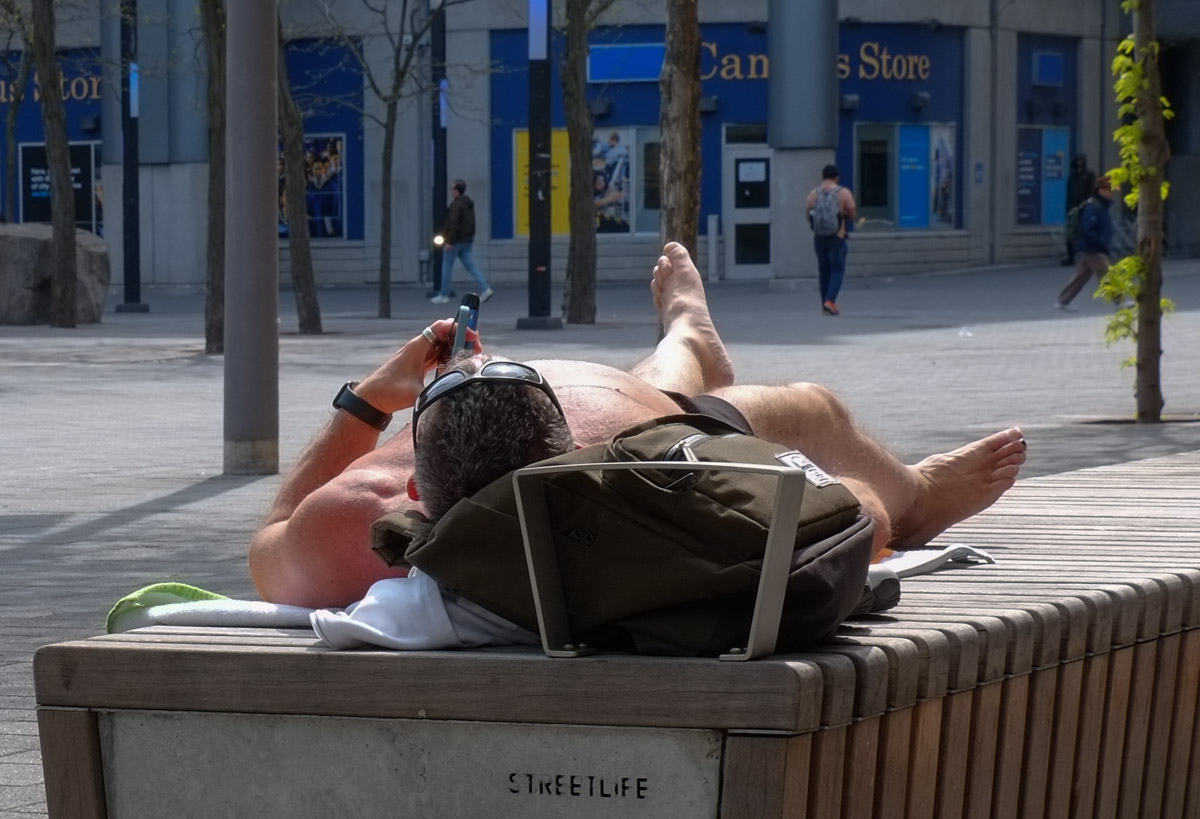
a man wearing only shorts lies on a bench

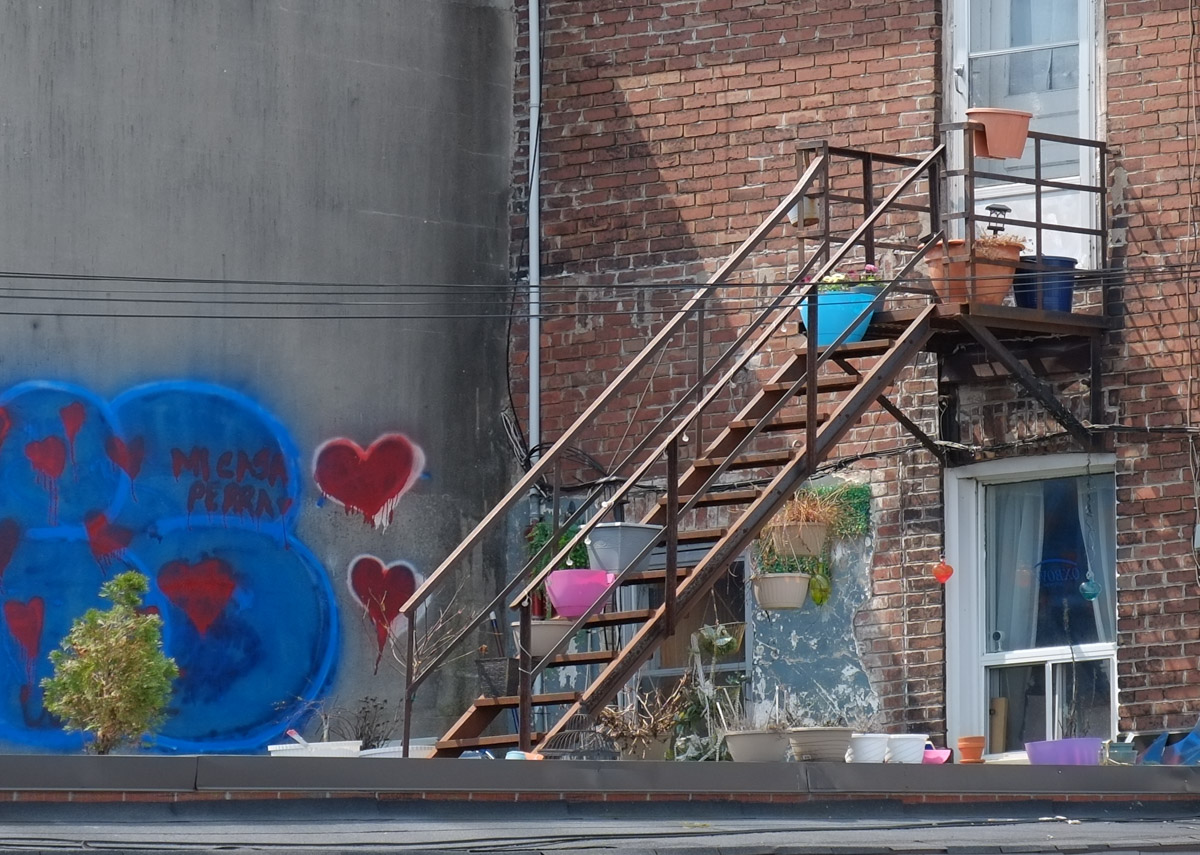
back staircase of a brick building, upper apartment, with blue and pink planters on the stairs

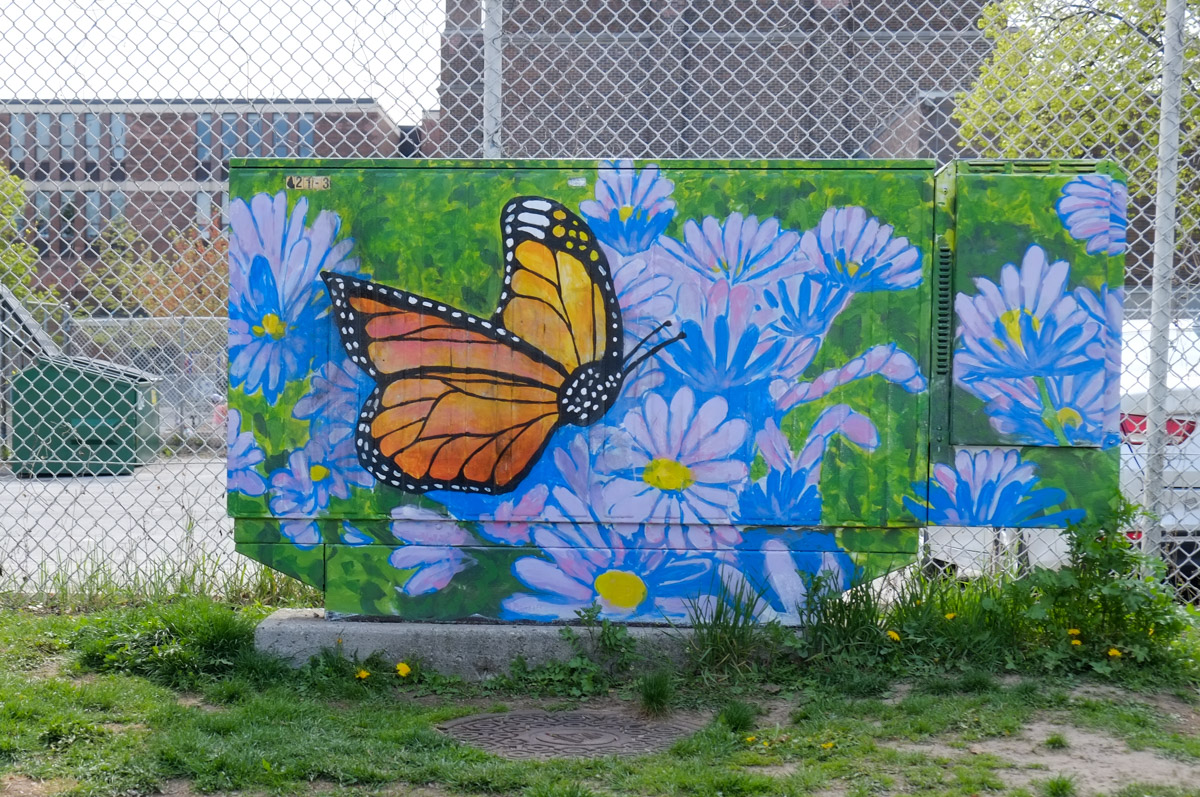
metal box on sidewalk, bell box, painted with a monarch butterfly in a field of pale purple daisies

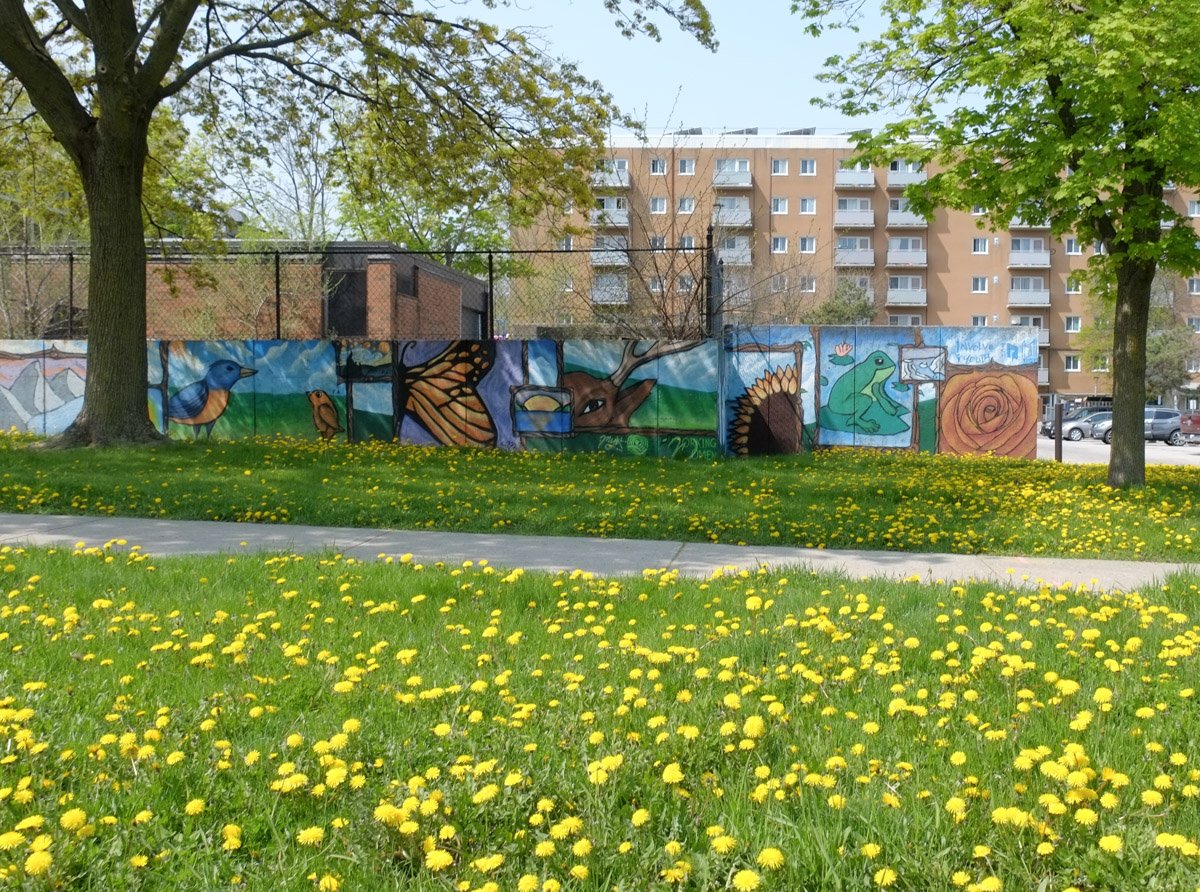
lots of dandelions in the grass by a sidewalk in front of a wall with street art on it, apartment building behind.

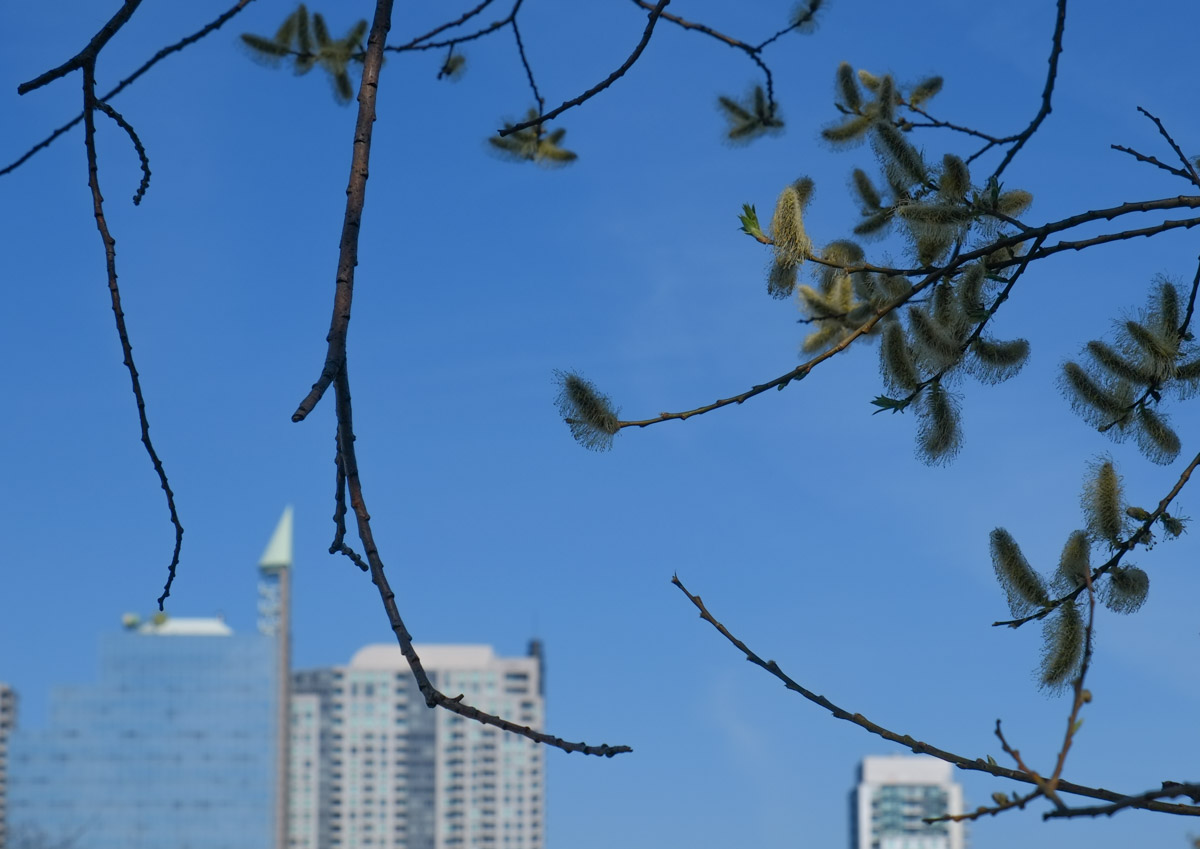
pussy willow in the foreground, tall buildings in the background

big old willow tree in spring in front of two houses

house with pale pink siding on upper floor, spring

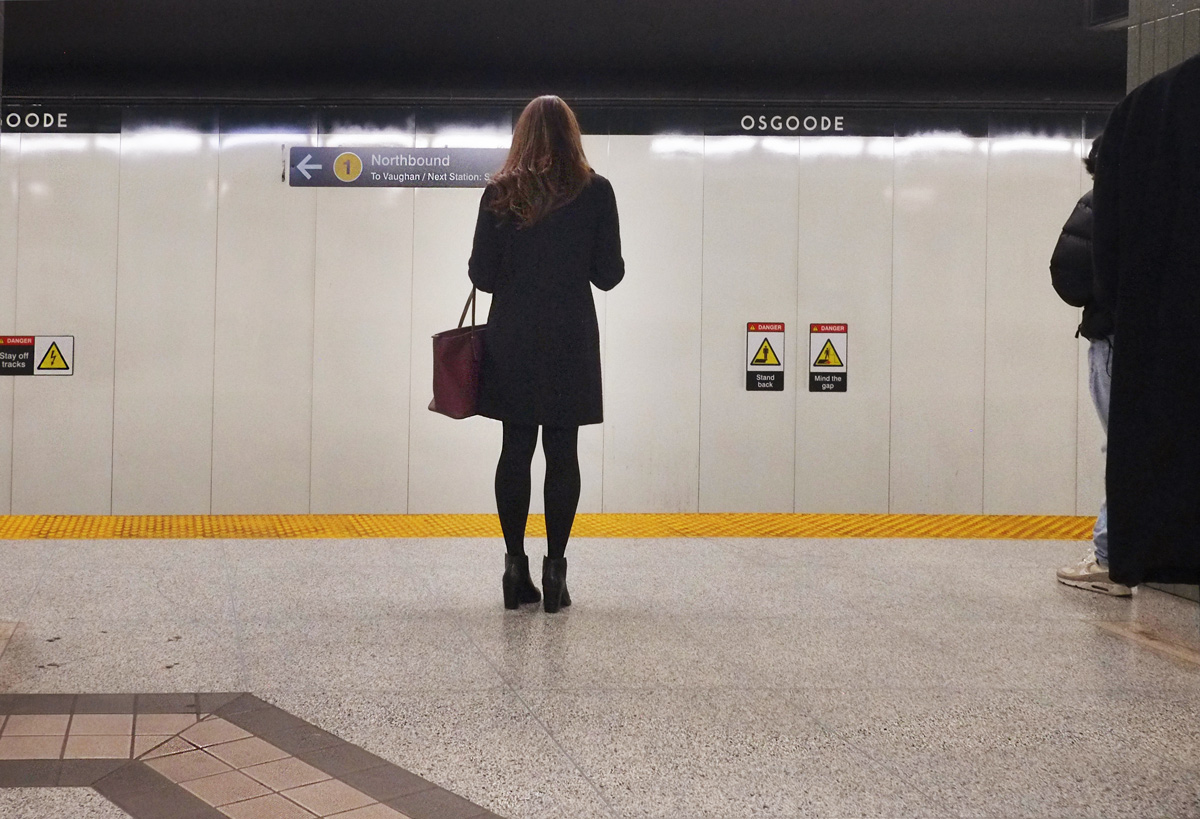
Welcome to Osgoode subway station.

young woman in short coat, boots, and a reddish handbag stands on the osgoode subway station platform

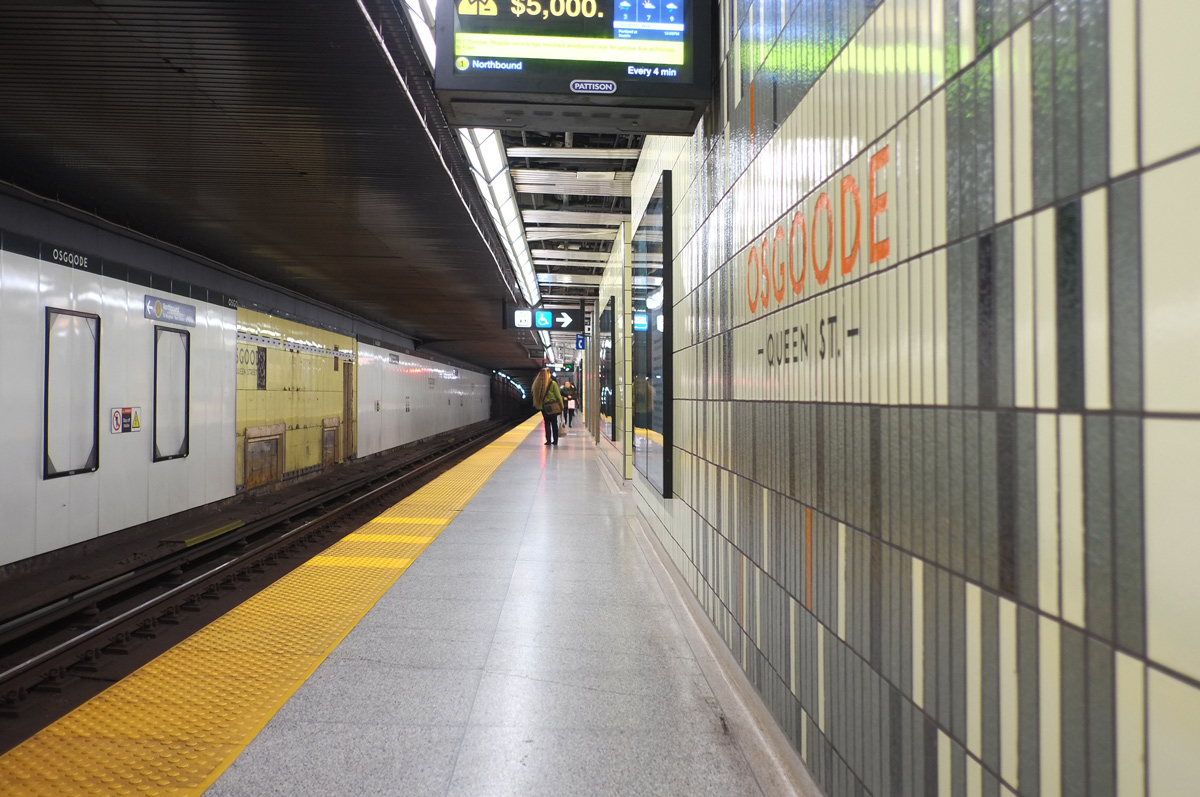
It’s not the busiest station on the University Line but changes are in the works.  It is going to become one of the transfer stations with the new Ontario Line.  This line will cross downtown underground with stations at: Corktown, Moss Park, Queen, Osgoode, Queen/Spadina, and King/Bathurst.

Osgoode subway platform

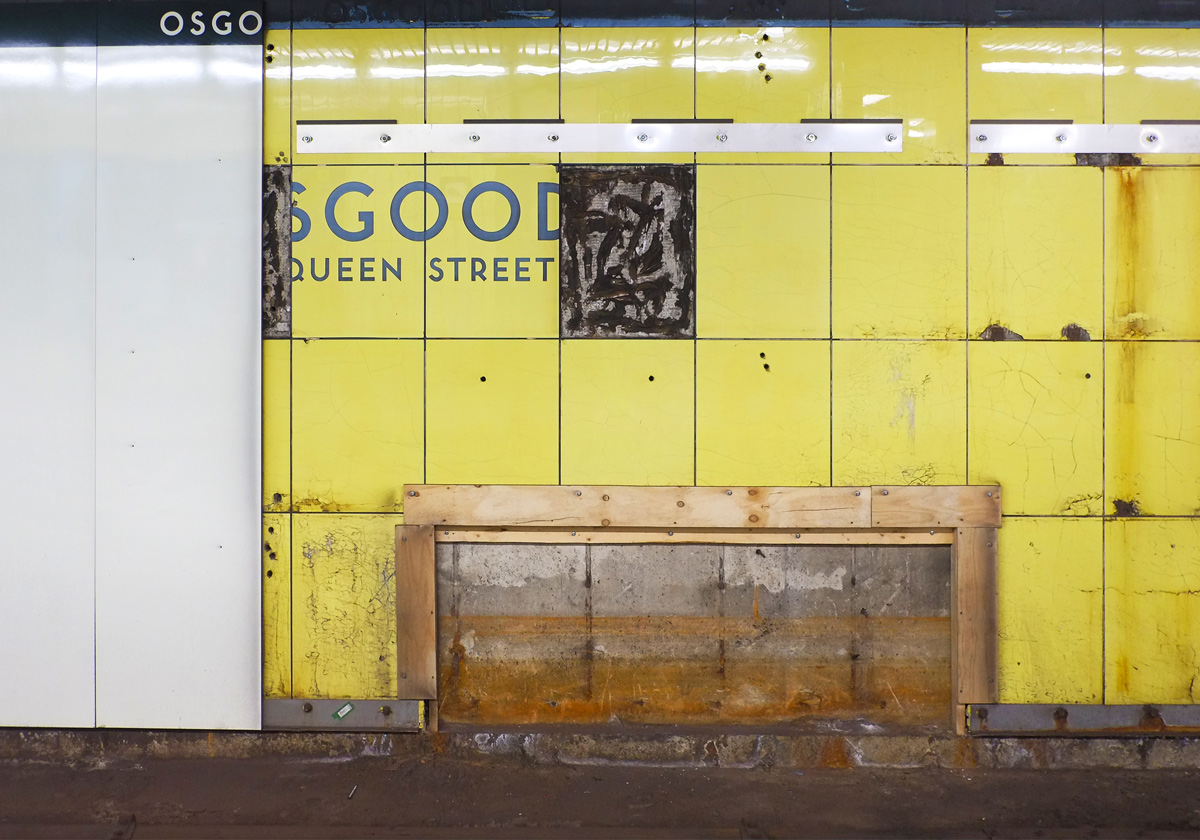
When the University Line was built in 1966, Osgoode station was yellow with greenish accents.

section of wall at osgoode subway station, original yellow tiles have been revealed when part of new white cladding was removed

Like other University Line station, it is nondescript and built with the minimum of fuss.

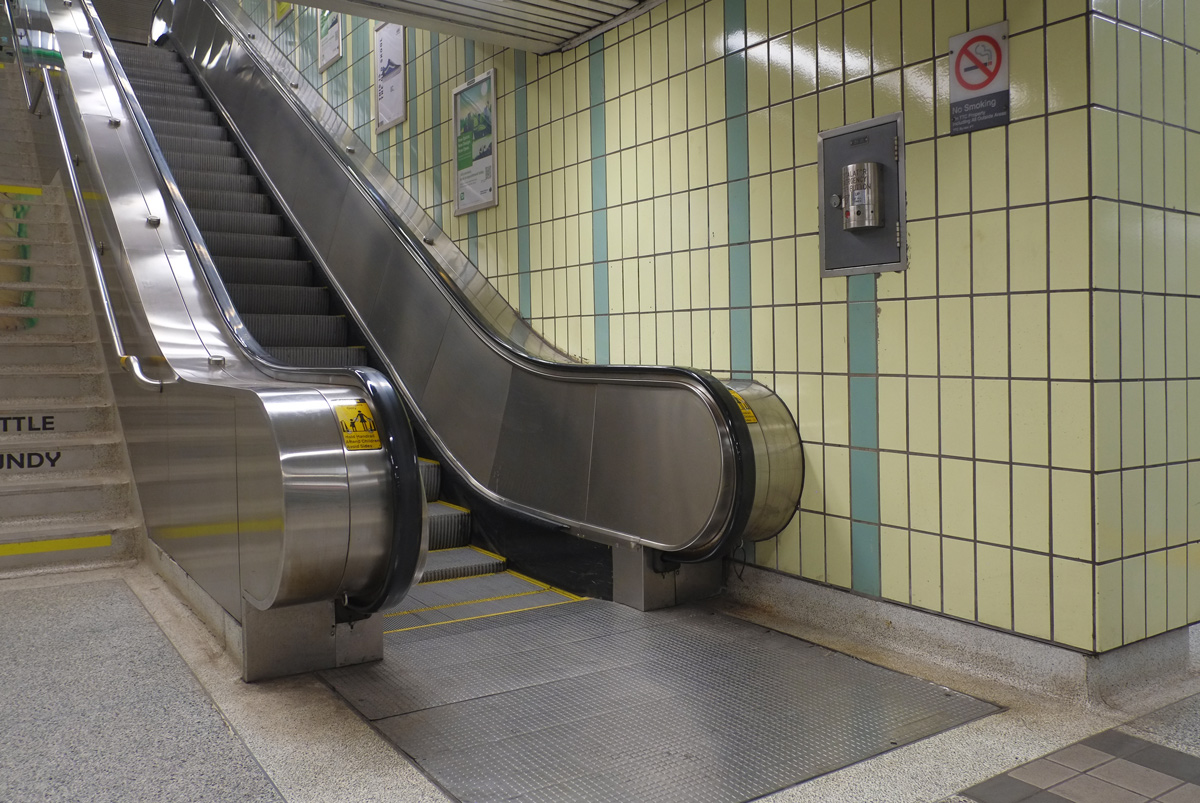
escalator from platform level at osgoode ttc subway station, yellow and green tiles on the walls

One could say the bare minimum

tunnel to an exit at Osgoode station, green tiles on walls, grey institutional flooring, overhead lights, exit sign at the end of the tunnel

One of the only extras that have been added to the station recently is direct access to the  Four Seasons Centre on the southeast corner.

stairs connecting osgoode subway station with Four Seasons centre

The other three corners of the University and Queen West intersection have stairwells on the sidewalks that connect to Osgoode station.   But…. I didn’t really mean to dwell on the station itself….

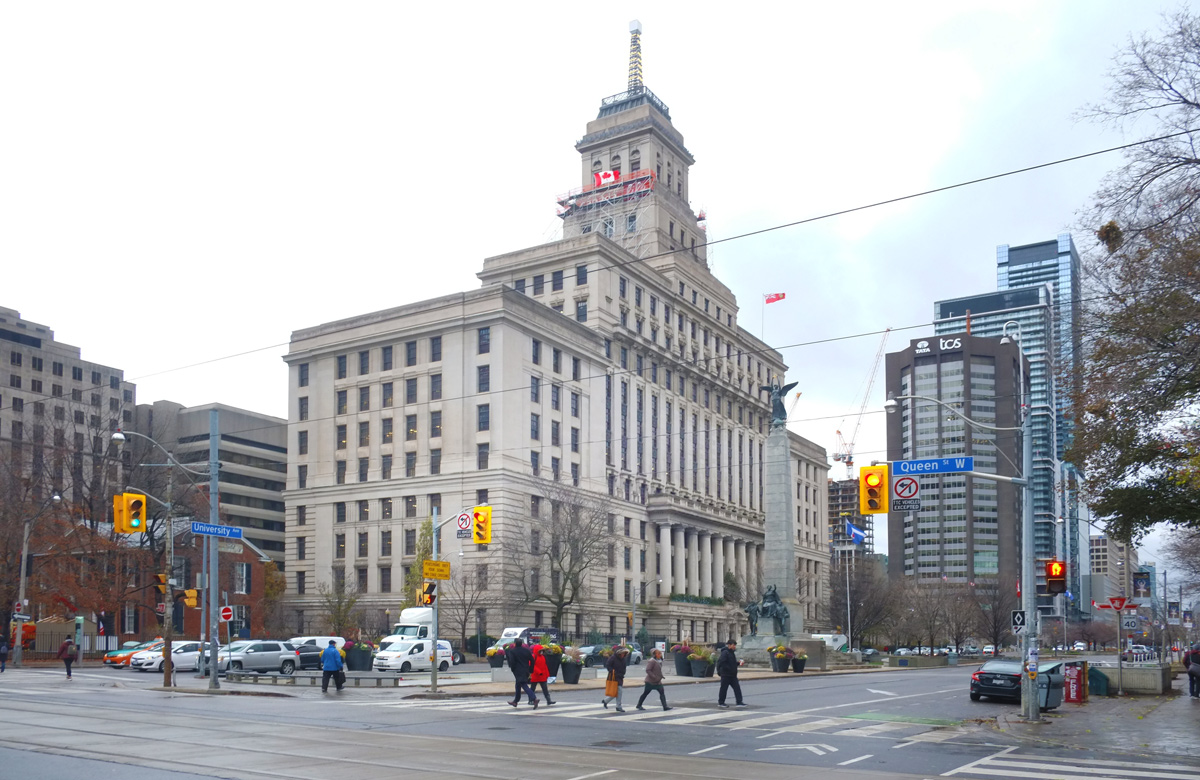
below: Canada Trust building on University Avenue
Canada Trust building on the west side of University Ave., just north of Queen, people crossing University Ave at the intersection, rainy day

I came here to document the intersection as it is now, pre-Ontario Line construction (and years of disruption!)

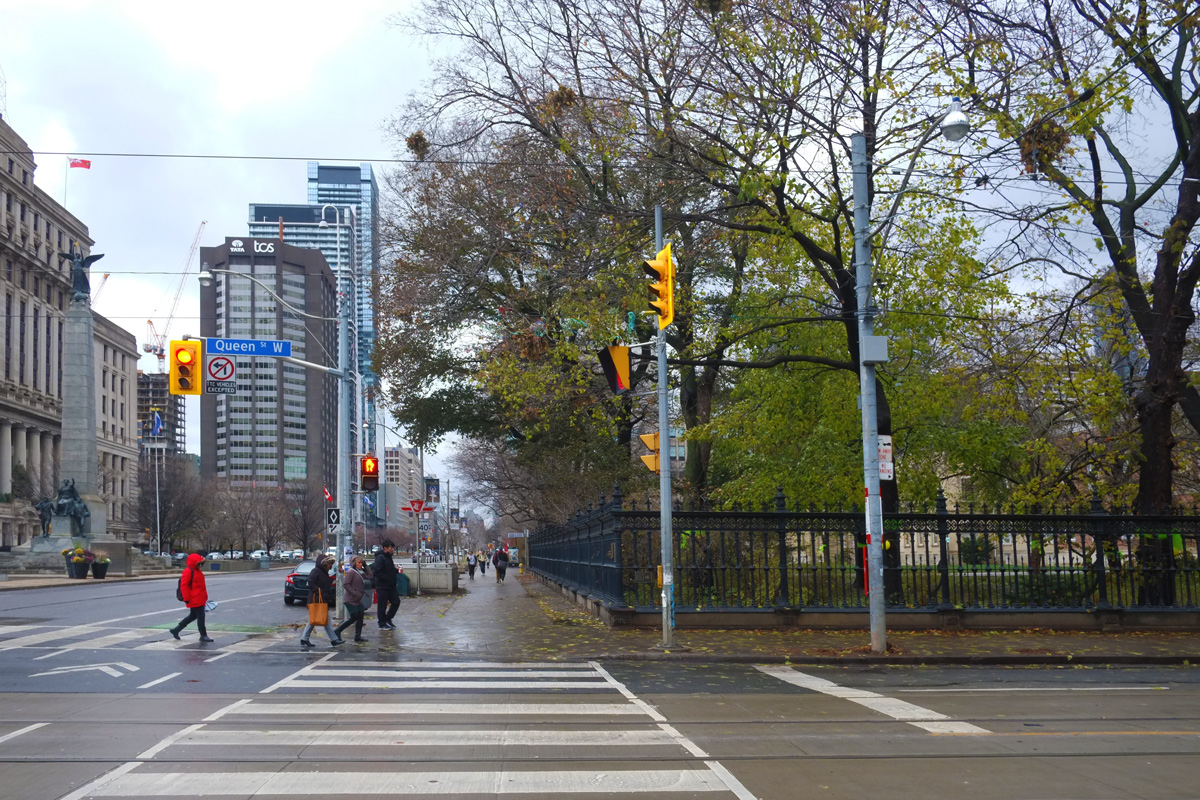
below: Looking north up University Avenue from Queen, east side of University (including the present subway entrance on the sidewalk – close to where the pedestrians are in the photo).

looking north up University Avenue, east side, from Queen, Osgoode law school with green grass and trees in front, surrounded by black wrought iron fence

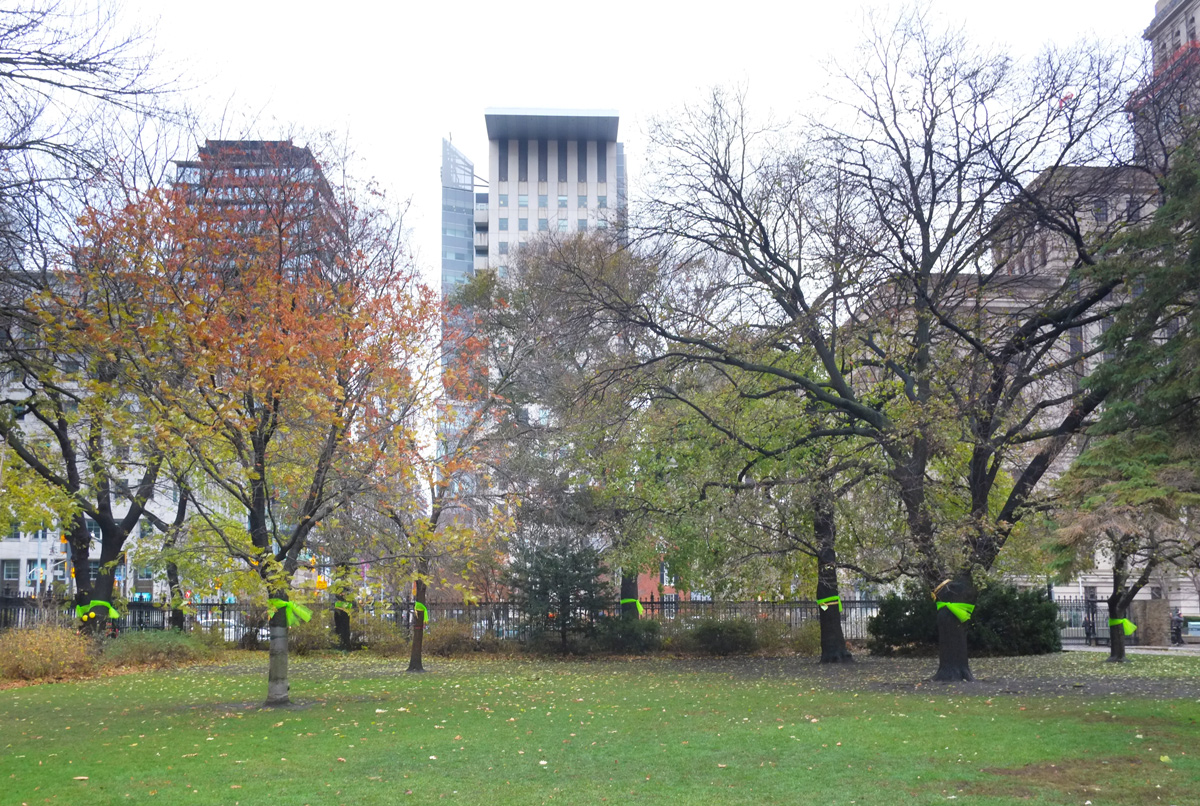
Behind the black wrought iron fence is the former Osgoode Law School (for which the subway is named).  There is public access to the grounds and it is an oasis of green and shade in the summer time.  Green ribbons have been tied around the large trees.

trees in a park, late autumn, early winter, green ribbons are tied around the large trees

… and at least one tree has been tagged as an historic tree.

a large tree trunk with a gold ribbon and green tag on it. Tag says historic tree

Metrolinx wants to build another subway entrance here.  Apparently a third-party independent review of alternative station designs is in the process but hasn’t been completed yet.  Metrolinx decided that in the meantime they’d cut down the trees on the 5th of December (this coming week) anyhow.    If you want to see one of the ideas for the plan, there are artist’s renderings on their website:   The Ontario Line – Neighbourhood Updates – Downtown – Osgoode Station.  As usual, what is pictured now is never guaranteed to be the end product!

The Law Society of Ontario is the custodian of this greenspace and they have formally objected to Metrolinx trying to short-circuit the process.

green space in front of Osgoode Hall, trees, grass, tall buildings in the background (looking south)

Yet another location to keep an eye on!


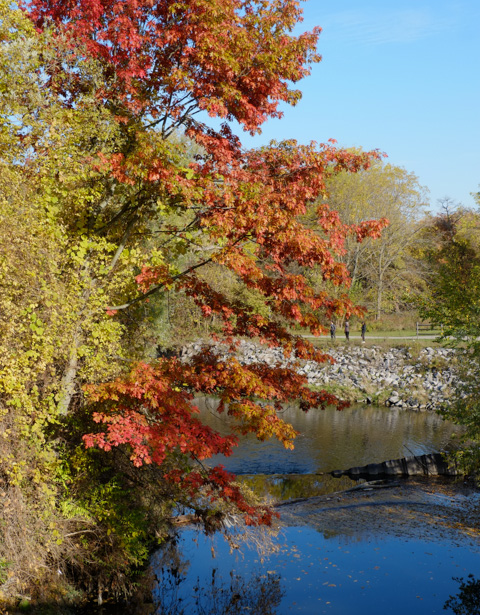
october scene, leaves on trees in different shadesof greens, yellows, and oranges, with blue water of highland creek, as well as reflections of leaves in the water

Colonel Danforth Park is located where Kingston Road and Old Kingston Road pass over the Highland Creek in Scarborough.

people walking by highland creek in october with lots of red leaves on the trees

This past weekend we had some amazing warm and sunny days – great days to spend some time meandering through a park, especially this year when the autumn colours seem so much brighter and plentiful than in past years.  Is it just my imagination or have the colours have also lingered longer?

large deciduous trees with lots of orange and red leaves, october

The north part of the park merges with the grounds of U of T Scarborough campus.

bright orange and red leaves on mid si

people at univerity of toronto scarborough campus tennis courts on lower playing fields, october, trees in bright autumn colours

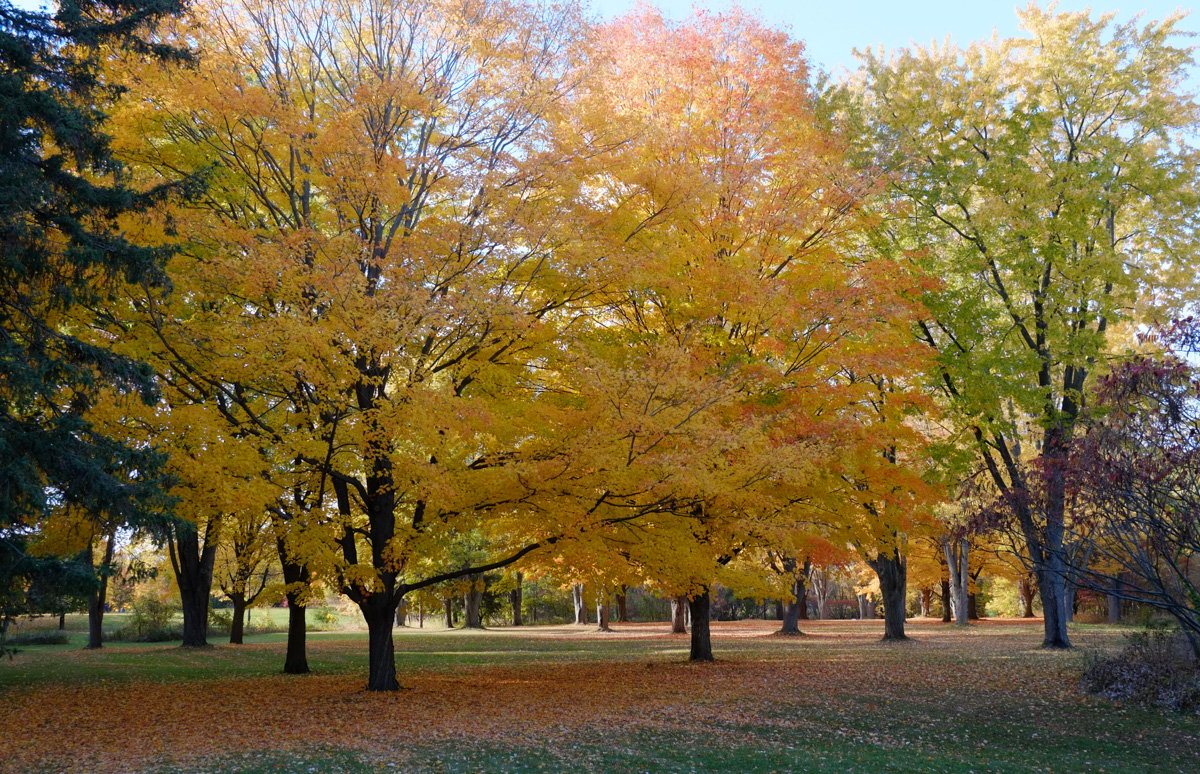
large group of autumn trees, with lots of leaves on the ground

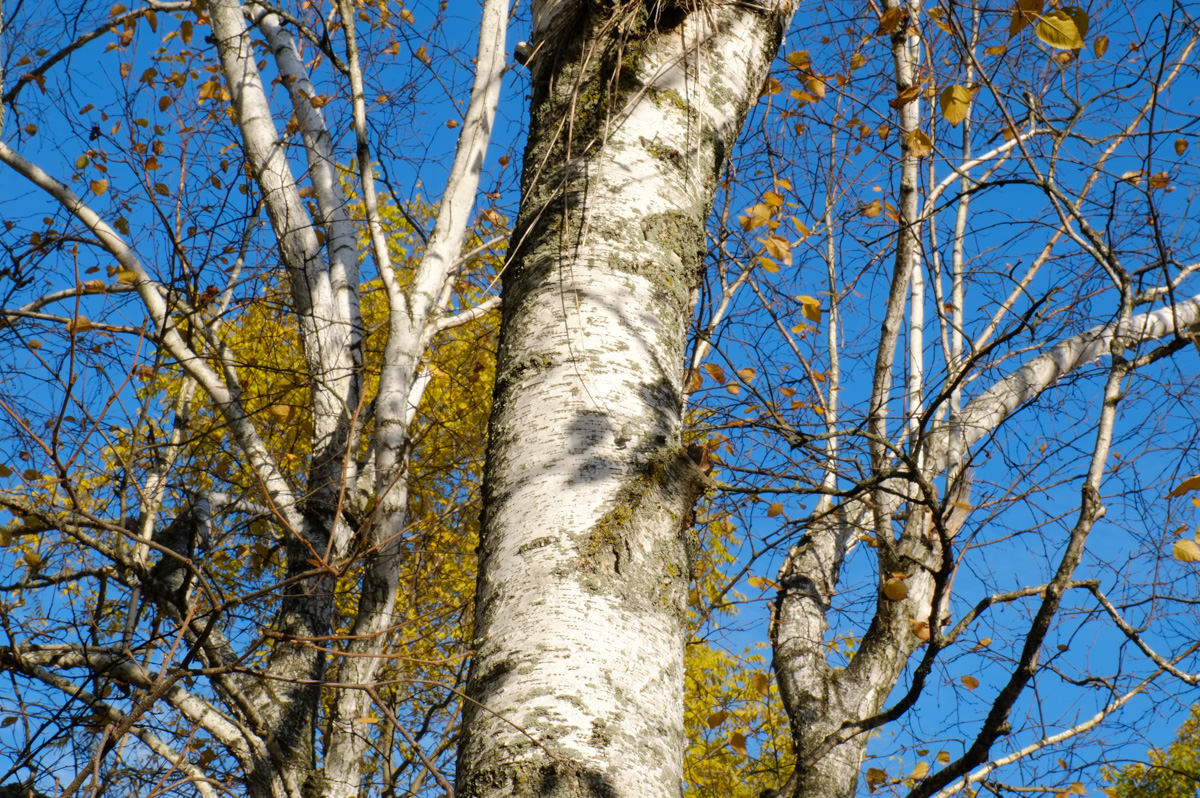
birch trees in autumn, lots of blue sky too

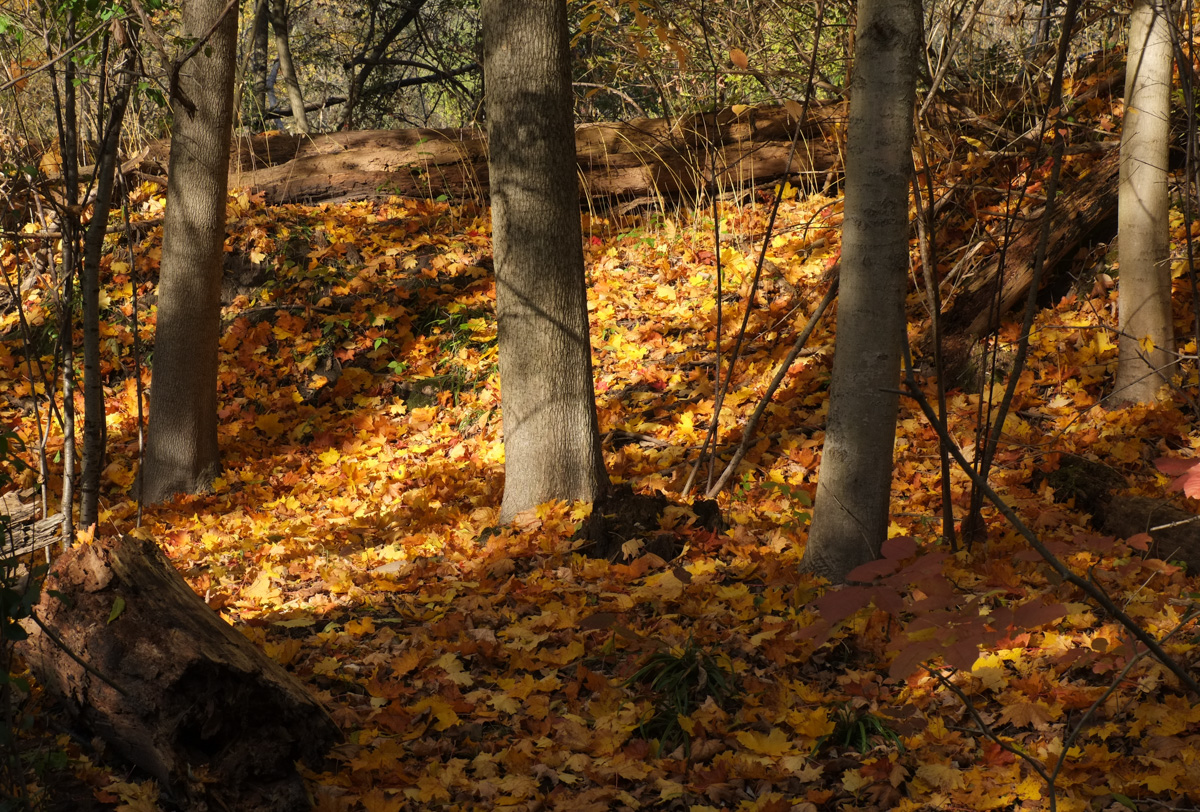
late afternoon sun low in sky, long shadows, light through tree trunks, with lots of october leaves on the ground

october afternoon in the woods, large mature trees with lots of colourful leaves

afternoon sunlight shining through forest

three tall straight pine trees beside a path

a path through the woods in October, different coloured leaves on the trees, leaves fallen on the path

trees in the woods at Colonel Danforth park, one is dead, the others have colourful leaves, october scene

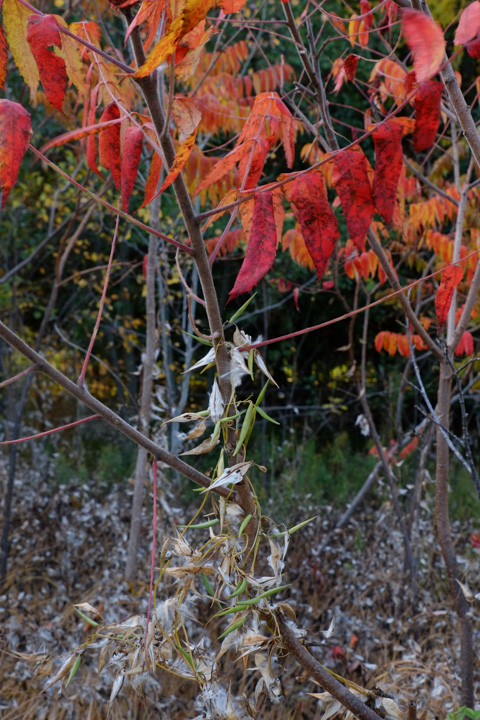
below:  Seed pods of ‘dog-strangling vine’ (or swallowwort) starting to burst.  This plant is an invasive species.  It is quite pretty at this time of year as the seeds are released and the leaves of the plant turn a silvery colour.  Unfortunately, it is a fast growing vine that quickly climbs other plants such as this young sumac tree.  It will kill that plant.

dog strangling vine growing on young sumac or sumach with red leaves

the remains of a very old tree, a broken stump, very large, beside another tree

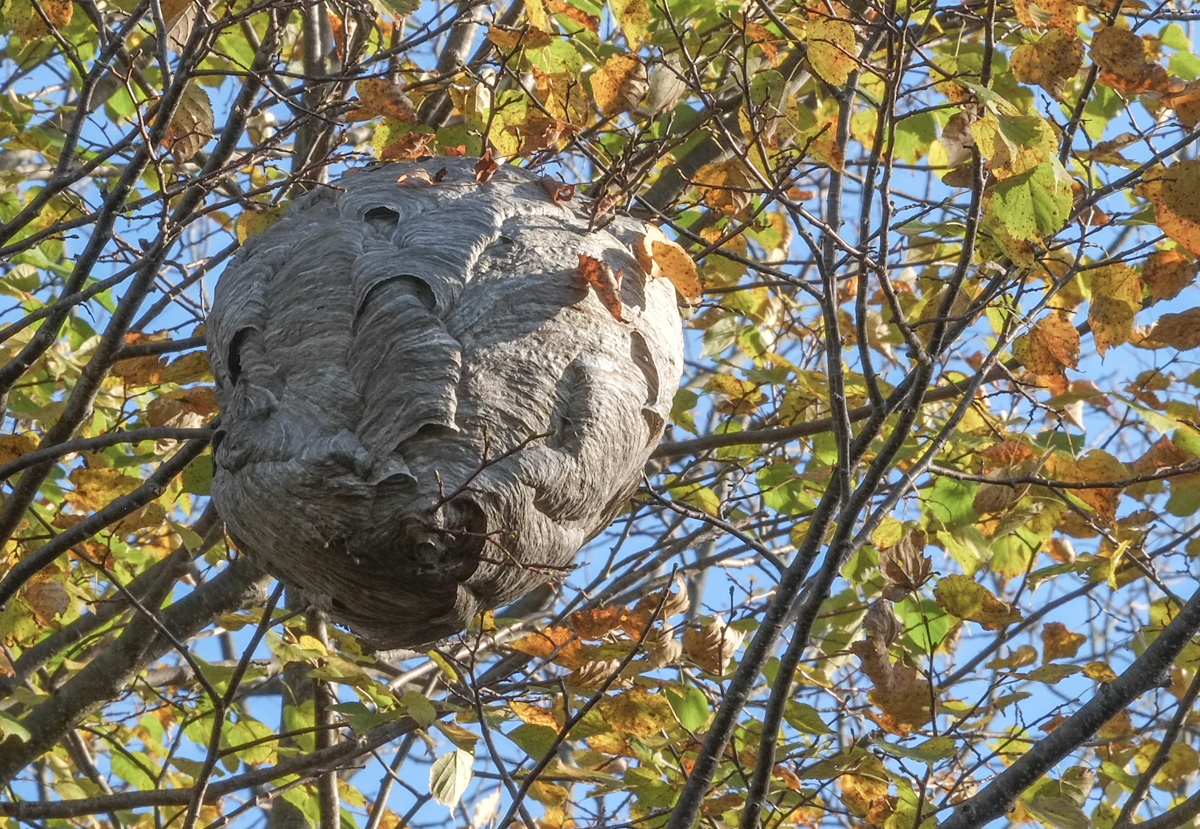
below: A wasp nest high up in a tree

large globe shaped wasp nest up in a tree

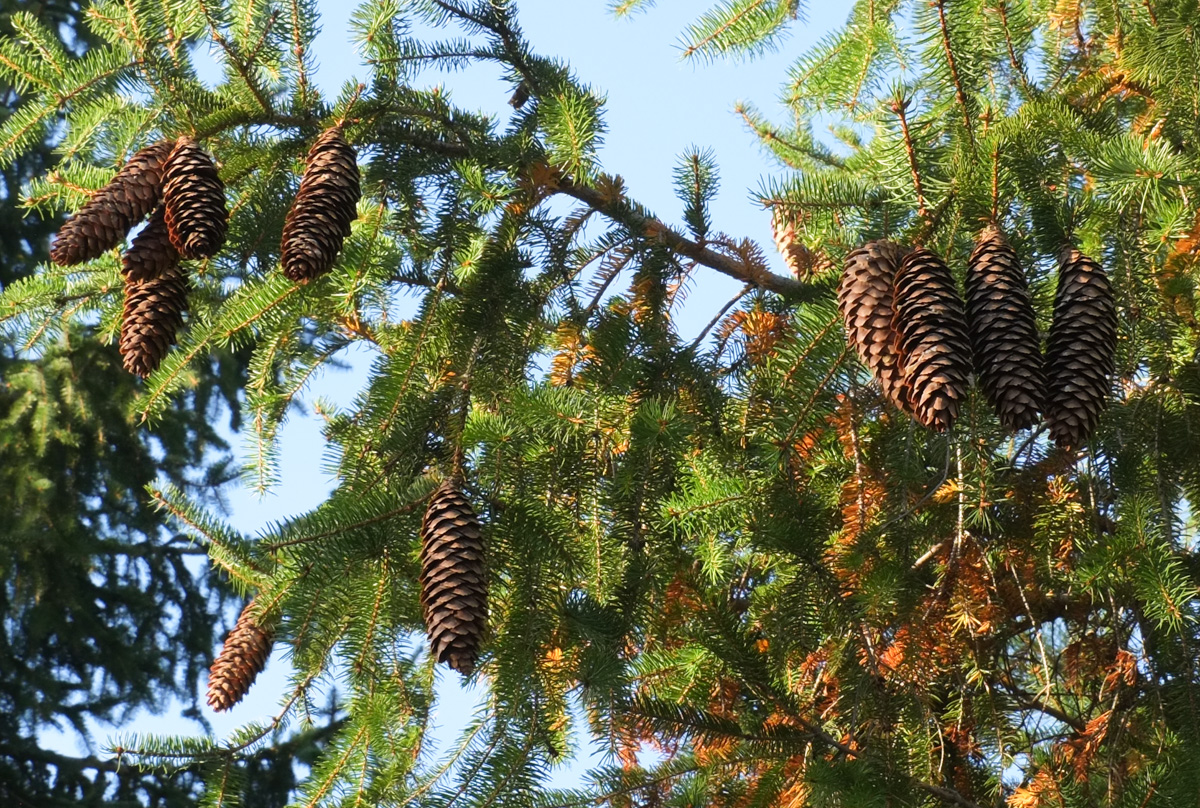
big fat pine cones growing on a pine tree

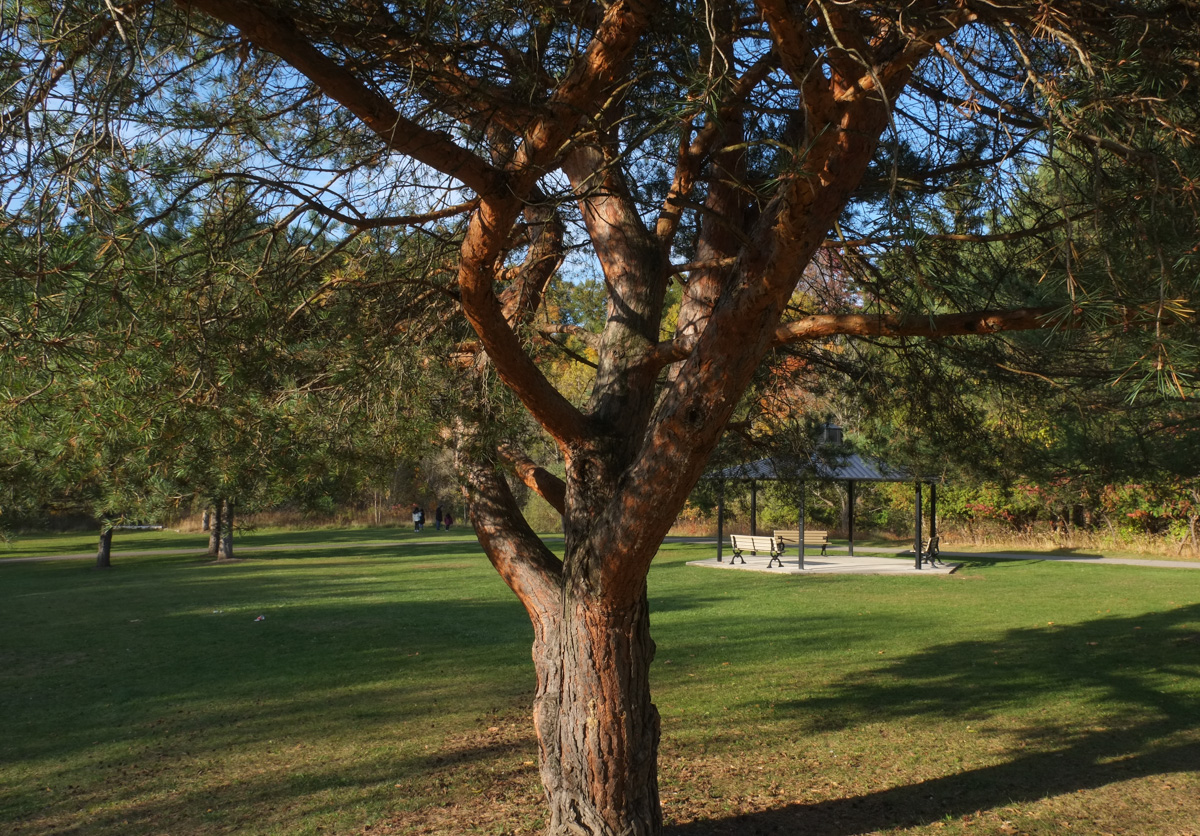
large reddish hued pine tree with gnarled trunk in the foreground, benches in the park in the background

below:  Ooops!  “Off roading” taken a bit too far.

a small plastic toy ride on truck stuck on the rocks in a creek

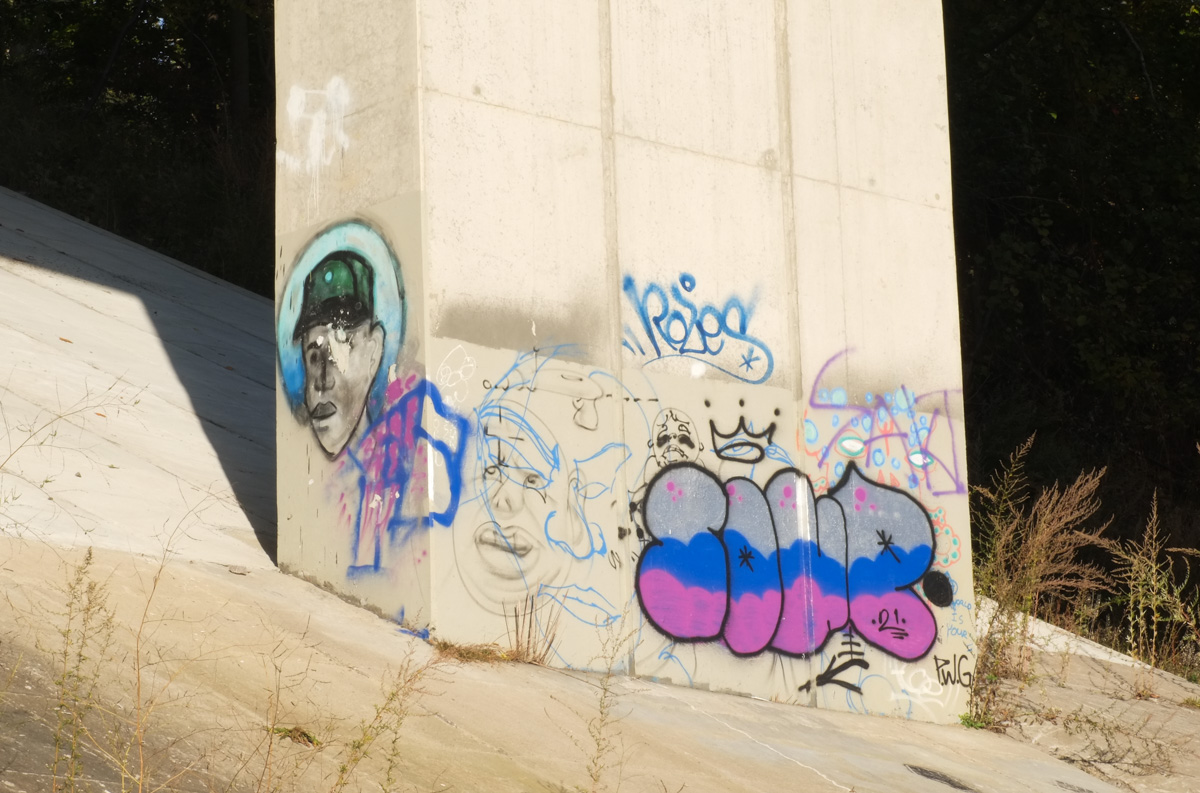
below: Under Kingston Road

three faces, graffiti on concrete supports for a bridge. each face has black hair, one has glasses and their skin is various shades of brown

 graffiti on bridge concrete support

tall concrete supports holding up bridge, Kingston Road, over Highland creek and Colonel Danforth park

***

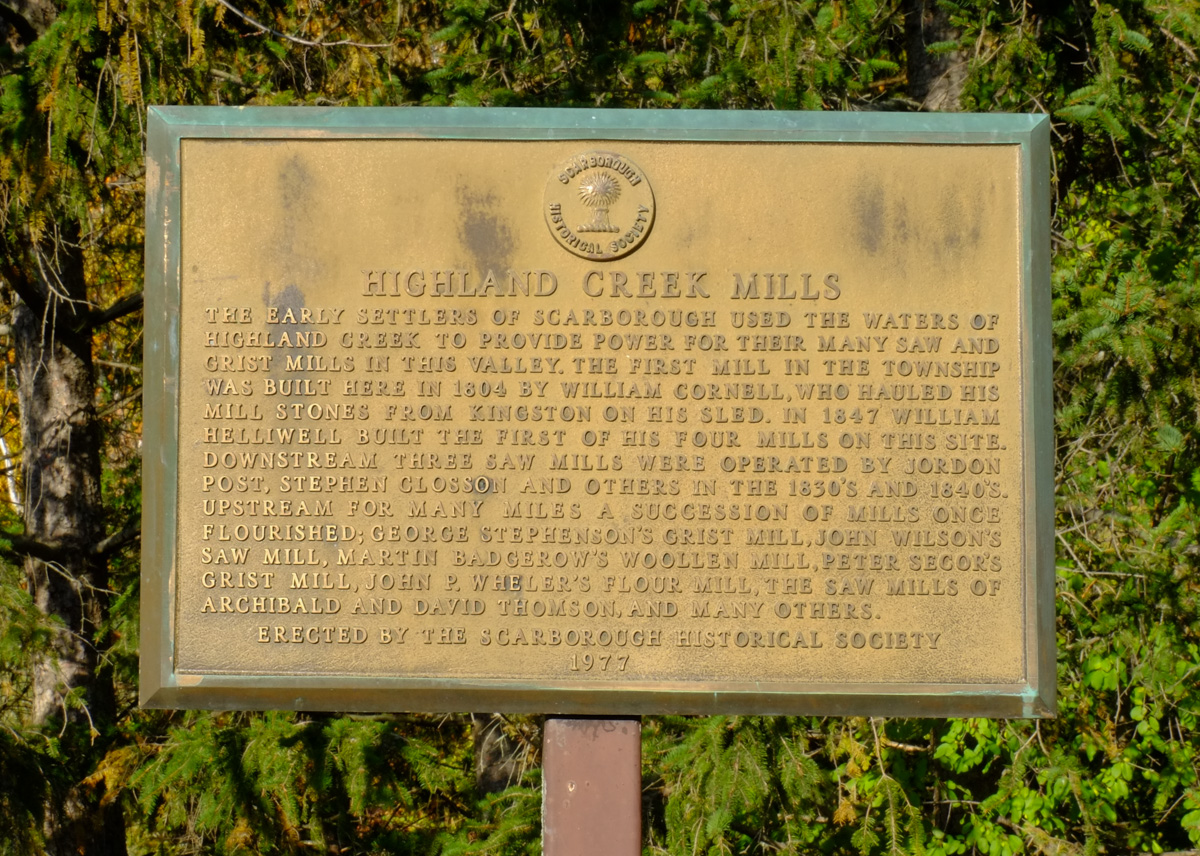
historical society plaque for Highland Creek Mills

“Highland Creek Mills
The early settlers of Scarborough used the waters of Highland Creek to provide power for their many saw and grist mills in this valley. The first mill in the township was built here in 1804 by William Cornell who hauled his mill stone from Kingston on his sled. In 1847 William Hellewell built the first of his four mills on this site. Downstream there were saw mills operated by Jordan Post, Stephen Closson, and others. …”


There have been discussions recently about the lack of washroom facilities in Toronto parks especially once the city deems summer to be over. There were no facilities that I saw on my walk but I was thankful for the porta-potty that was provided. Not the best but I have seen worse!


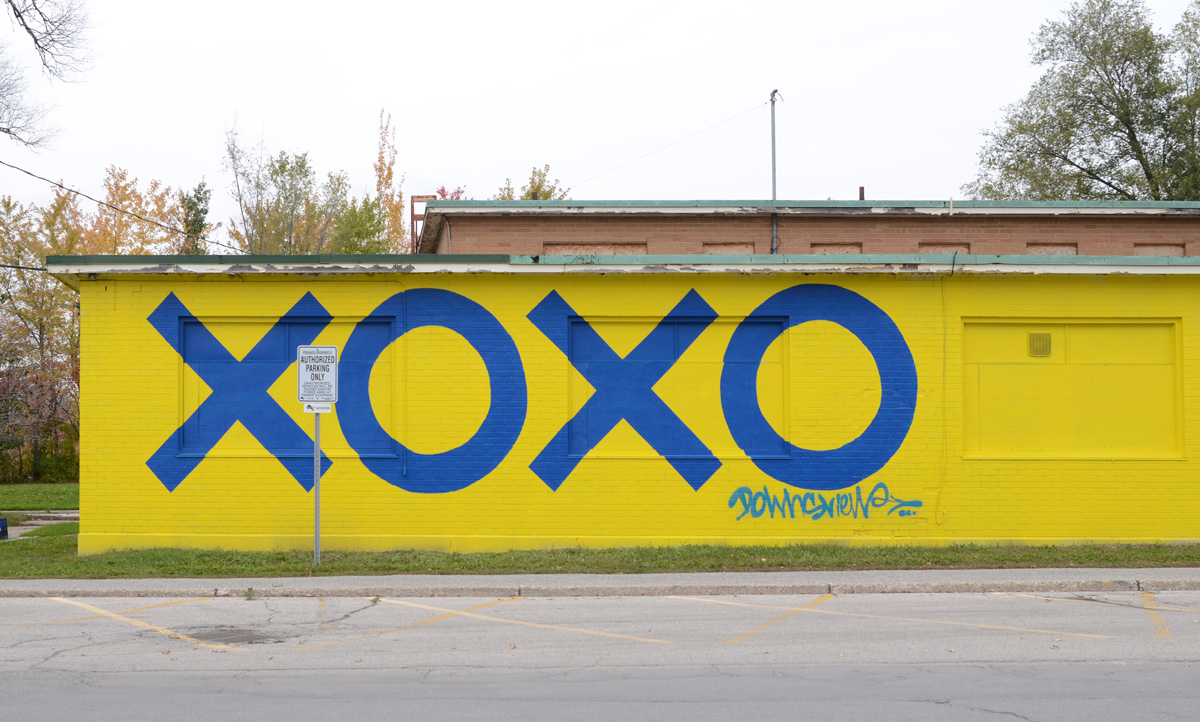
mural, blue letters on yellow, XOXO Downsview

below: Ulysses Curtis mural by Danilo Deluxo McCallum.  Curtis (1926-2013) played for the Toronto Argonauts football team in the 1950s.  He was considered to be the first black player on the team.
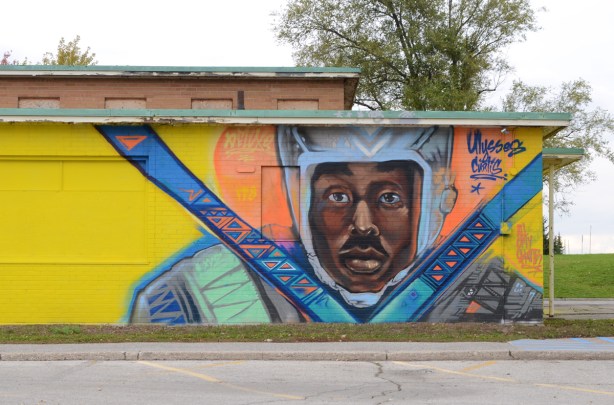
mural, black man with helmet and shoulder harness straps

The Downsview area and airplanes have been linked since the late 1920s when land here was being used for airfields—Barker Field, the Canadian Express Airport and the Toronto Flying Club.  In 1929 de Havilland Aircraft of Canada purchased 70 acres of farmland along Sheppard Avenue West.  In the mid-1950s de Havilland moved its operations to newly constructed modern facilities to the southeast.  De Havilland Canada was sold to Boeing in 1988 and then to Bombardier in 1992.

below: Bombardier facility and GO tracks on the east side of the park.   Downsview Park station at the north end of the park connects the GO system with the TTC’s Line 1.
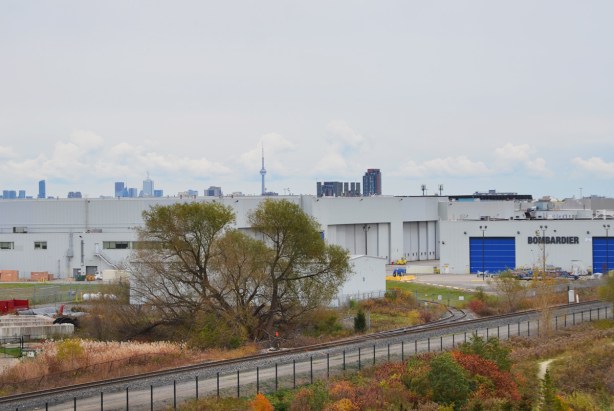
Bombardier facility beside GO tracks in Downsview

In 2017, the Sesquicentennial Trail was developed on part of the site.  Sesquicentennial means 150 years, as in Canada was 150 years old in 2017.

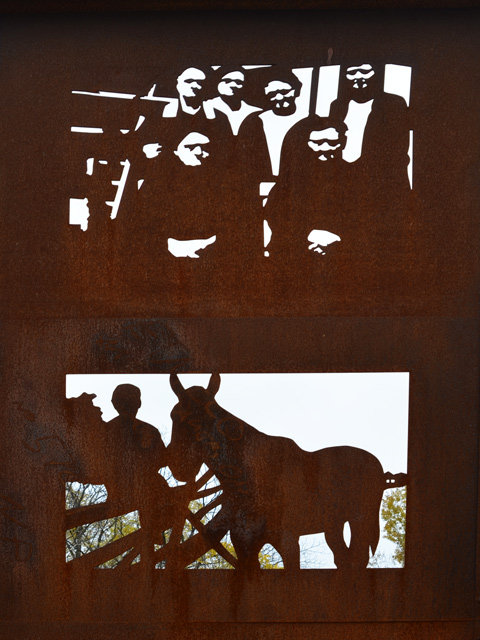
below: The North Plaza of the trail features a semi-circular wall of rusted steel with cutout silhouettes of real historical photographs showing various people, buildings, and airplanes that was designed by John Dickson.

rusted metal art installation with sections of wall with cutout pictures, airplane windsock in front

part of an art installation, rusted metal with cut out pictures, cut out words that say danger low flying aircraft stop until clear

two pictures cutout of rusted metal

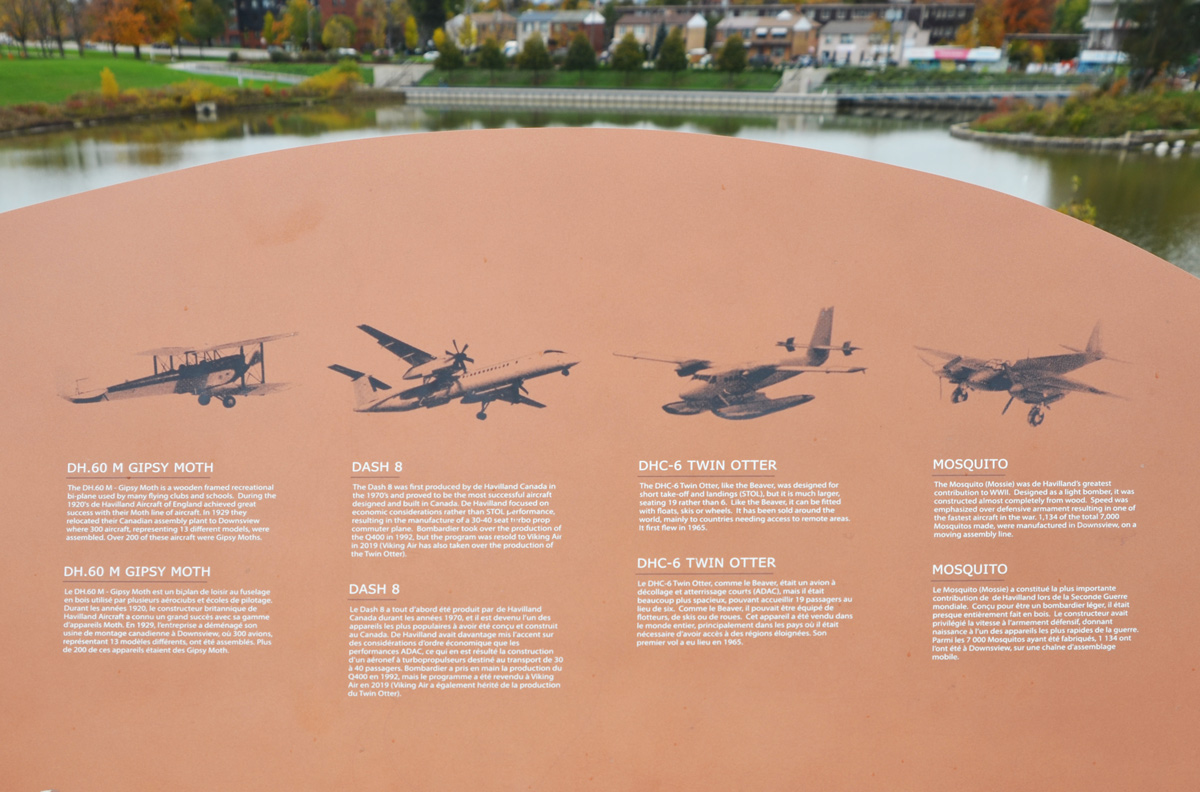
Small models of four of the aircraft built by DeHaviland ‘fly’ over the trail – the DH.60 Gipsy Moth, the Dash 8, the DHC-6 Twin Otter, and the Mosquito.   They cover years of both DeHaviland and aircraft history from the bi-winged Moth in the mid-1920’s to the turboprop Dash8. The later was developed in the early 1980s and is still in production today.

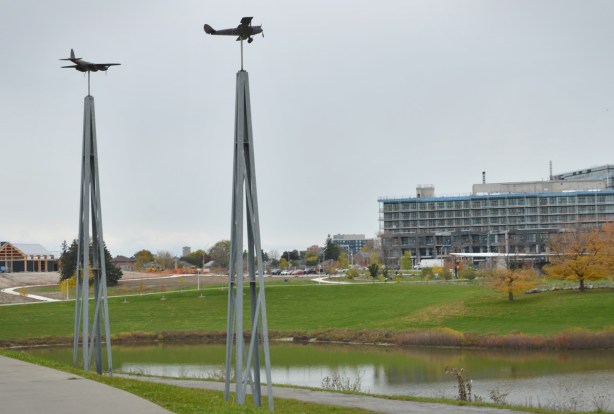
plaque describing 4 of the types of aircraft once produced in Downsview, DH.60 Gipsy Moth, the Dash 8, the DHC-6 Twin Otter, and the Mosquito

two model airplanes on pillars, look like they are flying above a pond, park, and new apartments under construction

below: High overhead, a DHC-Beaver, a bush plane developed in 1947 here at Downsview.

large metal flat silhouette of beaver airplane on tall metal poles as public art in a park

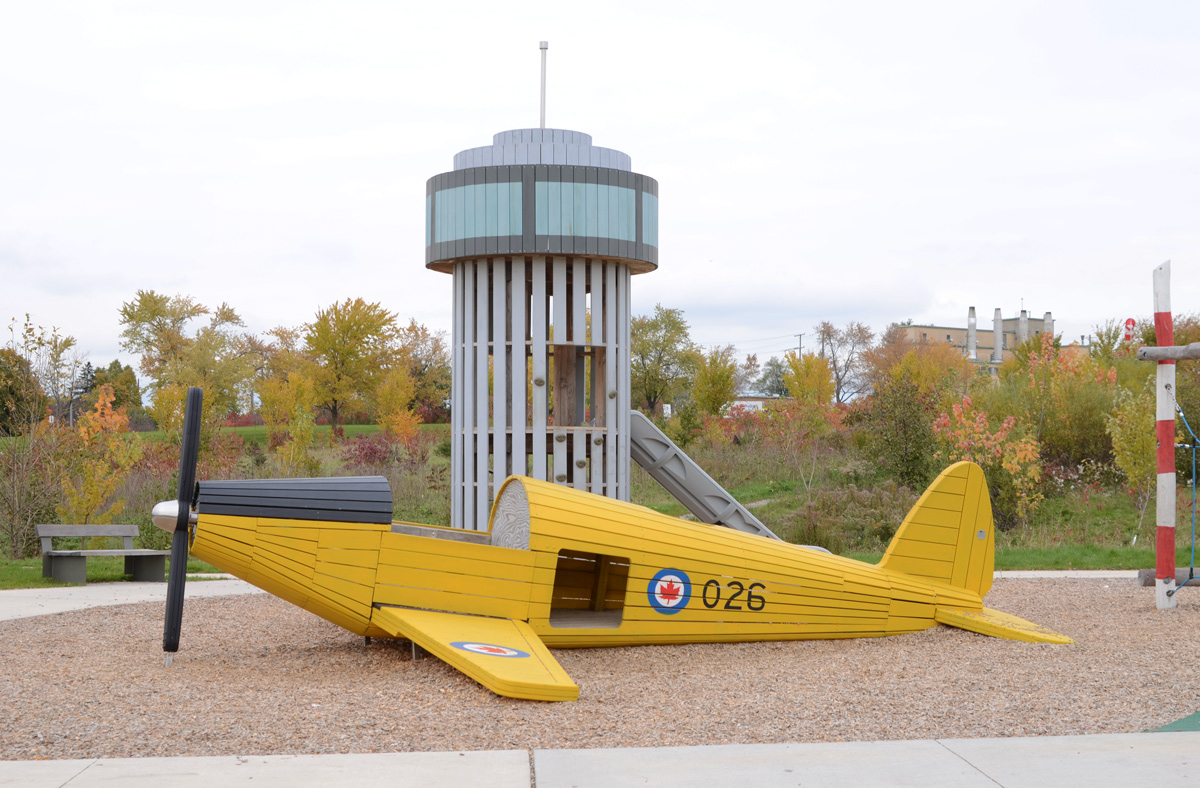
Grounded! But still great for child’s play.
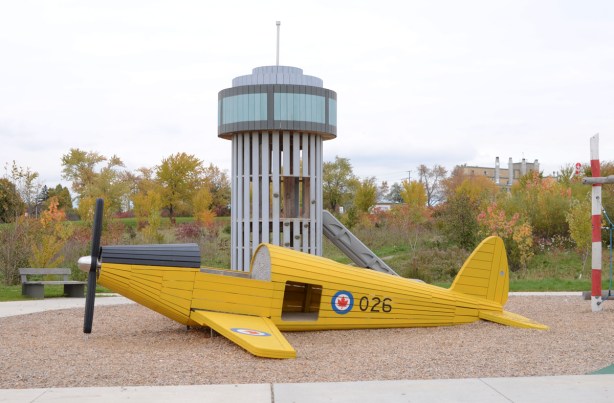
playground at Downsview Park, yellow wood airplane on ground with pretend control tower

Hundreds, and probably thousands, of trees have been planted on the site.

two red muskoka chairs near the top of a hill, overlooking the trees in the valley below

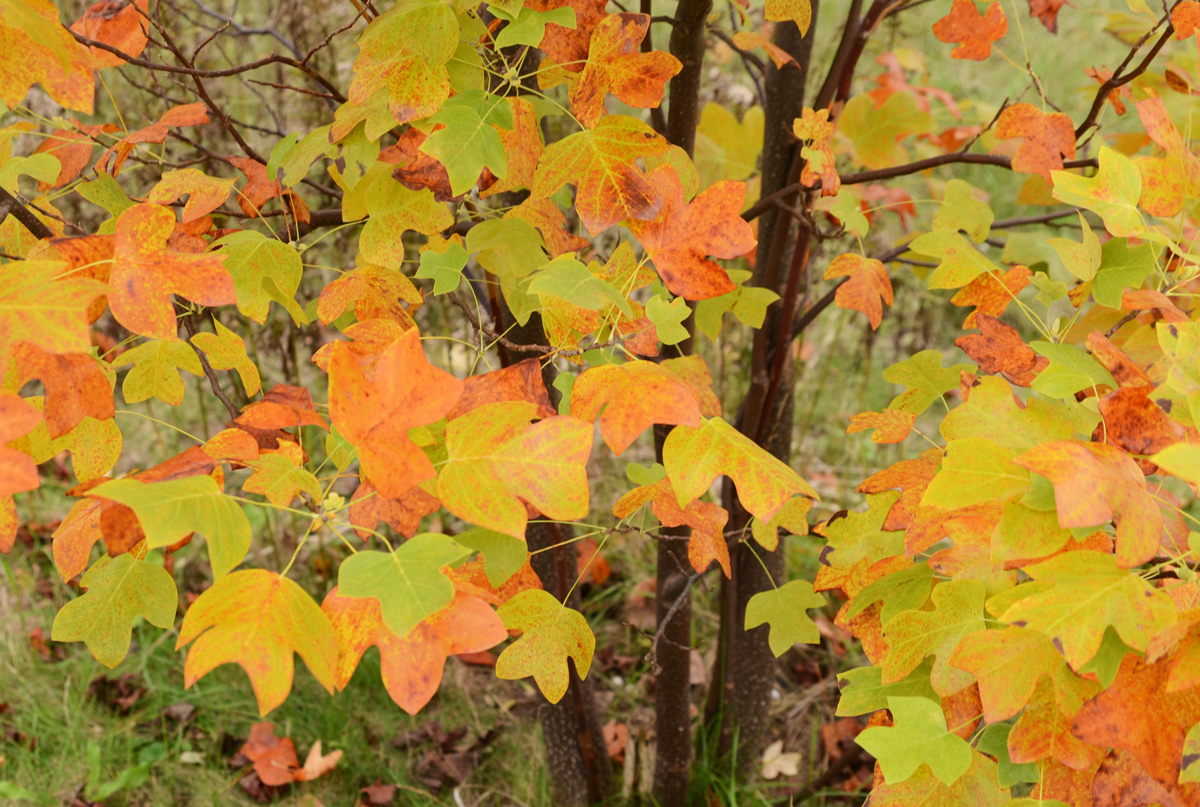
below: Tulip tree

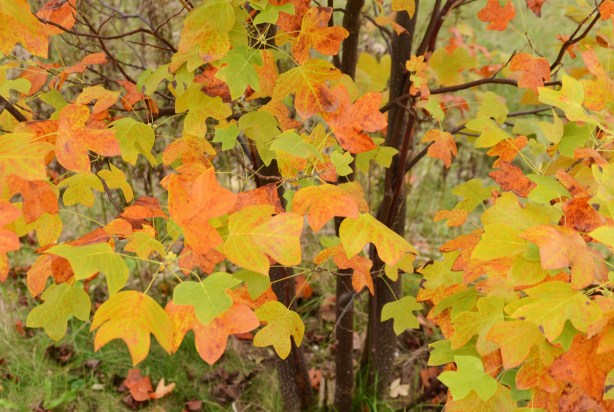
autumn colours on a tulip tree

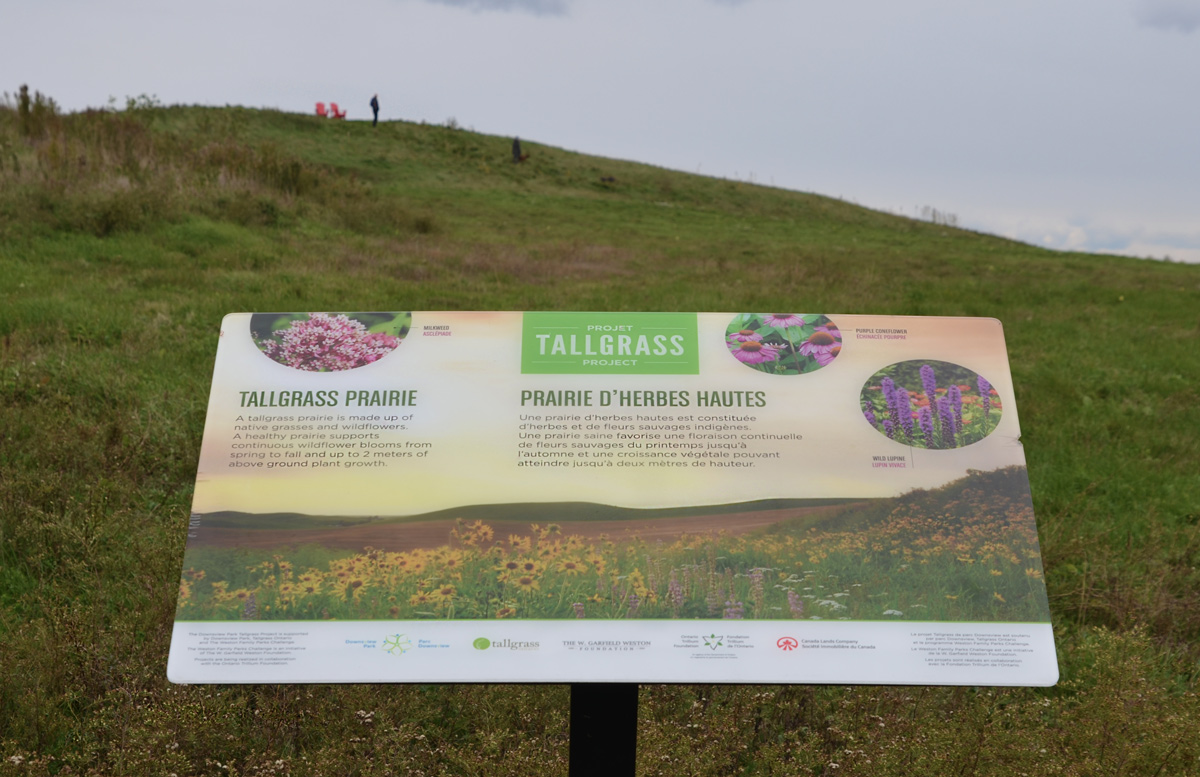
below: Other areas have been set aside for native grasses and wildflowers such as milkweed, purple coneflower, and wild lupine.

plaque at donswview park describing tallgrass prairie and three of the plants that grow there

below: There is a large hill in the park and this is the view to the southwest from there.

Downsview view from hill in the park, looking southwest over a path, some apartment buildings, and rest of Toronto skyline

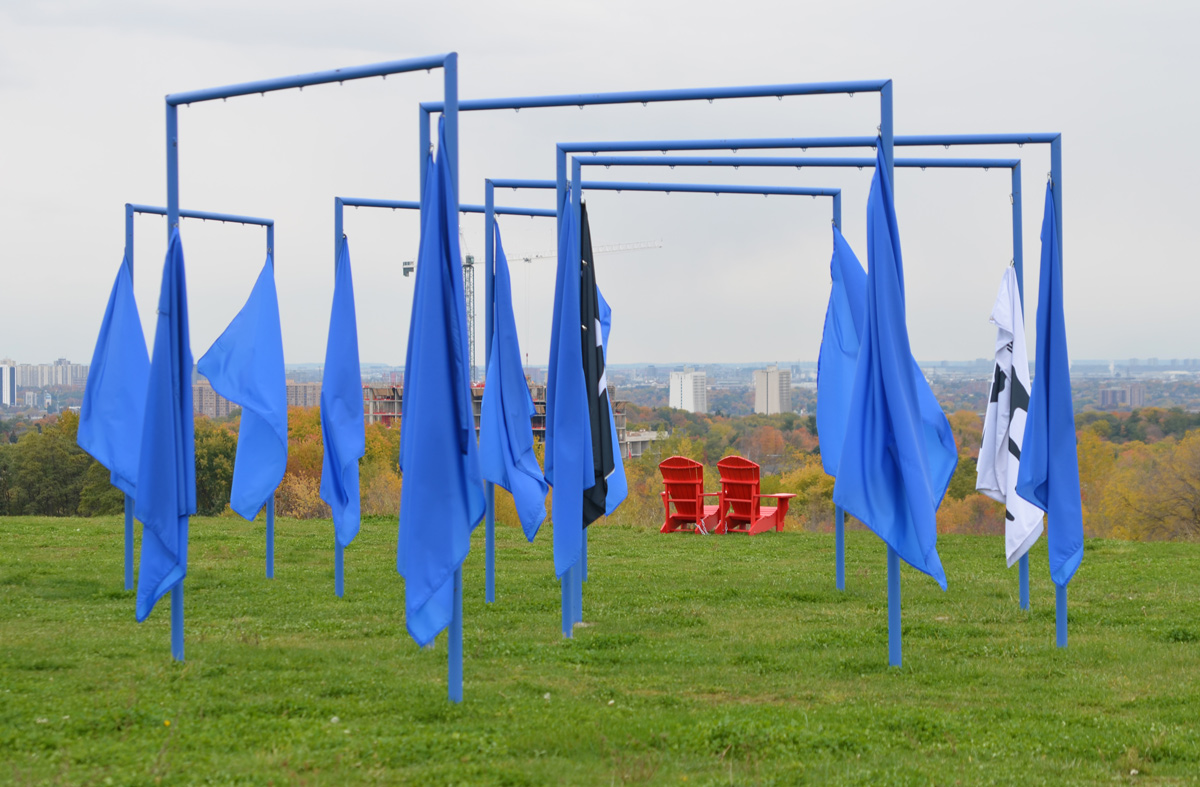
below: At the top of the hill stands an installation of blue flags along with two of the many red muskoka chairs scattered around the park.   This is “Wind Rose” by Future Simple Studio. This picture doesn’t show it very well but at the northwest corner, two of the flags are not blue – one is black and the other white (black for west and white for north).  These two flags, “The Turtle and the Traveller,” were designed by Mi’kmaq artists Chris and Greg Mitchell.   They are best seen when the wind is blowing!

blue flags hanging from poles, art installation at Downsview Park

maple leaves in autumn

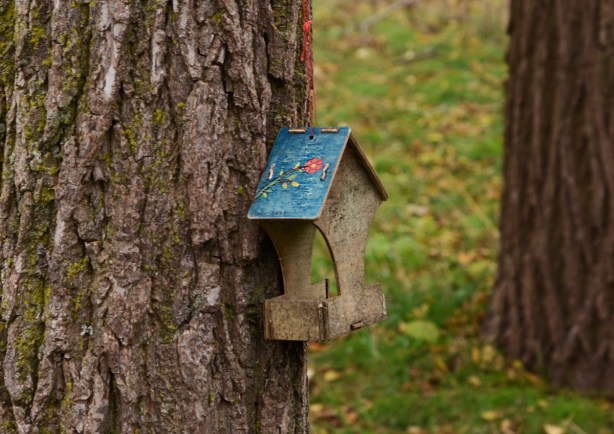
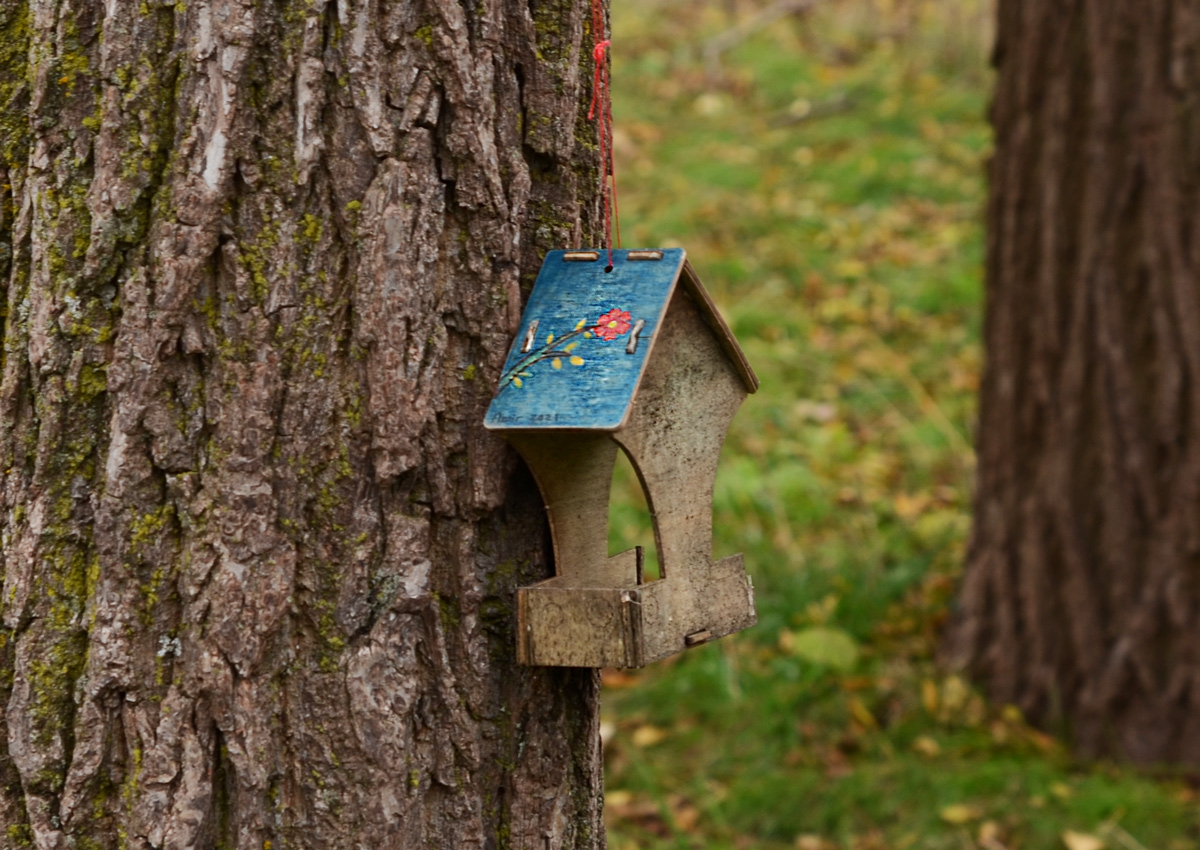
small bird feeder on a tree, with a blue roof with red flower painted on the roof

Downsview has also been associated with the military.  In 1937, the Royal Canadian Air Forces expropriated portions of the site to establish the RCAF Station Downsview.  The site once had two residential areas with barracks – one for the enlisted soldiers and their families and another for the commissioned officers and their families.  Over the years the base expanded to include the original de Havilland lands.  In the 1960s, the military expropriated the lands adjacent to the Downsview Airport and closed 2.5 miles of Sheppard Avenue between Dufferin and Keele Streets.  That is why Sheppard Avenue swings north around what is now Downsview Park.

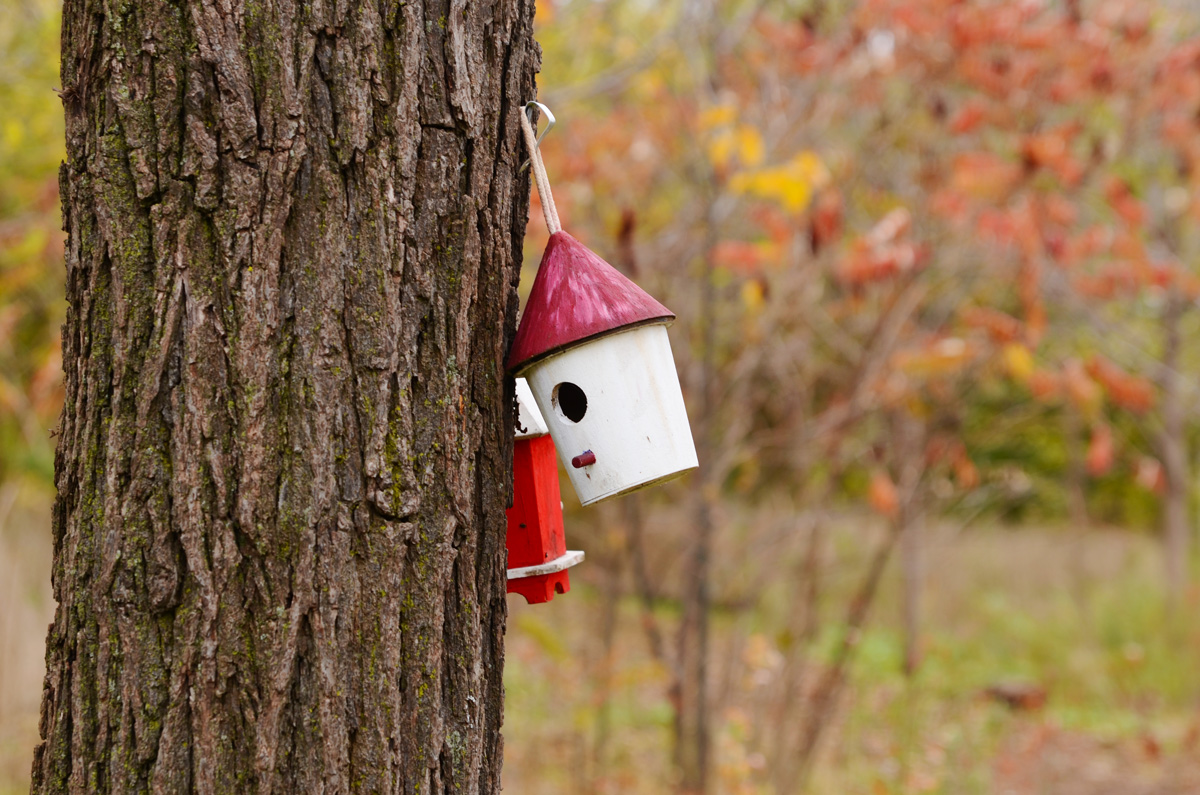
two small bird houses hanging against a tree, white round one with red conical shaped roof

In 1996 CFB Toronto officially closed.  Parc Downsview Park Inc. was established in 1999 to build and operate Downsview Park but administrative control over the land wasn’t transferred to the Park until 2006.
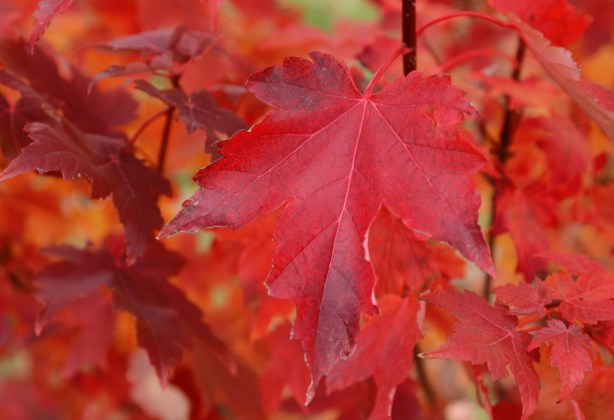
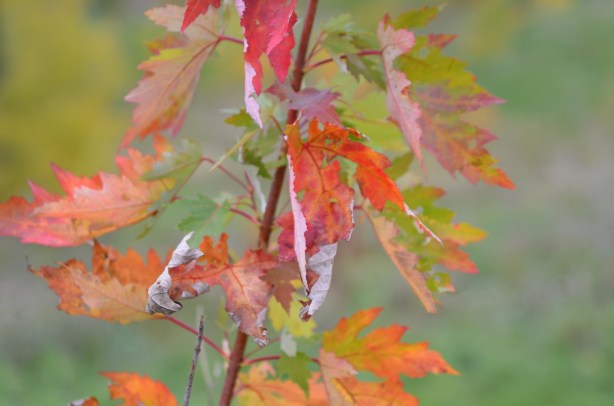
very red crimson maple leaves in fall

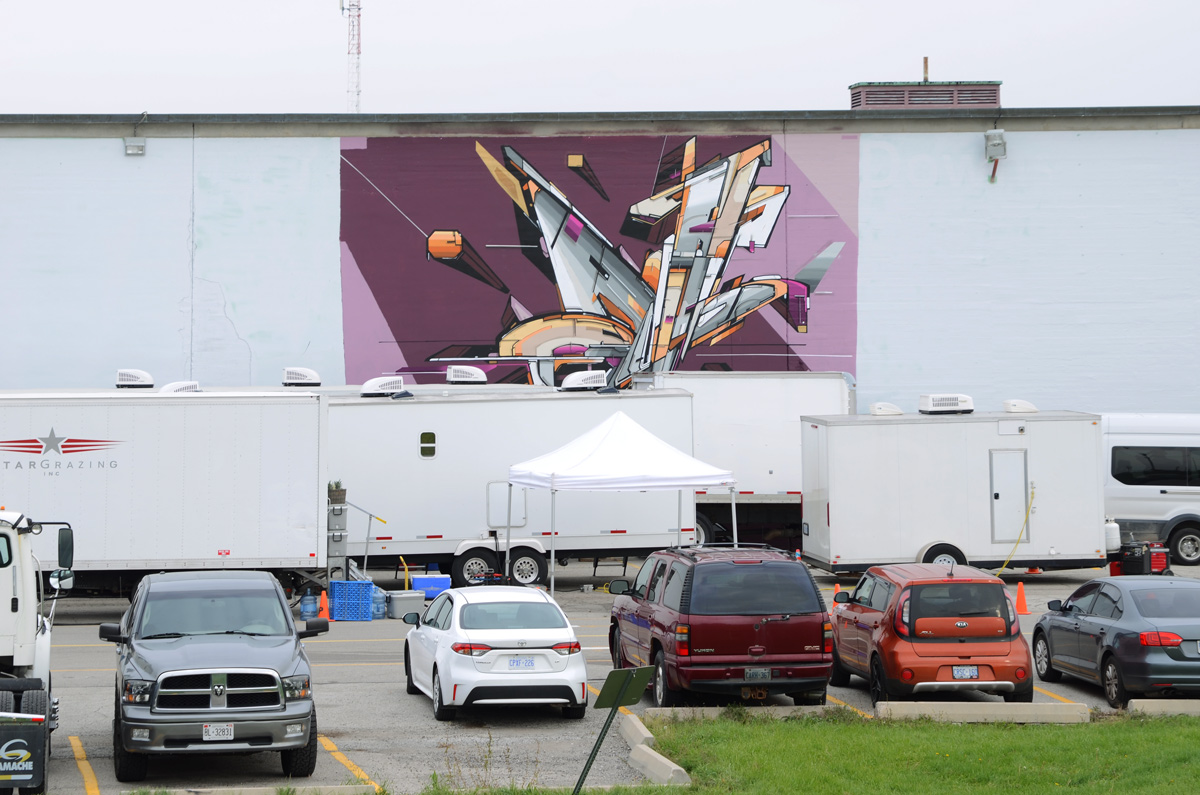
below: ArtworxTO Hub North with a mural by Mediah.  At the time, the site was being used by a film crew.
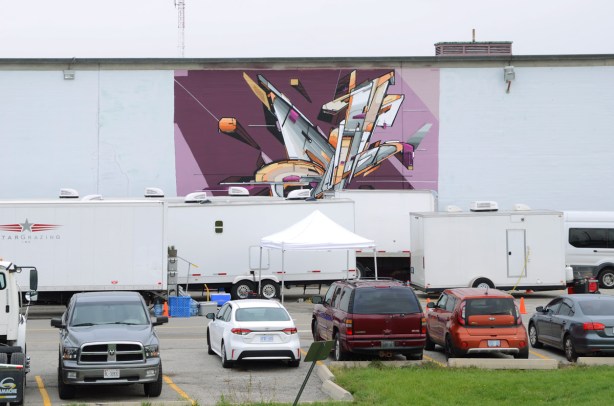
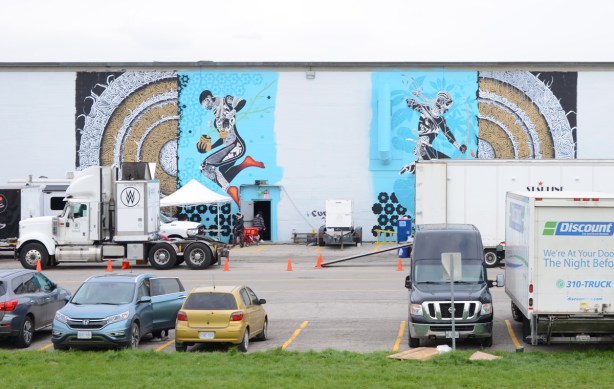
mediah mural at arthub at Downsview park

below: Another mural on the exterior of the ArtworxTO Hub building.  This one was painted by Kreecha.
mural at arthub at Downsview park

stickers on the back of a dark coloured car, robots shooting at stick figures, The Empire Doesn't Care about your stick figure family

Bloor Street East passes high above Rosedale Valley Road. There is access from the southeast corner of Bloor and Parliament to a path that leads down into the valley but it doesn’t go anywhere. It doesn’t connect to any other ravine trails.  These photos were taken early in April before there were leaves on the trees, and before anyone cleaned it up.
path down a hill, through the trees

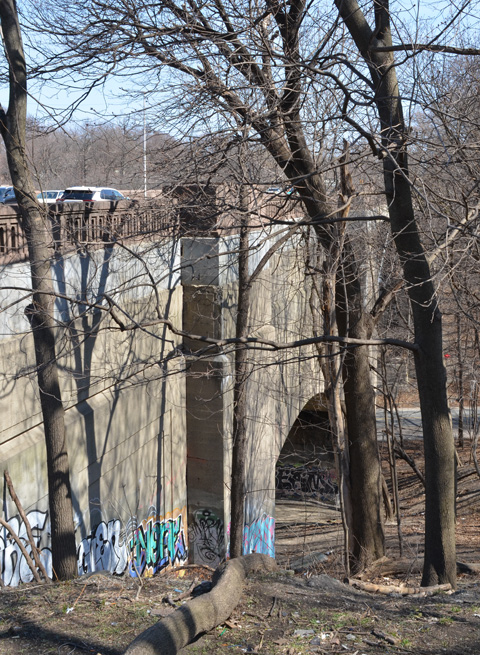
bloor street east bridge over Rosedale Valley Road

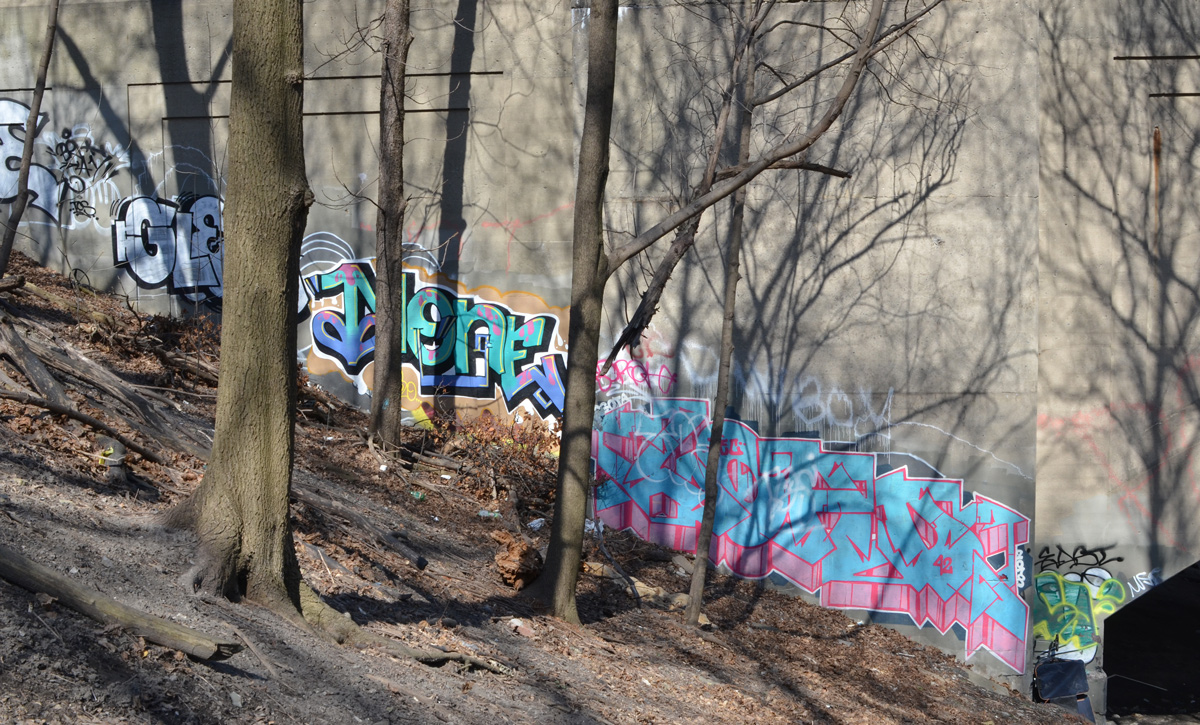
graffiti on the concrete walls of a bridge

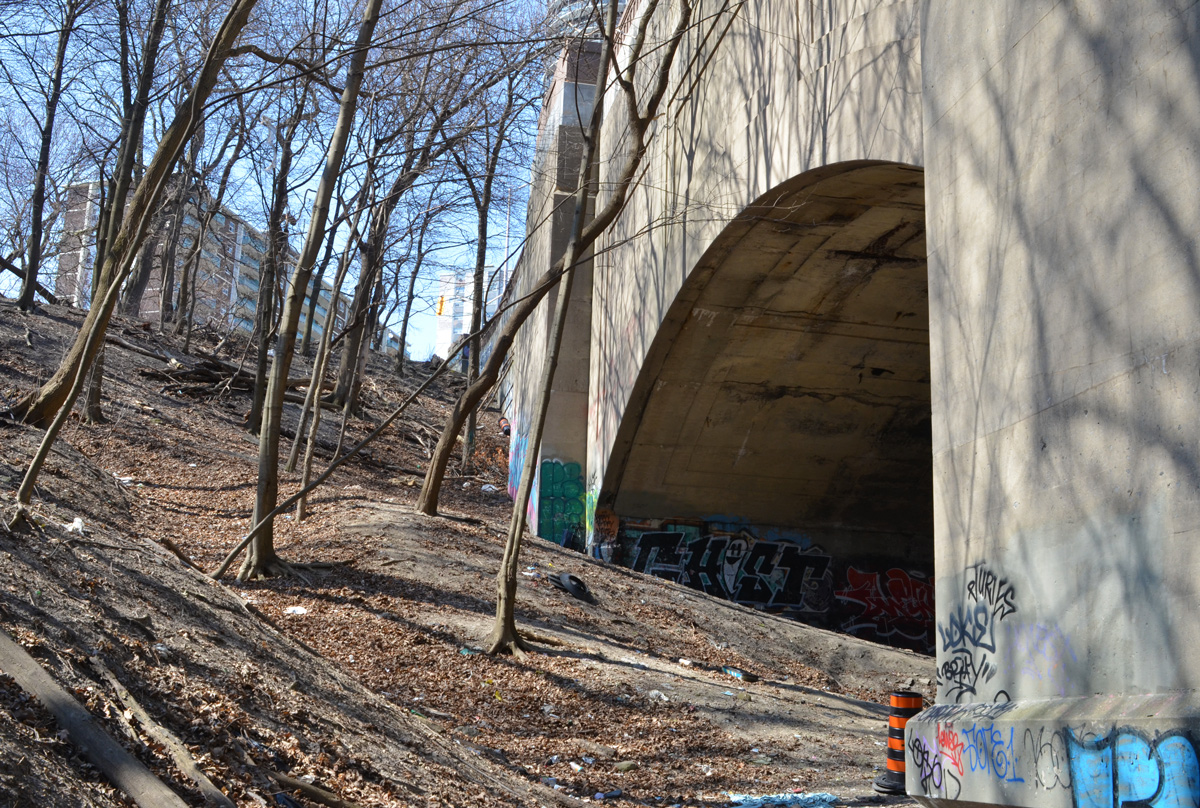
looking back up the hill beside a concrete bridge with graffiti on the bottom sections

a man taking pictures of the graffiti on a concrete bridge

bridge, all concrete on left side but with metal girders across the larger middle span

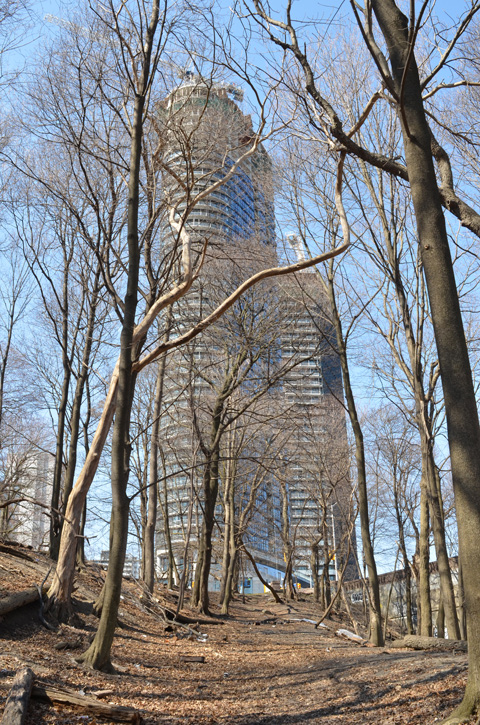
looking up hill through the trees to a new condo tower being built at Bloor and Parliament

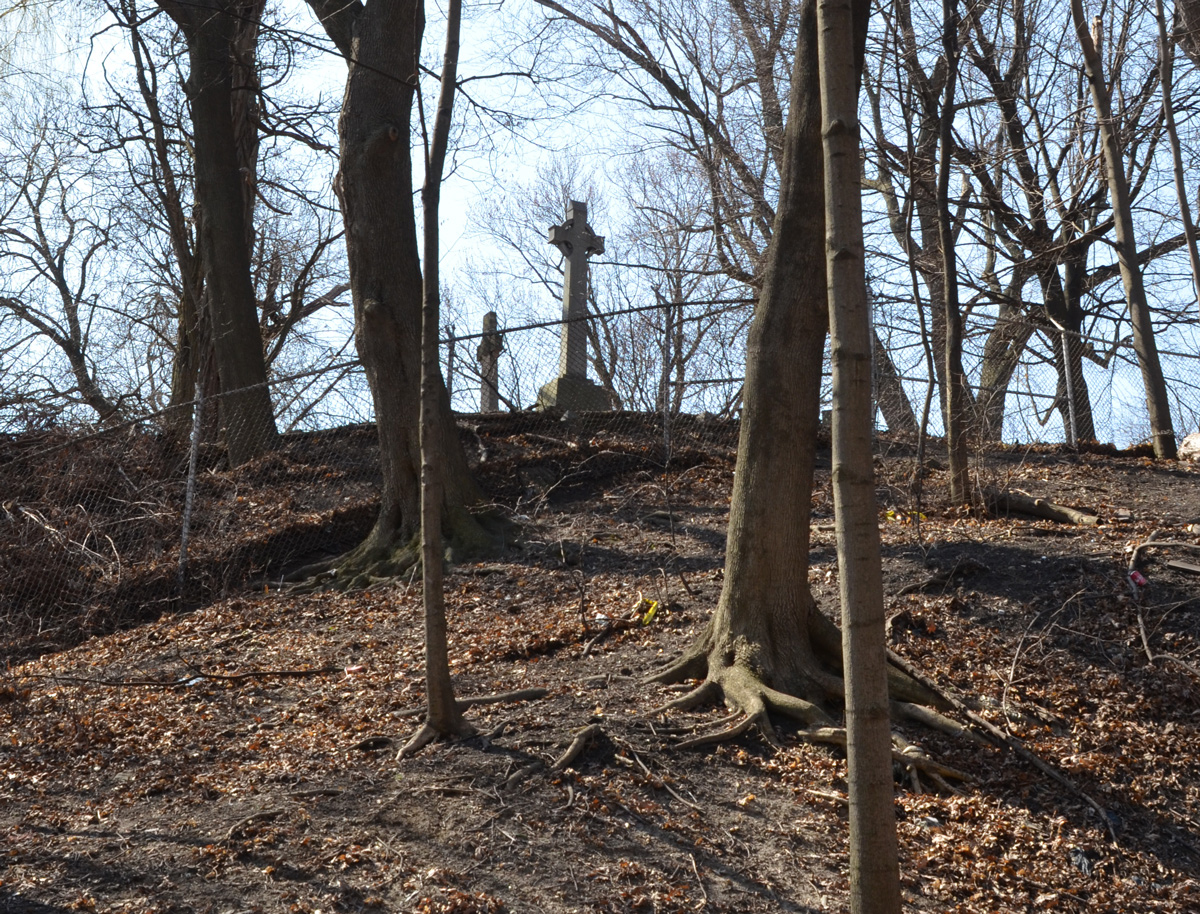
below: St. James cemetery

looking uphill through trees to cemetery markers in the cemetery on the other side of a chainlink fence

below: The covered bridge for the subway (built 1966) runs parallel.

looking through arch in bridge to another bridge.  the one in the background is the covered bridge for the TTC subway between Sherbourne and Castle Frank stations

two bridges, Bloor street east on the left and covered subway bridge on the right, in the distance, condos and tall buildings on Bloor Street

TTC subway bridge from below on Rosedale Valley Road

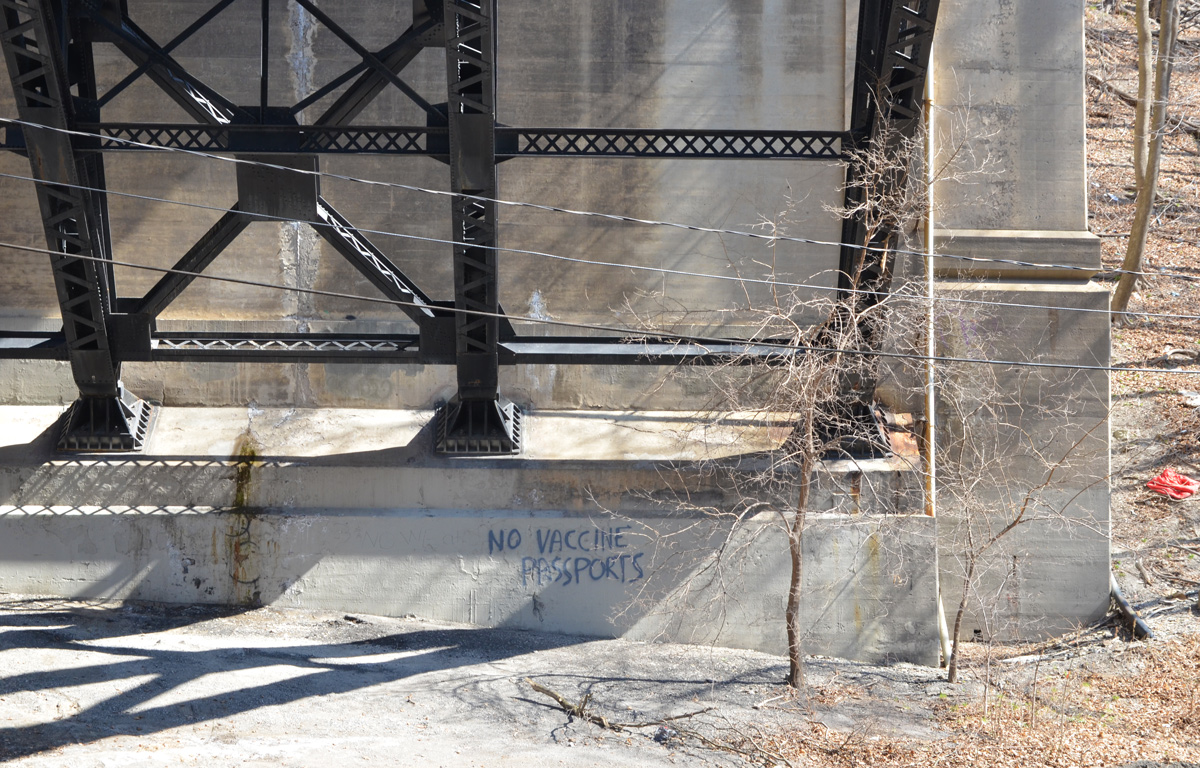
below: No vaccine passports

graffiti under bridge, no vaccine passports

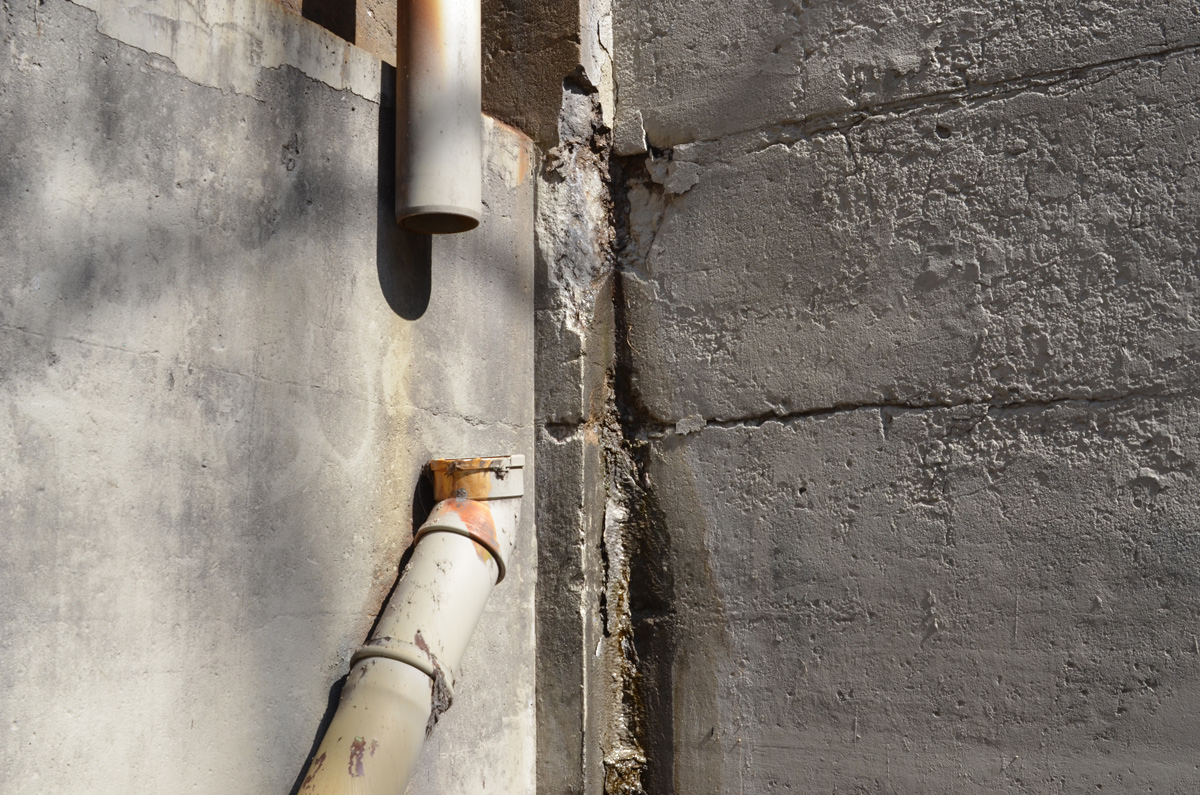
broken pipe, missing a piece, no connection, under a bridge

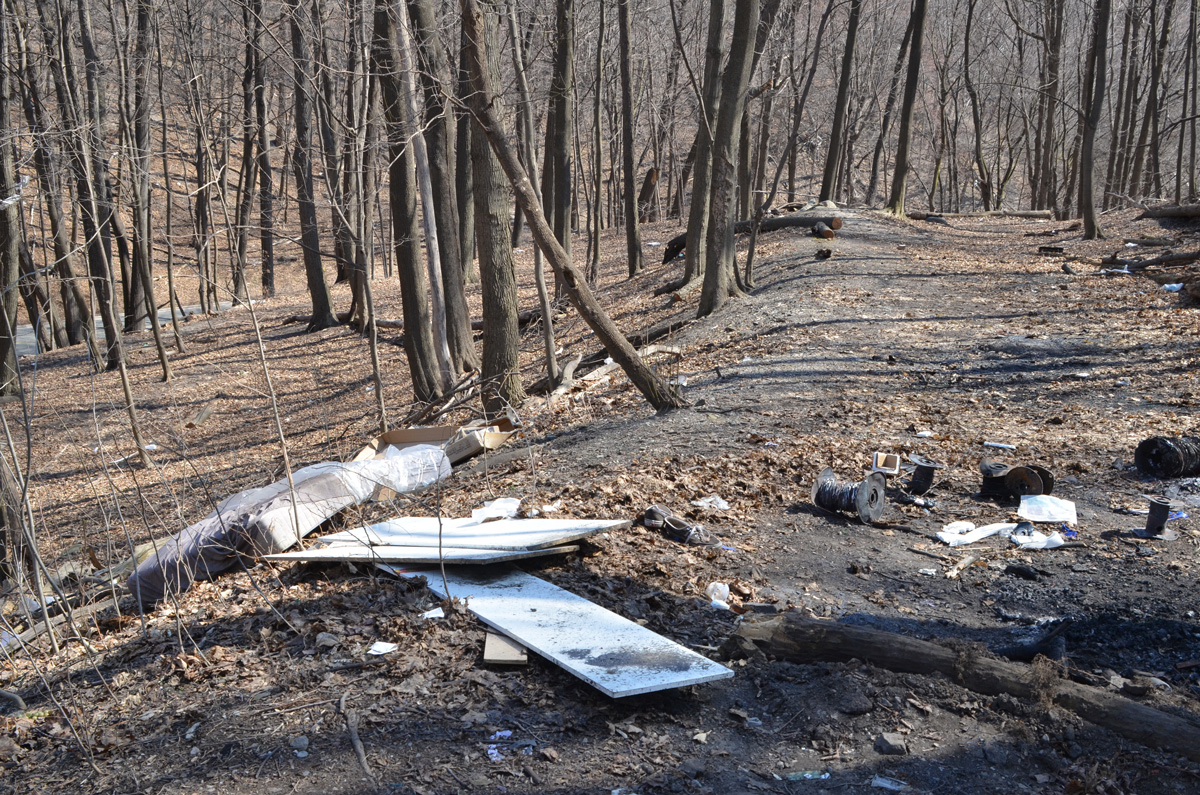
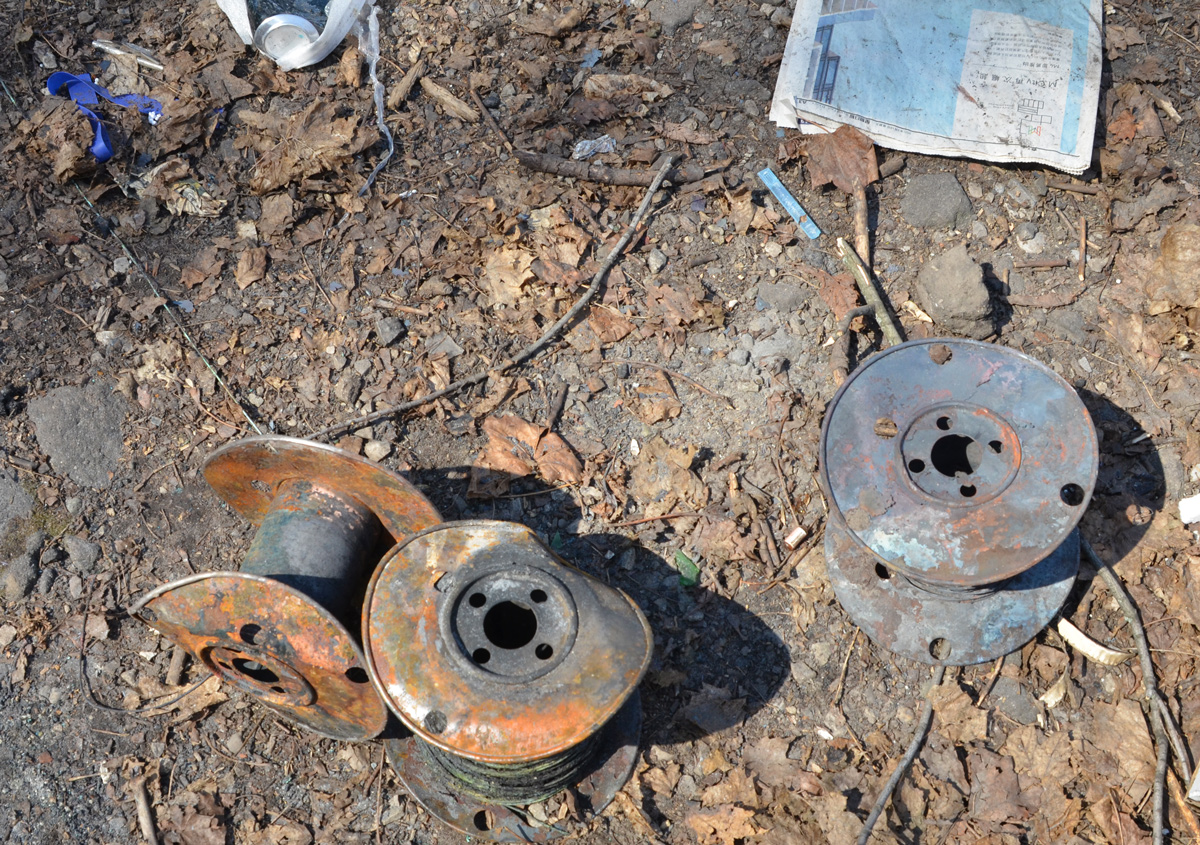
garbage left on the ground, an old newspaper, empty pop can, empty spools for cables or wires

garbage on the ground, an old piece of clothing and some paper, looks like has been partially burned

Wilket Creek forms one of the many ravines in the city. The northern part has been buried; it surfaces just south of York Mills Road and flows south until it joins the West Don just north of Eglinton. Edwards Gardens is part of the park system along the creek and that is where I met a friend the other day.  It was her part of town and she was my guide for the day.  The magnolia trees were at peak bloom and the fragrance of their blossoms filled the air.

below: Magnolia

A white magnolia in full bloom in front of a house with chimney

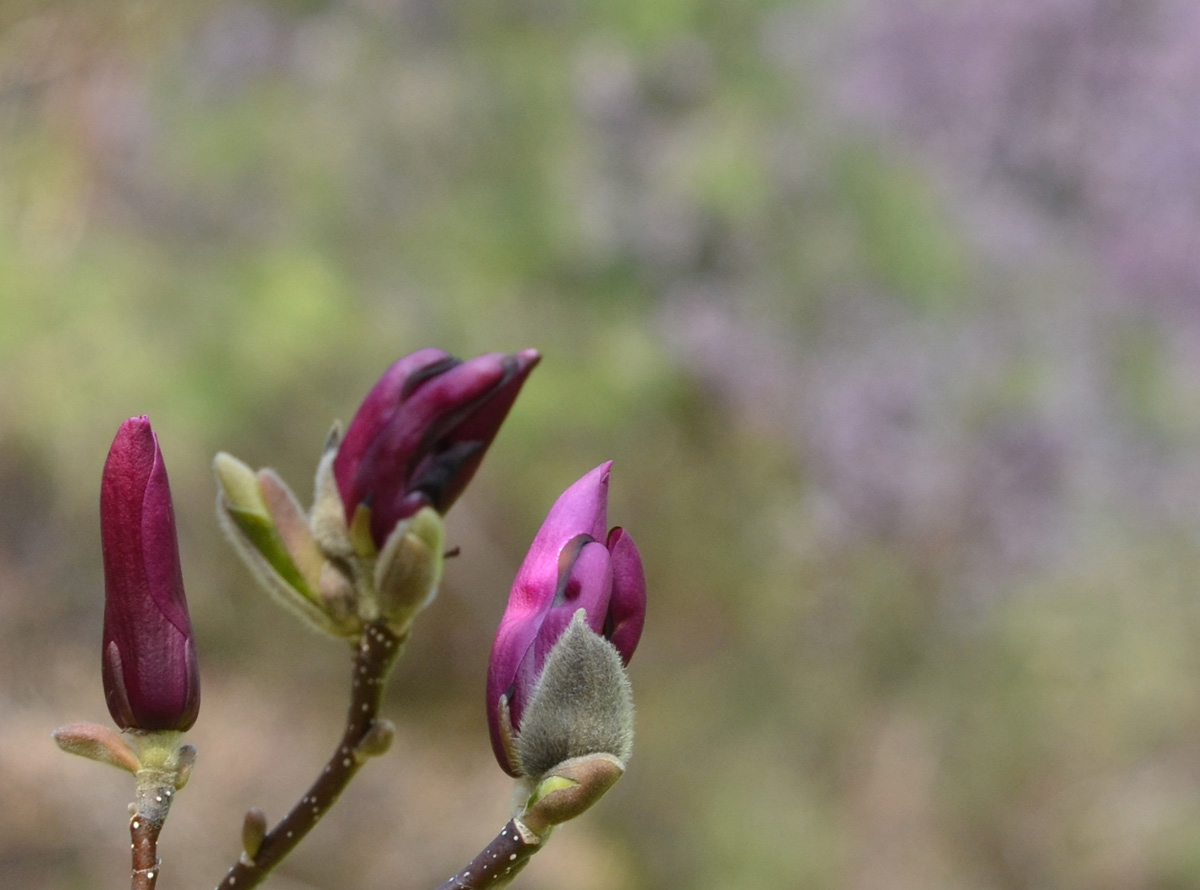
below: Three magnolia buds ready to open up.
Three magenta magnolia buds ready to open up, grey fuzzy bottom part of the bud included

below: Other trees and shrubs were also laden with blossoms
Pink blossoms on a tree, spring

A man takes a picture of his wife and daughter in front of a tree full of pink blossoms at Edwards Gardens

below: Volunteers working in the Teaching Garden, preparing the beds for planting.
A woman with grey hair and a blue baseball cap is hoeing weeds out of a garden, orange yellow wheelbarrow beside her, Edwards Garden

below: Some of the different types of trees that grow here – three different bark colours.
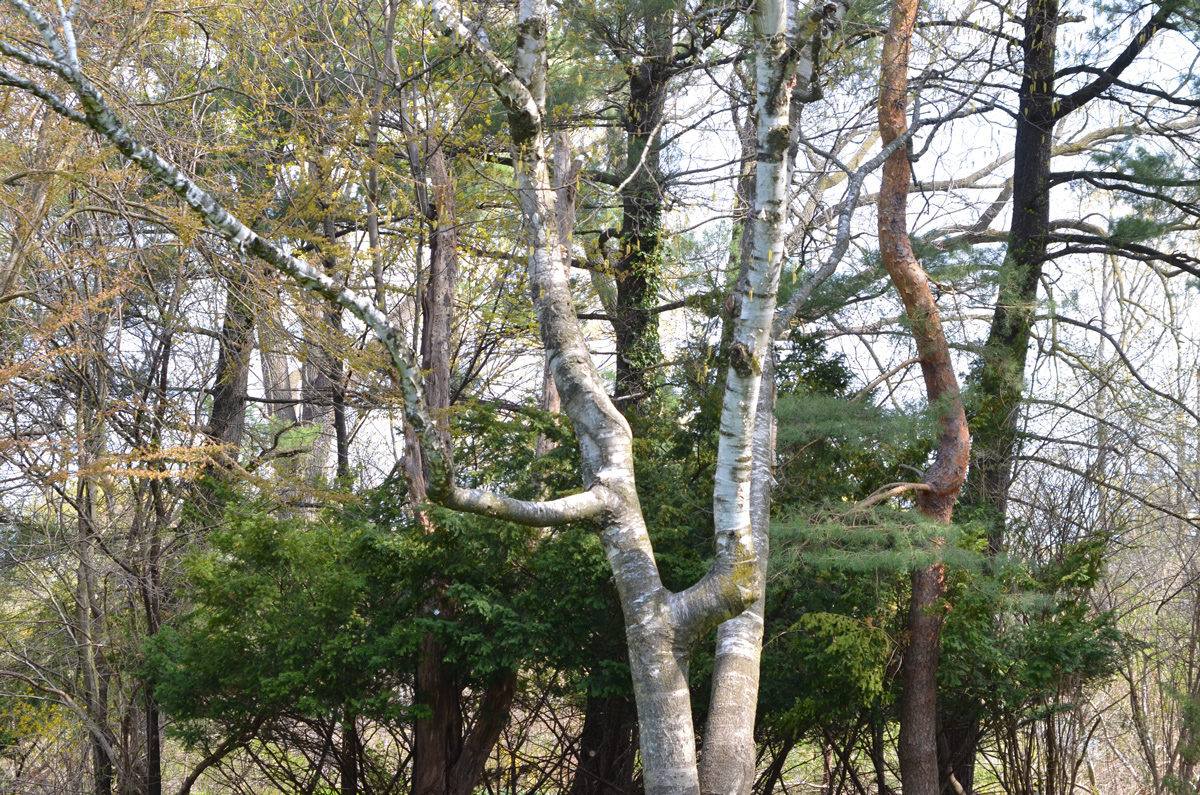
Three different kinds of trees, with 3 different coloured trunks, including a birch tree

below: A willow tree by Wilket Creek
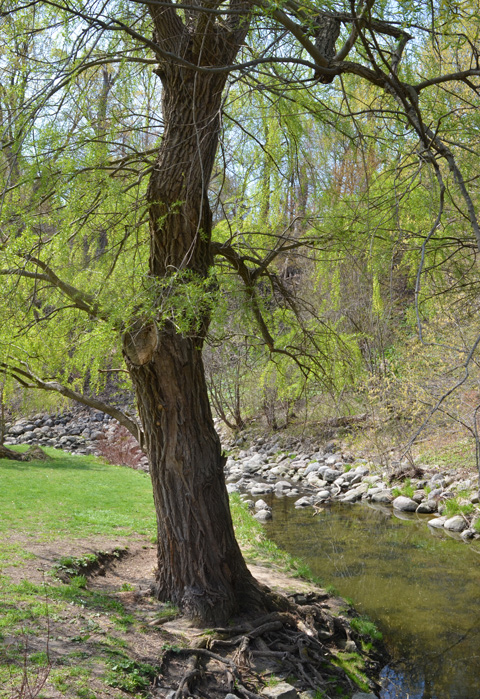
large tree on a grassy field beside a creek lined with rocks, early spring, willow leaves are just beginning to show, a pale green colour

below: Dawn Redwood tree (aka Metasequoia tree)
large dawn redwood tree, also called metasequoia, no leaves, very early spring

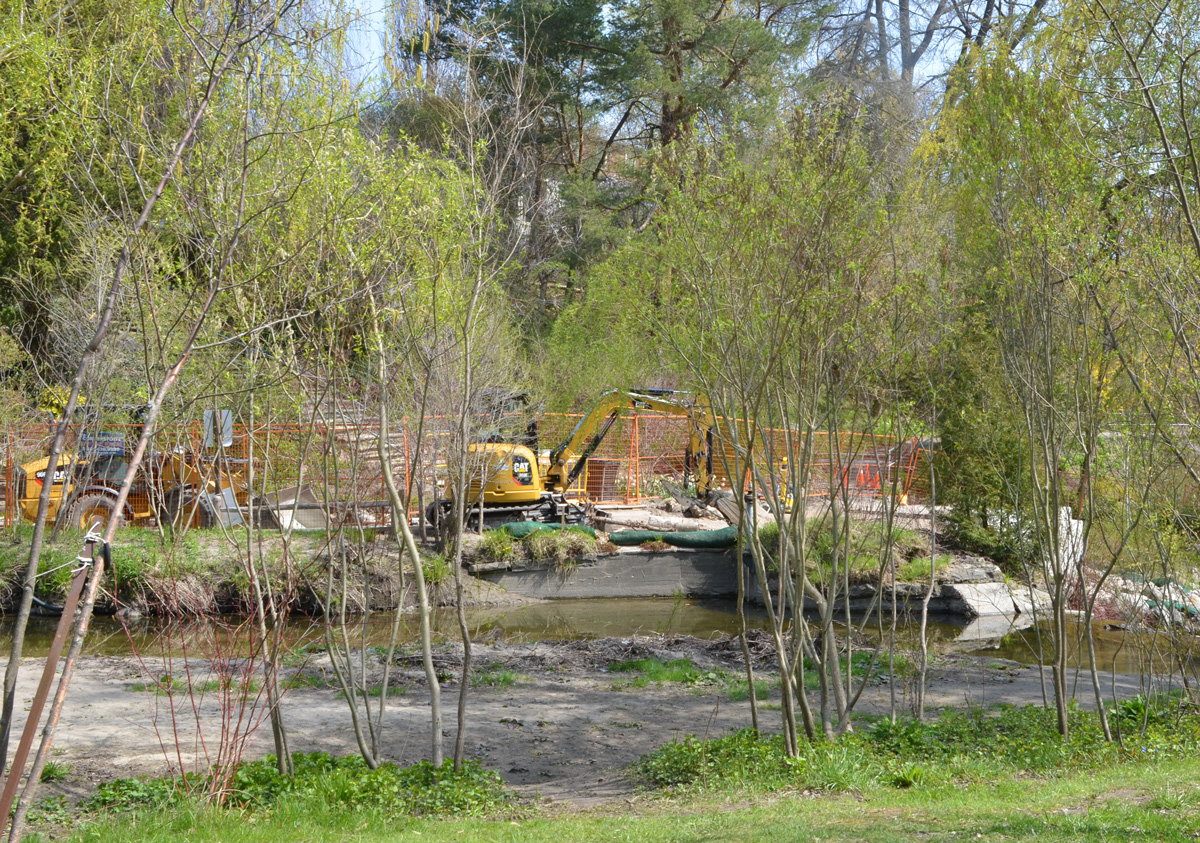
below: Parts of the gardens were closed for repairs to the banks of the creek and the path alongside it.
construction machinery on a path beside Wilket Creek, Edwards Gardens

Walking the ravine north from Edwards Gardens is impossible – unfortunately, that stretch of the ravine  is not open to the public.  A gap in the system. We rejoined the creek at Windfields Park.

Windfields Park

paved path, curves as it goes downhill, bench at the bottom of the hill, grass beside the path, trees on both sides, Windfields Park

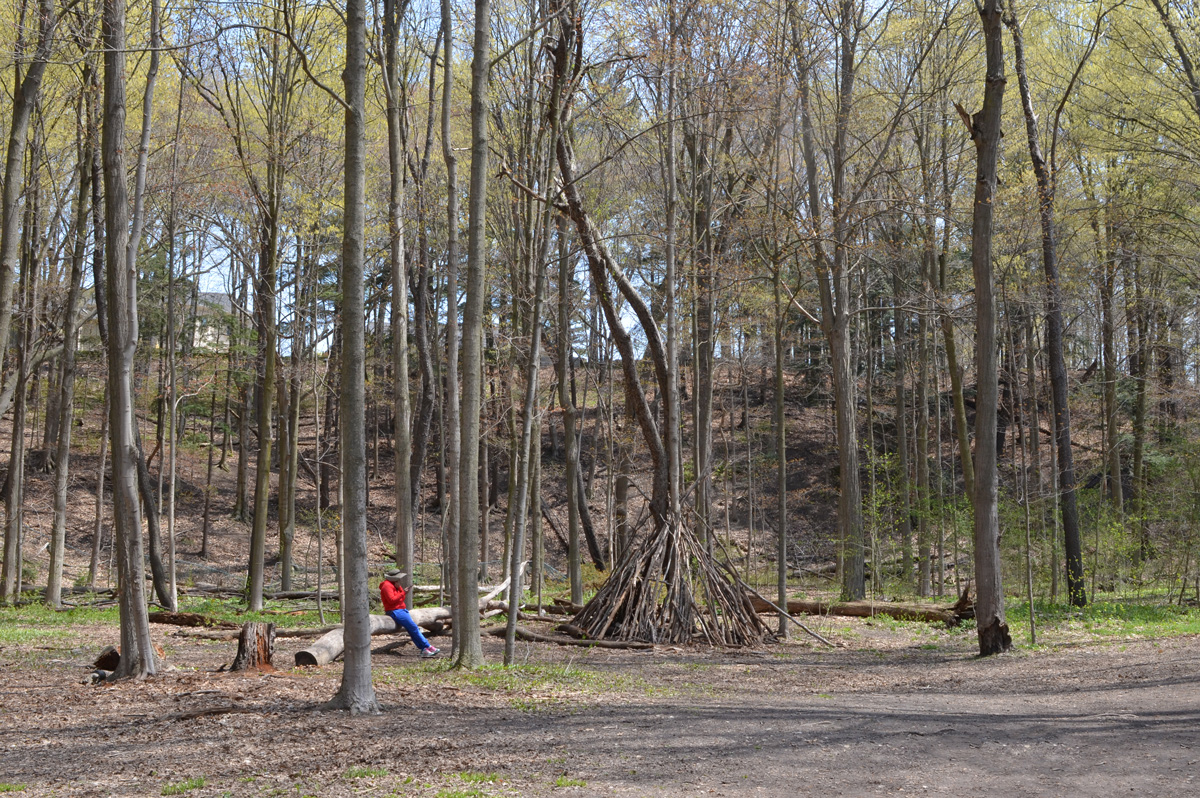
A person in a red jacket sits on a fallen log in a forest beside a teepee shape structure made from tree branches, leaves are just beginning to open, late April

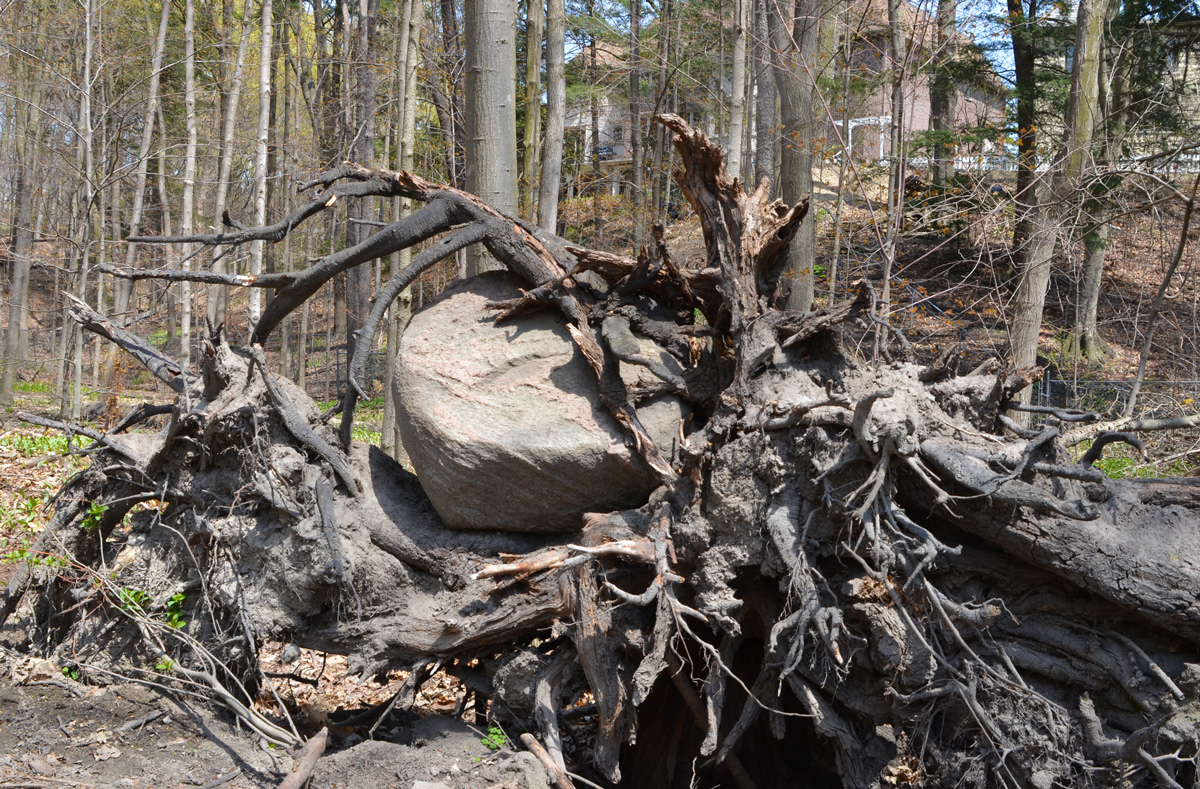
below: A rock stuck in a hard place, where rocks usually aren’t found.
A large granite boulder entangled in the roots of tree that has fallen over

below: Yellow wildflowers, Lesser Celandine which is apparently an invasive species.
A large patch of low yellow flowers and greenery in front of a tree that has fallen down, tree trunks in the background

below: A tennis ball in the wild.

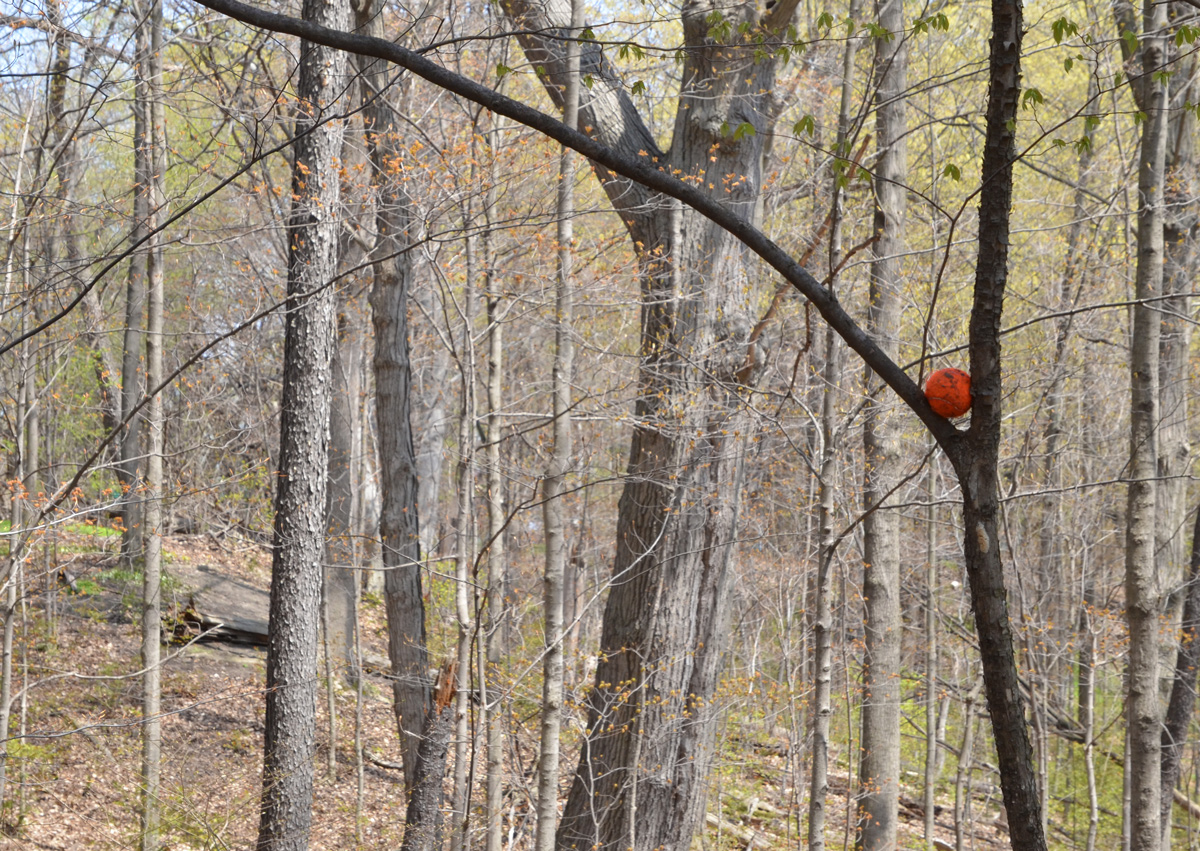
orange tennis ball stuck in the V of a tree, between two branches, in a forest

below: Two birch trees, probably Silver Birch because of the brown bark of the younger tree that will soon shed to reveal the white bark below.

Two birch trees in a forest, one is younger and has just started shedding it's brownish bark, the other is older and had white bark

below: Yellow trout lily. The flashy red parts hang downwards so they are hidden close to the forest floor. The flowers are difficult to spot but the mottled green and brown leaves give them away.
wildflower on the ground in forest, a yellow trout lily
below: Bloodroot flowers
wildflower on forest floor, white bloodroot flower and leaves

With thanks to Iskuhi for walking with me and teaching me the names of some trees and wildflowers. … and for some playing with sunlight and shadows (because that’s what photographers do!).

A person holding a bloodroot plant in one hand and a camera phone in the other, trying to get a picture showing texture of veins in the leaf

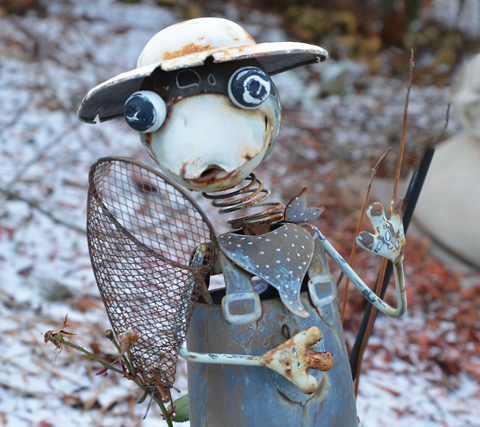
Howdy!

little metal character made of found objects and rusty metal, hat, fishing net, overalls,

There are rumours of a vaccine being available but at the rate at which people are being inoculated, we’re going to be living this socially distanced life for a few (many?) more months.  To help alleviate the feelings of isolation without jeopardizing anyone’s health, I have started walking with friends in their neighbourhoods.  My previous post, about Glendon College, was the result of a walk that I took with my mother and it was that afternoon that I decided to make a point of walking with friends more often.  The result of the first of these walks, near South Kingsway & Bloor, is what you see here.

yeard decorations of two small metal bikes, one blue and one yellow, in front of a house with Christmas wreath on the door and other Christmas greenery decorations too

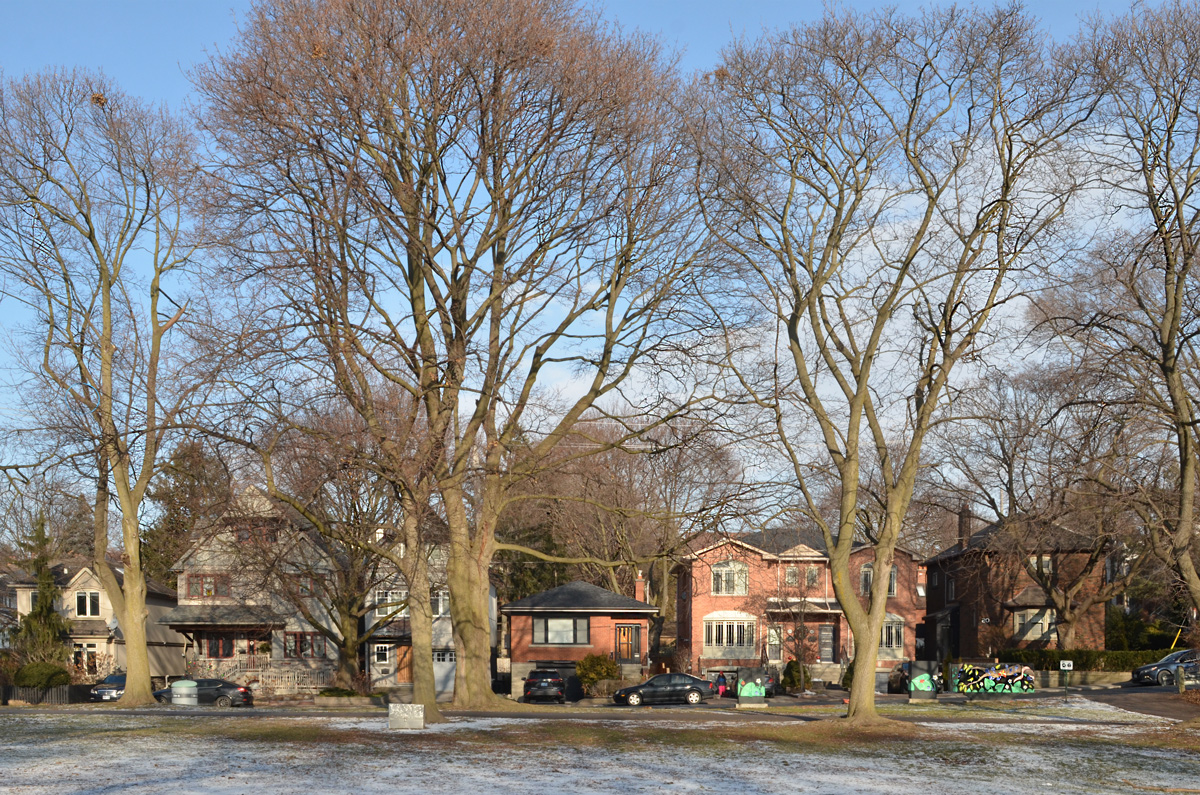
stret of houses and large trees across from Rennie Park, single family homes, residential area, large trees, winter, no leaves, some snow on the ground.

bench in park, snow on ground, large tree, lots of long shadows,

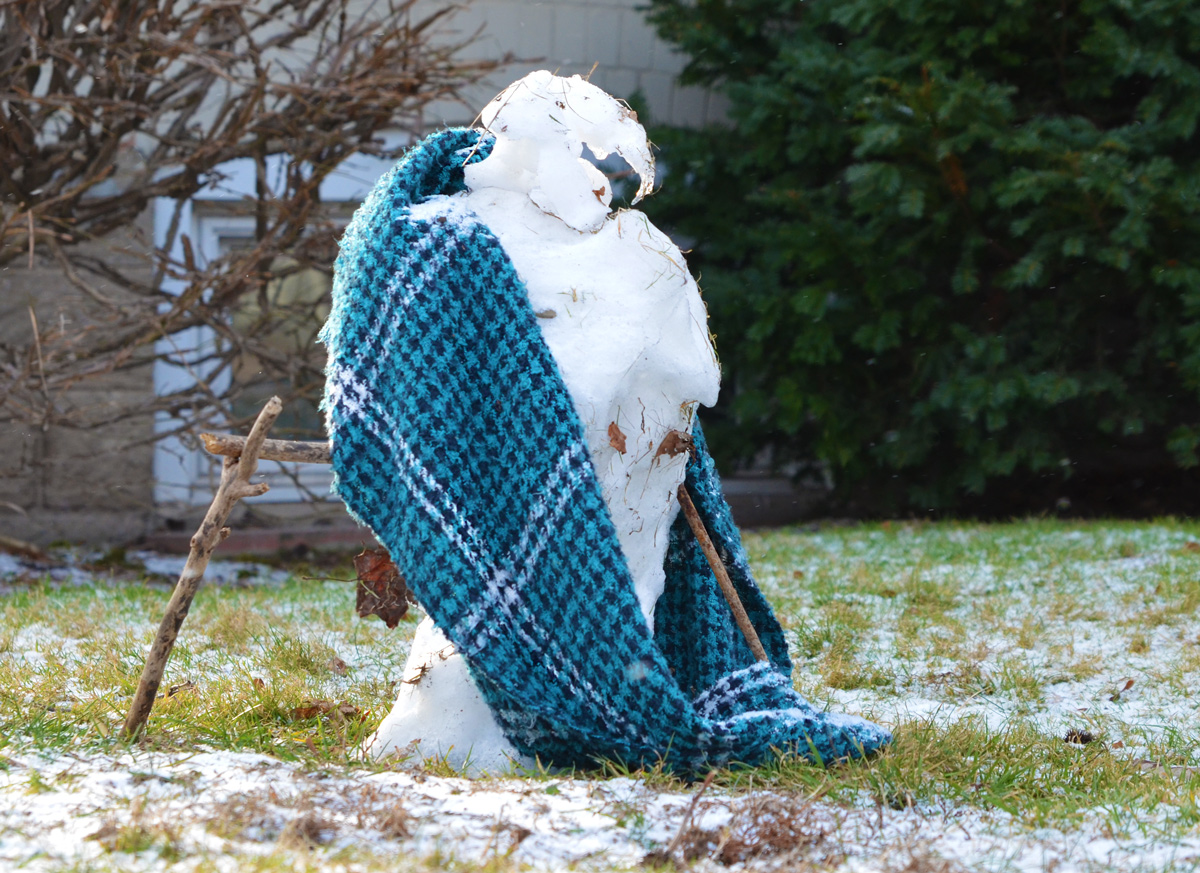
a melting snowman with a blue and black plaid cloth around it, looks a bit like a large bid witha sharp curved beak

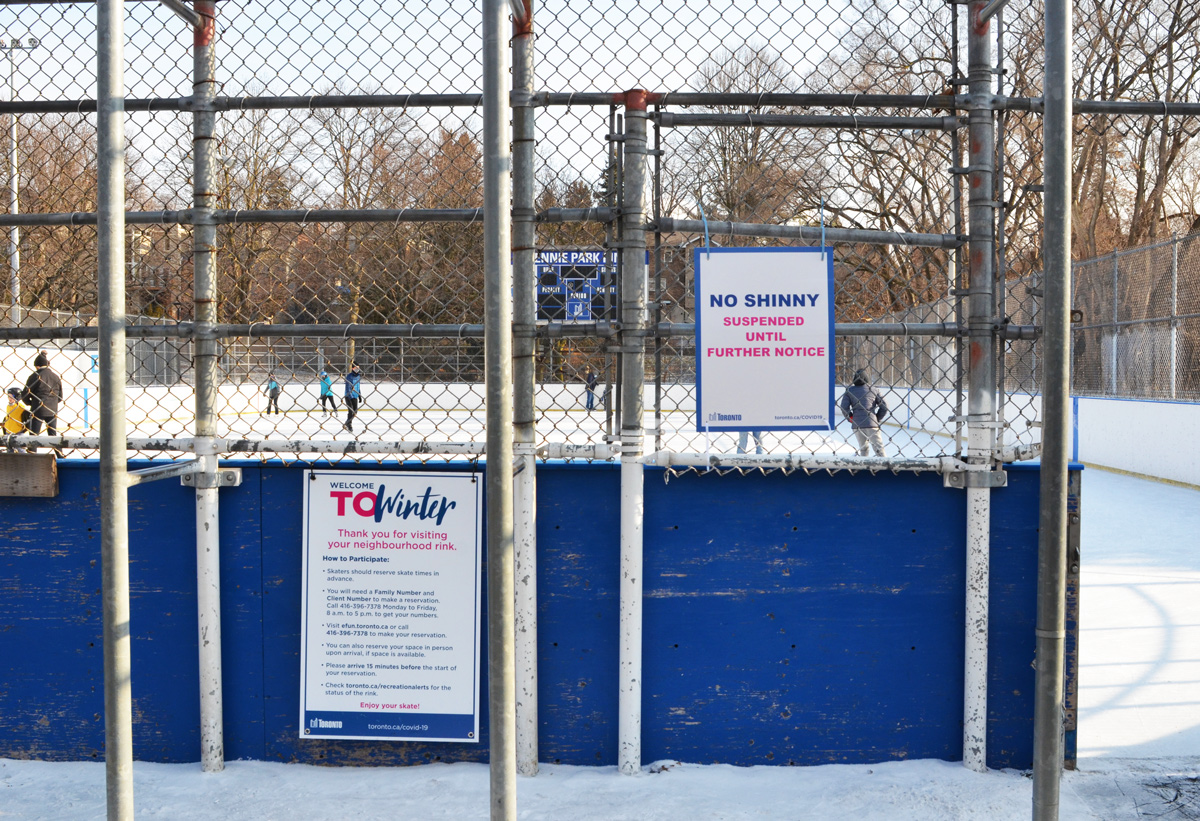
below: Rules of the rink for these Covid-19 times.

outdoor skating rink at Rennie Park, winter, with two signs regrding the rules for outdoor rinks during covid times, a few people are skating

outdoor skating rinkm some people getting ready to skate, enclosed rink for hockey etc with more natural rink beside it

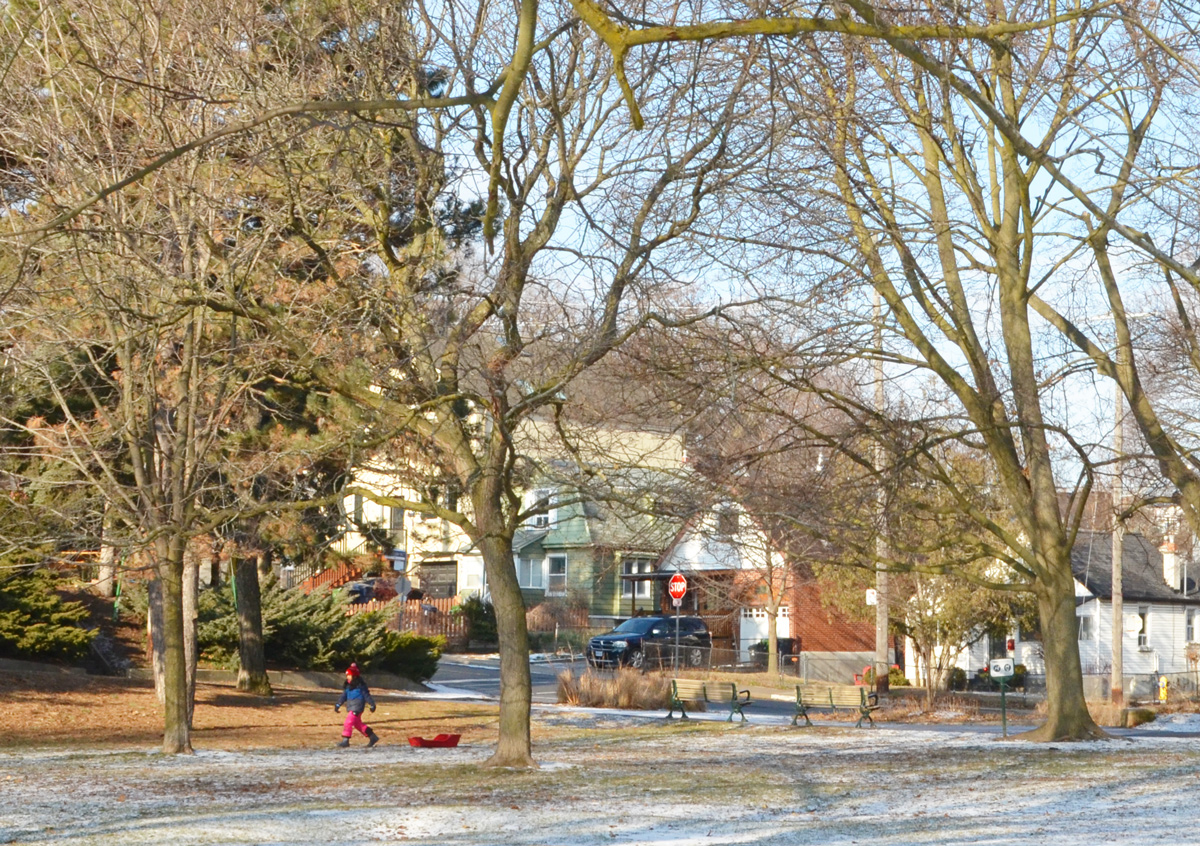
child in red pants and blue winter coat pulling a sled across a park, houses and trees behind it

looking down a hill towards a park with a playground, backyards and houses beyond that. orange snow fence, railings of the stairs going down the hill

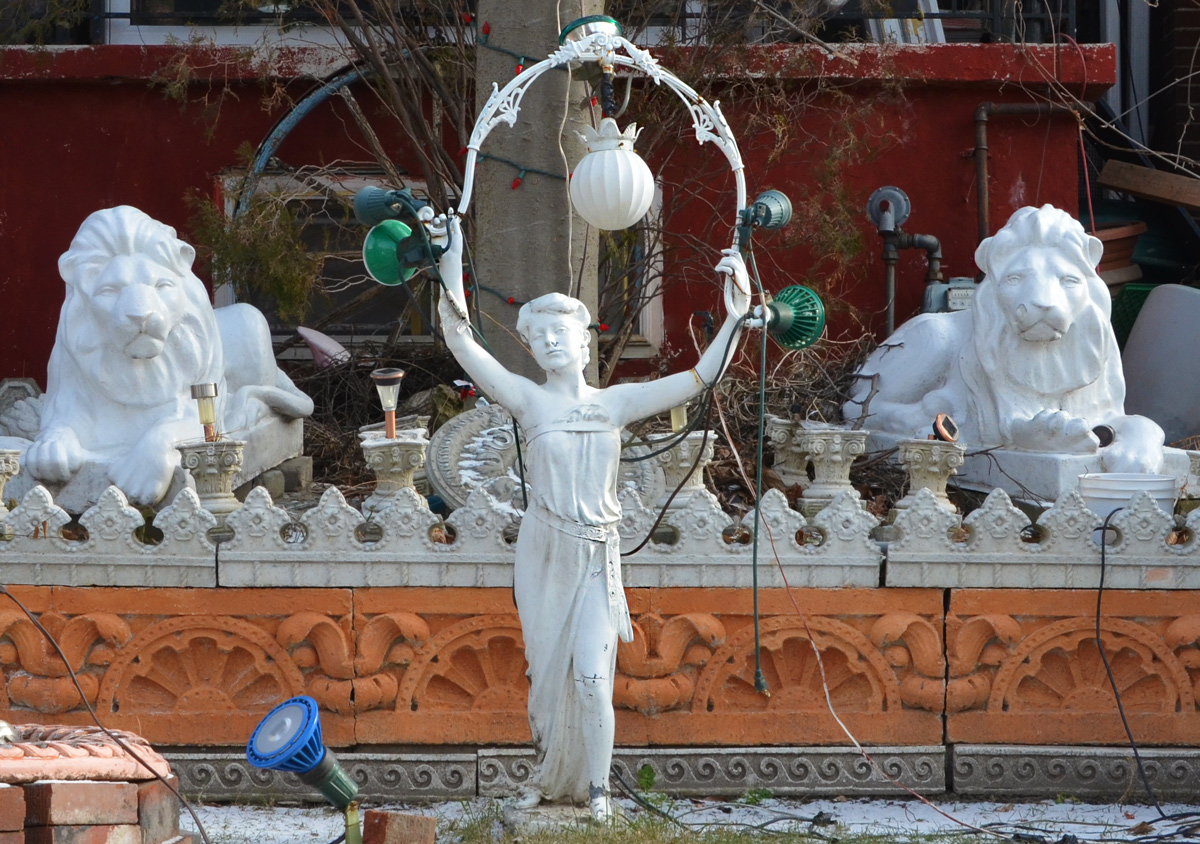
two adjacent two storey houses with lots of white statues and fountains in the front yards

white statues in front of a house

A little house!

older smaller house beside a larger newer one

older light grey stucco house on lot with grass and large trees

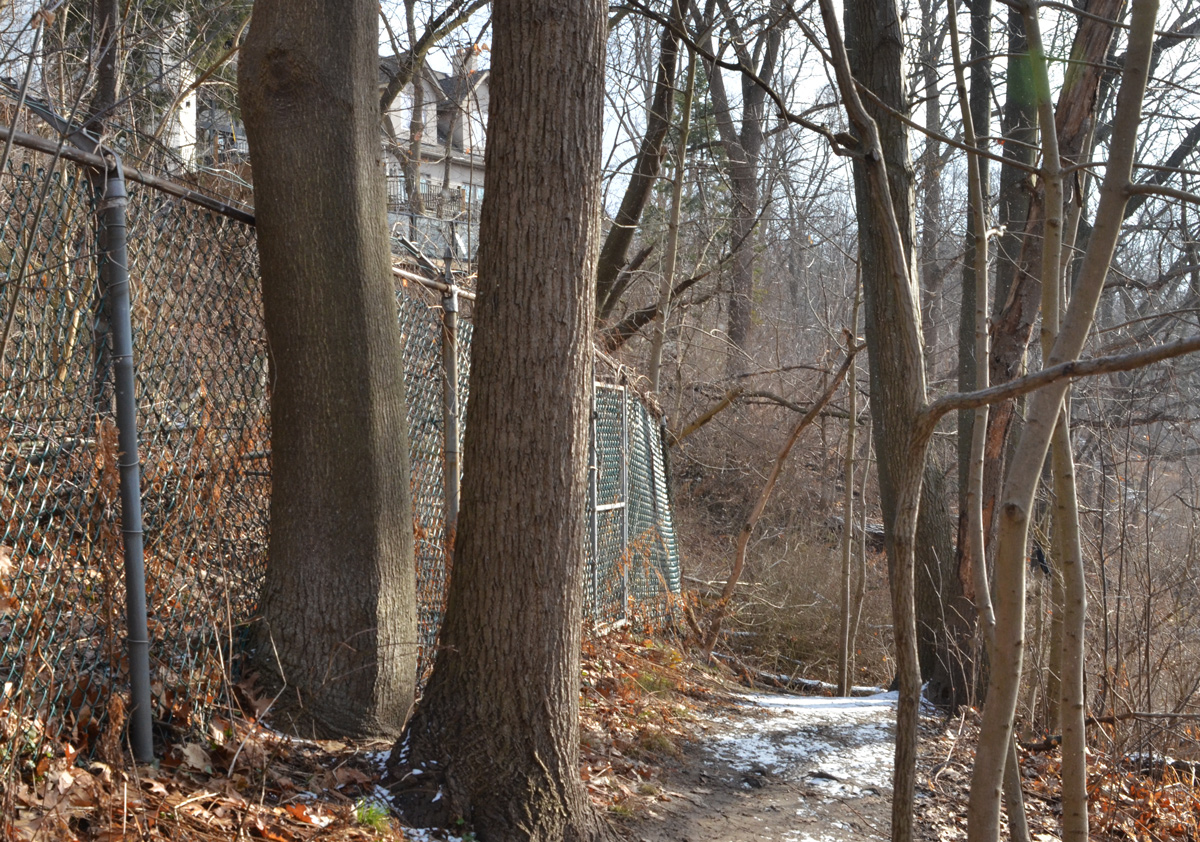
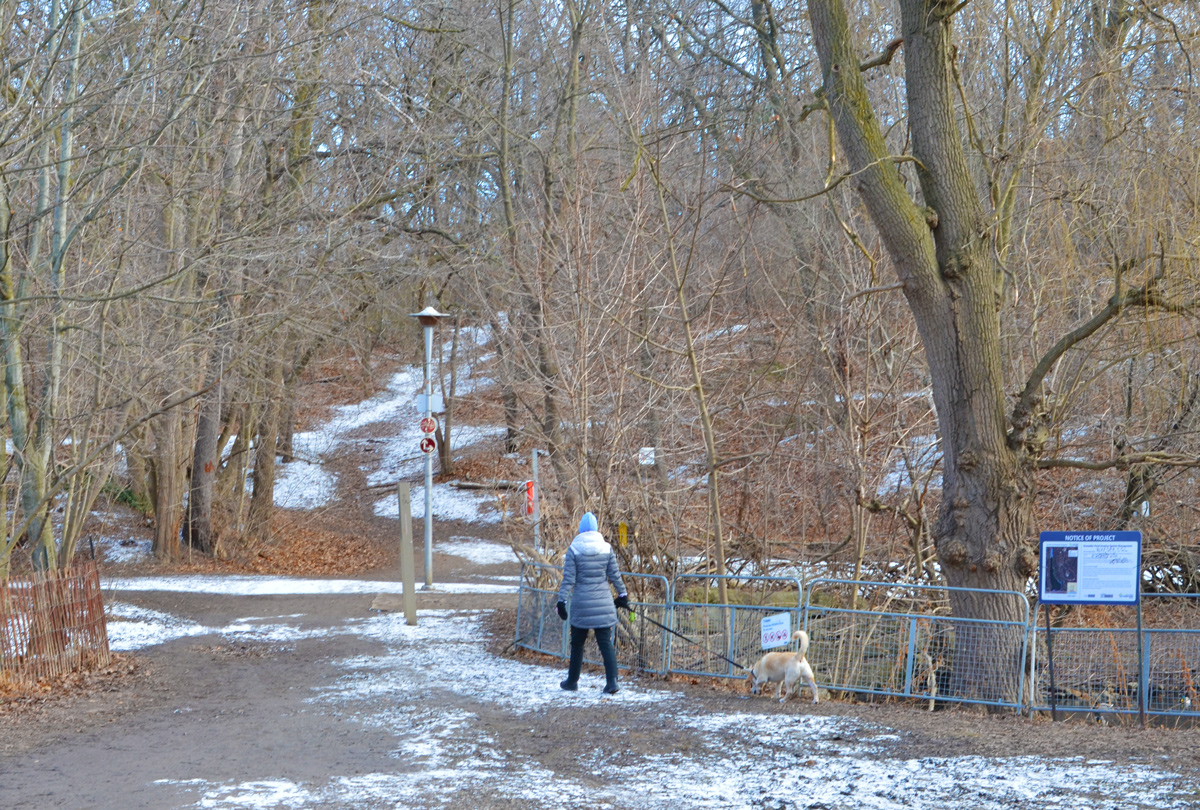
chainlink fence beside a path through the woods in early winter, no leaves on trees, some snow on the trail

below: Be careful where you walk!

wooden bridge over creek, ground at end of bridge has been flooded, hill onthe other side of the bridge with aprtment buildings (low rise) on top

below: Evidence of beaver activity!

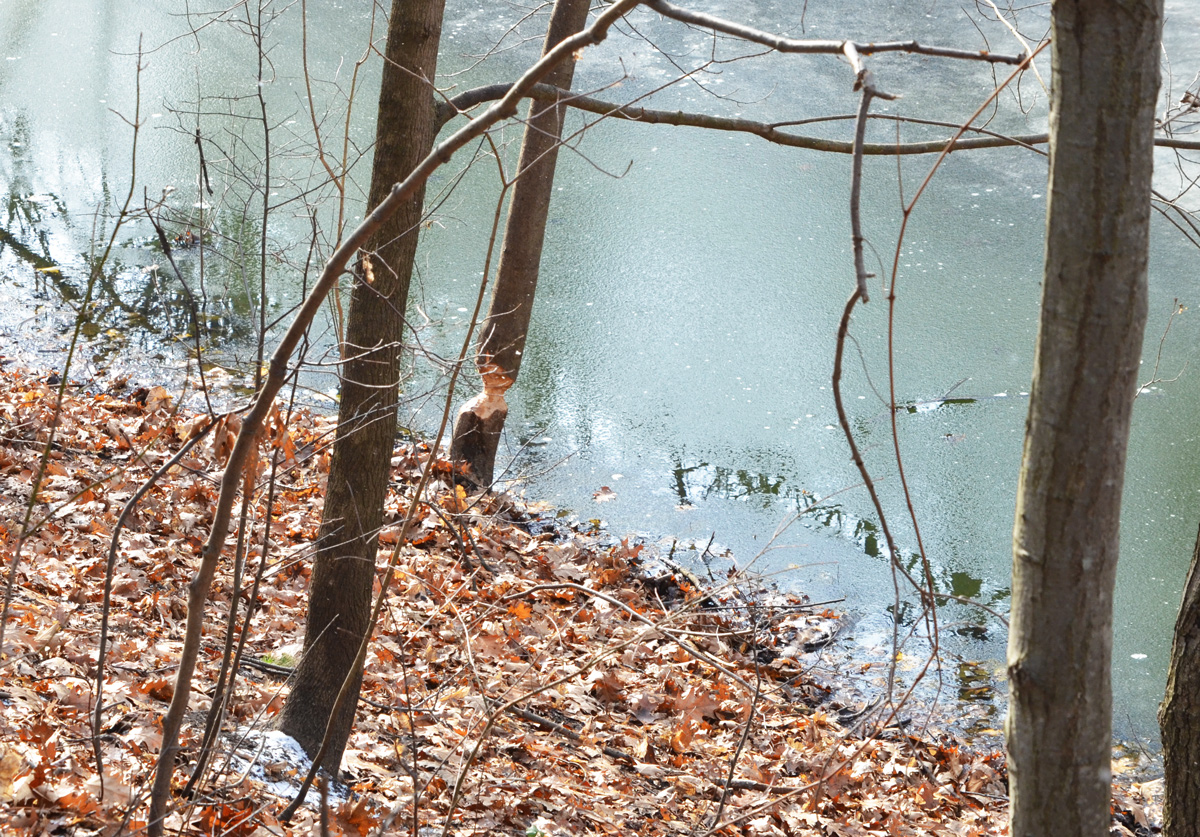
beside a pond, thin layer of ice on the water, dead leaves on the ground, some medium sized tree trunks, one that a beaver has tried to take down

below: The muddy path beside Catfish Pond

path beside a pond that is muddy, boards placed on top of mud to make it passable

below: Morningside High Park Presbyterian church, built 1917.

front entrance and steeple of Morningside High Park, a stone church built in the Gothic style in 1917

below: In the distance, highrises near Bloor West and Keele

street curving downhill towards park, city skyline ion the background, a house or two beside the road

small white house behind a large pine tree and between two larger houses, on a small hill with stairs leading up to it

below: High Park

below: The very north end of Grenadier Pond.  Work is underway to remove invasive species of plants from this part of High Park and replace them with native vegetation.

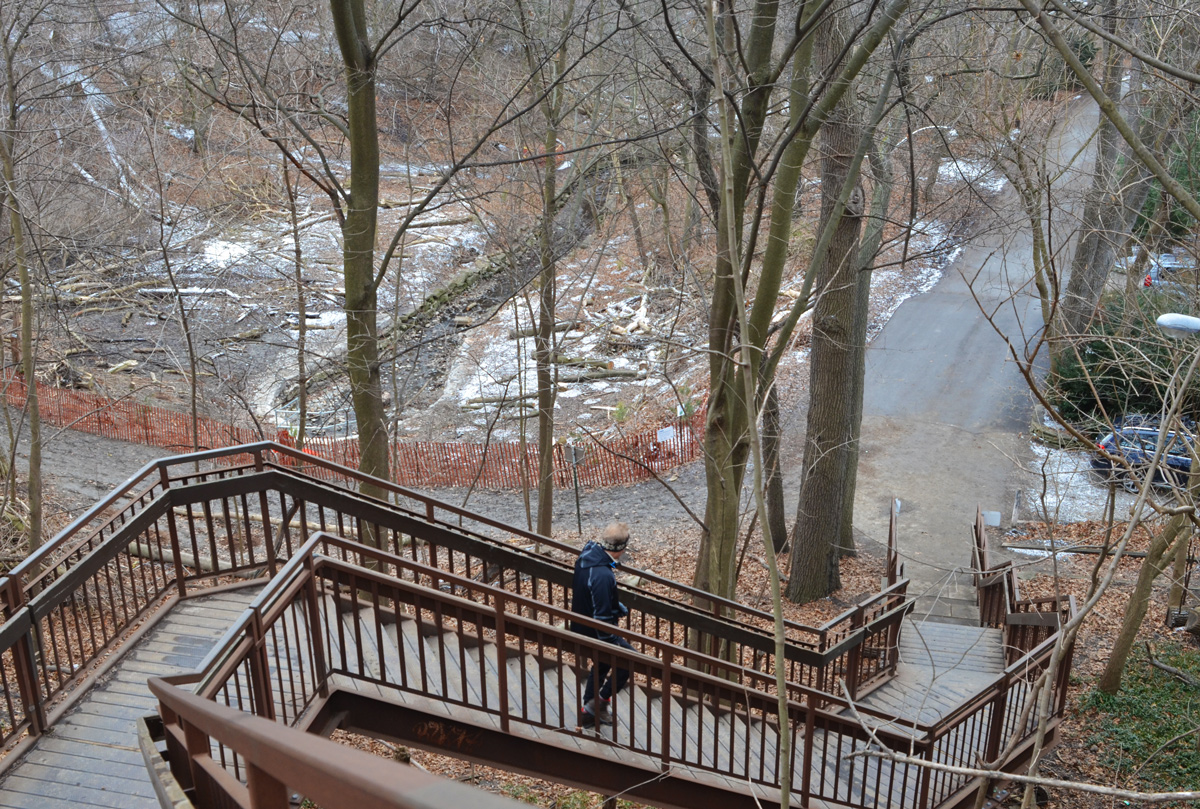
a man is going down a long set of stairs towards a park, winter time,

and back up the stairs to Bloor West

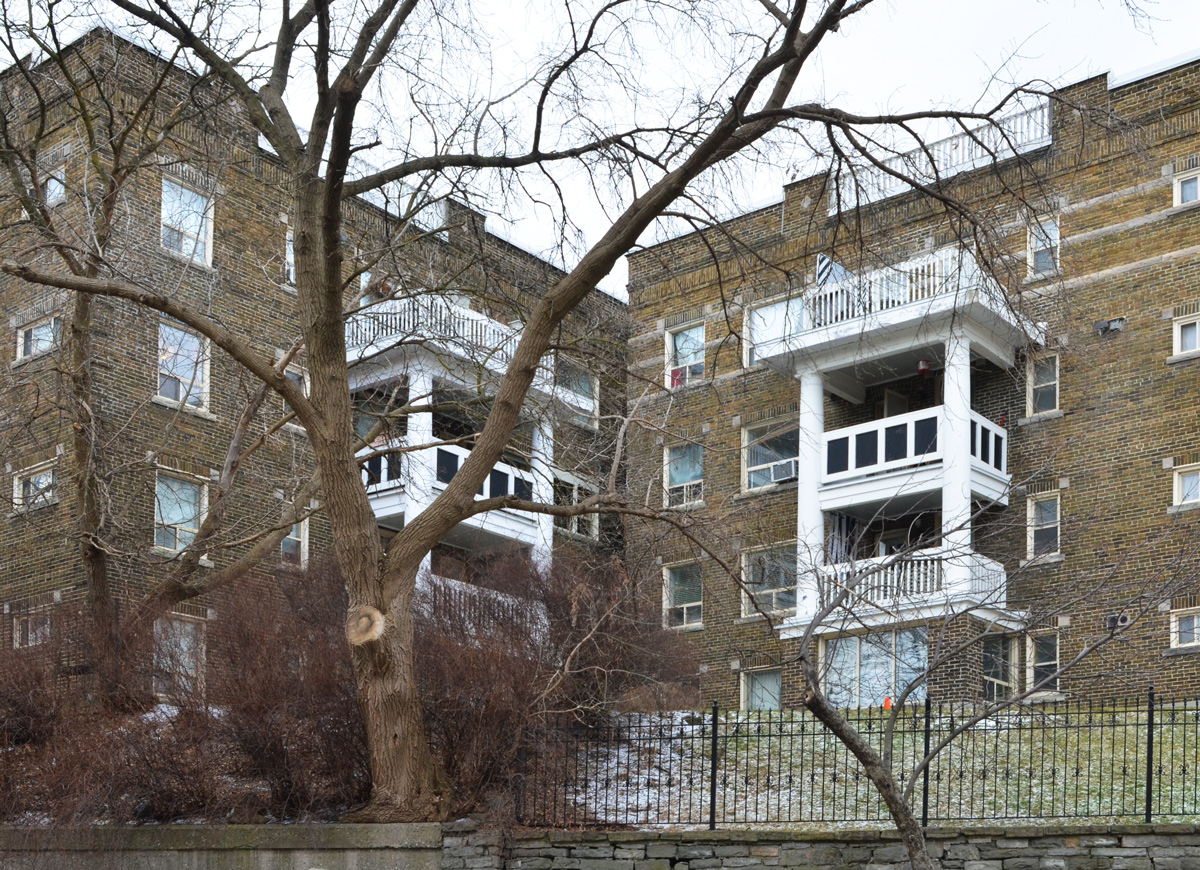
older small apartment building from the 1920s, brick,with white wood trim and balconies

With thanks to Alice for being my tour guide.

a woman taking pictures in the woods, winter

The main entrance to Glendon College is via Lawrence Avenue on the west side of Bayview; here Lawrence becomes the driveway for the college.   The first building that you see is glass with the word welcome in several languages etched into it.   On the left is “boozhoo” which is Ojibwe, “she:kon” is Mohawk, and “tansi” is a greeting in Cree.

glass wall of newest Glendon college building, glass with the word welcome in different languages etched onto it, reflections in the glass

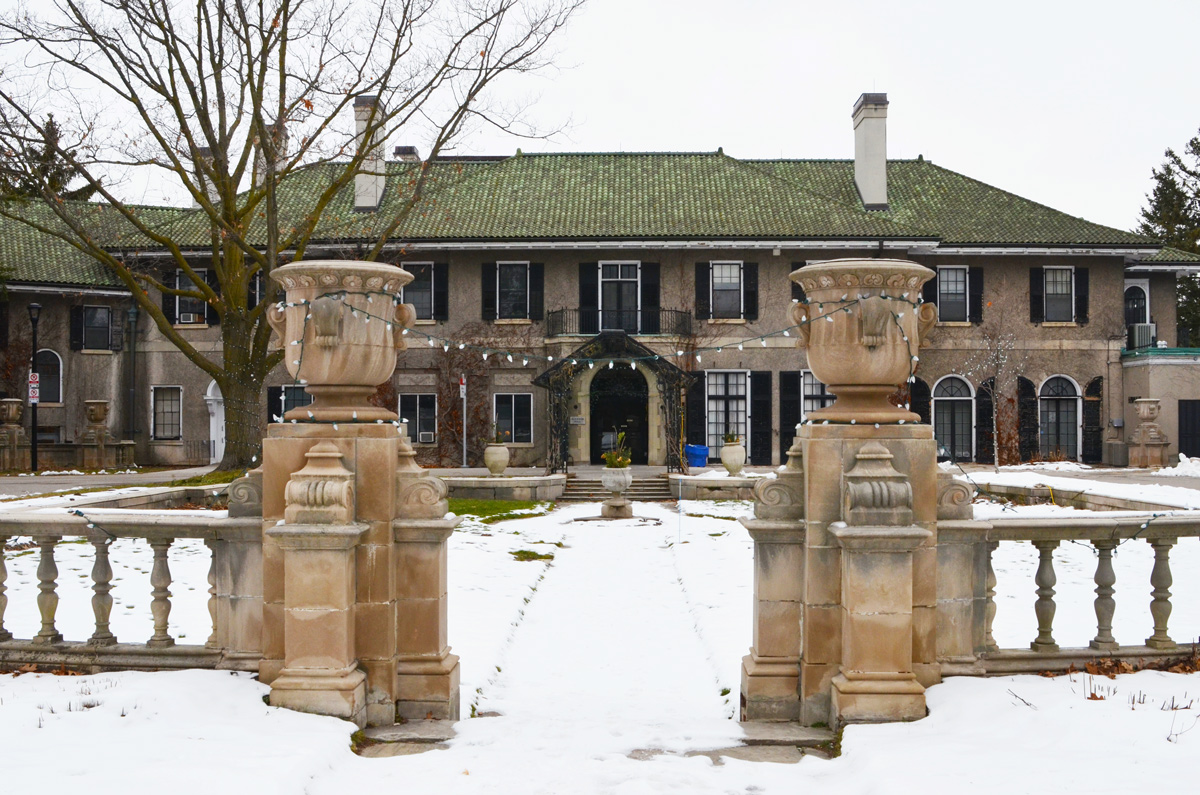
In 1924, Edward Rogers Wood (1866-1941) and Agnes Euphemia Smart (1868-1950) moved into the house that they had built on 84 acres of ravine land at the north end of Bayview Avenue,  in what was then suburban Toronto.

below: Glendon Hall now, on a grey winter day.

Glendon Hall, in winter, the old house on campus of Glendon College built in the 1920s

When Agnes Eupemia (Phemie) died in 1950, she left the estate to the University of Toronto to be used for a university botanical garden.  Ten years later U of T gave the site to the newly formed York University to use as their main campus.

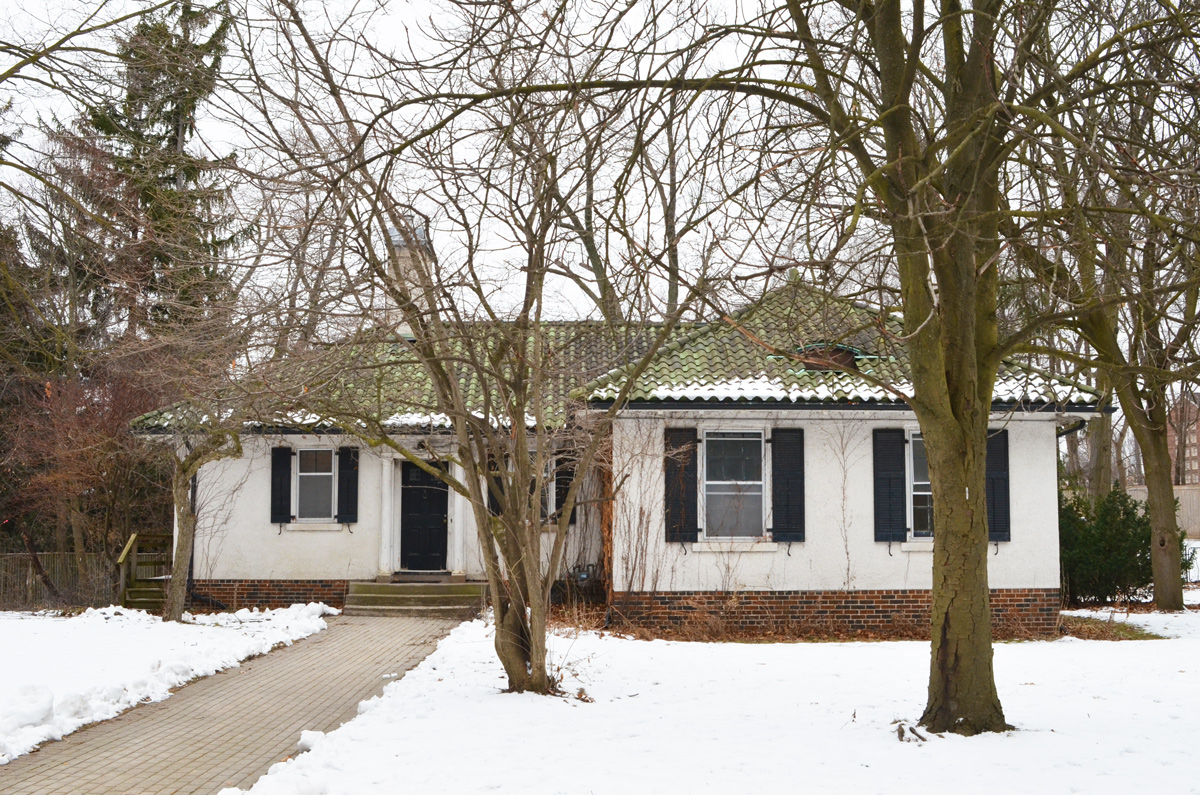
below: Another of the older buildings at Glendon

old bungalow house on Glendon college campus, winter, green tile roof, white walls, black shutters,

below: Residence building being renovated.  They were built in the late 1960s.  Glendon College has just under 3000 students but the campus was very quiet (on a Sunday in January 2021).

residence building, Glendon College, three storey red brick building with windows

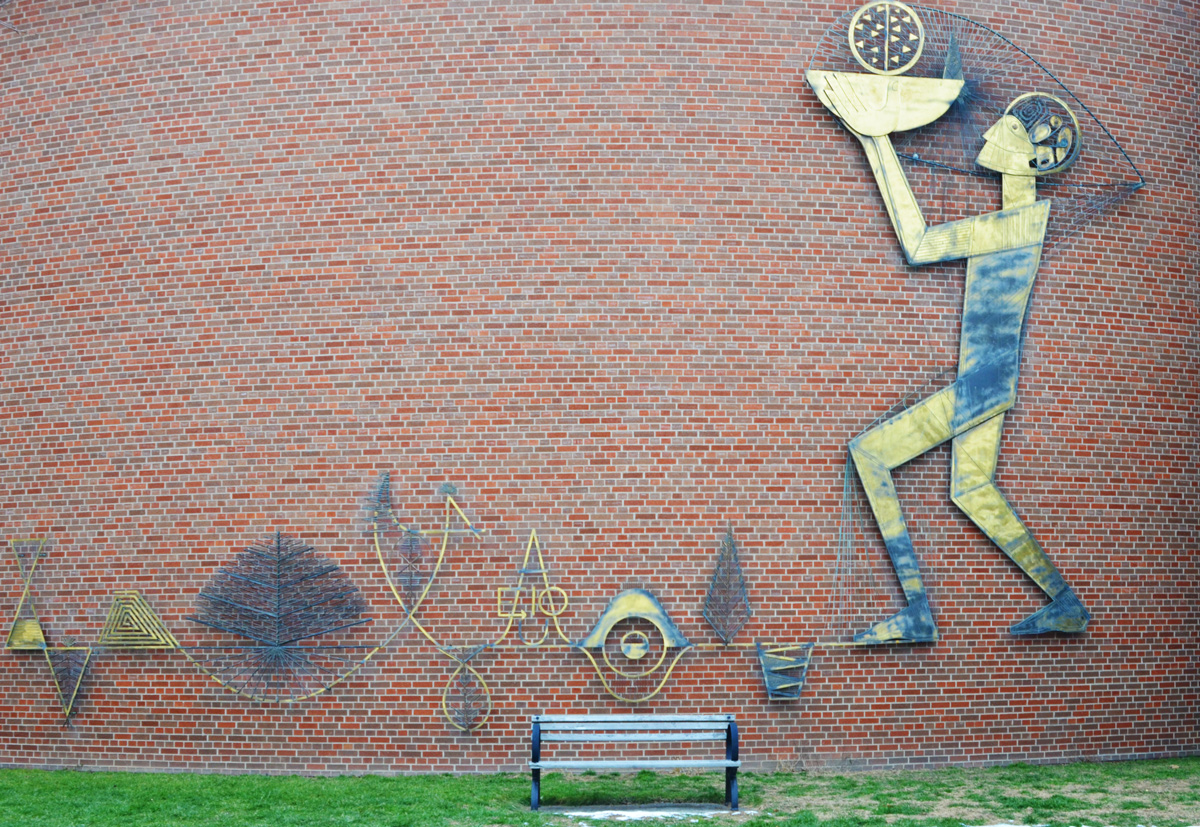
below: Lionel Thomas (Canadian,1915-2005), The Whole Person, 1961 metal mounted on the exterior of one of the buildings on the College campus.

metal 2 dimensional sculpture by Lionel Thomas mounted on a red brick wall, title is The Whole Person, a man is holding a burning lamp

below: Metal sculpture by Ray Spiers (b. Canada 1934), Untitled 1, 1975

metal boxes with open ends, sculpture on the ground, with snow, Glendon campus, by Ray Spiers in 1975

below: Sculpture of a more temporary nature.

small, partially melted snowman with stick arms,

residence building, Glendon College, winter, path, large trees

The main part of the campus is up high, above the ravine formed by the west branch of the Don River.  At the bottom of the hill is the pool and tennis courts as well as access to trails along the river.

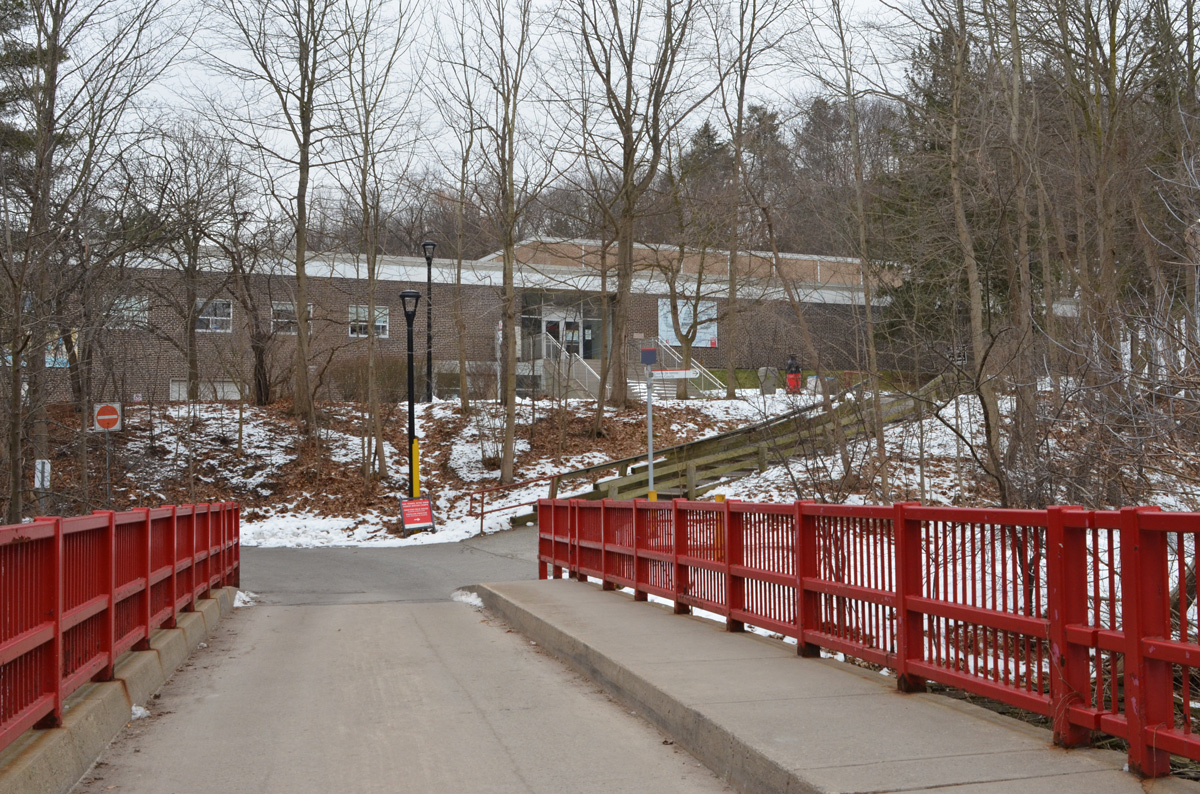
below: Athletic Center and bridge over the Don River

single lane bridge with wide sidewalk and bright red metal barricades on side, brick building in the background, trees, winter,


path in woods in winter, with orange snow fence lining the walkway

2 dogs on a snow covered path in the woods

below: The end of Lawrence Avenue on the east side of Bayview.

the end of Lawrence Avenue at Bayview, the Bayview bridge crossing the ravine far above

below: Under the Bayview bridge which was originally built in 1929 with financing help from E.R. Wood, and expanded in the early 1960s.

concrete pillars with some graffit on them, holding up a bridge, over snowy ground

below: Before 1929 this is where traffic crossed the Don River.  The bridge, Watson’s Bridge, was built in 1895.   In the distance, you can see the Chedington condos; they sit where a house for Muriel Wood once stood.  E.R. Wood built the house (also called Chedington) for his daughter in 1927-28 but it was destroyed by fire in 2009.

single lane unpaved road through woods, and then over old bridge, winter

below: Watson bridge, built 1895

an old concrete bridge over the Don River by Bayview, some graffiti on it, seen through the woods in winter, no leaves on the trees, over the Don River,

below: Beyond Bayview the paths were very icy so we didn’t venture much farther that day.

ice on the path, beside creek, in woods,

More details about the history of the Bayview bridge can be found on a City of Toronto website.   They have lots of pictures!