Posts Tagged ‘photography’

and a few places in between.


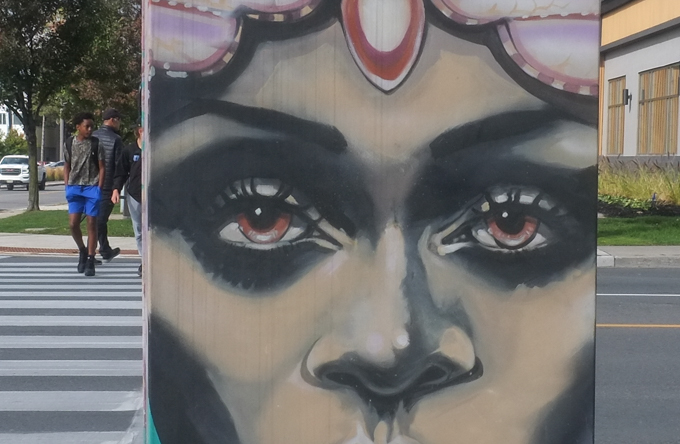
young people crossing o'connor drive, at intersection, with a metal box on the corner painted with a large female portrait

Amsterdam and Skopje refer to two streets that intersect with O’Connor Drive in the northeast corner of East York, Amsterdam Avenue and Skopje Gate.   There is also a Wakunda Place but the spelling is different from Wakanda, the fictional country that was created of Marvel Comics.

Every neighbourhood has a story to tell, even if it’s just the story of a quiet life in their own corner of the city.  There are many similar threads that run through the many narratives of Toronto neighbourhoods – the ethnic stores and restaurants, the redevelopment of older buildings into new housing, quiet side streets.  There’s probably a mix of residential styles – single family homes, rowhouses, older apartment buildings, and newer glass and steel condos where people are trying to live as best they can.   It is a scene repeated over and over again.  Parts are fascinating, parts are dull and lacklustre.  There will always be utility poles and wires and garbage bins in the way.    Maybe there will be an alley or two to explore – with old abandoned cars, basketball hoops, and graffiti left behind by jilted lovers or angry young men.   There’s probably a vacant lot where a building has been demolished – or perhaps it hasn’t been demolished yet but it’s just sitting there taking up space and looking sadder and sadder with time.

Just because there are many similarities doesn’t make it less interesting.  Here are a few images from “between Amsterdam and Skopje”.

old welcome banner is falling off the wall, glass wall, with bright red above it

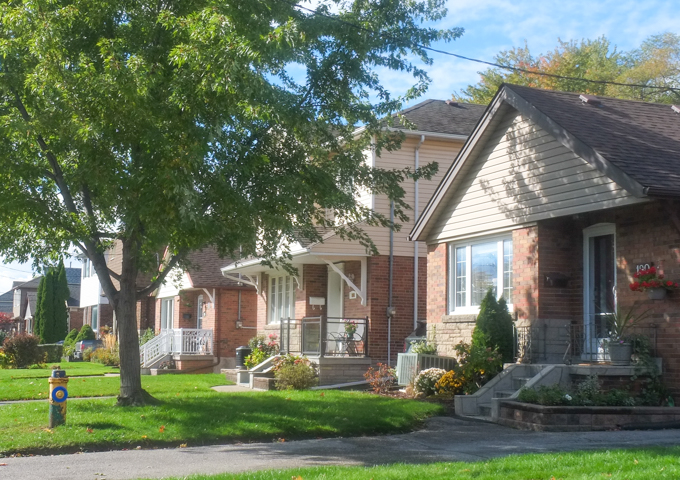
single family homes on a tree lined street

upper two storeys of a line of rowhouses, each slightly different, brick

upper level, back of stores on O'Connor, white brick strip mall, square white chimneys

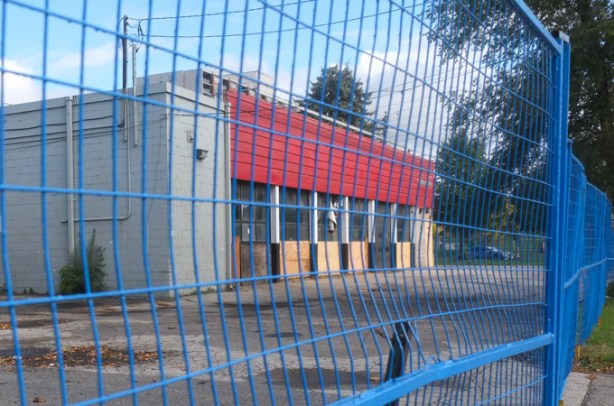
blue metal xonstruction fence in front of an empty building with parking lot in front of it

parking lot and abandoned buildings waiting to be demolished

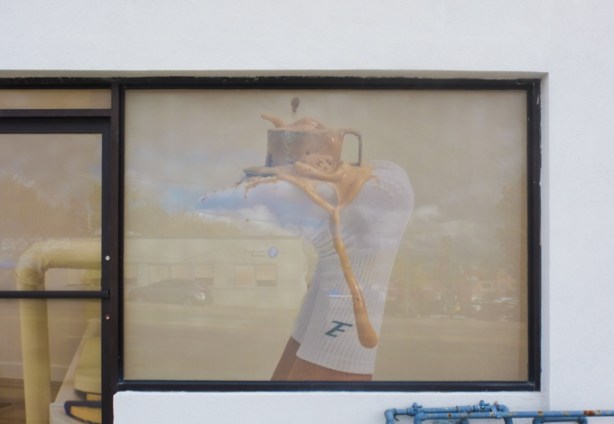
faded picture on exterior wall, overflowing cup of coffee or tea on bottom of foot that is upside down, wearing white sock

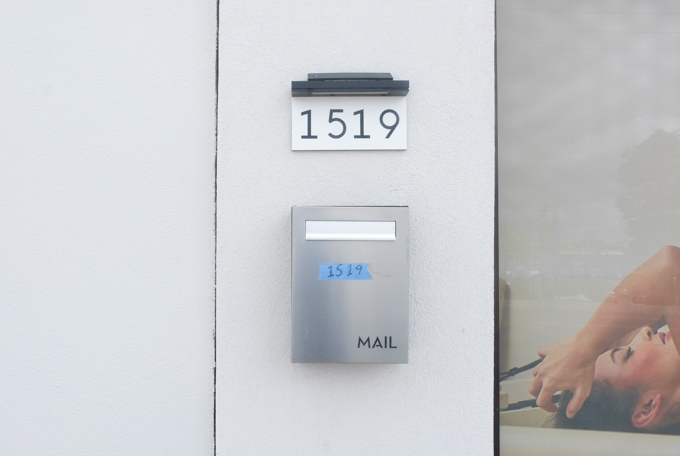
mailbox at number 1519, beside an image of a woman lying on her back

markings on a sidewalk in pink and red


large yellow arrows on the pavement in a parking lot

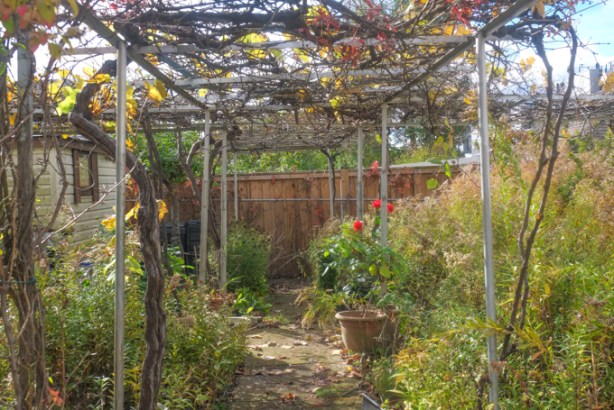
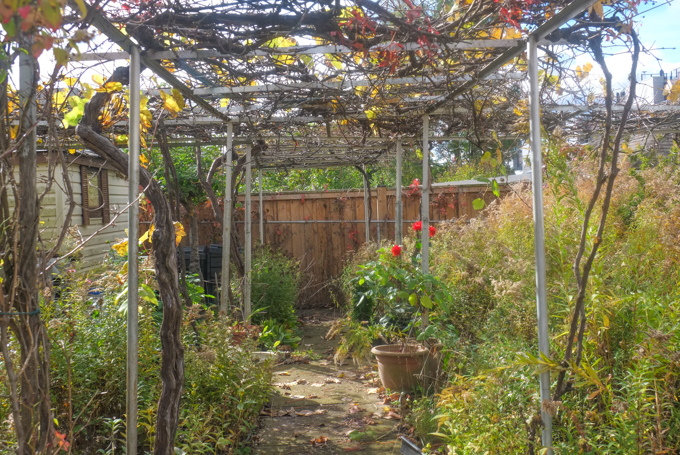
backyard garden with overhead vines

bright orange leaves on a tree in front of an apartment building

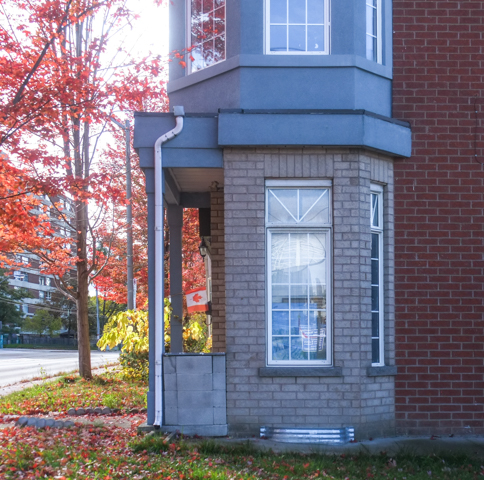
brick residence, fall colours outside

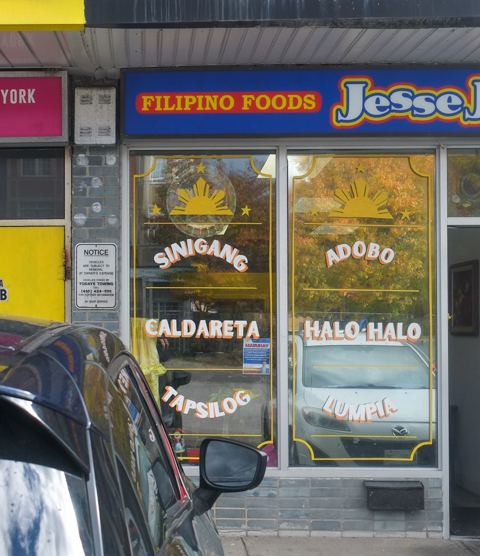
window of Jesse's filipino foods restaurant

reflections in the window of an audio equipment store

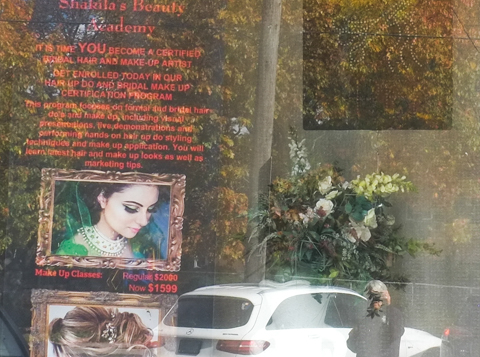
looking in the window of Shakira Beauty Academy, with some reflections of trees and cars outside

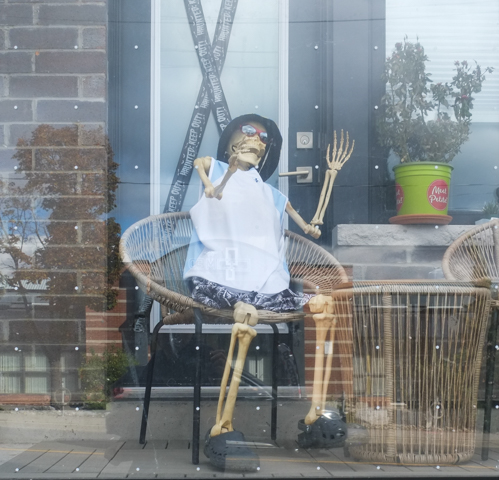
halloween decoration, life sized skeleton sitting on a chair on a balcony

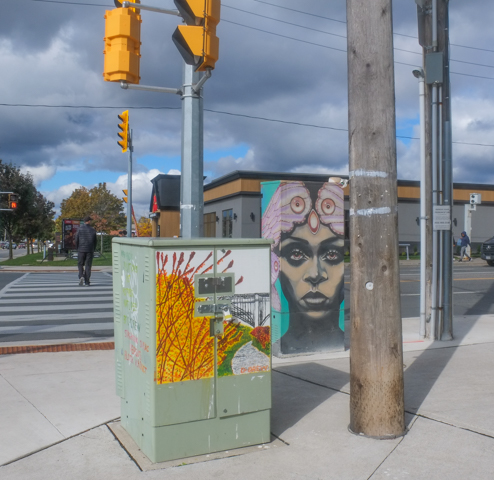
two metal boxes on sidewalk painted with street art

Not every neighbourhood has a large bowling pin (as public art). Backstory – the condo that this pin sits in front of was built on the site of the old O’Connor Bowling Lanes (1951-206).
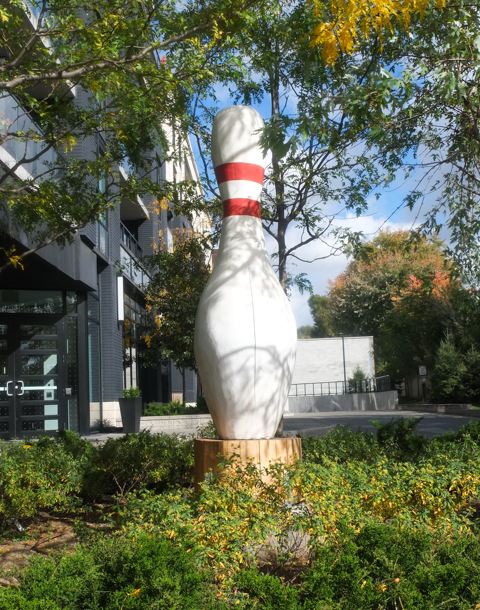
very large white bowling pin sitting in the middle of a large raised garden, as art

Of all the similarities that this neighbourhood shares with others in the city, not many of the others can claim to have a cookie outlet….
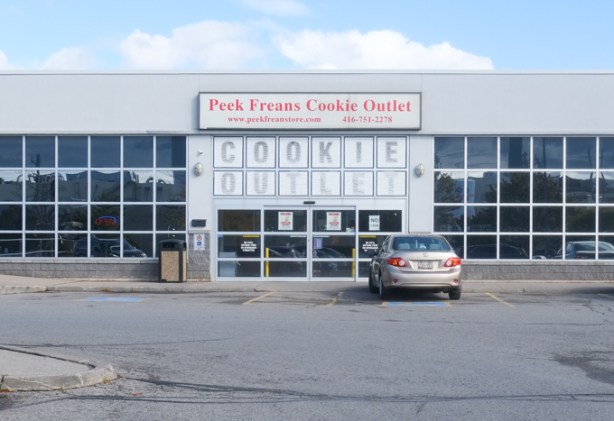
entrance to Peek freans cookie outlet, one car parked in front, mostly glass front to the building

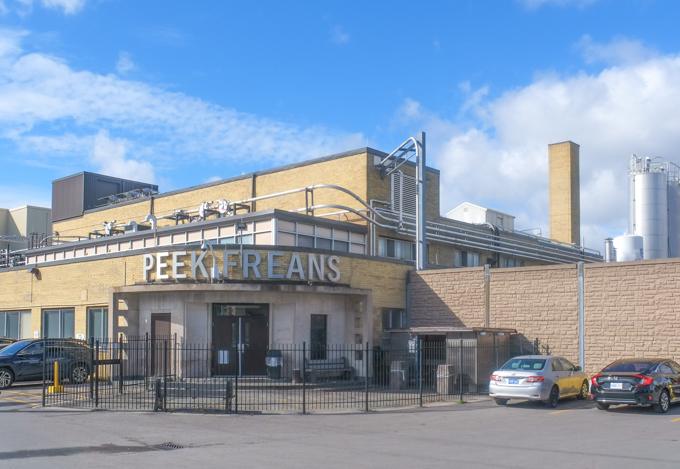
And even more unique,  it’s also the home of the Peek Freans Biscuit factory.  There was a lovely sweet vanilla-ish smell in the air the day that I walked around.  Peek Freans has a long history in England dating back to the 1850s.  In 1949 they established their first bakery in Canada, here on O’Connor Drive.
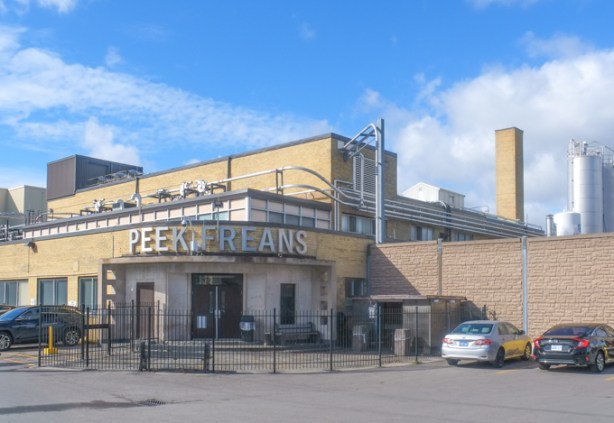
entrance to peek freans cookie factory, a yellow brick building

Although the company has changed hands numerous times since then, the East York factory still produces cookies (and other items such as Oreos and Wheat Thins) for Mondelez Canada.

looking across O'Connor Drive towards Peek Freans cookie factory

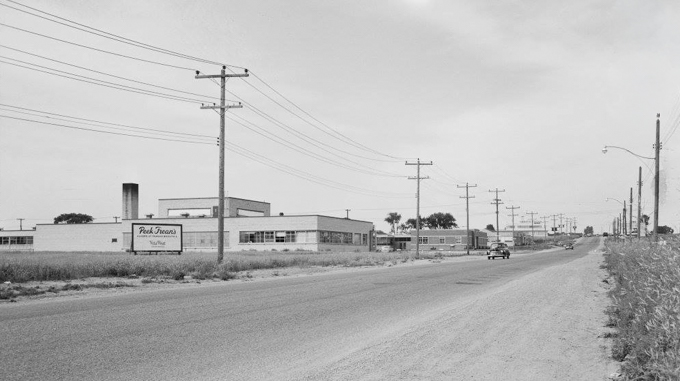
Back in 1953 when this photo was taken there wasn’t much else around!
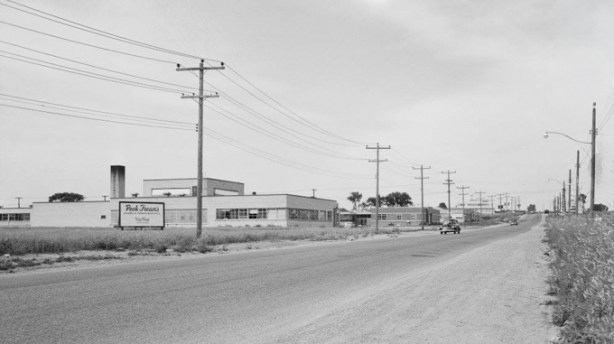
black and white photo of Peek Freans cookie factory in 1950s, on O'Connor drive, not much else is around it ,

source: City of Toronto Archives, fonds 1128, series 380, item 39

.
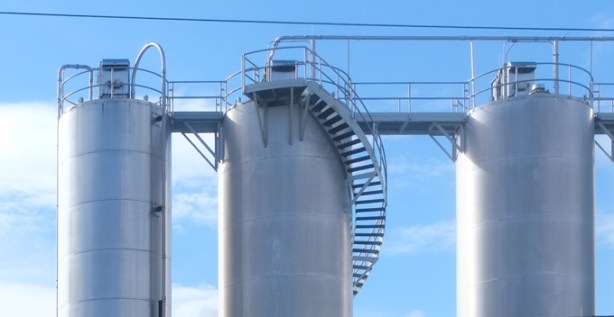
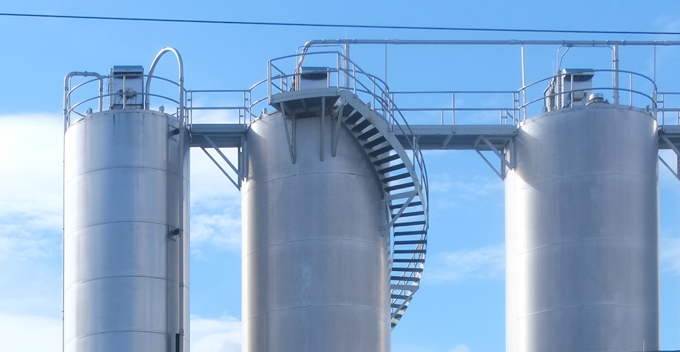
tops of storage silo towers at peek frean cookie factory

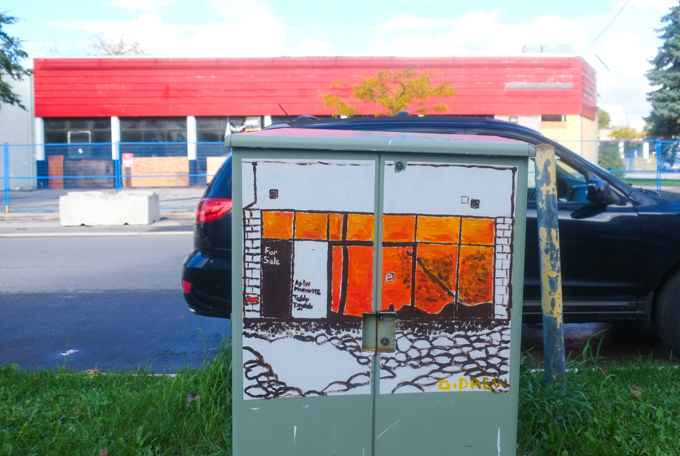
below: A couple of the metal boxes painted by D. Drew.
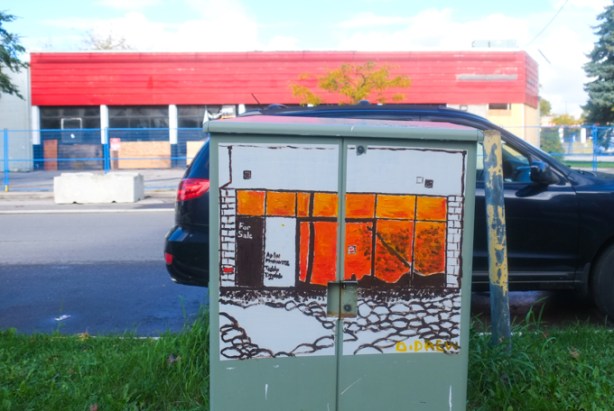
orange painting on a metal bell box, car parked behind it, boarded up business in the background with for sale sign on it, painted by D. Drew

forest sunset scene painted on a metal sidewalk box

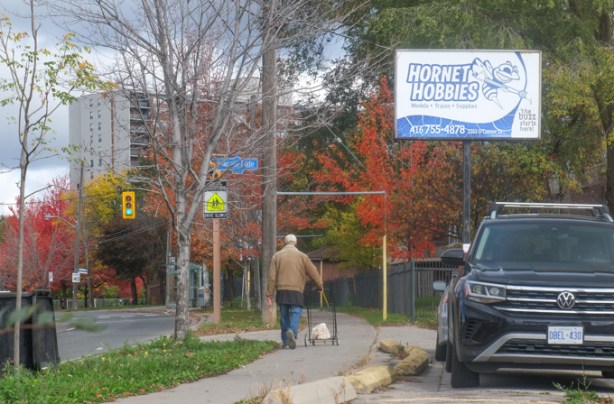
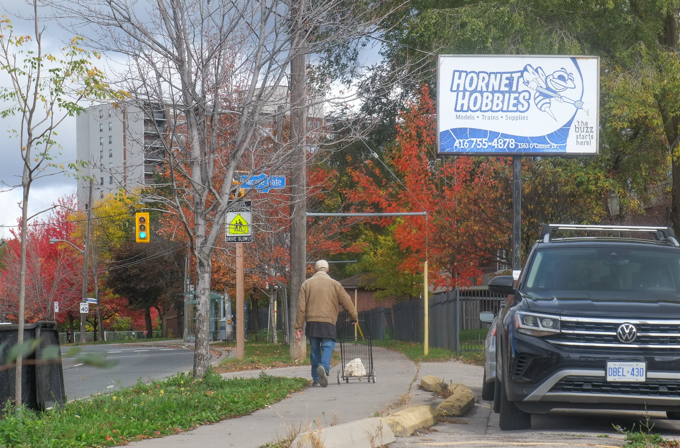
man walking dog on sidewalk, past fall coloured trees

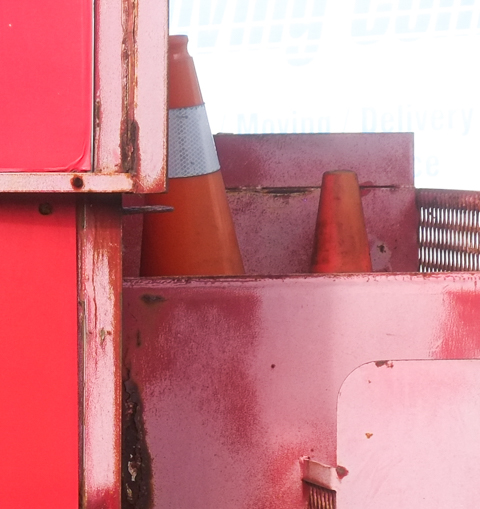
orange traffic cones stored in pink container

clear bottle with yellow liquid, partially full, sitting on a yellow concrete wall

side wall of a white brick building

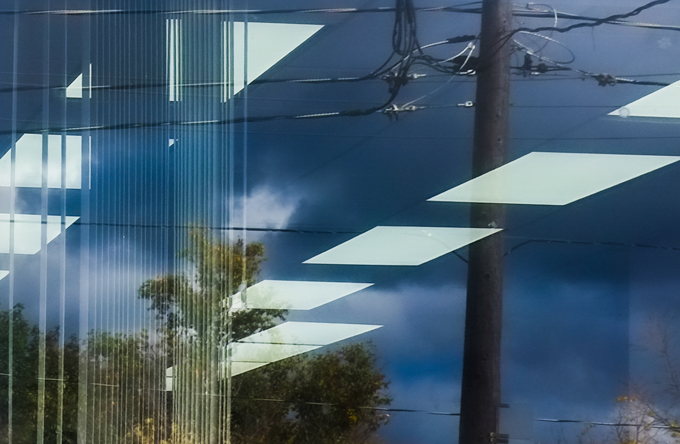
looking in a window with flat rectangular ceiling lights, reflections of hydro pole and lines outside

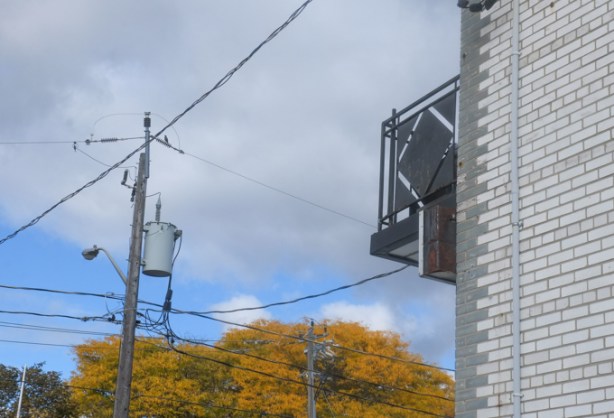
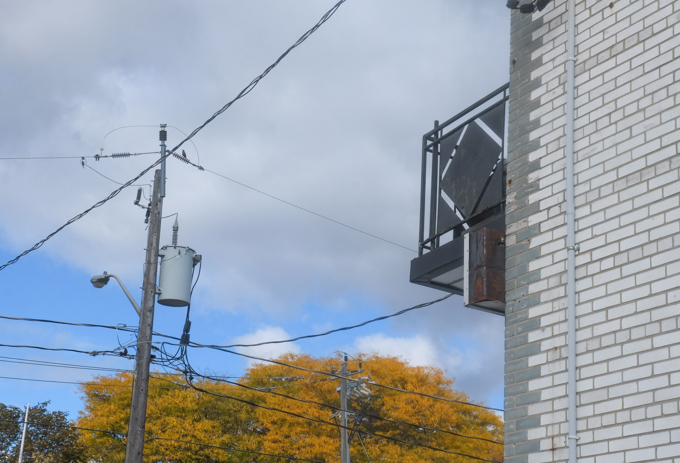
balcony wth black railing on a grey brick building, blue sky with a cloud, transformer on hydro pole, with some wires

row houses on the corner of O'Connor Drive and Skopje Gate

After I wrote this blog post I asked google for a list of streets in Toronto named after American cities.  I got this answer: “Toronto has a number of streets named after American cities, such as Chicago Street, Dallas Street, and Milwaukee Avenue. These streets often have historical connections or reflect the city’s relationships with other North American metropolises.”  I had never heard of these streets in Toronto!  Maybe I missed something.

My next move was to look for Chicago Street in Google maps.  “There is no street named “Chicago Street” in Toronto” was the answer.  I also struck out looking for Dallas Street (which is when Google tried to direct me to Yonge Street).  The answer when I searched for Milwaukee Street was the best of all – “There is no “Milwaukee Street” in Toronto; however, there is a street called Ossington Street, often mentioned in lists of the city’s coolest streets, and a retail store named The Milwaukee Road located at Yorkdale Mall).   The next time you walk down Ossington, you can think of Milwaukee!


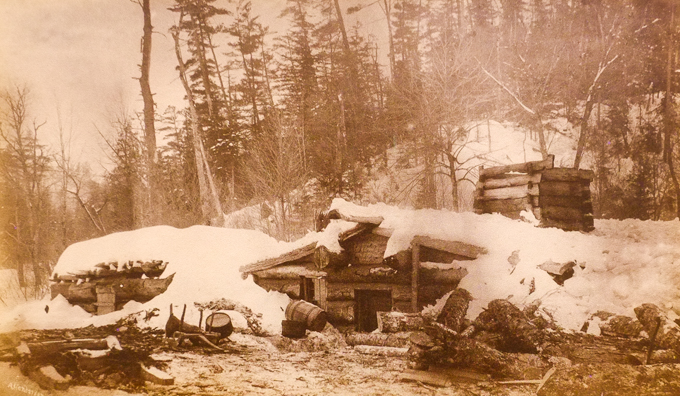
In 1869, Canadian photographer Alexander Henderson (1831-1913) was commissioned to take a series of photos along the route of the new Grand Trunk Railway between Montreal and Toronto.  These images were for a travel book, “All-round Route Guide” to sell to tourists and settlers along the route.  This Montreal to Toronto section followed the north shore of the St. Lawrence for most of its route.  The railway had opened in 1856 and more routes had been added (to Portland Maine! to Sarnia!) or were planned. 
below: Lumberer’s Shanty, Lievre River, Quebec, before 1865

albumen print, vintage black and white photo by Alexander Henderson of a lumberer's shanty in winter, small log cabin structure covered with snow, Quebec

A recent exhibit at Artspace TMU (at 401 Richmond) showcased albumen prints of some of Henderson’s photos along with photos taken by Dawson Cox.  All of Cox’s images were mounted on particle board.  The exhibit was titled, “Like the Seams of a Coat”.

below: Camera store, corner of Clark and St Antoine, Montreal.

photo in a gallery, by Dawson Cox, of stores in Montreal,

below: Victoria Square, Montreal, about 1872

old photo by Alexander Henderson, of Victoria Square in Montreal, albumen print, in a gallery, taken in 1872

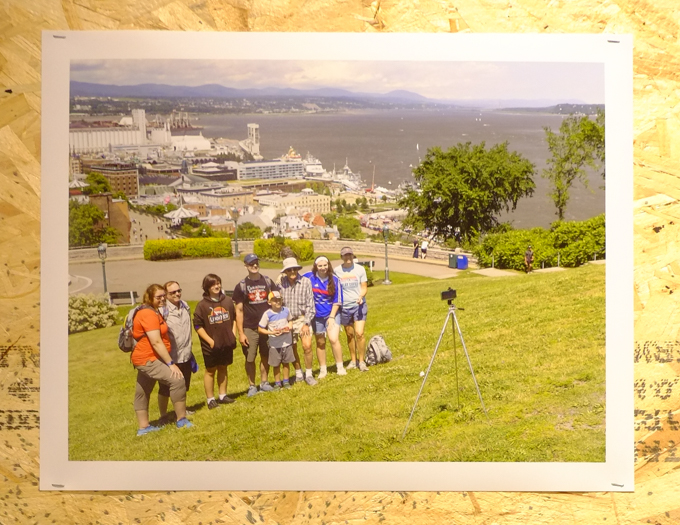
below: Group shot

group photo, on a hill above a small town

below: Group shot, 1870s style – G. Company of 78th Highlanders, taken by Alexander Henderson

vintage black and white phiti, Group of G. Company of 78th highlanders, taken around 1870 by Alexander Henderson

Coat seams are usually hidden but they are essential to holding everything together. Important yet unseen.

below: Cox’s photo of torn graffiti on an old brick wall

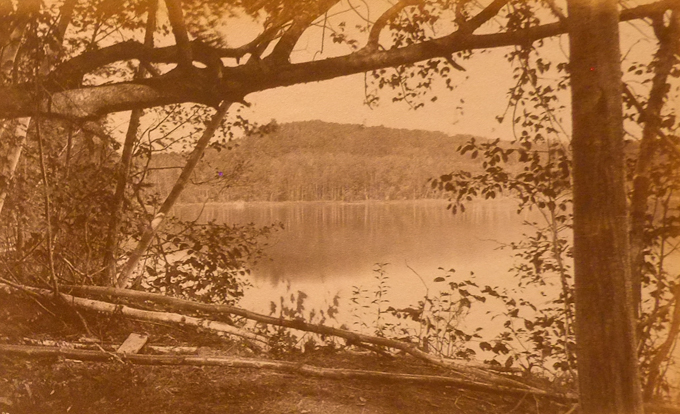
below: Lake, Saint Bruno Mountain, Quebec, before 1865

old photo of a lake and st Bruno Mountain in Quebec, 1860s
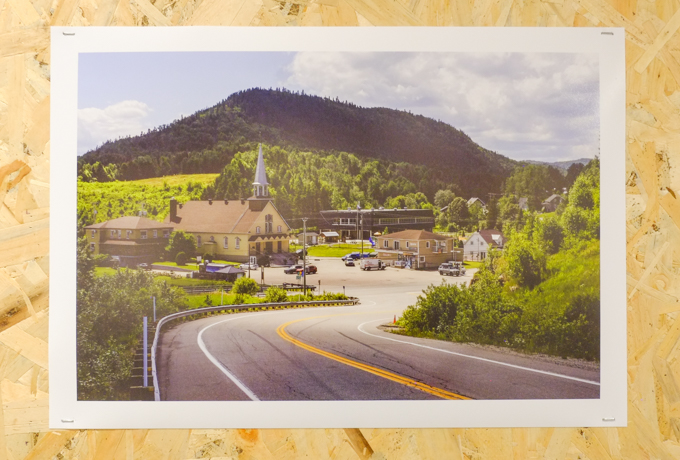
photo of a village with a church
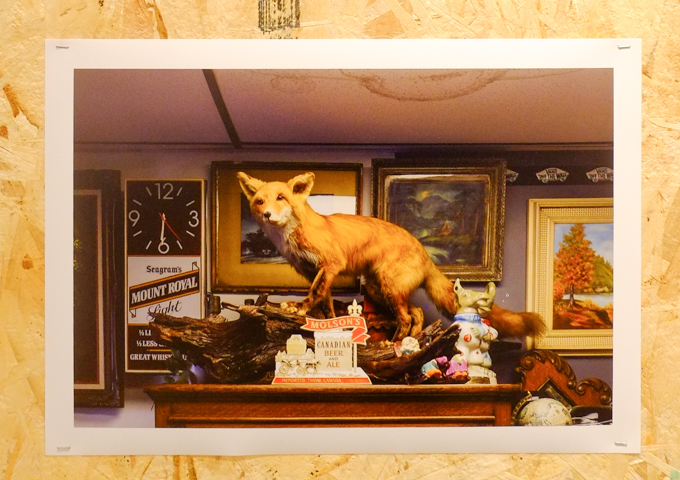
photo of a stuffed fox, mounted standing on all fours and seeming to walk

below: L’Anse a l’Eau, Saguenay River, Quebec, 1868

old black and white photo, a lone scrawny pine tree on a rock overlooking the Saguenay River in Quebec, with village below, village of L'Anse a L'Eau

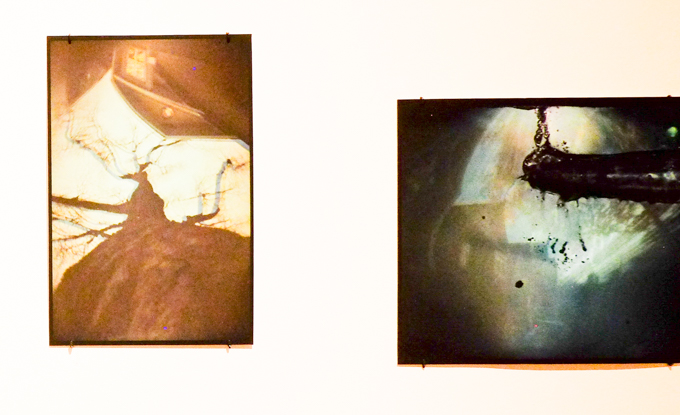
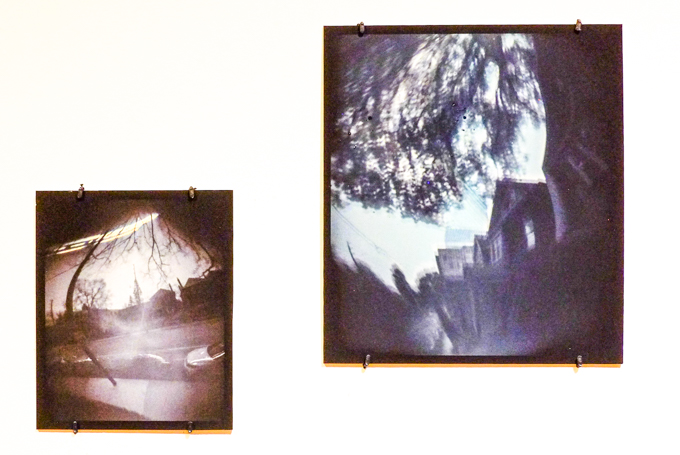
Back in June at ASpace Gallery  (one of the galleries at 401 Richmond West), there was an exhibit that was also part of an MFA in DocMedia thesis.  Part of the exhibit consisted of photographs made with a pinhole camera.  These cameras were mounted on various parts of an old oak tree. The exhibit can also be viewed as a look at the relationship between the photographer,  Lisa Murzin, and an old oak tree.  If trees could communicate, what would they say?  What do they see and how do they view the world?


Whatever you think of the premise of the project, the images from the pinhole camera are intriguing.

drops of rain
the river’s thread
left behind
a stream of water maneuvers the crevice


… and a few things more from TMU Image Centre exhibits.

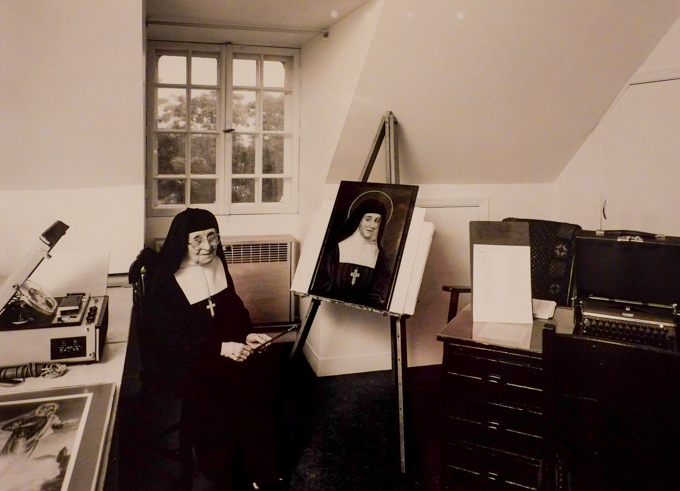
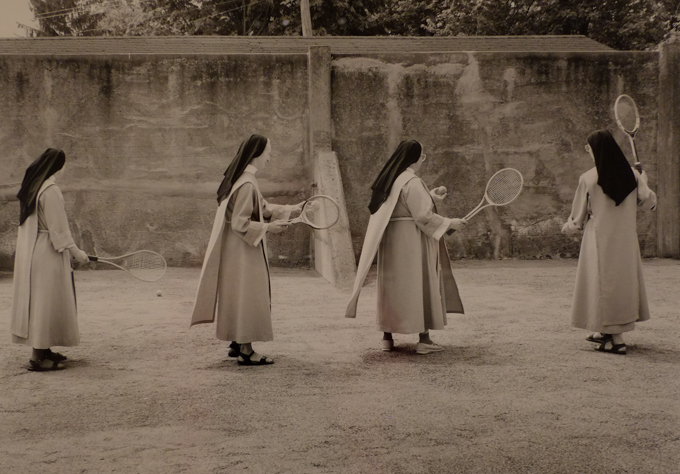
First, the main gallery of the Image Centre is showing a collection of the work of Clara Gutsche, winner of the 2024 ScotiabankCONTACT Photography award.  One of her series features photos of Quebec nuns, “The Convent Series”, taken before 1999.   Hence “nuns” in my title –   The “weddings” in the title comes from another exhibit here – a collection of portraits of brides and grooms over the years.

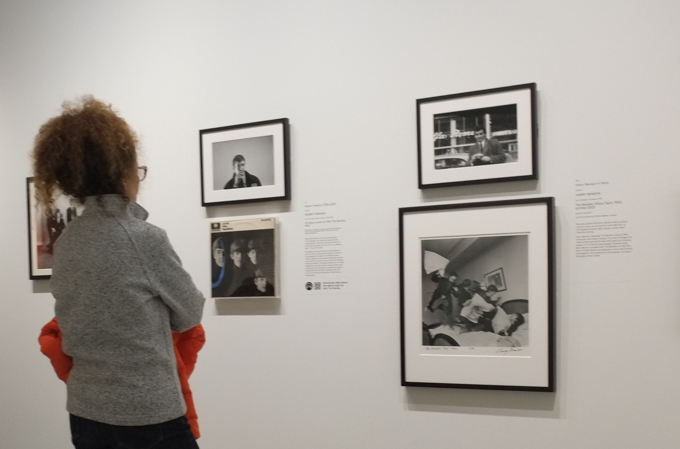
a woman looks at framed photographs on a gallery wall, TMU Image Centre gallery, Clara Gutsche show

black and white photo from convent series by clara gutsche, nun with painting, on display at TMU Image Centre

framed black and white photo from convent series by clara gutsche, nuns in black and white habits lined up in a hallway

framed black and white photo from convent series by clara gutsche, nuns outside hitting tennis balls with tennis racquets, against a wall

framed colour photo from convent series by clara gutsche, nuns in red playing croquet outside

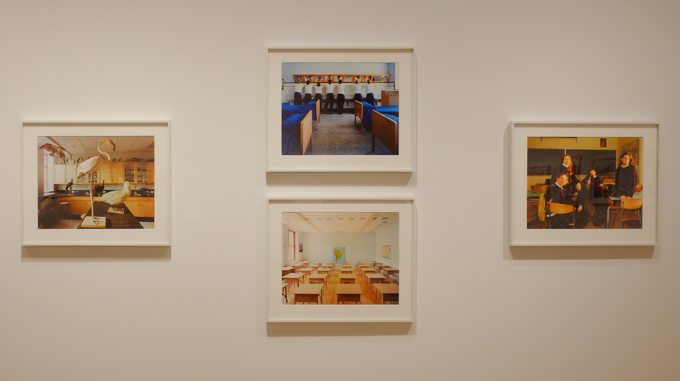
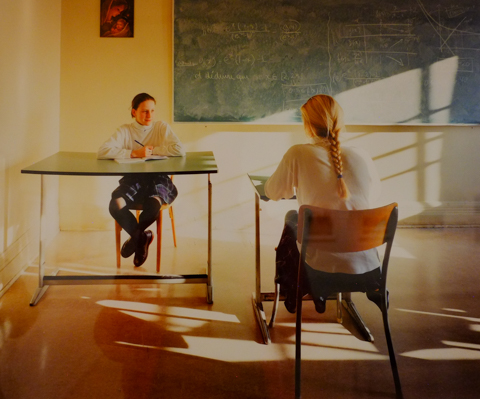
There are other series of her work also on view including some taken inside a Catholic high school.

4 framedcolour photos on a gallery wall, all are interior shots of a catholic high school

girls sitting at desks in a school by clara gutsche

This is only a small sample of Gutsche’s work.  You can see more at the Image Centre until 2nd August 2025 – The originals look better than my copies!!
 

Let’s move on to the happy couples….

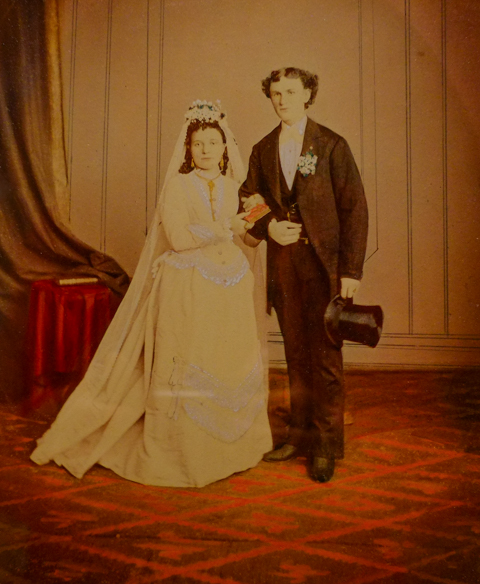
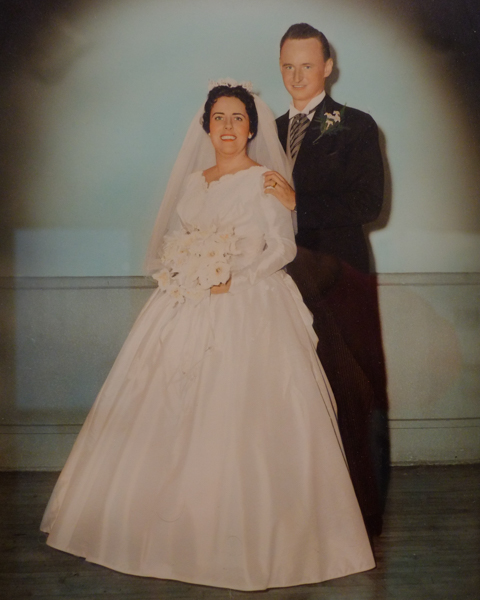
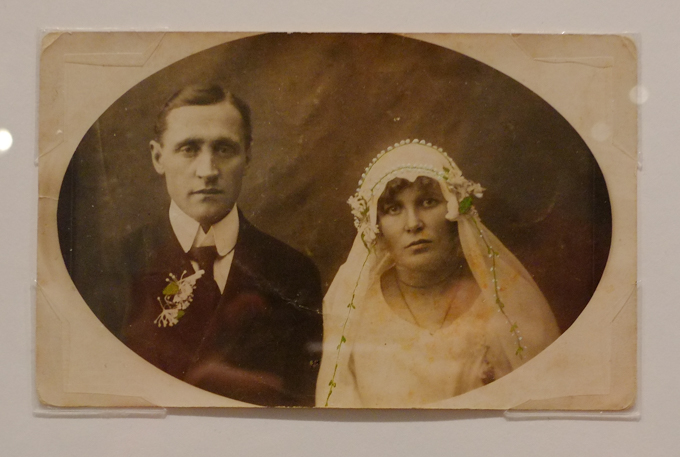
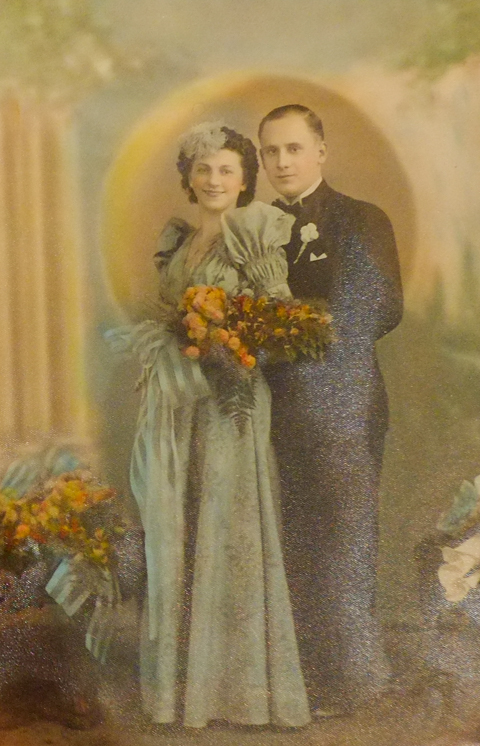
“Something Old; Something New – The Wedding Photography Collection of Stephen Bulger and Catherine Lash” is  the full title of the exhibit.  The title says it all.  The exhibit gives a glimpse into the history of photography and the techniques used to produce images.  It also takes a look at a sliver of social history… especially with respect to clothing styles.  All the photos were donated to the Image Centre by Bulger and Lash in 2023.

photo of a wedding party, from Something Old Something New, a collection of wedding photos over the years, collected by Stephen Bulger and Catherine Lash, and then donated to the TMU Image Centre

photo by Karl Speiss, 1855, black and white, of a bride and groom, from Something Old Something New, a collection of wedding photos over the years, collected by Stephen Bulger and Catherine Lash, and then donated to the TMU Image Centre

portrait of bride and groom in a fancy oval frame, from Something Old Something New, a collection of wedding photos over the years, collected by Stephen Bulger and Catherine Lash, and then donated to the TMU Image Centre

bride and groom portrait, old, on red carpet, man with top hat,

on a gallery wall, image of bride and groom, from Something Old Something New, a collection of wedding photos over the years, collected by Stephen Bulger and Catherine Lash, and then donated to the TMU Image Centre

from Something Old Something New, a collection of wedding photos over the years, collected by Stephen Bulger and Catherine Lash, and then donated to the TMU Image Centre

bride and groom, bride with head covering typical of roaring 20's

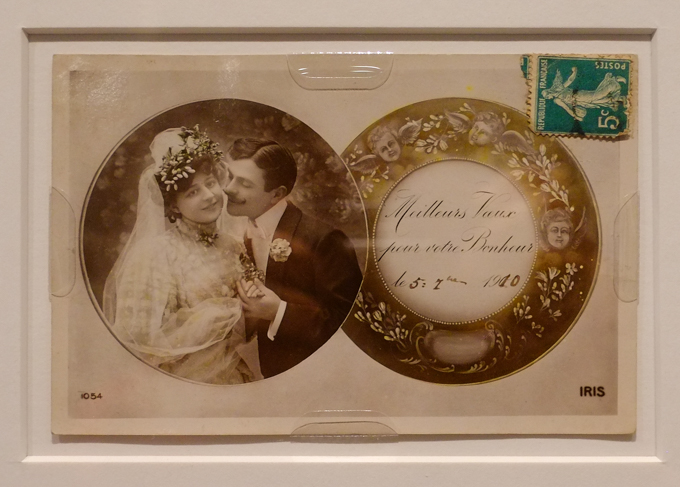
below: “Meilleurs Vaux pour votre Bonheur”, 5th of Jan, 1910

French postcard made with image of bride and groom portrait, Meilleurs Vaux pour votre Bonhour, 1910, with green 5 cent stamp

from Something Old Something New, a collection of wedding photos over the years, collected by Stephen Bulger and Catherine Lash, and then donated to the TMU Image Centre

from Something Old Something New, a collection of wedding photos over the years, collected by Stephen Bulger and Catherine Lash, and then donated to the TMU Image Centre. Groom in a top hat, bride in a white coat with many small buttons, and a high collar

Unfortunately the exhibit has ended.


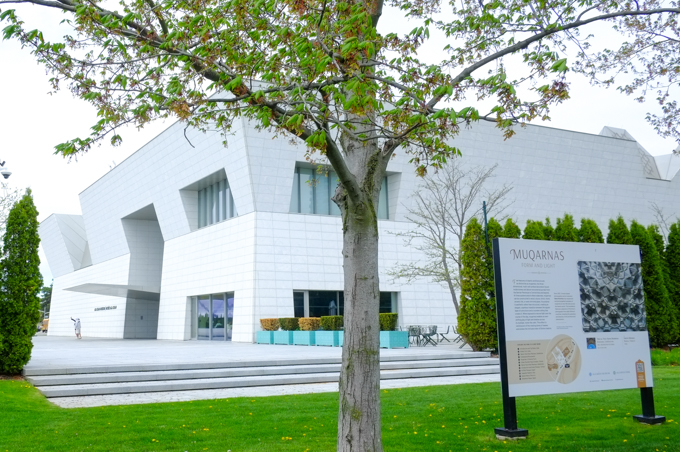
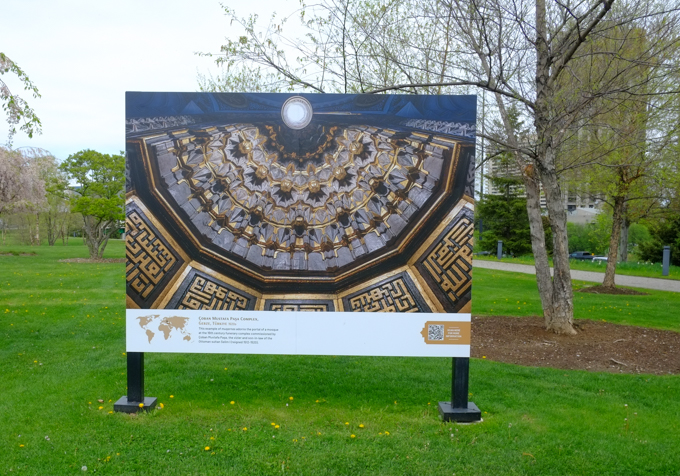
From now until early September, there are two outdoor art installations at the Aga Khan Museum.  First, “Muqarnas, Form and Light” is a photography exhibit in Aga Khan Park that showcases the images of muqarnas taken by Glenn McArthur.

aga khan museum building, from the park

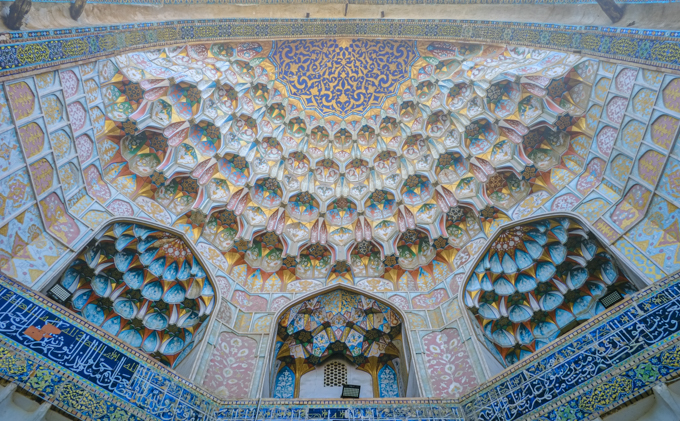
Muqarnas are three dimensional details found in Islamic architecture especially in mosques and madrassas (schools).  They are usually found incorporated into the top of vaulted structures such as domes and doorways. Often they look like honeycombs.  They can be made of many different materials such as stone, stucco, and plaster.

below: From the Abd Al-Aziz Khan Madrassa in Bukhara, Uzbekistan, is this painted plaster muqarna.  The blue and gold representing the sky is at the top.

muqarna in madrassa in bukhara uzbekistan, photo in an exhibit in Aga khan park, by Glenn McArthur

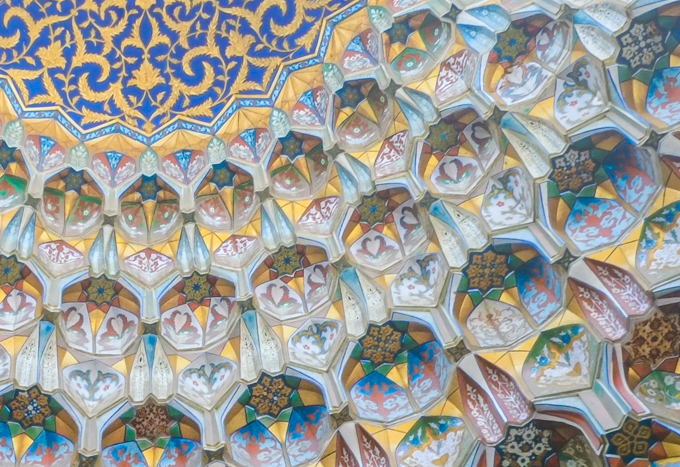
below: And a closer look at the painted details.  It was originally built in 1652 and then restored in 1993.

closer detail of part of muqarna in madrassa in bukhara uzbekistan, photo in an exhibit in Aga khan park, by Glenn McArthur

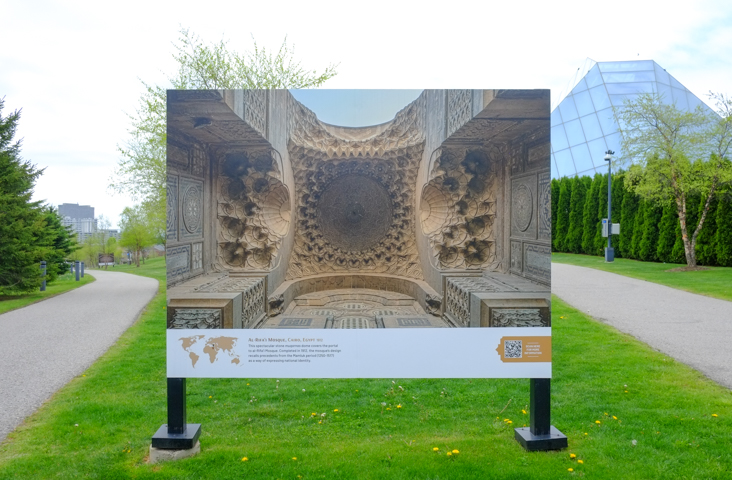
below: A carved stone muqarna covers a portal in the Al Rifa-i Mosque in Cairo, Egypt, built in 1912.

large photo on display in Aga Khan Park,
person sitting on bench and reading, park,

below: Decorated in dark blues and gold, this muqarna is found in the funerary complex commission by Çoban Mustafa Pasa, the vizier and son-in-law of Ottoman Sultan Selim 1 who reigned 1512 to 1520.  It is in Gebze Turkey.

below: Stucco muqarnas arches in the Court of the Lions at Alhambra Palace, Grenada Spain, late 14th century.

one of the images in form and light, an art installation by Glenn mcArthur

below: Close up look at part of a wooden muqarna from the Cappella Palantina (Palatine Chapel) in Palermo, Sicily (Italy). Although it was commissioned by a Christian monarch, Roger II of Sicily (reigned 1130-1154), it includes Byzantine and Islamic elements. Roger II was also a Norman but during his reign Sicily was very multicultural.  It is a rare example of a muqarna in a non-Islamic building and is the oldest surviving wood muqarna.

close up of part of a ceiling,

More of McArthur’s muqarna images can be seen on his Instagram page – mcmuqarnas

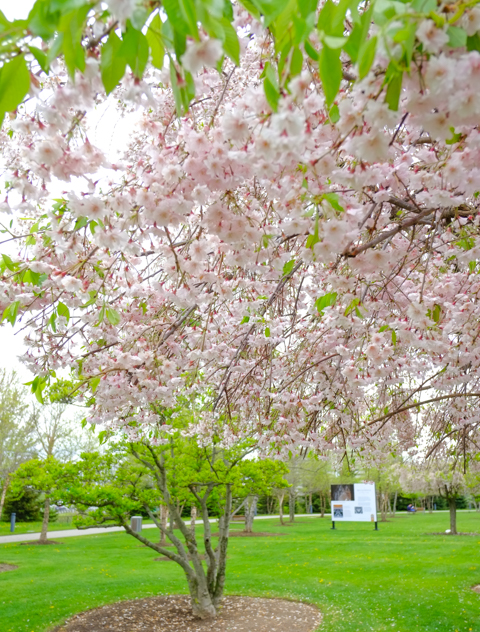
pink and white blossoms on weeping cherry tree, Aga Khan park

Also outside, but on the other side of the museum is another art installation.

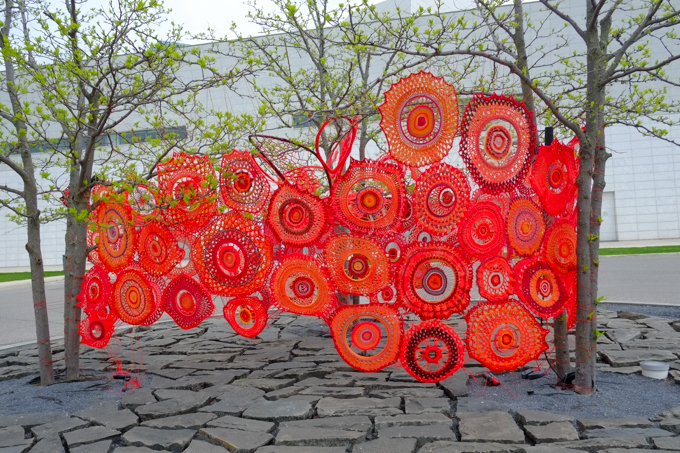
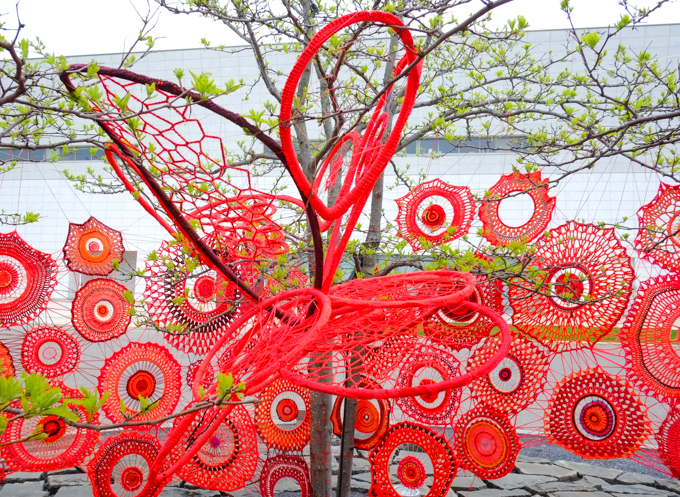
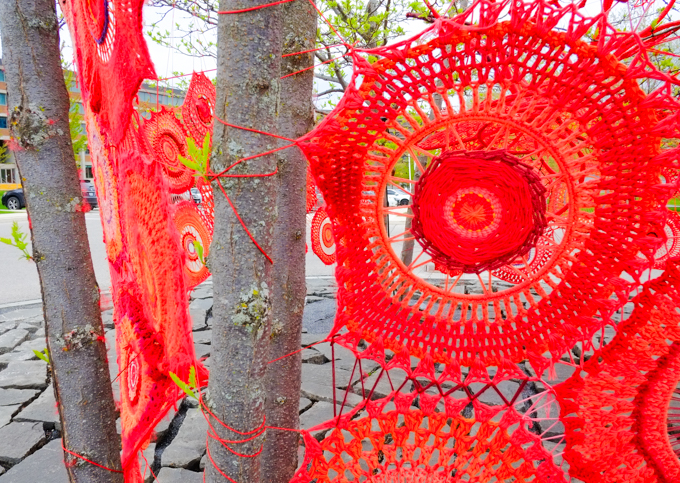
Tracey-Mae Chambers, art installation at Aga Khan museum, outdoors, crochet and knit circles connected together to make a larger circle.

This one is the work of Tracey-May Chambers and it is constructed with red wool, silk, and cotton yarn. It consists of a circle made of connected knit and crocheted circles and within that circle there is a butterfly waiting to emerge.

It is one of 100 installations that Chambers is doing across the country for Hope And Healing Canada.  The red yard connects the elements and is a reminder that we are all connected too.

Both the “Light and Form” exhibit and Chambers’ crochet installation will remain until 7 September 2025.

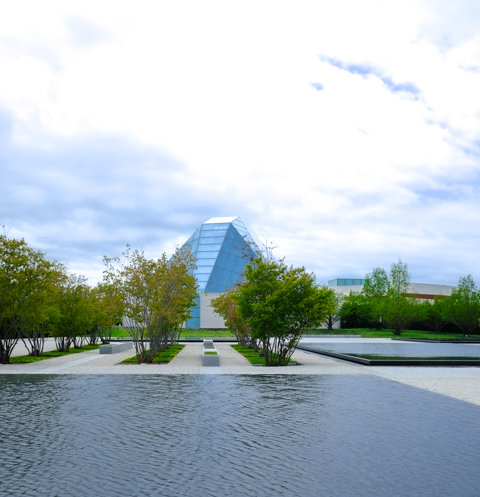
reflecting pool in front of Islamic Center, by aga Khan Museum, small trees, clouds,

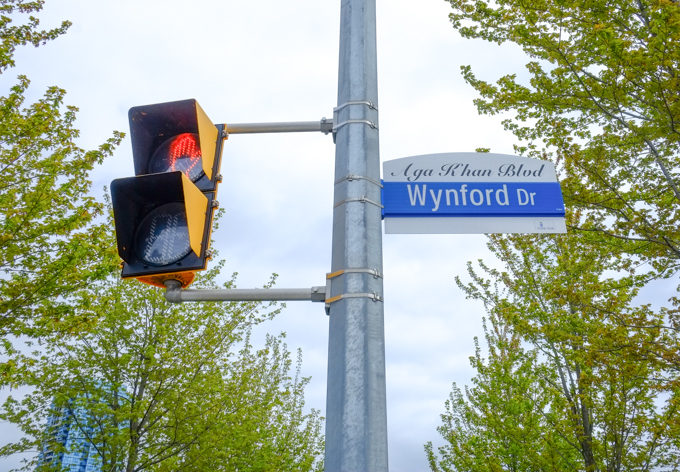
Toronto city street sign for Wynford Drive, includes Aga Khan Blvd as well

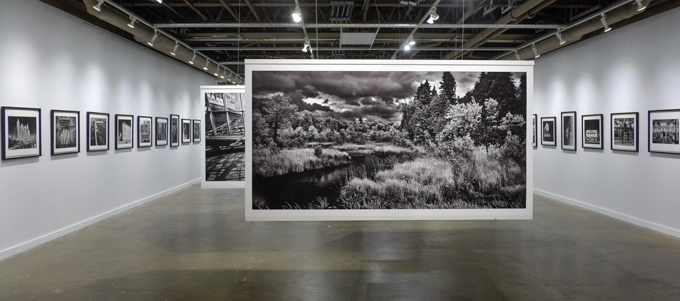
“Phase in my Journey” is the title of an exhibit of the wonderful black and white photography of Walter Borchenko.   The photos span 20 years of his craft including his work with filters, with infrared photography, and with minimal digital manipulation.

below: Grassy Brook, Talbot River Road, Kawartha Lakes Ontario

below: Look Left cross walk, Birmingham England

the words look left in capital letters on the pavement by a crossing, warnings to pedestrians crossing the road

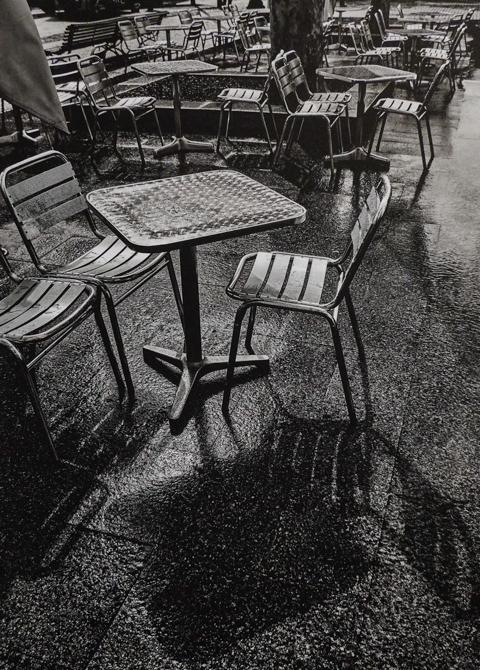
below: Wet tables, Las Ramblas, Barcelona

outdoors, lots of small tables and chairs, in the rain, wet, Barcelona, photo by Walter Borchenko

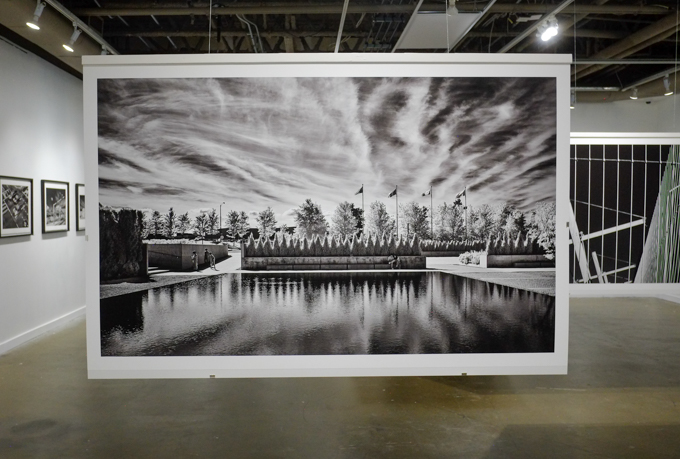
below:  One of the reflecting pools at the Aga Khan Museum.

large, 66 inches by 40 inches, black and white photo by Walter Borchenko, of one of the reflecting pools at Aga Khan museum in Toronto

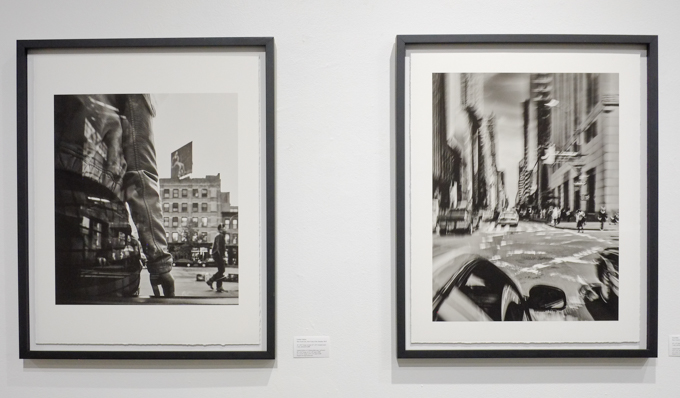
below: On the left, Leather Jacket, New York City.   On the right, an intentionally out of focus city scene – a little disorienting, full of motion and uncertainty.

black and white photo by Walter Borchenko, exhibit is at Japanese Canadian cultural center and is part of Contact Photography Festival,

All of the images are printed on hand-made Awagami Japanese paper.

black and white photo by Walter Borchenko, exhibit is at Japanese Canadian cultural center and is part of Contact Photography Festival

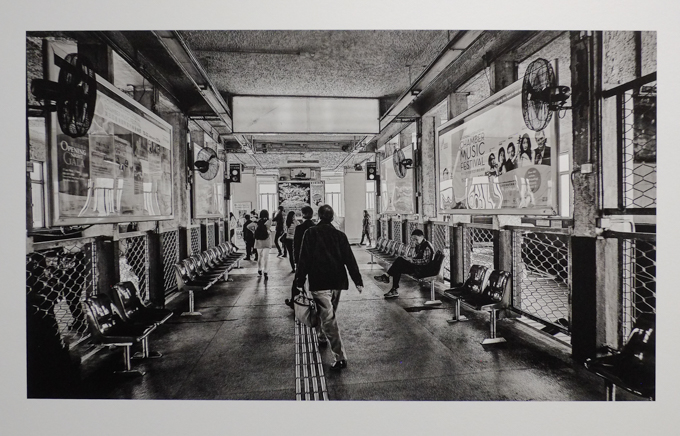
below: Hong Kong ferry terminal

black and white photo by Walter Borchenko, exhibit is at Japanese Canadian cultural center and is part of Contact Photography Festival

below: New York New York casino in Las Vegas in the foreground.

black and white photo by Walter Borchenko, exhibit is at Japanese Canadian cultural center and is part of Contact Photography Festival

below: The larger picture on the left is the Airport Long Distance Train Station in Frankfort Germany.  On the right, is an older house in Port Royal, South Carolina.

black and white photo by Walter Borchenko, exhibit is at Japanese Canadian cultural center and is part of Contact Photography Festival

below: Not a Borchenko photo! The exhibit is being held at the Japanese Canadian Cultural Center. Outside, they have the oldest Sakura tree that I have ever seen. It has large, dense, gorgeous blossoms!

sakura, cherry, blossoms on a tree, lots of pink and white petals

Exhibit closes 30th June


I went to College Park in search of a CONTACT Photography Festival exhibit.  To me, College Park has always been a place where people pass through on their way to somewhere else.  If they linger it’s to grab a bite to eat from the food court or from the grocery store.

lower level of college park, outside glass wall of grocery store

I’ve never spent much time looking around inside so I wandered around a bit. I couldn’t find any space/place where there might be a photo exhibit.

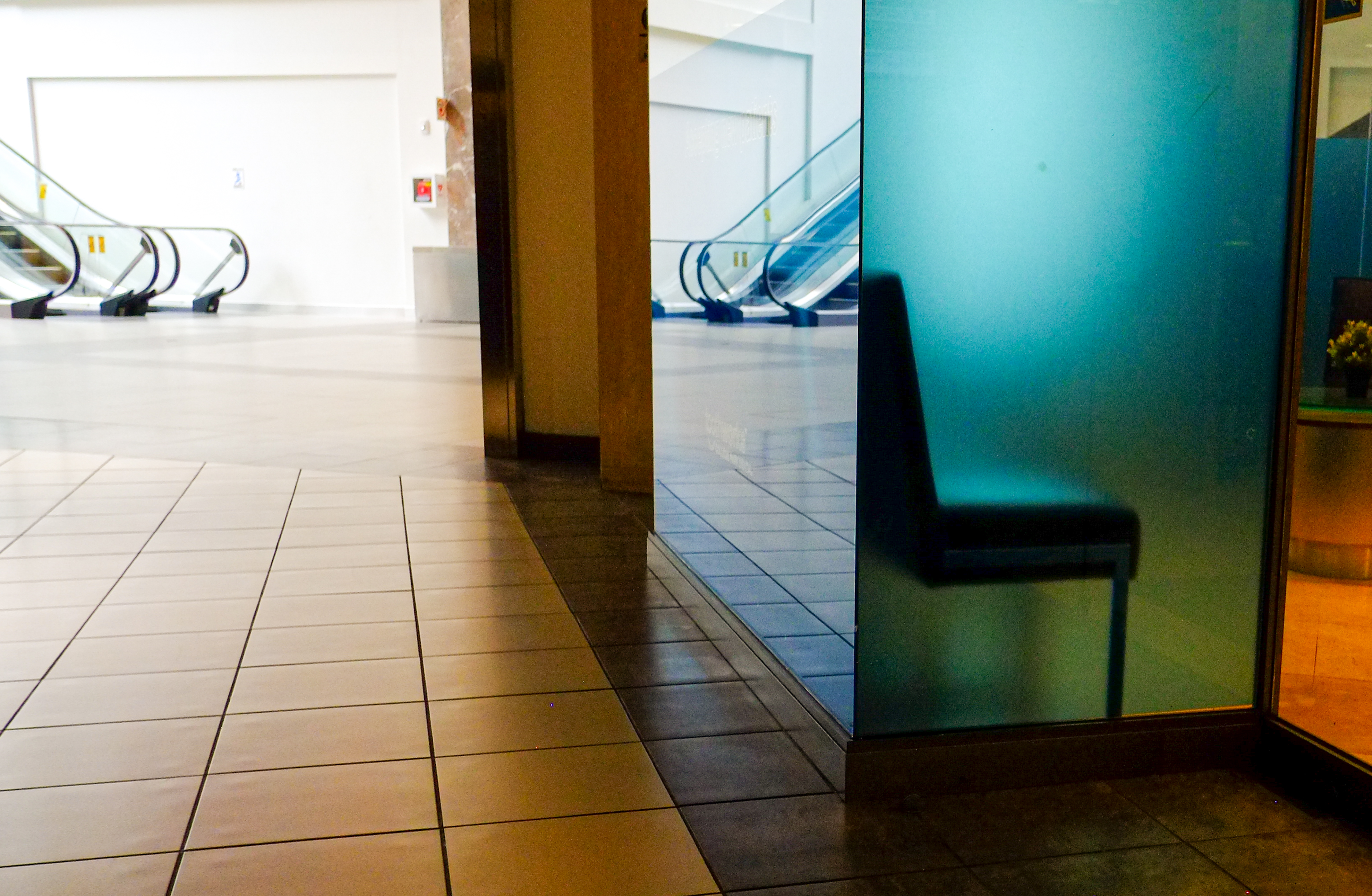
a chair sits behind a translucent blue glass wall, escalator and the reflection of that escalator in the background

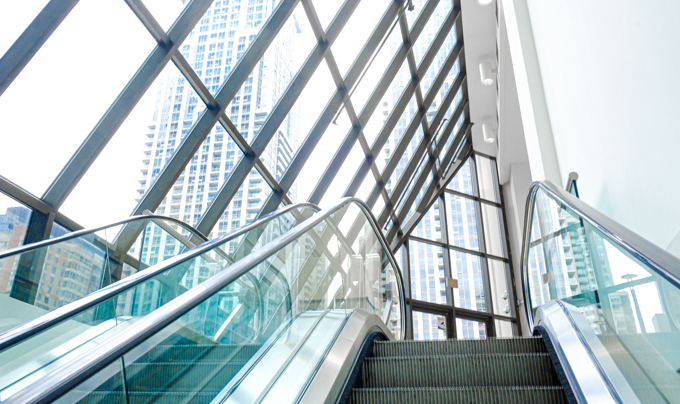
coming to the top of an escalator to an atrium where the walls are glass

I found a small group of paintings by Divyani Chandorkar in a small, out of the way corner by an elevator. Interesting, but not what I was after.

painting of a nature scene by Divyani Chandorkar, a sunset or sunrise over water

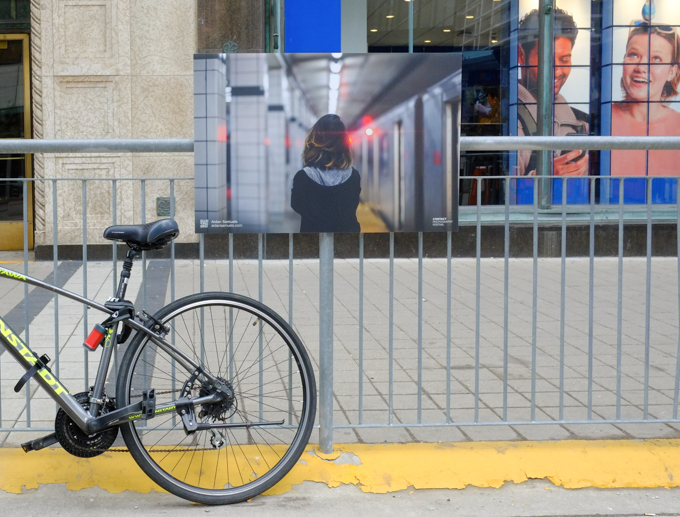
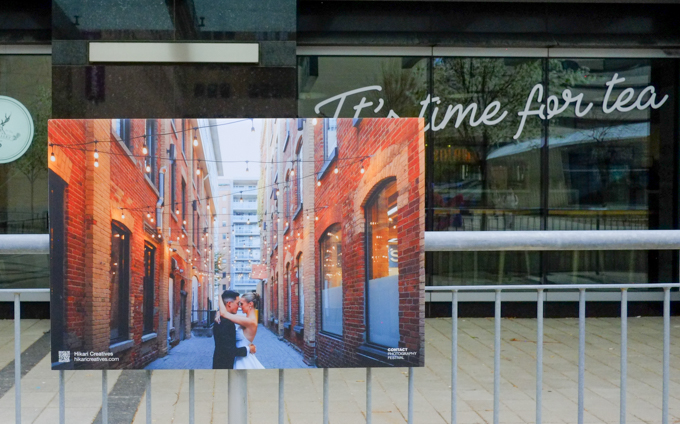
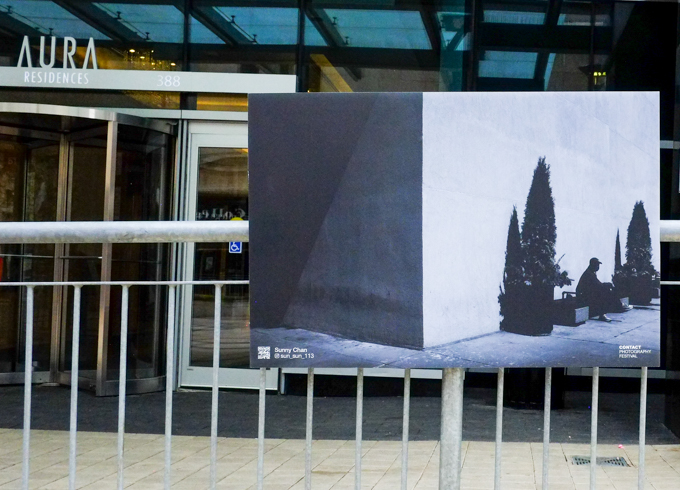
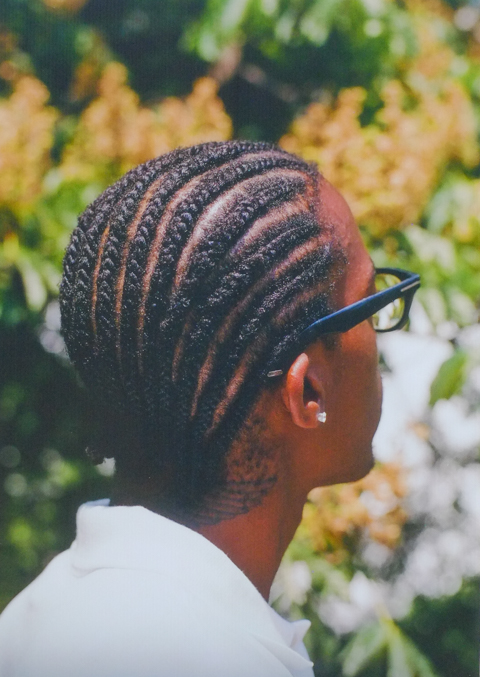
After a chat with a security guard and a little more walking around, I discovered that the photos were being displayed outside!  They are in a public space immediately south of the College Park building- between the College Park and Aura buildings.  Here, they become part of the environment.

.

photo of a couple standing facing each other with arms wrapped around each other

Photo by Hikari Creatives (aka Winson Sun) who specialize in wedding and engagement photos.

.

The exhibit is presented by the Downtown Yonge BIA and Aden Camera.

photo by Nim Mendoza of a bright orange building, night time, there is a group of young people walking past it, outside

by Nim Mendoza

.

.

picture photograph on display as part of contact photography festival, night city scene, by Aidan Samuels, cars on a street

by Aidan Samuels

.

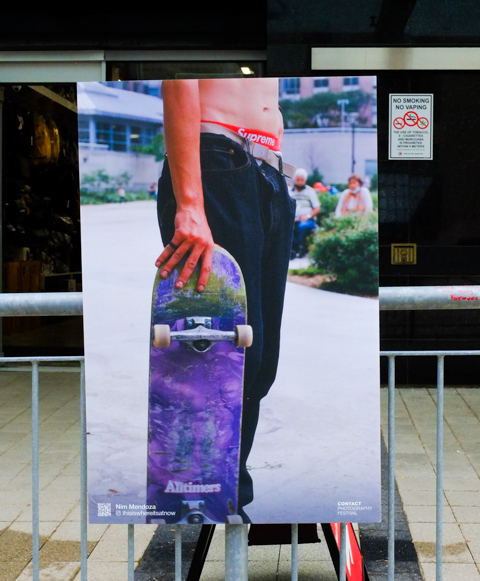
photo of lower part of man's body, wearing dark pants, holding a purple skateboard, by Nim Mendoza

by Nim Mendoza

.

This large bunny and butterfly were there too!
large blue sculpture of a rabbit in the foreground, and a butterfly with open wings in the background

Other photographers involved in the show: Rob Burns, Maryn Western, and Eden Schwinghamer.

public park space behind College Park and beside Aura building, people sitting on benches,

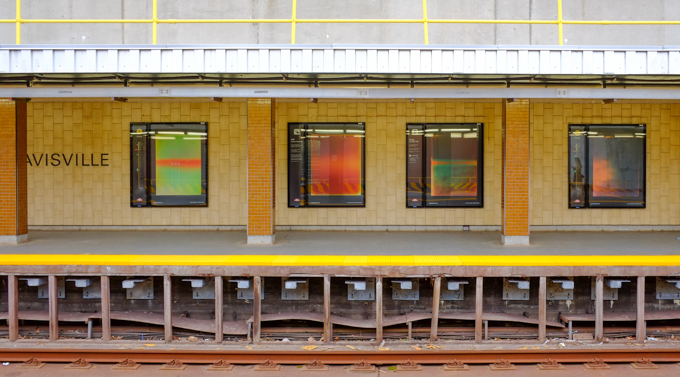
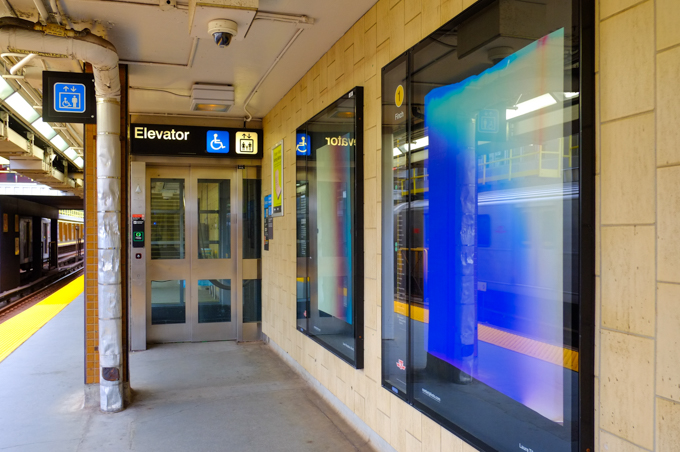
For the month of May, “Time Capsule”, a series of abstract images by French artist Laure Tiberghien is hanging on the walls of Davisville subway station.

on the walls of Davisville subway station, 4 large photographs have been mounted in the display cases usually used for ads. Photos by Laure Tiberghein

Tiberghien doesn’t use a camera to produce the images.  Instead, she creates them by exposing light sensitive paper to different natural and artificial lights.  Further processing is then required.

Two images by Laure Tiberghein, behind glass, by exit from Davisville station platform

Dark colours behind glass make a mirror and these images are no exception.

reflections in a red photograph hanging in Davisville subway station

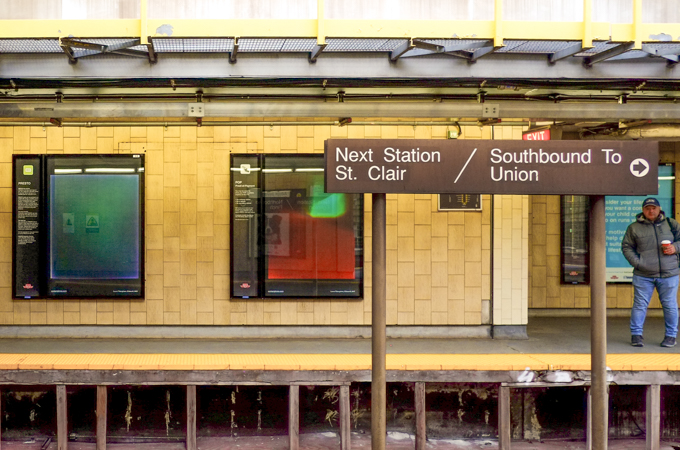
The images have been inserted into the newer display cases that the TTC now use for advertisements.  On the left of each case is TTC information.

Davisville station, two art images in display cases usually used for ads

reflective picture in reds and blues on wall of davisville subway station, images by Laure Tiberghien

looking across the TTC subway tracks to the platform on the other side, on the northbound side of Davisville station, two images by Laure TIberghien, part of Contact Photography festival

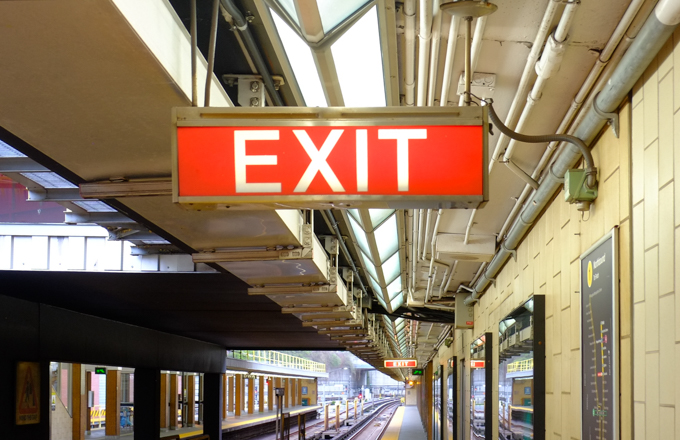
exit sign hanging over platform at davisville subway station

Hart House, at the University of Toronto, has two photography exhibitions on at the moment. Both are in hallways and both are open to the public.

Please remember that these are photos of pictures behind glass – don’t judge the quality of the image on display by the quality of the photo here on the blog! As usual, the real thing always looks better.

The first is “Interwoven Identities, Unraveling Diaspora Narratives” with the goal of tracing “the threads of memory, migration, and identity that shape Asian diasporic experiences and mental health.” This quote is taken from the Asian Art and Culture Trust website.

below: Fangdan Chen’s photo seems like a collage of many different kinds of faces, some natural and some not.

Untitled photograph by Fangdan Chen, on display at Hart House

below: A photograph by Sarah Jihae Kaye titled, “I’ve Begun to Distrust my Body”.

Photograph by Sarah Jihae Kaye, on display at Hart House

below: “Gourd” by Phoung Nguyen

photograph by Phoung Nguyen, title is gourd, on display at hart house

below: “Imagined Ricefields” by Reginald Balanga  – a barren winter scene that is possibly as far away from any rice field as possible.

a photo of a blacket draped over oa chainlink fence, winter scene, snow on the ground, small leafless trees.

The second floor hallway has an exhibit that features work by the Hart House Camera Club. The winners of the 103rd Annual contest, in 9 categories. A sample below. If your favorite photo isn’t here, don’t take it personally, it’s probably because I had trouble with reflections in the glass of many of them.

below: Cosmo Chan “Home”

colour photograph of a large multi story building

below: “Gently” by Jacob Lee

Photograph by Jacob Lee, two people reaching out to touch each other, with focus on the hands

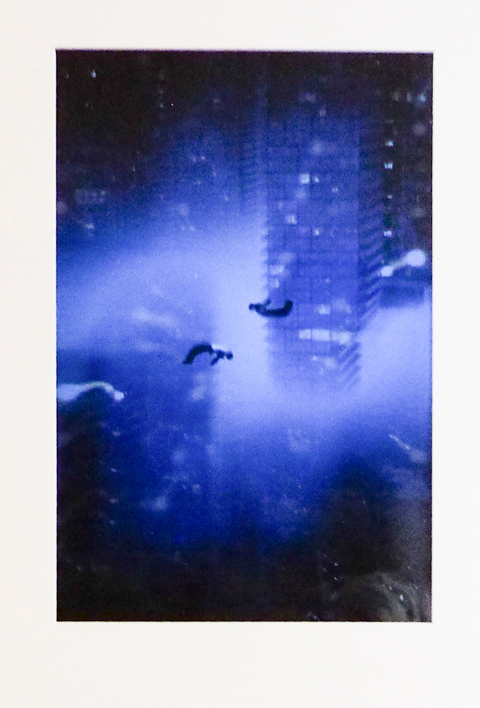
below:  A surreal blue scene by Ongphat Piyabenjarad titled, “Parallel Worlds”

surreal photo, all in blue, two people floating or swimming underwater, with cityscape, highrises, in the background,

below: “Veiled” by Jasmine Lu, part of a photographic essay.

photo of a woman with light clothing, standing knee deep in water, part of a series by Jasmine Lu

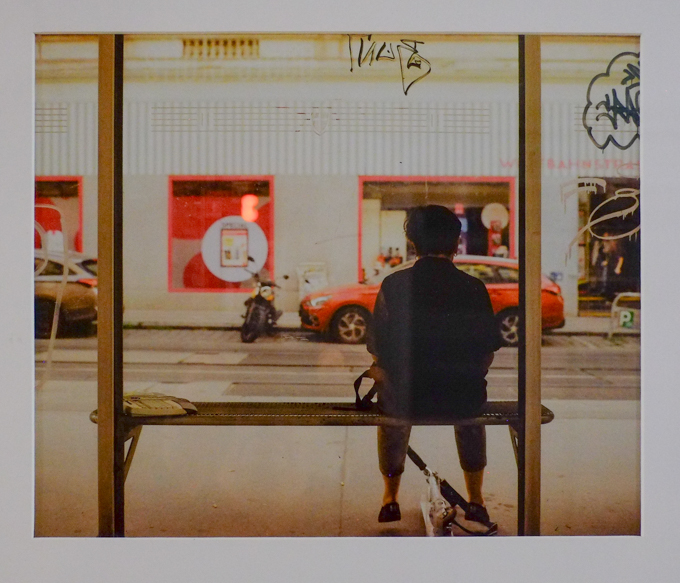
below:  A young man sitting on a bench in what might be a bus shelter.   This is “How to Start your Digital Detox” by Gerald Lerchbaumer.

colour photo, man sitting on bench with back to camera, street scene in front of him

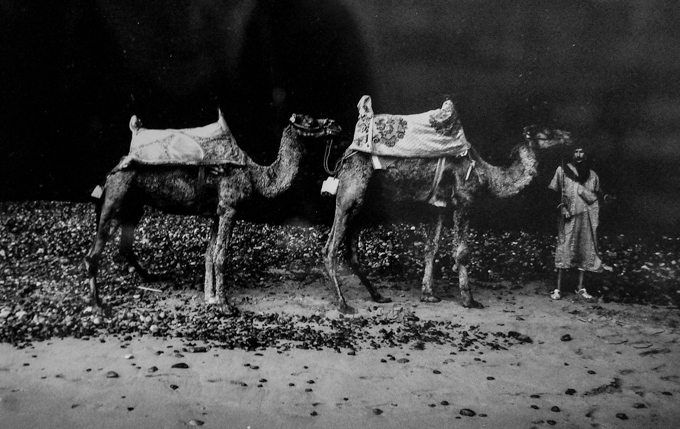
below: Albert Huang, “Camel Man”

black and white photo of a man with two camels, by Albert Huang, title The Camel Man, on display in the hall of Hart House at University of Toronto

below:  “The Strongman” by David Williams.

A black and white frames photo on display on a brick wall, The Strongman by David Williams

below: Playing with reflections, in another David Williams photo.  Who is watching who?

black and white photo of a man looking out a window, by David Williams, with reflections of the photographer and the wall behind

two framed colour photos hanging on a brick wall, interior, as part of an exhibit by the hart house camera club

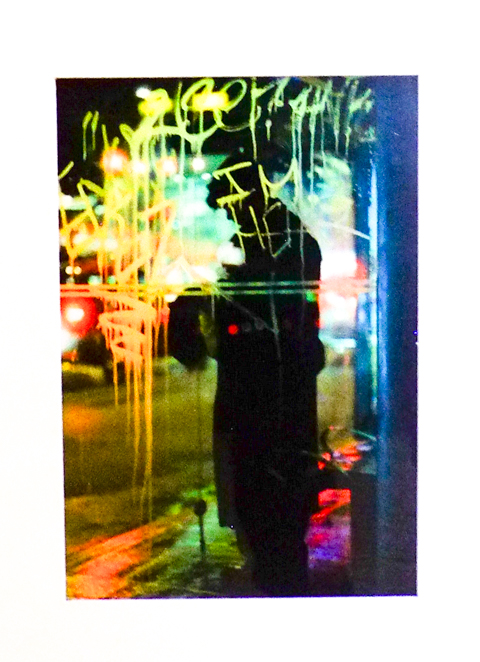
below: Auden Cole “Phone Hunch”

colour phiotograph, black silhouette of a man behind clear glass or plastic that has graffiti on it

The Hart House Camera Club exhibits ends 30th of April.

The “Interwoven Identities” show continues until 18th May. If you are interested in the subject, there is another exhibit at the STACKT Market during the month of May called “Interwoven Identities: Healing in Community” – information at the Asian Arts and Culture website.

A quick, and very selective, look at the Art Gallery of Ontario (AGO), focusing on two exhibits, “Light Years, the Phil Lind Gift” and “Moments in Modernism”.

below: Rodney Graham, “Media Studies ’77” . This large installation (lit from behind) will bring back memories if you are of a certain age!

below: Welcome to Vancouver

below: A series of images by General Idea (There are actually 4 pieces in this series).  General Idea was a group of 3 Canadian artists, Felix Partz (aka Ronald Gabe), Jorge Zontal (aka Slobodan Saia-Levy) and AA Bronson (aka Michael Tims).  The three men met in Toronto in the late 1960s; their collaborative work then continued until the mid 1990s. They were pioneers in the field of conceptual photography.

below: William Kentridge, “Drawing for Another Country, Flooded Street”, 1994.   Kentridge was born in South Africa in 1955)

below: “River Road” by Canadian photographer Jeff Wall. The photo was taken along the Fraser River in Richmond BC and was taken in 1994.  It is shown here as a transparency over a lightbox so that it is lit from behind.

The “Moments in Modernism” exhibit is a re-working of artworks owned by the AGO.  Some of you may have seen one or two pieces before.

below: “Delta Tau” by Morris Louis, 1960.

below: “Abstraktes Bild”, 1986,  by Gerhard Richter (b. Dresden Germany 1932).

below: I have seen this before (and possibly shown it here?) and I like it as much as ever.  It takes a certain amount of audacity or gumption to create a painting like this. Robert Motherwell painted this – title: “Open No.37A: in Orange”, 1971, charcoal and acrylic.

Robert Motherwell painting, orange, with three thin black lines, like an unfinished square, top open

below: Robert Rauschenberg (1925-2008), mixed media on panel, 1964 (only part of it is shown).   Rauschenberg made pieces like these that he called ‘combines’ and they were for stage decorations for performances by an experimental dance group (Merce Cunninham Dance Group).  In 1963 they did a world tour  called  “Story”where they made a different ‘combine’ for each performance.  This particular piece was made onstage at London’s Phoenix Theatre in August, 1964.

Robert Rauschenberg, combines, artwork,

The modernism exhibit is more extensive than I have made it seem.  I didn’t take many pictures of pieces that I had seen before which may or may not have been the right call.  Andy Warhol’s large silkscreen image of the 4 identical Elvis Presley’s holding a gun ready to shoot is on display –  the one where two Elvis’s are in bright colours and the other two are in black and white.     You can also see Alex Colville’s “Woman in a Bathtub” if you want (I think that it is the worst of Colville’s otherwise wonderful paintings).   In addition, there are works by Canadian artist Rita Letendre and Norval Morisseau, plus others.

Light Years continues until November 2025,
while Modernism continues until March 2026 (another year)