


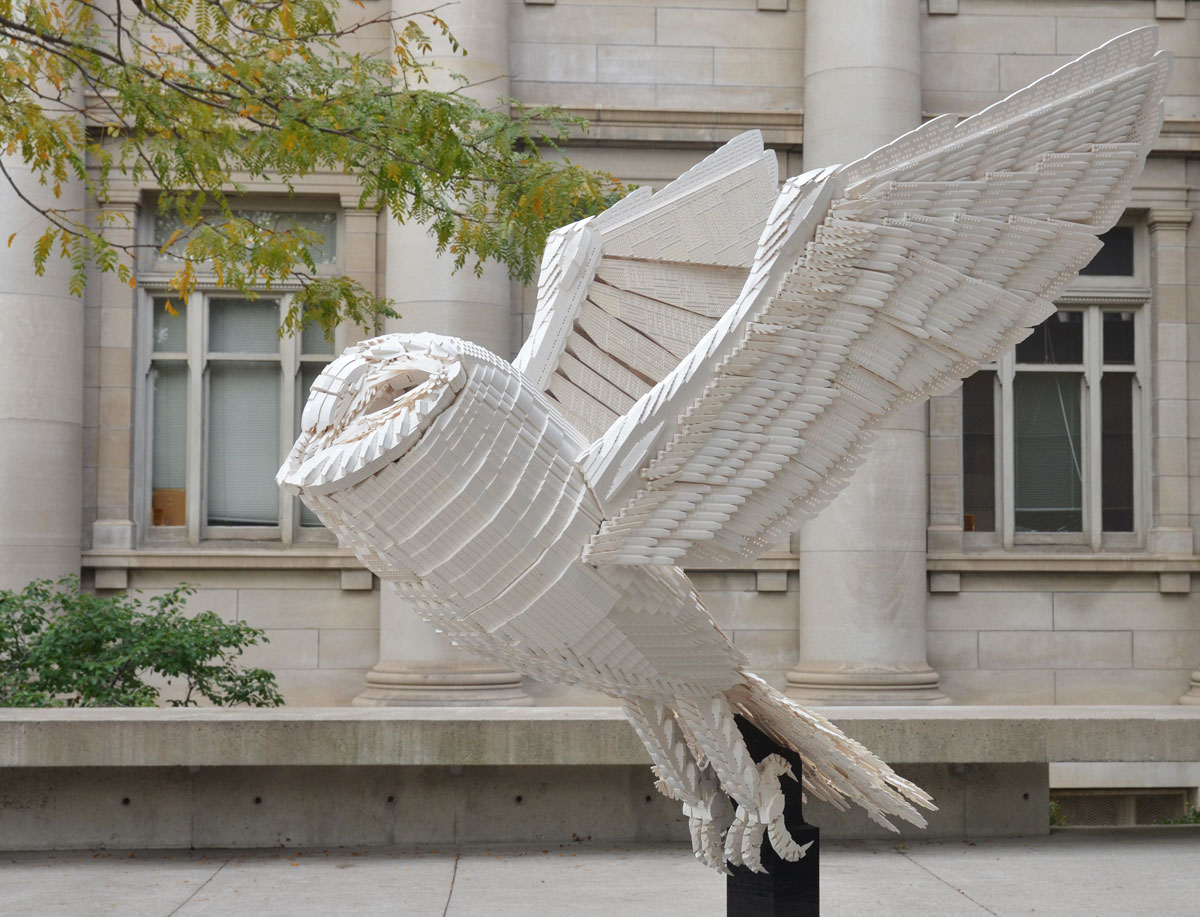
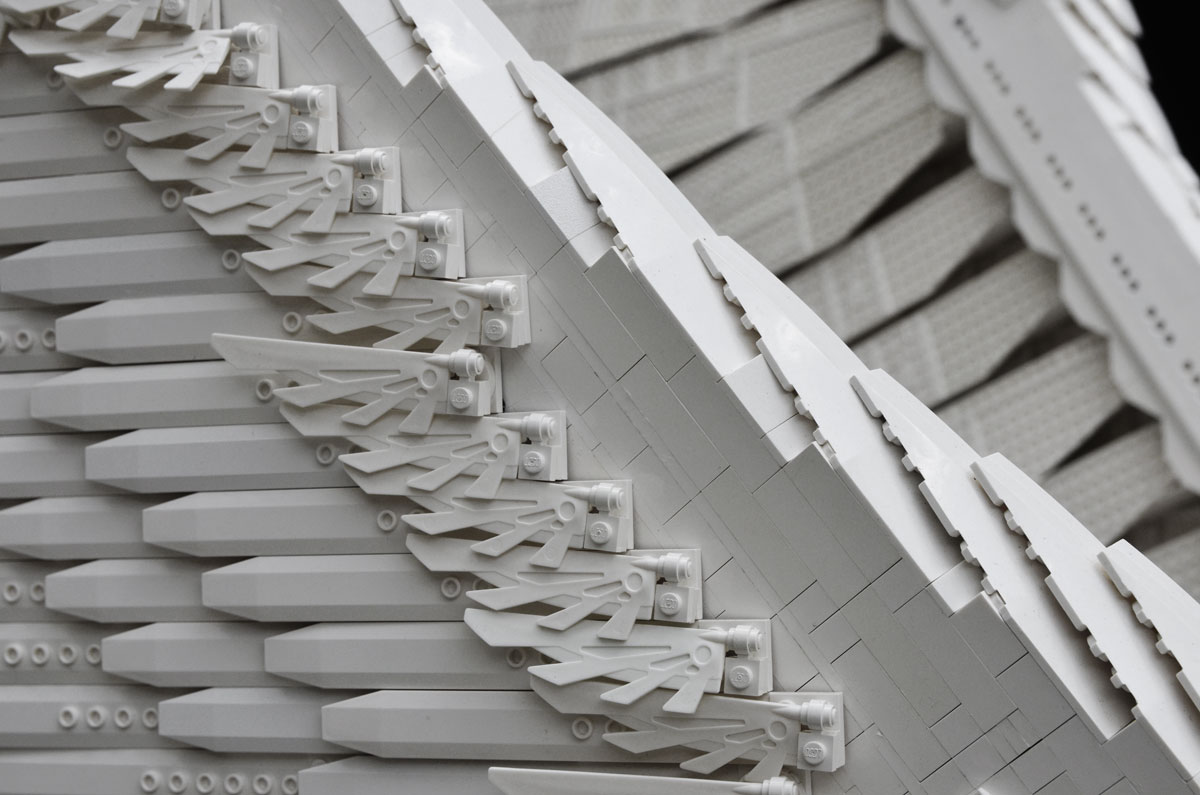
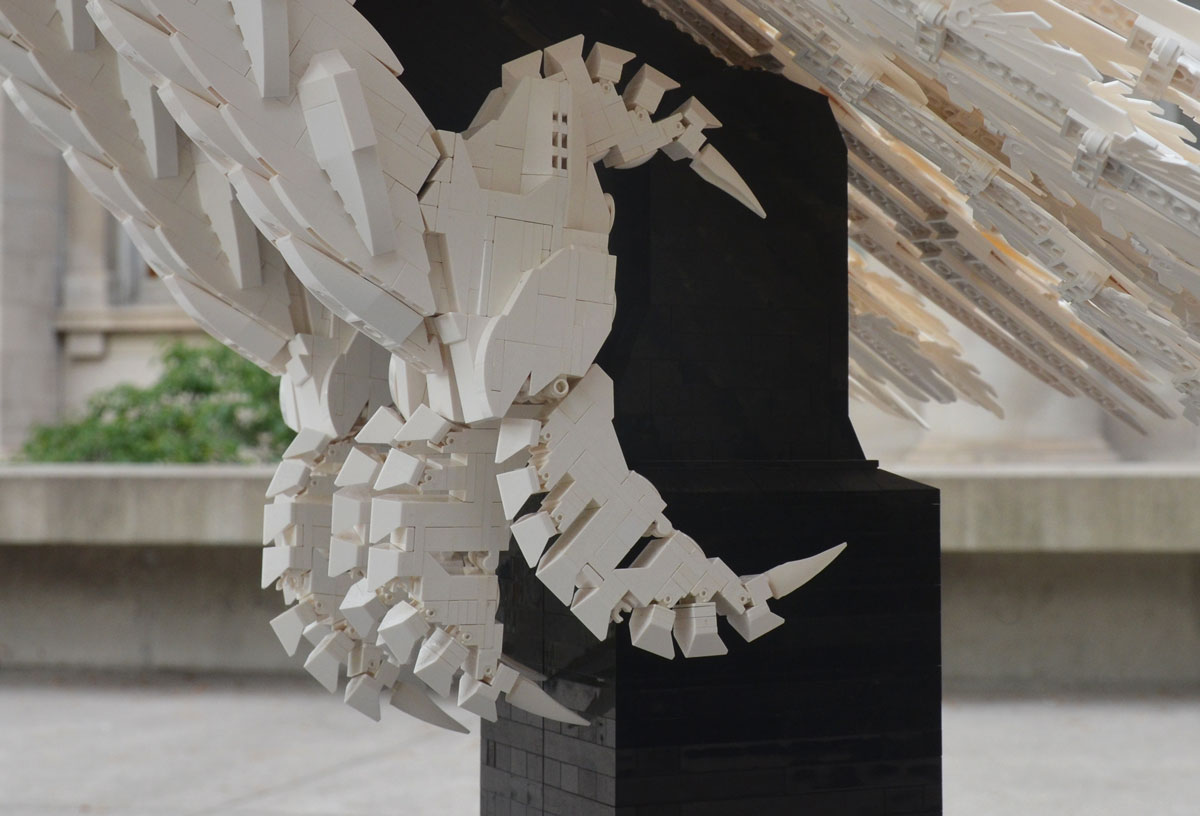
Silent Knight by Ekow Nimako,
a sculpture of a barn owl using more than 50,000 pieces of LEGO,
on display in front of the Gardiner Museum as an extended Nuit Blanche exhibit
#snbTO
Silent Knight by Ekow Nimako,
a sculpture of a barn owl using more than 50,000 pieces of LEGO,
on display in front of the Gardiner Museum as an extended Nuit Blanche exhibit
#snbTO
Some of the art installations from Nuit Blanche remain available for viewing this week.
Two of them are near Jarvis and Gerrard.
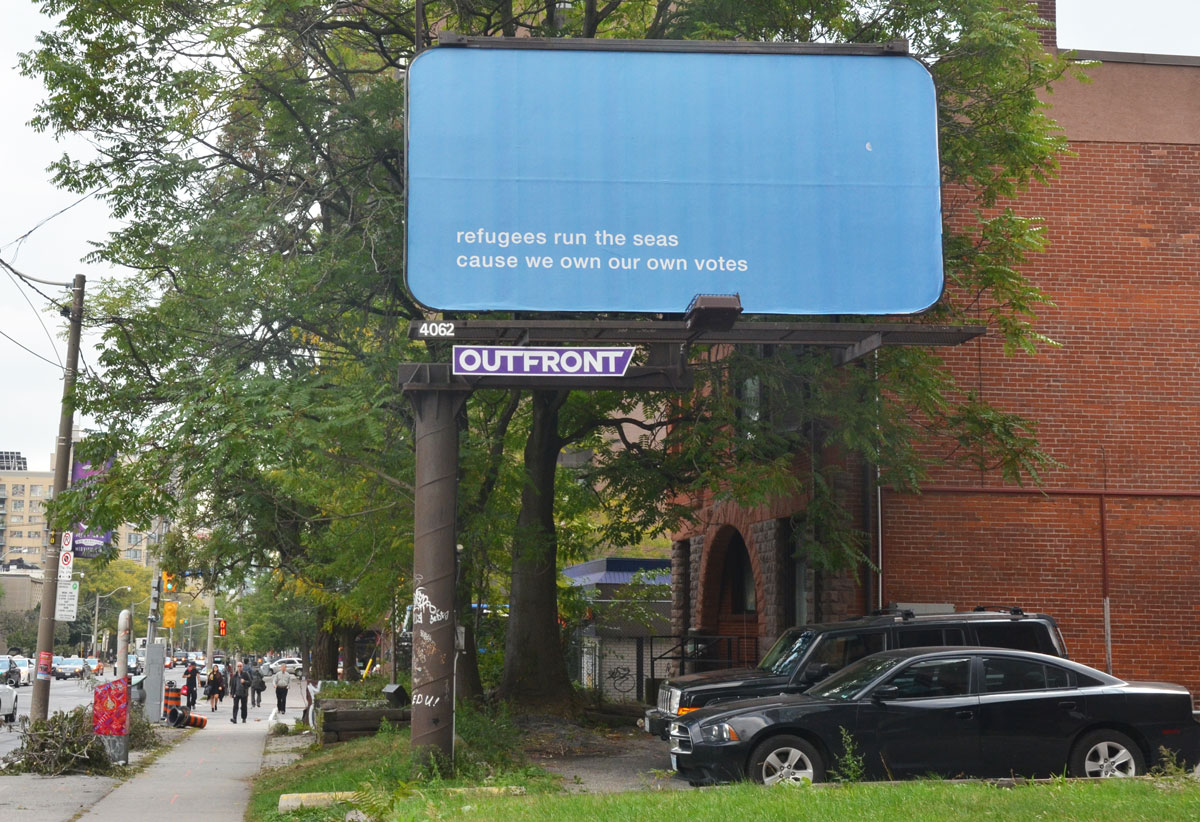
below: As you travel south on Jarvis Street, just before Gerrard, you can see a billboard art installation, ‘Refugees run the seas’ by Francisco Fernandos Granados. The accompanying sign says: “‘Refugees run the seas’ draws and diverts from pop culture as a way to invite the viewer to imagine a future where justice for migrants exists. The work evokes past and present scenes of harrowing escape while allowing the possibility of a time to come when those seeking refuge will be agents of movement, rather than victims.”
“Refugees run the seas ’cause we own our own boats” is a line from Wyclef Jean’s rap in Shakira’s song ‘Hips Don’t Lie’ in case you were wondering how this billboard “draws and diverts from” pop culture.
below: In the Children’s Conservatory at Allan Gardens is another installation. This one is titled “Sphinx” and it is by Luis Jacob of Toronto. According to the Nuit Blanche sign: “Toronto is changing before our eyes. Neighbourhoods and skylines are transformed seemingly overnight while the social fabric of the city is altered in ways that are difficult to discern. Come in and see the ‘Sphinx’, who poses questions that we want ardently to ask.”
The hands and fingers of this tall and imposing headless man are forming a frame that is apparently supposed to capture our attention. When you walk into the conservatory it’s definitely not the hands that you notice. The hands are way above the line of sight. Of course, one could ask why he has no clothes and does having no head enhance the artwork. Can you ask questions if you have no mouth, no voice? And are the questions ardently wanted or ardently asked? hmmm….
There are books and pamphlets in display cases around the room. These publications are all about Toronto and they date back as far as 50 years ago. No, you can’t access the books, you can’t open or read them. I’m not sure what information they are supposed to add to the exhibit.

#snbTO
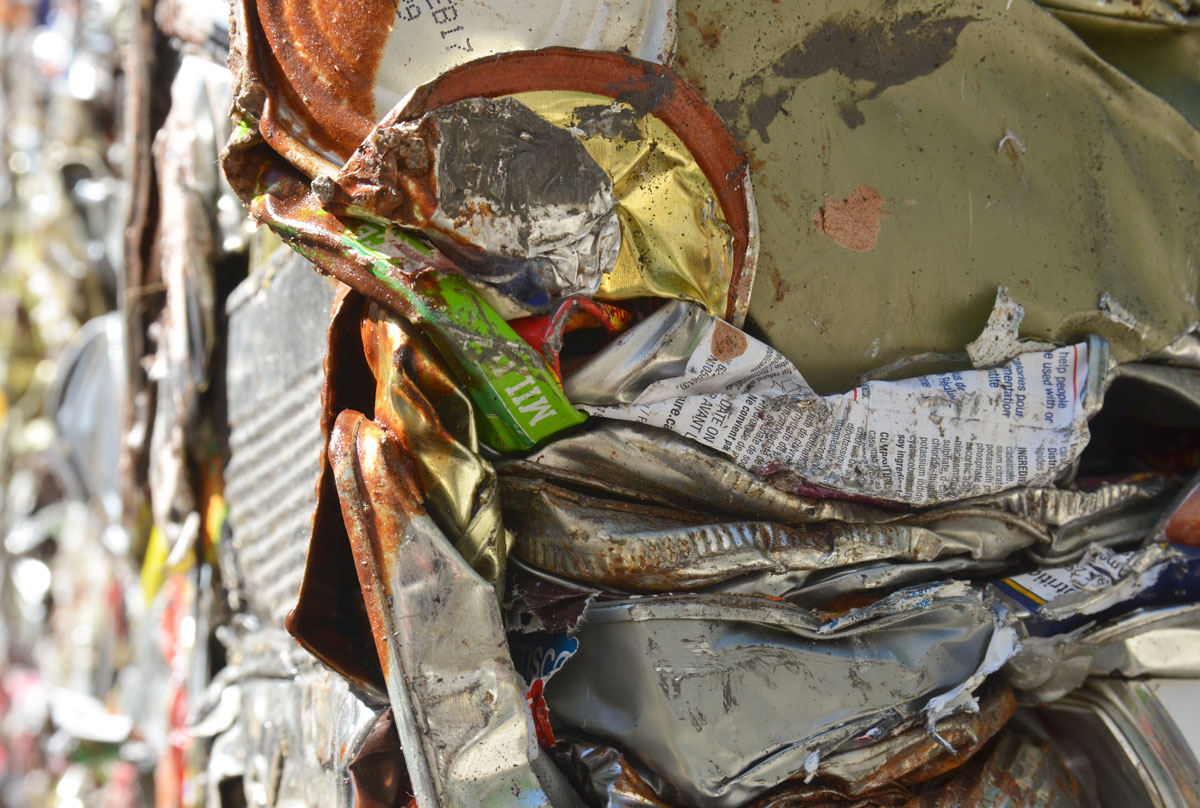
below: Coke, Dole juice, Diet Coke, Fanta orange, cans, cans, and more cans.
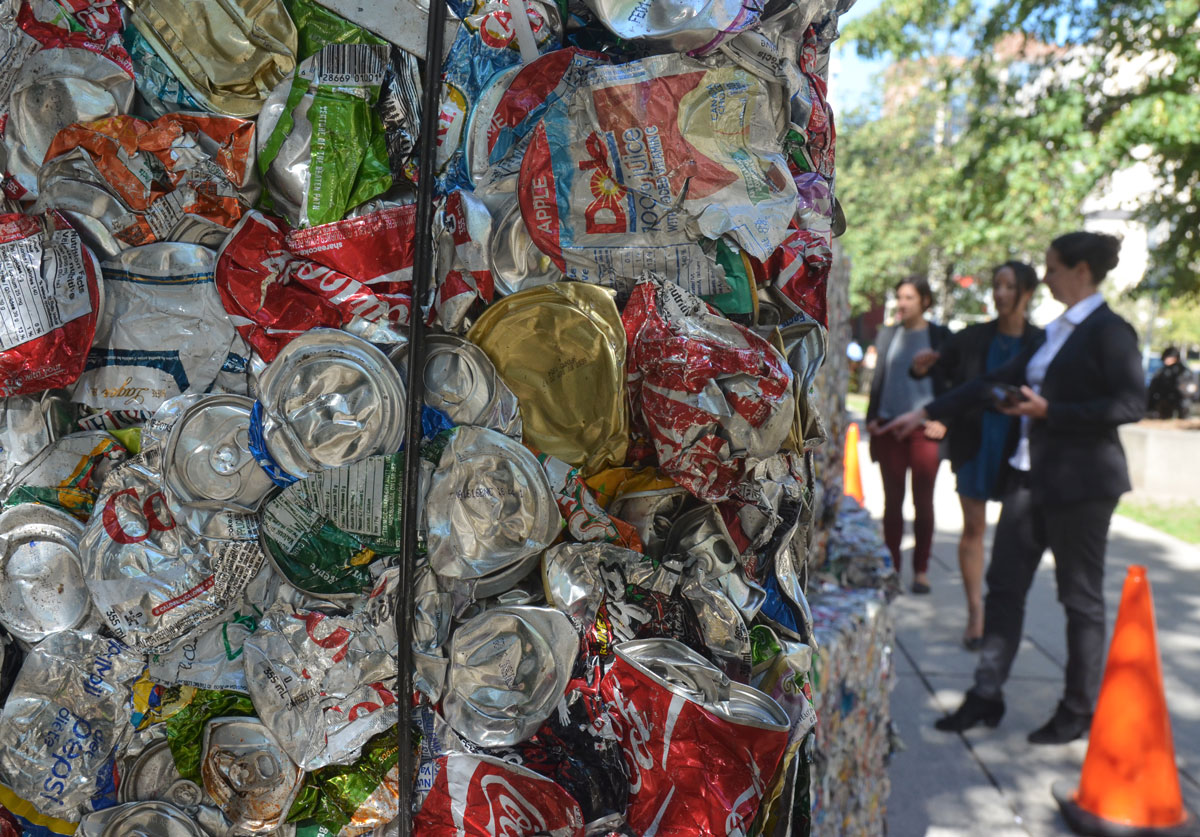
below: Coors beer, Canada Dry, Nestea, more Fanta, more Coke, all crushed and ready to be recycled.

The City of Toronto collected about 200,000 tonnes of blue bin recyclables in 2014. Since a tonne equals 1,000 kilograms, that’s 200,000,000 kilos of recyclable plastic bottles, pop cans, tin cans etc.


Piles of crushed recyclables collected from Toronto’s blue bins are stacked along Bay Street beside City Hall. They will be part of an installation entitled ‘There is No Away’ for Nuit Blanche this coming weekend. This work was sponsored by the city’s Solid Waste Management committee and put together by artist Sean Martindale. This installation hopes to raise awareness of just how much garbage we produce and throw “away”.
Waterfront Outdoor Photo Exhibit
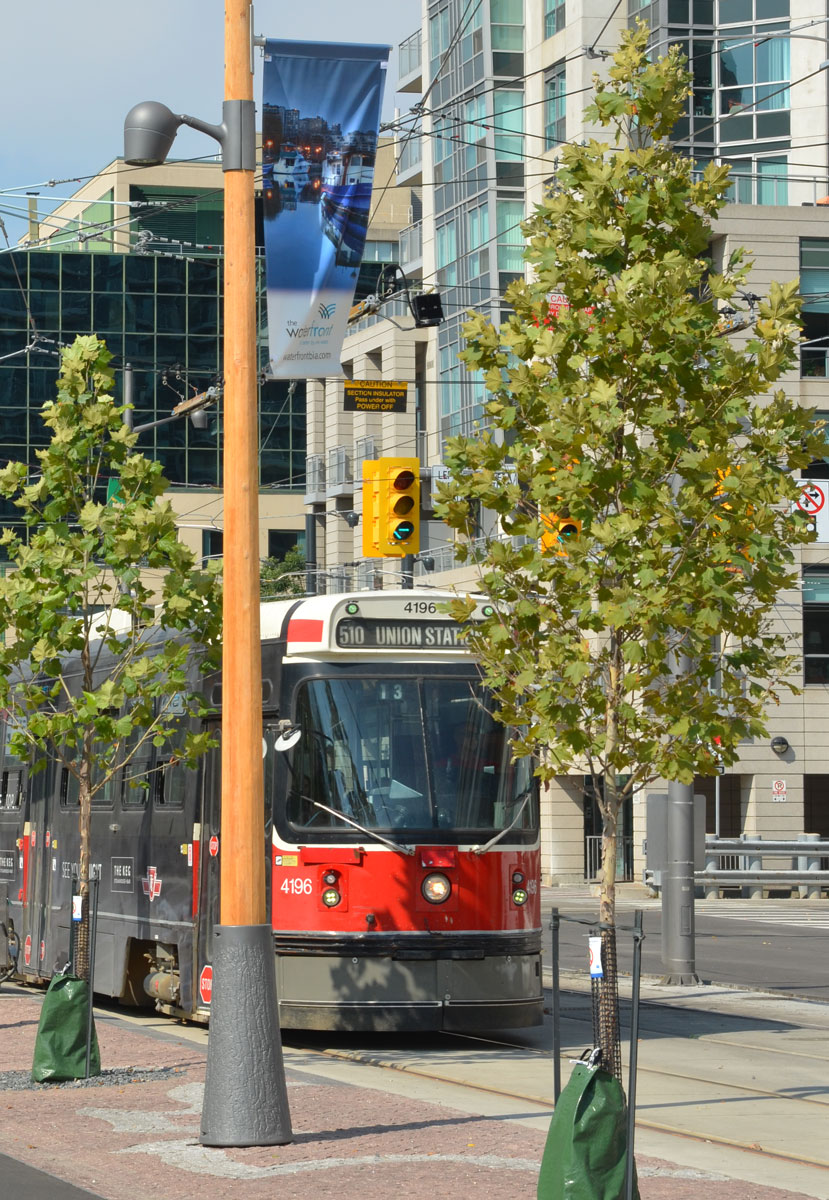
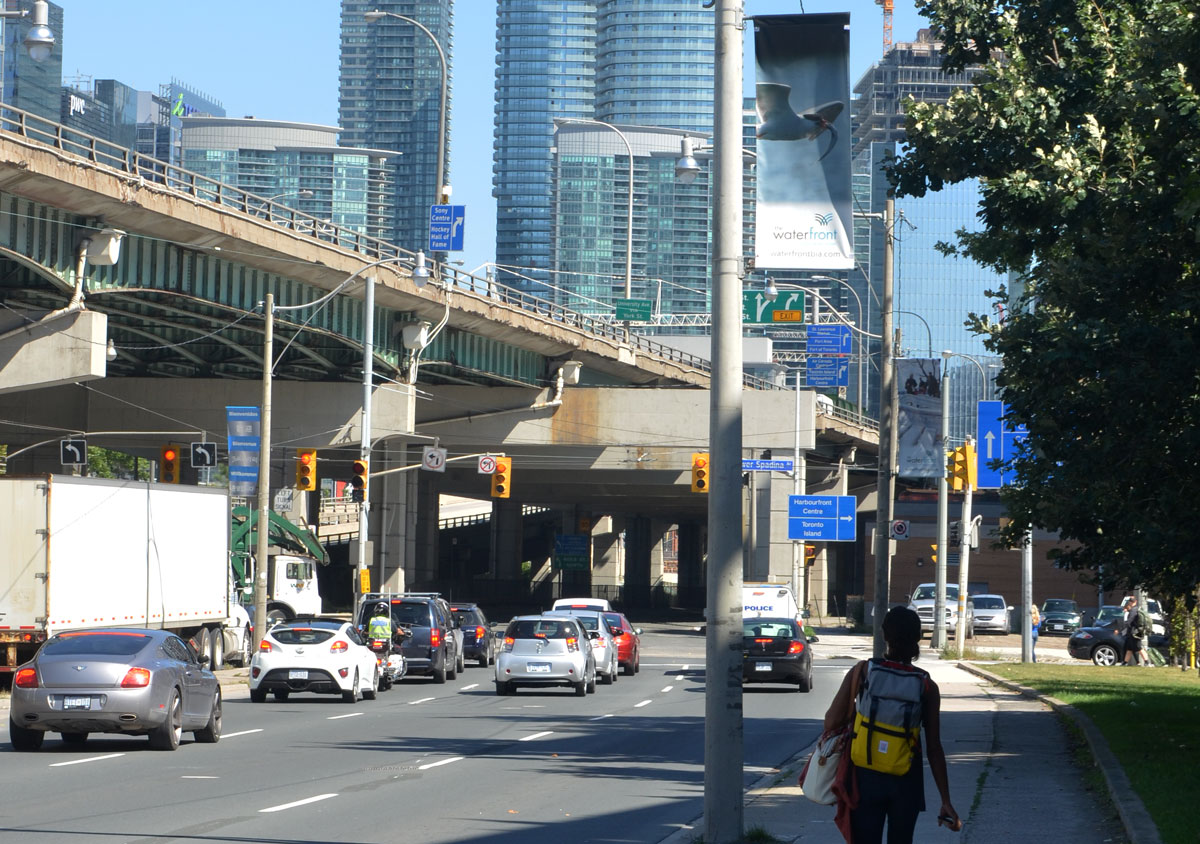
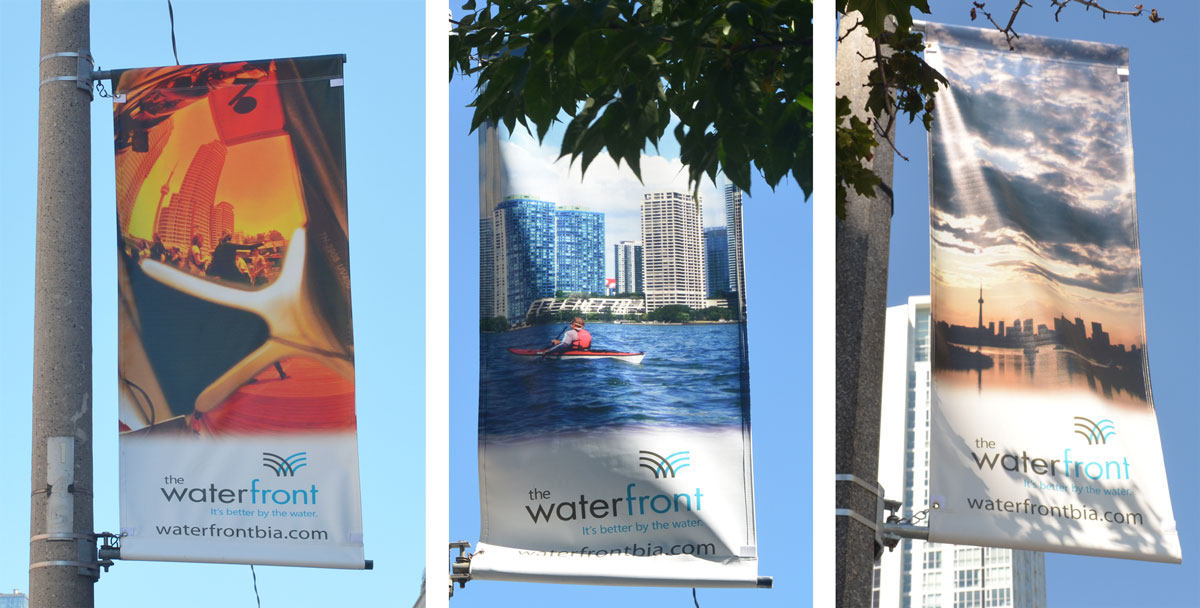
For the past four years, the Waterfront BIA has organized a photography contest. East year fifty finalists are chosen. This year they have organized a photo exhibit of a different kind. One hundred and fourteen images were chosen from the 200 finalists from their previous photo contests. These images were used (and cropped!) to make vertical banners, 5 ft x 2 ft in size. The banners are made of vinyl and the same image is on both sides.
below: You can see many of the banners on Queen’s Quay between Yonge and Bathurst.
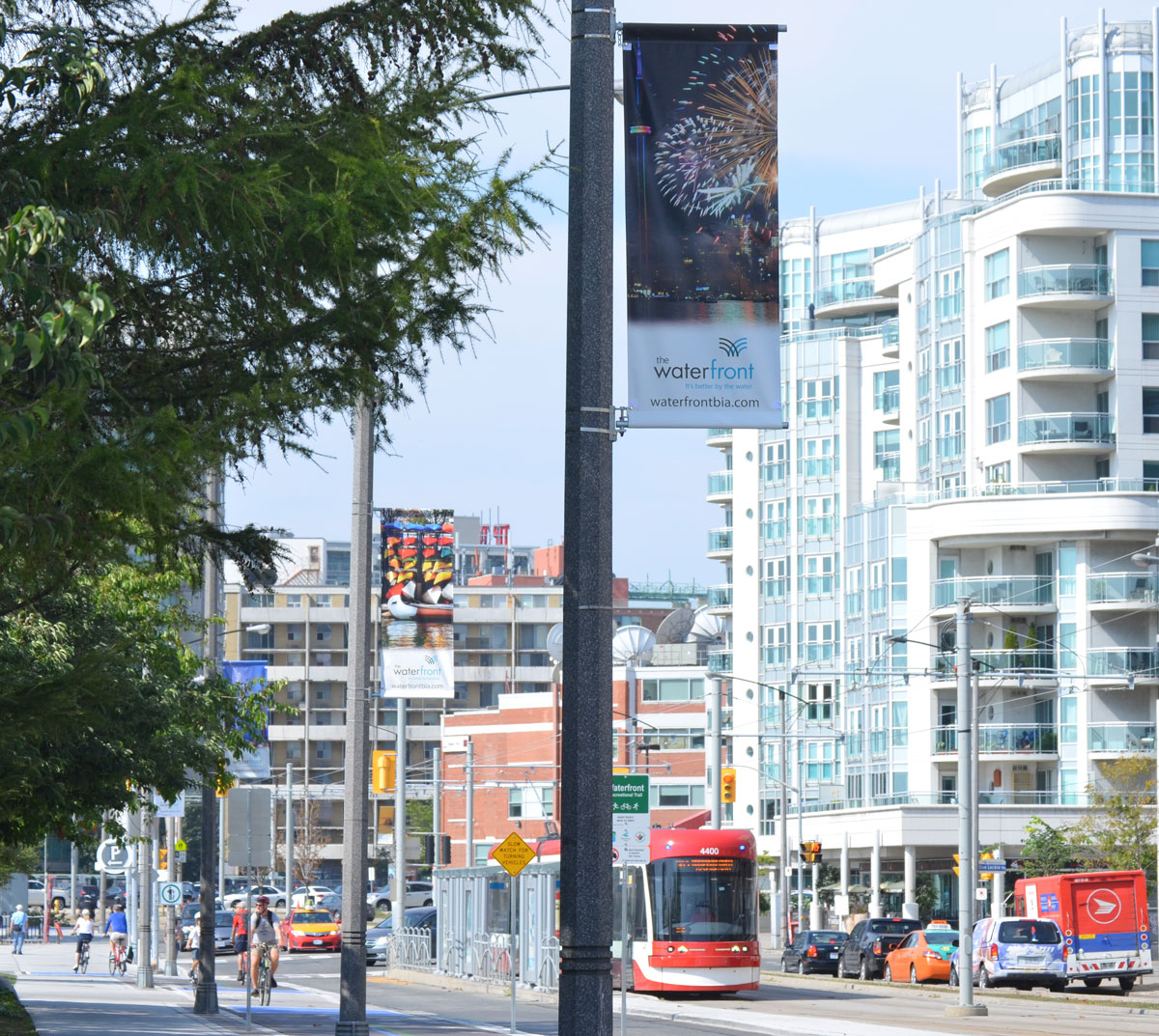

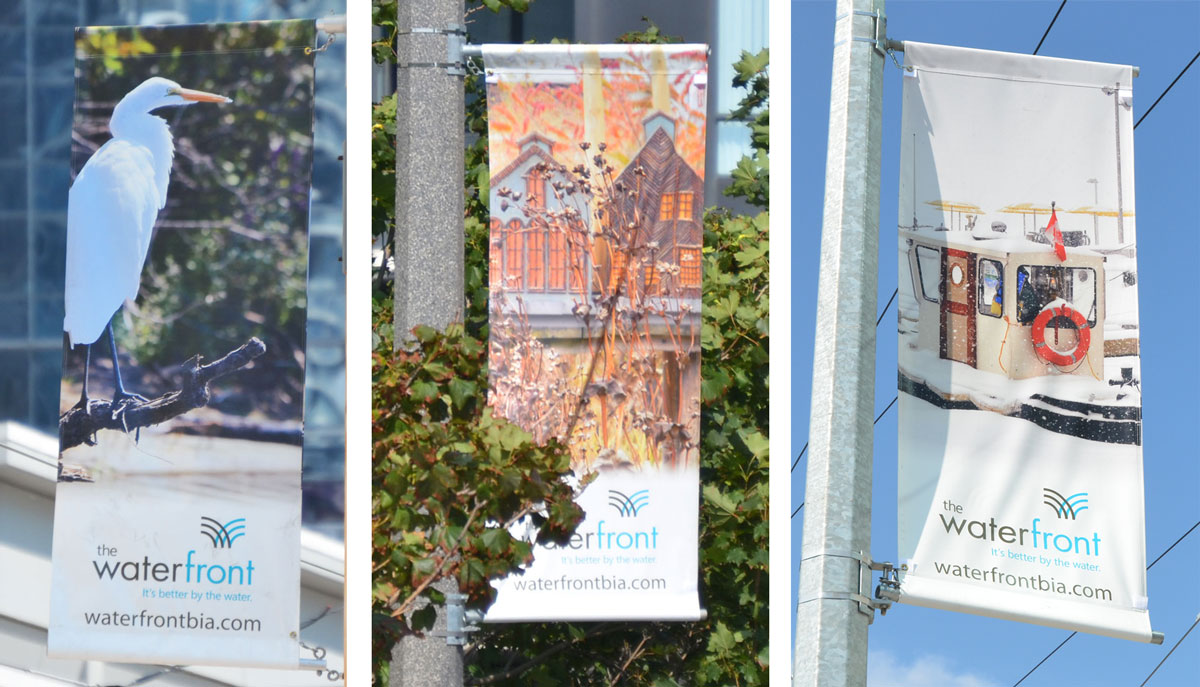

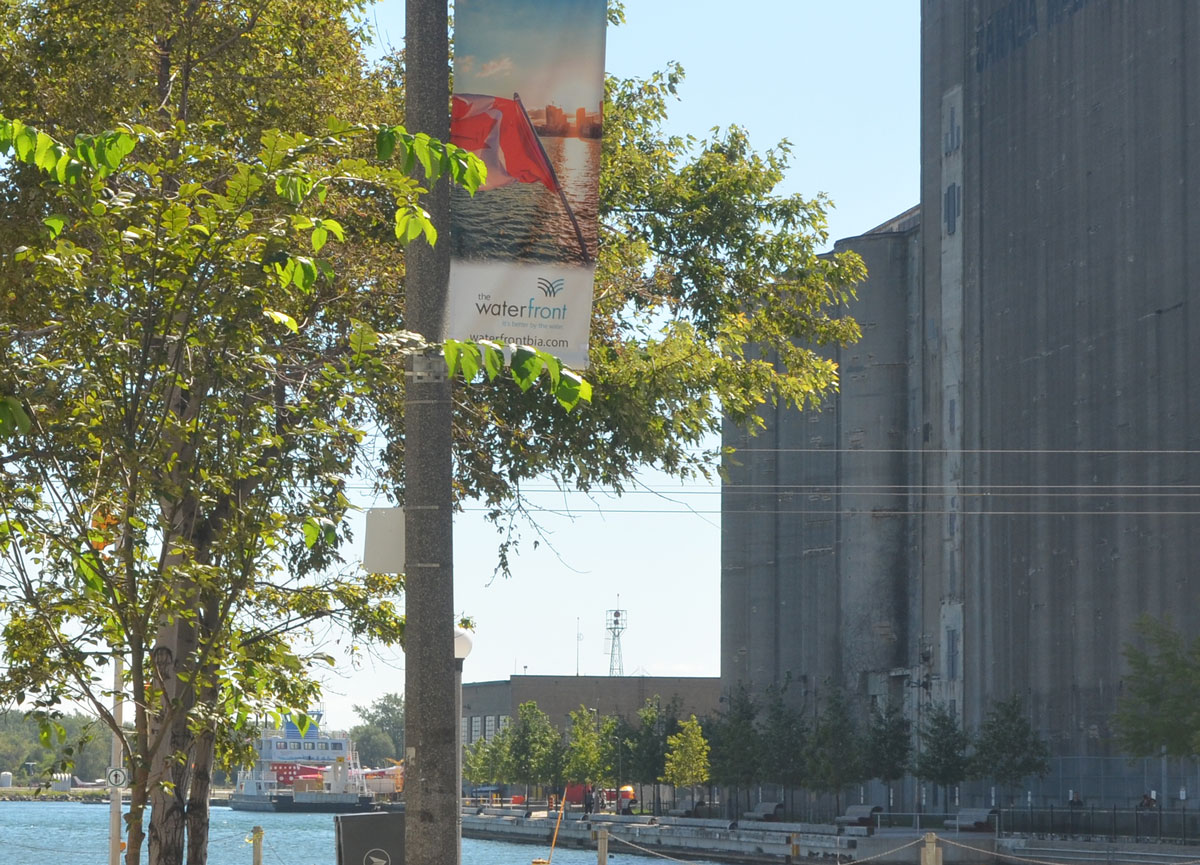

below: Sometimes it’s difficult to see the banners amongst all the other things along Queen’s Quay
below: There are also some banners on Lakeshore Blvd between Bathurst and Spadina.
Two new additions to the statues in Legends Row outside the Air Canada Center showed up on this past weekend. Mats Sundin and Borje Salming have taken their place alongside Darryl Sittler, Ted Kennedy and Johnny Bower. Salming is cheering from behind the boards while Sundin is on the ice. I’d say that was Sundin was ready for action but he needs to get his stick on the ice first. Maybe the game is over and the Maple Leafs have something to celebrate?

below: Mats Sundin, born in Sweden in 1971. He joined the Maple Leafs in 1994 and played 13 seasons for them. He was captain for 11 of those years and with the exception of 2002-03, he led the team in scoring points every year. He was elected to the Hockey Hall of Fame in 2012.
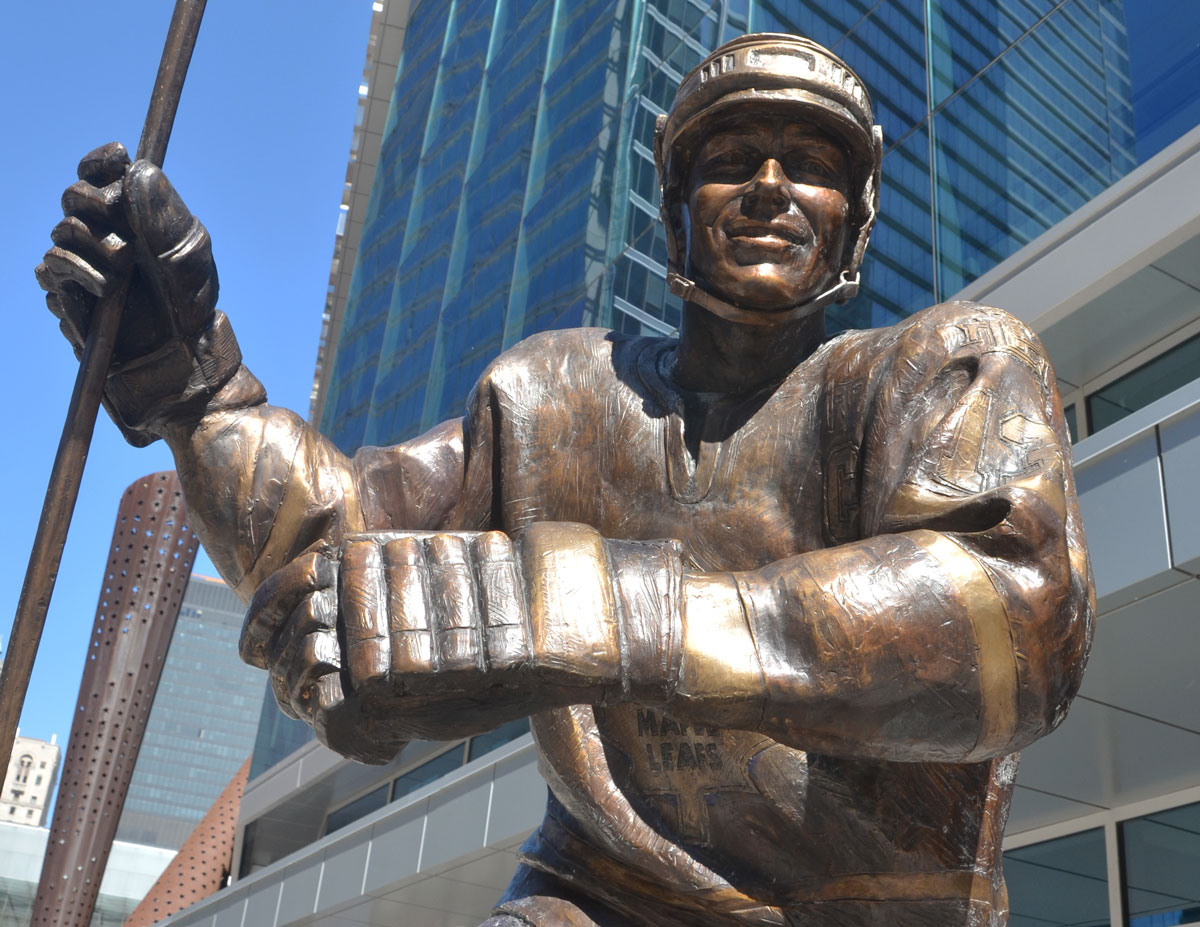
below: Salming cheers while Darryl Sittler goes over the boards. Borje Salming, also born in Sweden, played defence for the Maple Leafs between 1973 and 1989. He played over 1000 games. He has been a member of the Hockey Hall of Fame since 1996.

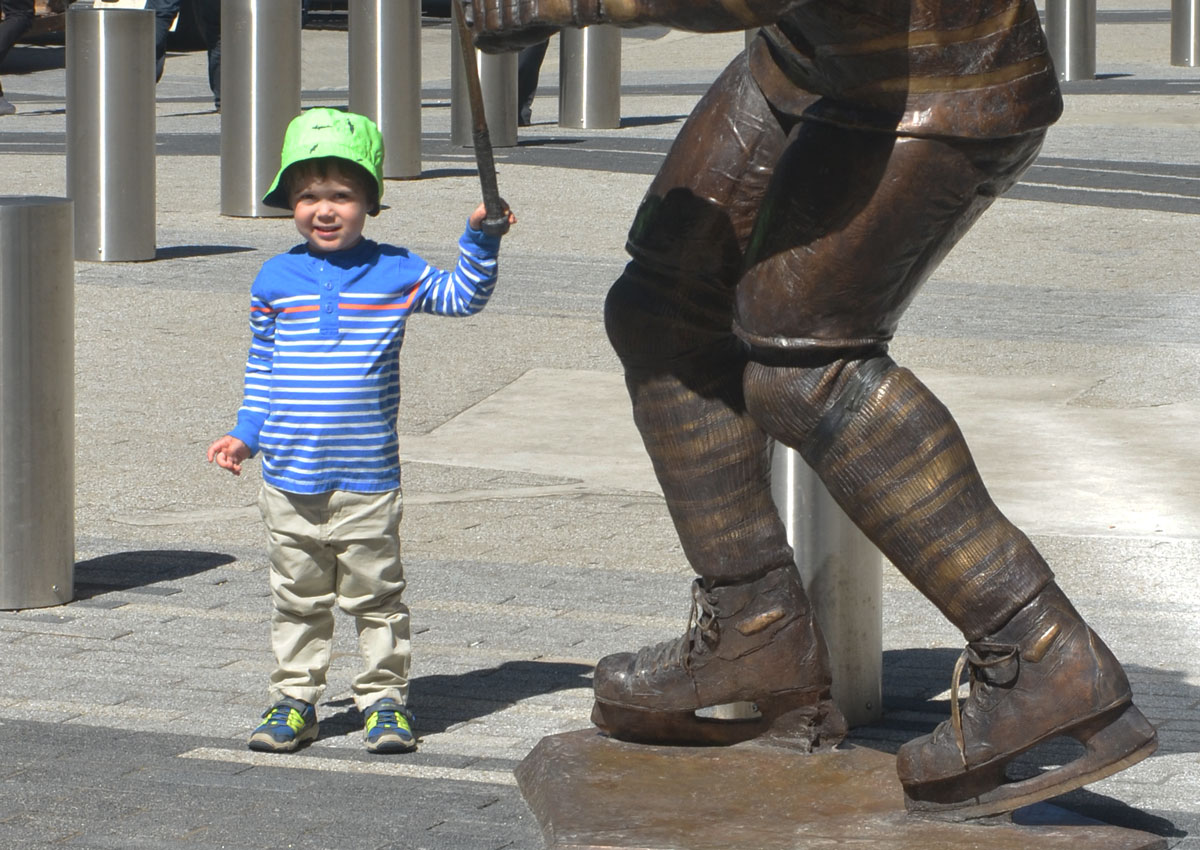
The first three statues, Darryl Sittler, Ted Kennedy and Johnny Bower, were installed earlier this year.
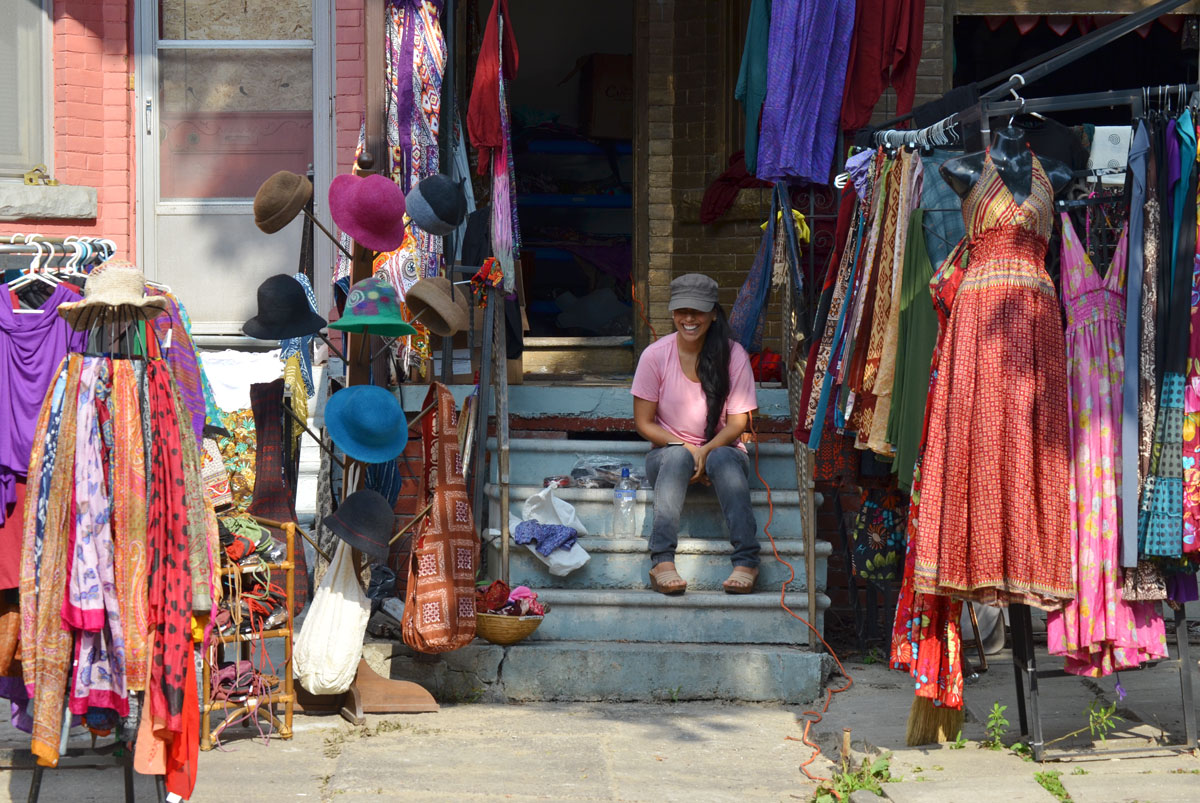
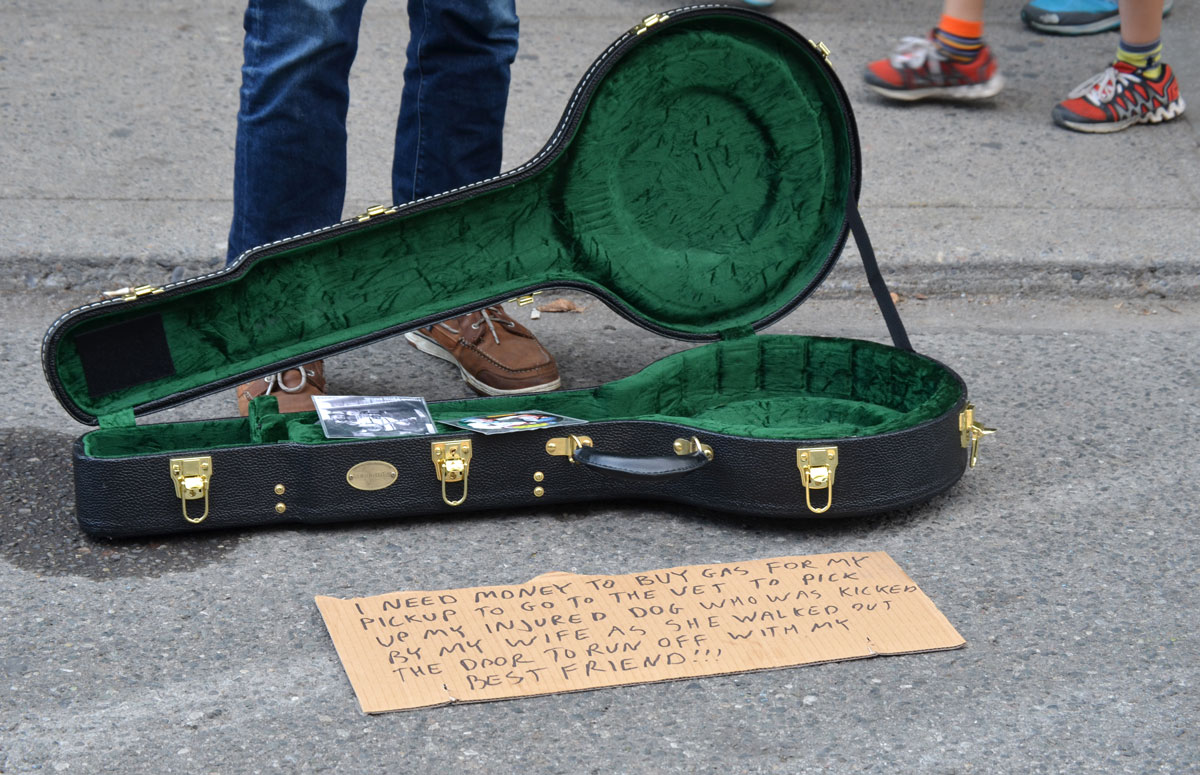
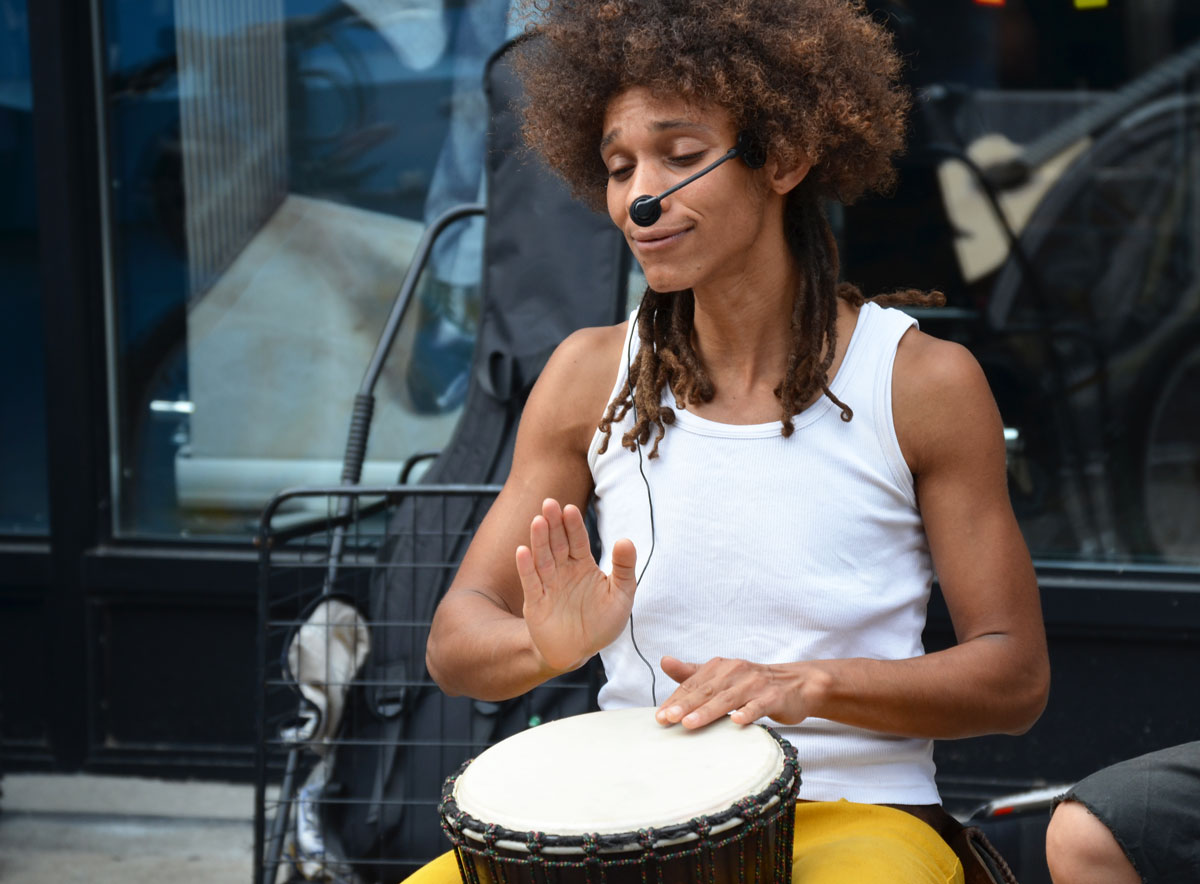
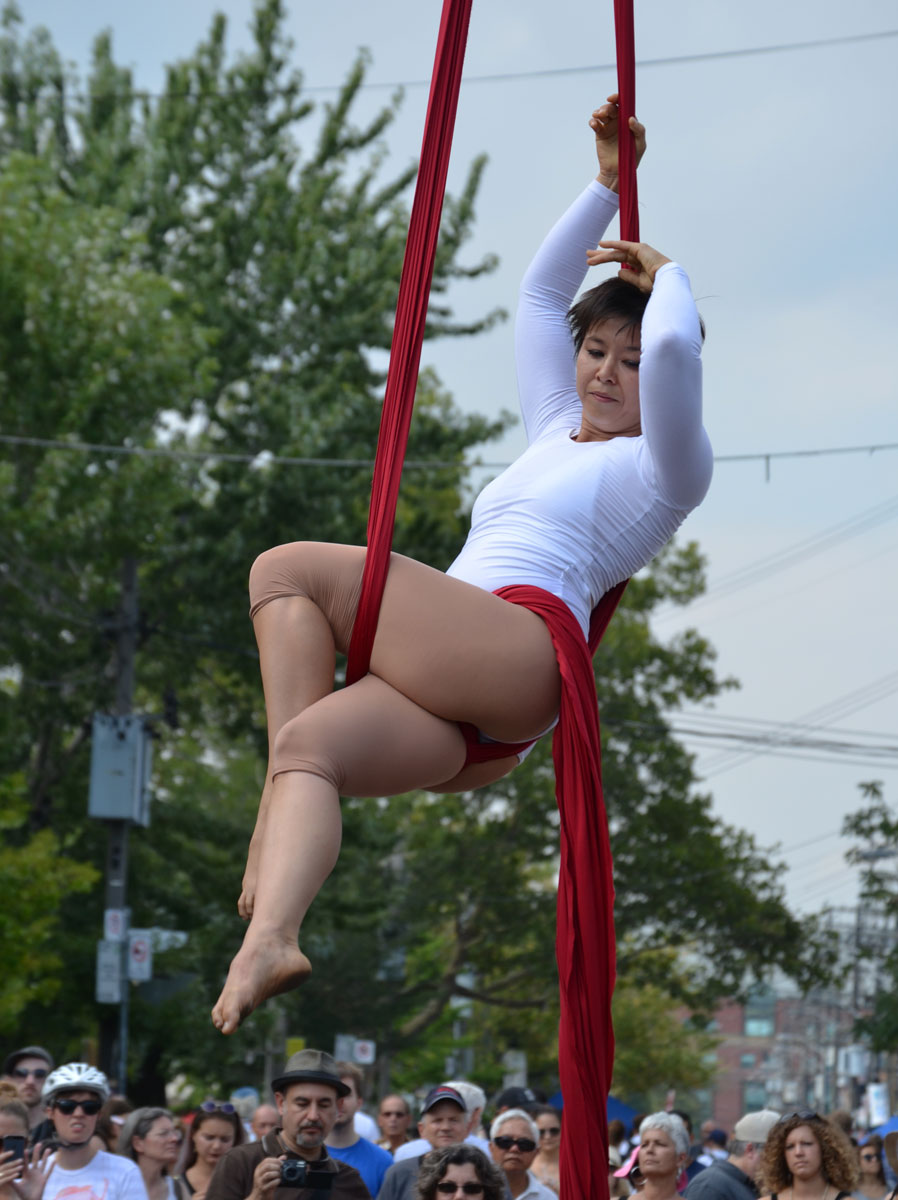
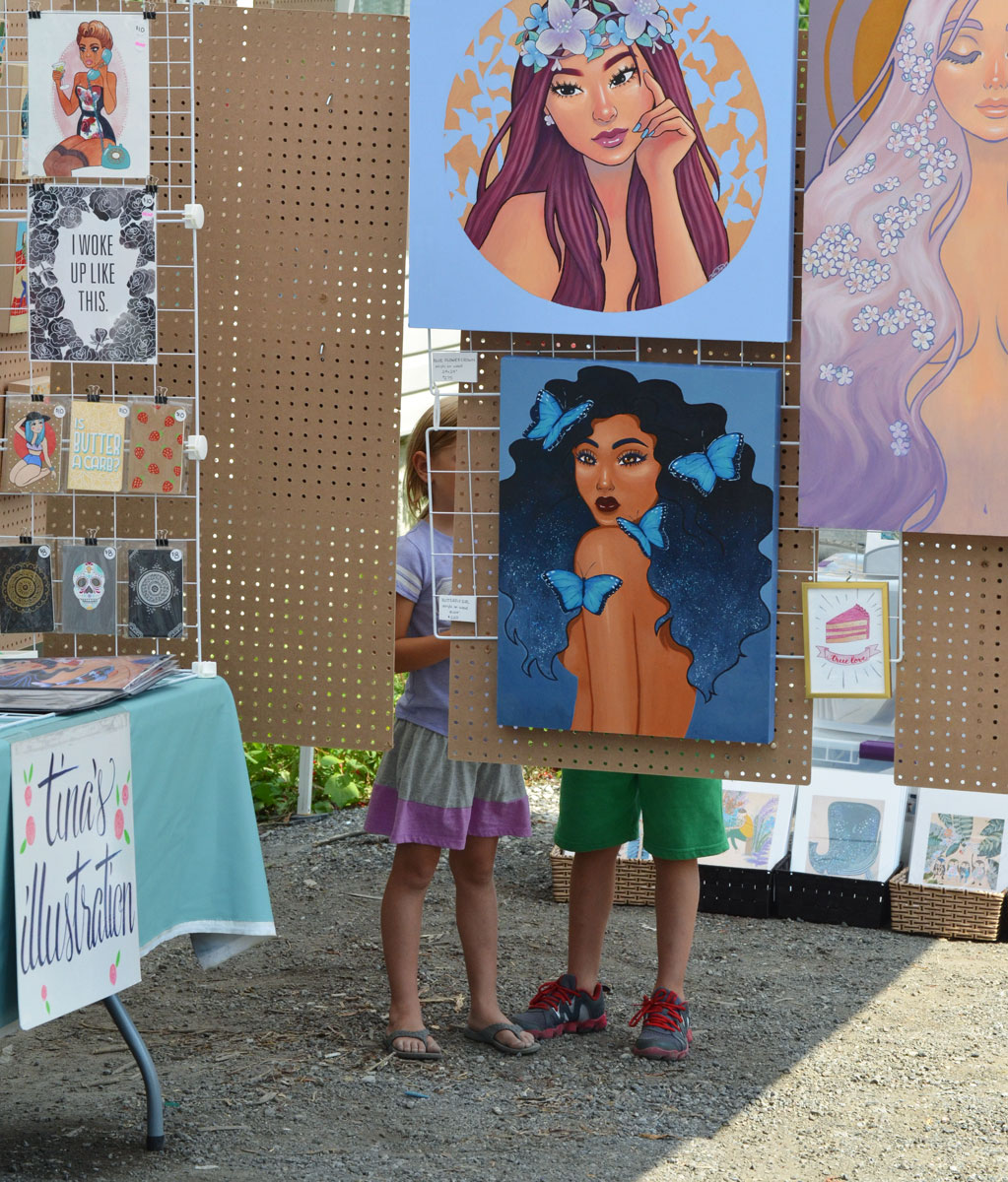
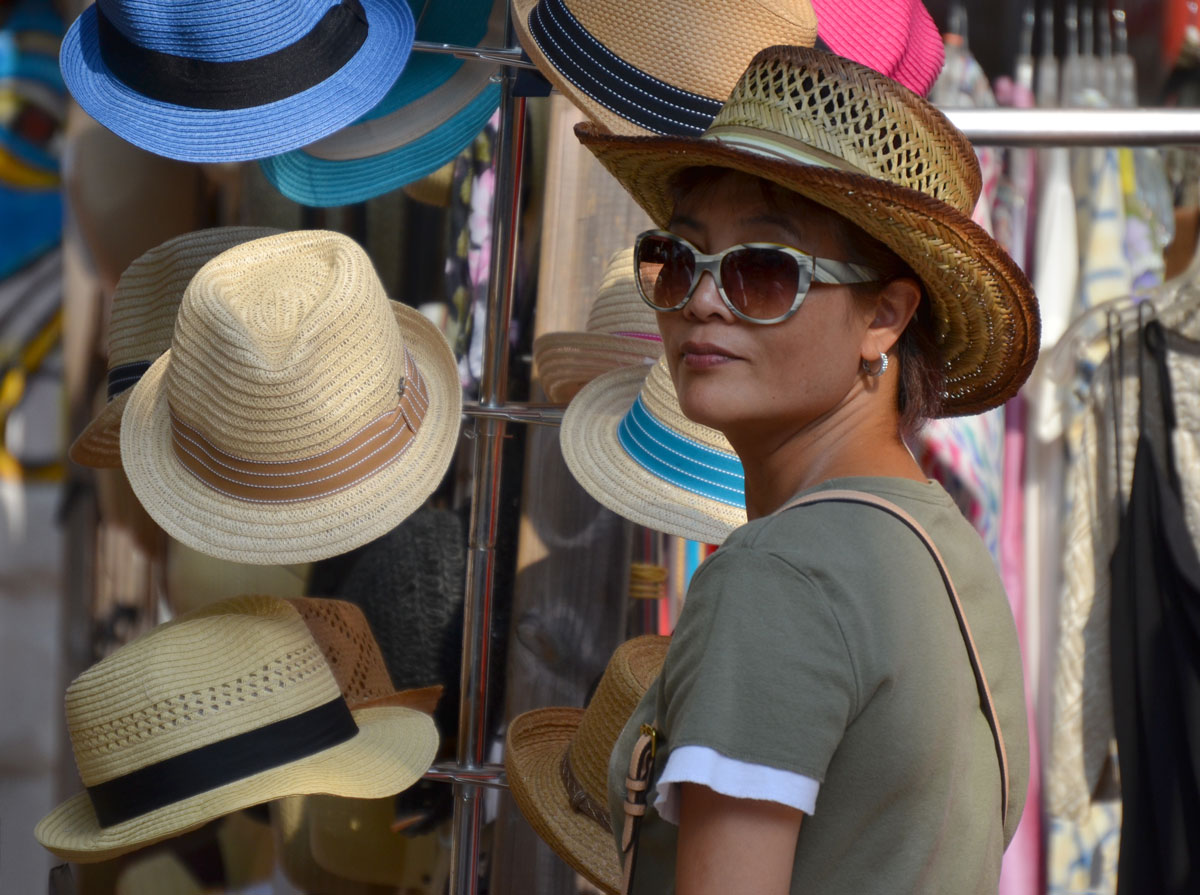
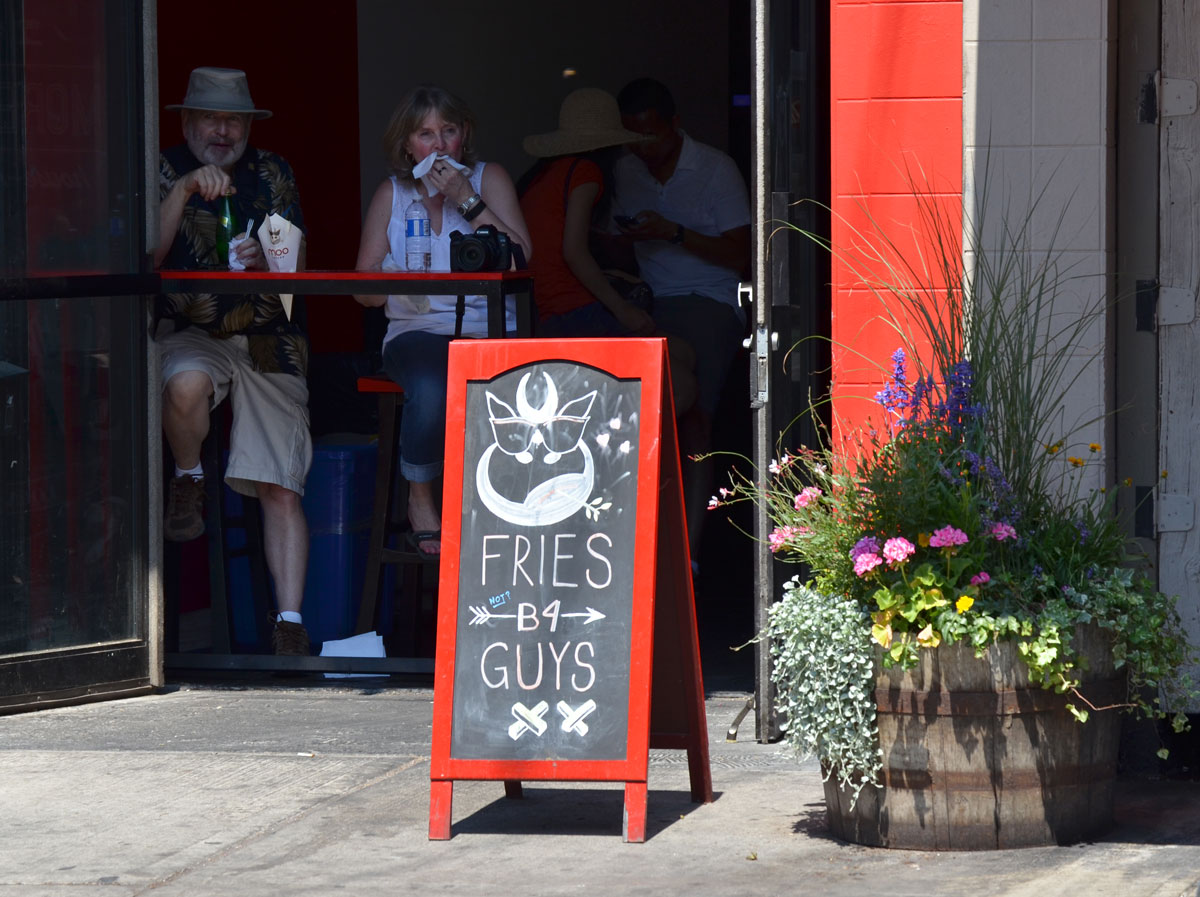
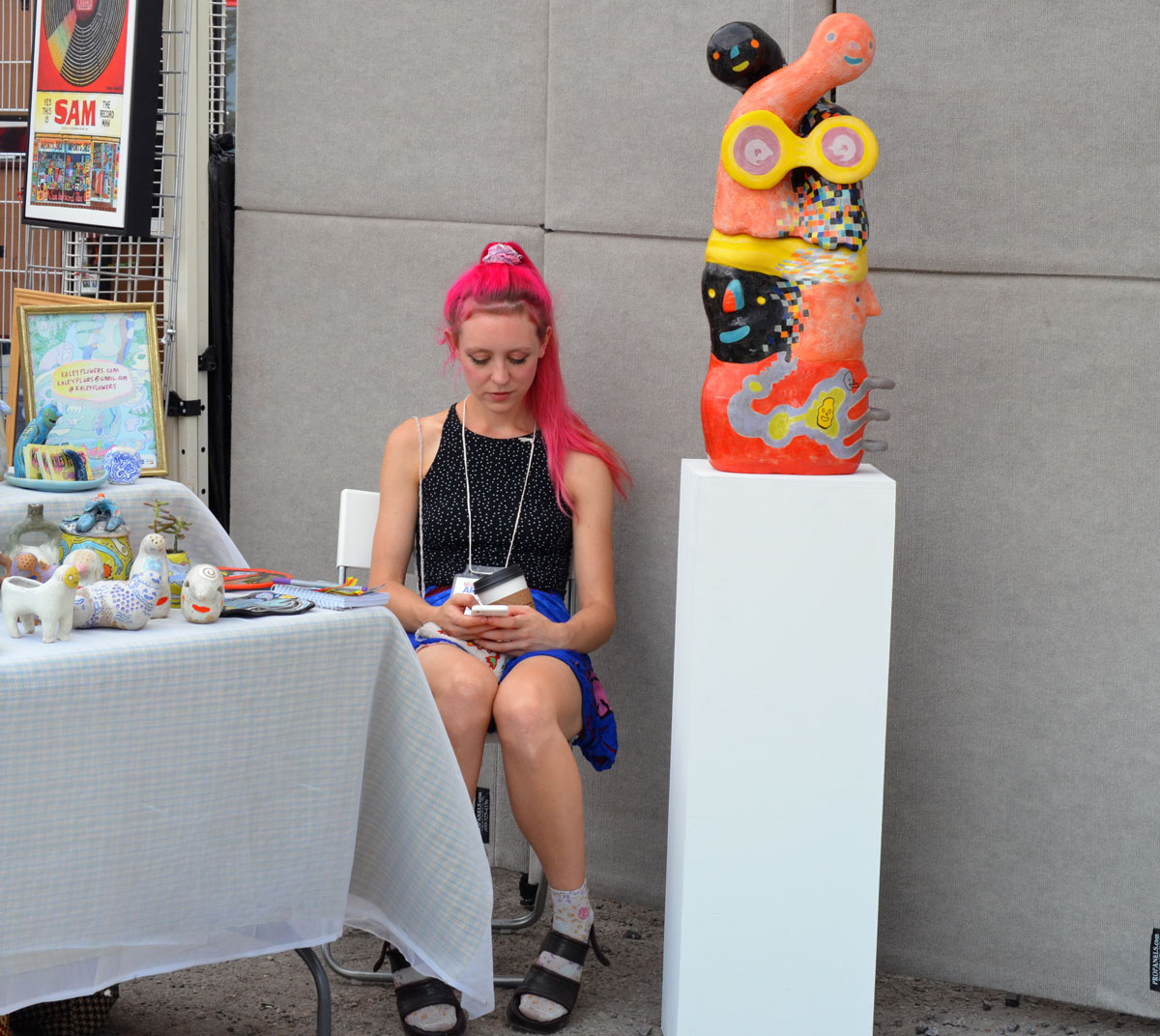
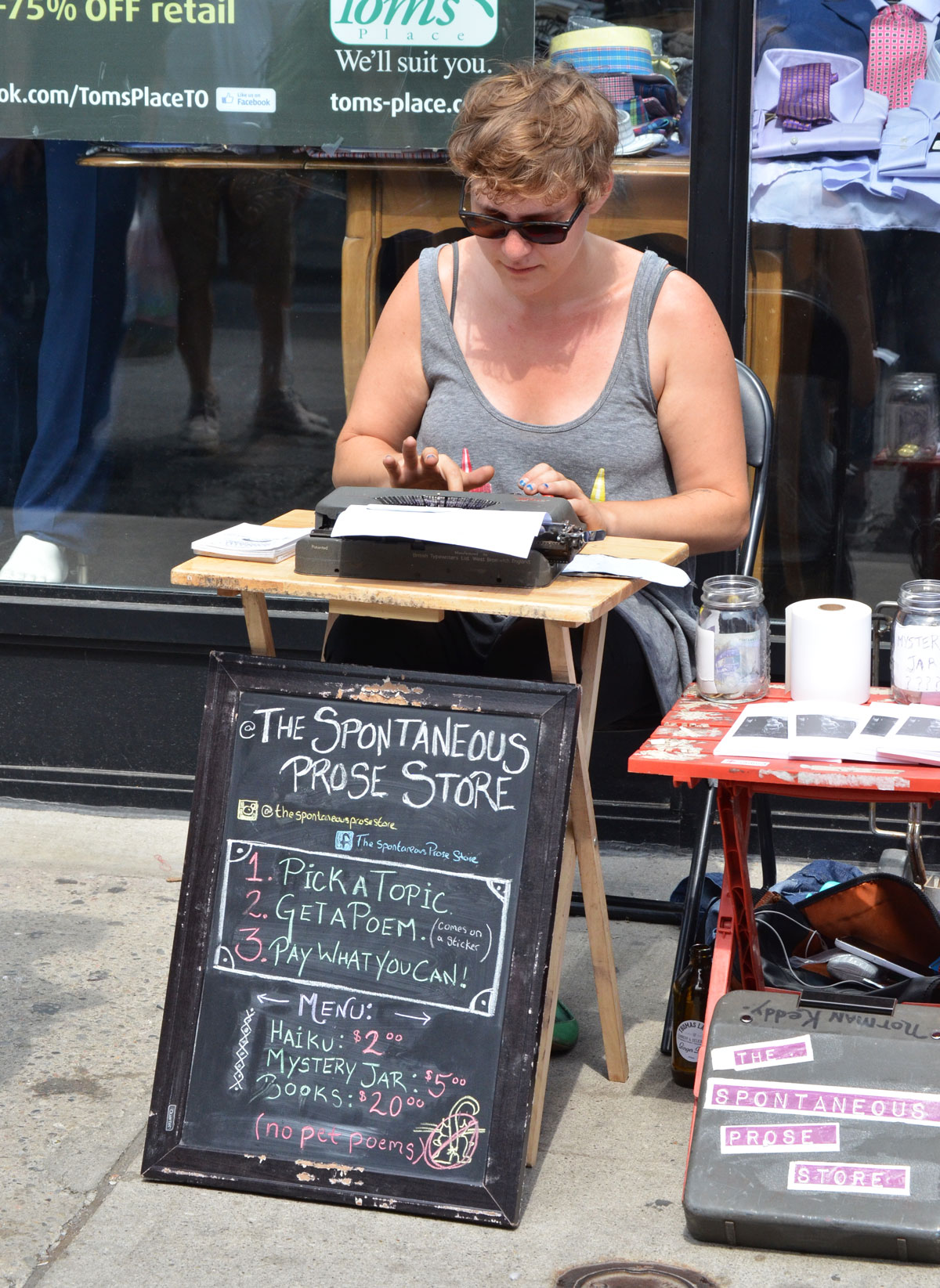
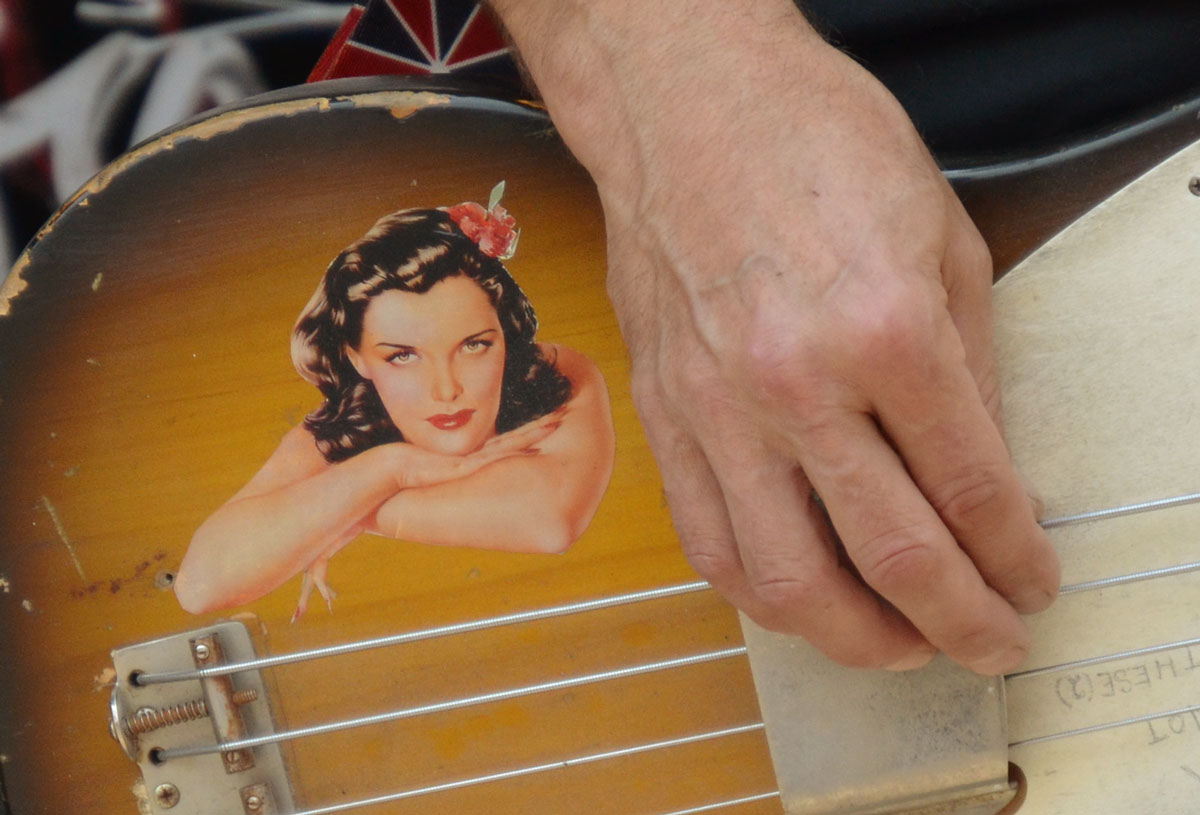
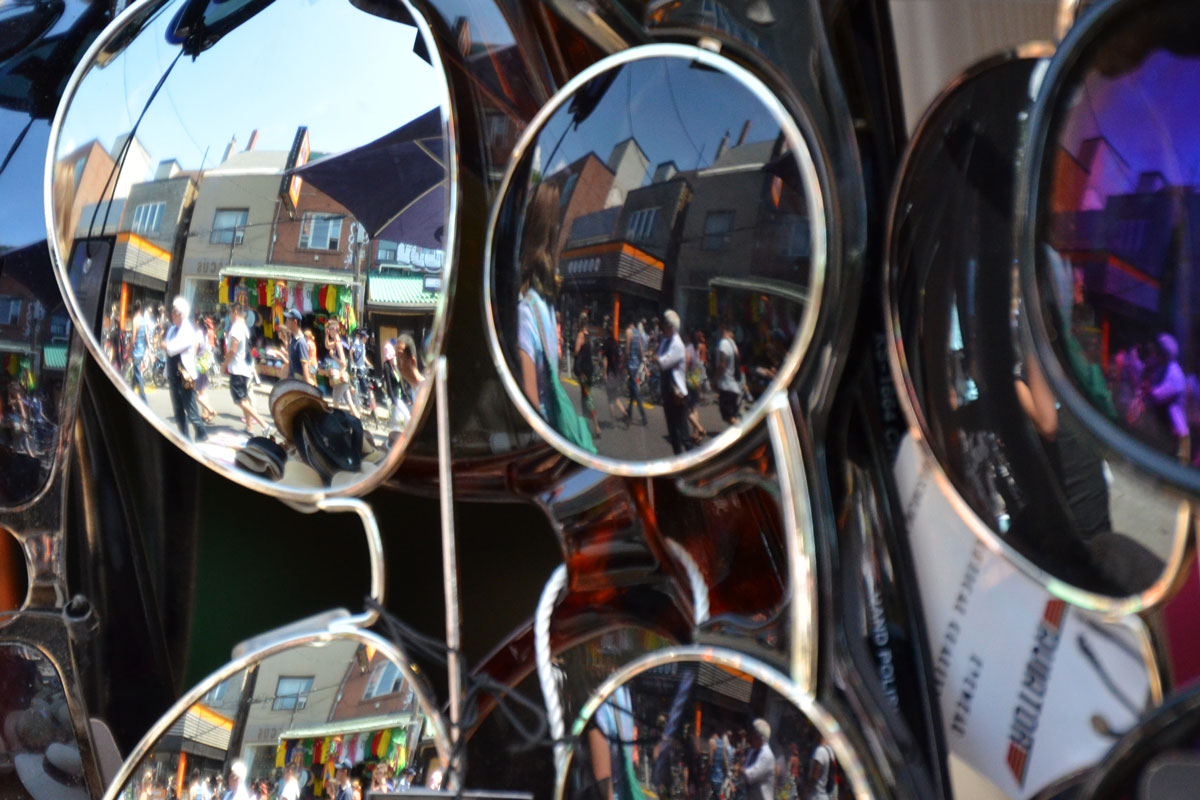
On the last Sunday of the month from May through October, the streets of the Kensingon Market area are closed to vehicular traffic from noon to 7 p.m. This year, the first two Pedestrian Sundays were cold and wet. For July and August the last Sundays of both months were hot and sunny. The following photos were taken on those two days. Entertainment… music… art… people watching…. restaurants… shops – the colours of Kensington.










FORTY ONE the Esplanadian Connection,
an exhibit inspired by the book ‘FORTY ONE Neighbours’
The book was published earlier this year and there was a book launch at St. Lawrence Hall back in April. The book is a collection of 41 portraits, one person from each country participating in the Pan Am and Parapan Games. Each portrait is also of a person with a connection to the Esplanade community. Fifty three students/authors from The Esplanade neighbourhood wrote the stories.
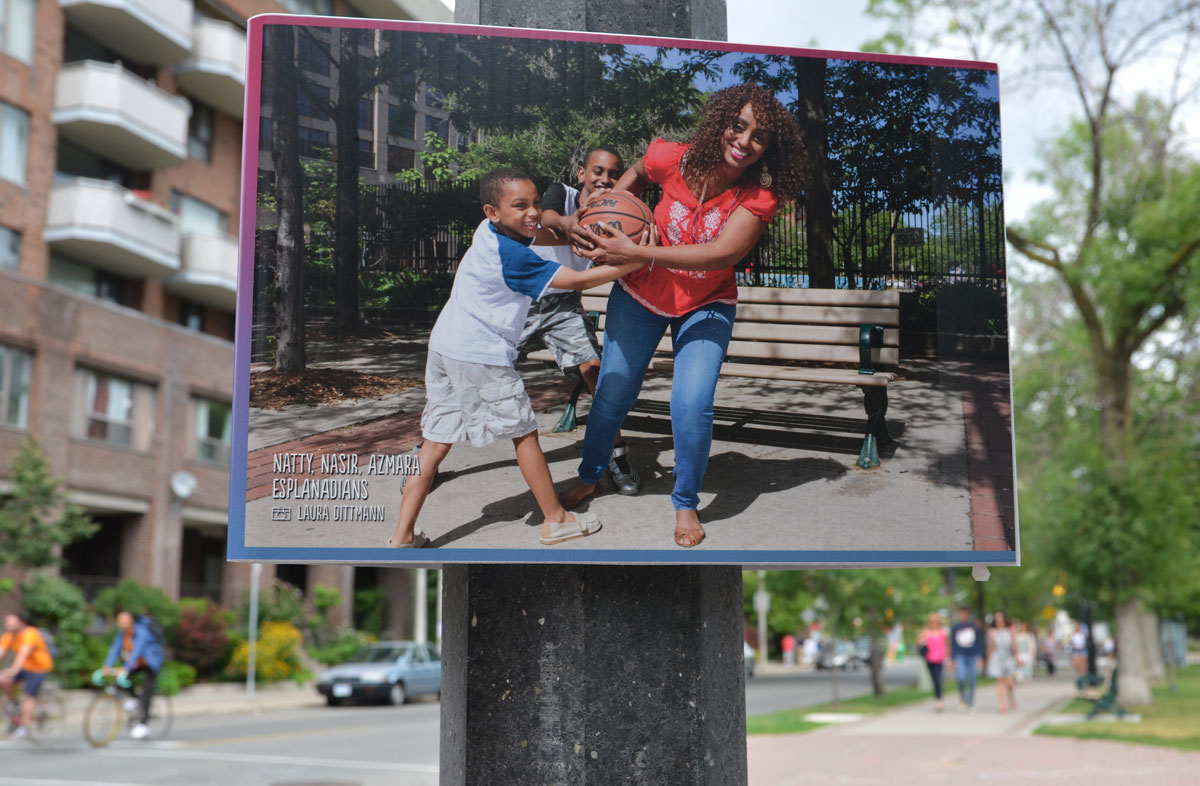
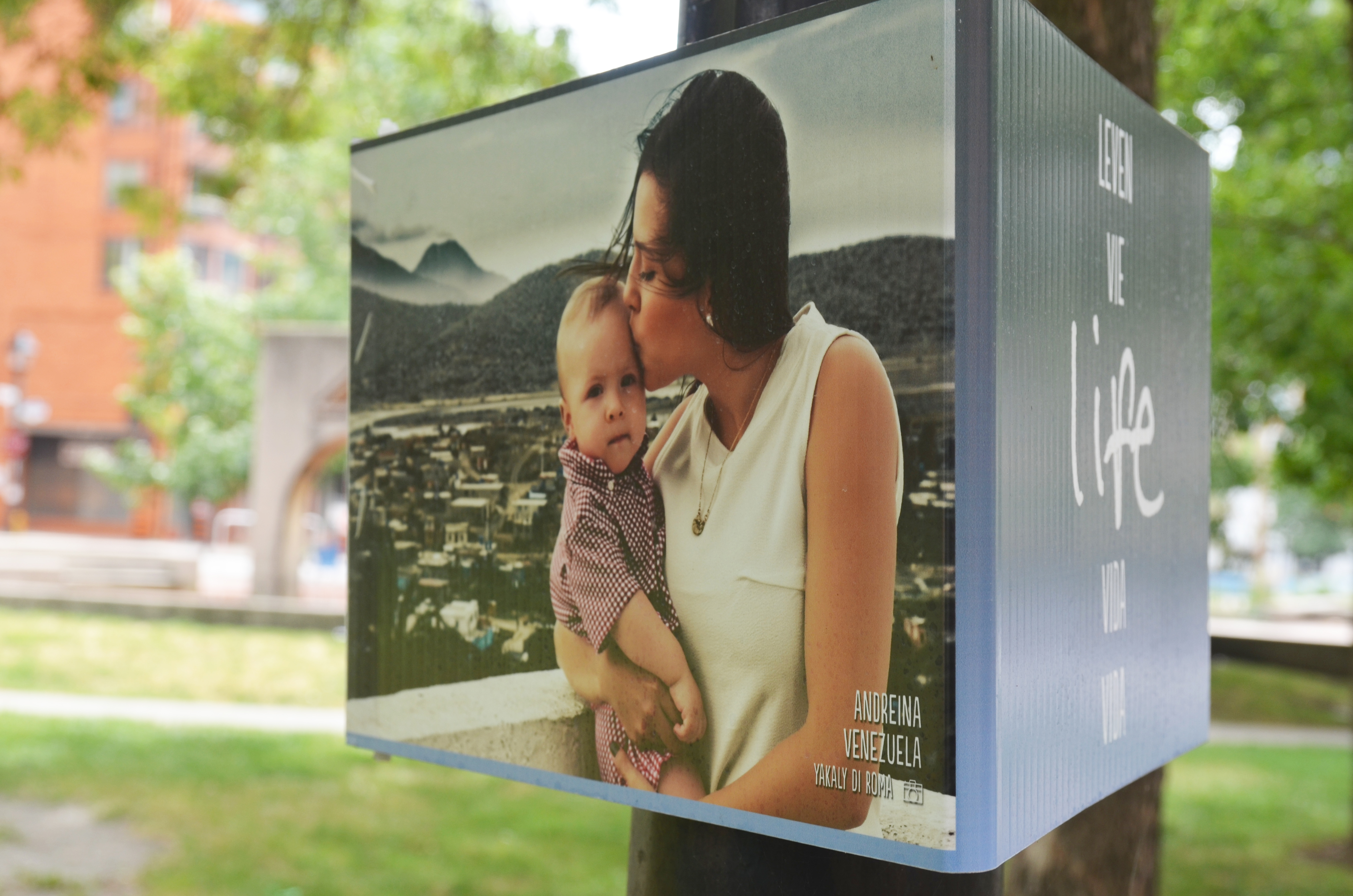
For the exhibit, the portraits were re-enacted by local residents.
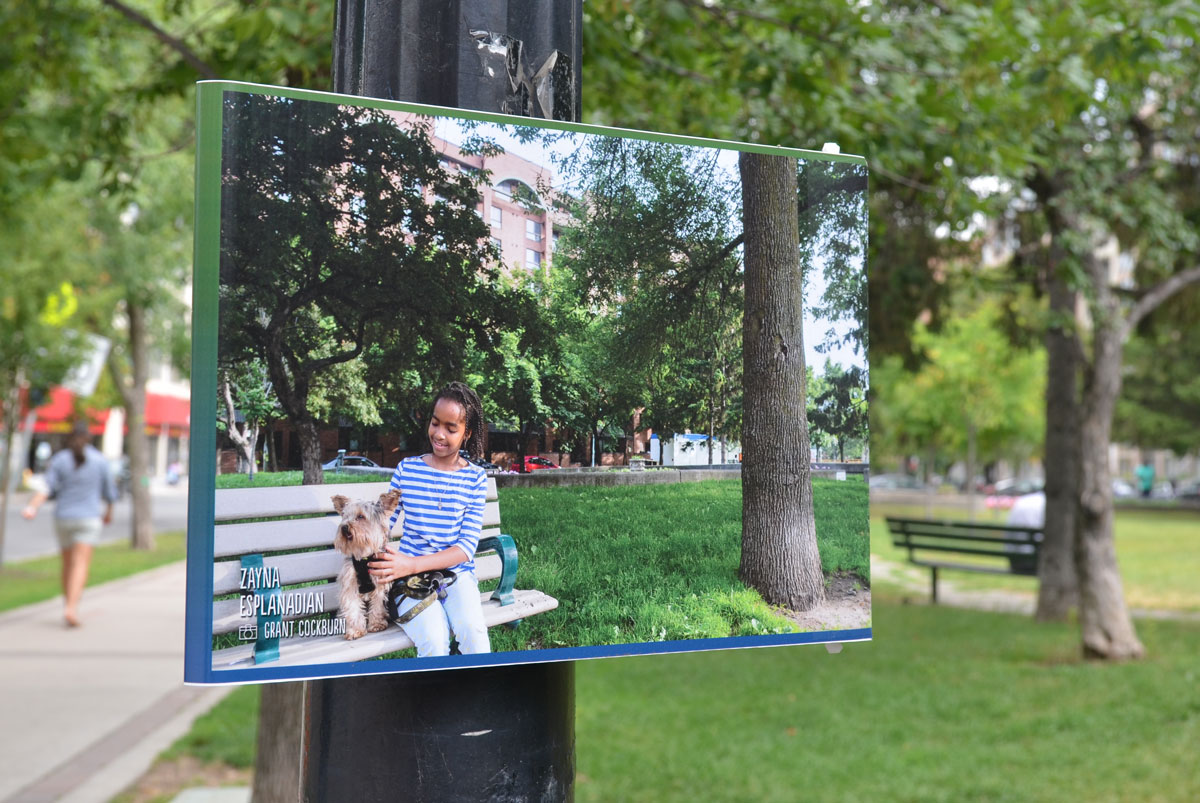
Each portrait consists of three sides. Two sides have photographs on them – one side with a Esplanadian person or family and the other side with a PanAmerican resident.

The third side has one word written in five languages.
From top to bottom – Dutch, French, English, Spanish and Portuguese.
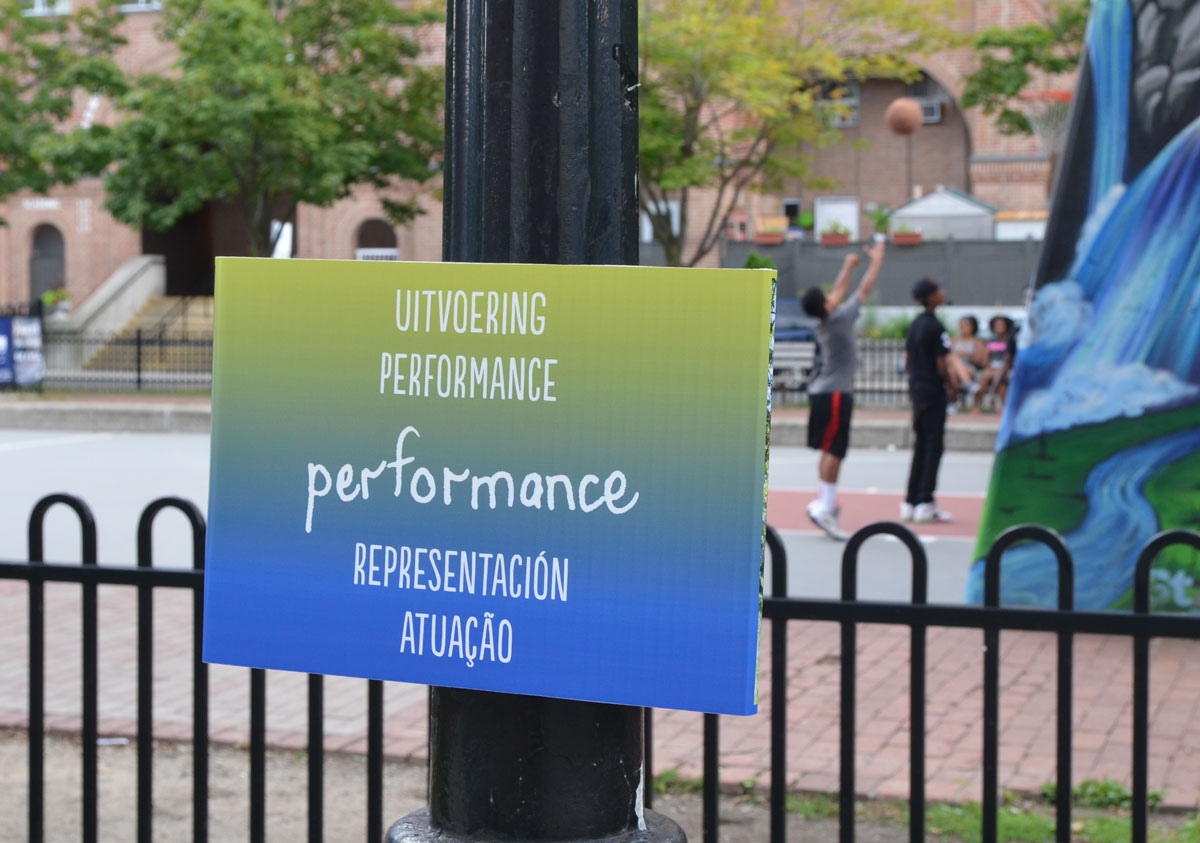
The words were chosen from the stories in the book, one symbolic word from each portrait.
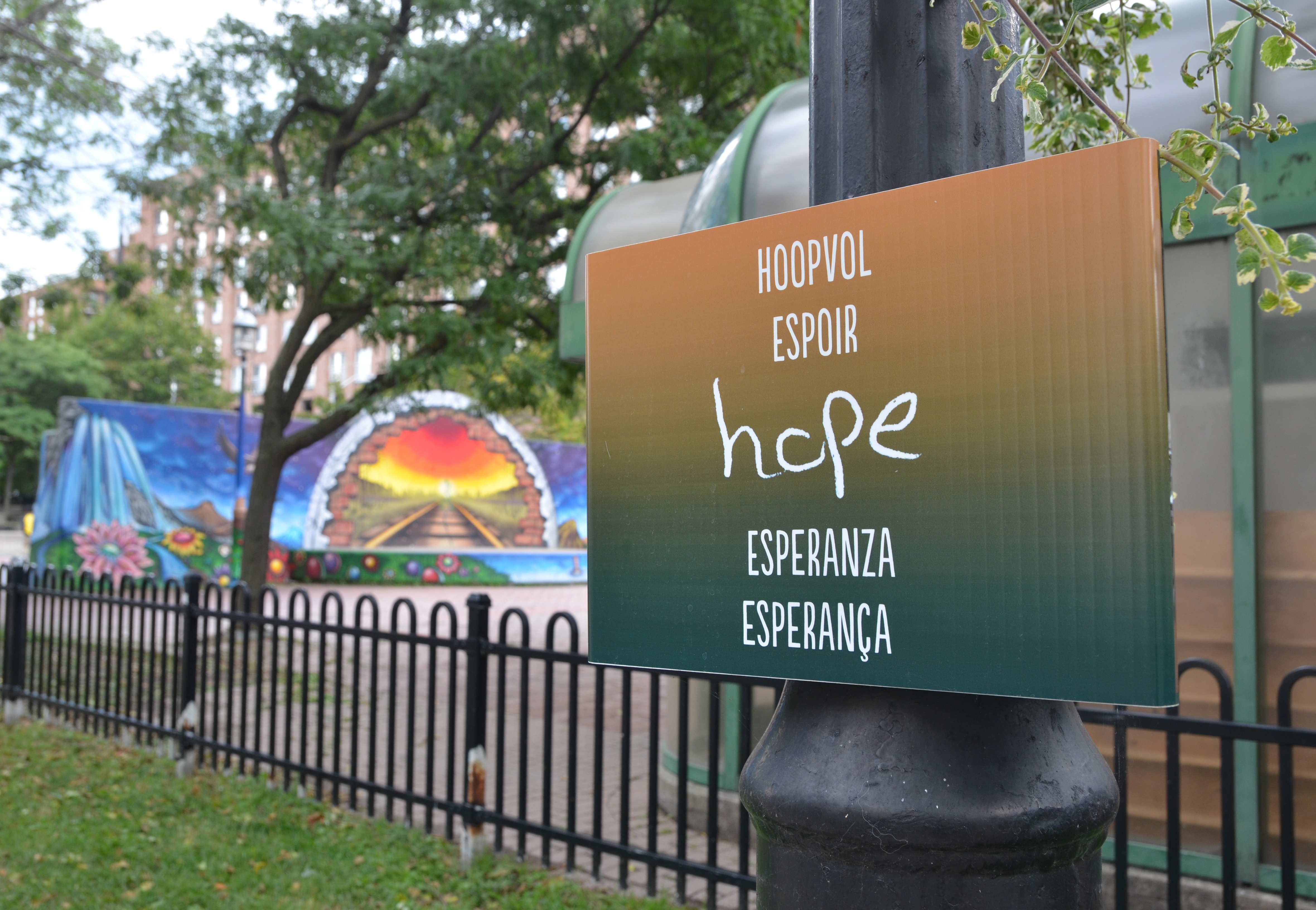
The signs are mounted on lamp posts along the Esplanade.
“Art Loves Fashion! Fashion Loves Art!”
Retailer H&M is presently renovating the southwest corner of Yonge & Dundas. On the Dundas St. side of the development, the hoardings have provided a space for an art exhibit. It is an outdoor digital gallery of images produced by students in OCAD’s Digital Painting/Expanded Animation (DPXA) program.
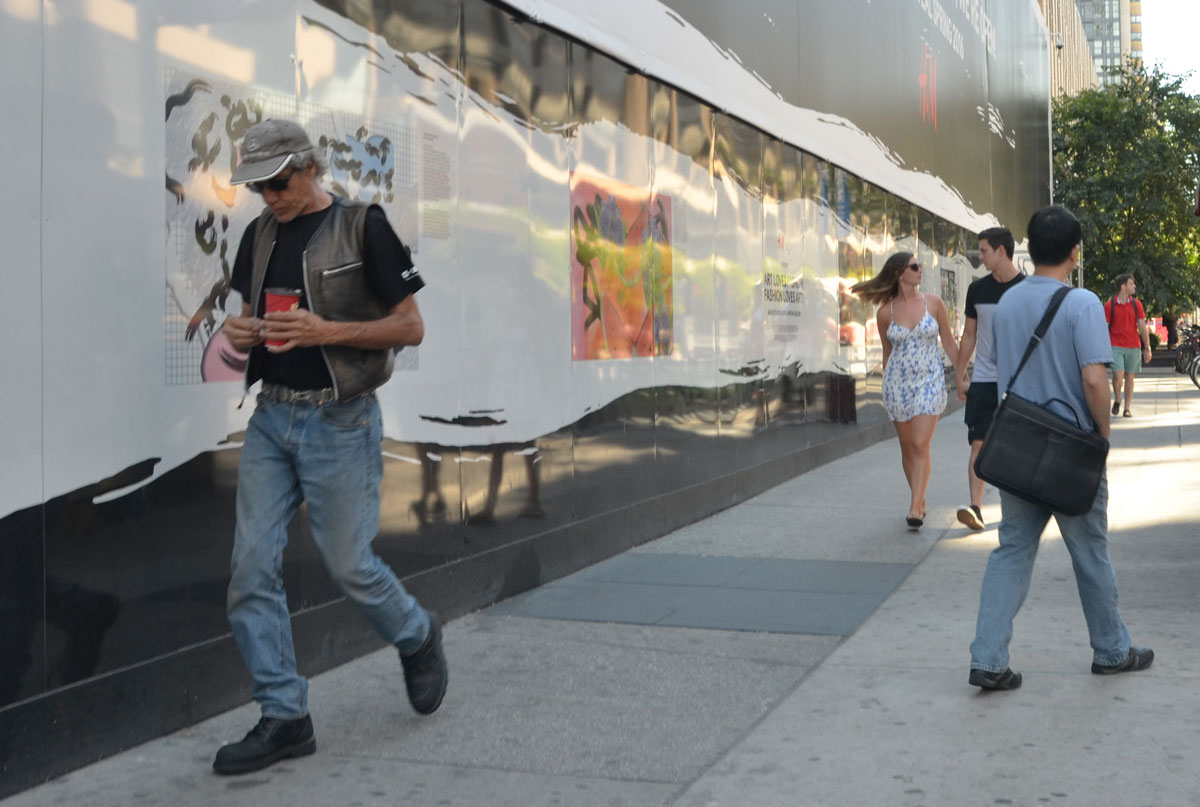
below: ‘Nude Collage’ by Arshia Salesi

below: Resting against ‘Indeterminate Peony’ by Trudy Erin Elmore.
To the left is ‘Nonscape V’ by Monica Moraru

below: A woman walks past ‘Streetcar Style’ by Avery Kua.
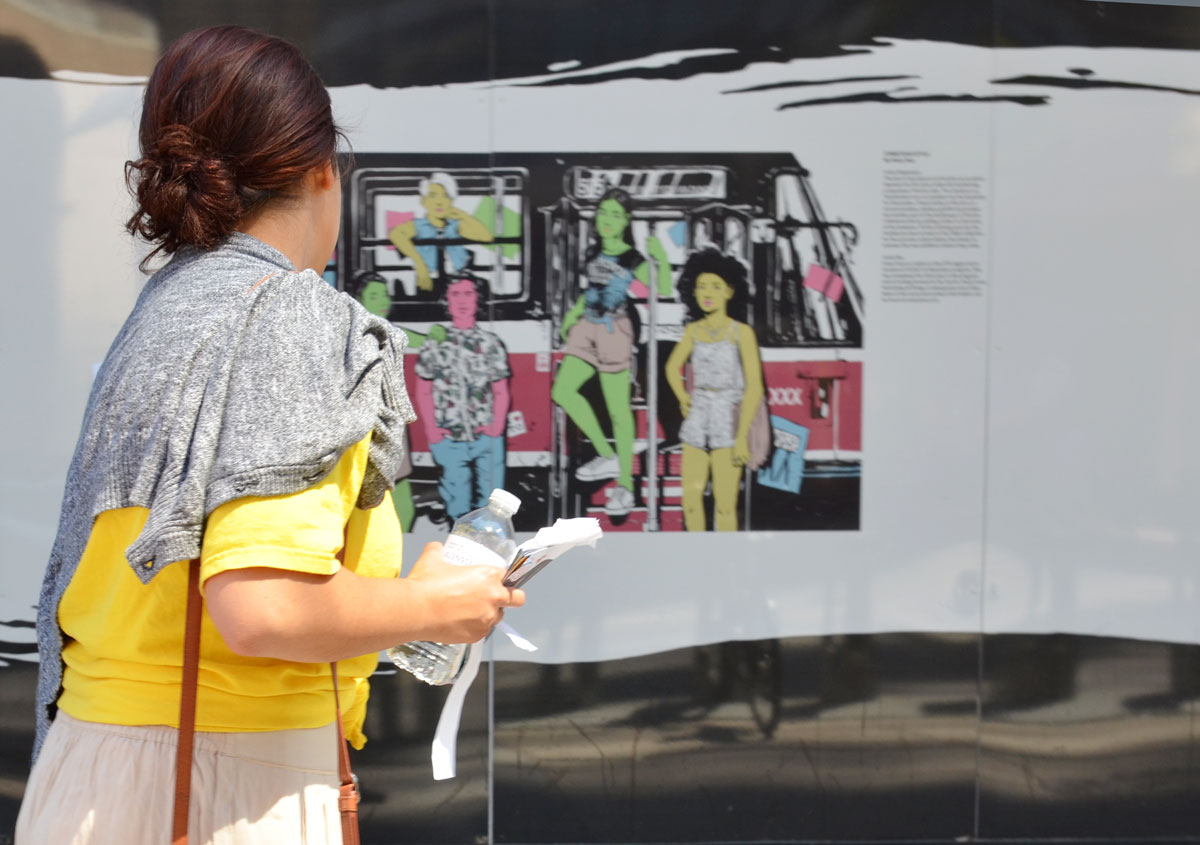
below: ‘Blocked!’ by Ghazaleh Baniahmad
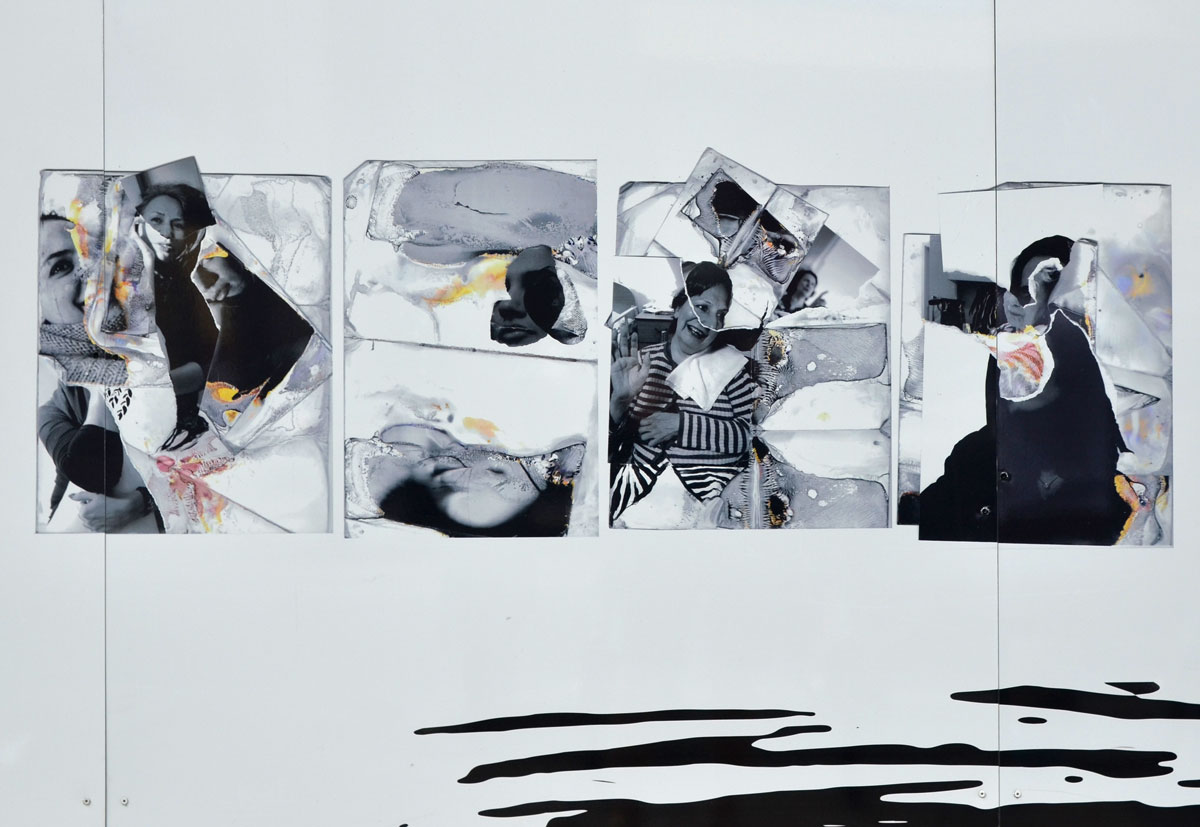
below: ‘Ascend’ by Niya Vaillancourt

below: ‘The New Patronage’ by Cat Bluemke
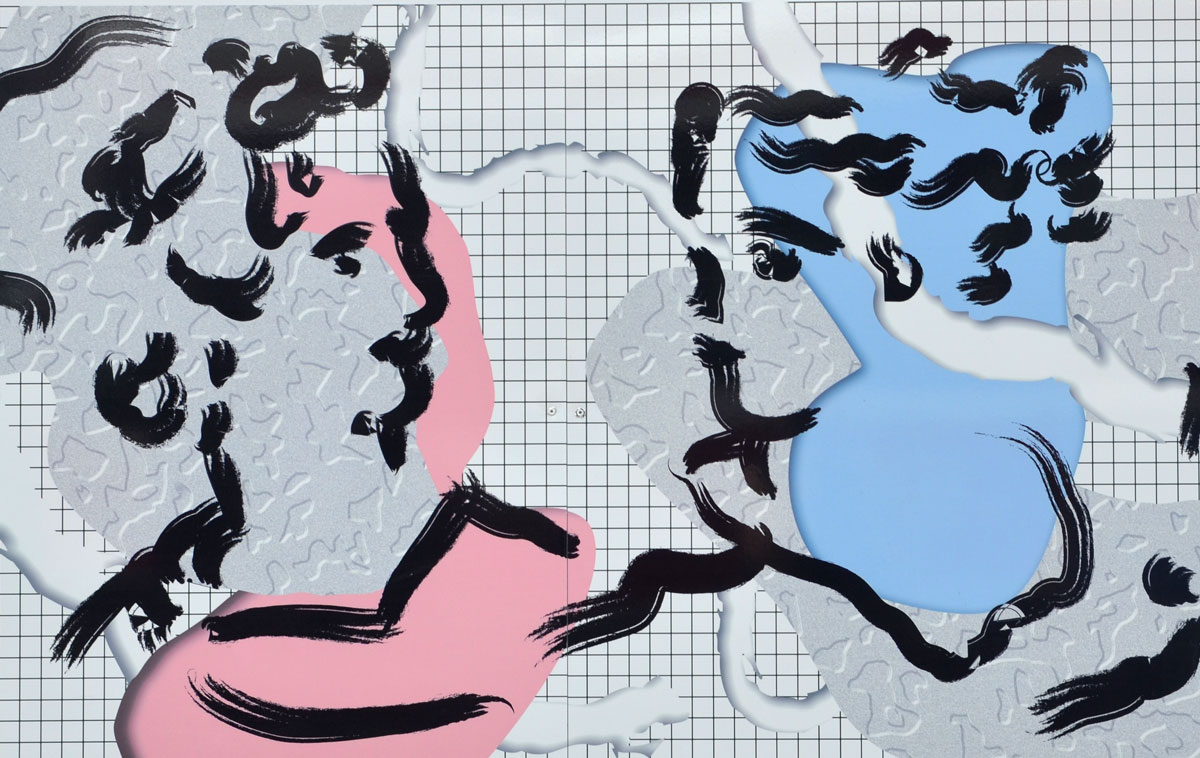
below: Sign making below ‘ Cloth and Jewels’ by Samet Choudhury

Let’s talk about this couple
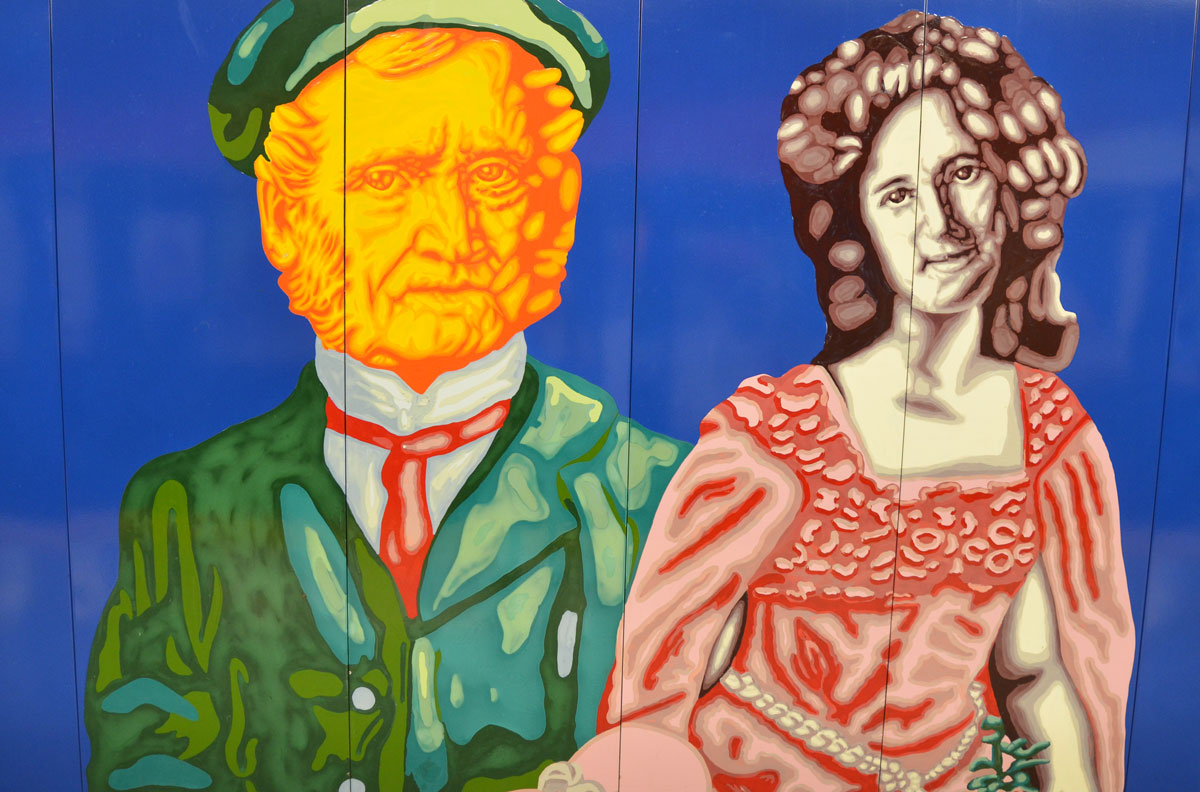
If you ride the Toronto subway you’ll probably recognize them from the walls of Queen station.

A couple of weeks ago I was standing beside them when I overheard a woman telling the man she was with that the people in the mural were Lord and Lady Simcoe.
I was fairly certain that she was wrong so I checked. This is a picture of John Graves Simcoe.

There could be some resemblance and John Graves Simcoe did play an important part in Toronto’s history. He was the first Lieutenant Governor of Upper Canada (1761-1790). He established York (now Toronto) as the capital of Upper Canada in 1793 and he gave us Yonge Street. But note the military clothing in the above portrait; he was a British army officer after all and I doubt he’d be depicted in a mural wearing a green jacket and matching cap.
There aren’t many pictures his wife Elizabeth, or Lady Simcoe, but suffice it to say that they don’t look like the woman in the mural.
A few minutes online provided the following information: The title of the mural is “Our Nell” and the people are supposed to be William Lyon McKenzie and Nellie McClung. Three buildings are shown, the old Simpsons building (now the Bay), City Hall, and the Eaton Centre. The artist is John B. Boyle.
This is a photo of William Lyon McKenzie; I guess there’s a resemblance.
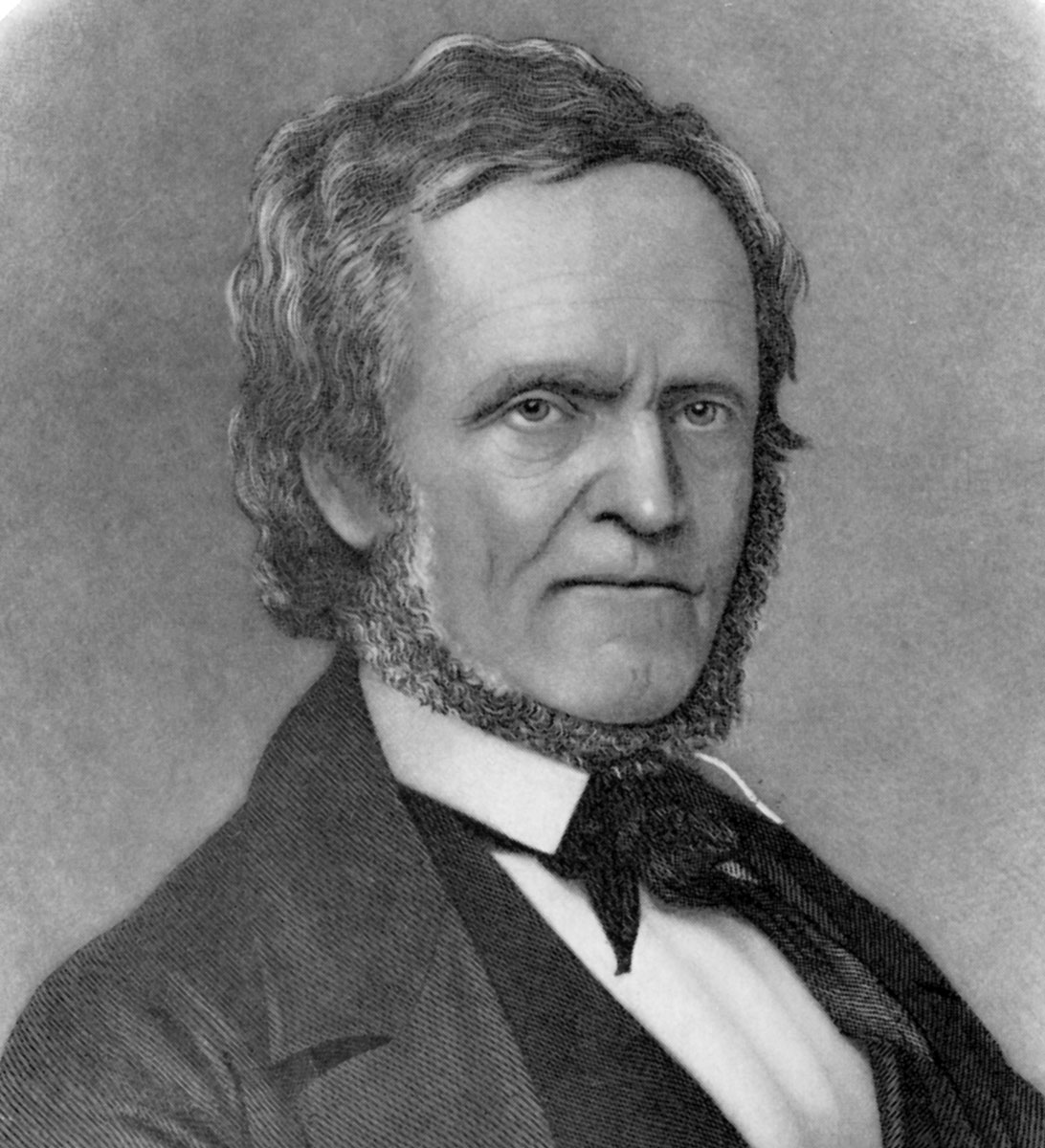
McKenzie was born in Scotland in 1795. He emigrated to Upper Canada as a young man. Although he held a number of jobs, he seemed to like writing for newspapers best. After working for newspapers in Montreal and York, he established his own newspaper, the ‘Colonial Advocate’ in 1824. Although that paper went bankrupt and he fled to New York for a short time to evade his creditors, he used newspapers as a vehicle to promote his political ideas for most of his life. To a large degree the story of Upper Canada politics of the early 1800’s is a story of the Tory governing elite vs the Reformer upstarts. McKenzie was solidly on the side of the Reformers.
Toronto was incorporated as a city on 6 March 1834 and the first municipal elections were held later that month. McKenzie was elected as an alderman. At that time, the mayor was elected by the aldermen from their own ranks and in 1834 McKenzie was appointed mayor. He lost the next election in 1835.
McKenzie was also a leader in the Upper Canada Rebellion of 1837. It was not much of a rebellion, more like a skirmish near Montgomerys Tavern (near Yonge & Eglinton) that the Reformers lost badly. The rebellion leaders were allowed to flee to New York state. Once in Buffalo, McKenzie declared himself the head of a provisional government of the Republic of Canada. He even convinced some Americans to help him invade Upper Canada from Navy Island in the Niagara River. Bombardment of Navy Island late in December 1837 by the Royal Navy destroyed the S.S. Caroline, an American ship that was helping to supply McKenzie’s followers on Navy Island. And that was the end of McKenzie’s rebellion.
Okay then, that’s the man in the mural. What about the woman? I went looking for picture of Nellie McClung as well as information about her. I recognized her name but I couldn’t remember what her role in Canadian history was. First, this is her picture:
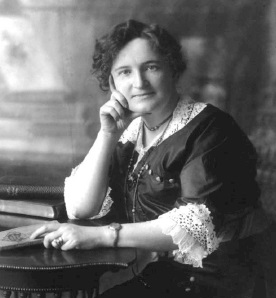
I didn’t see any pictures of her with long hair or as a younger woman. Nellie McClung was born as Nellie Mooney in Ontario in 1873 but moved to Manitoba as a child. One of the causes that she worked on was woman’s suffrage and she helped Manitoba in 1916 to become the first province to allow women the right to vote and to run for public office. By 1922 women could vote federally and in all provinces except Quebec. Quebec women could vote federally but had to wait until 1940 before they could vote in a provincial election.
McClung was also one of the five women who campaigned to have women recognized as “persons” by the Supreme Court so that they could qualify to sit in the Senate. In 1930 Cairine Mckay Wilson was appointed Canada’s first female senator, just four months after the “Persons Case” was decided.
Now when you pass through Queen subway station you can think a little about the history that it represents, and not so much about how ugly it is. Because it is ugly. Especially this section of the mural:

Is that a woman in the foreground? Or a slug with appendages?
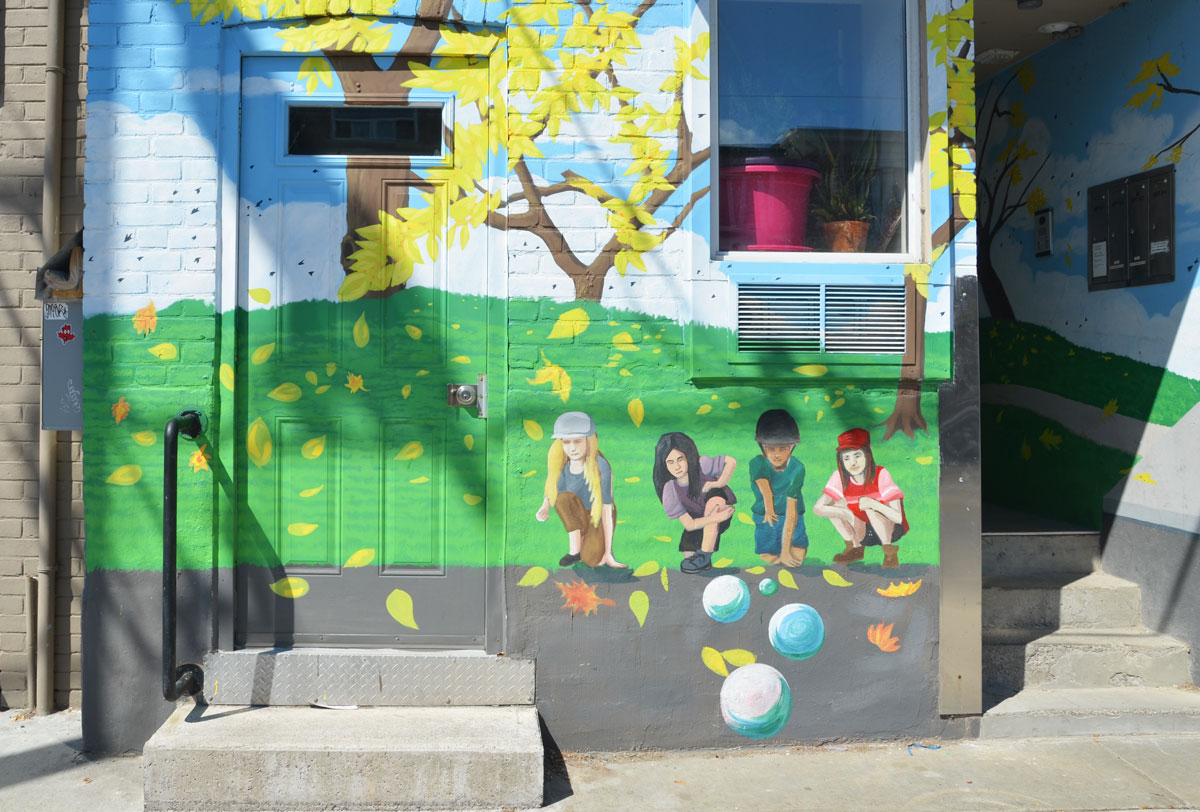
On the southwest corner of Danforth and Greenwood is a mural that extends over the lower storey of a number of brick buildings. Back in the late 1800’s and early 1900’s Greenwood Ave. was home to quite a few brick works such as the John Price Brickyard, the Taylor Brickyard, and the Joseph Russell Brickyard. You’ll notice that these are the same as the names on the signs above the mural. Just south of this building is Greenwood Park, also once a brickyard.

Close up pictures of some of the details in the mural:


 as I walk Toronto