Archive for August, 2015

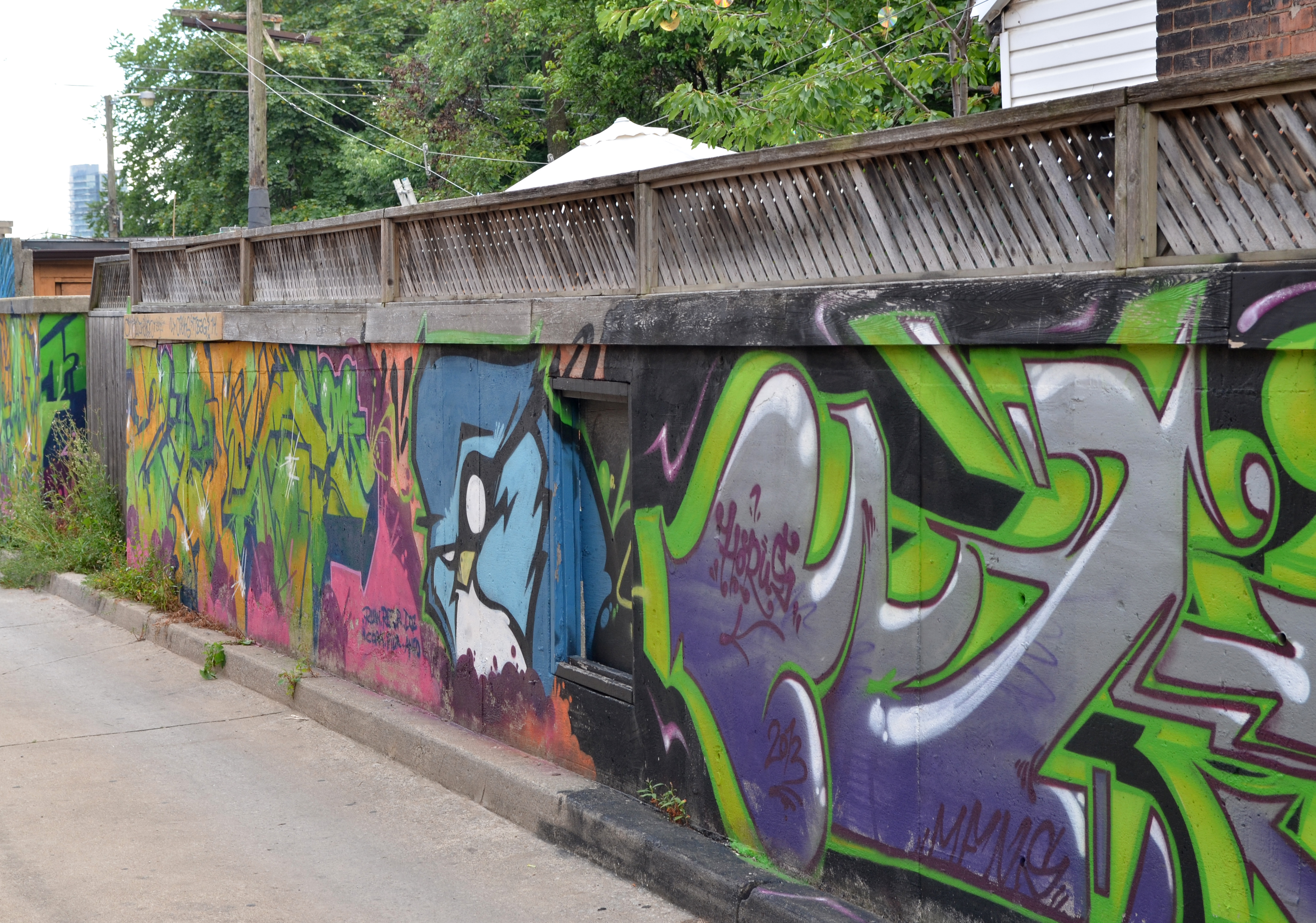
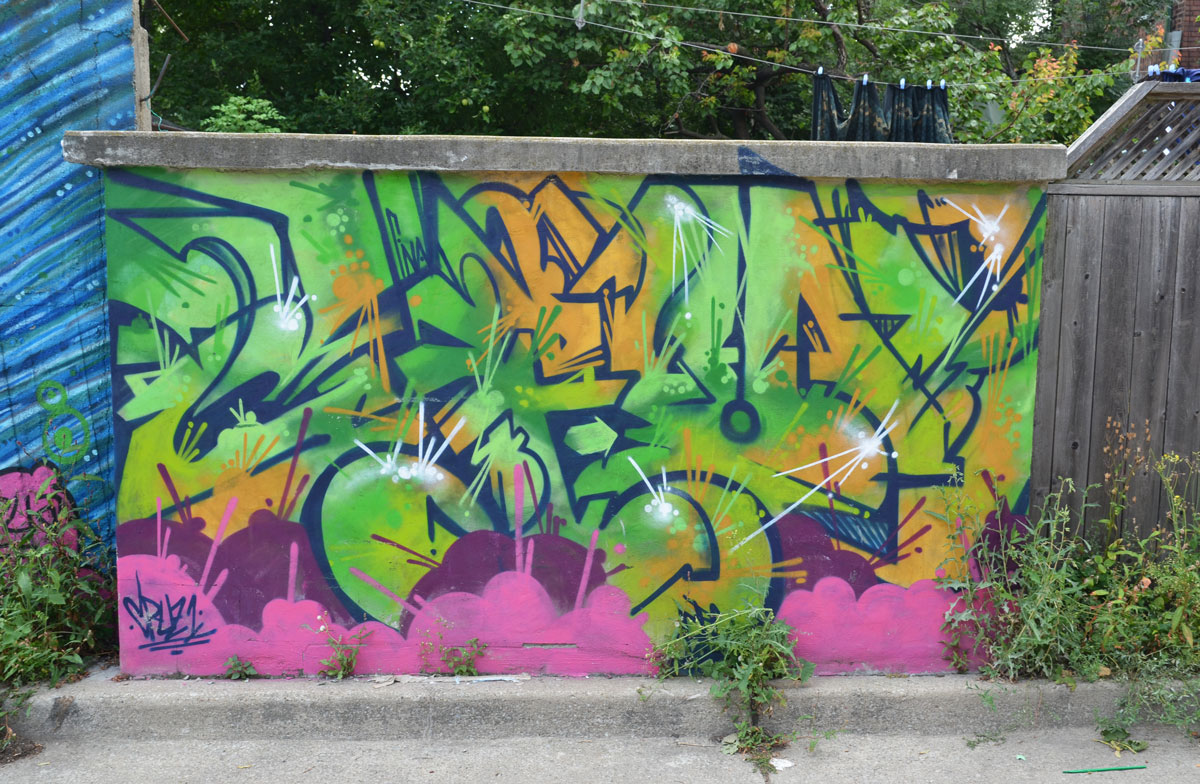
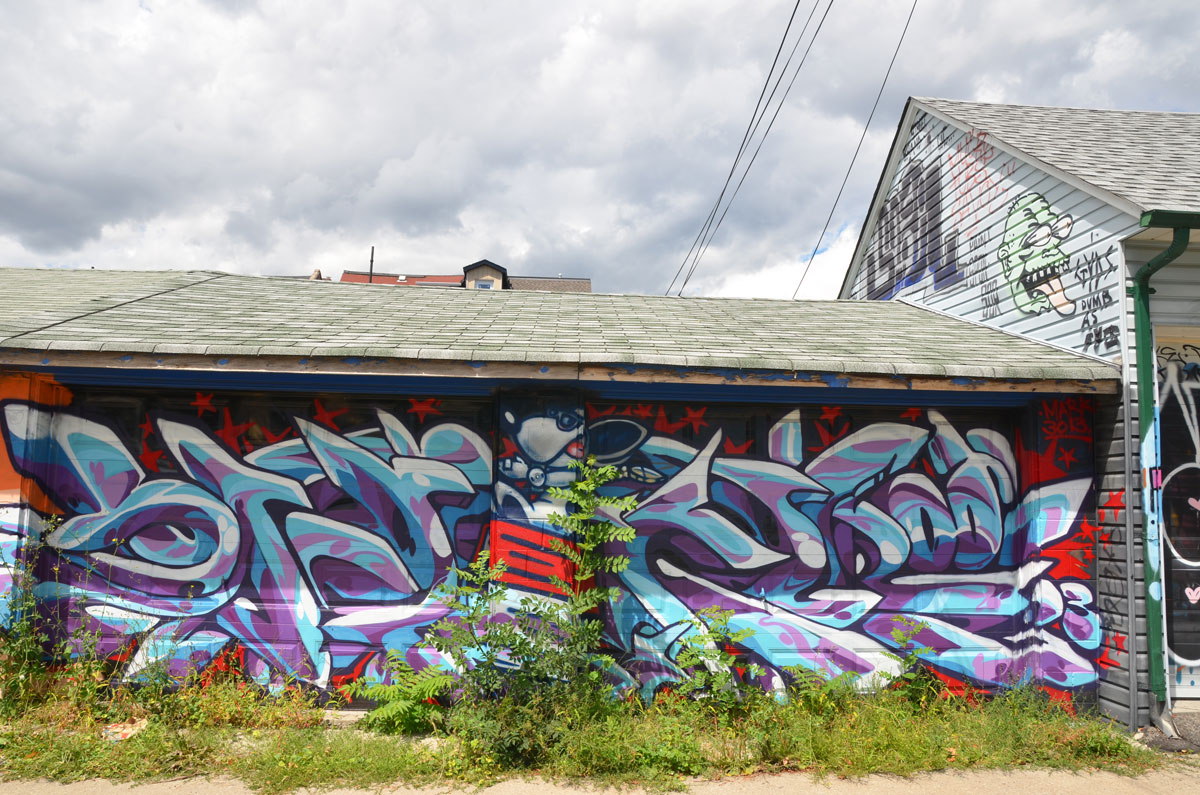
I was sorting through older photos recently when I discovered some of street art and graffiti that I saw in an alley near Trinity Bellwoods Park.  The photos were taken in February so there is lots of snow in them.  I thought that it would be silly to write a blog post in August using cold and snowy photos so I went back the other day to retake the pictures.

A painting by street artist birdo of a red and blue striped horse like creature with its neck bent downwards so that it looks like it is eating the weeds that are growing between the cracks in the lane.  It is on a garage door, tops of houses can be seen in the background, above the garage

The alley is at the north end of Trinity Bellwoods Park, running behind Dundas West between Montrose and Grace.  The east end of the alley turns north to exit at Dundas West.

a fence that runs down the right side of an alley has been covered with street art

below: This guy, and his chess issues, is at the corner where the alley meets Dundas West.

a low concrete fence is painted with graffiti street art, a green snarling green raccoon creature is acting out against a chess piece, a castle or rook

two street art pictures that look a bit like angry birds

cruz1 street art that looks like leaves or green abstract letters on a fence
3 big round headed aliens by street artist mska, one is green, one is pink and yellow and one is yellow and orange, on a fence in an alley

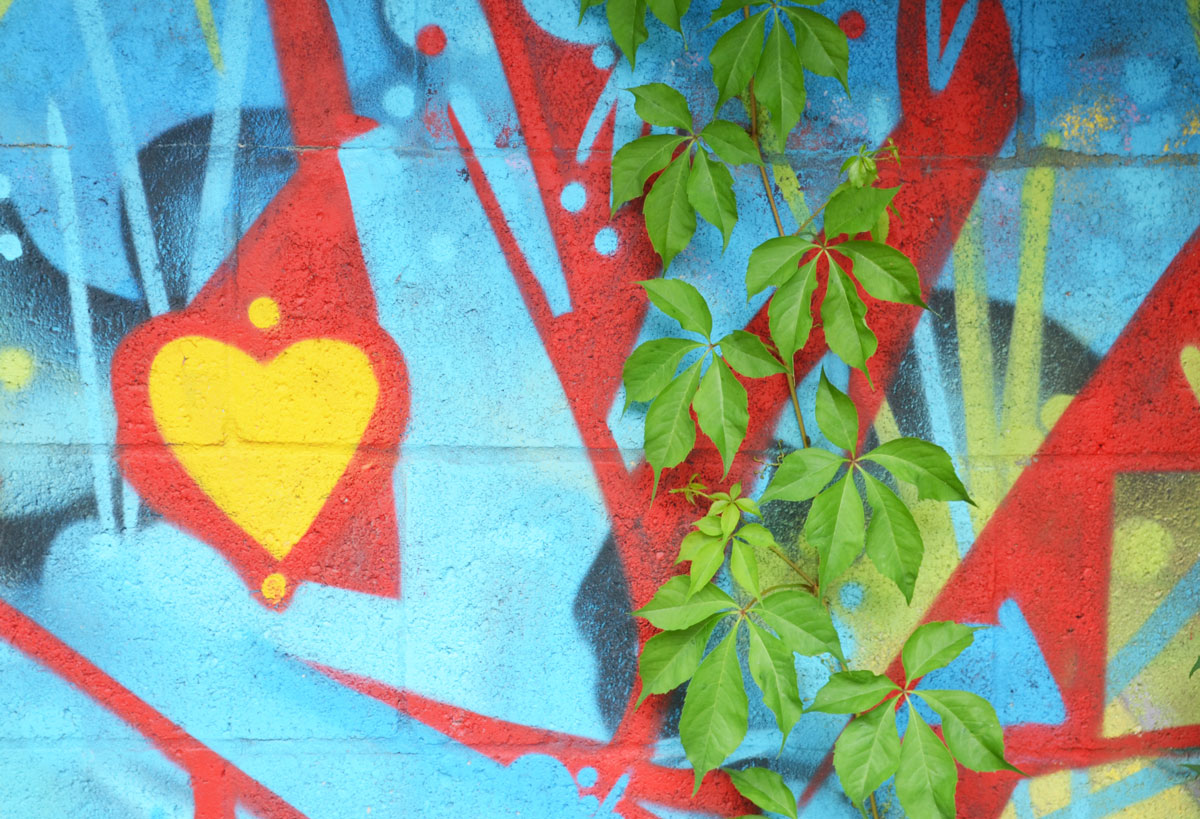
close up picture of a green leafed vine growing up a street art painting in blue and red with a yellow heart
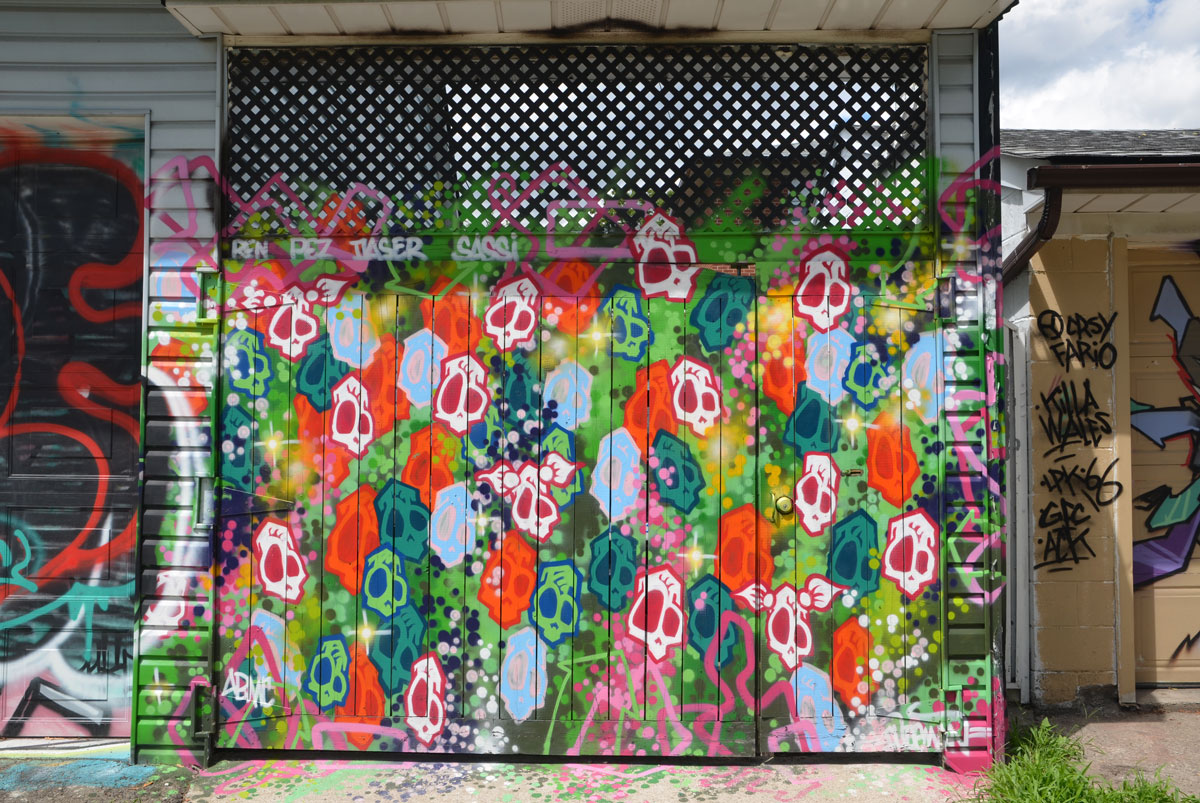
A garage door in an alley that has been painted with many brightly coloured skulls

A garage door in an alley covered with a street art painting of letters and hand grenades - spud bombs

street art on a garage door in a laneway, dog riding on top of a doghouse, sort of like Snoopy did

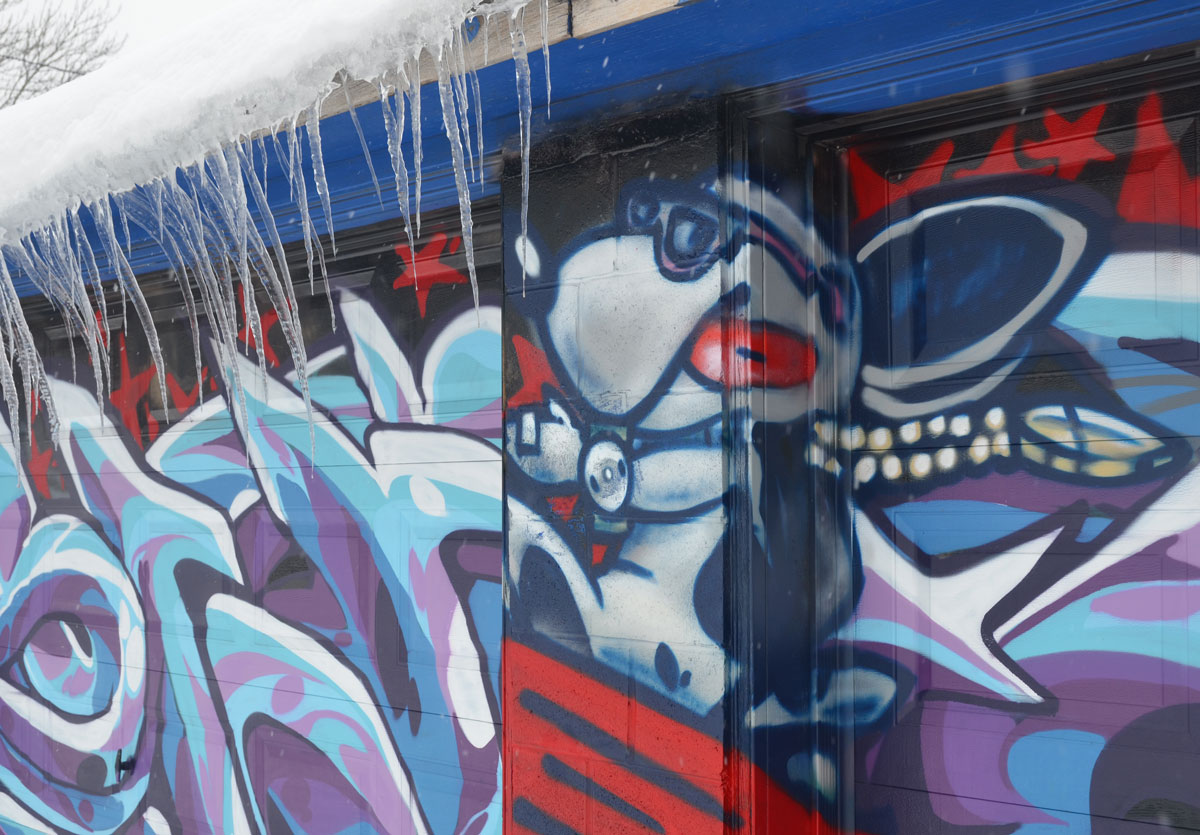
below: close up of the dog from the painting above, taken in February

street art of a dog wearing sunglasses and pretending to be a pilot, taken in the winter as there are icicles hanging from the roof

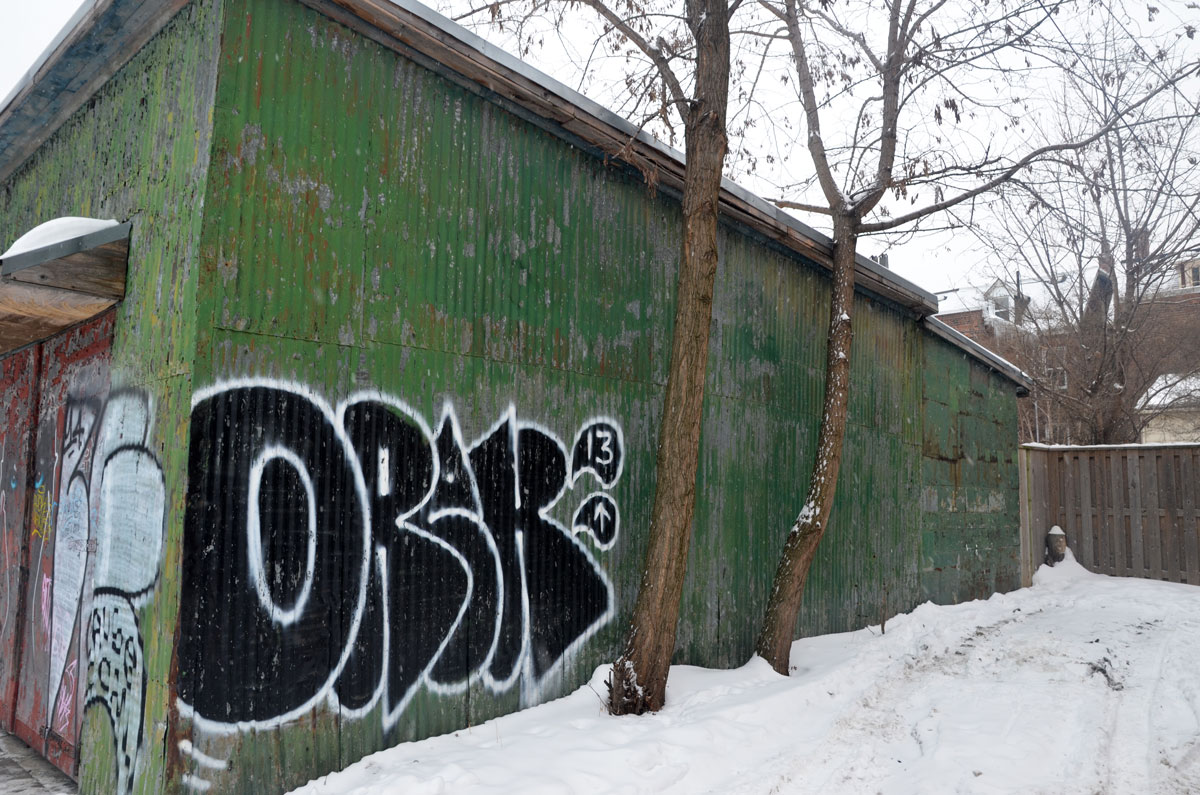
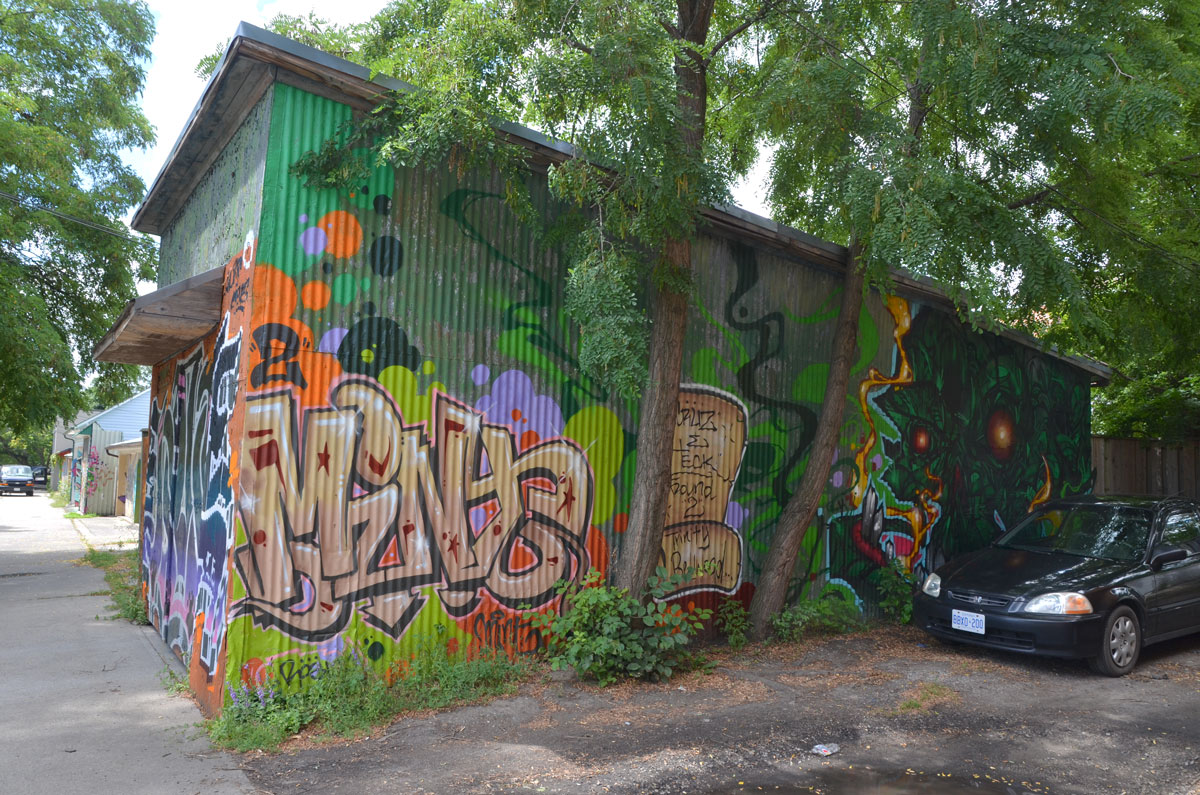
below:  There was one garage that had been painted between February when I first saw it and early August when I went back.  The two photos below show the garage ‘before’ and ‘after’.

The side of a garage in an alley in winter, snow on the ground, two small trees.   The side of the garage is painted green and it has a black and white orak tag on it.

The side of a garage door in summer, two trees and a parked car.  The side of the garage is covered with street art

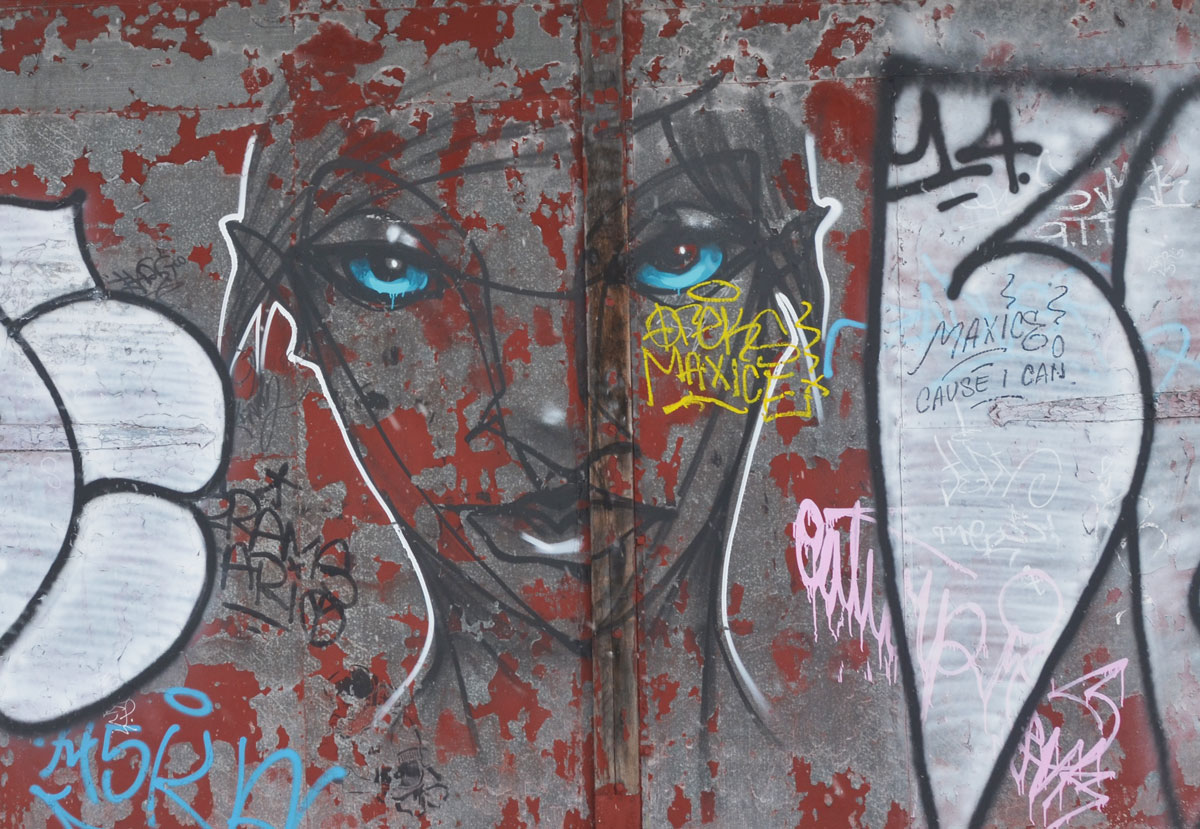
below:  This Anser face was on the doors of the above garage back in February.
It has since been painted over.

A face painted on a garage door.  bright blue eys, otherwise drawn with just black lines.   by the artist anser

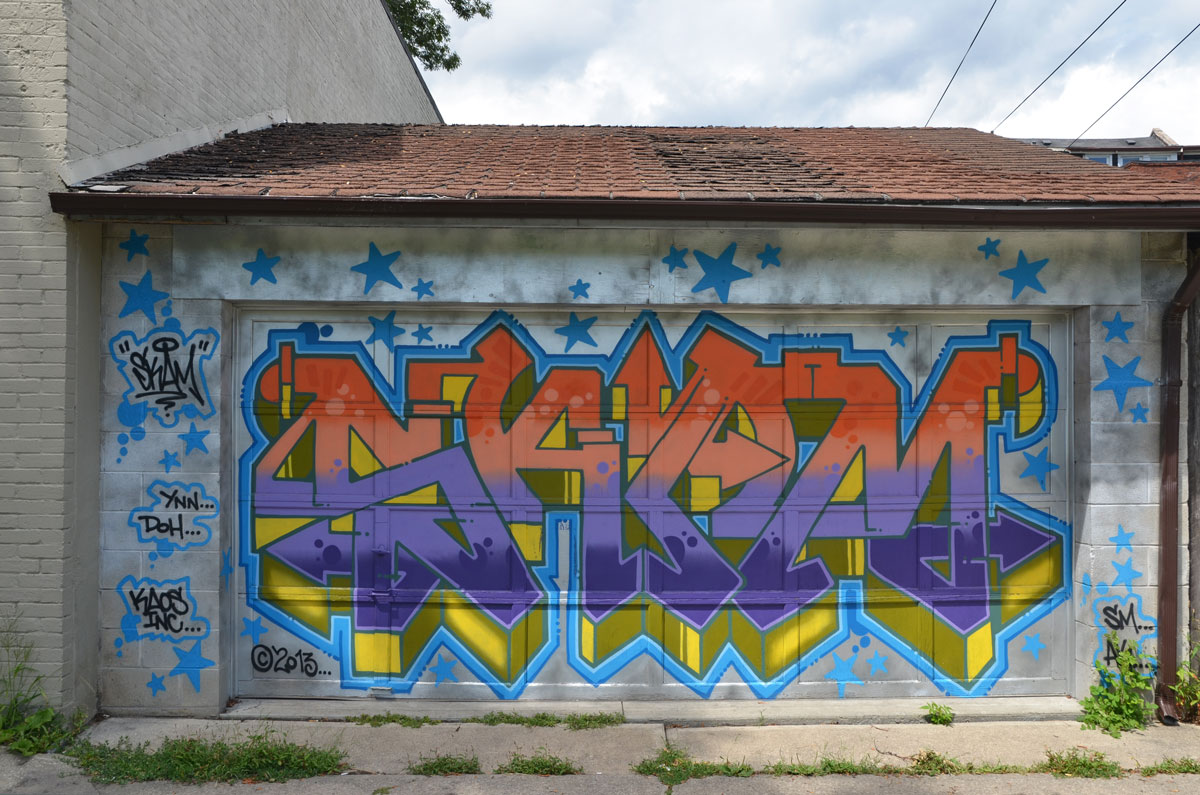
 below:  Blaze Works has painted this where the Anser face was. Always remember.

blaze works tag like graffiti street art on a garage door in an alley

other garage doors

tag like street art on a garage door in an alley

tag like street art on a garage door in an alley Diana Gordito

tag like street art on a garage door in an alley crsy fario, killa wales, lpk 66,

tag like street art on a garage door in an alley  ynn doh

 Planet IndigenUS is a ten day festival co-produced by the Harbourfront Centre in Toronto and the Woodland Cultural Centre in Brantford. It features 300 artists with dance and music performances as well as visual art exhibits at a number of venues.  One of the venues is the gallery at Harbourfront Centre where a number of artists of Anishnabe heritage are showing their work.  Two of the artists are Christian Chapman and Scott Benesiinaabandan, and a sample of their work is presented here.


 Screenprints by Christian Chapman

print of an evergreen forest, a text in Ashishnabe language on top of the trees, hanging on a gallery wall gaawiin wiikaa ji gwerina-ka-nawich
miskwadessi opixwanak misa oi kitimagia
miskwadessi wag dash awessiwag
ji manaadji-a-ka-ni-watch

 never turn a turtle on its back so that it is helpless
turtles and all other animals are to be accorded respect


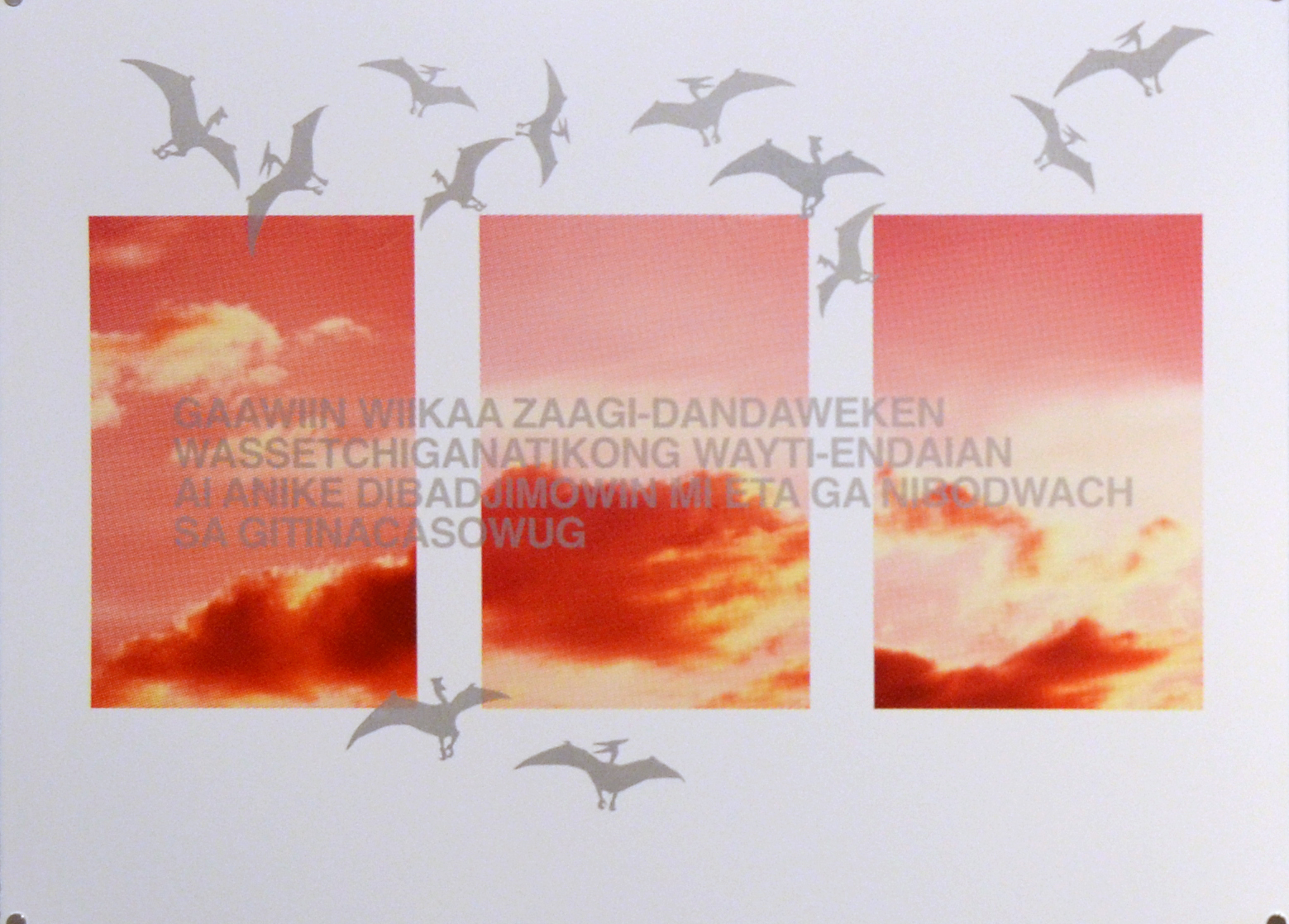
print of asky with clouds in red and orange tones, a text in Ashishnabe language on top of the trees, hanging on a gallery wall gaawiin wiikaa zaagi-dandaweken
wassetchiganatikong wayti-endaian
ai anike dibadjimowin eta ga nibodwach
sa gitinacasowug

never climb out a window in your house,
traditionally, only dead people are brought out like that

***

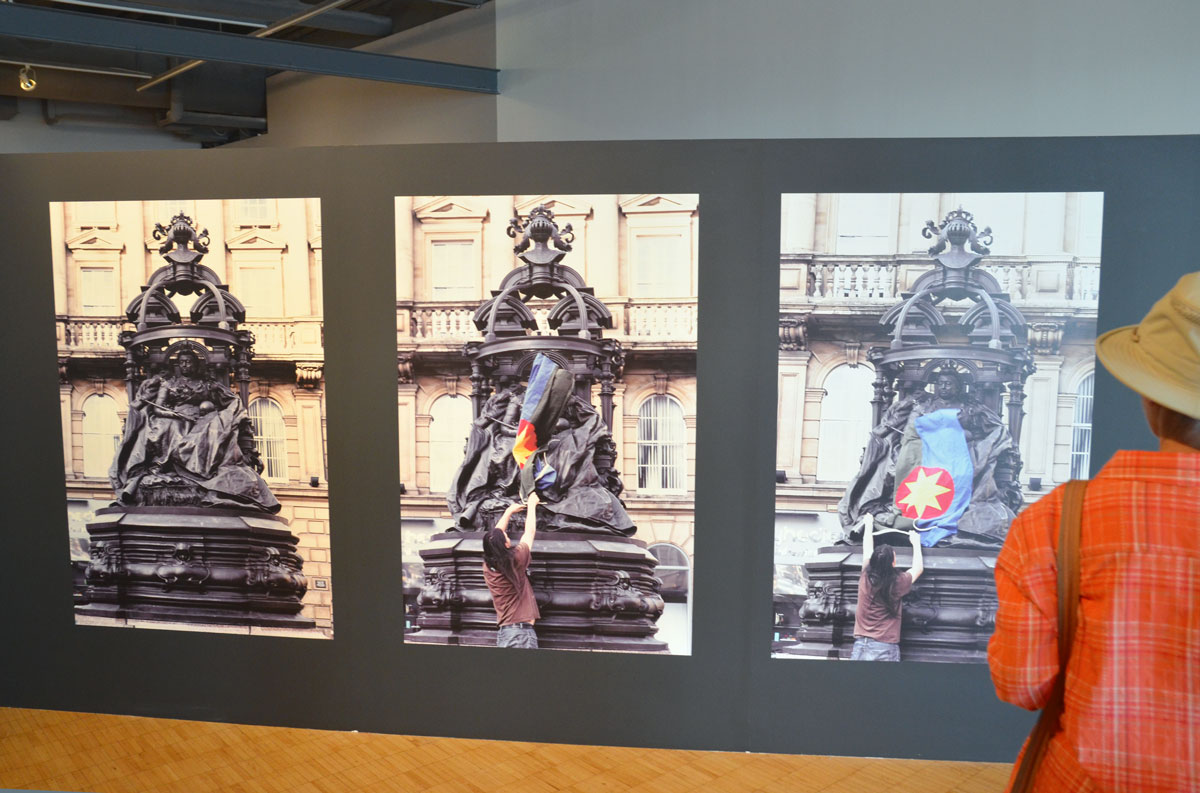
below: ‘God Save the Queen’ by Scott Benesiinaabandan
a series of photos in which the queen is partially covered by the artist’s Solidarity Flag

In an art gallery, a series of three large photographs of a statue of Queen Victoria.  THe first picture is just the statue, the middle picture is a man starting to put a  flag over the bottom part of the statue and the third picture is the flag on the statue.  Flag is solidarity flag created by Scott Benesiinaabandan, black and blue background, red circle in the middle, yellow sun in the red circle


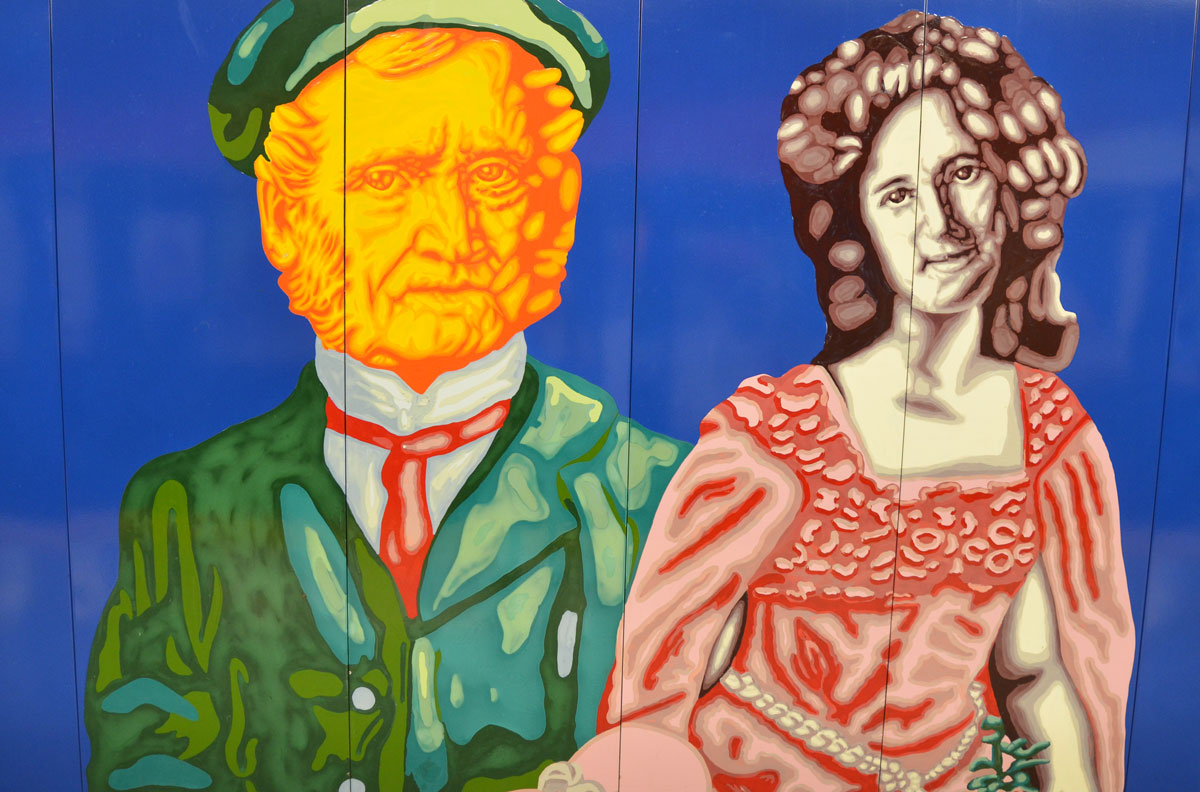
Let’s talk about this couple

mural on a subway wall, close up of a man and a woman. The man has an orange coloured face and is wearing a green jacket and cap. The woman has long black hair and a long pink dress

If you ride the Toronto subway you’ll probably recognize them from the walls of Queen station.

looking across the TTC Queen subway platform and tracks to the opposite wall where there is a mural, enamel on steel, of a couple as well as some buildings. An ad for shoes is blocking part of the mural

A couple of weeks ago I was standing beside them when I overheard a woman telling the man she was with that the people in the mural were Lord and Lady Simcoe.

I was fairly certain that she was wrong so I checked.   This is a picture of John Graves Simcoe.

A portrait of John Graves Simcoe

There could be some resemblance and John Graves Simcoe did play an important part in Toronto’s history.  He was the first Lieutenant Governor of Upper Canada (1761-1790).  He established York (now Toronto) as the capital of Upper Canada in 1793 and he gave us Yonge Street.  But note the military clothing in the above portrait; he was a British army officer after all and I doubt he’d be depicted in a mural wearing a green jacket and matching cap.

There aren’t many pictures his wife Elizabeth, or Lady Simcoe, but suffice it to say that they don’t look like the woman in the mural.

A few minutes online provided the following information:   The title of the mural is “Our Nell” and the people are supposed to be William Lyon McKenzie and Nellie McClung.  Three buildings are shown, the old Simpsons building (now the Bay), City Hall, and the Eaton Centre.  The artist is John B. Boyle.

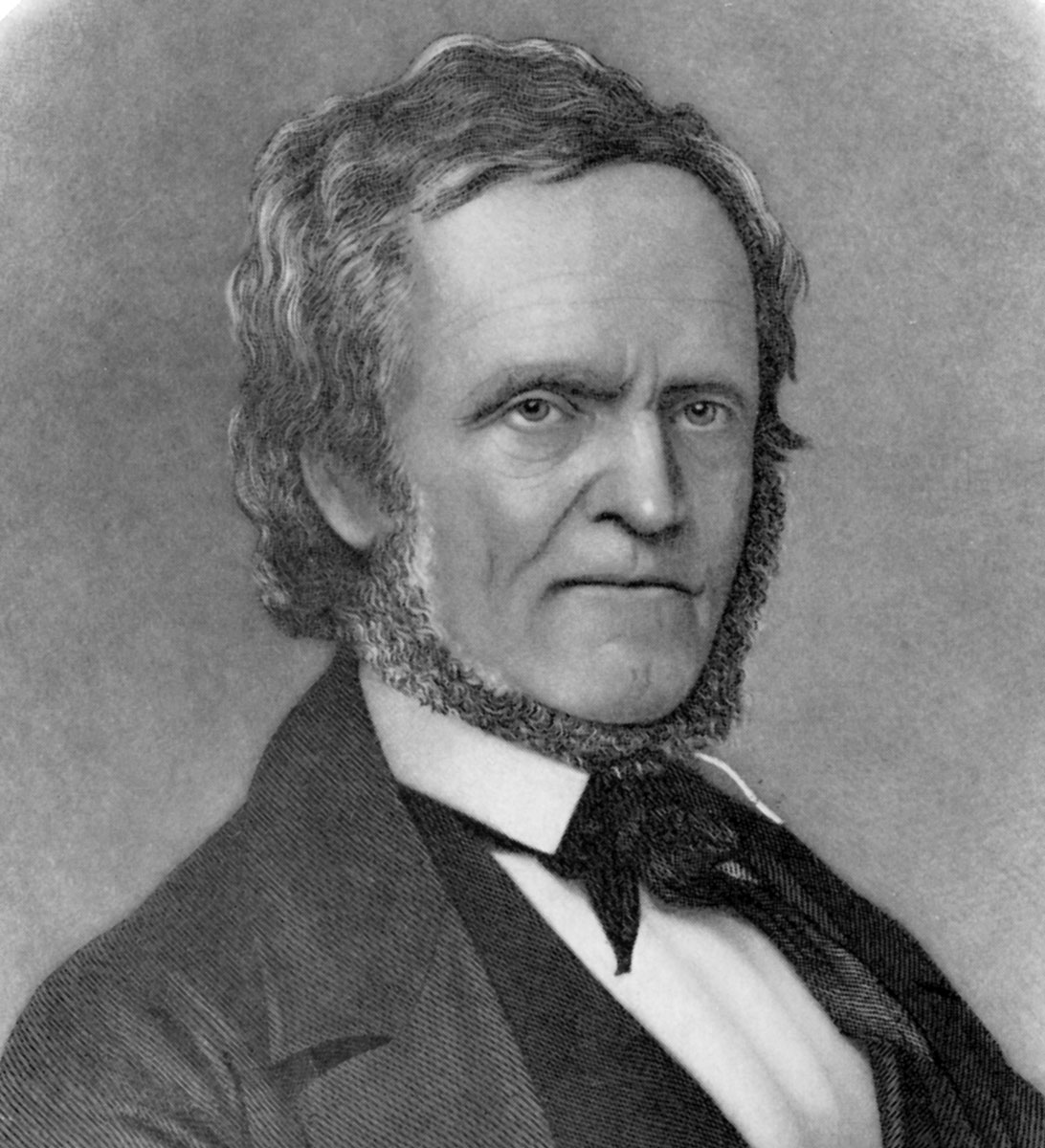
This is a photo of William Lyon McKenzie; I guess there’s a resemblance.
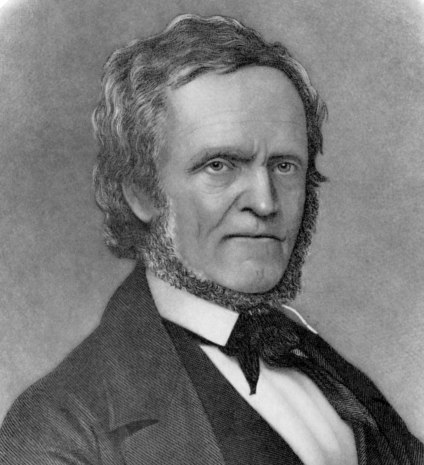
A black and white picture of William Lyon McKenzie

McKenzie was born in Scotland in 1795.  He emigrated to Upper Canada as a young man.  Although he held a number of jobs, he seemed to like writing for newspapers best.  After working for newspapers in Montreal and York, he established his own newspaper, the ‘Colonial Advocate’ in 1824. Although that paper went bankrupt and he fled to New York for a short time to evade his creditors, he used newspapers as a vehicle to promote his political ideas for most of his life.  To a large degree the story of Upper Canada politics of the early 1800’s is a story of the Tory governing elite vs the Reformer upstarts.   McKenzie was solidly on the side of the Reformers.

Toronto was incorporated as a city on 6 March 1834 and the first municipal elections were held later that month.  McKenzie was elected as an alderman.  At that time, the mayor was elected by the aldermen from their own ranks and in 1834 McKenzie was appointed mayor.  He lost the next election in 1835.

McKenzie was also a leader in the Upper Canada Rebellion of 1837.  It was not much of a rebellion, more like a skirmish near Montgomerys Tavern (near Yonge & Eglinton) that the Reformers lost badly.  The rebellion leaders were allowed to flee to New York state.  Once in Buffalo, McKenzie declared himself the head of a provisional government of the Republic of Canada.   He even convinced some Americans to help him invade Upper Canada from Navy Island in the Niagara River.  Bombardment of Navy Island late in December 1837 by the Royal Navy destroyed the S.S. Caroline, an American ship that was helping to supply McKenzie’s followers on Navy Island.  And that was the end of McKenzie’s rebellion.

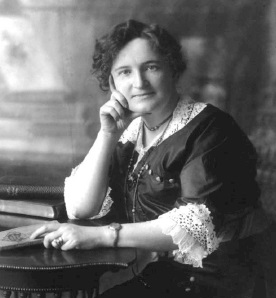
Okay then, that’s the man in the mural.  What about the woman?  I went looking for picture of Nellie McClung as well as information about her.  I recognized her name but I couldn’t remember what her role in Canadian history was.   First, this is her picture:

 black and white picture of a woman, Nellie McClung, sitting at a desk

I didn’t see any pictures of her with long hair or as a younger woman.   Nellie McClung was born as Nellie Mooney in Ontario in 1873 but moved to Manitoba as a child.   One of the causes that she worked on was woman’s suffrage and she helped Manitoba in 1916 to become the first province to allow women the right to vote and to run for public office. By 1922 women could vote federally and in all provinces except Quebec.  Quebec women could vote federally but had to wait until 1940 before they could vote in a provincial election.

McClung was also one of the five women who campaigned to have women recognized as “persons” by the Supreme Court so that they could qualify to sit in the Senate.  In 1930 Cairine Mckay Wilson was appointed Canada’s first female senator, just four months after the “Persons Case” was decided.

Now when you pass through Queen subway station you can think a little about the history that it represents, and not so much about how ugly it is.  Because it is ugly.  Especially this section of the mural:

part of a mural at Queen subwaystation in Toronto, a misshapen Eaton Centre with a grotesque looking woman bending over in her garden in the foreground.

Is that a woman in the foreground?  Or a slug with appendages?

The art of CubeWorks
now showing at Art/Exp gallery in the Distillery District

 CubeWorks is a group of artists that use unconventional materials to create images.  They are known for the art that they create using Rubik’s cubes but they also use crayons, lego blocks, records, dice, guitar picks, spools of thread, and other mixed media. The pictures below are just a sample.

below: A copy of ‘The Creation of Adam’ that Michaelangelo painted on the Vatican’s Sistine Chapel ceiling in the early 1500’s.  This image is made with 12,090 hand twisted Rubik’s cubes.

A copy of Michaelangelo's painting on the Sistine Chapel ceiling, The Creation of Adam where God is giving life to man with the meeting of finger tips.

below: On a smaller scale, Space Invaders made with 20 cubes.

Little green space invaders from the old video game made of Rubiks cubes, green space invaders on blue background.

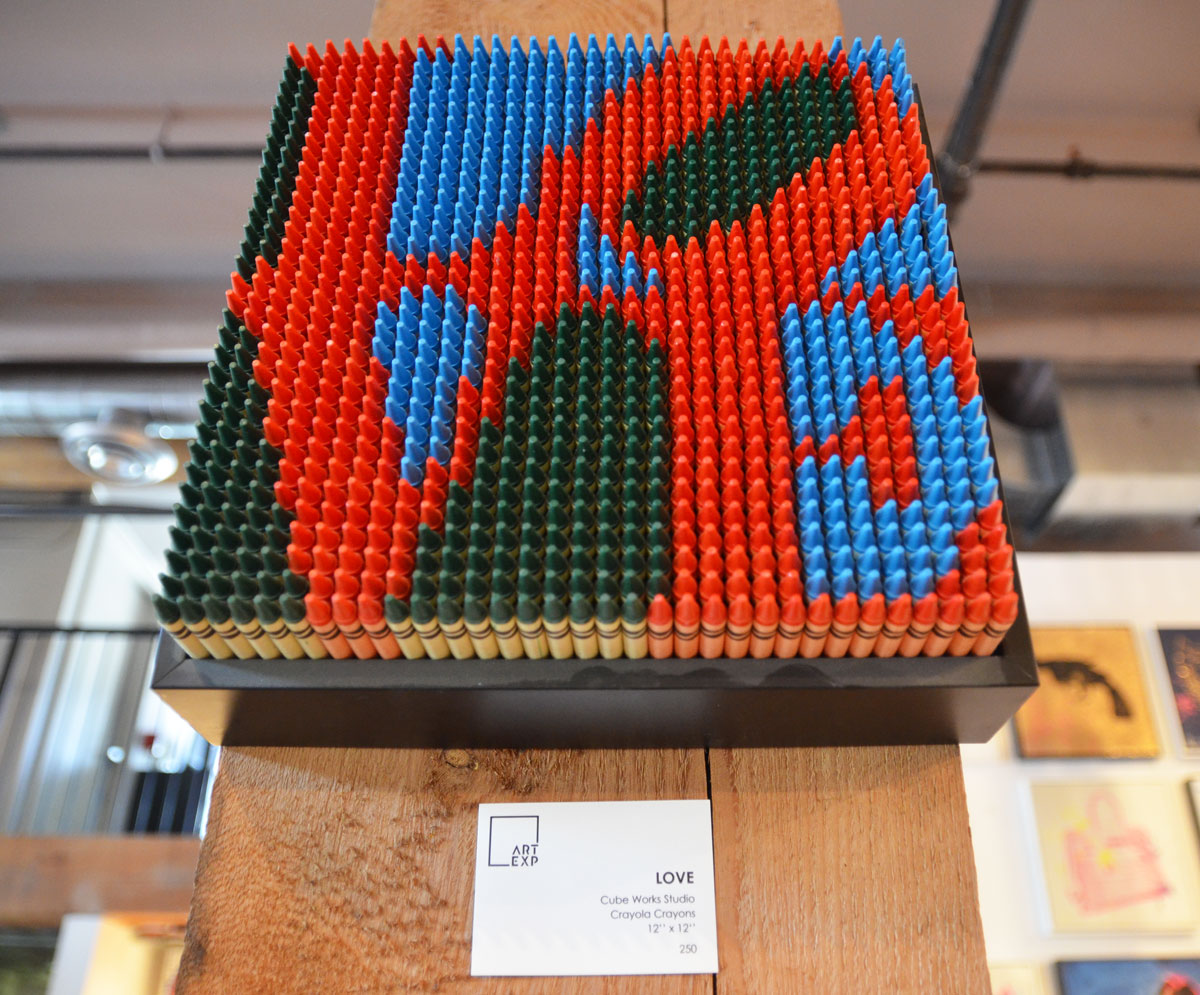
below: Artworks made of crayons, LOVE and a smoking gun.
Each square is 12″ x 12″ and contains just over 1000 crayons.

An image of the famous LOVE red letters in a black and blue square, this one is made of red, black and blue crayons on end.

An image of a smoking revolver that is pointed at the viewer.  It is made from 9 squares and each square is filled with crayons on their ends.  The background is red crayons, the smoke is yellow crayons.

An image of a smoking revolver that is pointed at the viewer.  It is made from 9 squares and each square is filled with crayons on their ends.  The background is red crayons, the smoke is yellow crayons.  A close up of some of the squares to show the crayons more clearly.

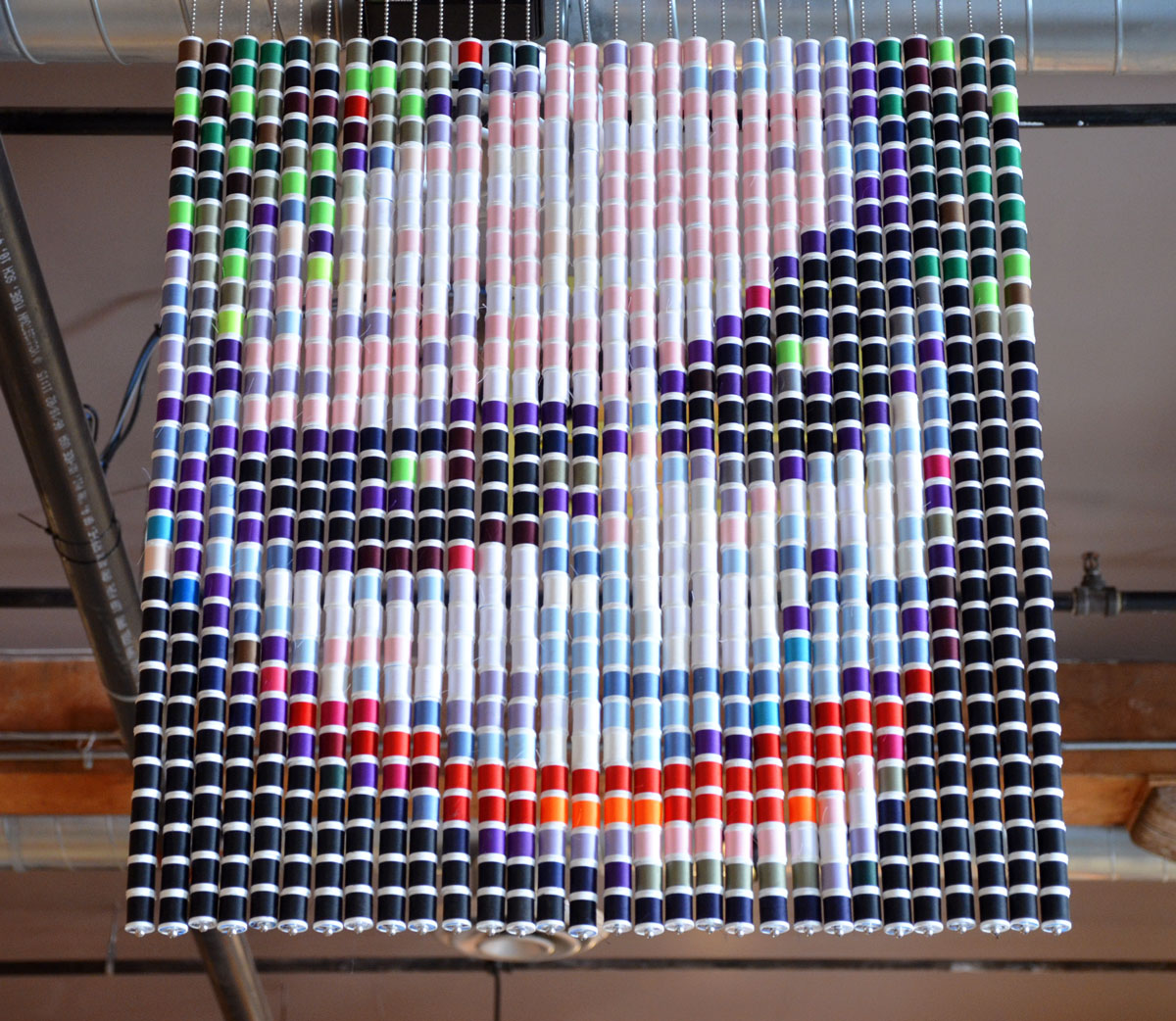
below:  The Joker’s face, made with spools of thread, hangs from the ceiling.

An image of the Joker's face made with spools of thread hangs from the ceiling.

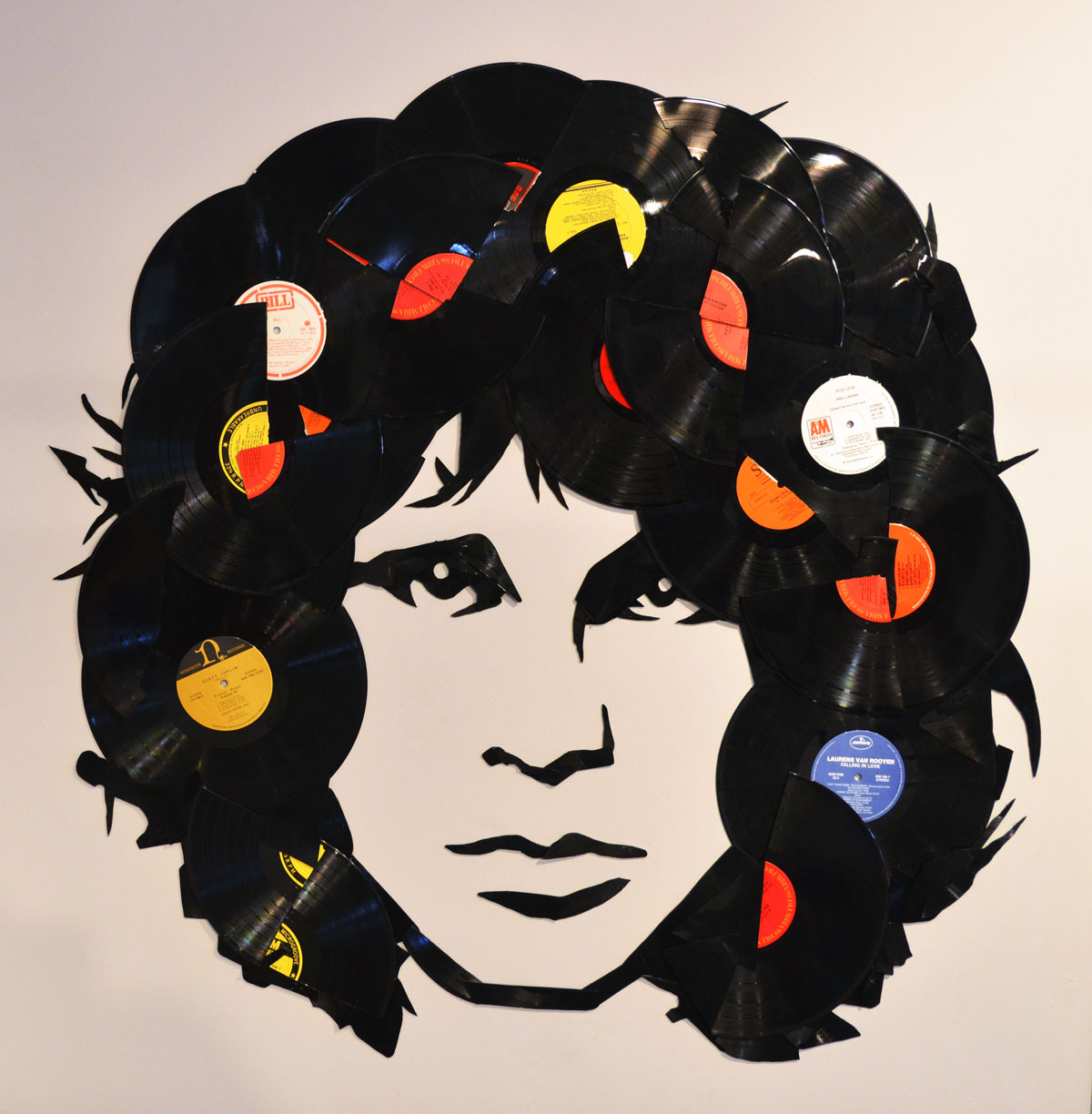
below: Images made with old broken record albums, Amy Winehouse and Jim Morrison

image of Amy Winehouse made from broken records on a background that is a collage of newpaper pieces.

image of Jim Morrison, the guitar player from Doors, his head with facial features painted in black but his hair is made with broken records.

Gallery sign on the exterior of a brick building, square sign with purplish background.  Art Exp is the name of the gallery

More information on CubeWorks


First, the four men……

Painted on a wall at the NE corner of  Dundas West and Beatrice is this Movember mural by Elicser.
It has been there since 2013.


Movember mural on the side of a two storey brick house.  On the left is a man, standing, shirtless with just the top of his jeans showing.  He is tattoed.  Beside him is just the upper part of another man's face, from the large moustache to the top of head with thinning hair.  To the right are two small men's heads, both with moustaches, painted on a wooden fence behind the house. .

Just to the east of that mural is a painting by birdo

large painting by street artist birdo on the side of a brown clapboard building.   The painting is of the head of a red and blue striped creature with orange horns and lime green ears and nose.

On the southwest corner of Danforth and Greenwood is a mural that extends over the lower storey of a number of brick buildings.   Back in the late 1800’s and early 1900’s Greenwood Ave. was home to quite a few brick works such as the John Price Brickyard, the Taylor Brickyard, and the Joseph Russell Brickyard.  You’ll notice that these are the same as the names on the signs above the mural.   Just south of this building is Greenwood Park, also once a brickyard.


looking across the street to a row of brick store fronts, two storeys high.  The bottom storey has been painted with a mural that has a yellow background.

Close up pictures of some of the details in the mural:

part of mural that depicts a street scene - two kids are playing on a red wagon, a woman is walking a dog and a woman with a cane is waiting at a bus shelter.

part of mural that depicts a street scene - a little girl pulls a boy in a red wagon while other kids are playing on the sidewalk

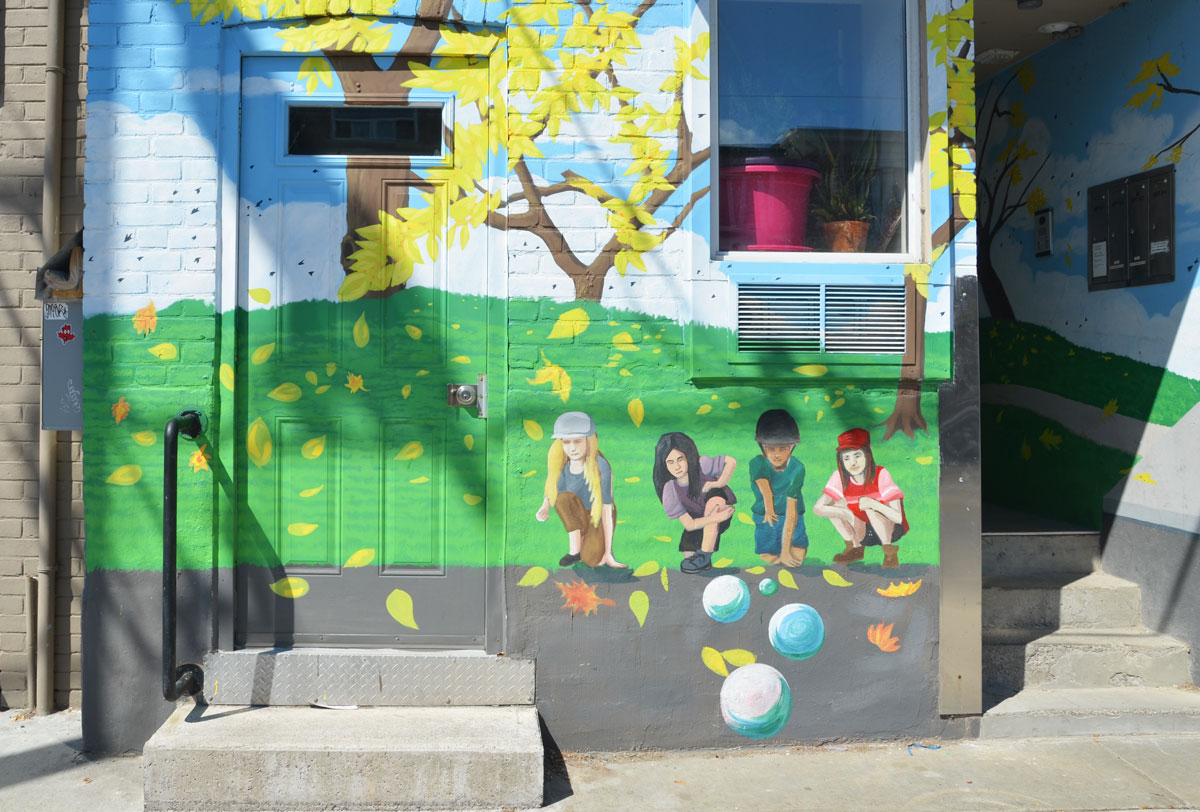
part of mural that depicts a street scene - four kids are playing marbles


Mural of the Forbidden City

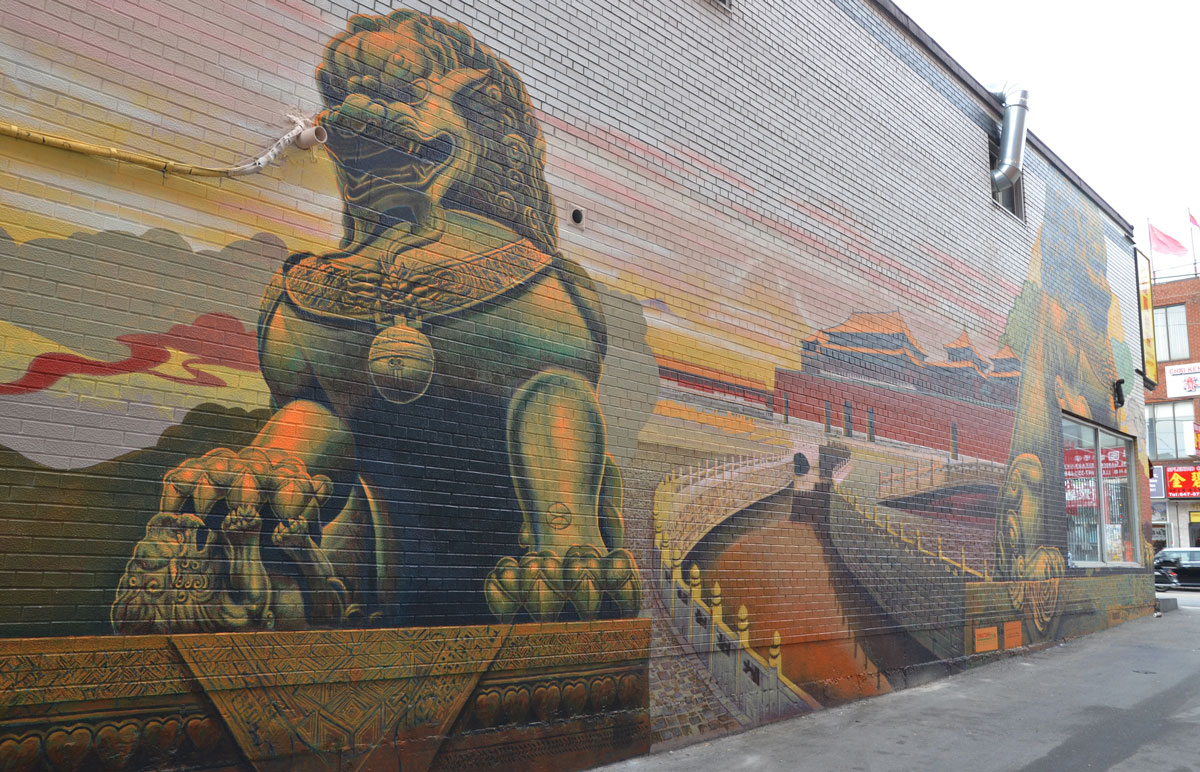
A while ago I posted pictures of a large mural of The Great Wall of China in an alley off Dundas St. West.   A new mural has been painted on the other side of this alley,  a mural depicting the Forbidden City which is now in the center of Beijing China.  The Forbidden City was an imperial palace for twenty-four emperors during the Ming and Qing dynasties (about 1420 to 1912).   One could only enter the complex with the permission of the Emperor, hence the name Forbidden.

mural of the forbidden city in Beijing, painted on a wall in Toronto, showing a statue of a lion outside a building

A pair of Chinese Guardian Lions, one at each end, stand over the Forbidden City.

mural of the forbidden city in Beijing, painted on a wall in Toronto, showing a statue of a lion outside a building

The mural was painted by Blinc Studio artists,
Allan Bender, John Nobrega, Jesse McCuaig and Elaine Teguibon

painting of one of the red buildings in the Forbidden City in Beijing China, part of a mural in an alley in Chinatown

window of a Chinese restaurant with a young man sitting at a table by the window.  On the exterior wall surrounding that window is a painting of a large Chinese lion statue that is part of a larger mural