


Photos from the annual Church Street Hallowe’en party this year:


 Spider

Photos from the annual Church Street Hallowe’en party this year:
Spider
Happy New Year!
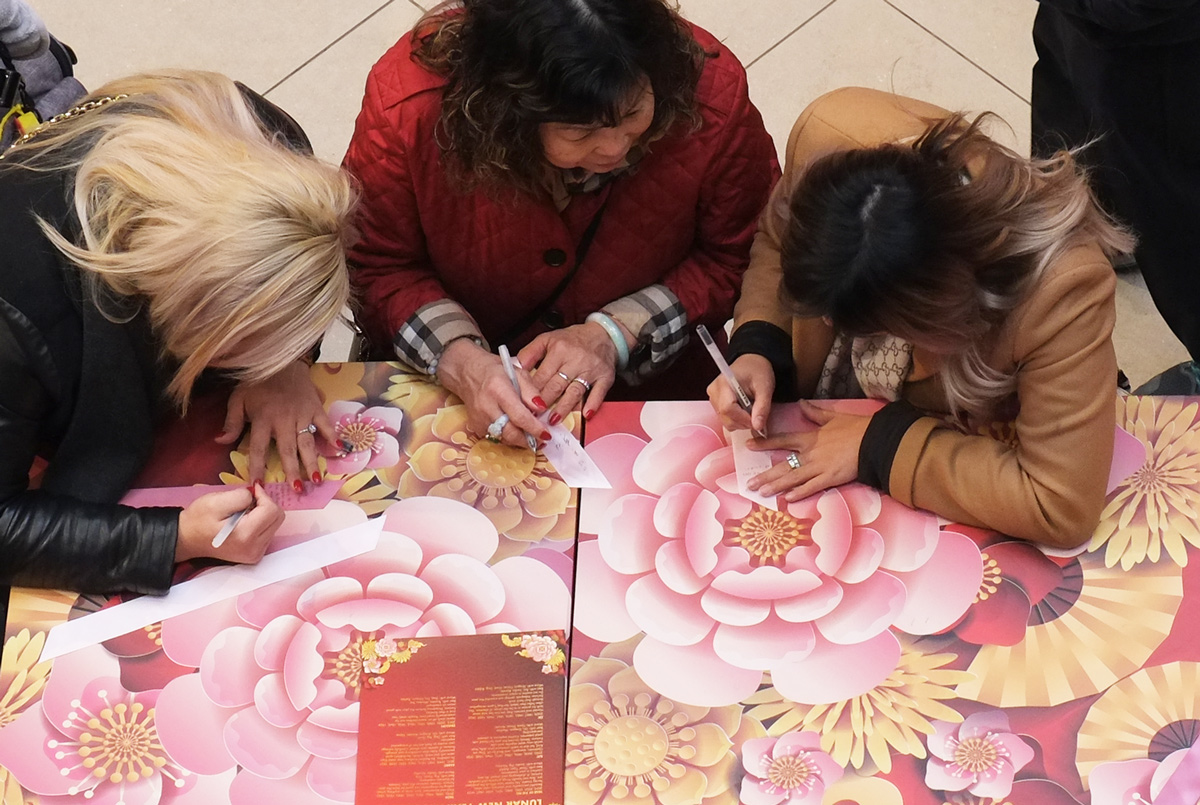
Lunar New Year that is, as we usher out the year of the dog and welcome in the year of the pig.
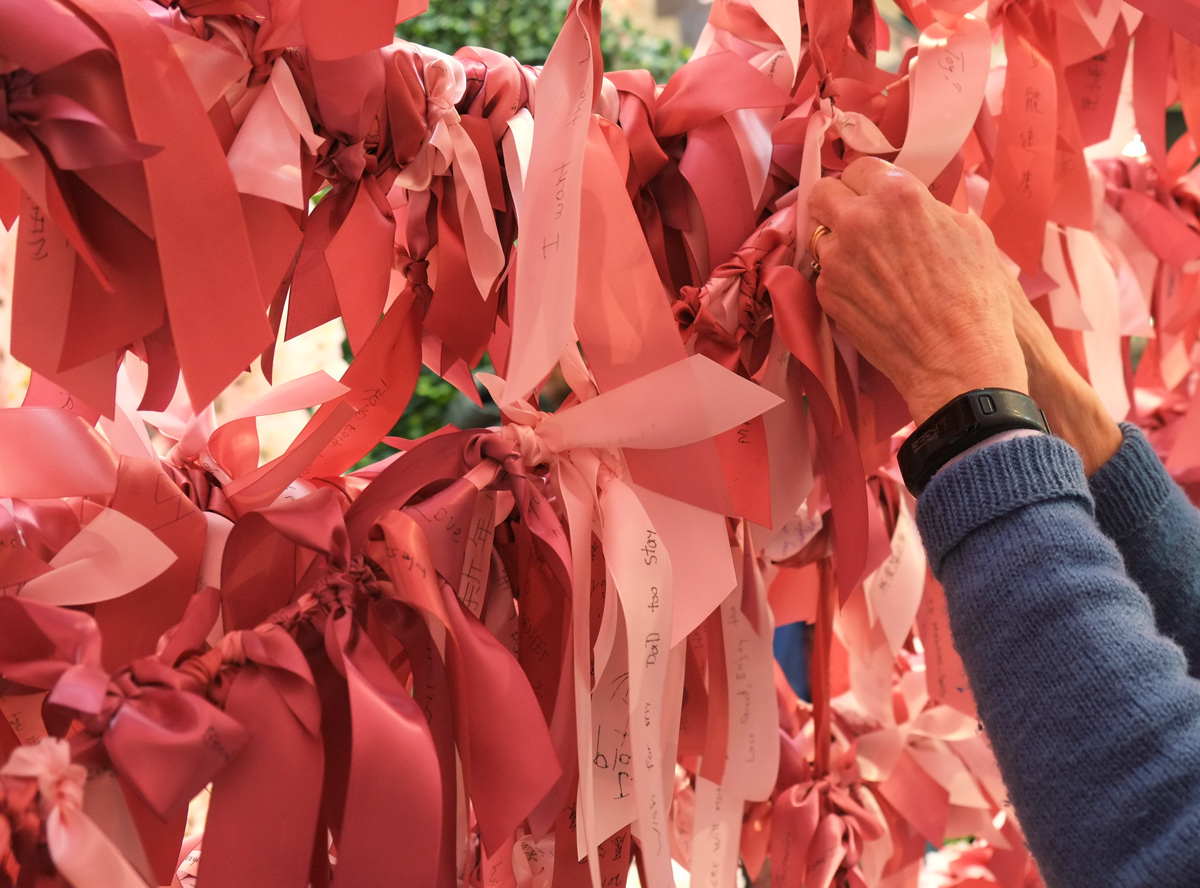
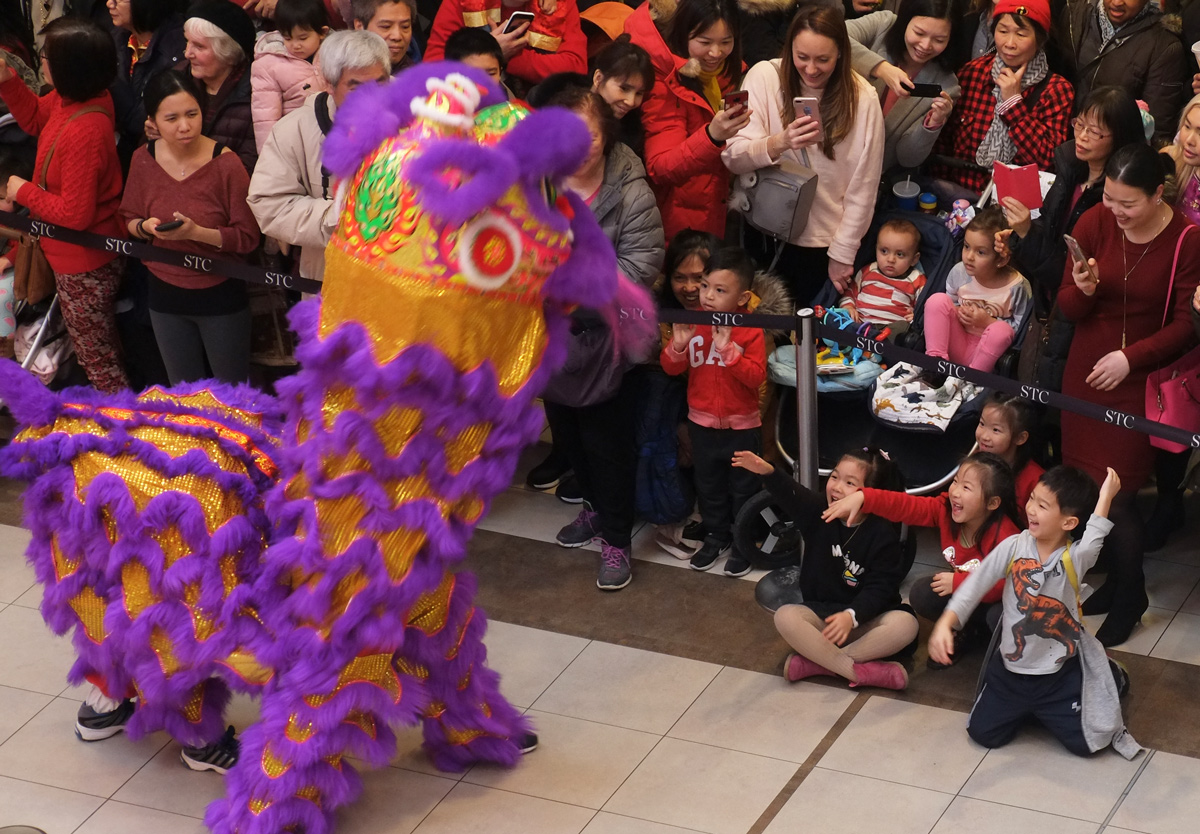
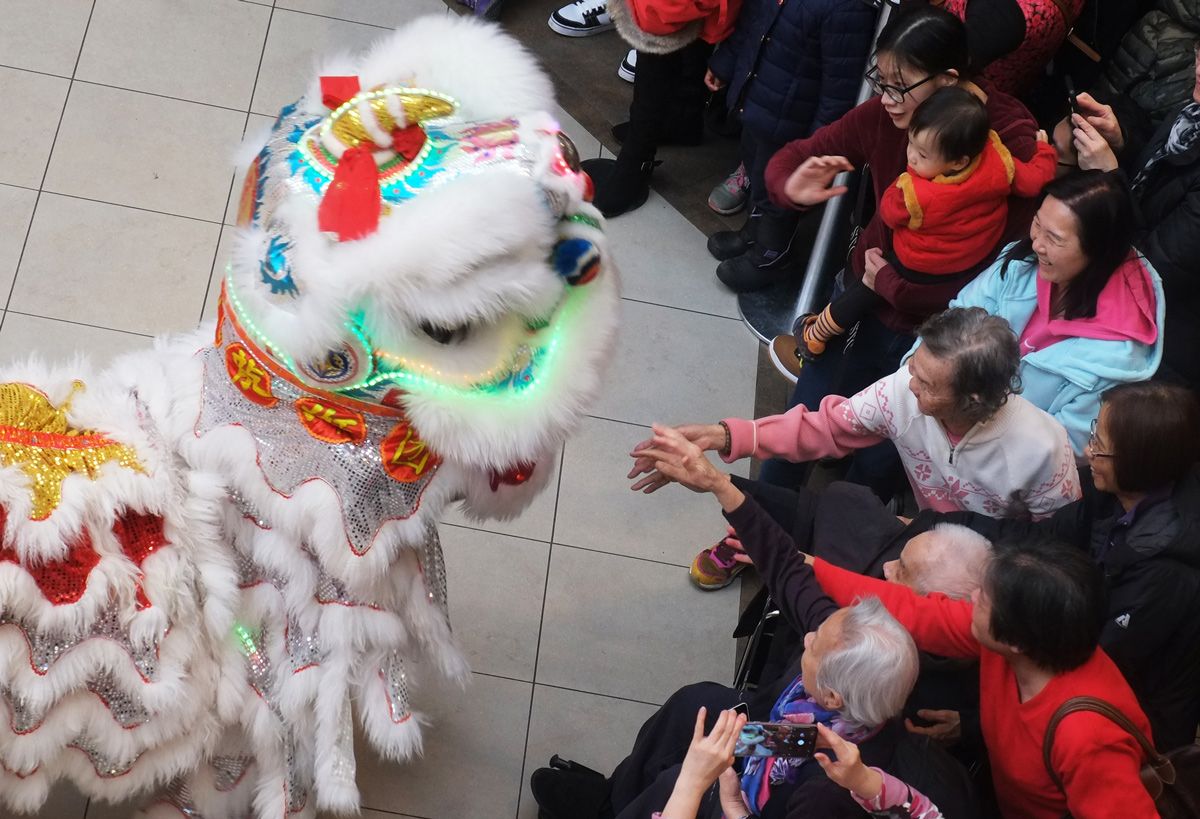
A few scenes from Scarborough Town Centre today.

Write your wish on a ribbon and tie it to archway – maybe your wish will come true.


Lions dance to ward off the evil spirits
A trip to Toronto Islands on a sunny spring day.
Photos and stories – an eclectic mix of history and nature that resulted from wandering around the eastern portion of the islands.
below: From the ferry, looking toward the glass and steel of the city.

Toronto Islands is a collection of at least 12 small islands. In the early years the island archipelago was really a peninsula of sandbars and ponds; it was connected to the mainland by a narrow strip of sandy shoreline. This landform was created over centuries by the action of waves, winds and lake currents – washing away portions of the Scarborough Bluffs and depositing this material to the west in a five-mile-long hooked shape. This process of natural “landscaping” continued until the spring of 1858, when a particularly powerful hurricane created a channel four to five feet deep through the peninsula. By June of that year, the Eastern Gap was a waterway, and the Toronto Islands came into being.
below: On the ferry between the city and Centre Island.

The first buildings on the islands were the Blockhouse Bay garrison built in the 1794 by the British at Gibraltar Point – it included a blockhouse and storage structures. A second blockhouse and a guard house were built soon after, only to be destroyed by the Americans in the Battle of York in April 1813. The lighthouse at Gibraltar Point built in 1809 still stands (sorry, no photo).
In 1833 Michael O’Connor built a hotel on one the islands. He used a horse-drawn boat to ferry customers across from the mainland to his hotel. At that time, there was still access by road but it was a toll road. In 1836 it cost sixpence for every four-wheeled carriage drawn by two horses. Smaller ‘vehicles’ paid less. In 1858 the hotel (now Quinns Hotel) was destroyed during the same hurricane that turned the peninsula into an island. The hotels were destroyed but the islands remained popular. With no road access, ferries were needed and many people ran private ferry services until they were bought out or amalgamated into the Toronto Ferry Company in 1892. It was privately owned until 1926 when it was purchased by the City of Toronto for $337,500.
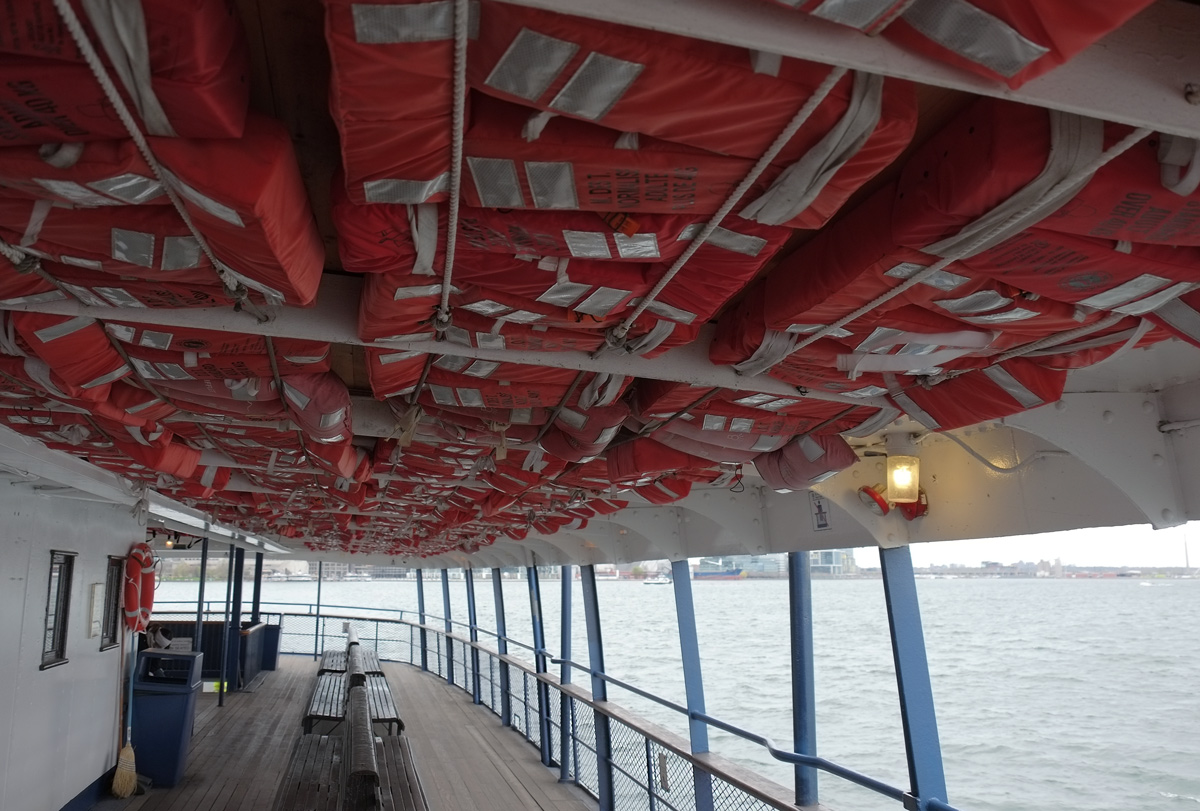

Many houses and businesses, (hotels, restaurants, bowling alley, laundry, theatre etc) were established over the years from Hanlon’s Point in the west to Wards Island in the east. Today, residences are only in the eastern section of Wards Island and on Algonquin Island.
The Ward’s Island community began in the 1880s as a settlement of tents. Up until then, that eastern end of the islands was mostly wetlands. The first summer colony on Ward’s in 1899 consisted of just eight tenants, each of whom had paid a fee of $10 rent for the season. The number of tents grew each year. In 1913, the city felt it necessary to organize the community into streets. The evolution from tents to cottage structures progressed in stages with the building of floors, the addition of kitchens and then porches, resulting in the creation of the homes.

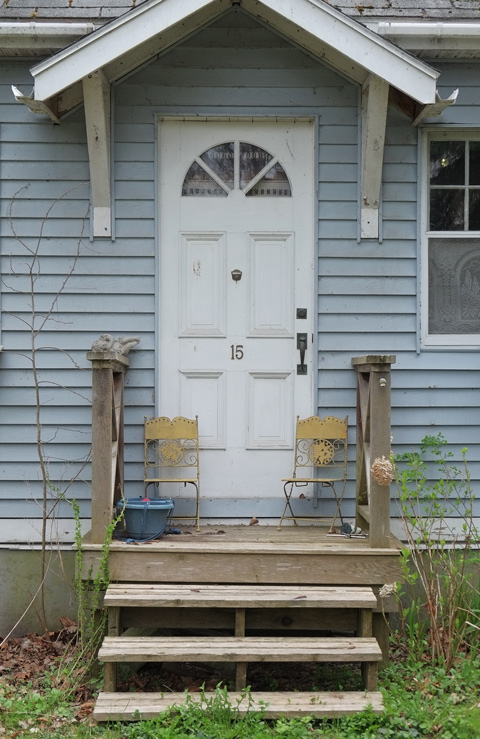
In 1953 the municipal government changed their policy toward the Toronto Islands landscape and its residents. Businesses were removed and the systematic demolition and burning of homes began. More of the islands became parkland. There are 262 houses on Wards and Algonquin Islands today, down from about 630 residences on all the islands. The last of the Lakeshore houses was removed in 1968 but traces of them still remain.


below: The pier on the Lake Ontario side.

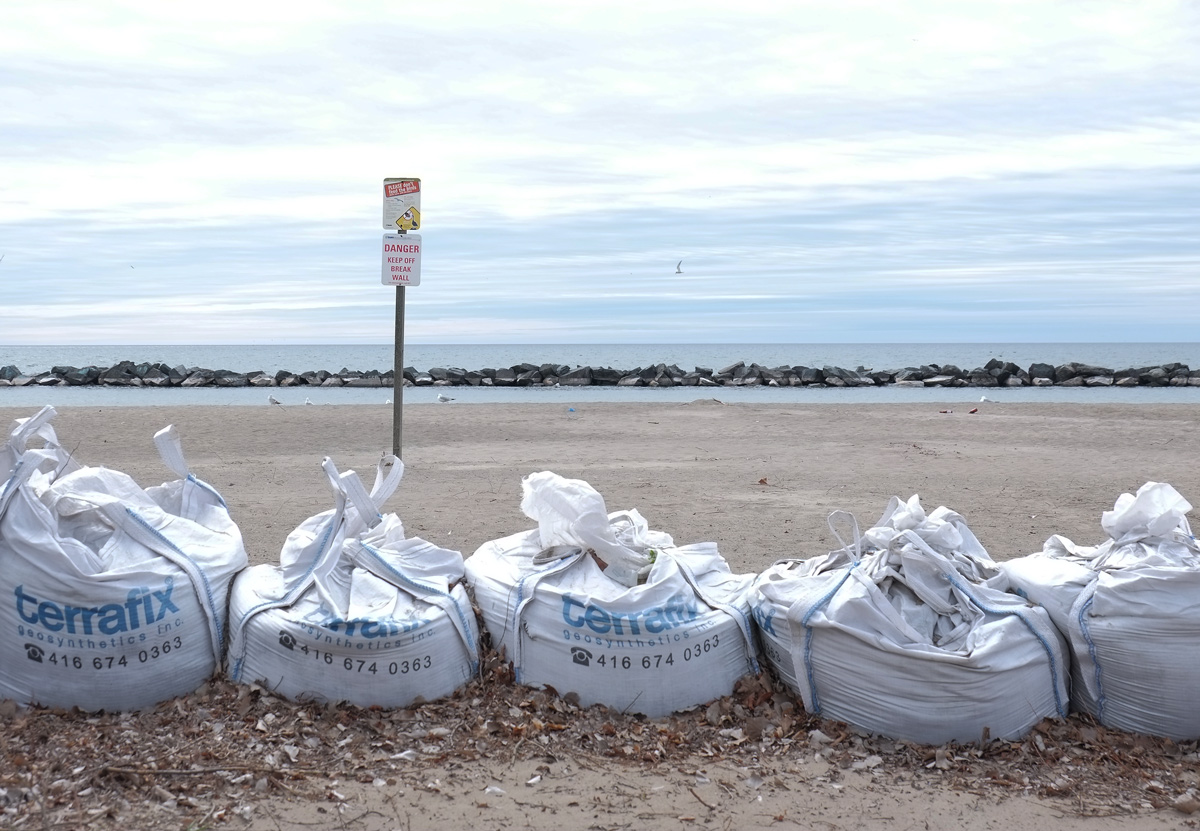
below: Sandbags along the shore. Last spring there was a lot of flooding here and the island was closed to visitors – sort of. Ferries didn’t run and the park facilities were closed. The islands are very flat and low so it doesn’t take much extra water to flood.

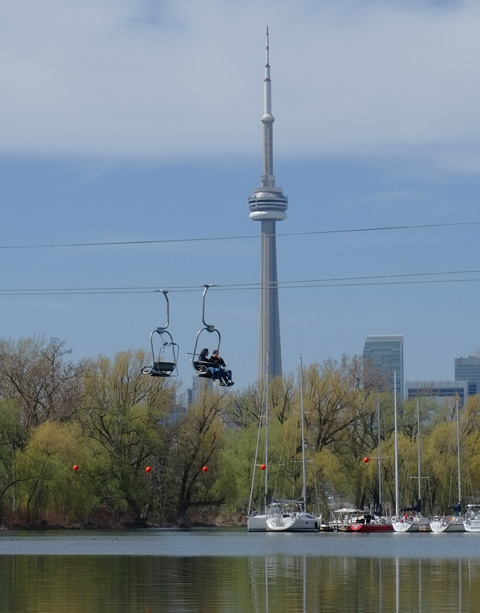
below: There is a small amusement park, Centreville, on Centre Island.
below: Island transport that can be rented if you don’t want to walk.

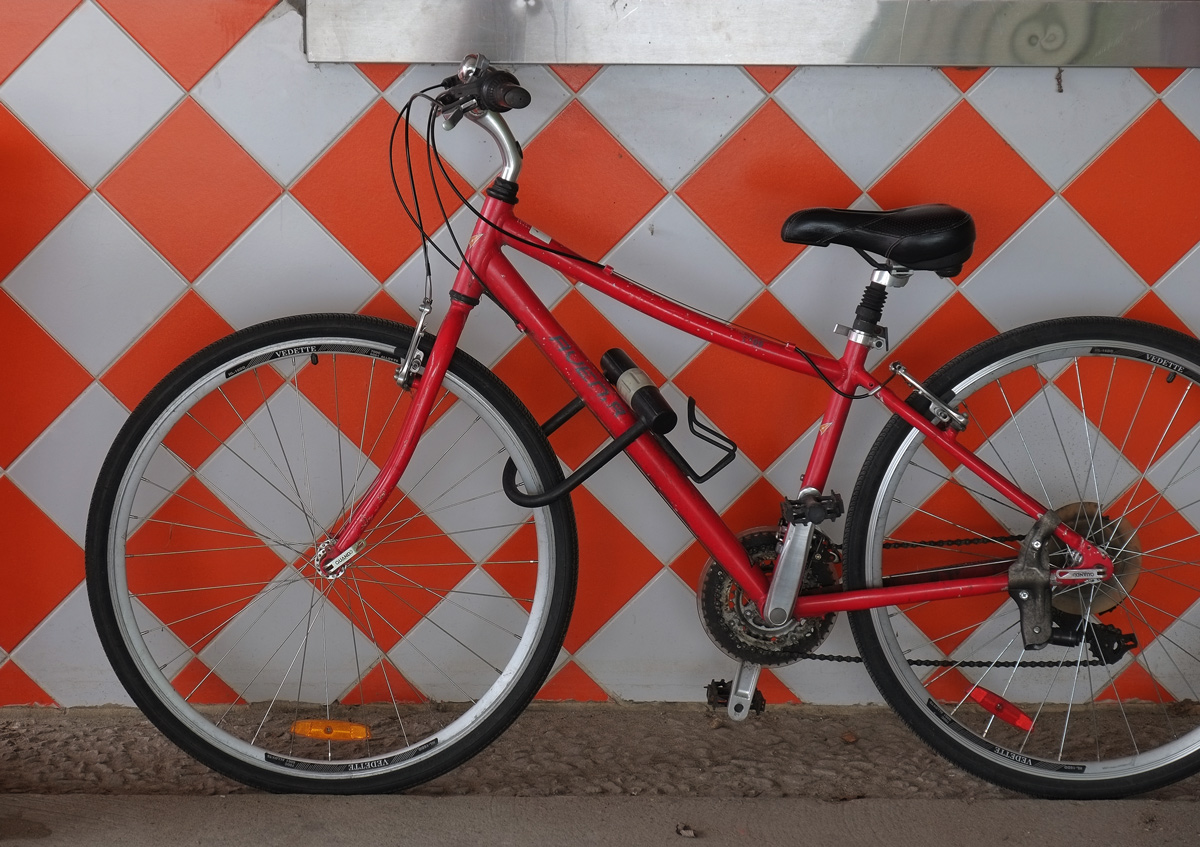
below: Boats moored QCYC (Queen City Yacht Club), one of the three yacht clubs on the islands.

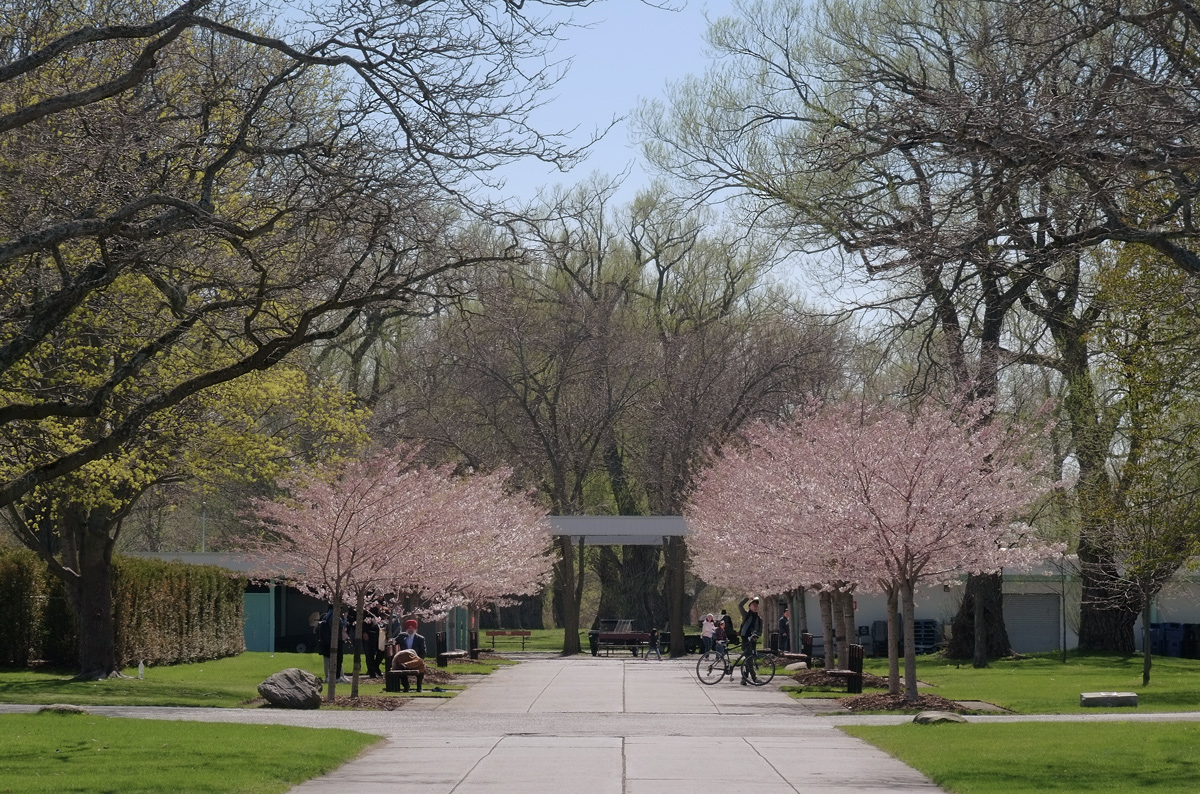
below: Sakura trees in bloom. The trees were donated by the Sakura Project. The aim of this project was to strengthen Japanese Canadian relations by planting cherry trees in visible locations across Ontario. Between 2000 and 2012, 3,082 trees were planted at 58 locations. The trees on Centre Island were planted in 2011.
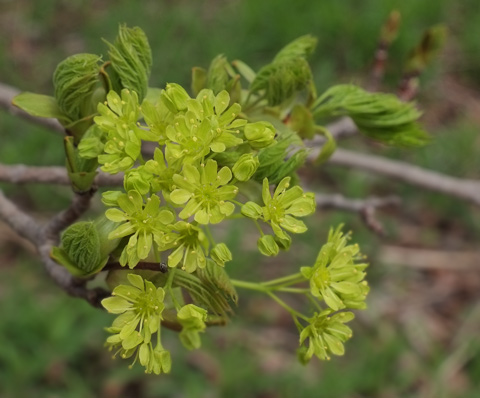
below: Catkins from a red alder tree. They almost look like raspberries packed tight together.

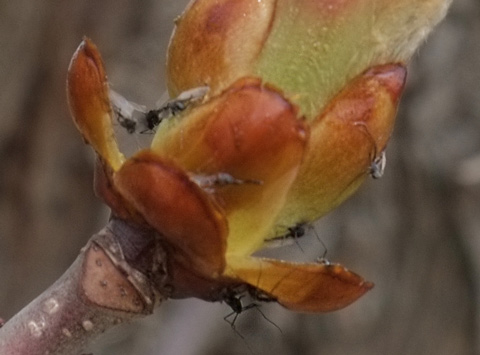
below: An early family of Canada geese.

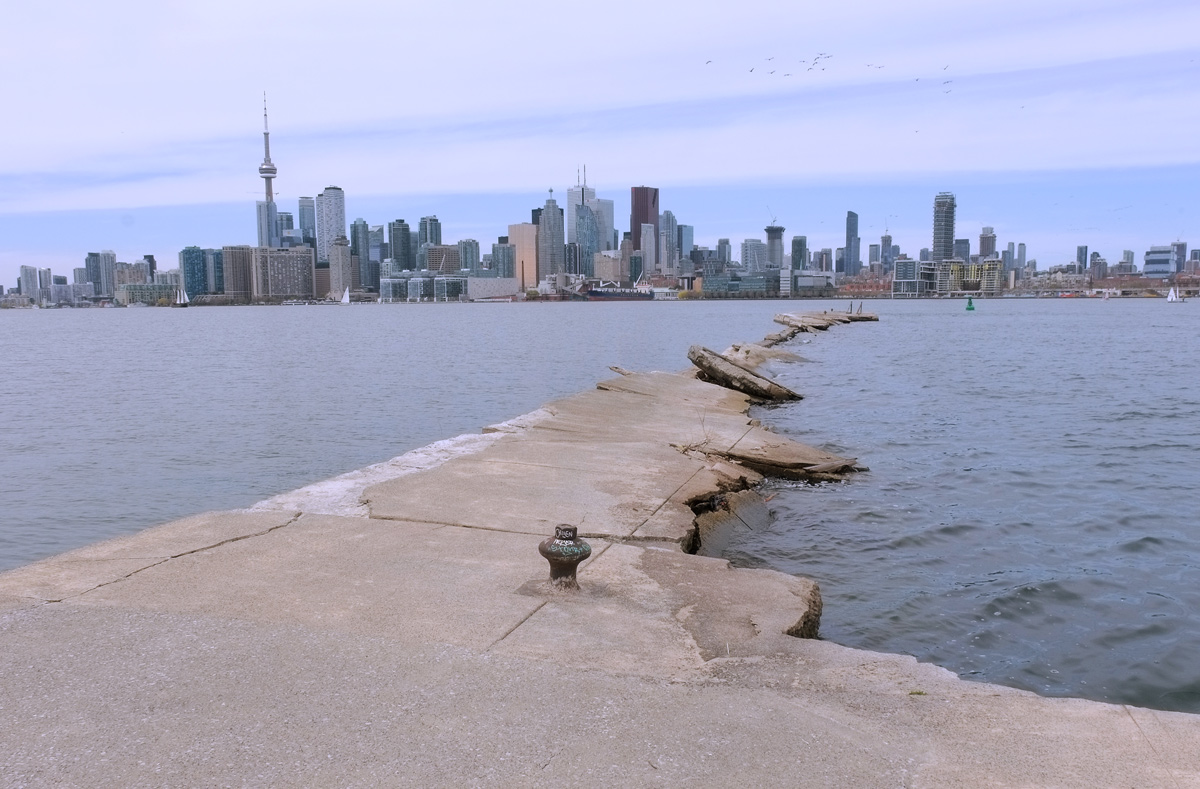
below: The pier at the eastern end of Wards Island is bad need of repair. To the right is the entry into the Eastern Channel (or Eastern Gap).
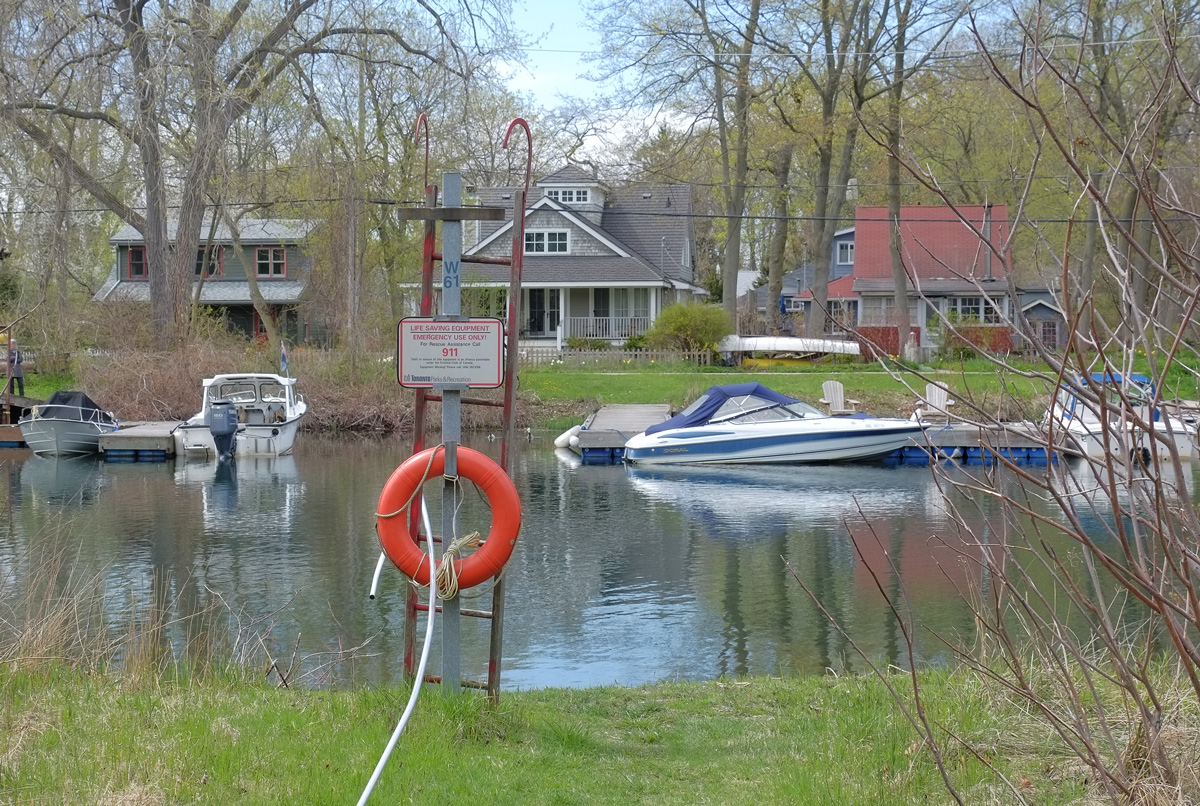
below: Looking over to Algonquin Island. Once upon a time this island was just a sandbar.
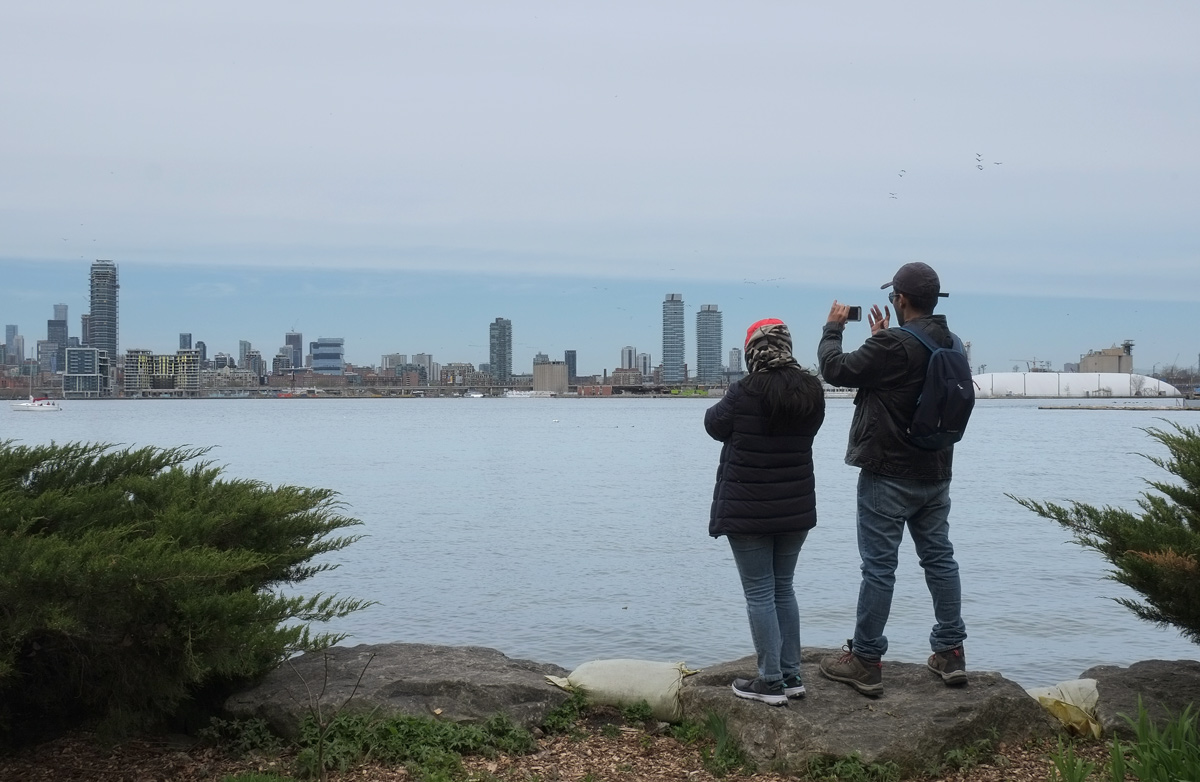
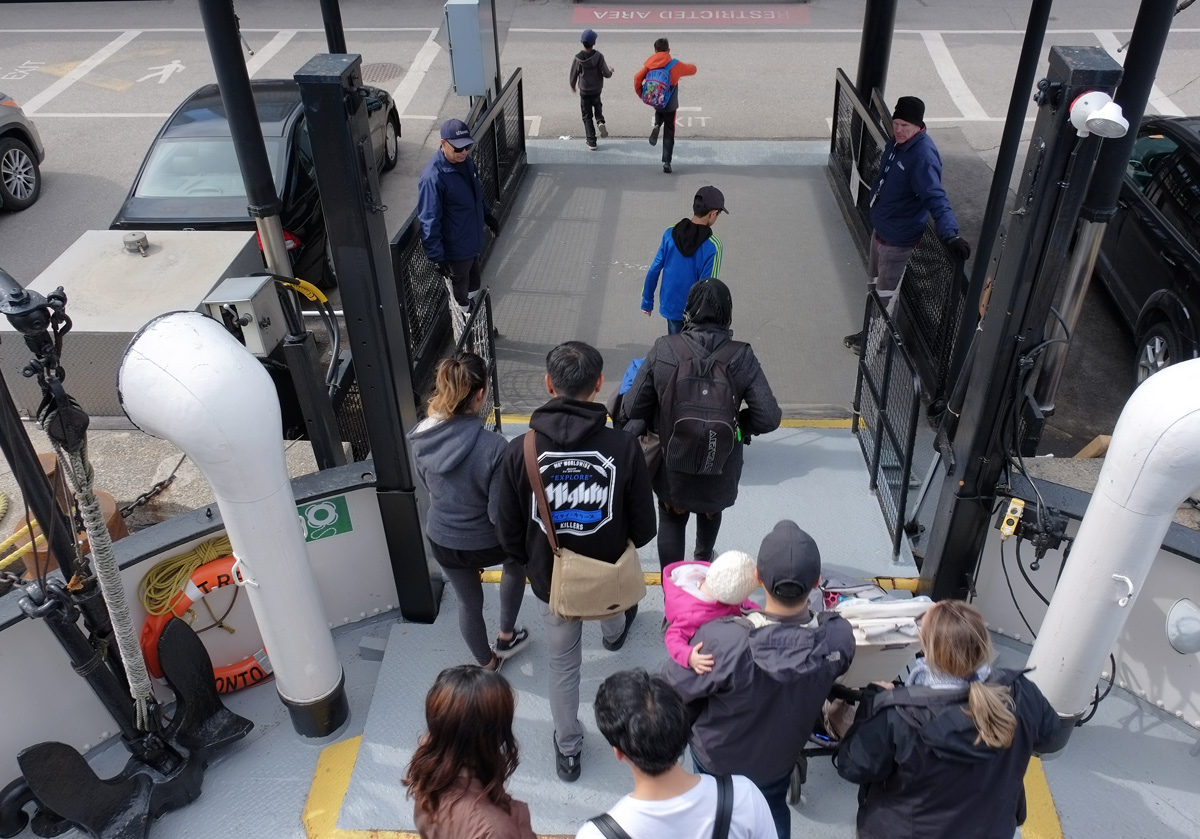
and back to the mainland.
Maybe you thought that the duck was a waste of money or maybe you thought the duck was a fantastic idea. Maybe you didn’t like the duck because it wasn’t Canadian enough for a Canada Day celebration (the Canaduck!) or maybe you didn’t care about such things. It certainly generated a lot of discussion even before it arrived – who hasn’t heard about the duck? Who didn’t have an opinion about the duck? It spawned the hashtag #whattheduck, a play on WTF.
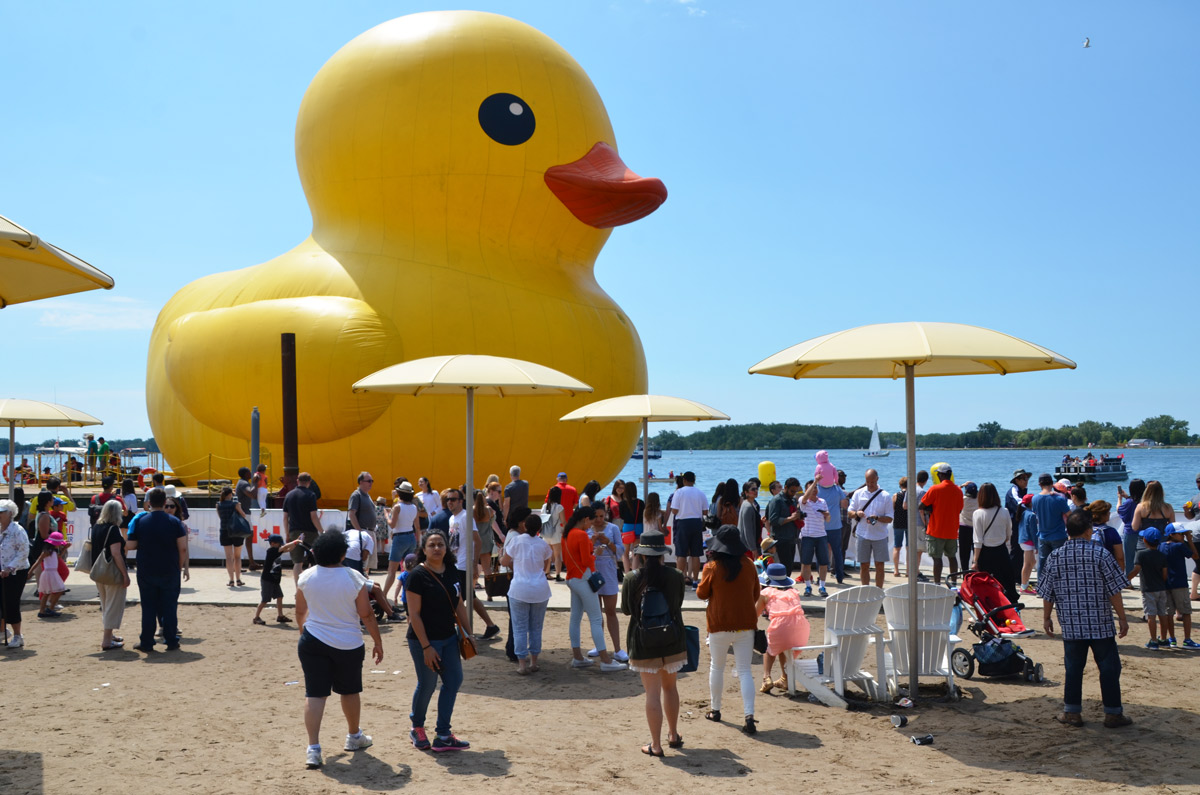
The noise has now all died down. The 150th birthday party is over.
I don’t think that I am alone in thinking that the duck was the star of the Redpath Waterfront Festival and that the festival organizers have no regrets about spending the money on the duck.
below: The yellow duck was moored by HTO beach (that’s the one with the yellow umbrellas) for the duration of the July 1st long weekend. It smiled through rain and shine.

below: It was a popular duck and it attracted about a million people. People of all ages. It was about 6 storeys tall so even if you couldn’t get close to it, you could still get a good view.

below: Millions of photos were taken with (and of) the duck. It was a willing subject and it stayed still – it was good at holding a pose. The trick was to get a selfie that didn’t have lots of other people in it! He was a bit grubby – maybe too big for a bathtub? – but no one cared.

below: Not everyone was excited to see the duck!

below: One last look at the duck. On Monday evening the duck was towed across Toronto Harbour to the Port Lands where it was deflated and readied to be sent to Owen Sound for the next port of call on its Ontario tour.
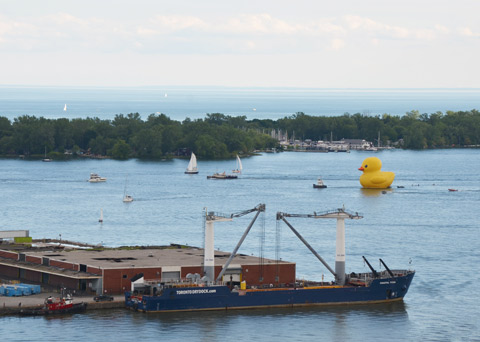
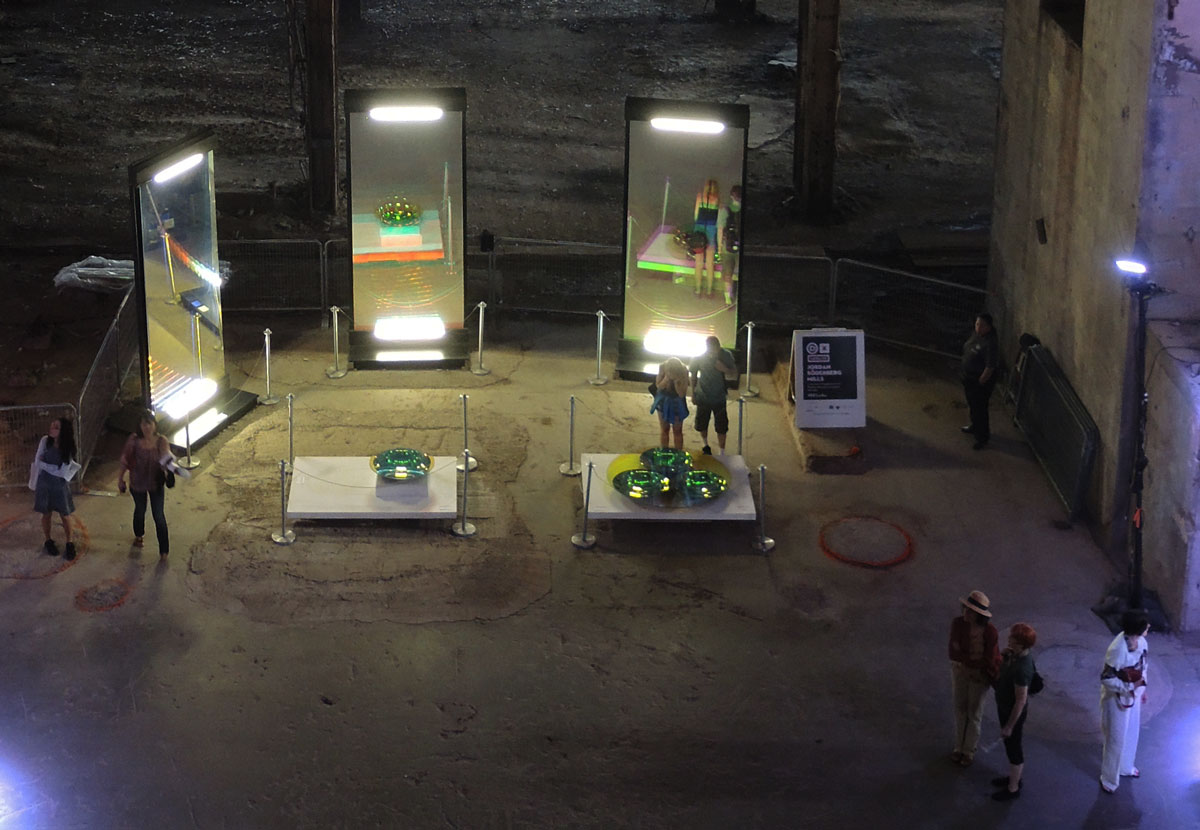
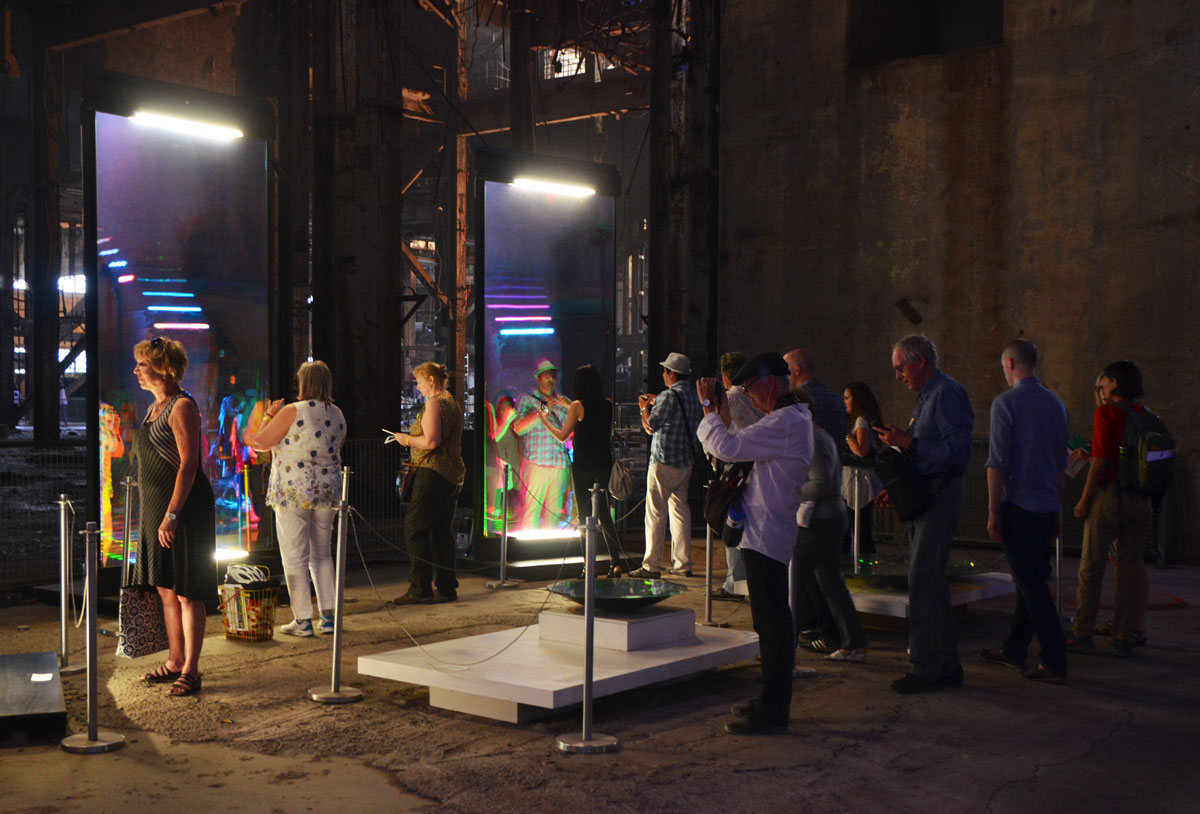
The 10th annual Luminato festival is being held inside the old Hearn Generating Station in the Portlands. There are many theatrical, musical and visual events and the location itself is worthy of many, many photos. Rather than try to cover everything in one blog post, I’ve chosen to focus on mirrors and reflections to begin with. First, there is the giant ‘disco ball’ that keeps light circulating around the massive interior of the Hearn and second, an installation by Jordan Soderberg Mills features three interesting and entertaining mirrors.
‘One Thousand Speculations’ is the name of the giant ball that is suspended from the ceiling. At 7.9m in diameter, it is the world’s largest mirror ball. It is the creation of Canadian artist Michel de Broin and was commissioned for the 2013 Luminato festival where it hung from a crane over David Pecaut Square. One thousand mirrors reflect the light from a spotlight on the floor and as the ball slowly turns, the lights move around the ceiling, walls, and floor of the Hearn.
below: As seen from the ground floor level.

below: Close up. The top level is quite close to the ball.

below: Someone, somewhere, has a picture of his friend ‘holding up’ the giant ball!
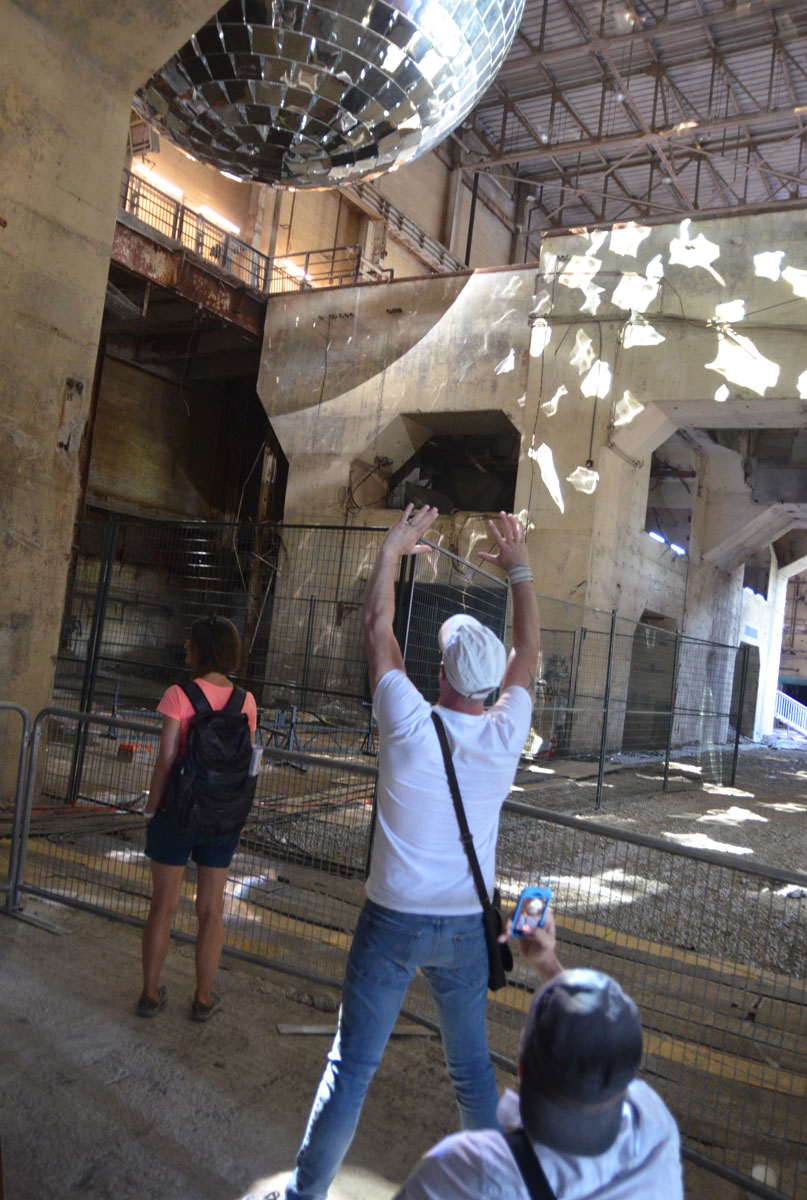
below: And the reverse angle, from the top looking down.
Lots of irregular shapes of light moving around the space.

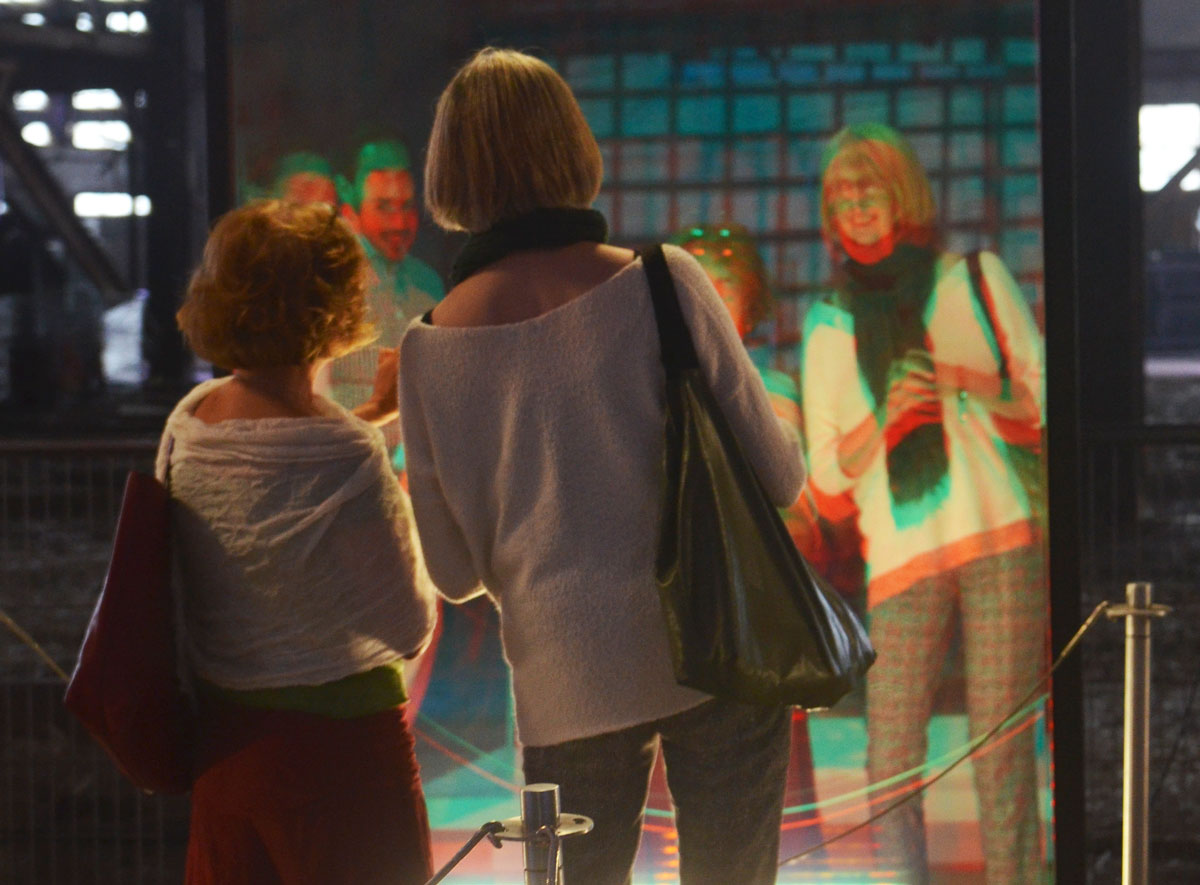
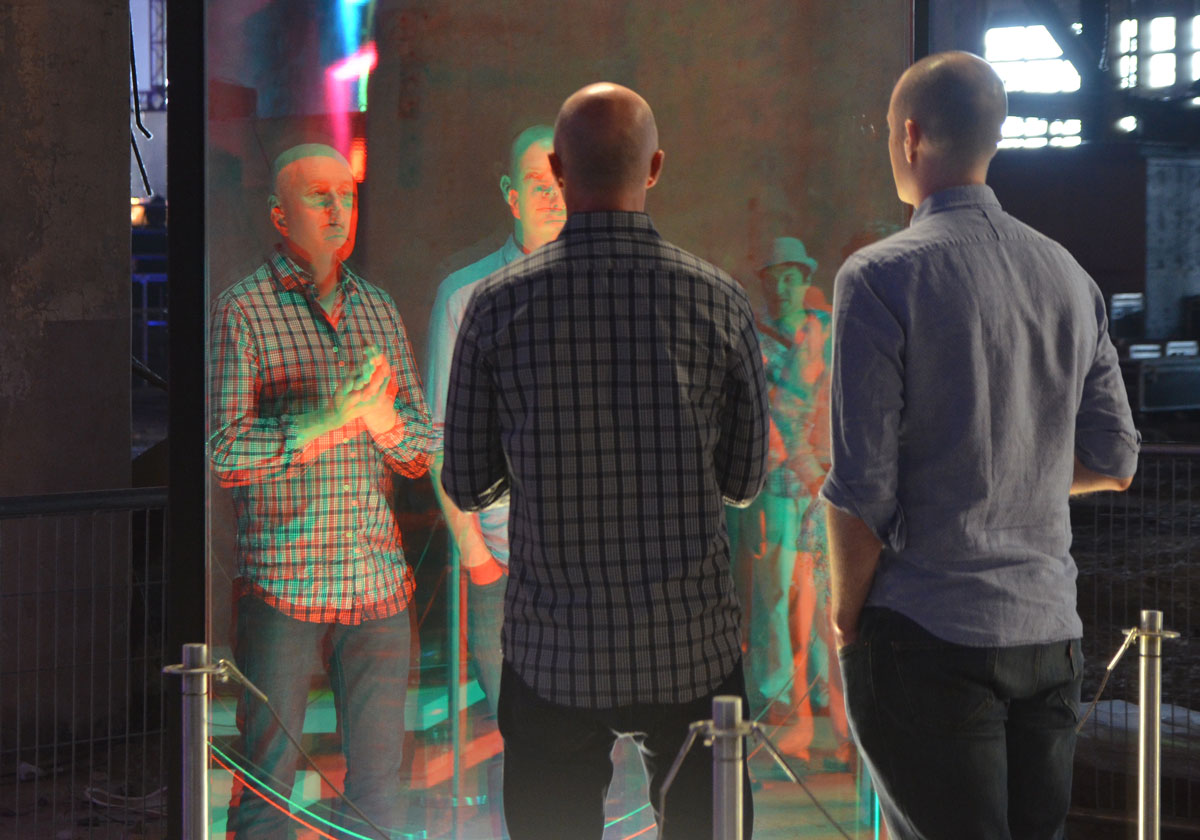
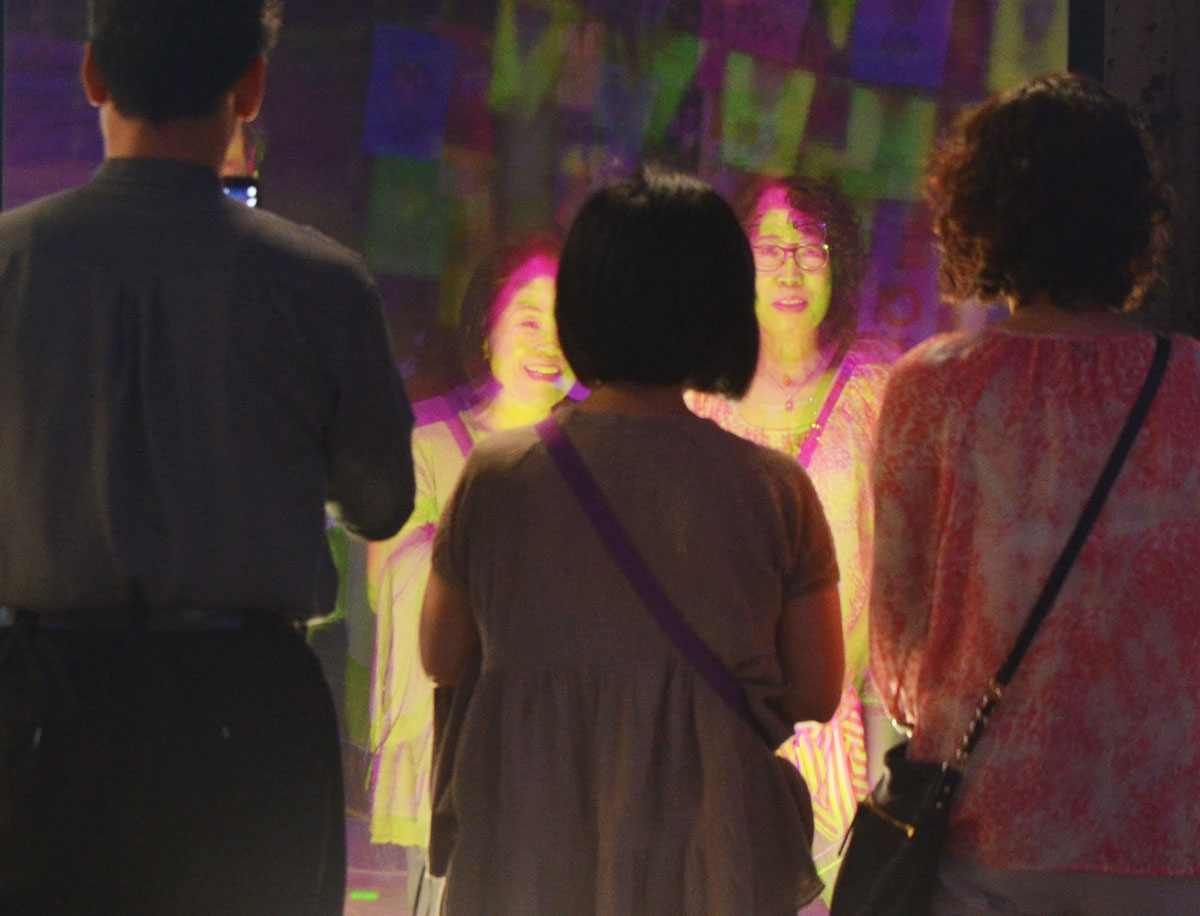
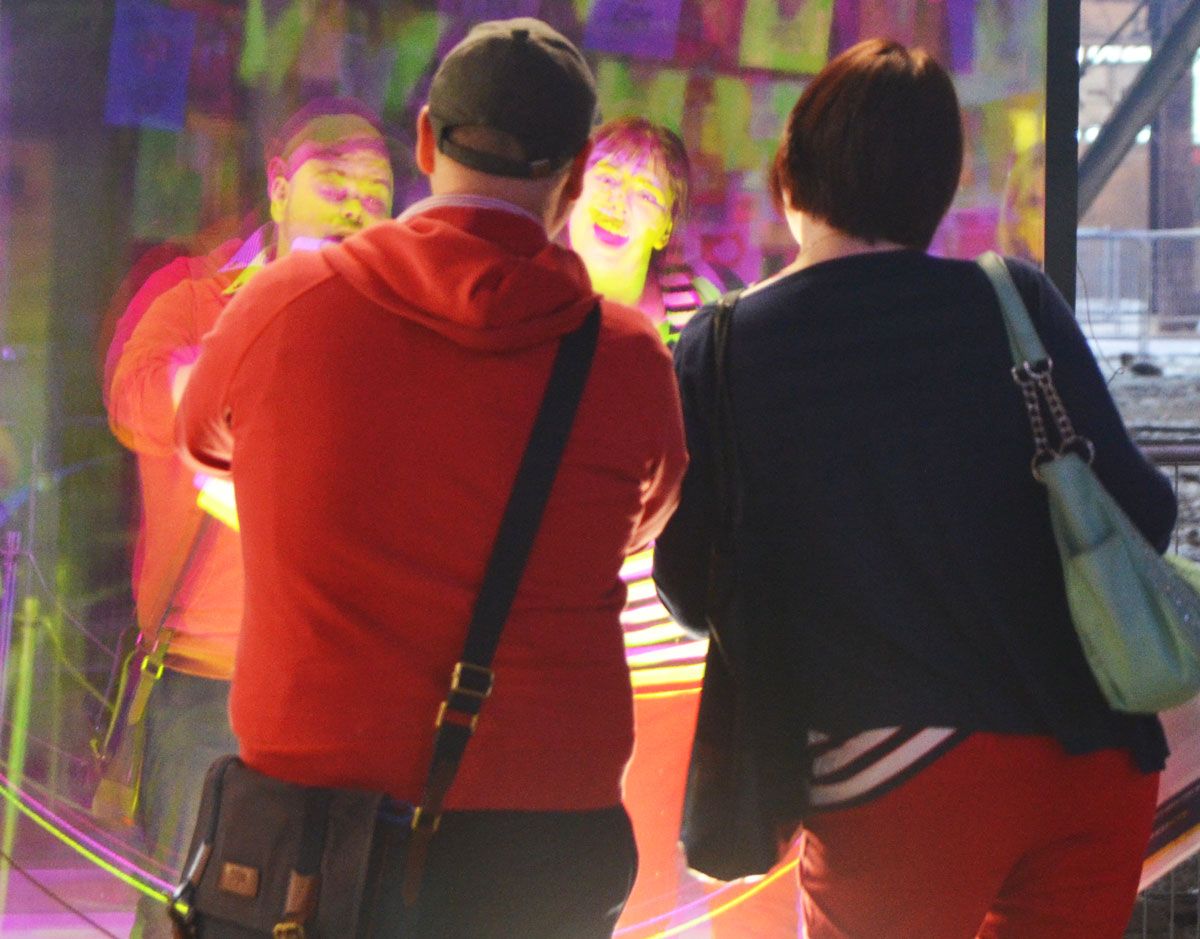
The Luminato website describes the mirrors involved in the installation by Jordan Soderberg-Mills as “anaglyphic mirrors that play with physics, perception and colour”. Now you’re probably wondering what anaglyphic means. It’s a word that comes from the science of 3D pictures. There is no concise definition! It is a picture that consists of two slightly different perspectives of the same subject in contrasting colours that are superimposed on each other, producing a three-dimensional effect when viewed through two correspondingly coloured filters. Phew. In practice, it makes for a mirror that is fun to play with…. and people did play!
below: As seen from the upper level, three vertical mirrors and four circular mirrors.



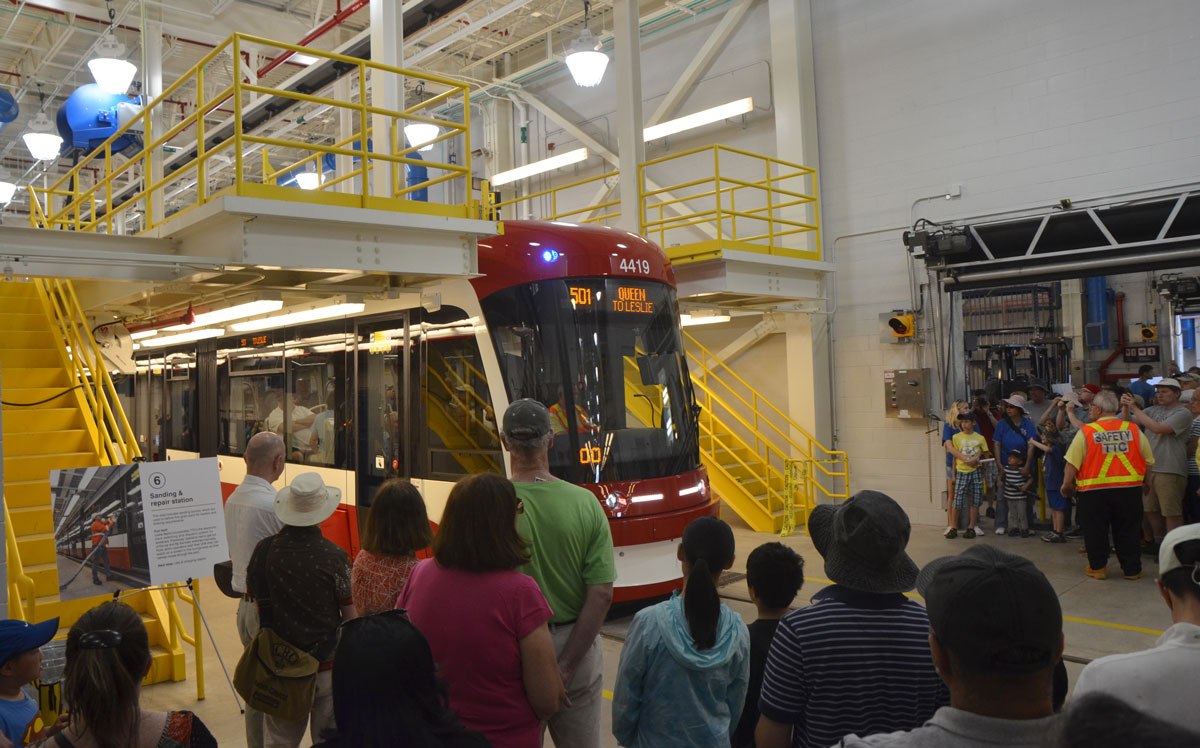
As you all know, the TTC is replacing their older streetcars with new longer Bombardier streetcars. Or at least they are trying to 🙂 Because they are longer, they don’t fit into existing “garages”, hence the new Leslie Barns facility. Located on Leslie St., south of Queen, it is the new streetcar “home”. It is where streetcars are parked, maintained and repaired. It has been in operation since Nov 2015 but the first chance the public got to peak inside the finished complex was at Doors Open on the 28th of May.
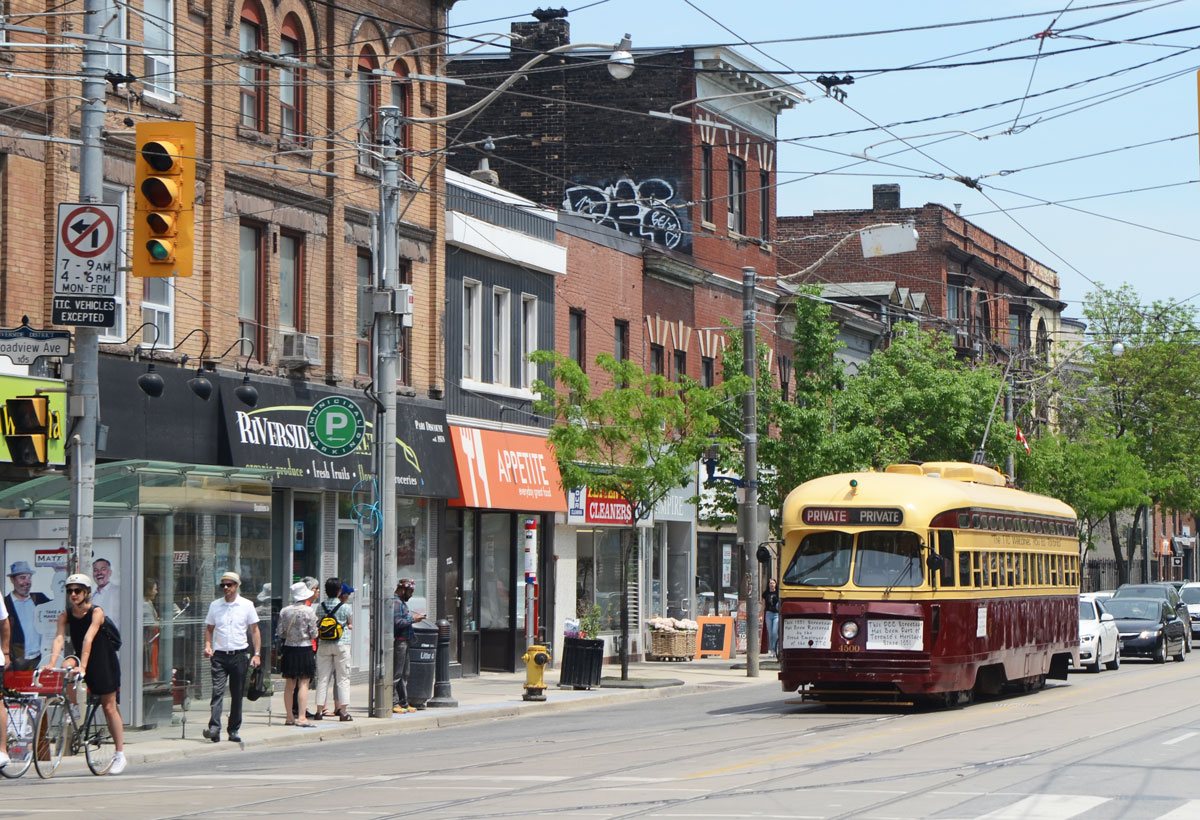
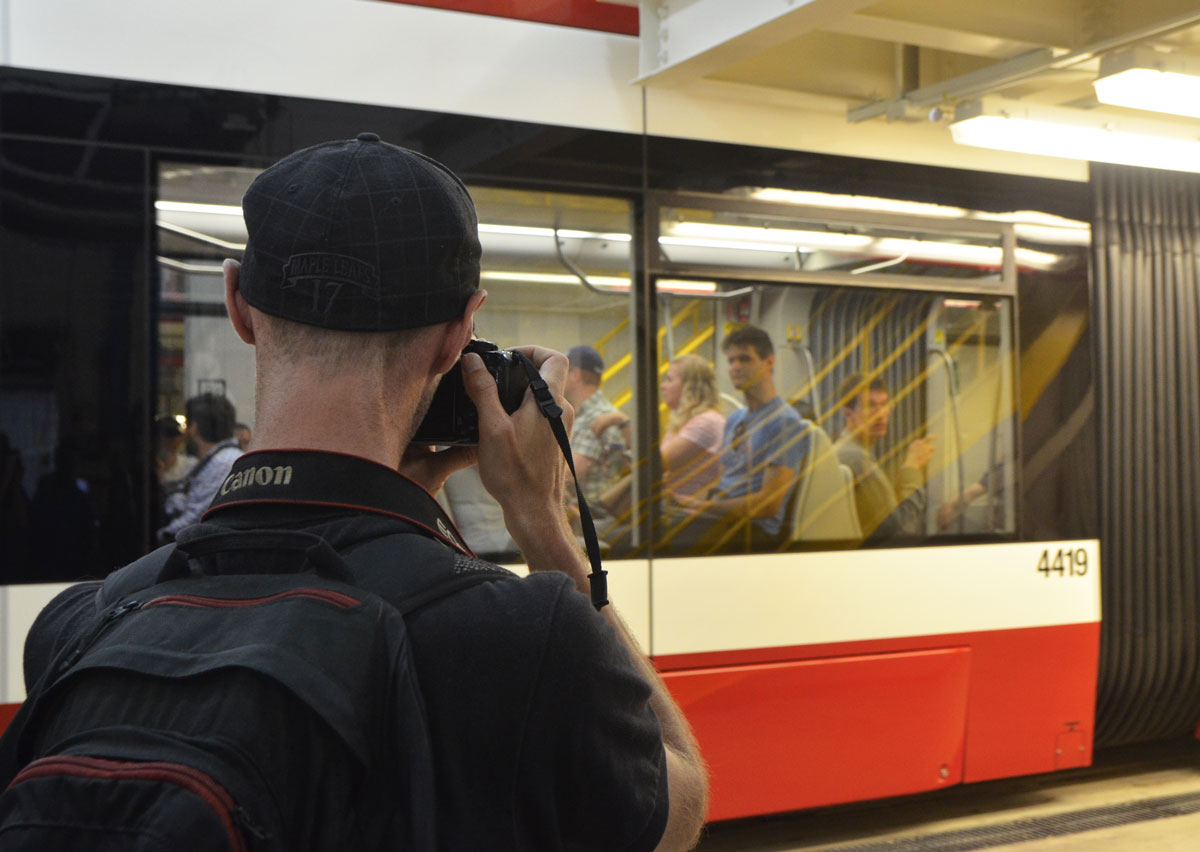
below: While waiting for a streetcar at the corner of Queen and Broadview on the way to visit the Leslie Barns, I saw this renovated TTC streetcar from the 1950’s.
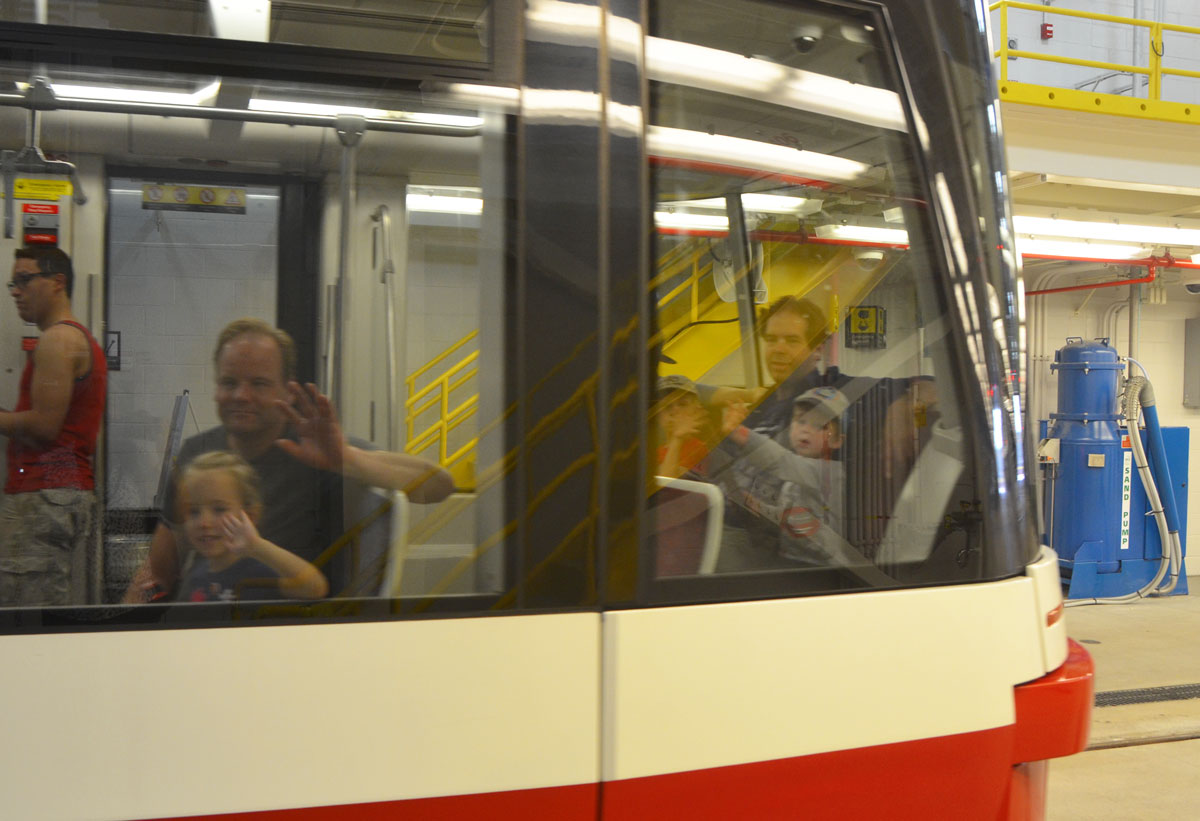
below: The streetcar tour involved riding a new streetcar through a maintenance bay in the building and then around the parking lot out back.

below: Exterior, parking space for at least 100 streetcars

below: Special bays have been constructed with space for workers to access both the underneath and the top of the streetcars. Because the cars have been designed to ride low, a lot of their workings such as the HVAC and propulsion systems are built into the roof of the car.
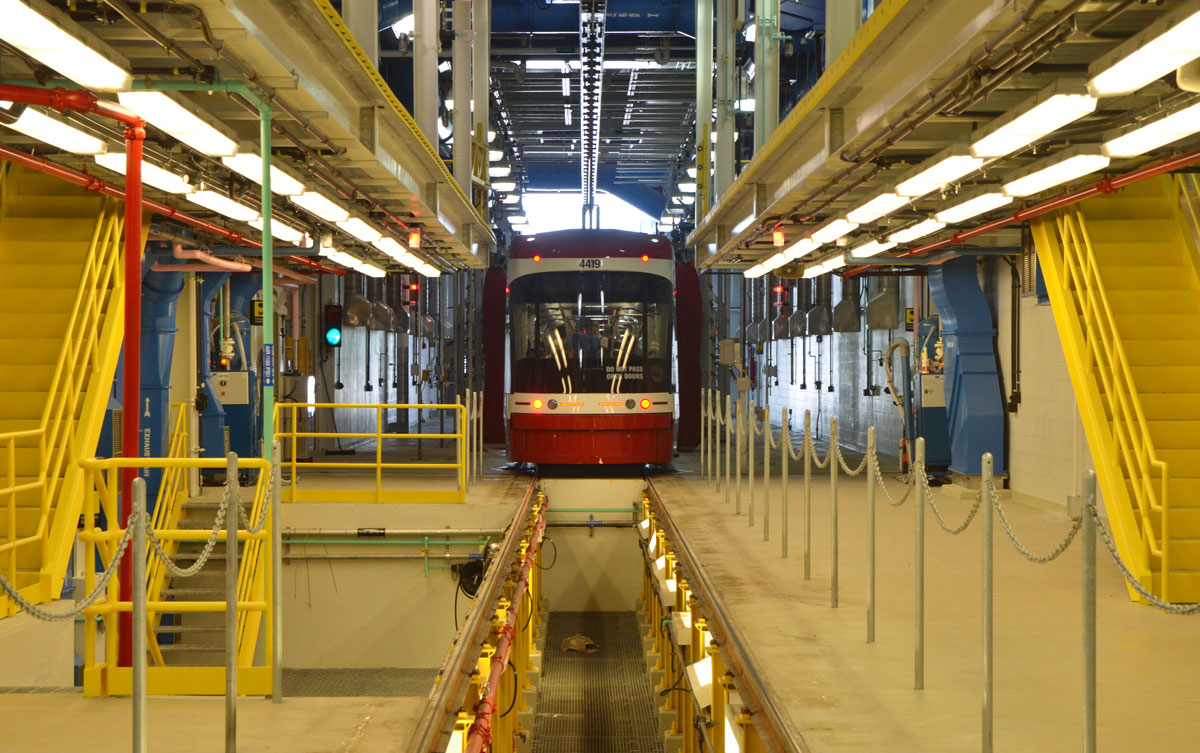
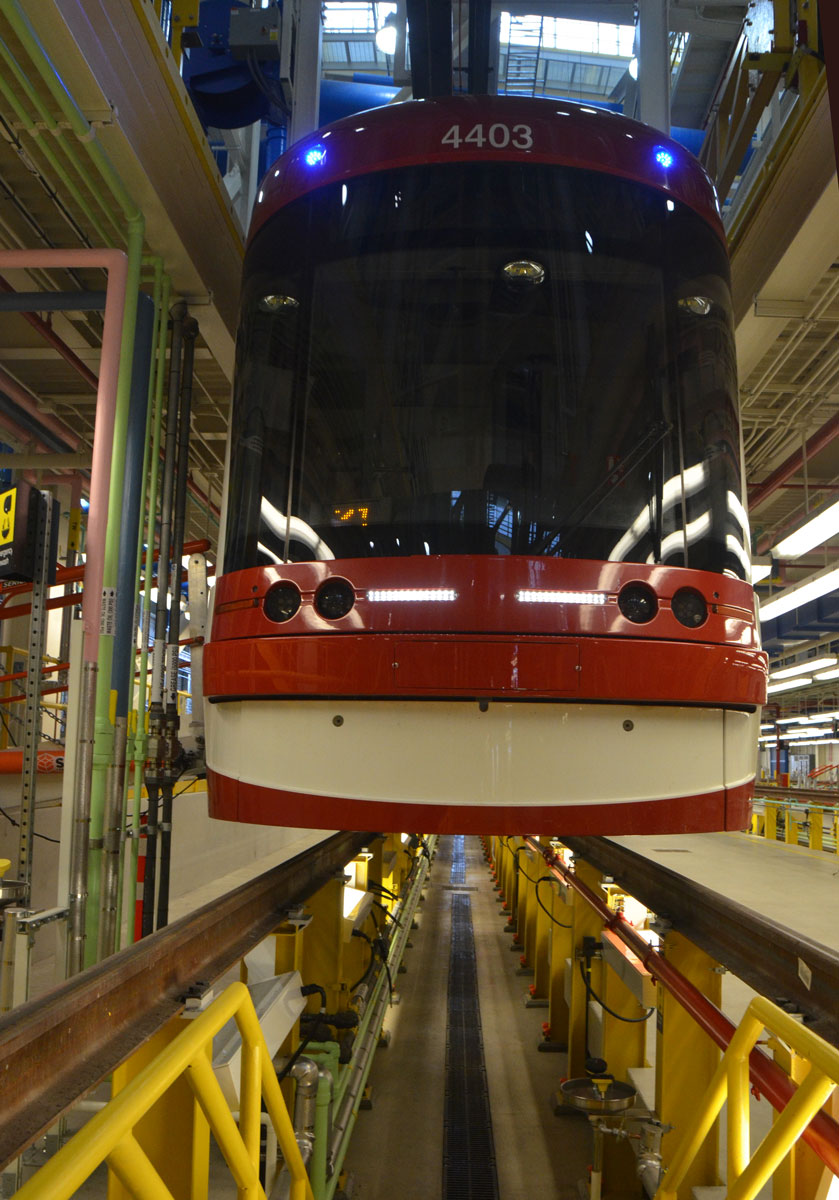
below: It’s a big space! …. 17,510 square metres (188,500 sq ft) in fact.

below: A spic and span shiny paint room

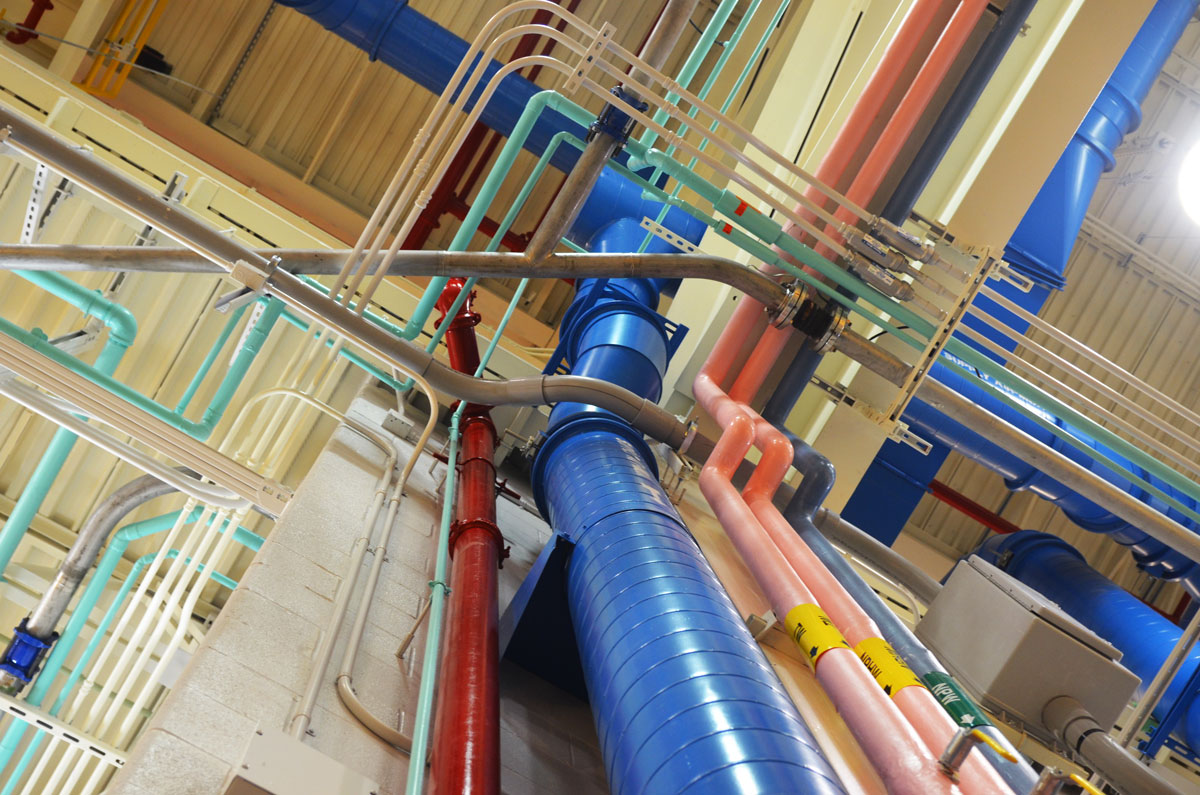
below: A myriad of colour coded pipes
below: There were renovated vintage streetcars on display. On the left is a 1921 Peter Witt streetcar and next to it is a PCC streetcar from the early 1950’s.
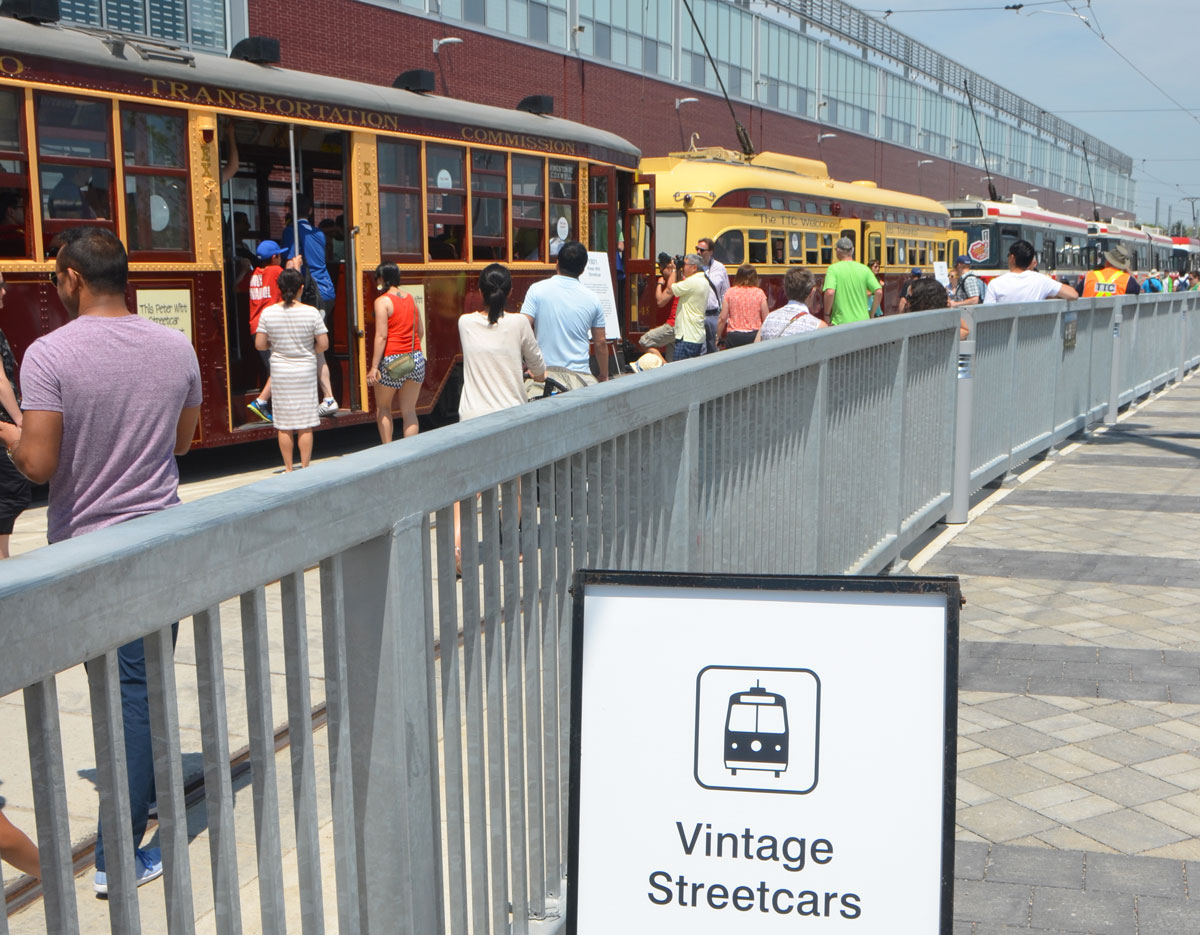
below: Interior of a refurbished Peter Witt streetcar with its wood trim. The Witt cars were built for the newly formed TTC in 1921. They entered service on Broadview in October of that year. By 1923 they were operating on seven routes. The last Witt streetcar was retired in 1963.
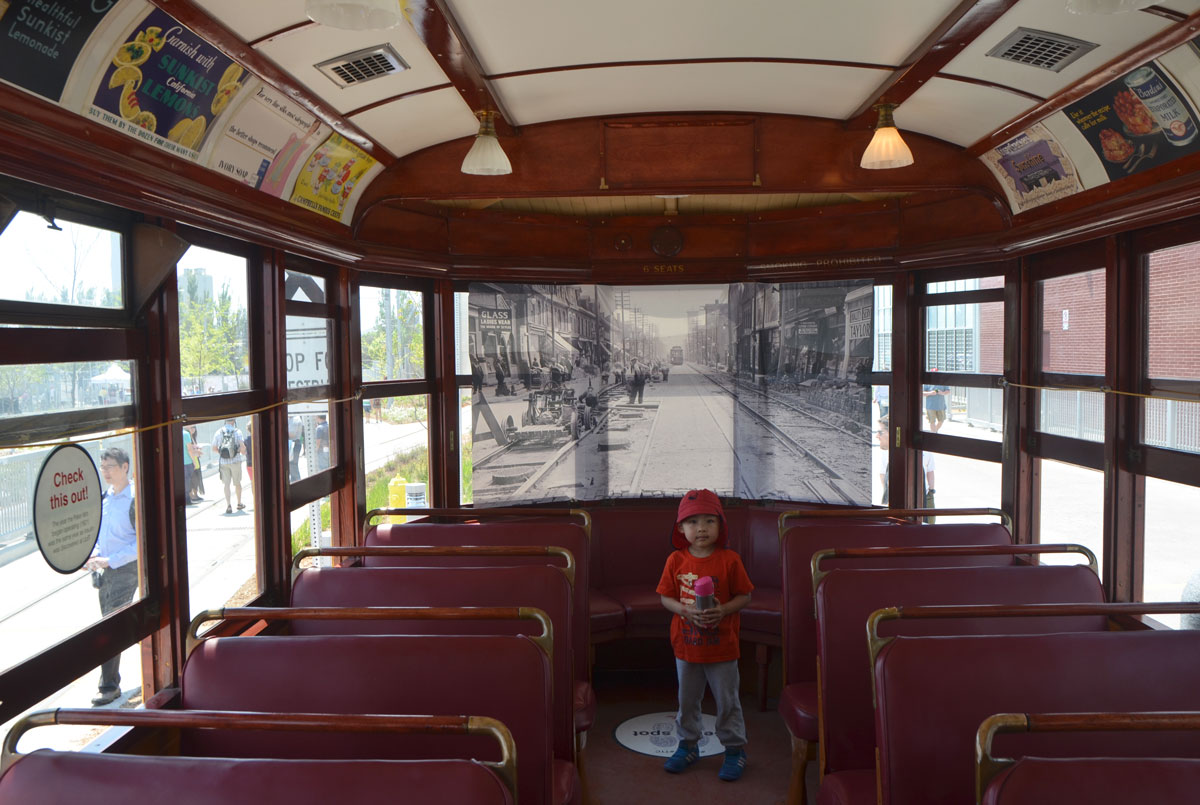
below: Looking out the window of a PCC streetcar built in 1951. PCC stands for Presidents’ Conference Committee, which was a group of operators from the USA and Canada who got together in 1938 to design a new electric railway car. By the late 1950s, the TTC owned the largest fleet of PCC’s in the world. The last one was retired in 1995.

below: Streetcar wire maintenance truck.

#DOT16 | #TTC
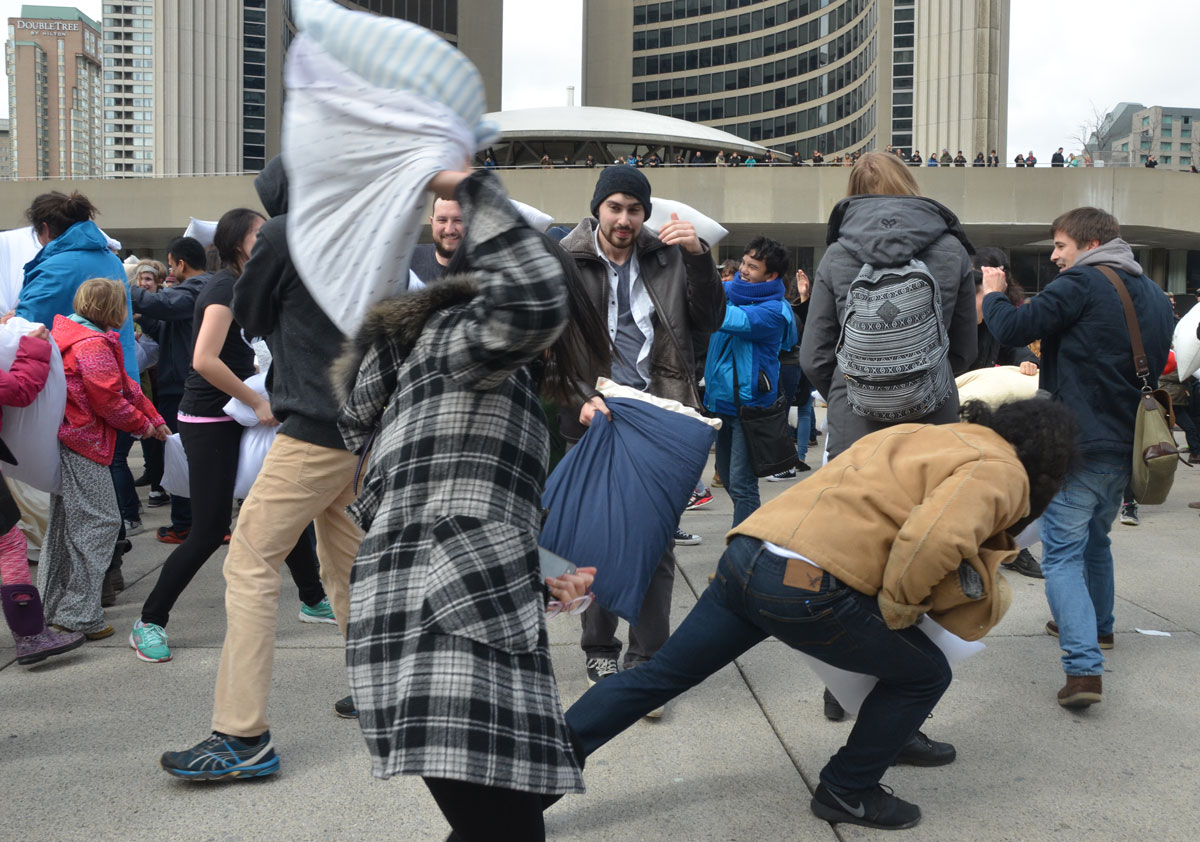
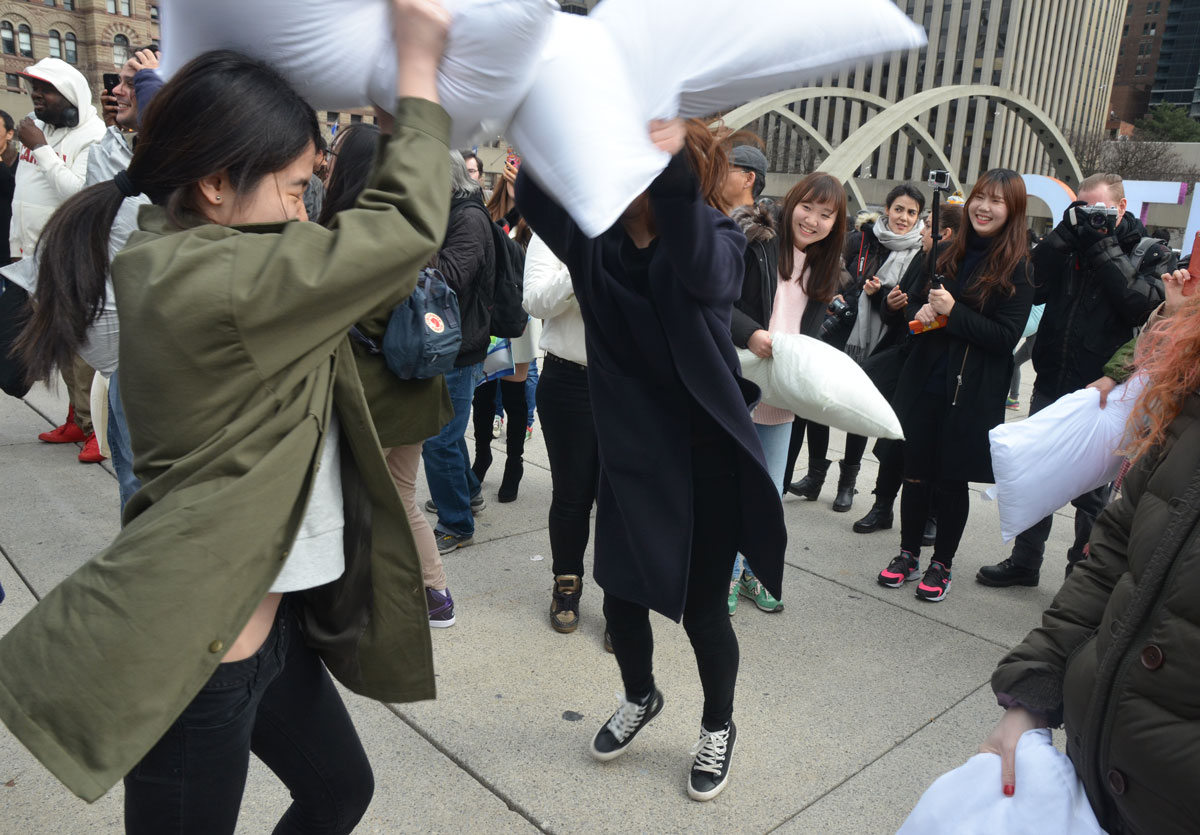
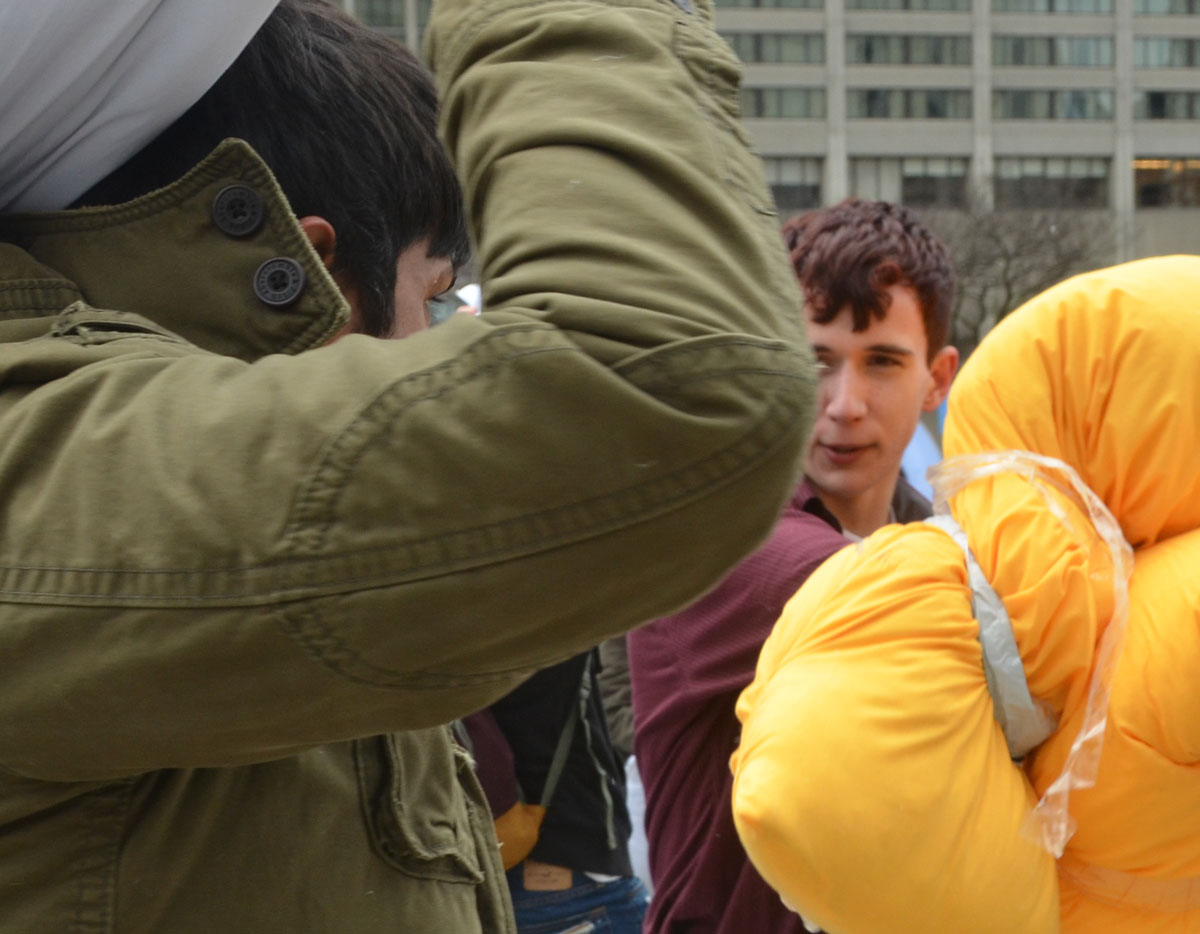
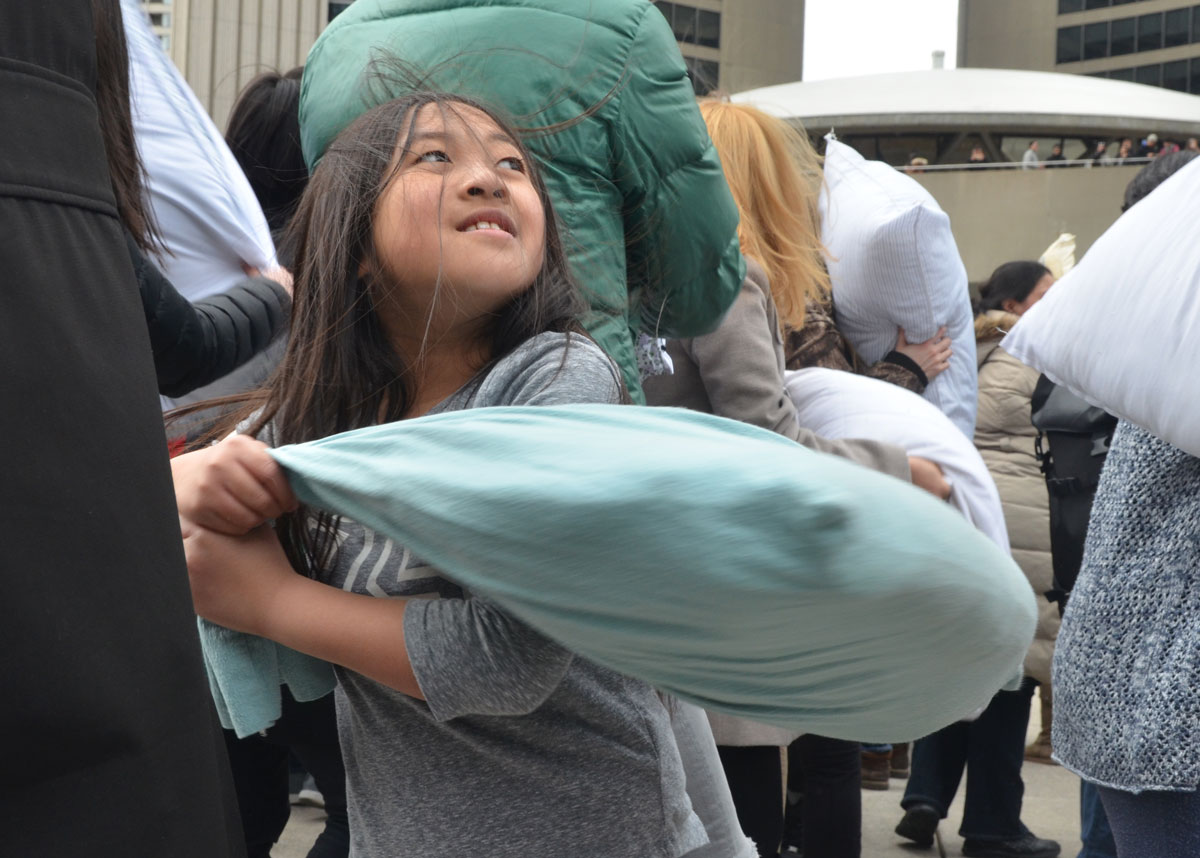
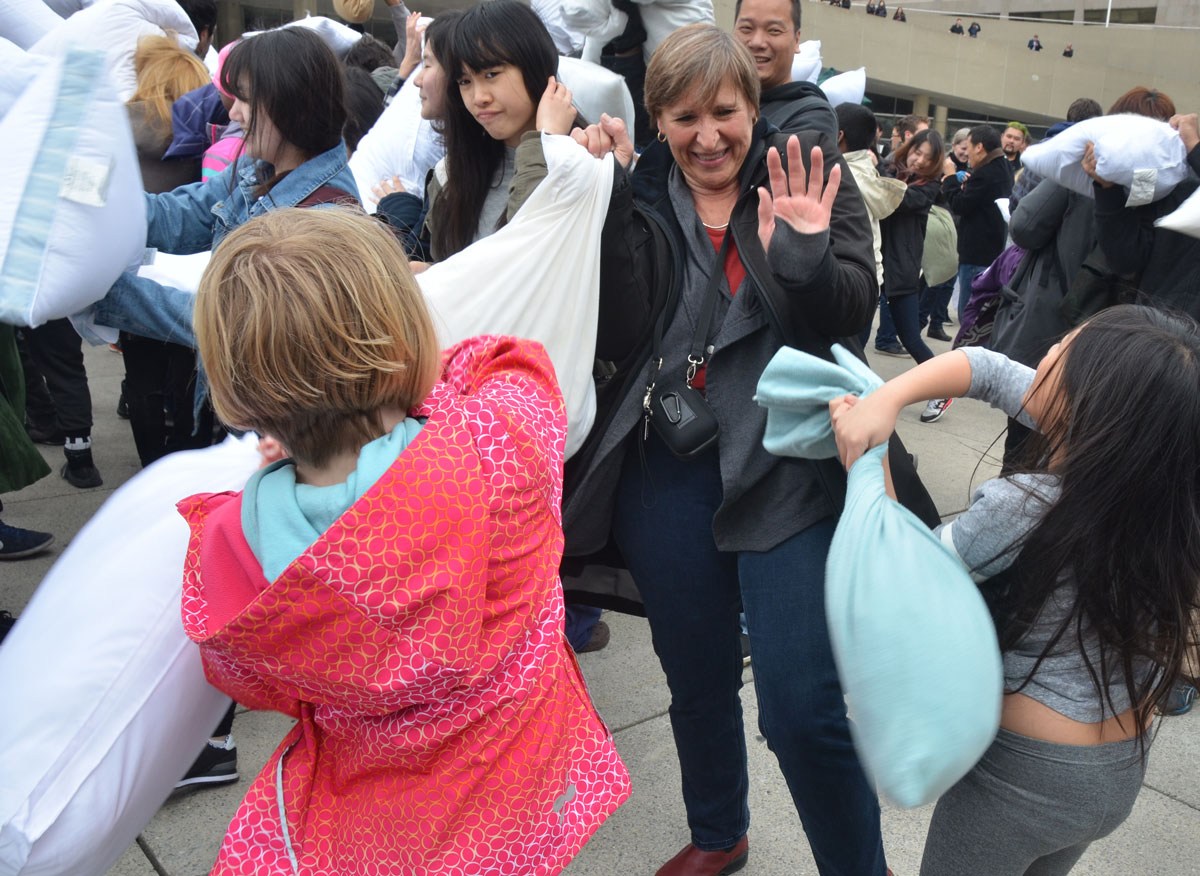
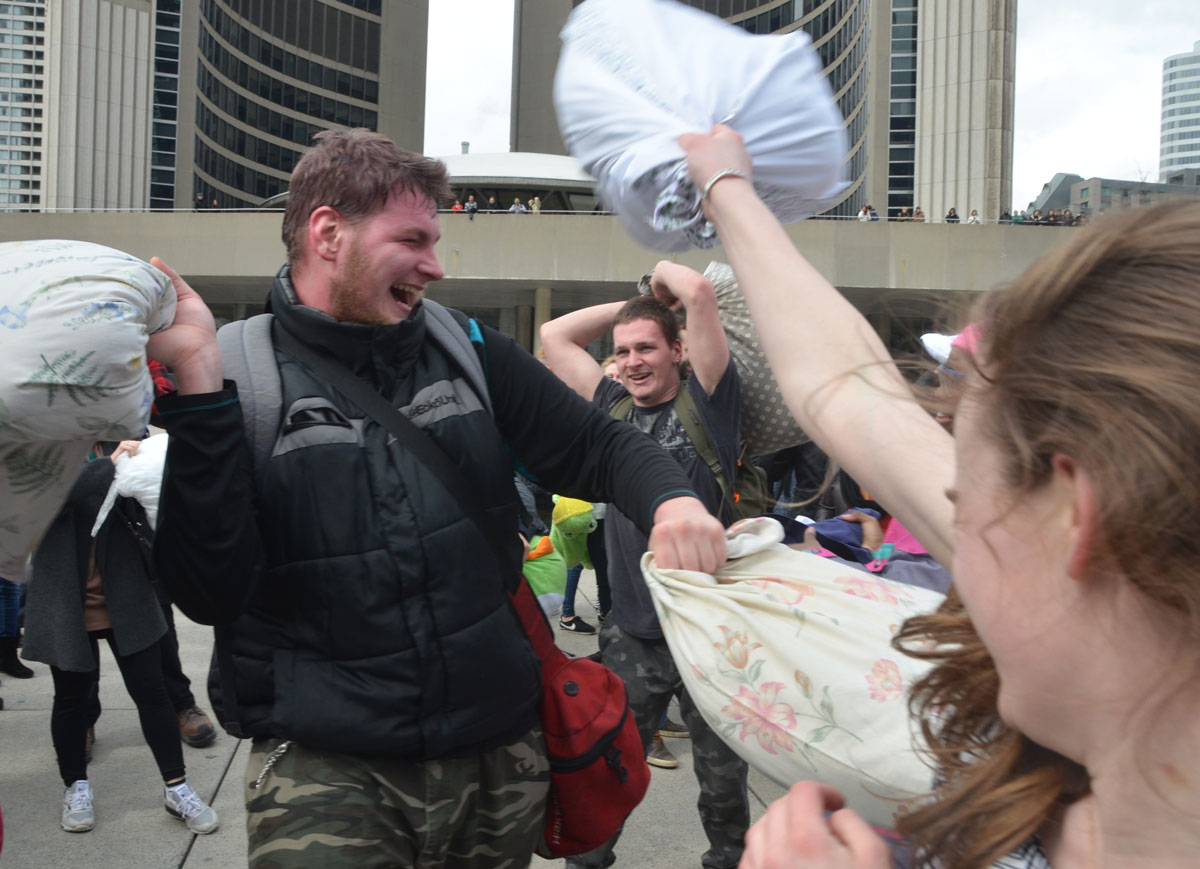
Pillow Fight at Nathan Phillips Square
in celebration of International Pillow Fight Day 2016










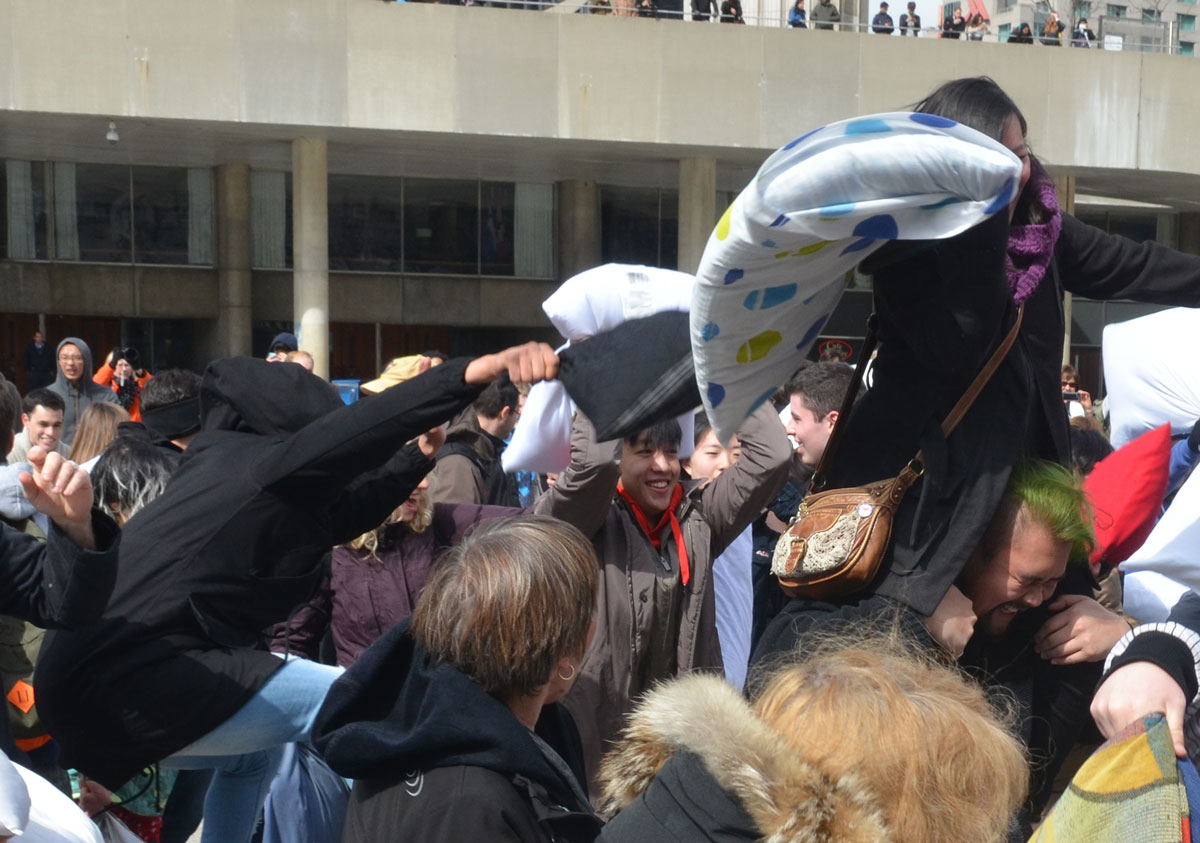


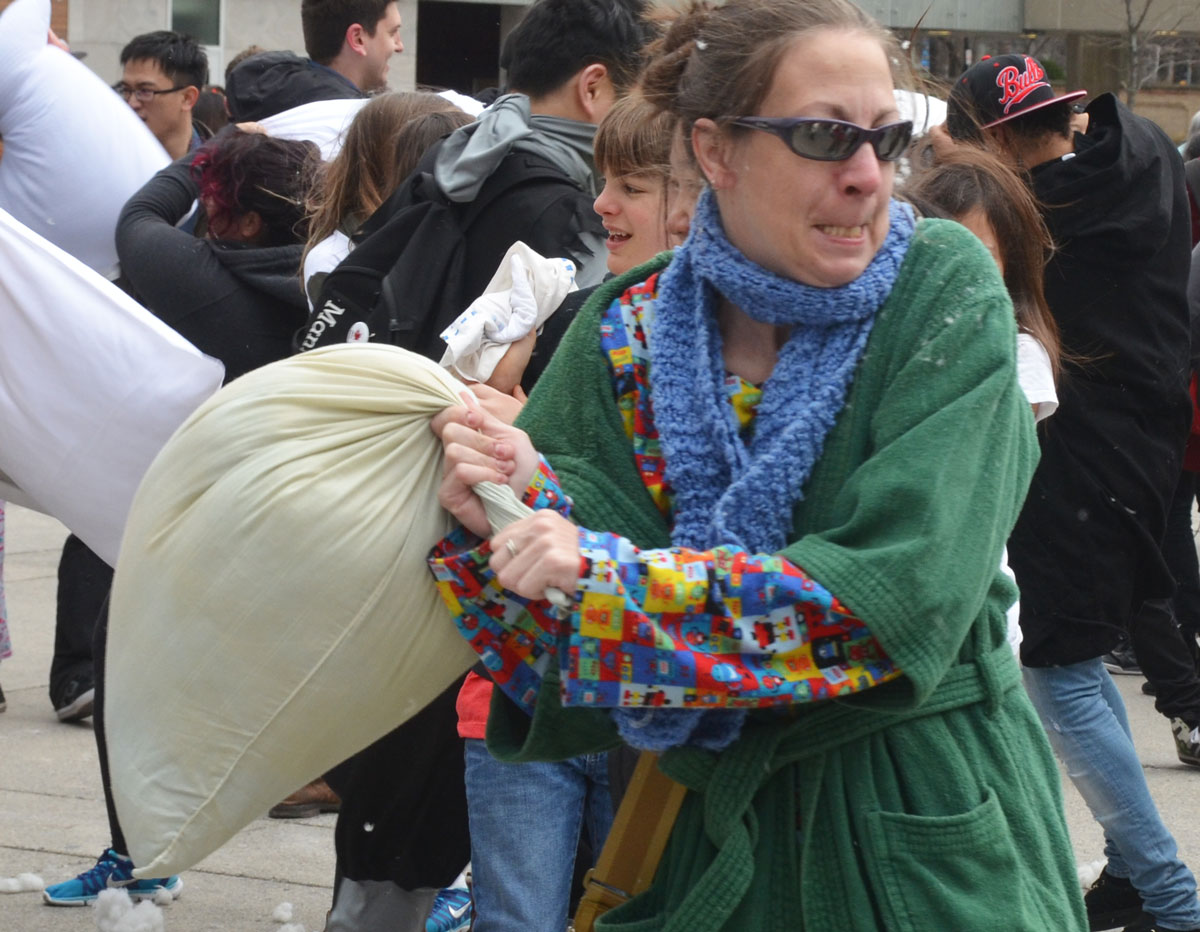


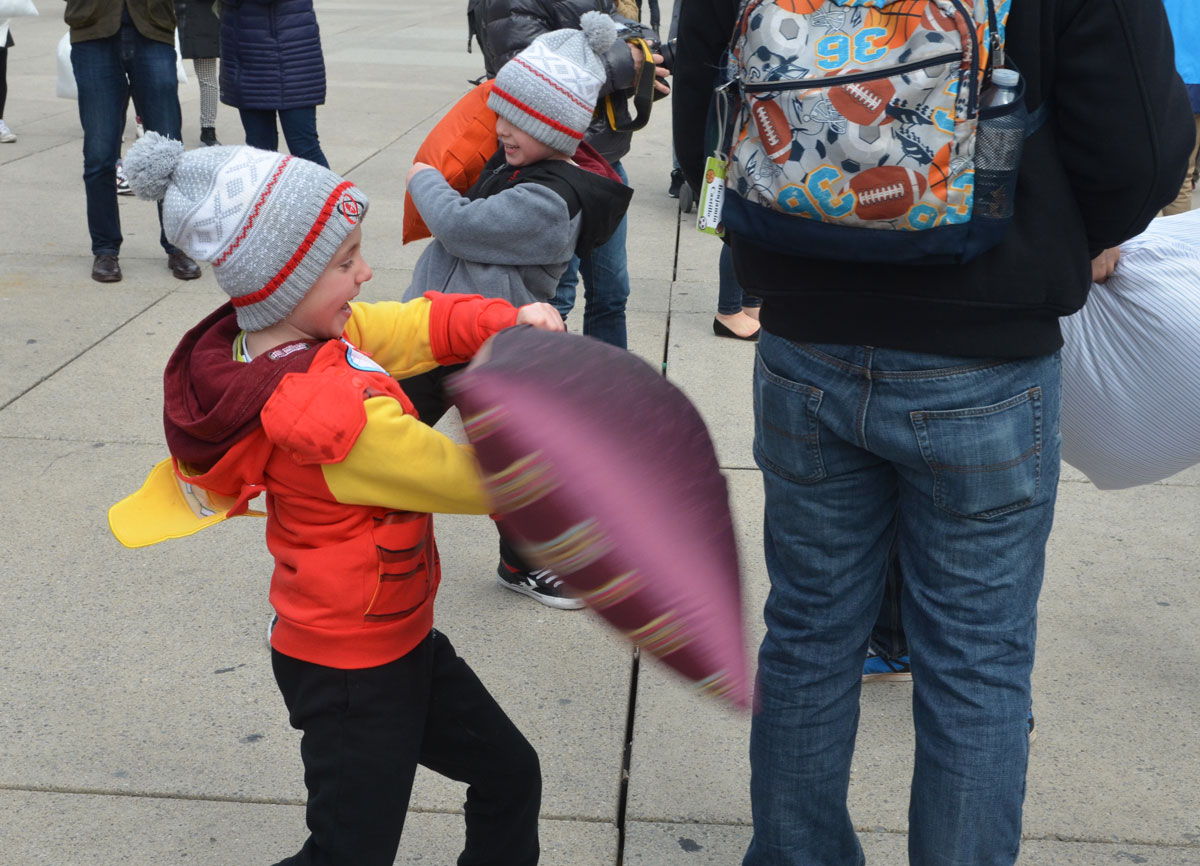
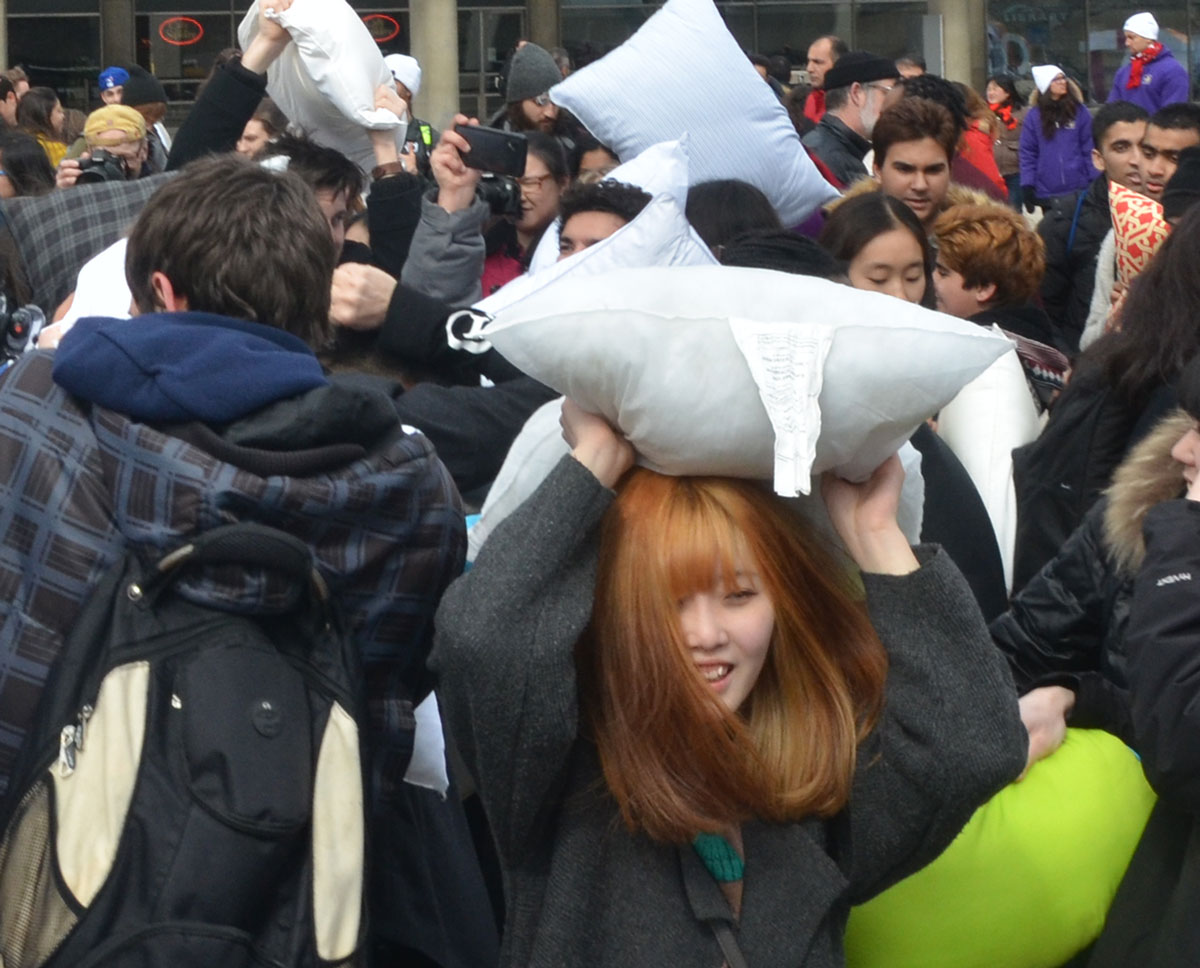
#pillowfight | #pillowfighttoronto
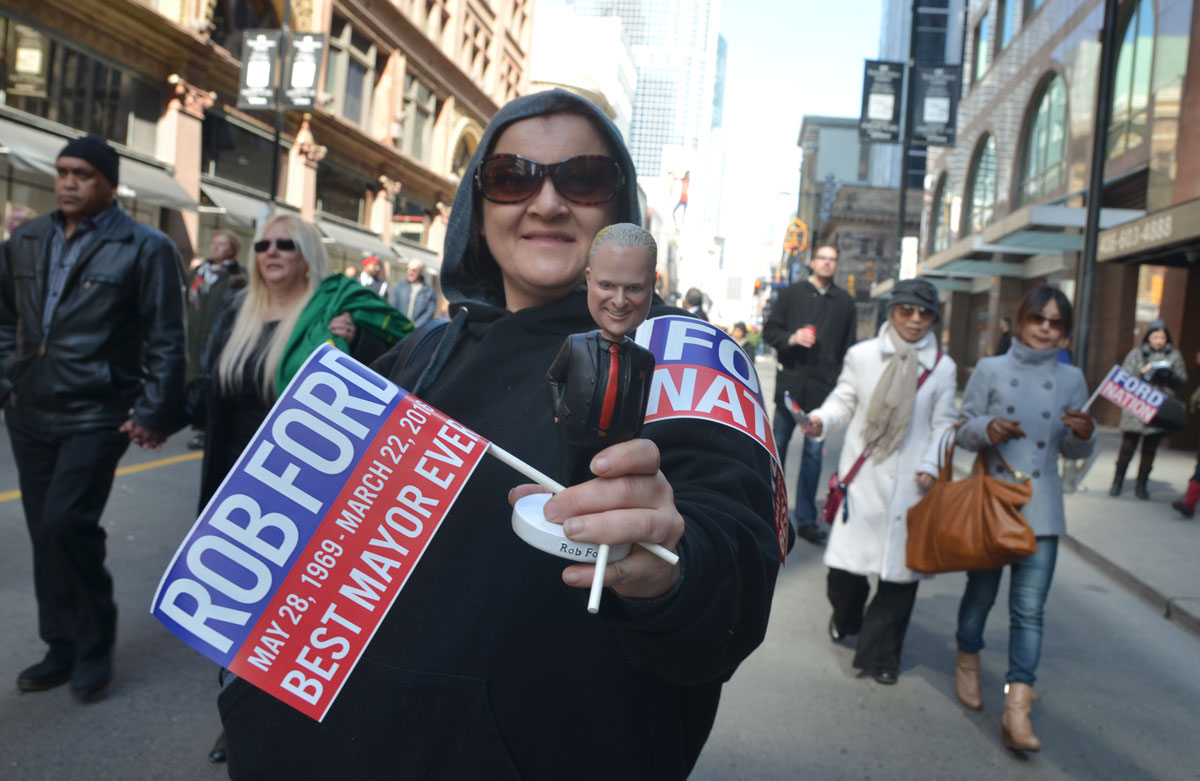
Rob Ford
City councillor and former Mayor of Toronto
May 1969 – March 2016,
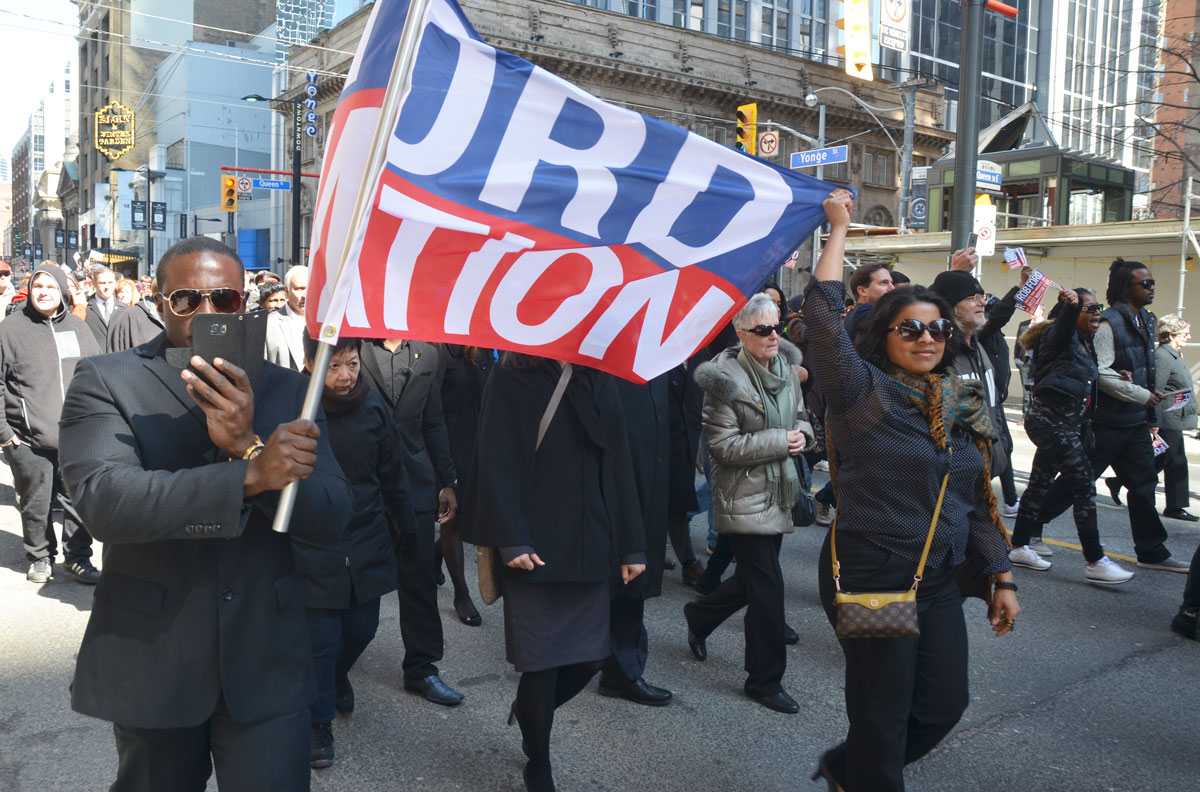
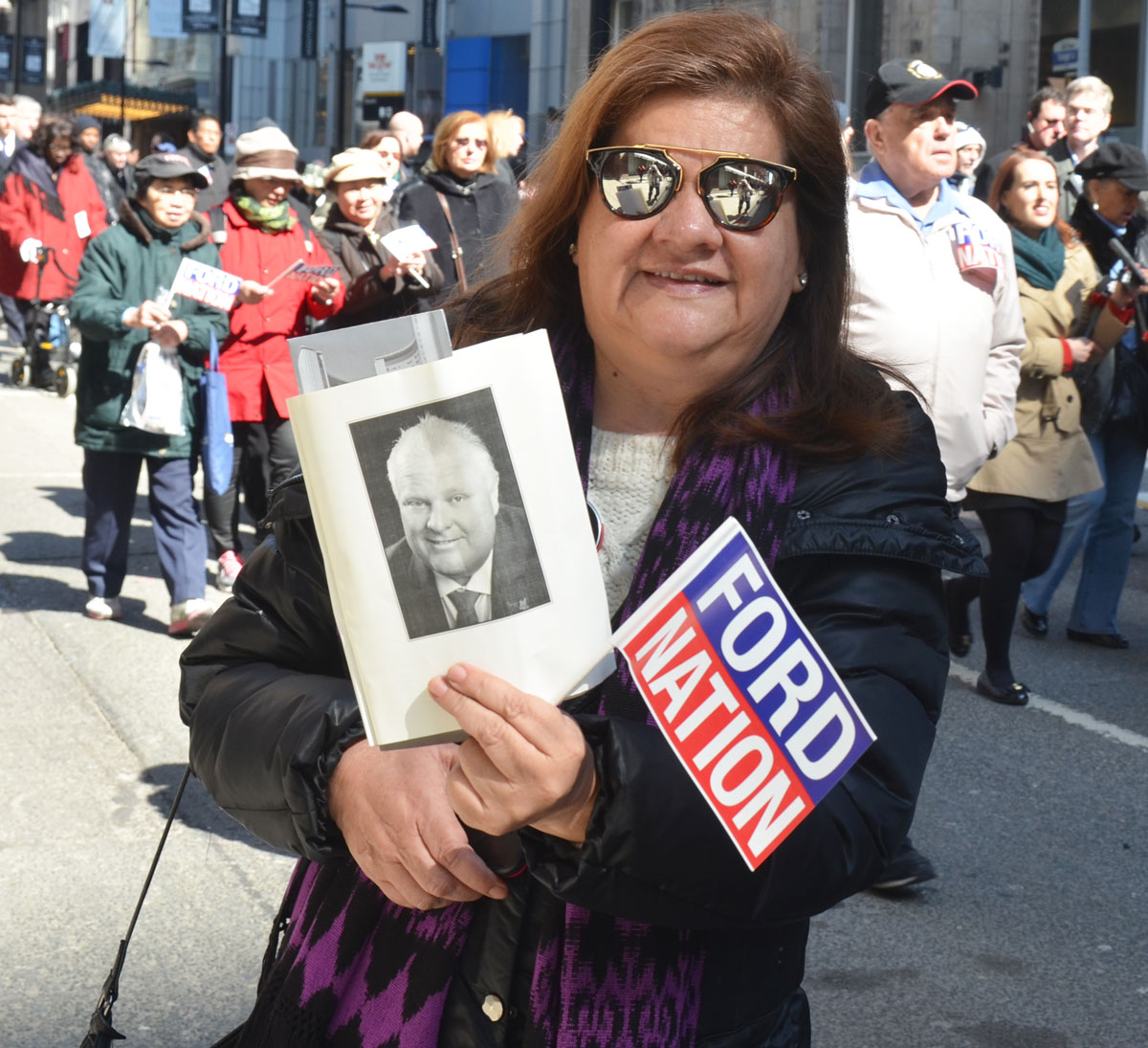
Funeral procession from City Hall to St. James Cathedral, 30 March
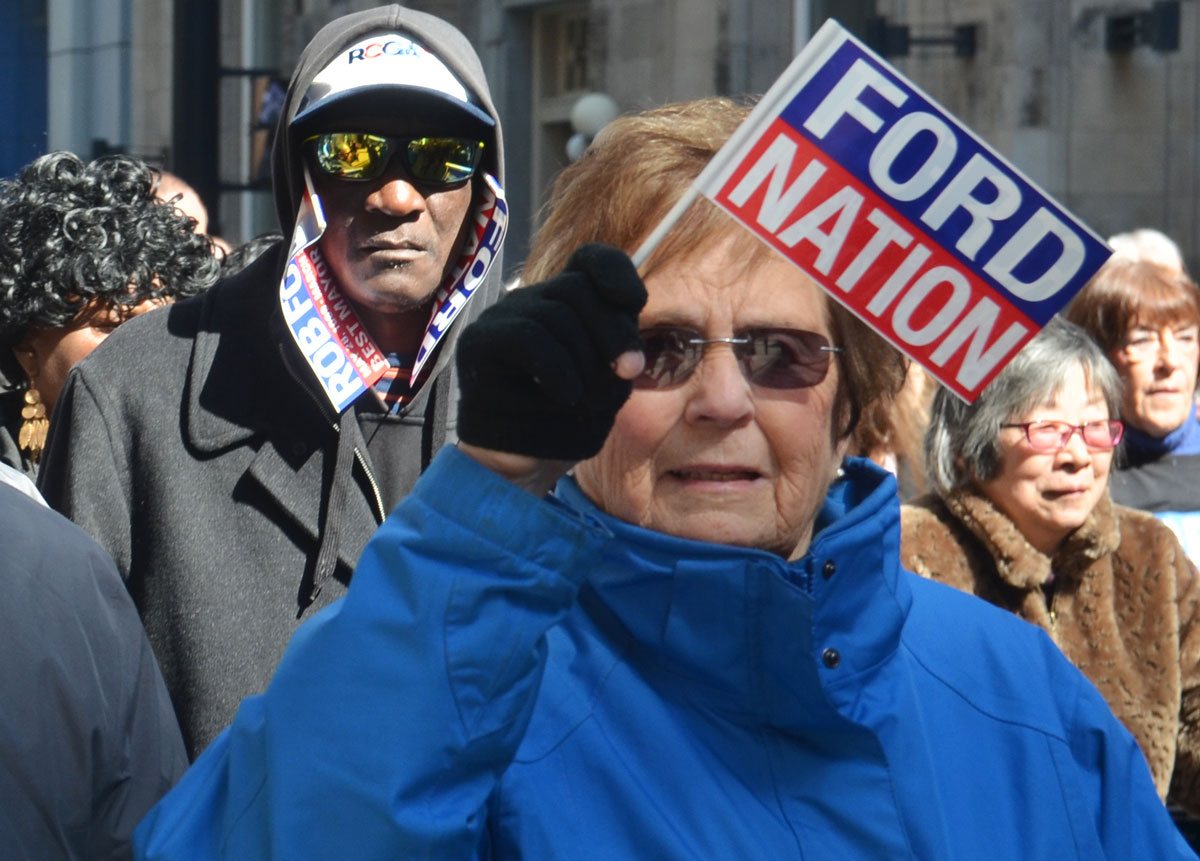
below: For two days Rob Ford lay in repose at City Hall where people could pay their respects. And many did. Yesterday, the line up wound around the corner of City Hall as people waited their turn. Some people loved him; some people hated him. Possibly there were those who were indifferent.

This morning there was a short procession from City Hall to the noontime funeral at St. James Cathedral.
below: After arriving at City Hall, Doug Ford greets the crowd.

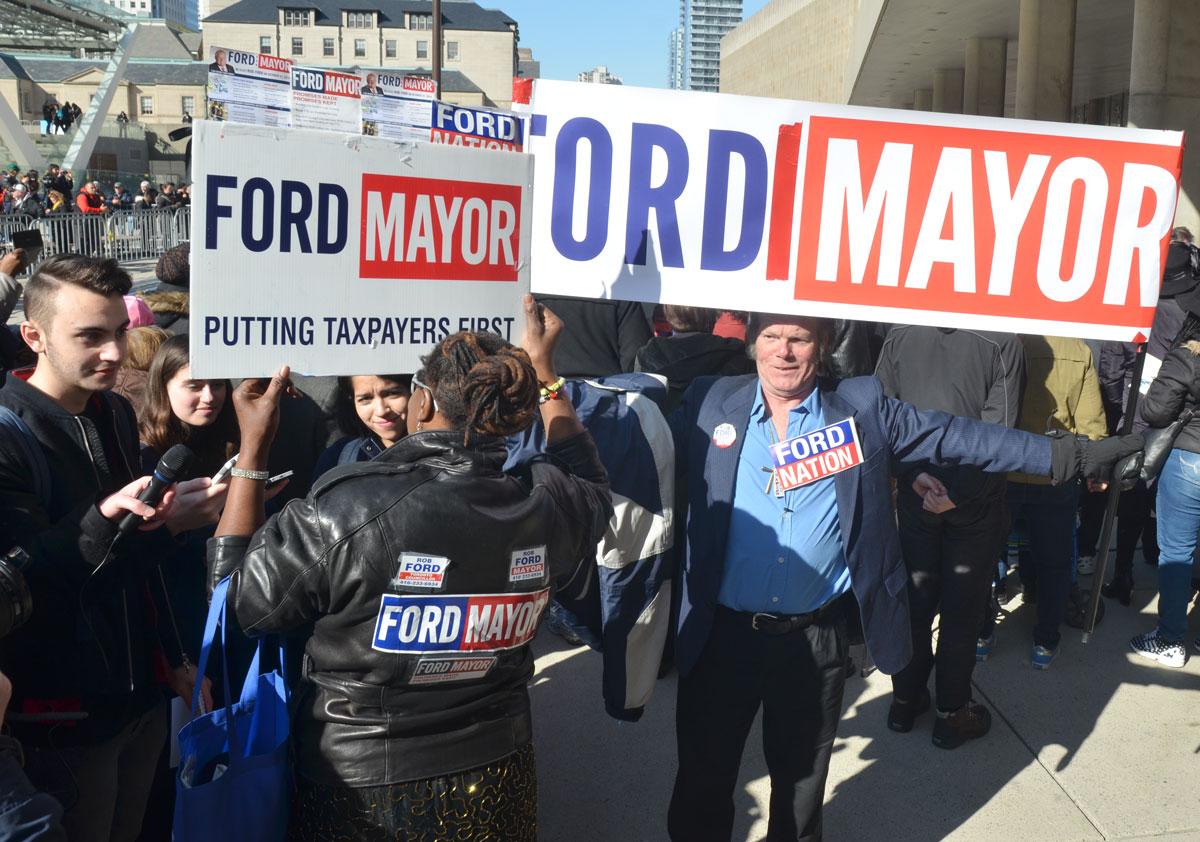
Although the procession was scheduled to begin at 10:30, it didn’t start until close to 11:30. A group of people waited at Nathan Phillips Square including some of Rob Ford’s supporters. I overheard a conversation between two men who were discussing what they thought of politics and politicians, most of it negative. At one point they declared that all career politicians should be kicked out of office. I thought to myself, you mean guys like Rob Ford? Wasn’t he a career politician?


About 20 or so people were holding a large flag made of a couple of Canadian flags and all the provincial flags stitched together. It was a very diverse group of people, diverse in age as well as in ethnic background. They were joking about whether or not they were going to be on the front page of the ‘Sun’. We shall see!

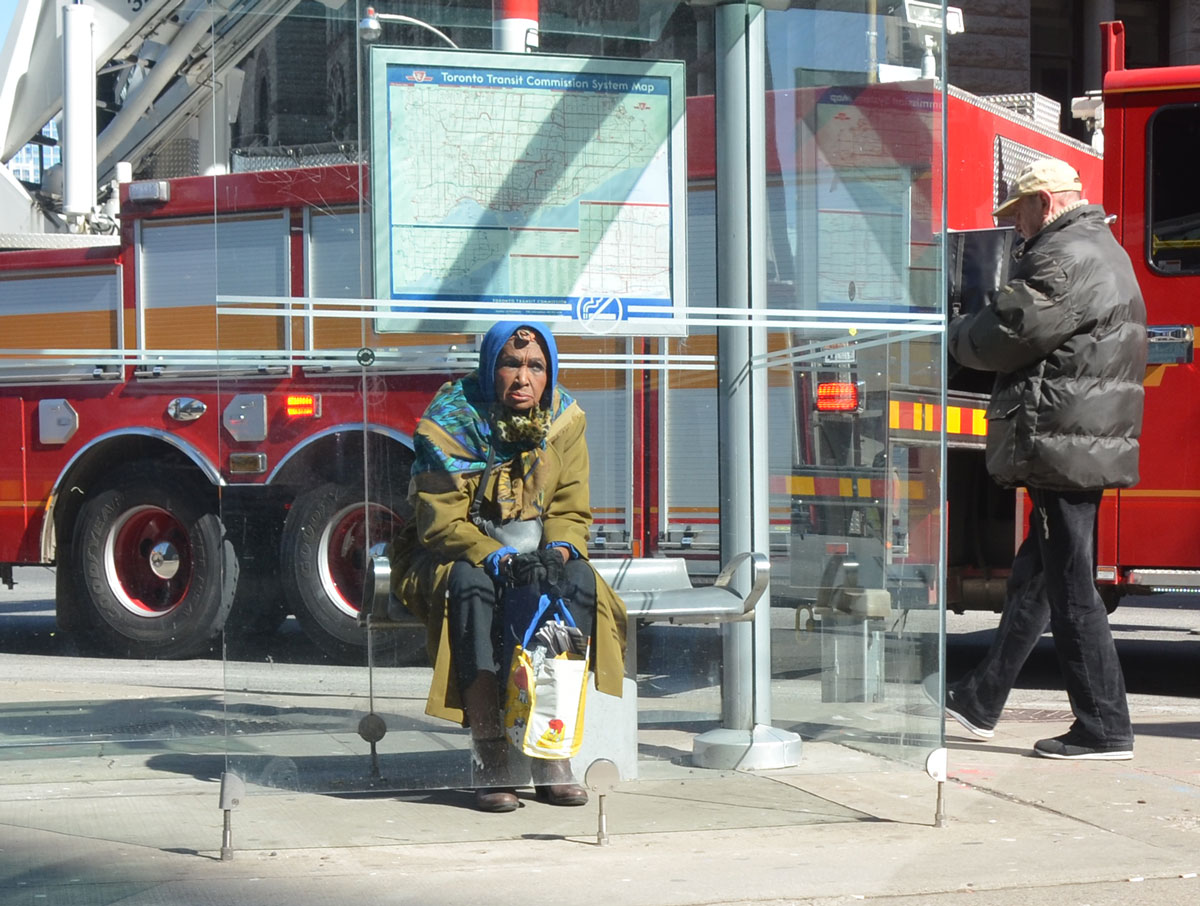
below: A woman finds a quiet place to sit and wait.
below: The police were in position, ready to start, long before the procession began. So was the media and it was a very large media presence indeed.

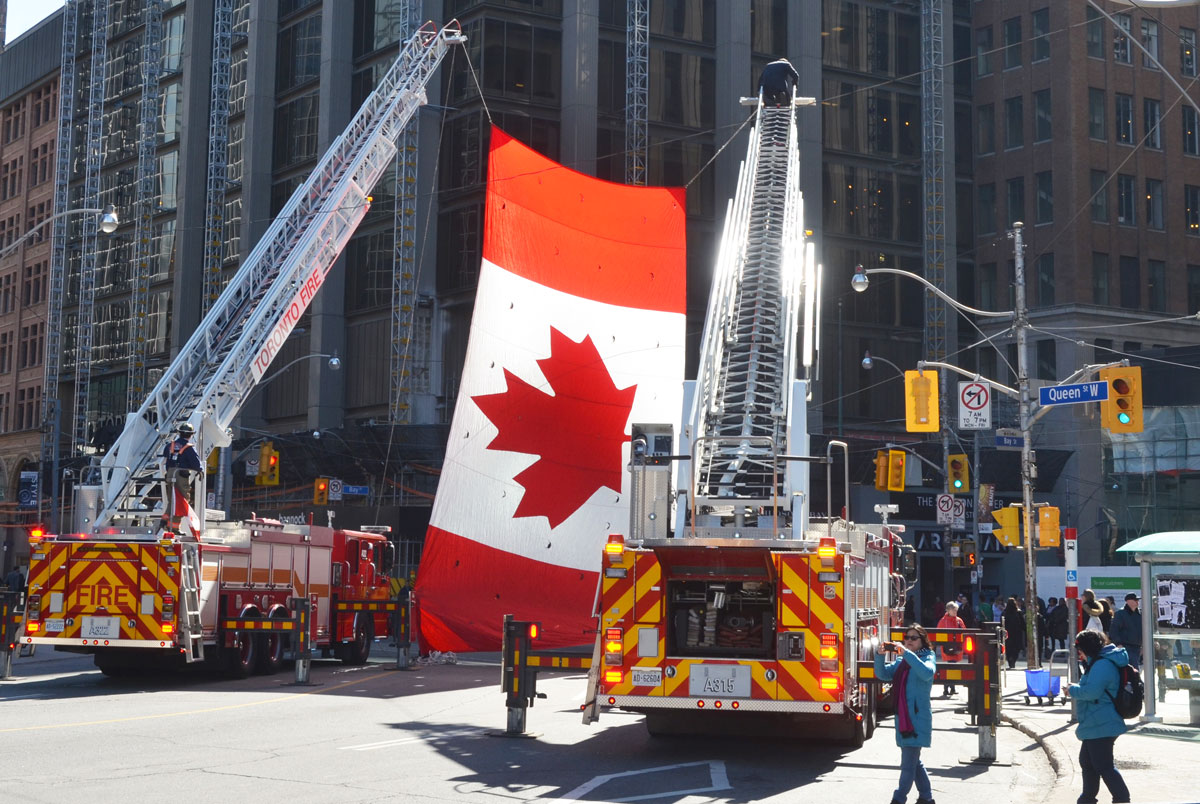
below: The Toronto Fire Department had a large Canadian flag on display at Queen and Bay streets, near the beginning of the procession route.


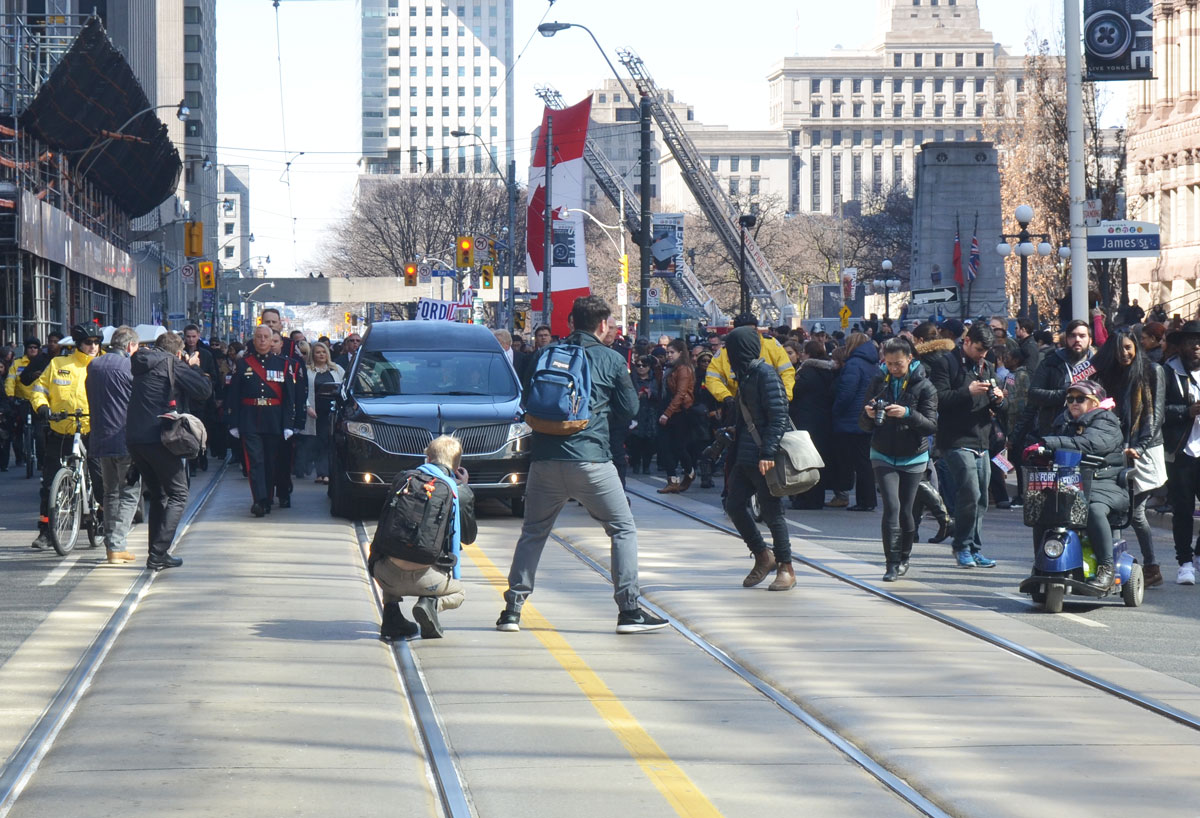


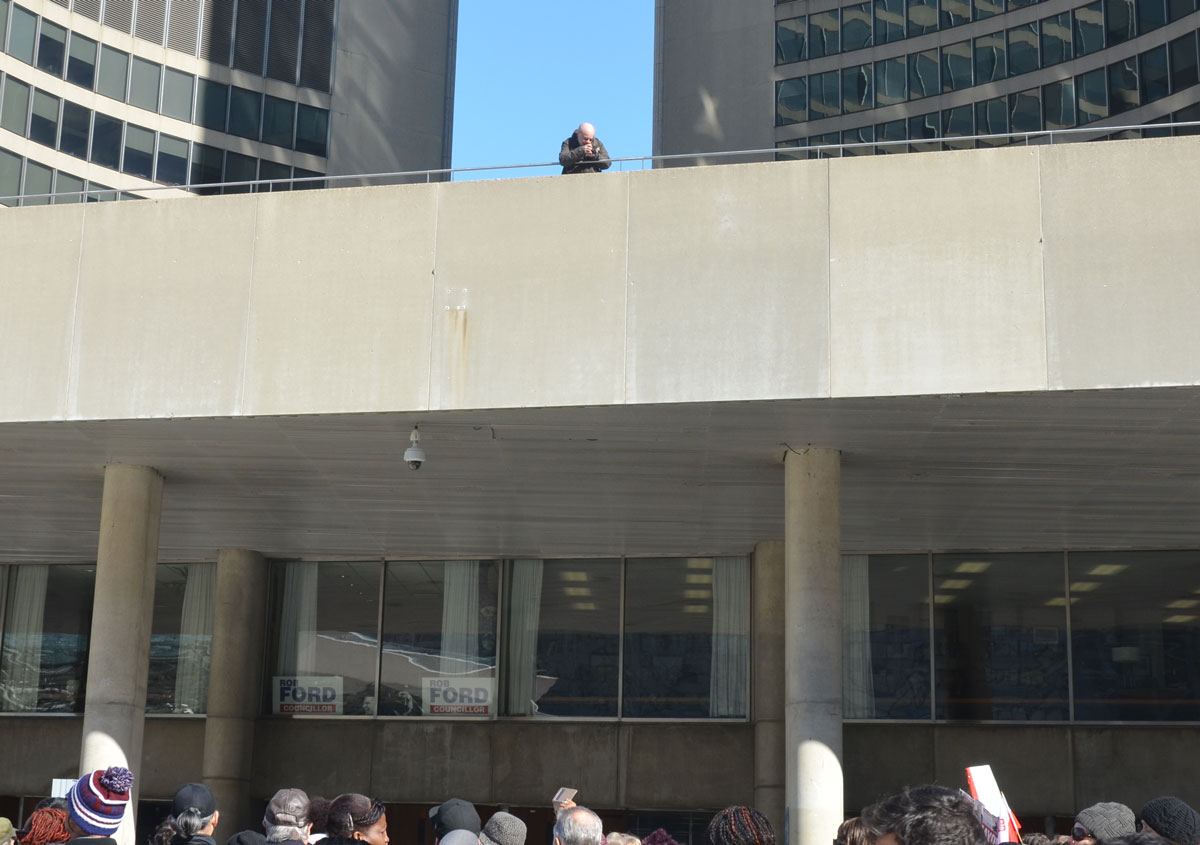
below: Trying to keep the people, most with cameras, off the streets.

below: This guy may have been filming the crowd (and me) but he didn’t look away from his phone.
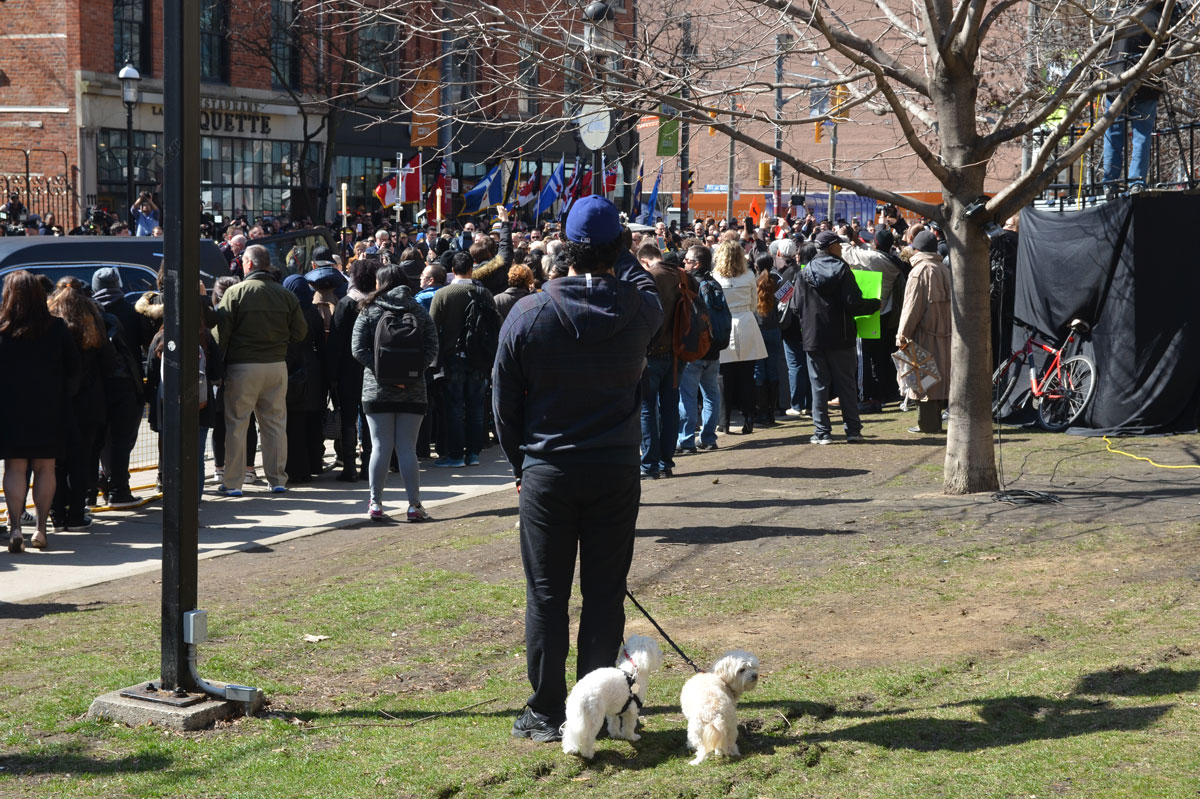
below: The crowd in front of St. James cathedral




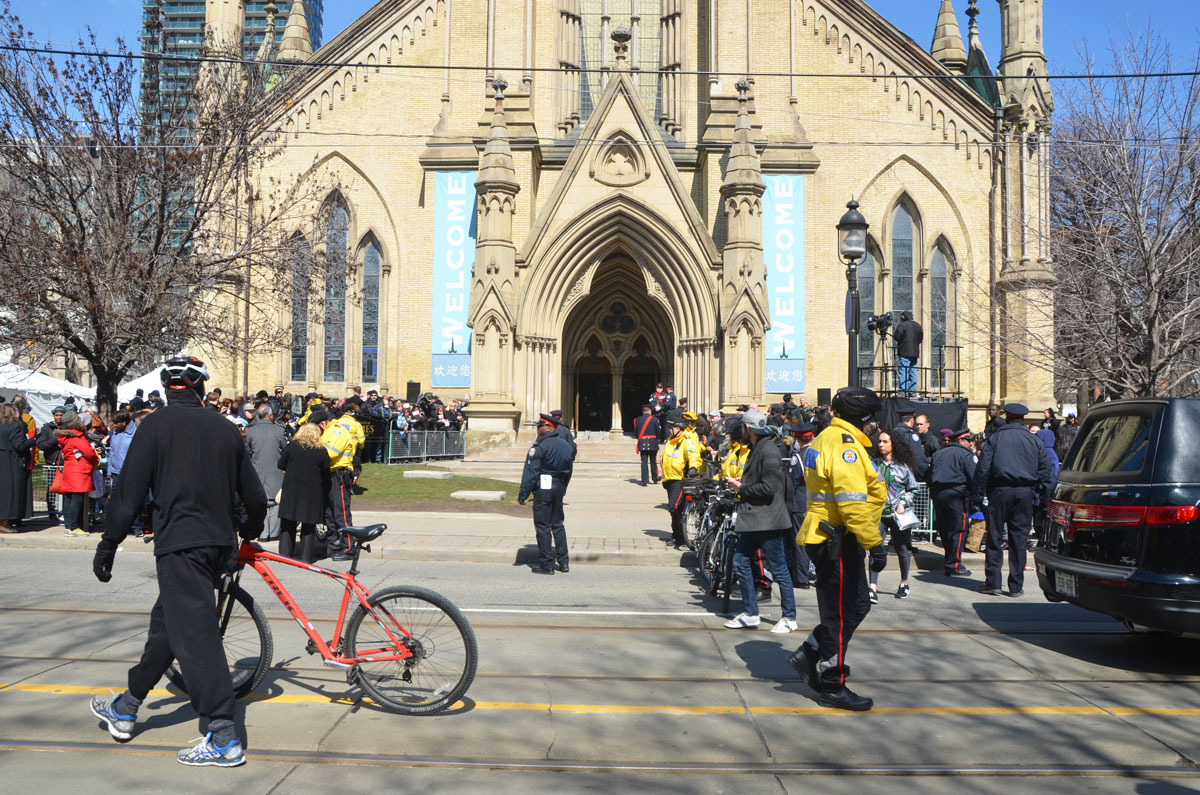
As I was walking away from the cathedral, a woman approached me.
She pointed towards the church asked me if I knew what was going on there.
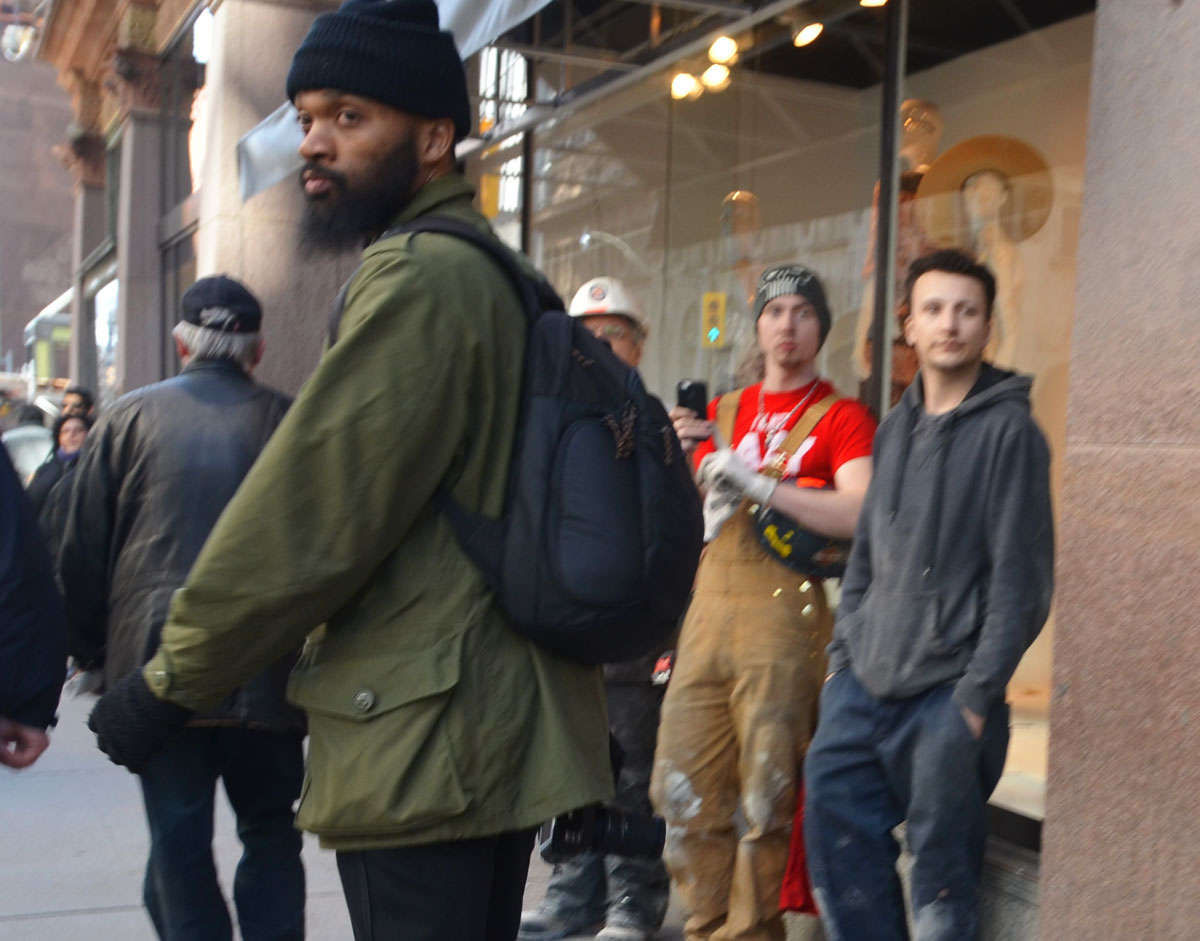
added later: I was going to discard this photo but then I noticed the man in the mask.
Who wears a mask to a funeral procession?

Today was the first day of TIFF.
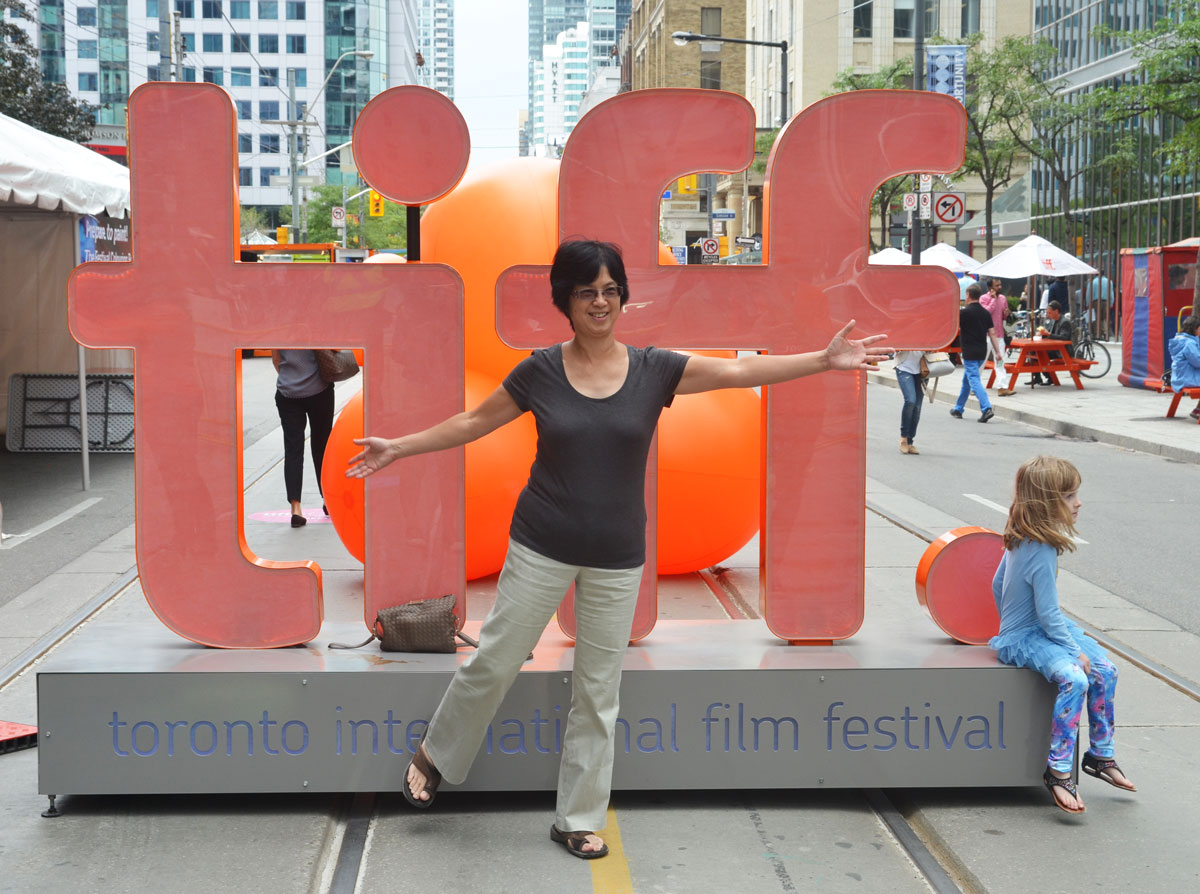
Happy 40th birthday to TIFF!

King Street is closed between University and Spadina for a few days so I thought I’d wander through the TIFF party to see what was happening. I played ‘follow the crowd’.
below: Who are we looking for? I wasn’t sure, but hey, why not wait and see?
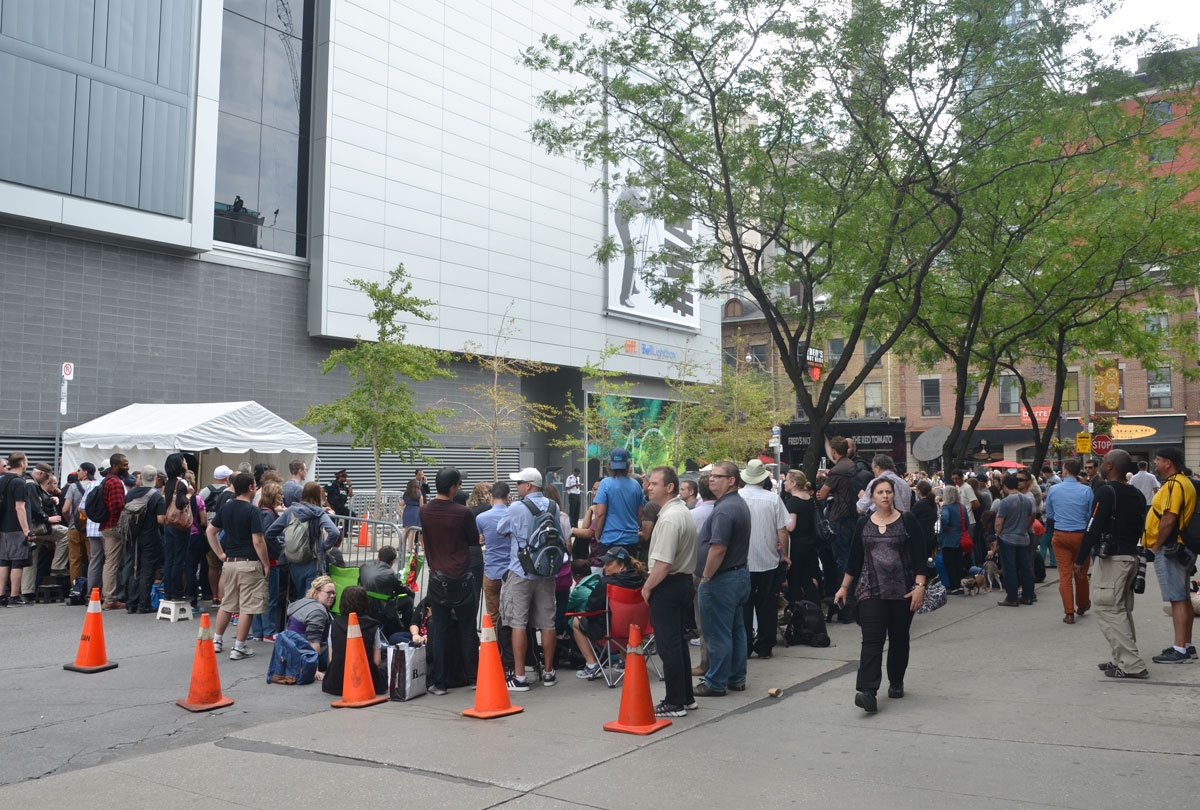

below: Widmer Street was closed to traffic
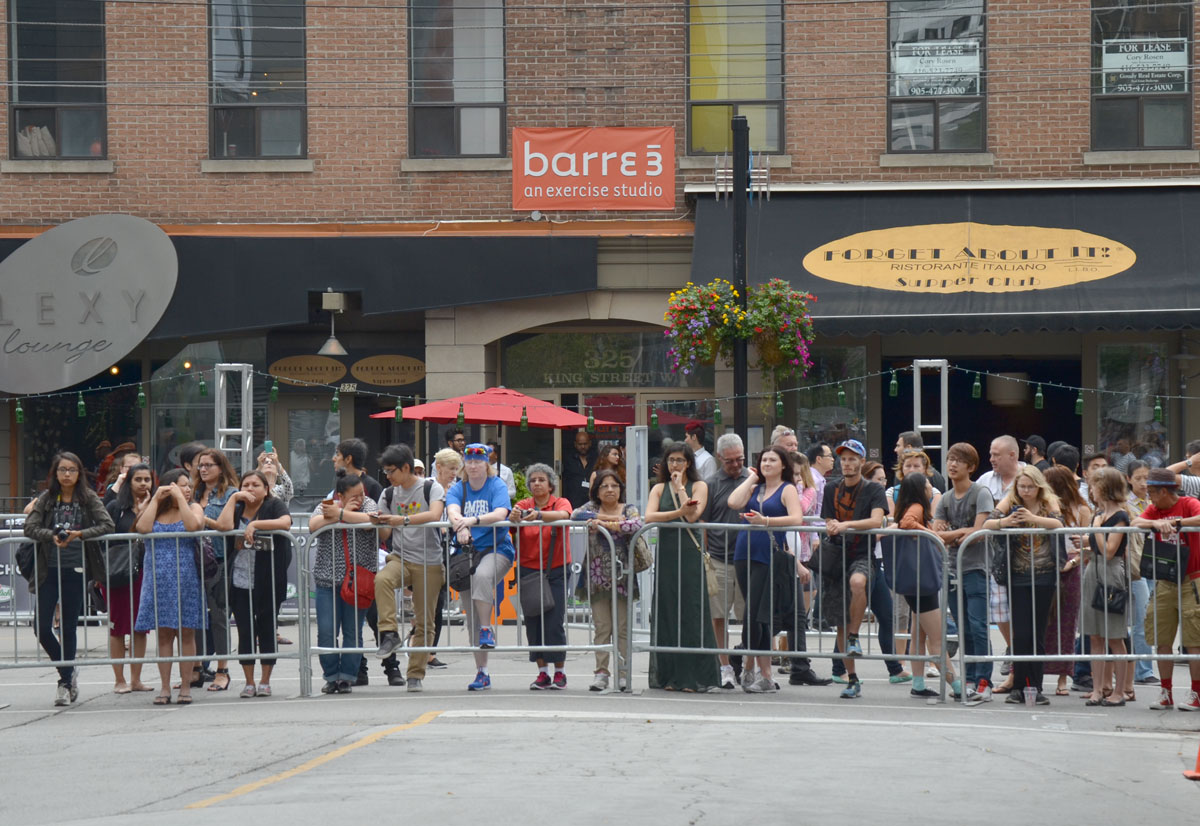
…. except for a few black Cadillac Escalades.

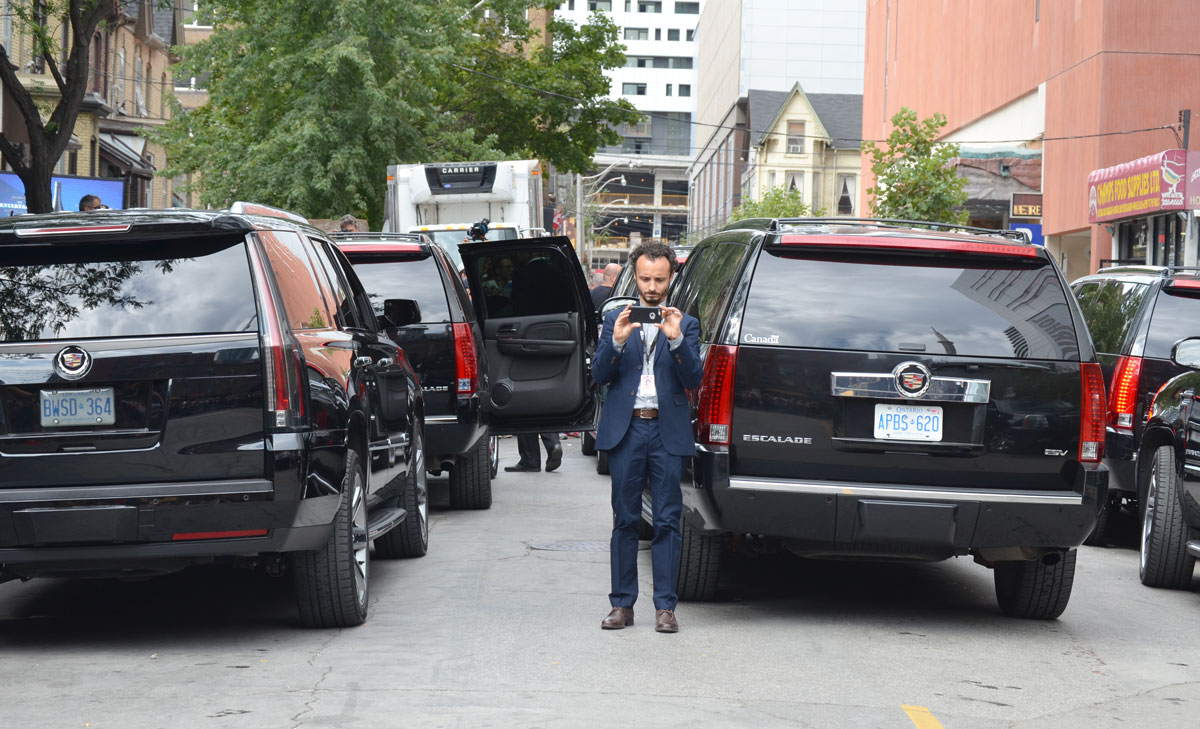
below: I’m not sure who he was but he seems to be taking pictures of the crowd
(or is he taking a selfie?)
below: Sean Bean (aka Ned Stark in Game of Thrones – thanks to the woman beside me who knew who he was) in the burgundy coloured vest. As it turns out, the movie ‘The Martian’ had just finished playing at the TIFF Lightbox and many of the cast members had been in attendance.
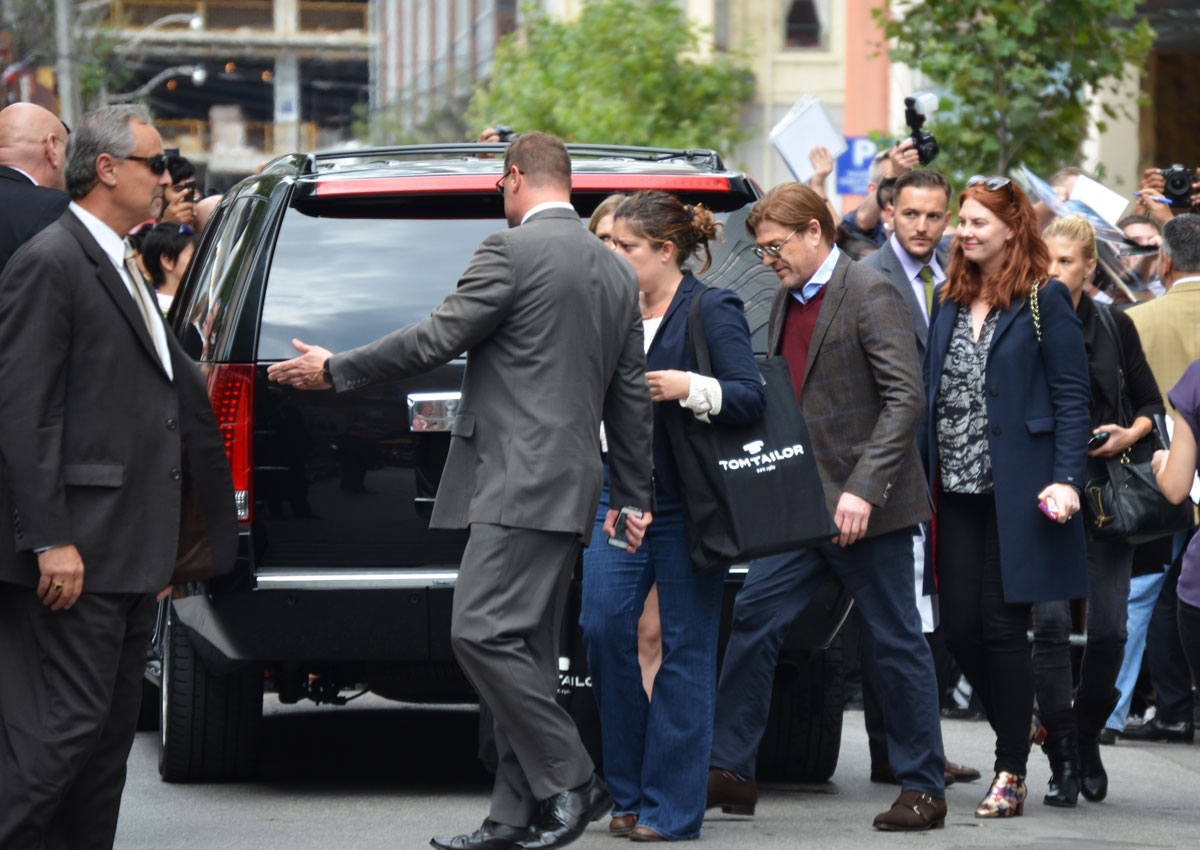
below: I think it’s Danny Glover; I could be wrong
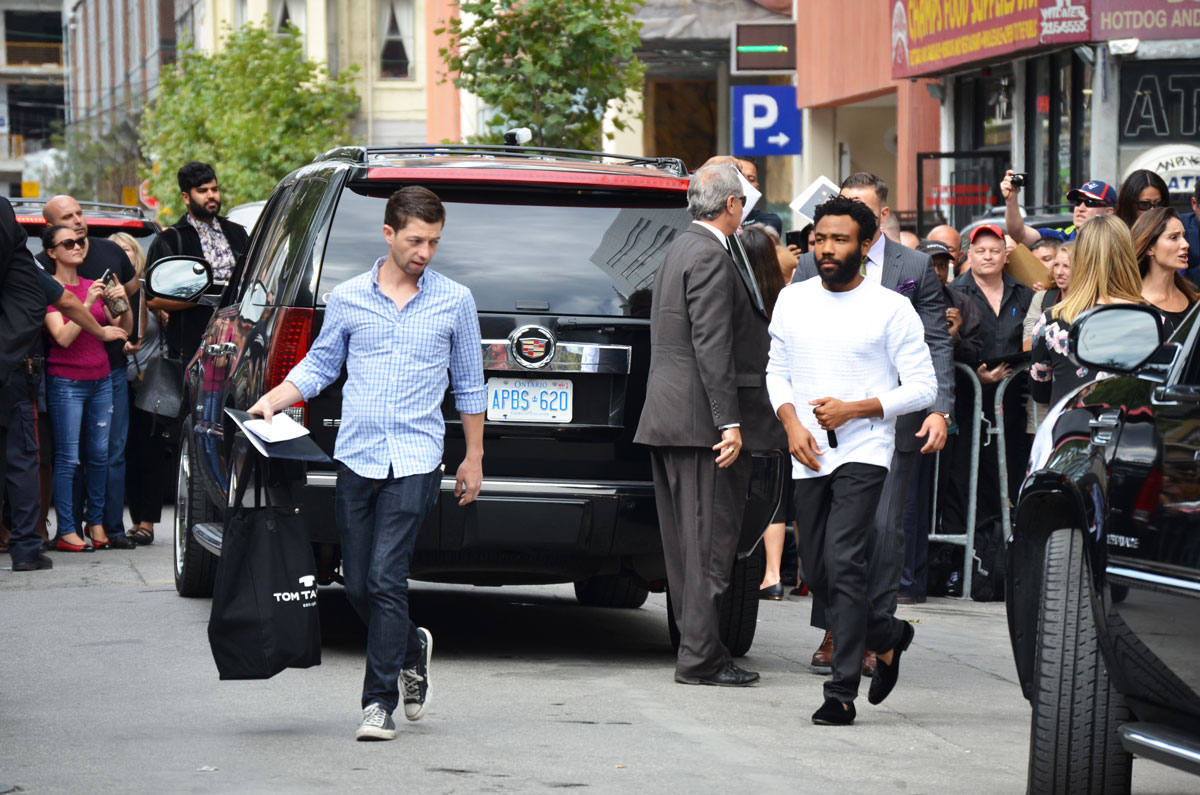
below: Jessica Chastain, also in ‘The Martian’ worked the crowd. She was generous and let many people take selfies with her. Not in the picture, the three security guards who stayed close to her the whole time. Also not in the picture, any selfie with me!

Once Jessica passed by me, I moved away from the crowd and headed back along King Street.
I didn’t far when I spotted another, smaller, crowd.
below: Can’t be a badass security guy with a shaved head and dark glasses!

I struck up a conversation with one of the Escalade drivers. He told me that Matt Damon was due to come out in about 20 minutes after some sort of press event. That’s when I clued in to the fact that the people who got into the big black SUVs two blocks back had only been chauffeured to this place! Since I missed Matt Damon the first time around, I decided to stay. Besides, the crowd was friendly and chatty and I was having a good time.

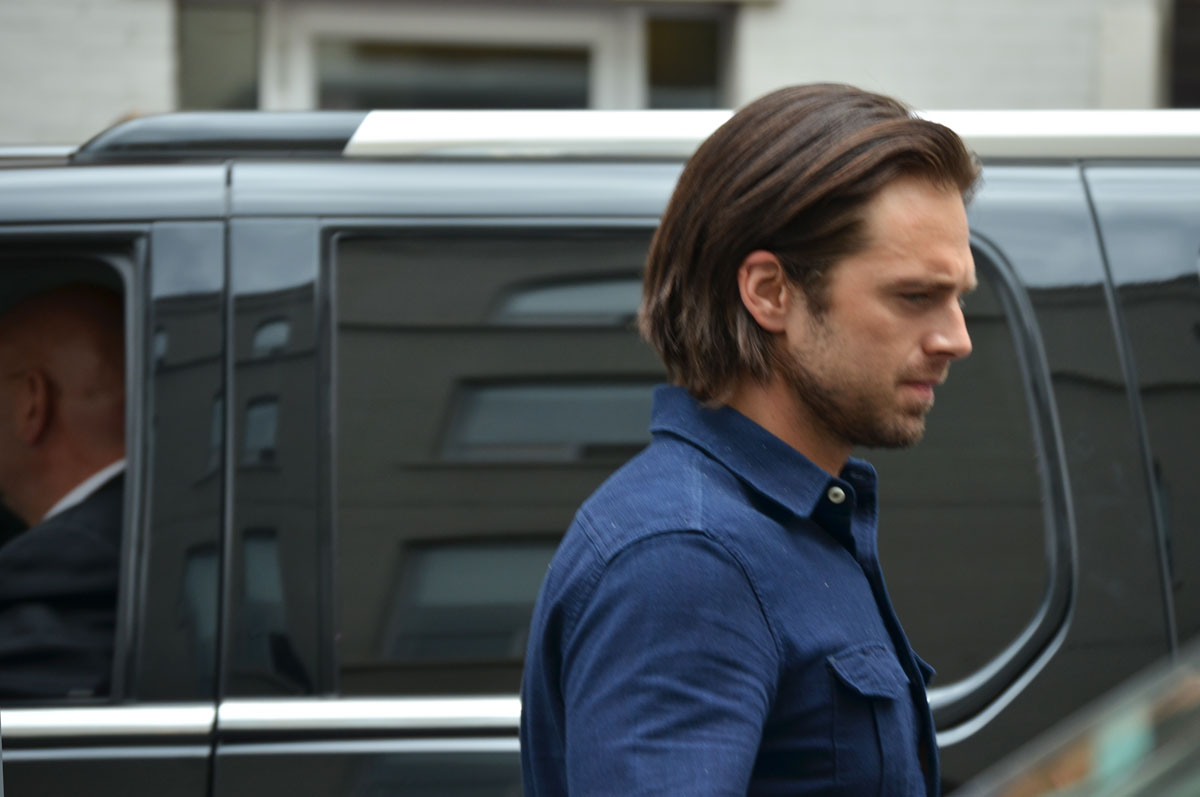
below: Sebastien Stan walks to a car after signing a few autographs. When he first came out the door, there were a few, “Who’s that?”. The answers were almost all, “Captain America”.


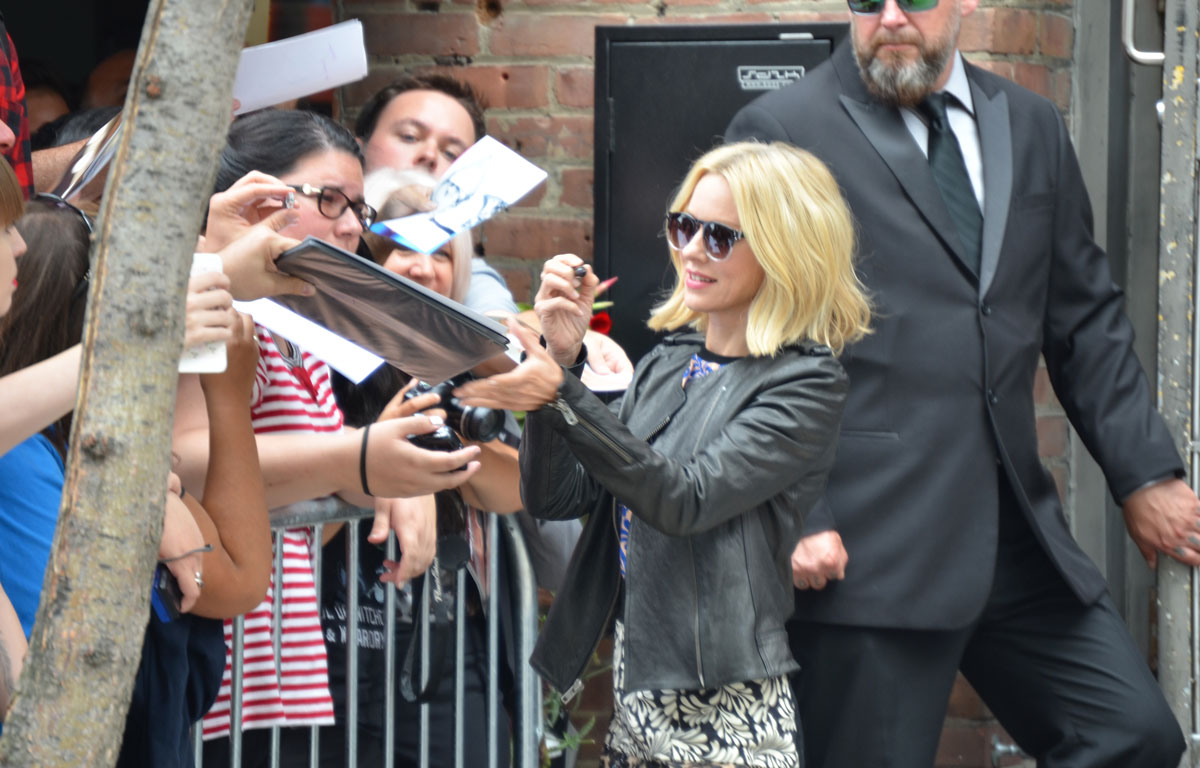
below: Naomi Watt made an appearance too.
Hey, she’s not in “The Martian”, but I didn’t know that at the time!
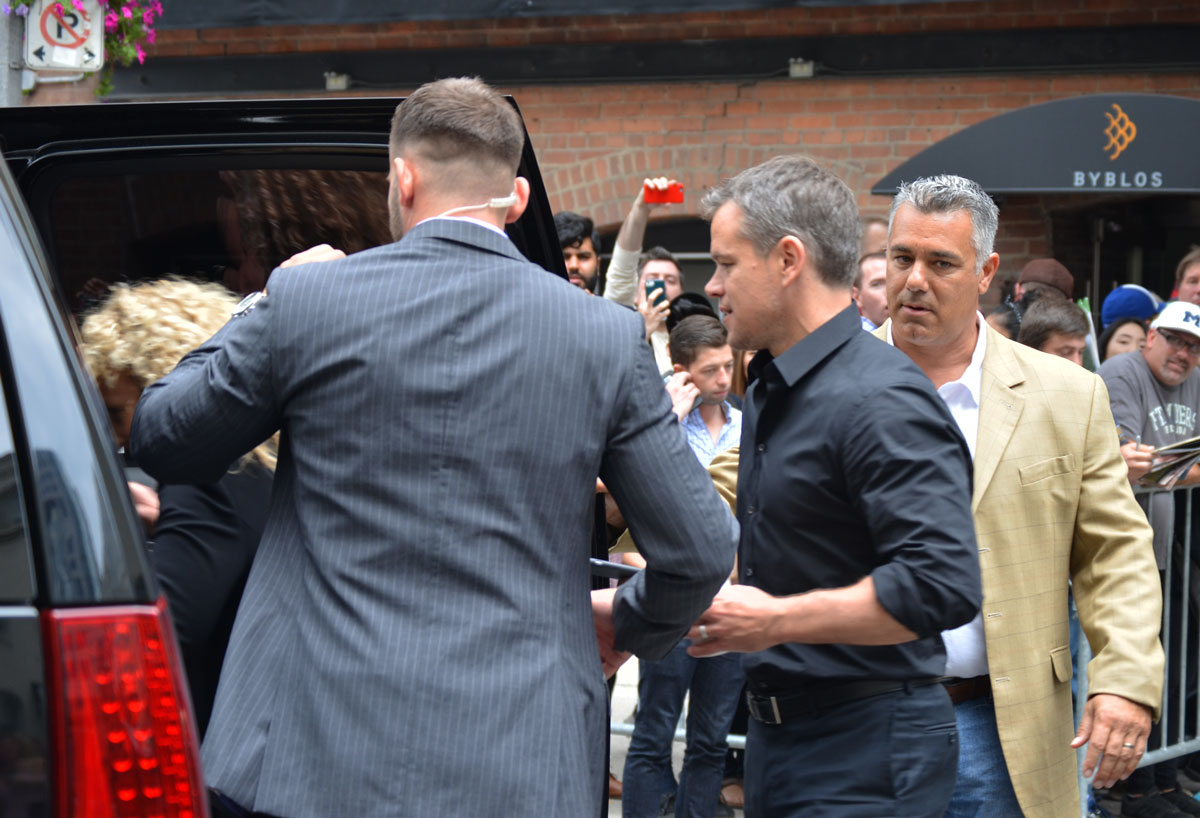
Okay, okay, you all just want to know if Matt Damon let me take his picture.
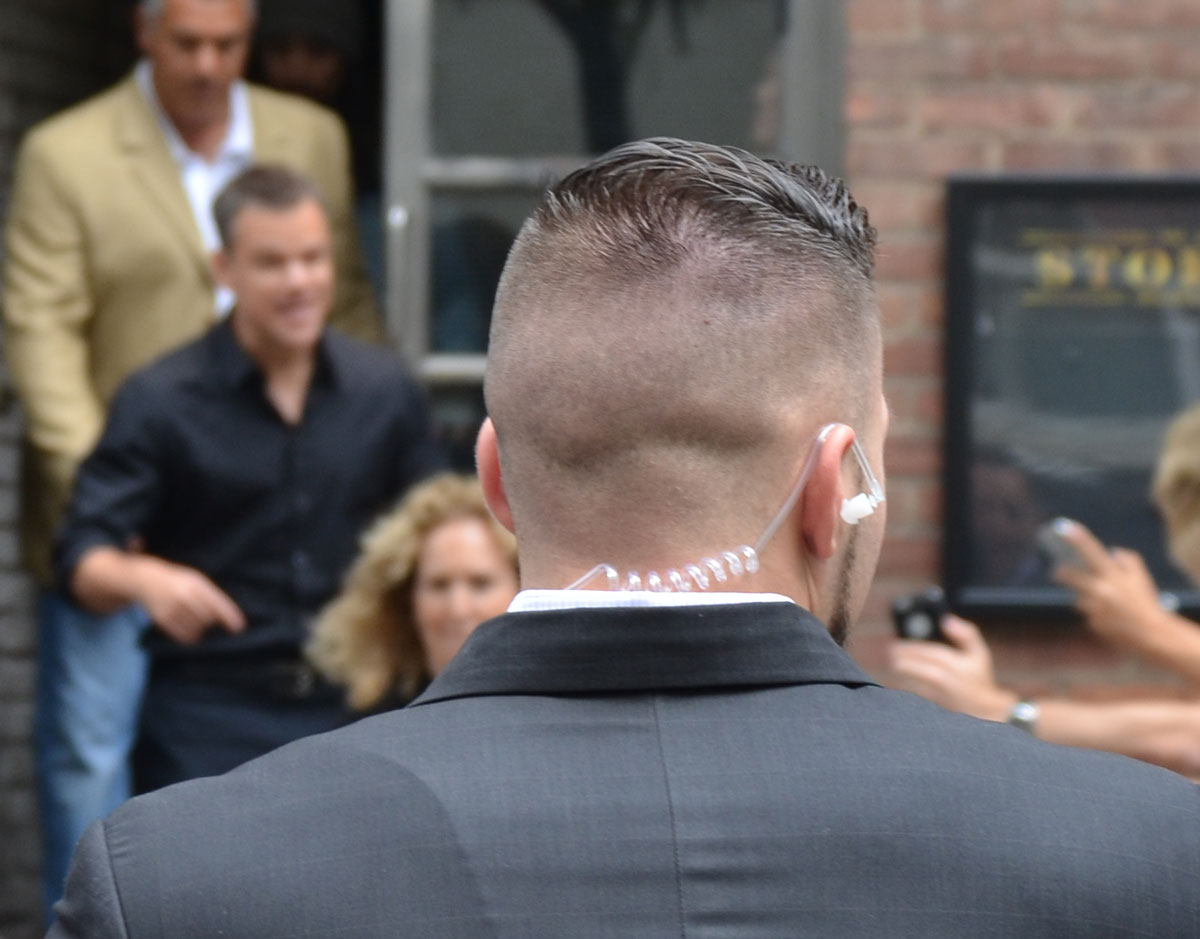
below: One burly security guard stepped in front of me and almost destroyed the moment.
Note the shaved head. No sunglasses though.
Apparently George Clooney, Sandra Bullock and Helen Mirren, were at TIFF today.
I missed them; they’ll have to wait until next time.
#TIFF15
Overheard at Nathan Phillips Square on Saturday:
“There must be 10,000 photographs being taken here as we speak”.
I suspect that he was right!
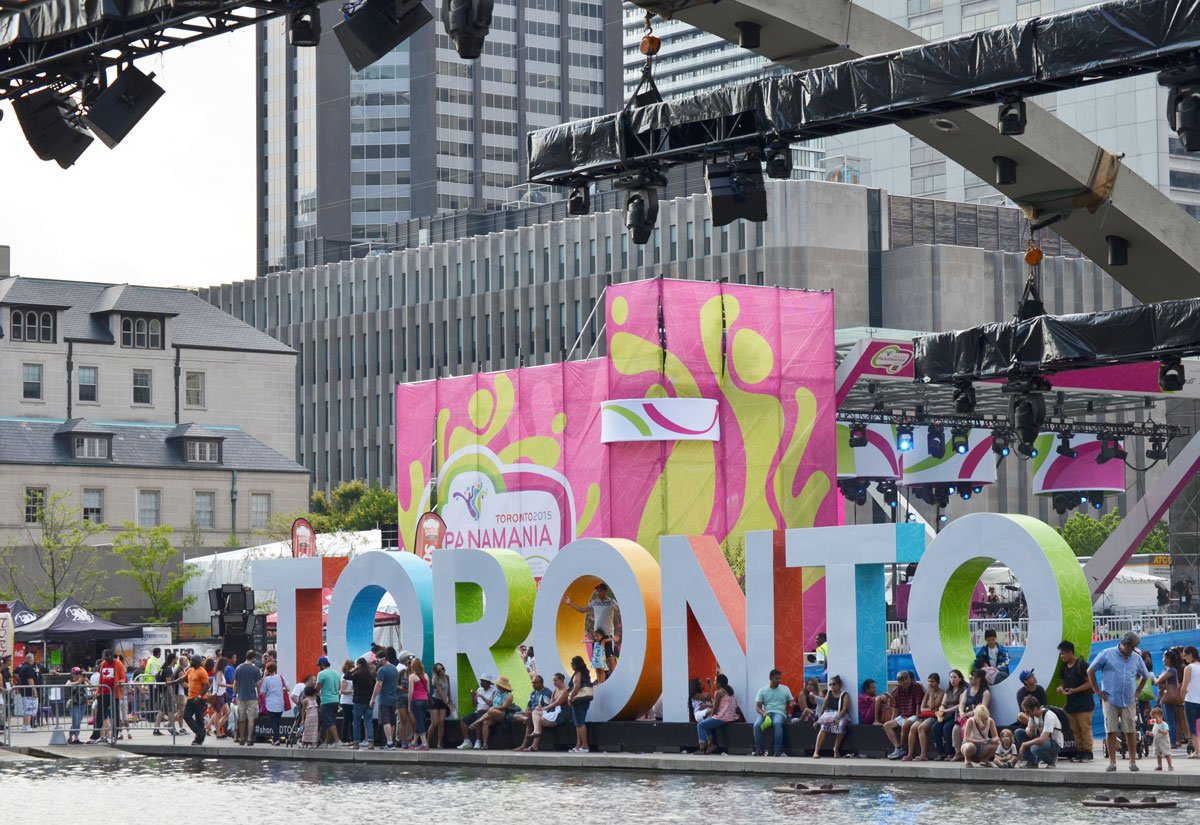
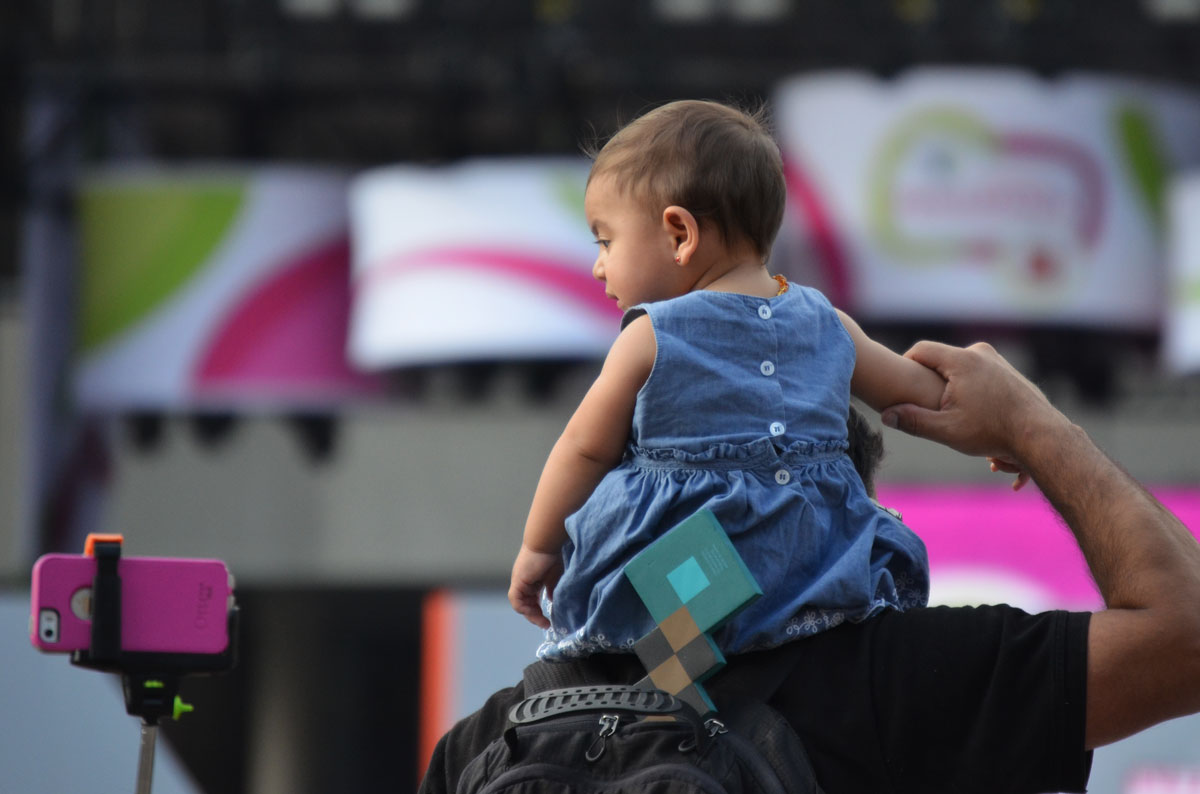
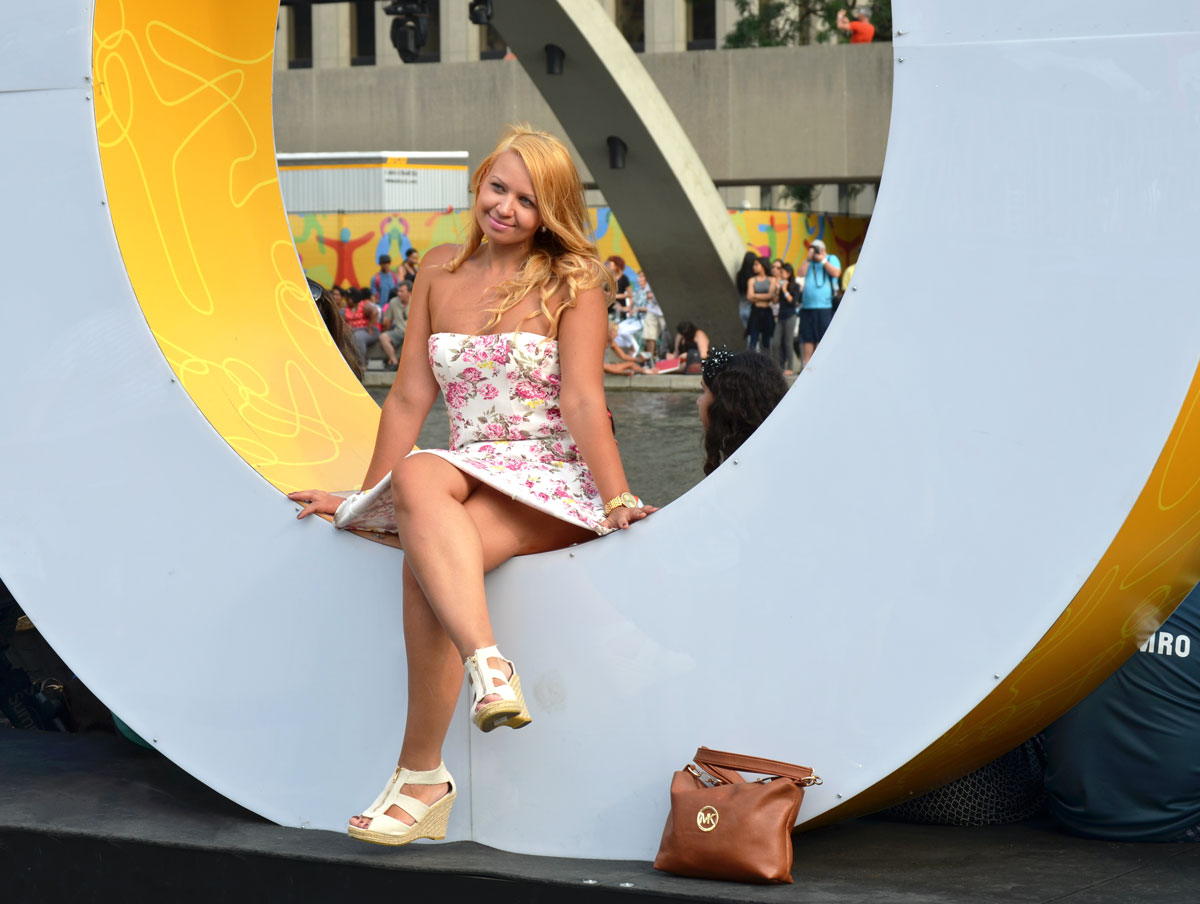
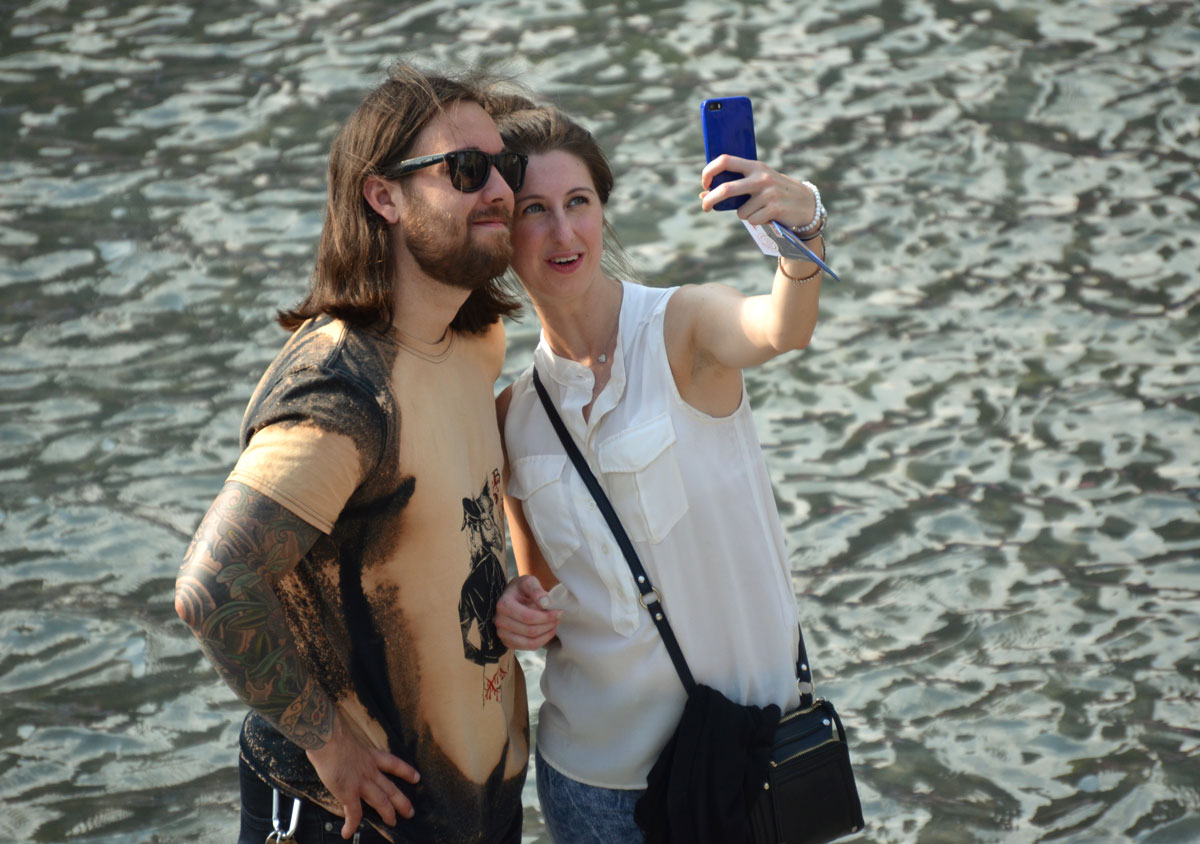
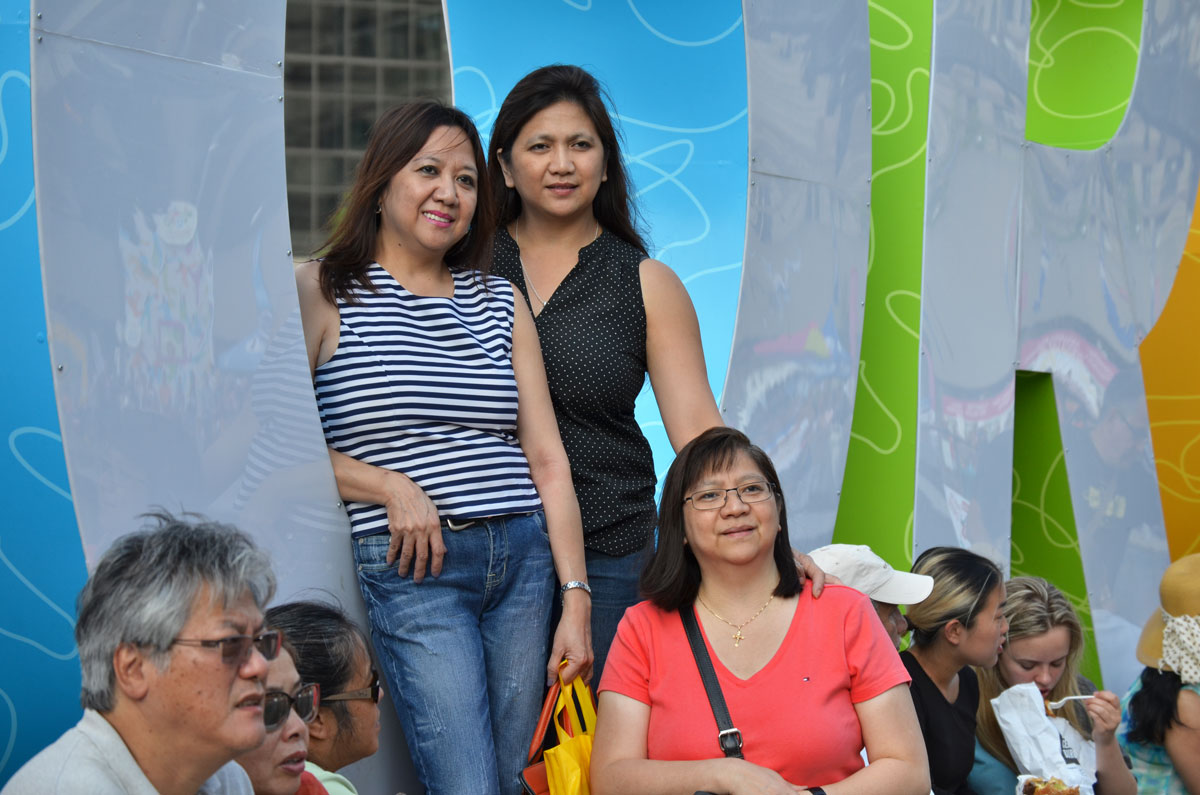
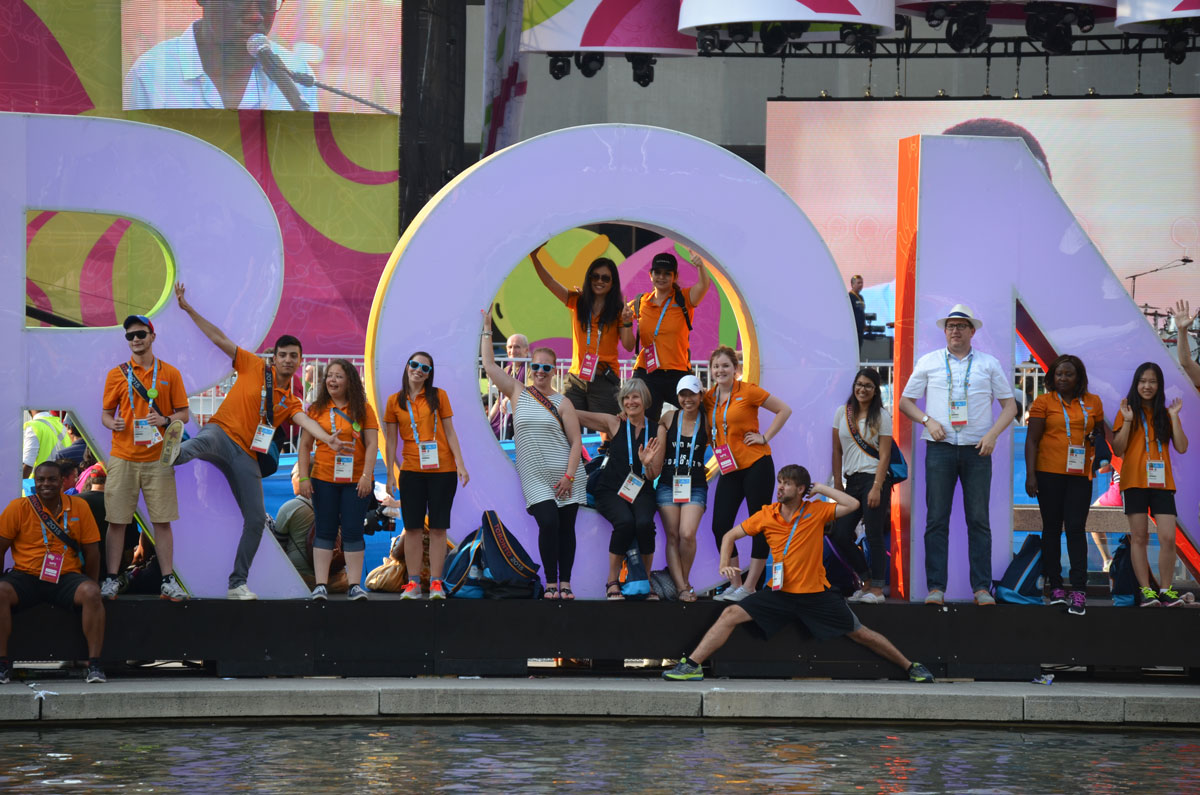
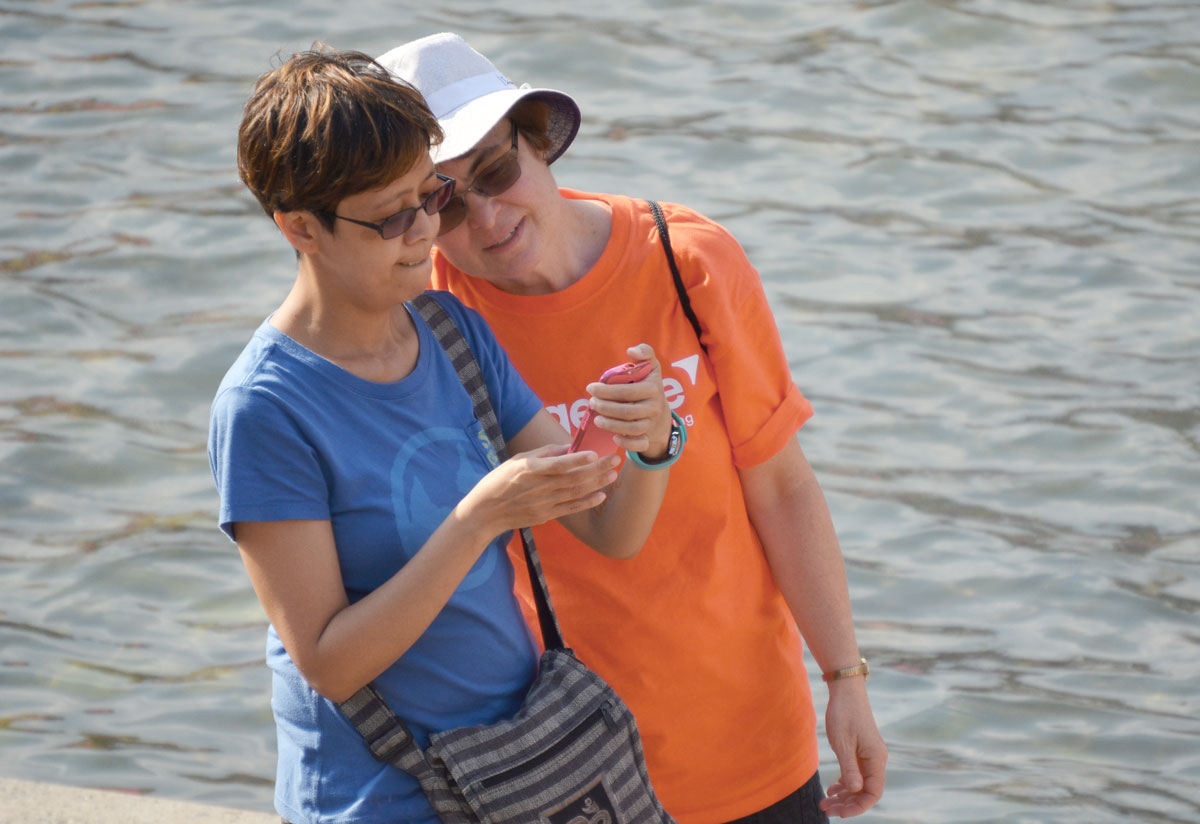
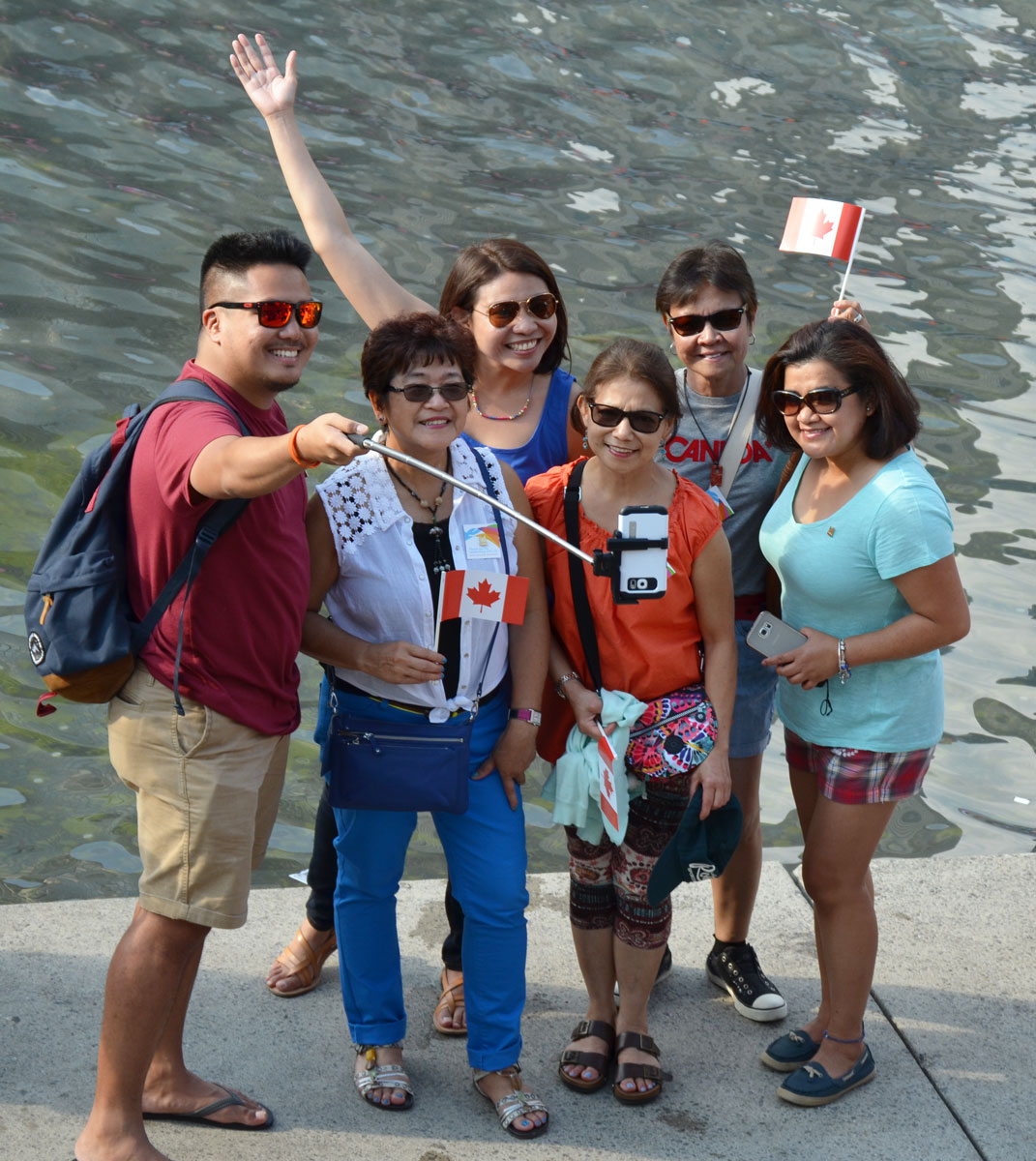
I think that there is something intriguing about what people will do when there is a camera in front of them, how some people are comfortable while others are not. The photos that I took by the 3D Toronto sign at Nathan Phillips square on Saturday were of people taking selfies or posing for pictures. None of them were posing for me, but for their friends or families.

There is also something intriguing about how people behave when they have a camera in their hand.









#share3DTO #hostcity2015
 as I walk Toronto