Posts Tagged ‘AGO. Art Gallery of Ontario’

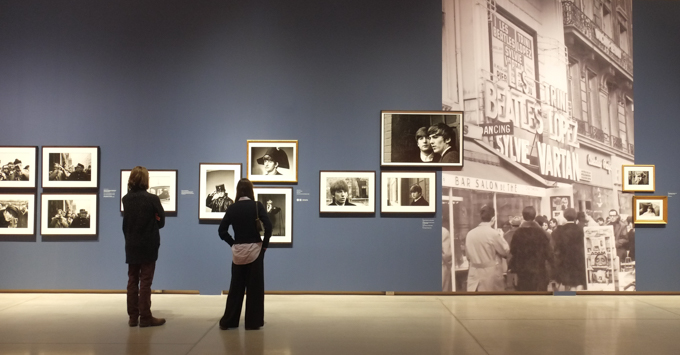
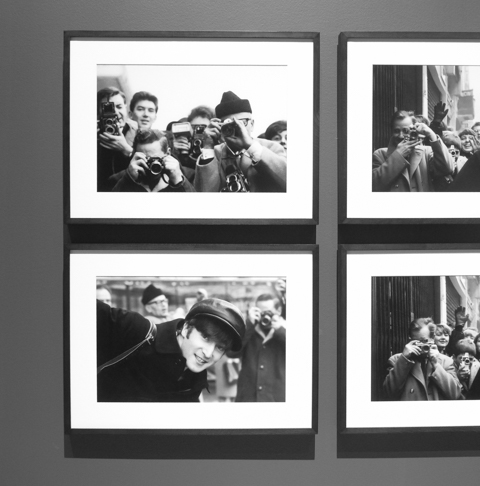
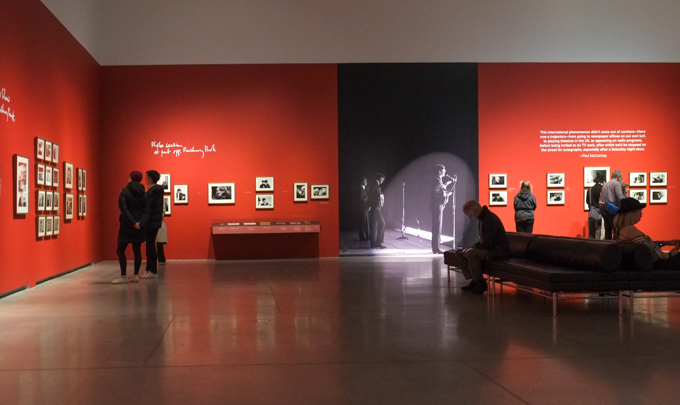
One of the latest exhibits at the Art Gallery of Ontario (AGO) is a collection of photographs and videos from 1964. But not just any photos. This collection features the Beatles and centers on their first visit to the USA in 1964. The videos are famous ones – the interview at the airport when they first arrived in New York City as well as videos from their performance on the Ed Sullivan Show. Sprinkled throughout the exhibit are a number of pictures that Paul McCartney took – pictures of the paparazzi that followed them, of the people and crowds that they encountered, the other Beatles, as well as a few of the cities around them.

AGO, Art Gallery of Ontario, exhibit of Paul McCartney's photography,as well as photos of the Beatles and the people around them from early in their career, blue wall with black and white photos,

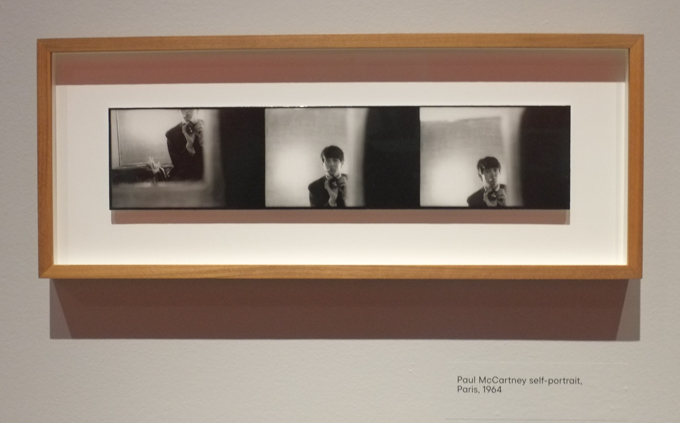
below: A series of three selfies that McCartney took in Paris in 1964. The bathroom mirror technique?

Paul McCartney self portraits, series of 3 black and whites, taken in Paris in 1964

photos from paris france 1964, taken by paul mccartney, black and white

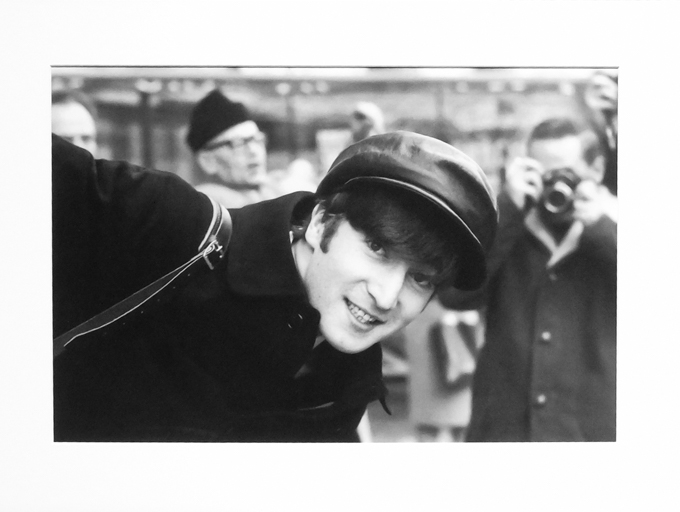
below: John Lennon, Paris, 1964, taken by Paul McCartney


photo of John Lennon, taken in paris france 1964, taken by paul mccartney, black and white

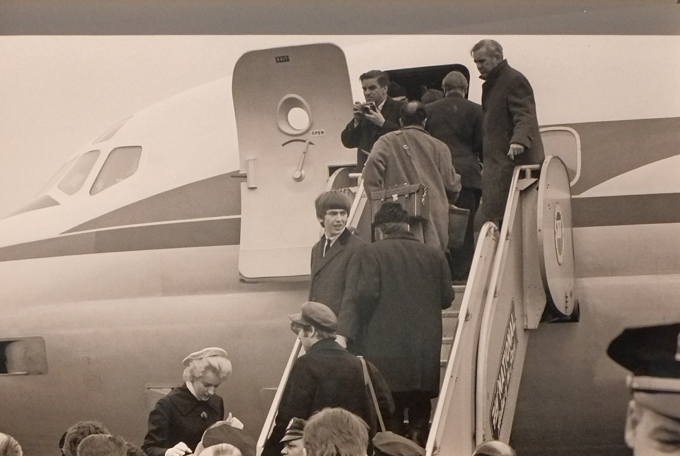
below: George Harrison, NYC, 1964

PanAm airplane, New York City, Beatles in USA for the first time, image, black and white

AGO, Art Gallery of Ontario, exhibit of Paul McCartney's photography,as well as photos of the Beatles and the people around them from early in their career,

below: Slide show of colour photos of the Beatles taken in Miami in 1964

man with back to camera, sitting, watching a slide show with large image of the Beatles, AGO

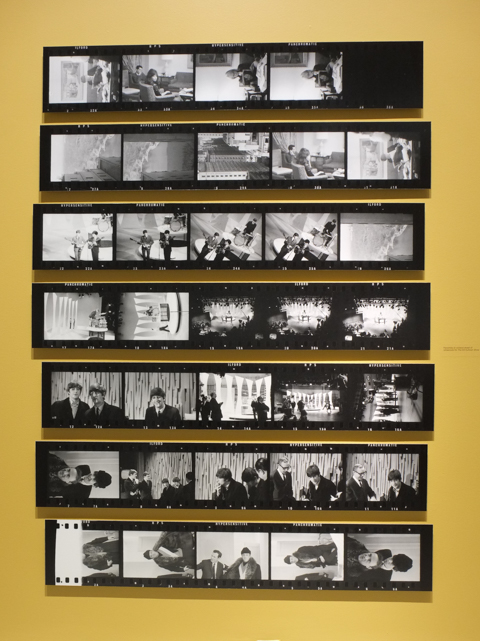
below: One wall was devoted to a “contact sheet” style of print. Most of them were from their appearance on the Ed Sullivan Show in New York City, February 1964.

yellow wall at Art Gallery of Ontario covered with enlargements of negatives printed like a contact sheet. Pictures were from their television performances, like Ed Sullivan show, in the mid 1960s.

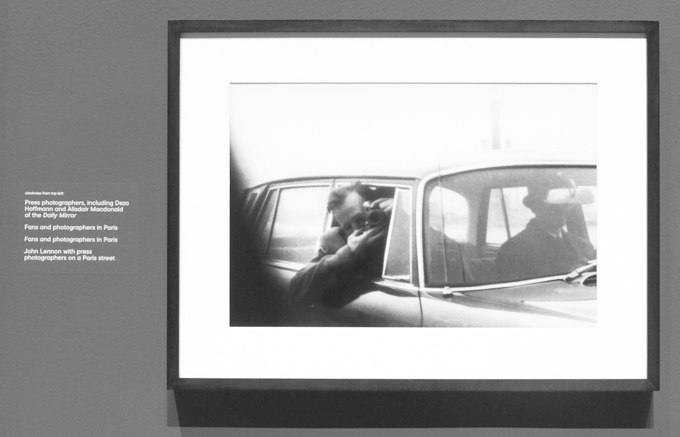
photo of two men in a car, one is aphotographer and is leaning out the window with his camera, 1960s, black and white photo

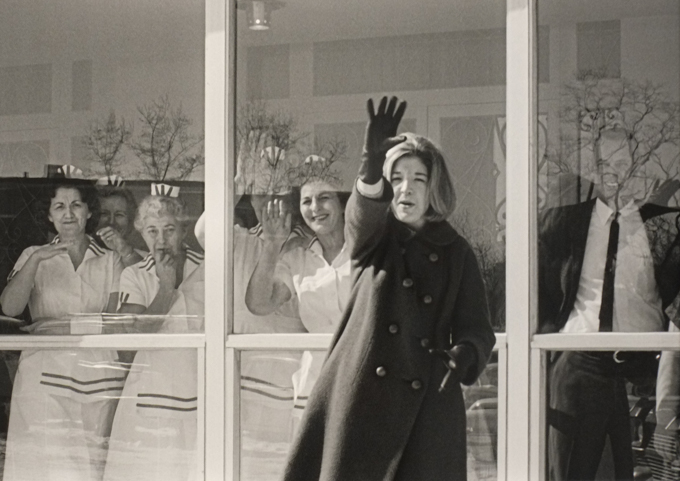
picture of a woman standing outside a window, inside there are other people looking out

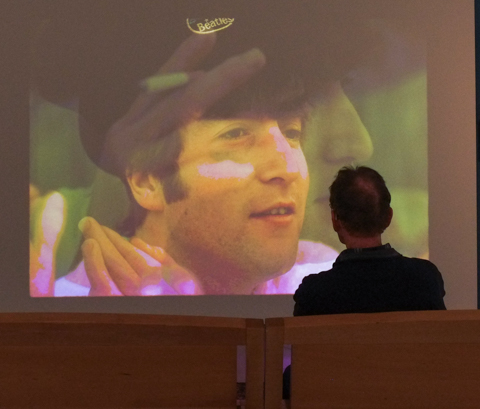
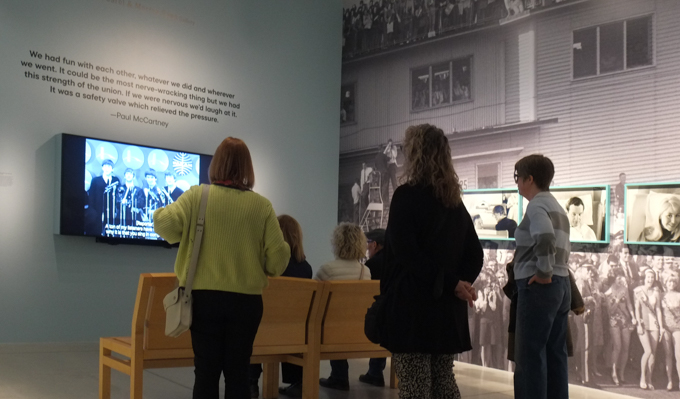
below: Watching the video taken at the airport when they first arrived in New York City, 1964

people at Art Gallery of Ontario watching a video of the interview with the Beatles at the airport in New York City when they first arrived in the USA

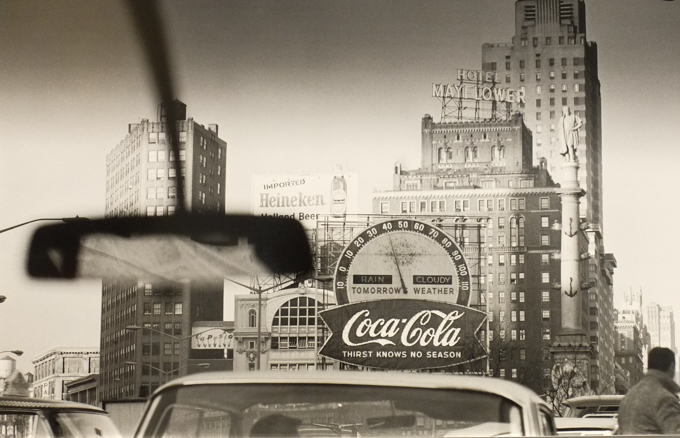
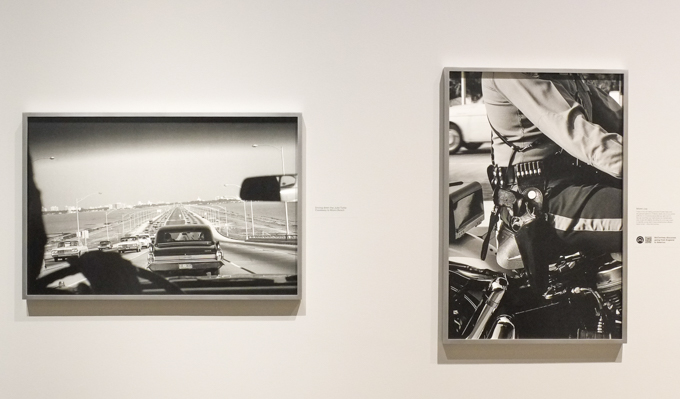
below: New York City views

photograph taken out the front window of a car of a New York City scene with billboards and tall buildings

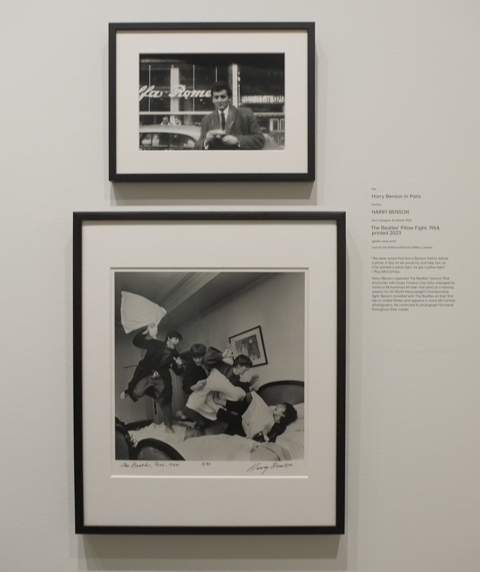
two black and white photos on a gallery wall,

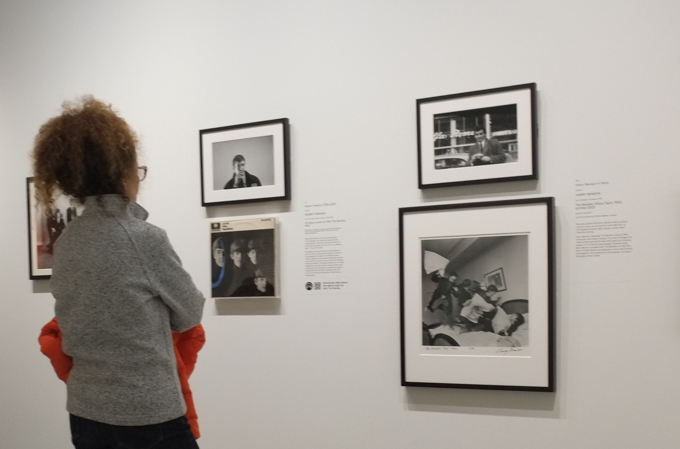
a woman looking at black and white photos on the wall of an art gallery

two of the black and white photos of the beatles, AGO exhibit

There was a small section of the exhibit that showed some video from when the Beatles played at Maple Leaf Gardens in Toronto.

The exhibit continues until 7 June 2026

‘Trans Am Apocalypse No. 3’ by John Scott

a 1980 Pontiac firebird trans am, painted in black house paint and then words scratched into it, the words from Revelations in the New Testament of the bible, every part of the black surface is covered with words, in an art gallery

This is a 1980 Pontiac Firebird Trans Am painted with black house paint.   The words from the book of Revelation from the New Testament of the bible scratched into it, covering the whole surface of the car.

below: “Faithful until death” stands out on the door handle.  From Revelation 2:10 “Do not fear what you are about to suffer. Behold, the devil is about to throw some of you into prison, that you may be tested, and for ten days you will have tribulation. Be faithful unto death, and I will give you the crown of life.

words from Revelations in the New Testament of the bible scratched into paint covering the whole surface of a trans am car, close up of door handle with the words faithful until death on it,

This is actually the third car that Scott produced. The first, finished in 1988 ended up being crushed into a cube of metal. The second, finished in 1993, is now in the National Gallery in Ottawa.  This one was finished in 2000 but it was homeless for a while.   In 2007 it was donated to the AGO (at that time it was housed in a barn). It was first displayed in 2016.

below: All 22 chapters of the Revelation to John fits on the car, including the part seen here: “He who overcomes, I will make him a pillar in the temple of My God, and he will not go out from it anymore; and I will write on him the name of My God, and the name of the city of My God, the new Jerusalem, which comes down out of heaven from My God, and My new name.”   This is Revelations 3:12.

words from Revelations in the New Testament of the bible scratched into paint covering the whole surface of a trans am car, close up of the side of the car by the front passenger door, and front tire

The book of Revelation is written in a very symbolic language and there are different interpretations of its meaning.  One interpretation is that it was written to give ancient Christians hope for dealing with their own problems –  to stand firm in their faith despite the threat of death from the Roman government.

Another interpretation is that our world is doomed, that Revelation is a description of the “end of days” sometime in the future. This is the futurist interpretation of Revelation with its premise  that the prophecies in Revelation still await a future, literal fulfillment.  In this interpretation, the four horsemen described in the sixth chapter symbolize the evils to come at the end of the world.   This seems to be the interpretation that gets a lot of attention. 

I have no intention of writing an essay on this but I wanted to mention the horsemen because some of the words used by the AGO to describe John Scott’s car are “A symbol of American consumerism and machismo, the vehicle has been modified to produce a contemporary mode of transport fit for the Four Horsemen of the Apocalypse”.   The Trans Am, a doomsday vehicle on the highway to hell.


words from Revelations in the New Testament of the bible scratched into paint covering the whole surface of a trans am car, close up of the front corner of the car, headlights and part of hood

What drives a person to scratch out these biblical words, not once, but three times?  What goes through a person’s head while they’re working on it?

And I have one more question – wouldn’t a Mustang be a more appropriate vehicle for the four horsemen?

This is a story about an exhibit that is showing at the Art Gallery of Ontario at the moment, “A Story of Negotiation” by Francis Alys.  The exhibit is a look at three of Alys’s large projects.  For each project there were many studies, notes, and sketches.  Drawings and paintings dot the walls and cover many tables.  There are three large videos to watch (not the ones shown below).  It is a fairly complex installation and only a small part of it is included here.

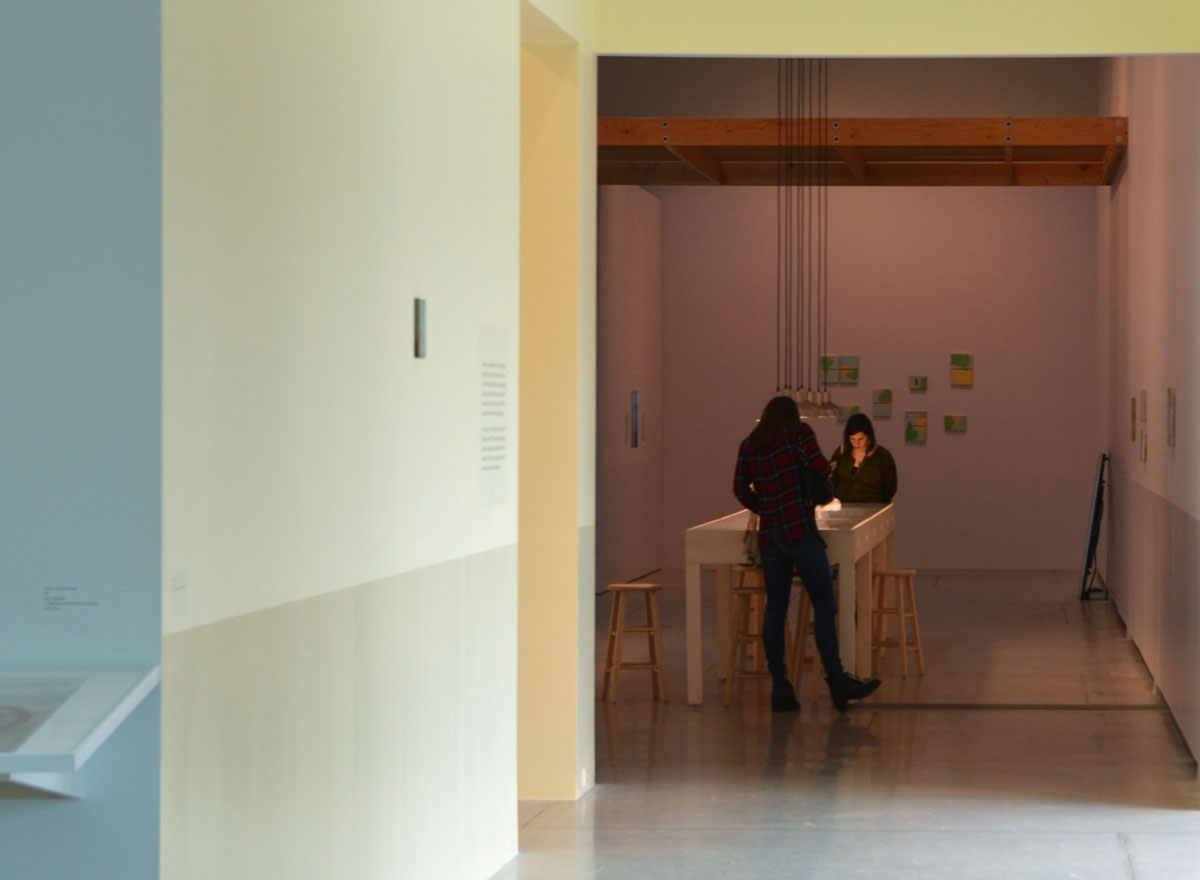
two women looking over a table with art displays on it , in an art gallery

below: In 2006 Alys tried to organize two lines of fishing boats, one from Florida and one from Cuba, that would form a bridge between the United States and Florida.  It was unsuccessful.  He repeated the project in 2008, this time between Spain and Morocco.

a young man is looking at two video screens that are mounted on the wall

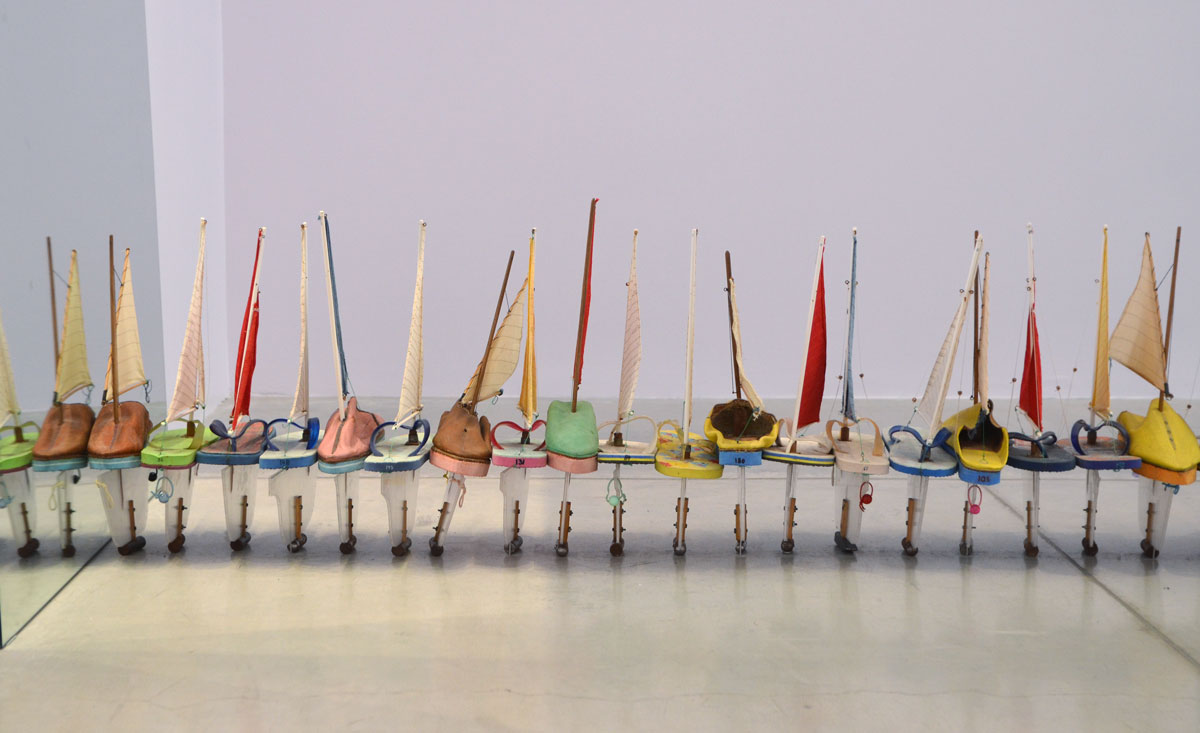
a line of little sailboats on the floor, all parallel to each other, the base of the boat (hull) is a flip flop or sandal.

below: More on borders, pairs of words that depend on which side you’re on.
Words such as leave/return and us/them.

4 small green and yellow pictures on a pink wall

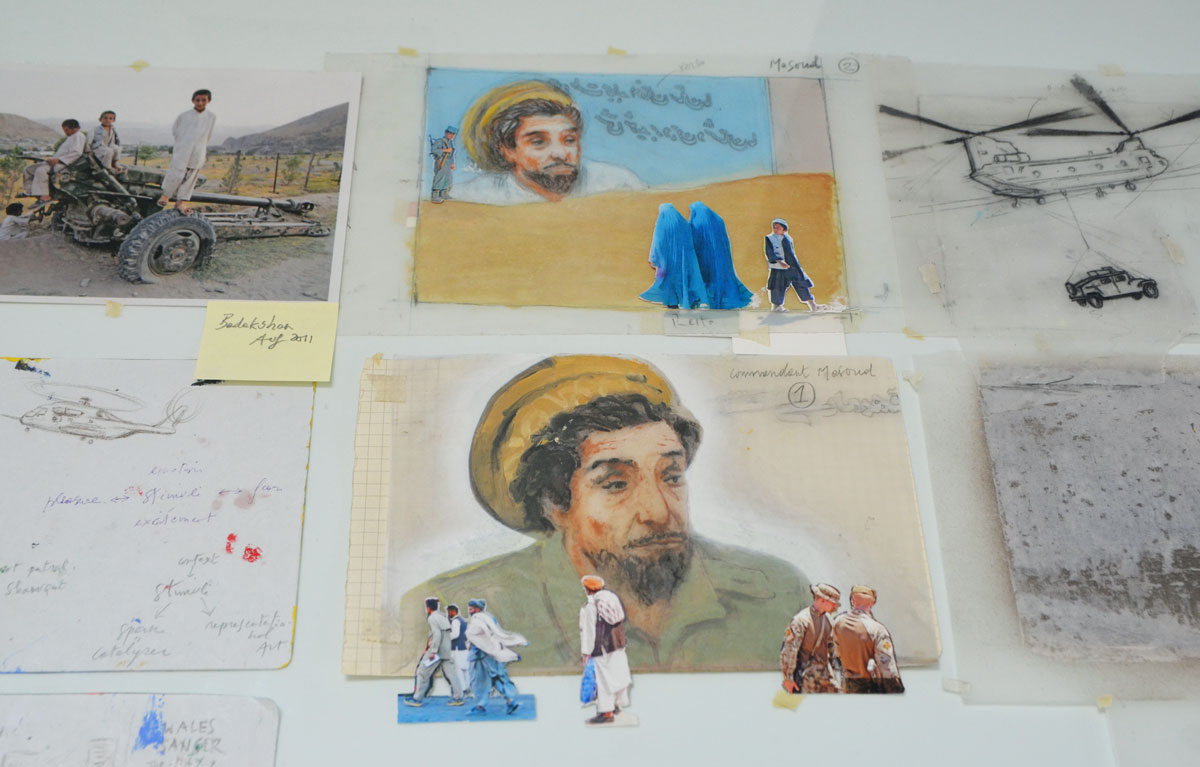
Alys also spent time embedded with British forces in Afghanistan.

a display of pictures, paintings, drawings, sketches, and notes as part of an art exhibit

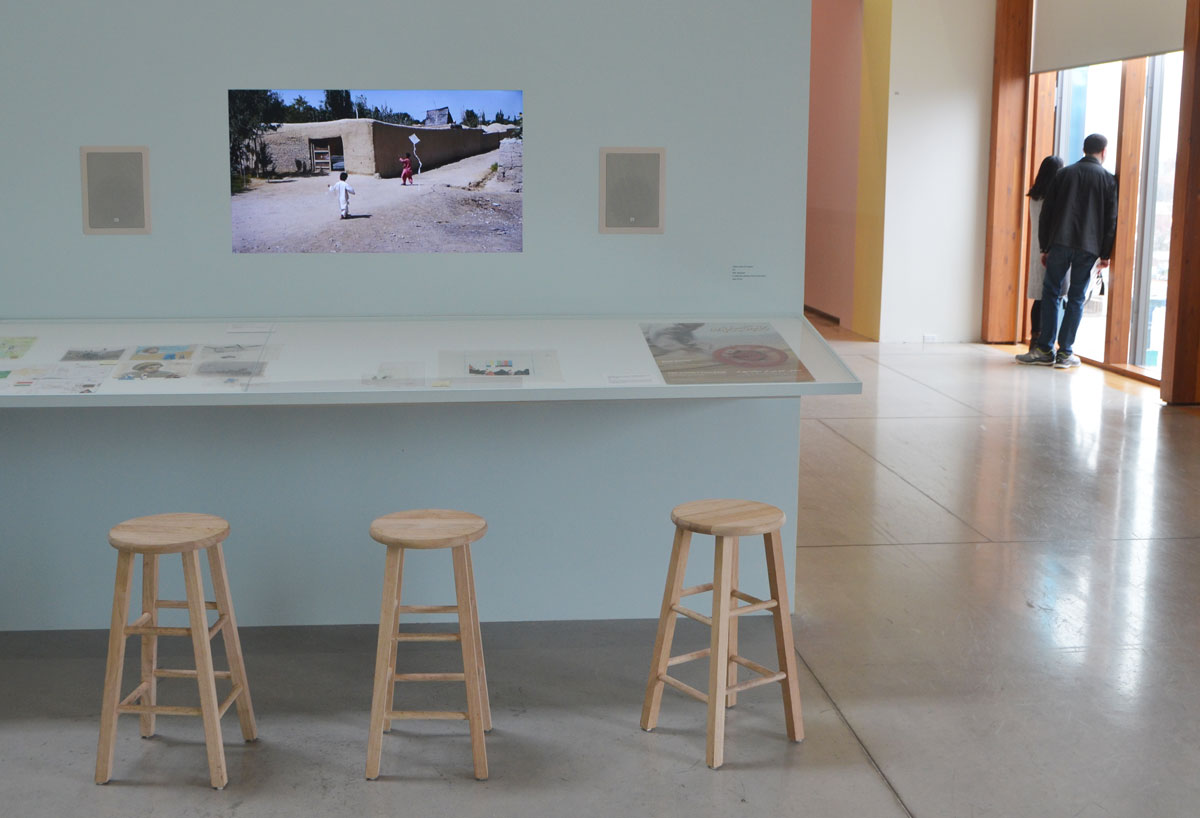
below: Alys made a videos on kids flying kites in Afghanistan.  There was also a video of kids rolling a large reel of film through the streets and alleys in an Afghan city.

3 wood benches in front of a table mounted to a wall, art on the table, a video screen on the wall with a movie about kids in Afghanistan flying kites, some people in the background

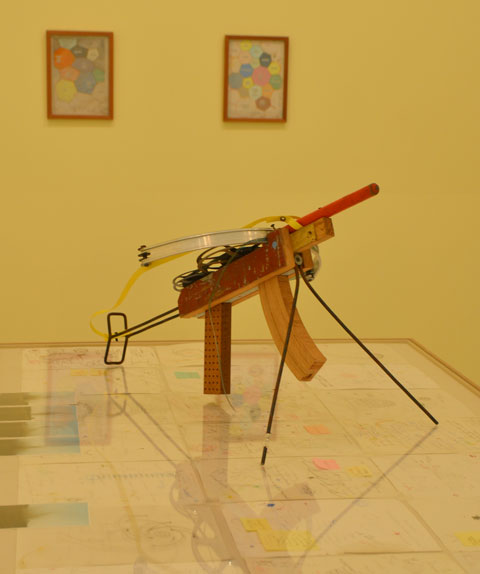
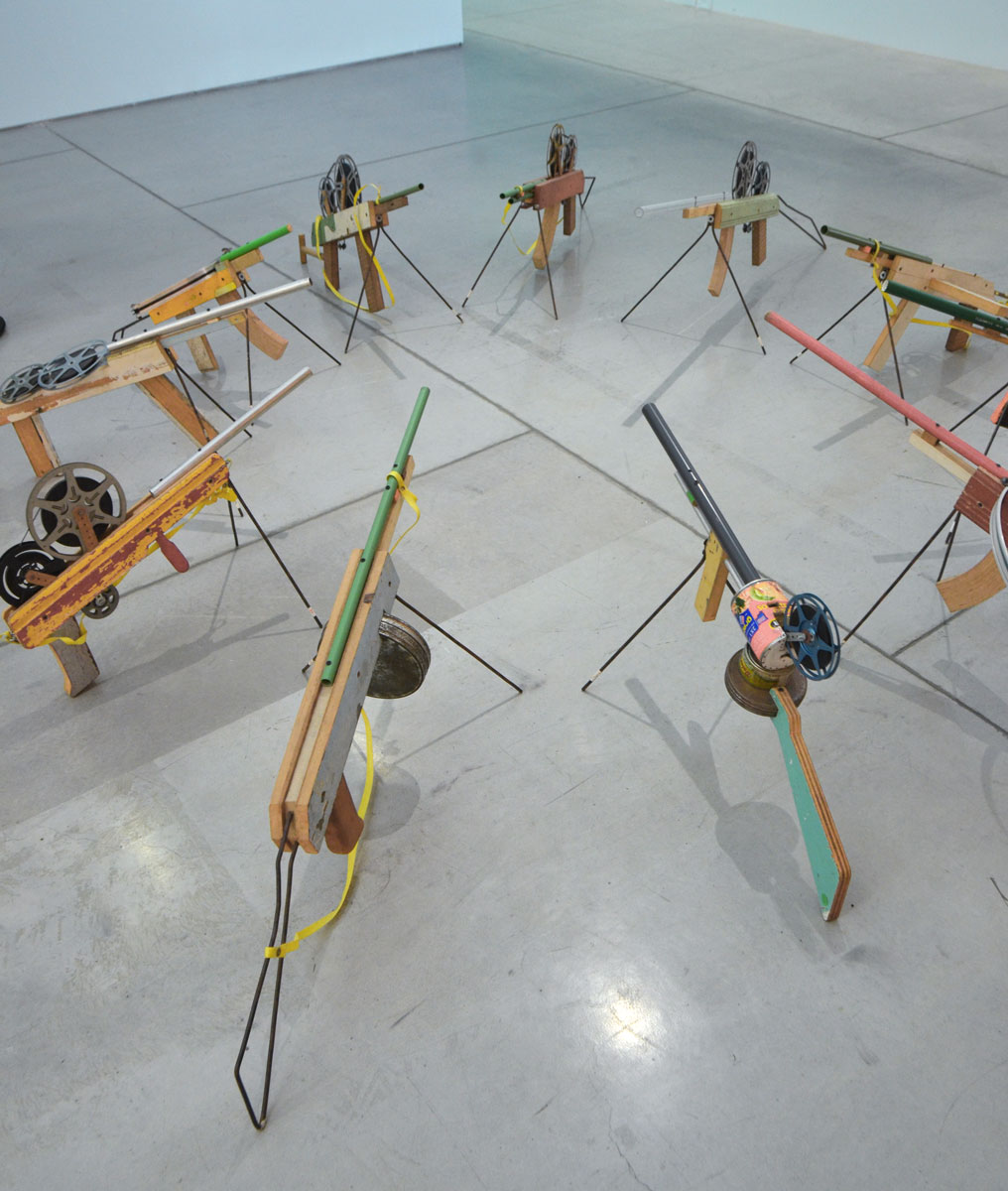
below: Weapons made of found objects

in a yellow room with two small pictures hanging crookedly on the wall. A table in the middle of the room, glass covering artwork on the table. Sitting on the table is an automatic rifle (artwork) made of found objects

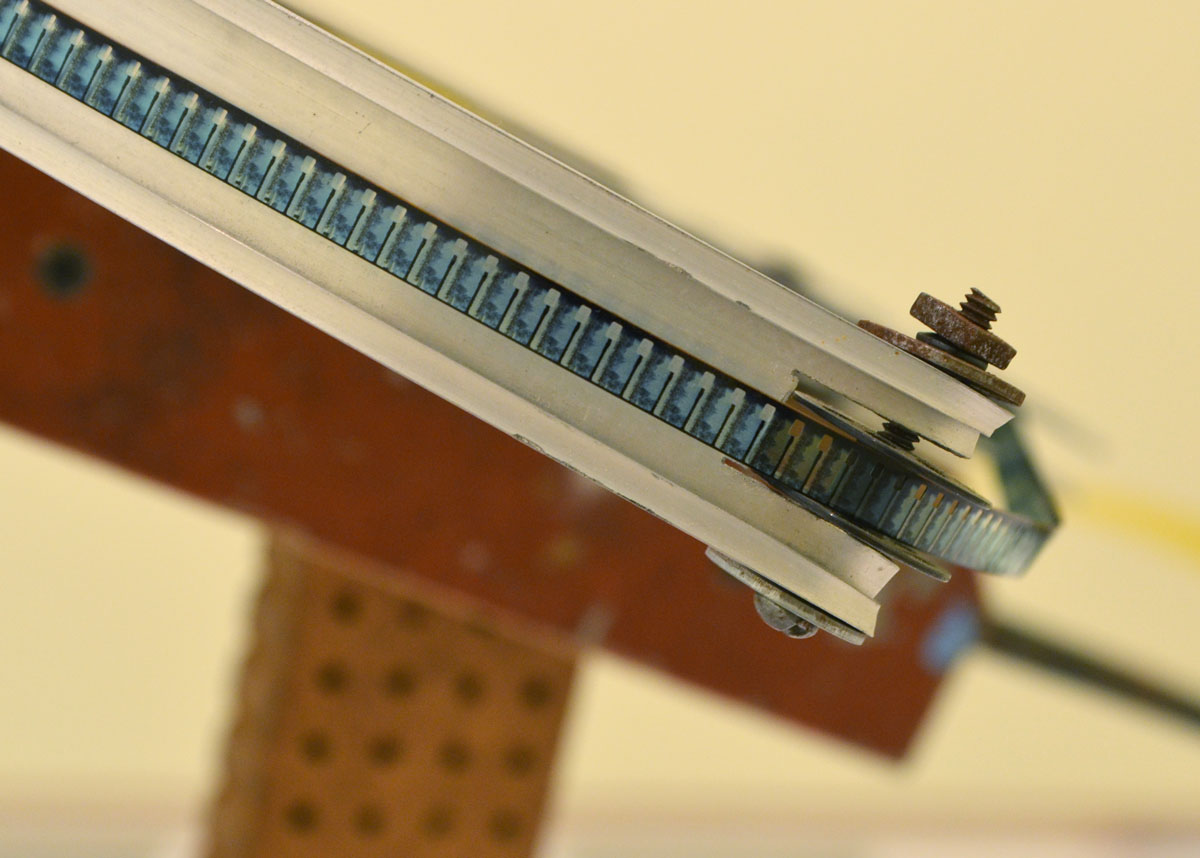
below: Instead of a round of ammunition, there is a reel of film. This is true in all of Alys’s ‘automatic rifles’ that are displayed here

close up of a sculpture of an automatic rifle where the round of ammo is replaced by a reel of film

a circle of art weapons, automatic rifles, made of found objects, with barrels all pointed inwards,

The exhibit continues at the AGO until April 2nd.

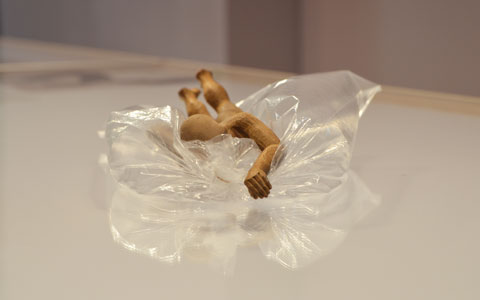
a little wooden human figure is doing the front crawl, one arm outstretched, on a bubble of clear plastic on a table top

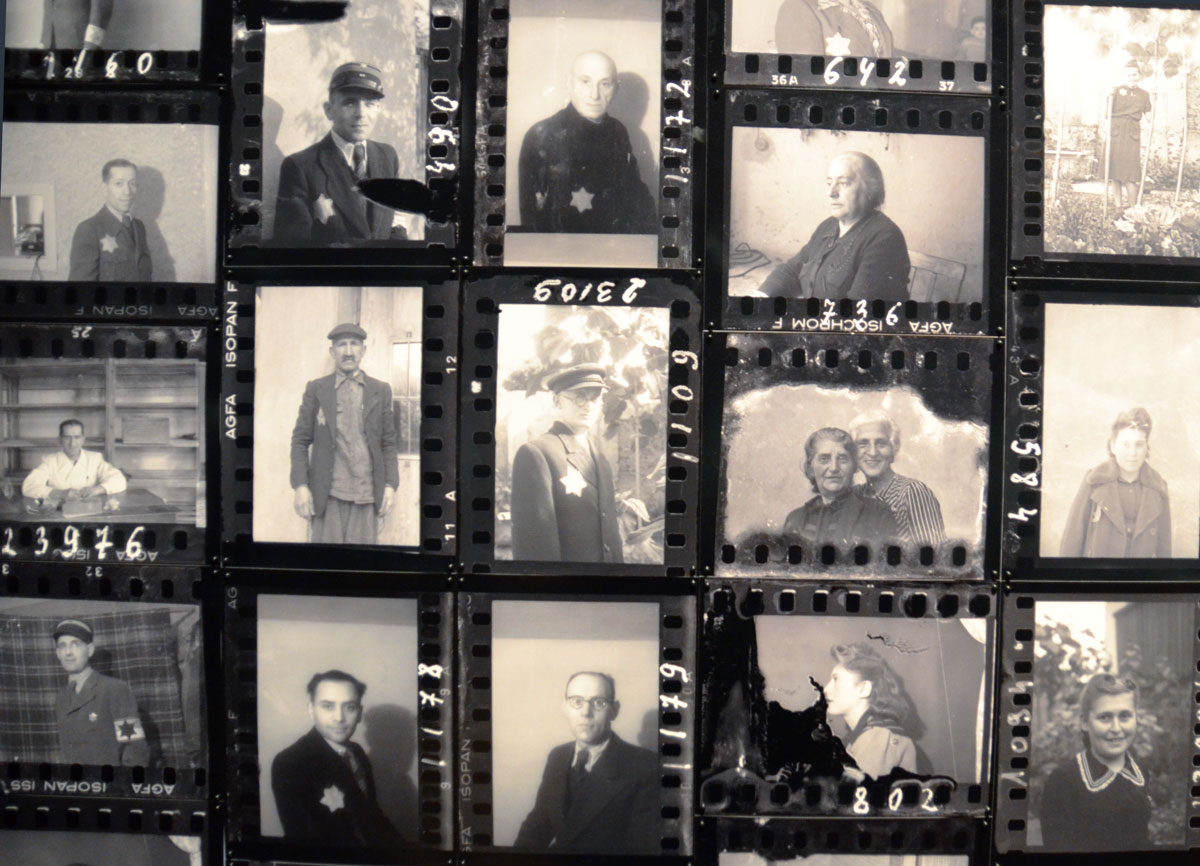
Photographs of the Lodz Ghetto (Poland 1940-1945)
by Henryk Ross,
at the Art Gallery of Ontario until 14 June 2015

Ross was a Polish Jewish photographer and one of the official Lodz ghetto photographers under the Nazi regime.

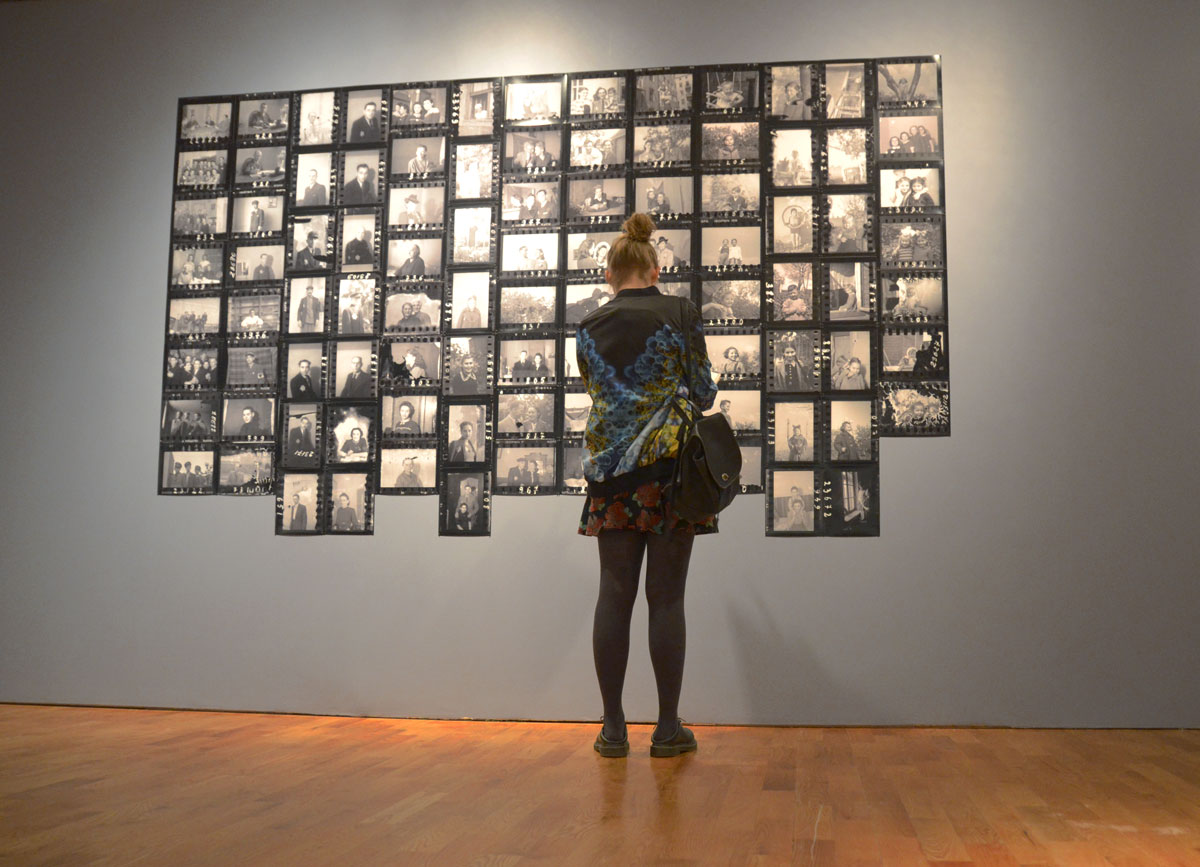
A girl is standing in front a photography exhibit where many black and white photos are grouped together to form one big picture.

In the autumn of 1944 as the Lodz ghetto was being shut down, Ross buried his 6000 negatives in jars.  The Red Army liberated Lodz in January of 1945 after which Ross unearthed his negatives.  Water damaged about half of them.  Of the surviving 3000 negatives, about 200 form the ‘Memory Unearthed’ exhibit.

Close up of photo display showing black and white photos of people in portrait like photos.

Some of the photos are ordinary pictures – portraits of people, children playing.  Other photos look ordinary until you learn the context, what is really happening in the picture.  Many photos document suffering and despair.  They elicit a lot of uncomfortable emotions but as an historical record the collection is excellent as well as much needed.