


Old Finch Avenue runs immediately north of the zoo way over in the northeast corner of the city. It also crosses the Rouge River close to what is called the Finch Meander. Because of its history and the surrounding geography, the eastern portion of Finch has to curve around the river and as a result, it doesn’t align properly with the western portion.
below: On Finch, traffic crosses a one lane bridge that spans the Rouge River.

below: Hurricane Hazel struck Toronto in October 1954. It damaged or washed away many bridges over the Rouge River including the one here. The replacement bridge is a “Bailey Bridge” built by the 2nd Field Engineer Regiment of the Canadian Military Engineers. Seventy years later it is the last one still in use.

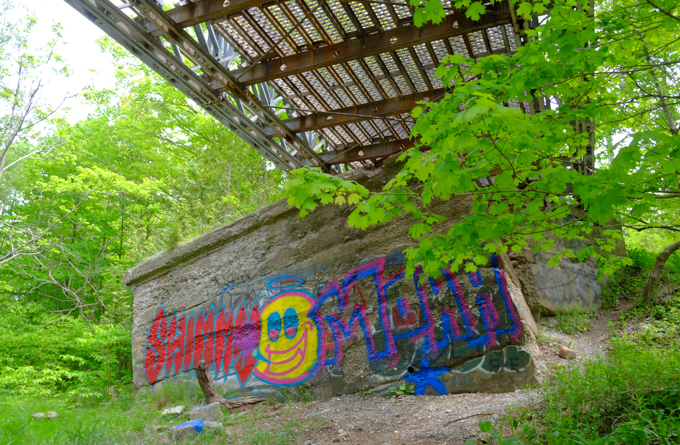
below: Can you see the little orange alien? I think that it’s waving at you…..
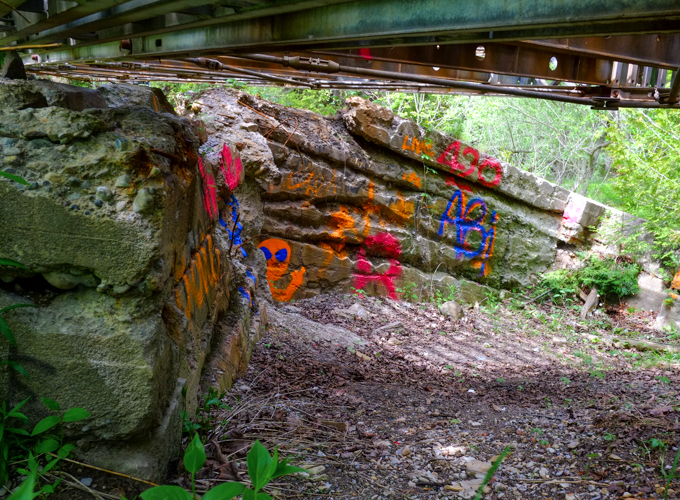
And a few photos from walking around the Rouge River park in that area –
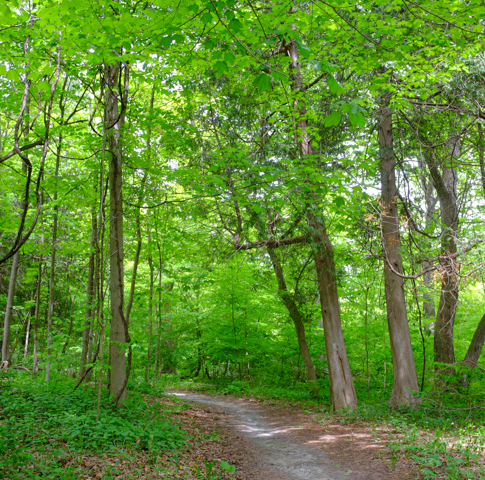
below: Down the steps and into the woods….


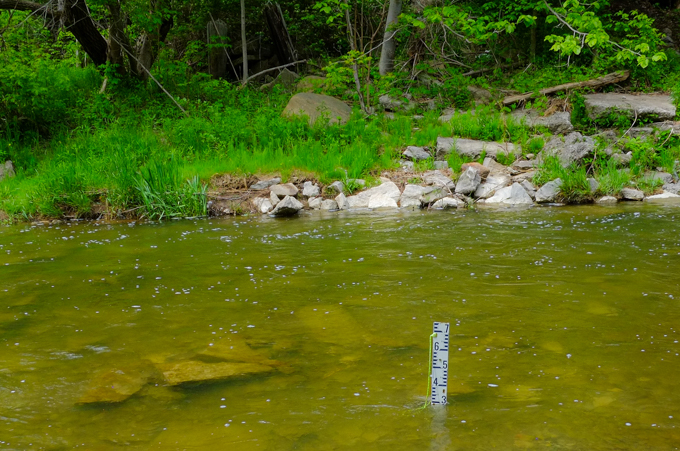
below: Measuring the water levels
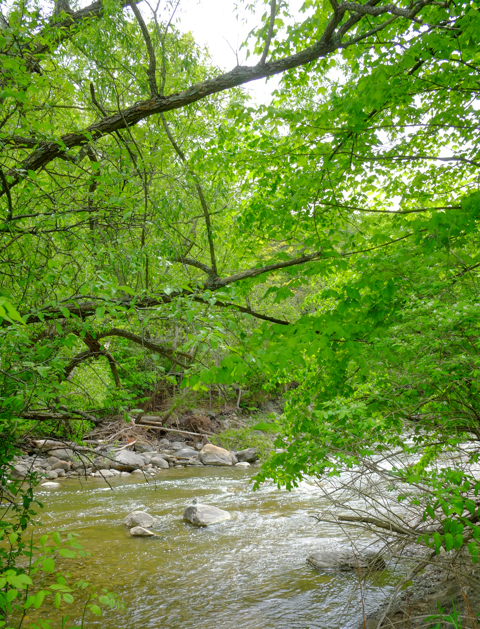
below: Greater Celandine growing in the shadows.
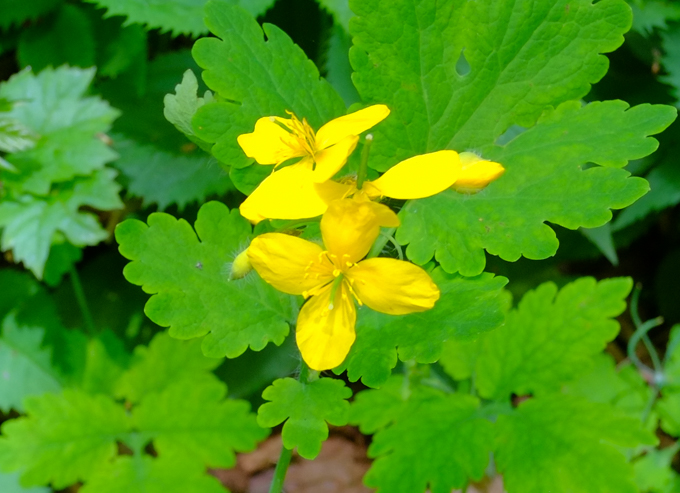
below: Little pink honeysuckle flowers
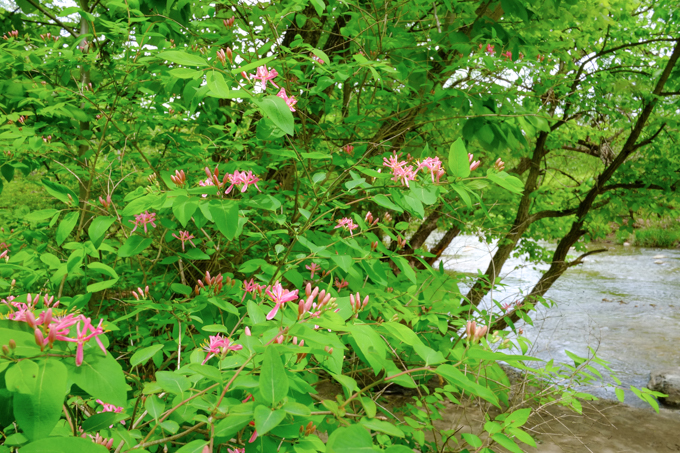
below: Mayapple among the ferns

below: Keep an eye open for poison ivy!
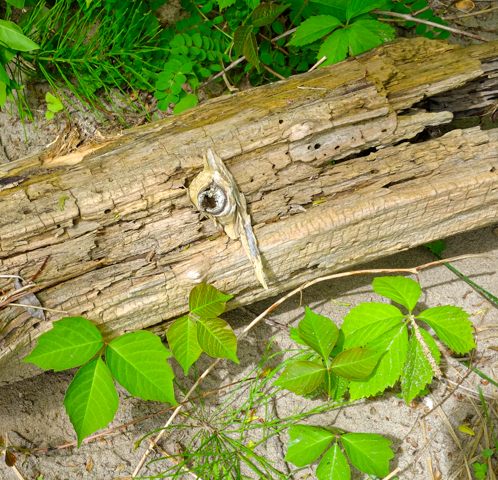
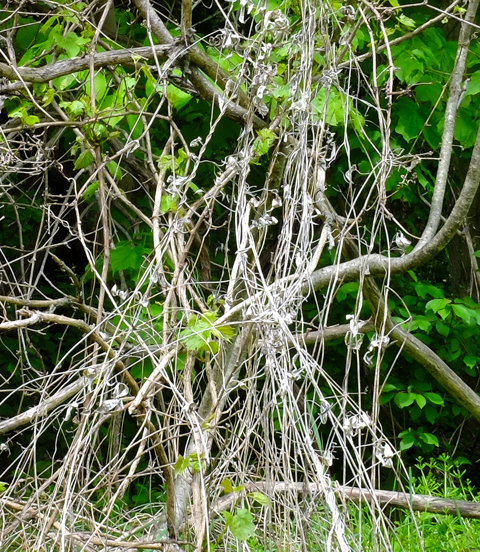
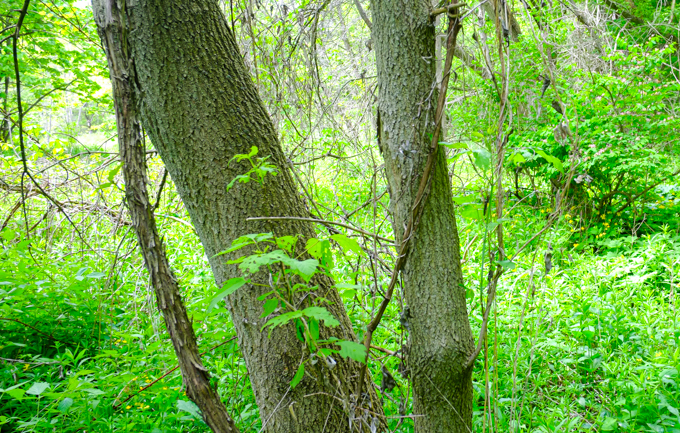
below: Another silent threat that lurks here (but won’t give you a rash) is an invasive vine. “Dog strangling vine”, or Vincetoxicum rossicum, wraps itself around trees and other plants that it encounters. It is early in the growing season so most of the plants here were still short but there were masses of them. The lighter beige curved objects that run through the middle of this photo are the remains of last year’s vines.


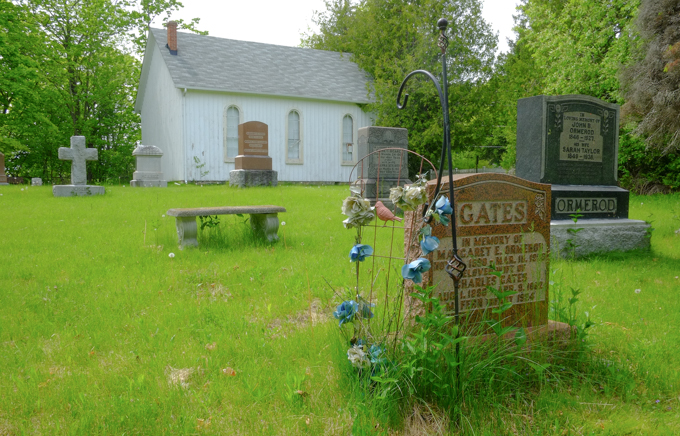
Close by is the old Hillside church built in 1877.

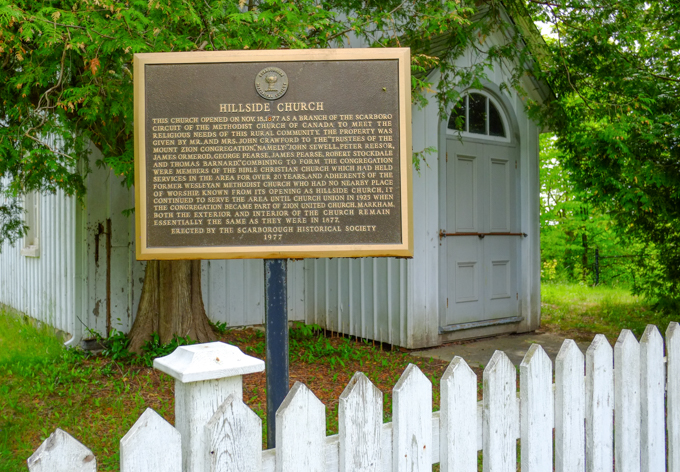
Hillside Church – The church opened on Nov 16, 1877 as a branch of the Scarboro circuit of the Methodist Church of Canada to meet the religious needs of this rural community. The property was given by Mr. and Mrs. John Crawford to the “Trustees of the Mount Zion Congregation” – namely John Sewell, Peter Reesor, James Ormerod, George Pearse, James Pearse, Robert Stockdale and Thomas Barnard. Combining to form the Congregation were members of the Bible Christian Church … and the adherents of the former Wesleyan Methodist Church. Known from its opening as Hillside Church, it continued to serve the area until Church Union in 1925 when the congregation became part of Zion United Church, Markham. Both the exterior and the interior of the church remain essentially the same as they were in 1877.
below: Someone with surname Thomas once passed this way. Lived here. Played here. The small stone suggests that it was a child, maybe? Almost 150 years later this little stone, cracked and weathered as it is, still stands in memory of Thomas and the person who cared enough about him to have this stone made and erected in the churchyard. A few of us stop and linger long enough to think about him but at some point the words will become even more unreadable.

Stone possibly says, Leonard, infant son of ?? Thomas, died July 11 1888 (1889?)
With thanks to Wilfred who suggested checking out the Rouge River and Bailey Bridge! It was a few months ago now but I was waiting for a nice spring day.
 as I walk Toronto